




Free written scope consultation - allowances, timeline, and change-order rules on paper before a single trade is scheduled
Styles & brands we work with
- Kitchen remodeling
- Bathroom remodeling
- Home additions & ADU
- Roofing
- Windows & doors
- Driveway & pavers
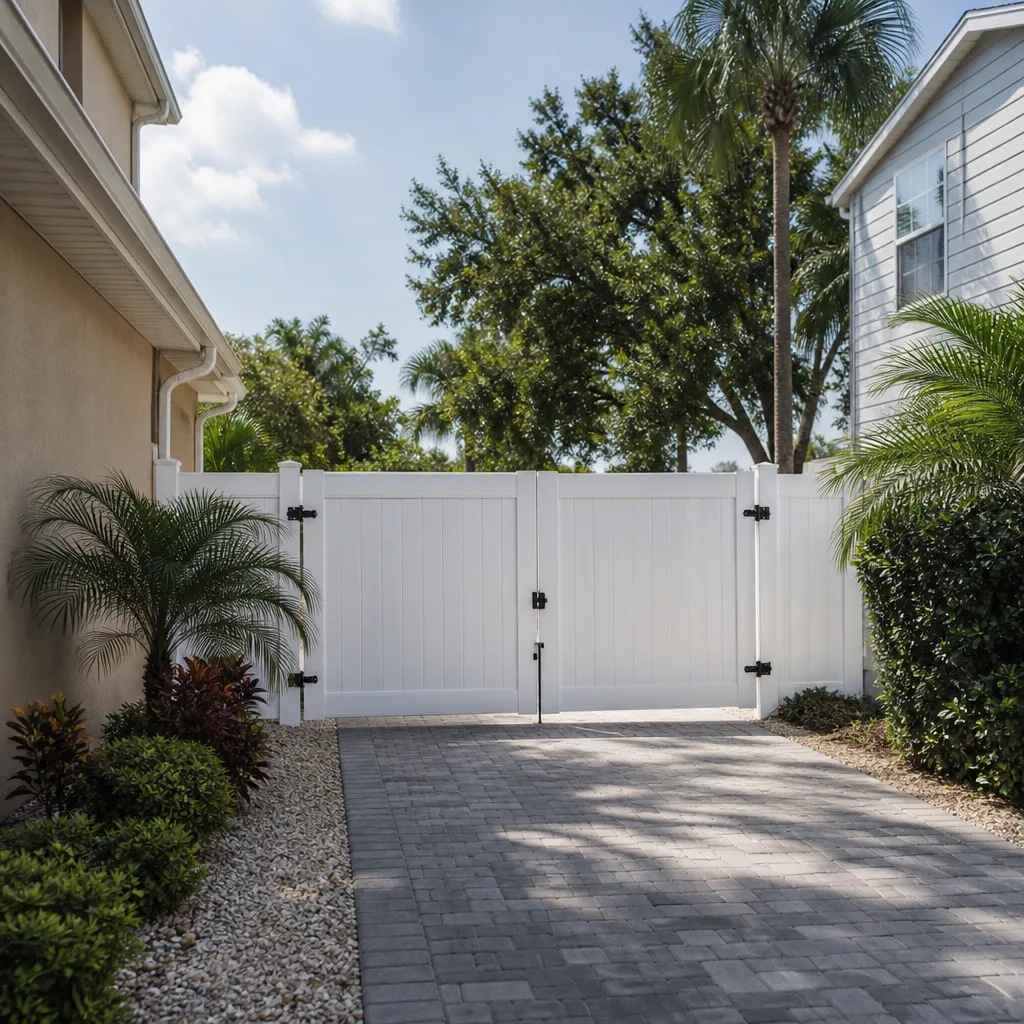
- Fence
See the difference
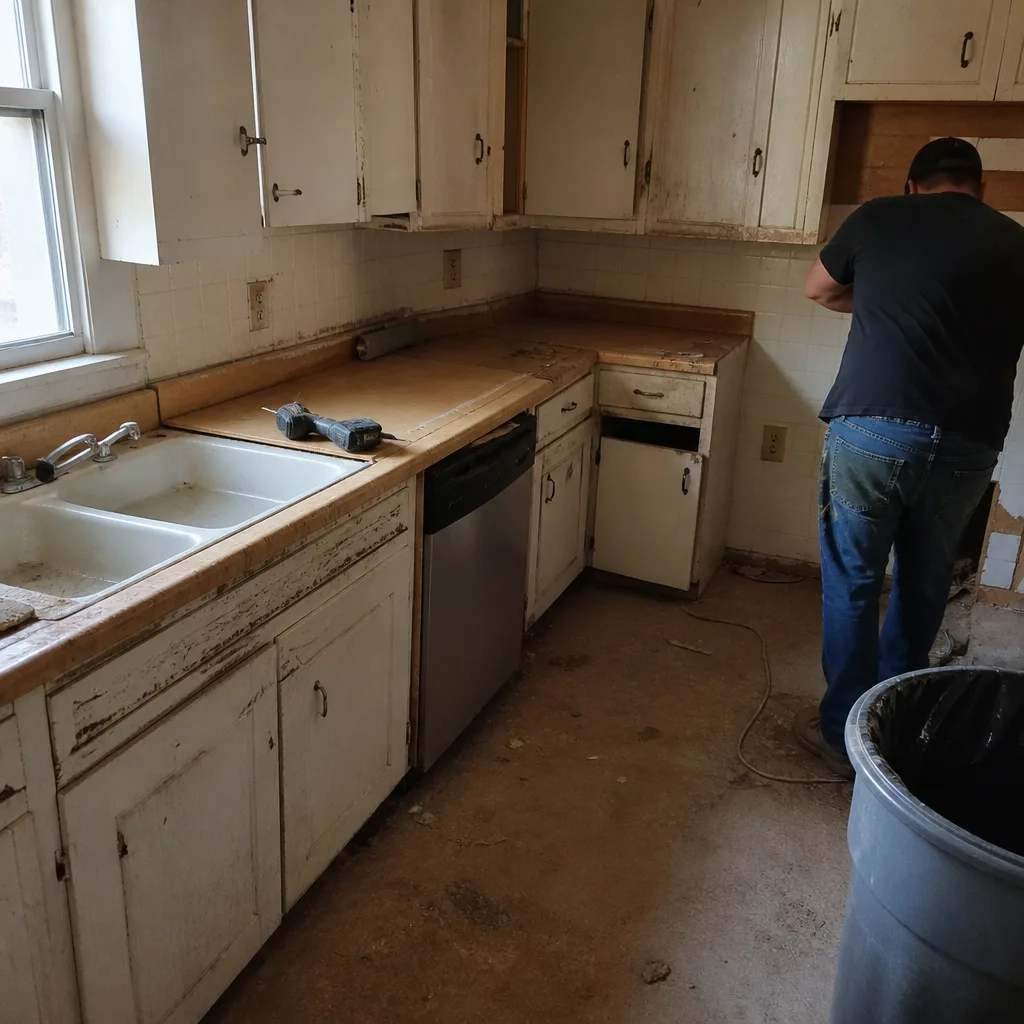 Before
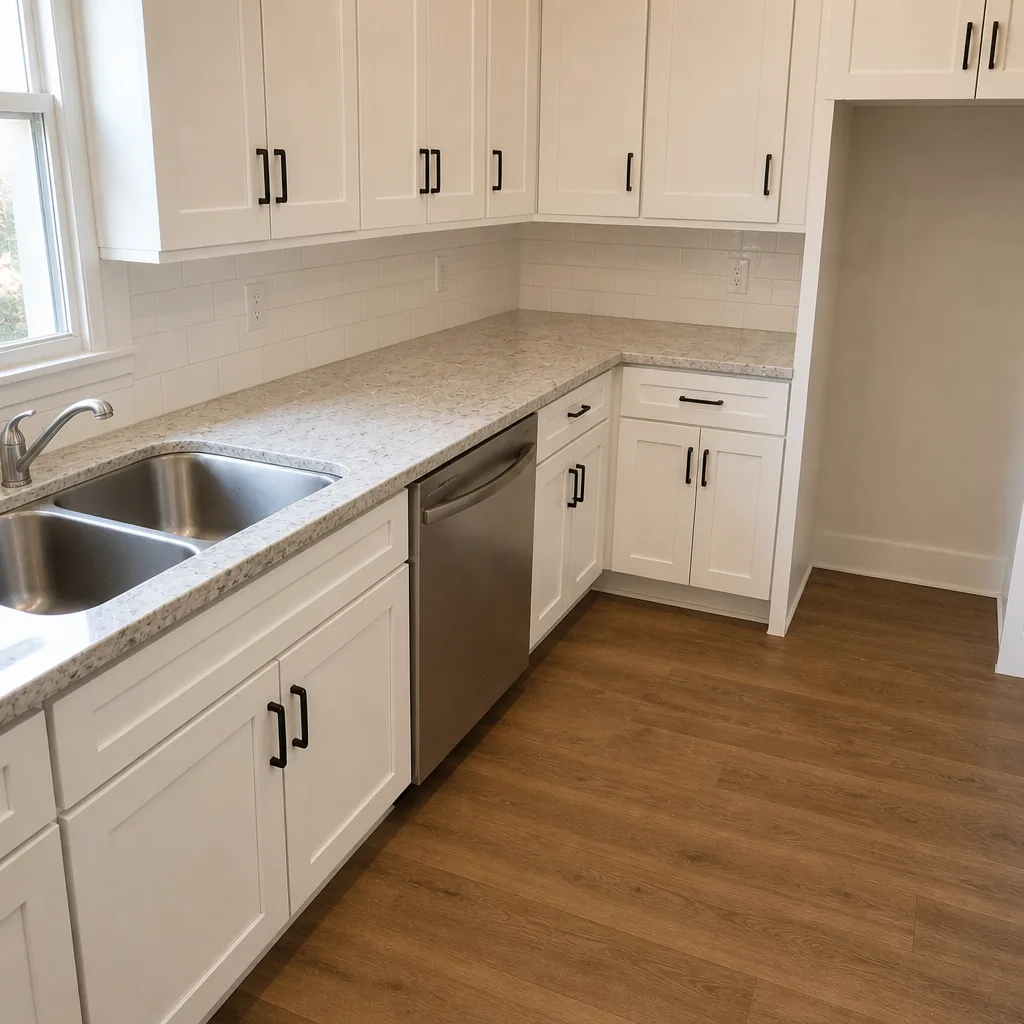 After
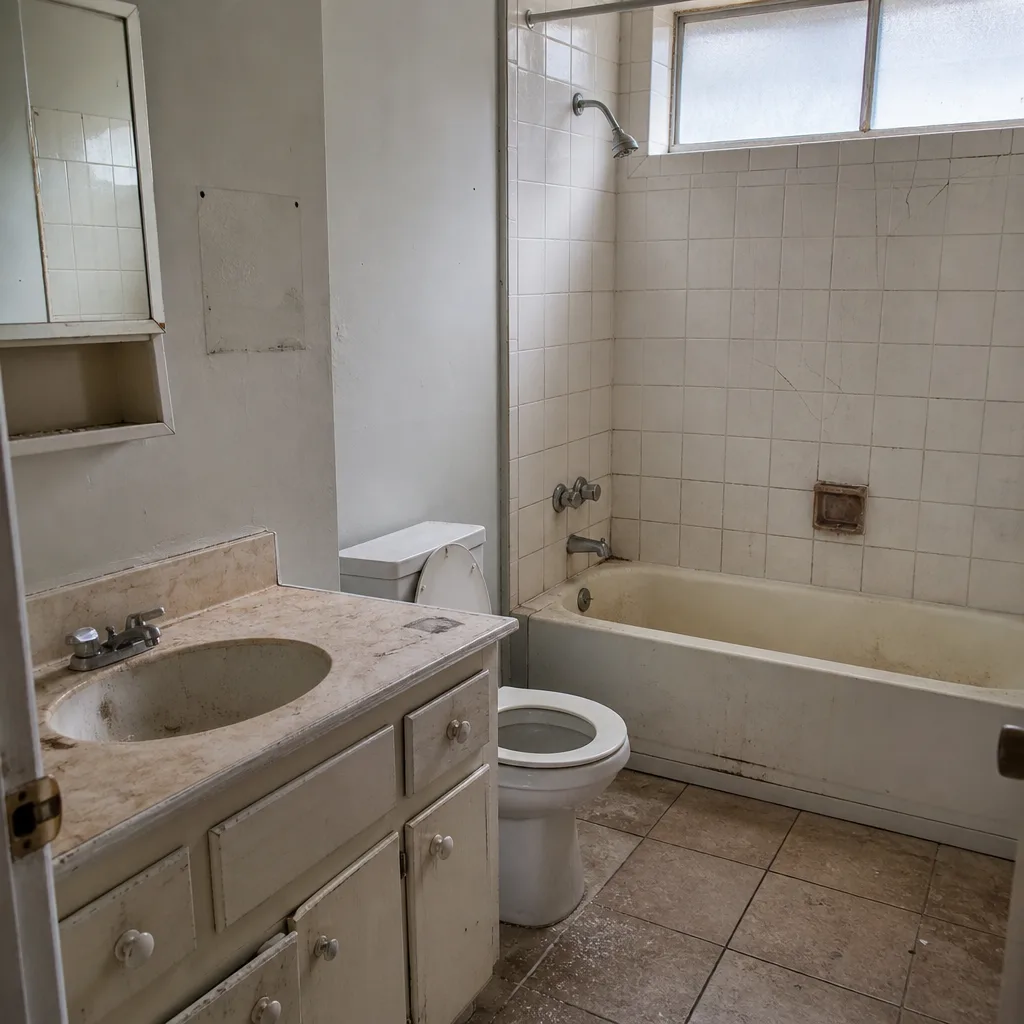 Before
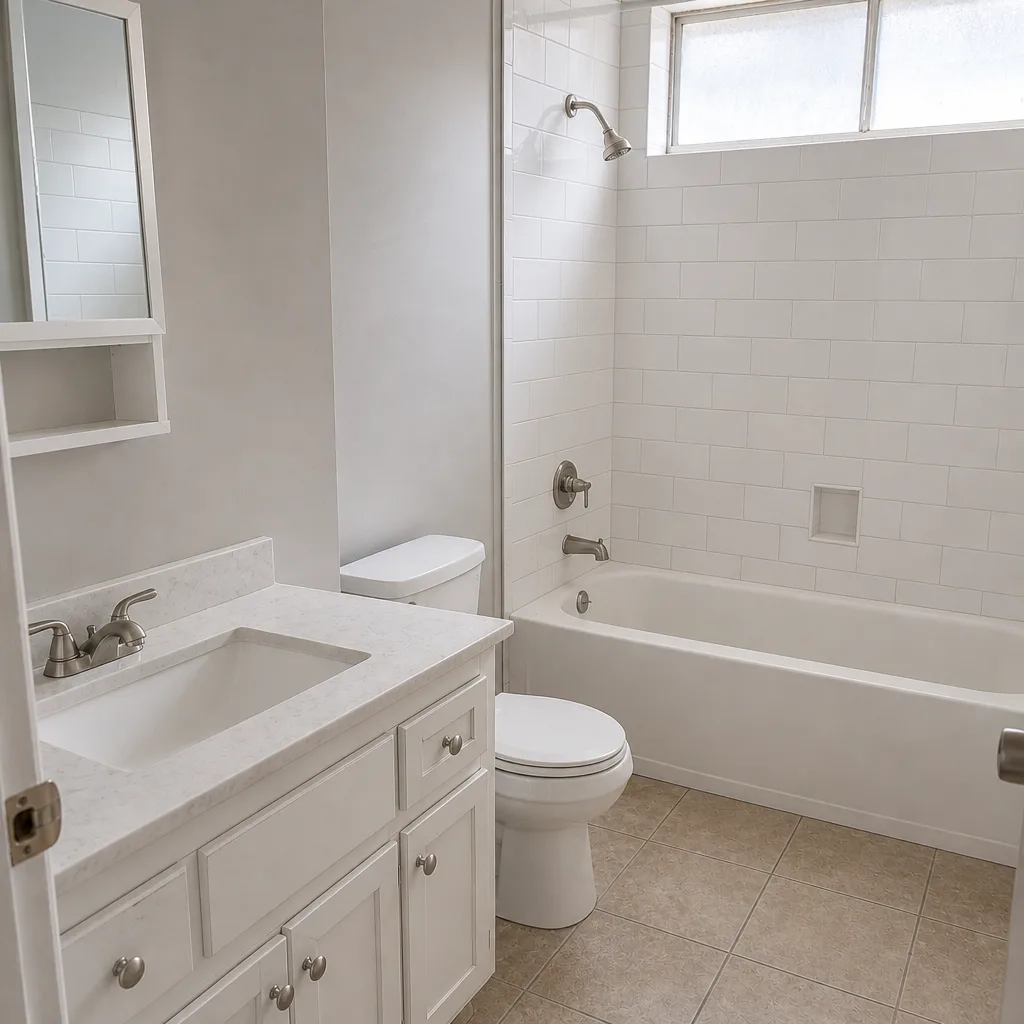 After
 Before
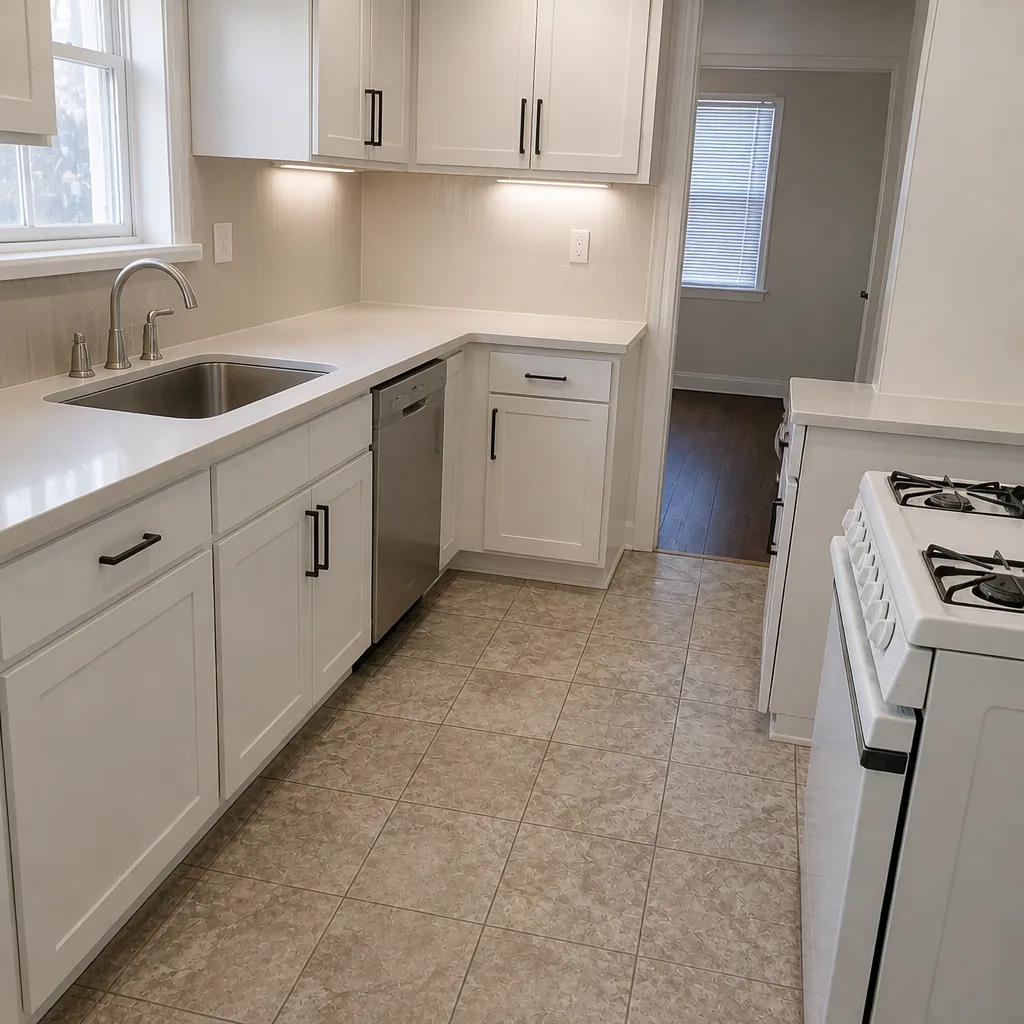 After
Roof Hail Damage Signs in Mesquite, TX: What 1-Inch Hail Actually Does to a Shingle
Roof hail damage signs start with what you can’t see from the driveway: granule loss at the shingle’s impact points, hairline fractures in the fiberglass mat underneath, and matching dents on soft metal (gutters, downspout caps, AC fins) that confirm the direction and size of the strike. After a 1 to 1.25 inch storm, most Mesquite roofs that took a hit still look intact from the yard. The hail was big enough to fracture the mat, small enough that the shingles held their shape. If last spring’s storm passed over your block and you haven’t had the roof inspected, ground-level clues will tell you more in five minutes than a glance at the shingles ever will. For a documented inspection, call (888) 426-8078.
Why the “Missing Shingle” Test Fails Mesquite Homeowners
The obvious signs – curled tabs, missing shingles, torn ridge caps – show up after wind, not hail. That’s an important distinction in Mesquite, where spring storms deliver both in the same hour. The wind damage is visible. The hail damage usually isn’t.
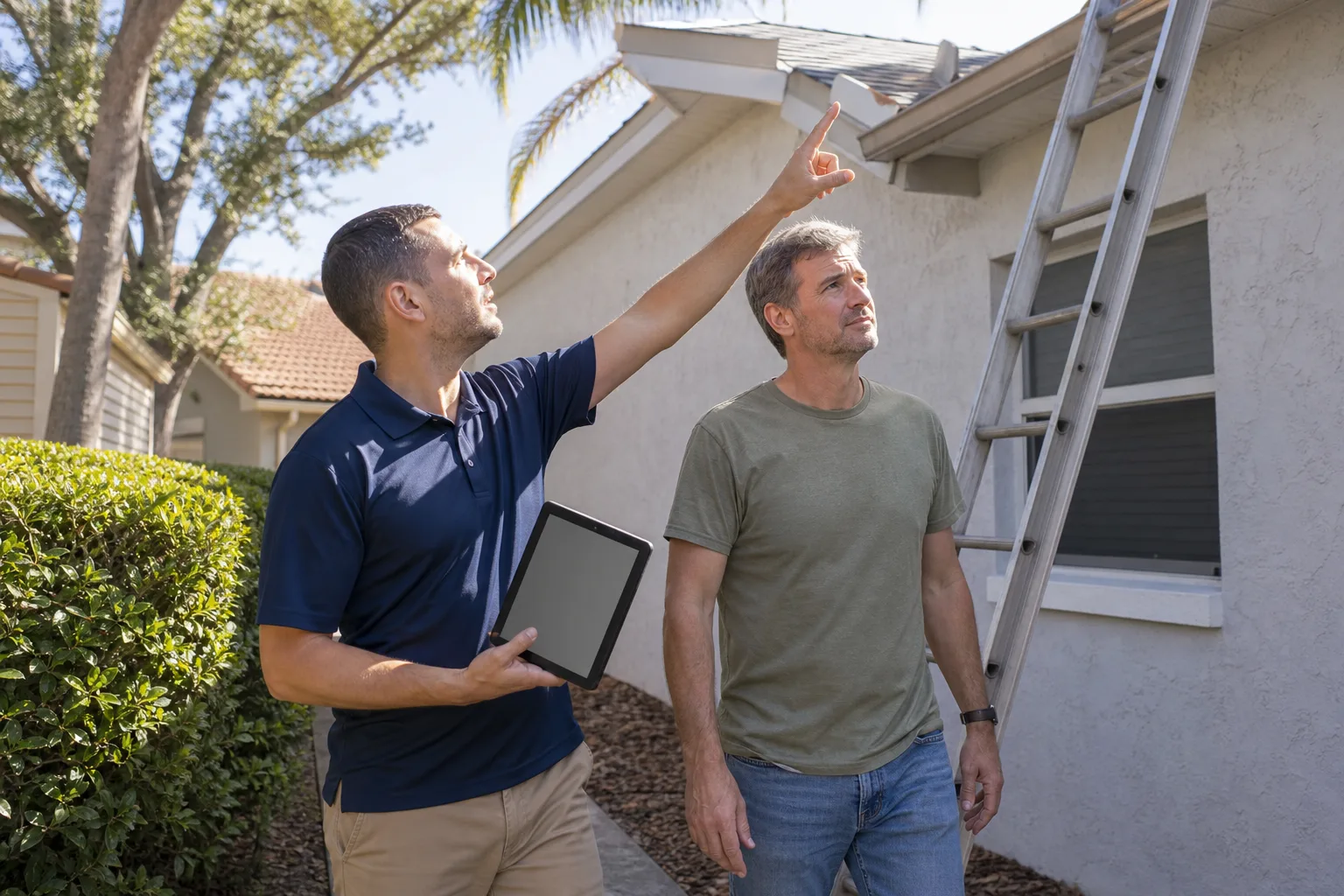
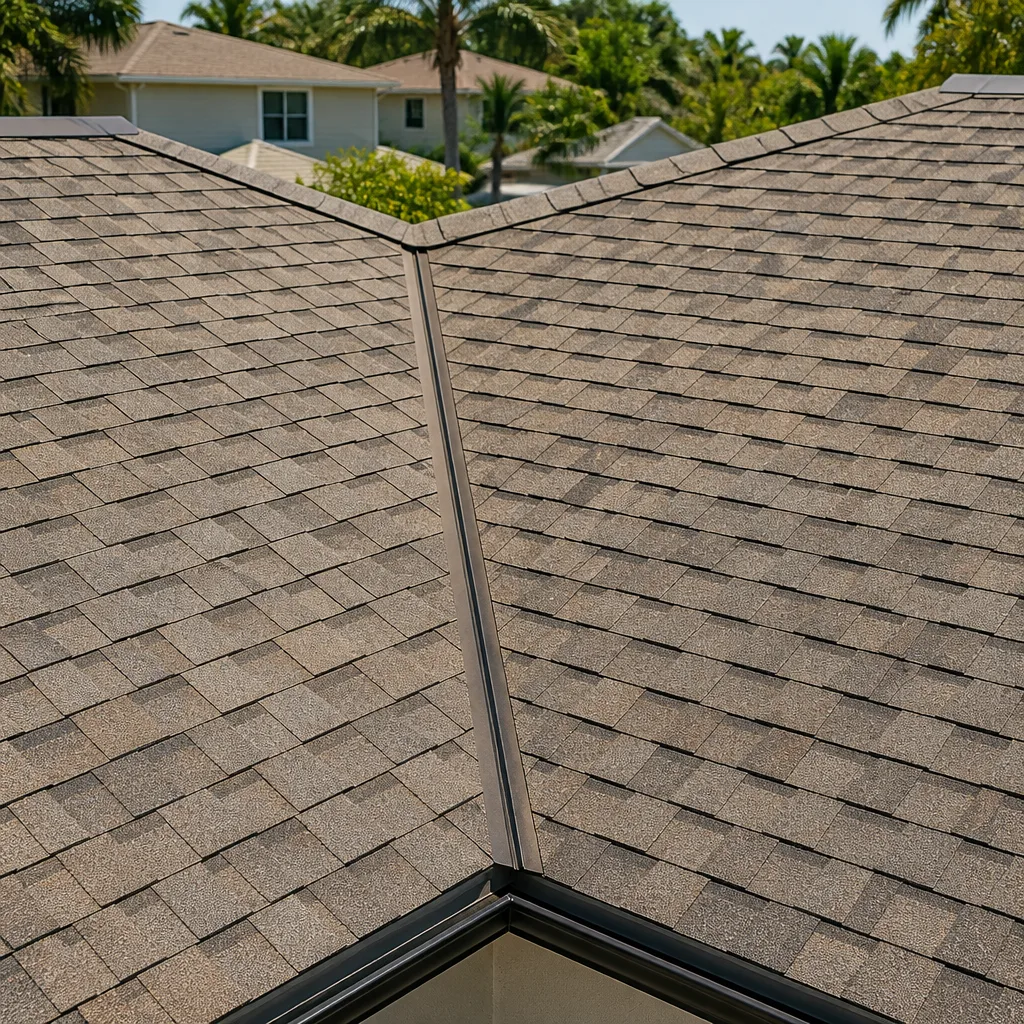
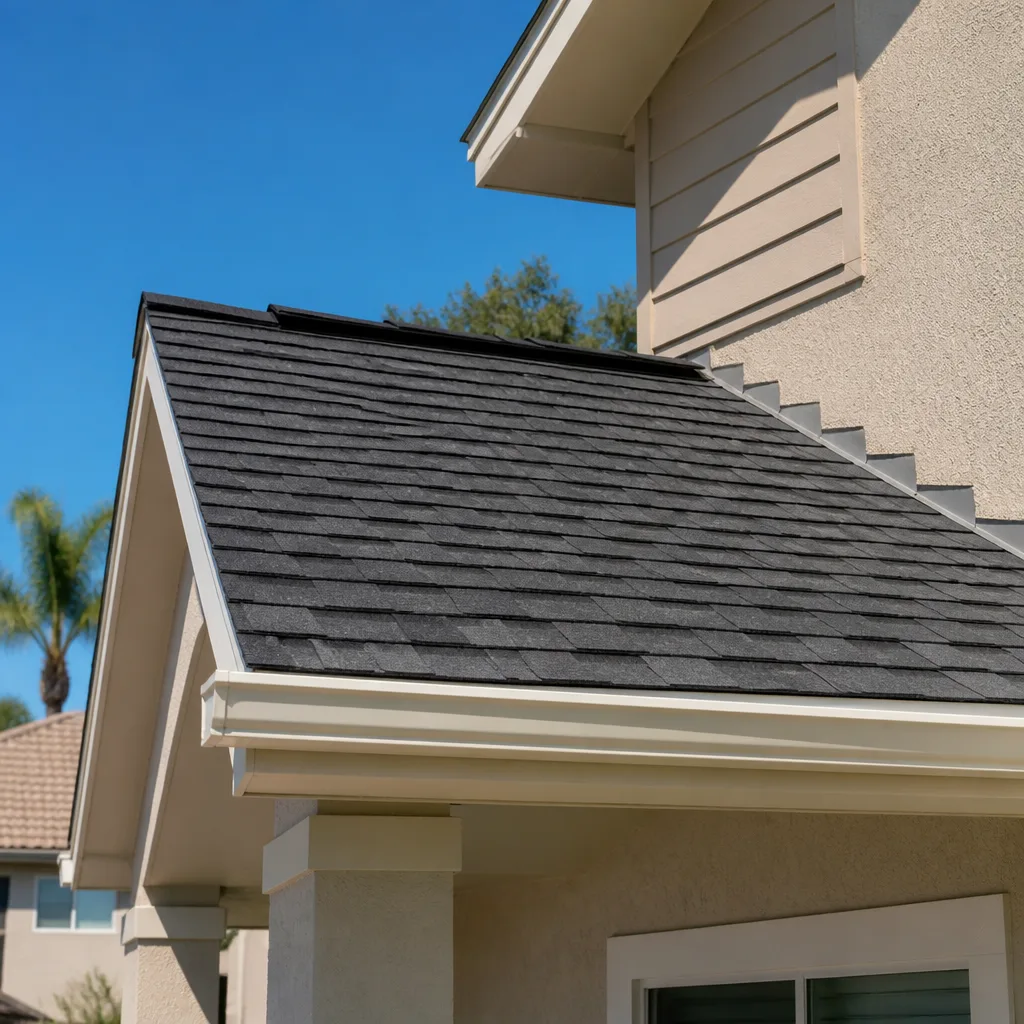
On the architectural shingles covering most of the brick-veneer ranches built here between the 1950s and 1970s, hail impact shows up as a localized pattern: a cluster of granules knocked loose, a soft spot in the mat that a finger can feel but the eye can’t, and a slight dimpling you’ll only catch by looking down the shingle tab at a low angle in raking light. That’s the inspection posture that matters after a North Texas storm. Not standing back. Standing close, up on the roof, with a camera.
Hail size class determines how much damage sits under that surface:
- Under 1 inch: granule loss only, usually cosmetic. Worth documenting, rarely a claim.
- 1 to 1.5 inches (the most common damaging size in the DFW area): granule loss plus mat fracture. Functional damage. The shingle will still look fine in year one and fail early in year seven.
- 1.5 inches and up: visible bruising, soft spots you can push a thumb into, occasional perforation on older or weathered shingles.
The “looks fine from here” roof is the one that causes trouble at resale, or after the next storm opens the fracture into a leak. Mesquite’s housing stock is now 50-plus years old in many blocks, and shingles that have already lost their elastic oils don’t absorb a 1-inch strike the way a new roof does. That’s where timing matters more than most homeowners realize.
The Soft Metal Test: Check These Four Spots Before You Ever Look Up
Hail hits aluminum and galvanized steel before it reaches shingles, and it leaves a permanent record. Walk the perimeter of the house after any storm and check these four spots first. They’re all ground-level, all visible from a step ladder, and all considered valid collateral evidence by insurance adjusters.
- Gutters and downspout caps: look for circular dents with a slightly darker center, roughly the diameter of a dime to a quarter on 1-inch hail. Fresh dents on the top of the gutter lip are the classic signature.
- AC condenser fins: the aluminum fins bend easily and are usually the first visible hail damage on any Mesquite home. Flattened or crushed fins on the top and side panels indicate direction and size.
- Garage door trim and metal threshold plates: impact dings along the top trim line.
- Downspout elbows: dents and splits from hail ricocheting off the roof edge and hitting the metal elbow on the way down.
If three or four of those spots show fresh damage, you already know the roof above them took a hit of similar size. That’s not a guess. That’s the same conclusion an adjuster will reach from the same evidence – and it’s the evidence an insurance claim will need.
If you’d like that documented by a trained eye, Groundwork Construction Co. of Mesquite sends technicians on hail inspections with photo evidence at every damage point, not just a report you have to trust. Our technicians have up to 12 years of experience, and every roof inspection is covered by our 730-Day Done Right Promise. Roofing work on damaged or aging roofs is exactly what we do here.
Brick-Veneer Walls and Window Glazing: The Mesquite Angle Most Roofers Miss
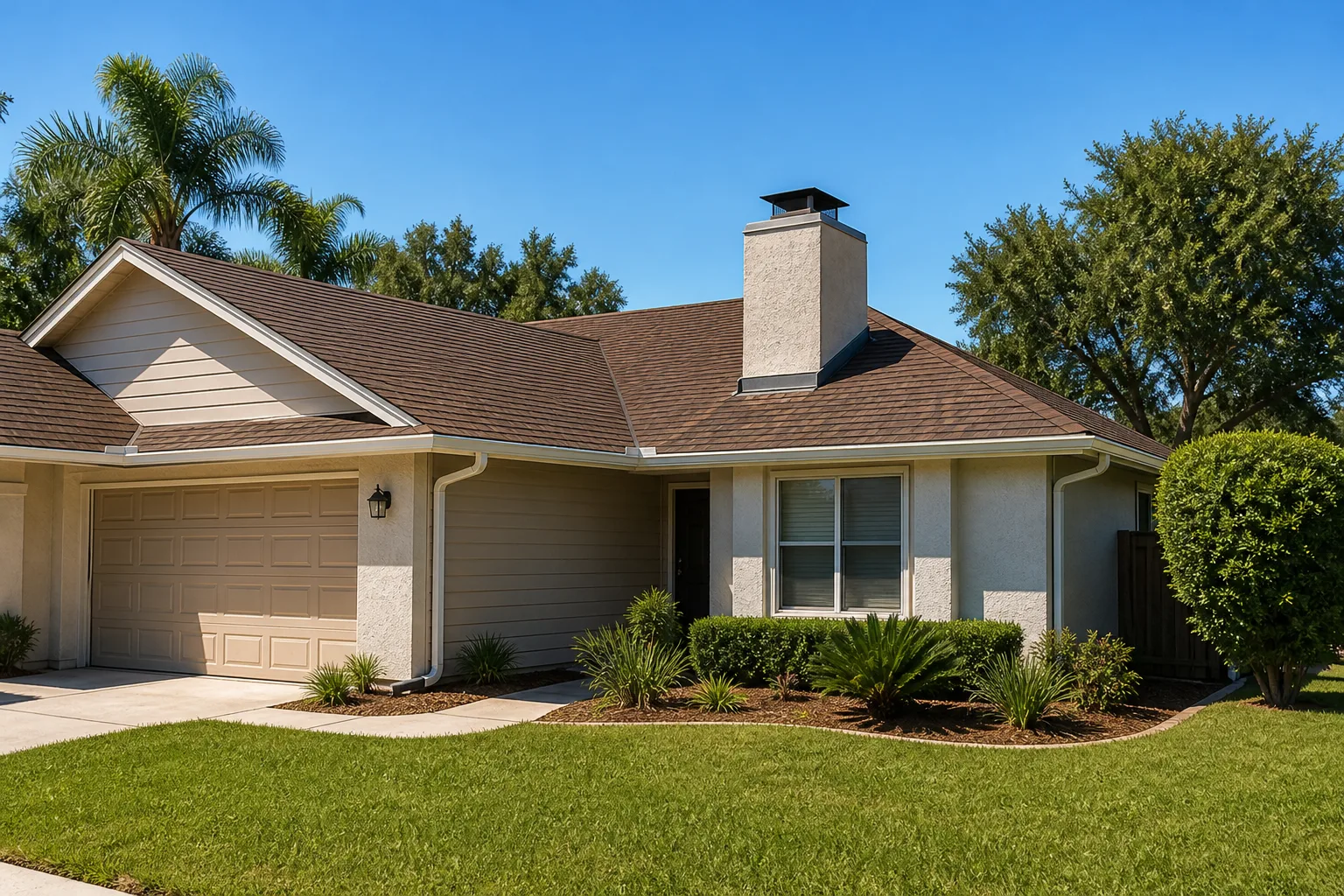
The brick-veneer ranch home is the dominant house type in Mesquite, and it adds a wrinkle that flat-facade homes don’t have. Hail that damages your roof also hits the brick, mortar, and window glazing on the same wall. Fired clay brick chips. Mortar joints hairline-crack. Window screens get bruised. And that cracked glazing is often the clearest visual evidence of impact direction and size on the whole property.
That matters because insurance adjusters treat simultaneous damage on multiple building components as more compelling than a roof-only claim. When the roof, mortar joints, window frames, gutters, AC fins, and garage door trim all show damage from the same storm, the claim is stronger and the scope is wider. The failure mode isn’t overclaiming – it’s underclaiming, because the homeowner never documented what was hit below the roofline.
On homes with existing impact-rated windows (Therma-Tru and Mr-Glass are both in our partner network), the glazing usually survives. But the frames and brick adjacent to the windows still take the hit. Photograph all of it. A fresh chip in mortar near a window is worth a photo even if the window itself came through clean.
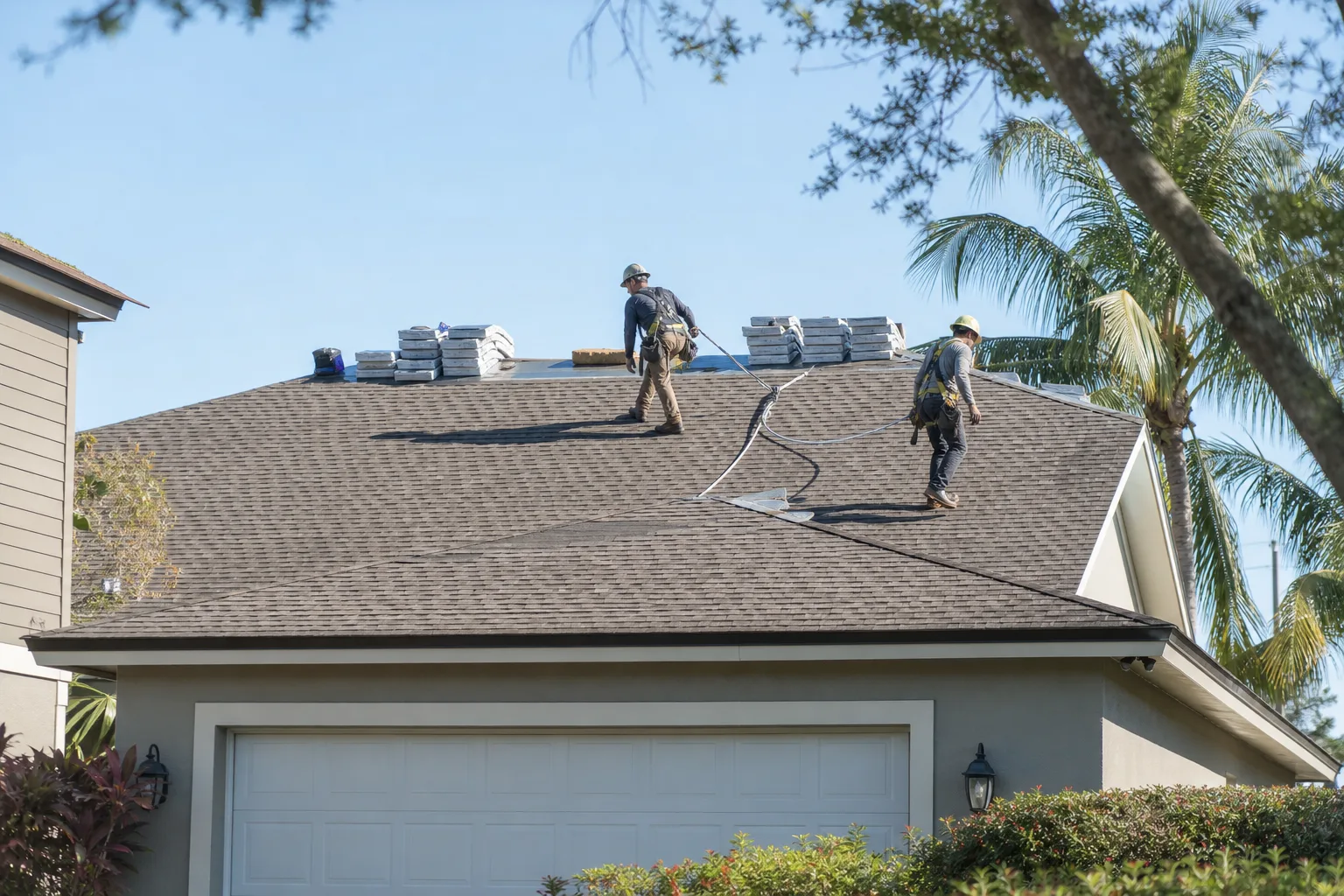
That’s a big part of why we walk the whole exterior on a hail inspection, not just the roof plane. Mesquite sits in a hail corridor that runs from spring through early June, and doing the full-perimeter documentation the first time means no scrambling for evidence later. For a reference on how the rest of the service-area homes are built and what our storm work looks like across the area, the Mesquite service area page has the details.
Ridge Cap Damage: Hail Pattern vs. Wind Pattern
Ridge caps get trashed in every Mesquite storm, and the pattern of damage tells you which storm did it. Hail leaves punctures, dents, and softened mat across the exposed face of the ridge cap – clustered, direction-specific, usually with matching soft metal dents nearby. Wind lifts edge tabs, tears them, or lays a whole section over. Wind damage often correlates with a specific wind direction and a specific roof slope (windward side). Hail hits wherever the stones fell.
Adjusters treat them differently. Wind damage usually falls on the roofer or homeowner as a maintenance issue after a certain age. Hail damage – documented by size class and impact pattern – is generally a covered loss. Knowing the difference before your adjuster arrives means you can ask better questions and expect better answers.
After last spring’s storm, our Mesquite phone line lit up before sunrise. Calls are answered by a live person 24/7, so homeowners who called the morning after a storm got on the inspection schedule the same day. Everyone else waited two weeks for a callback. That’s the whole difference between a claim that gets scheduled and a claim that gets delayed.
What a Hail Inspection Actually Costs in Mesquite
Nothing. Groundwork’s hail inspections are free, and the documentation is yours whether you hire us or not. For reference on what repair and replacement run in this market, here’s where our numbers land:
| Work | Typical Mesquite Range |
|---|---|
| Roof repair (localized hail damage) | $400-$1,800 |
| Roof replacement (full tear-off, architectural shingles) | $8,000-$20,000 |
| Tile roof repair | $600-$2,500 |
| Metal roof installation | $15,000-$40,000 |
Upfront pricing means the number you see is the number you pay. If a full replacement makes more sense than repeated repairs on an aging roof, we also offer 0% financing for 18 months, and $1,000 off projects over $10,000 – on top of a free project estimate and design consult. Brand partners like GAF and CertainTeed give you a real choice of shingle systems, and every install is backed by the 730-Day Done Right Promise.
FAQs
On 1-inch hail, you’ll typically see granule loss in clusters, soft spots in the fiberglass mat you can feel with a thumb, and matching dents on gutters, downspout caps, and AC fins below. The shingles often look intact from the driveway. The damage shows up close-up, at a low angle in raking light, with fresh dents on the metal confirming the strike. Call (888) 426-8078 to get a documented inspection – estimates are free.
File a claim when the soft metal test shows fresh damage on gutters, AC fins, garage door trim, and downspout elbows at the same time, plus visible impact marks on the roof. That combination usually means functional damage and a covered loss. Walk the roof with a qualified inspector before you call your adjuster – documentation makes the claim, not the call. Groundwork’s hail inspections are free and photo-documented. Call (888) 426-8078.
Yes. Calls are answered by a live person 24/7, so storm-damaged Mesquite homes get on the inspection schedule the morning after a storm – usually before other contractors have returned calls. All technicians are background-checked and arrive in uniform. Call (888) 426-8078 to get on the schedule.
Repair is usually cheaper when the damage is localized and the shingles still have life left – $400-$1,800 for localized repairs versus $8,000-$20,000 for a full replacement. But on Mesquite’s 50-plus-year-old brick-veneer ranches, a roof already past its service life will keep leaking after every repair. A full replacement with 0% financing for 18 months often makes more sense than repeated patches. Call (888) 426-8078 and we’ll tell you straight which side of that line your roof is on – no-pressure estimates are free.
If you’d rather have it looked at, Groundwork Construction Co. of Mesquite offers a no-pressure assessment in Mesquite – call (888) 426-8078. We document every hail damage point with photos, walk the full exterior, and give you an honest recommendation on repair versus replace. Storm work is what we know best in this city.
Written by the team at Groundwork Construction Co. of Mesquite, serving Mesquite, TX.