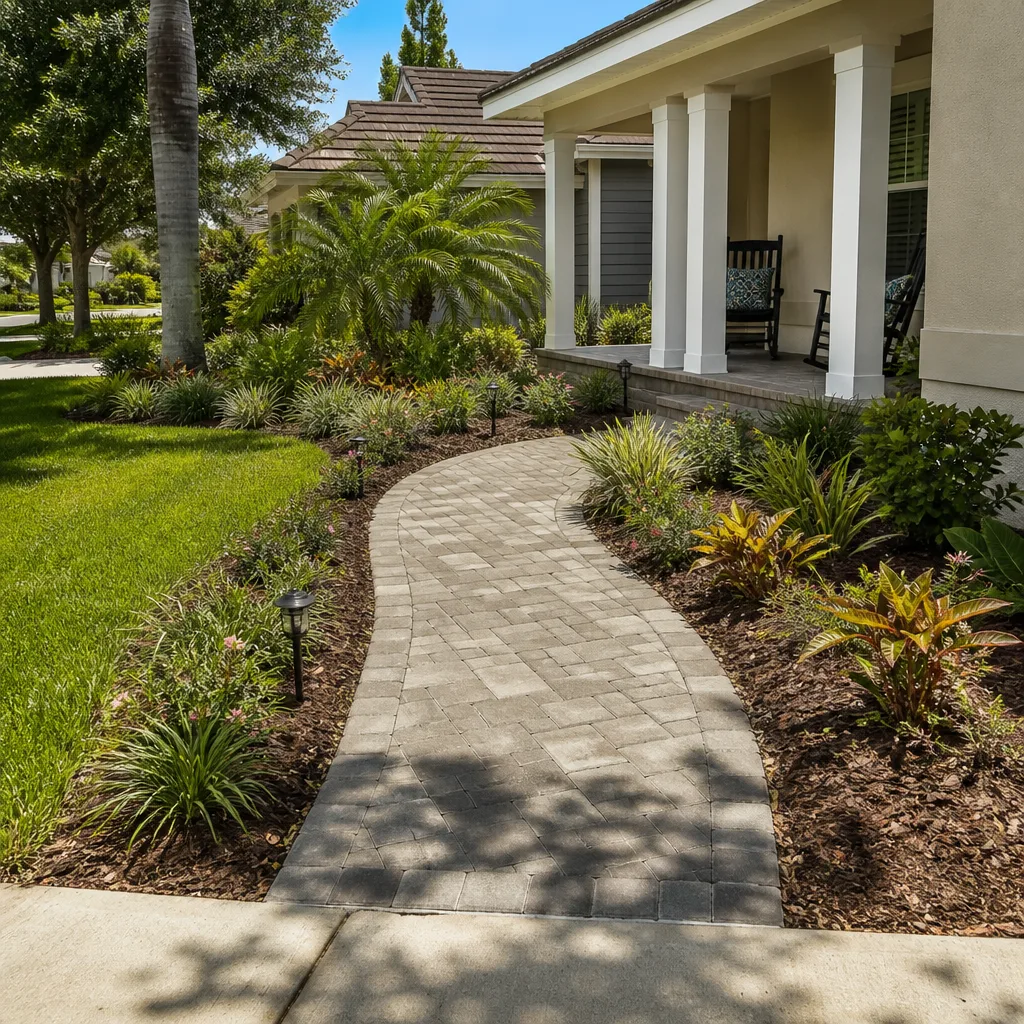

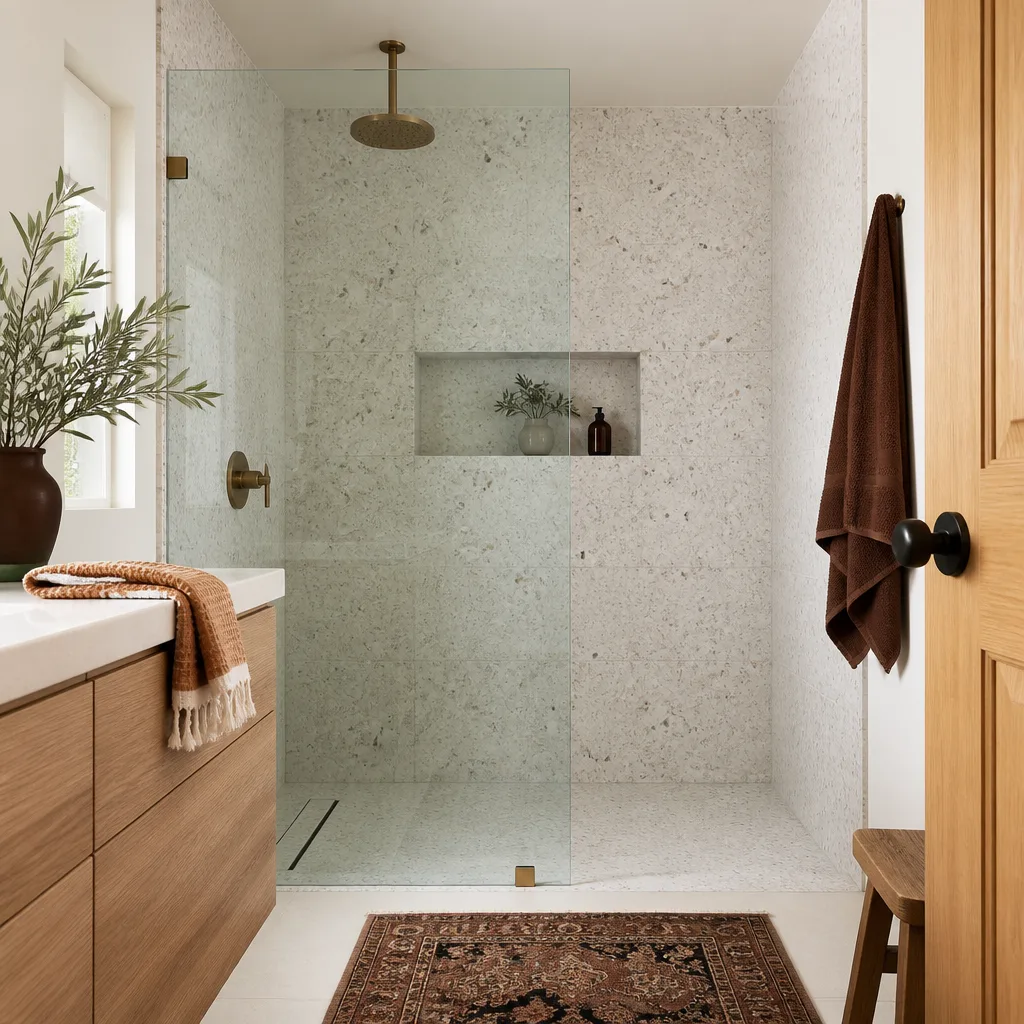

Free written scope consultation - allowances, timeline, and change-order rules on paper before a single trade is scheduled
Styles & brands we work with
- Kitchen remodeling
- Bathroom remodeling
- Home additions & ADU
- Roofing
- Windows & doors
- Driveway & pavers
- Fence
See the difference
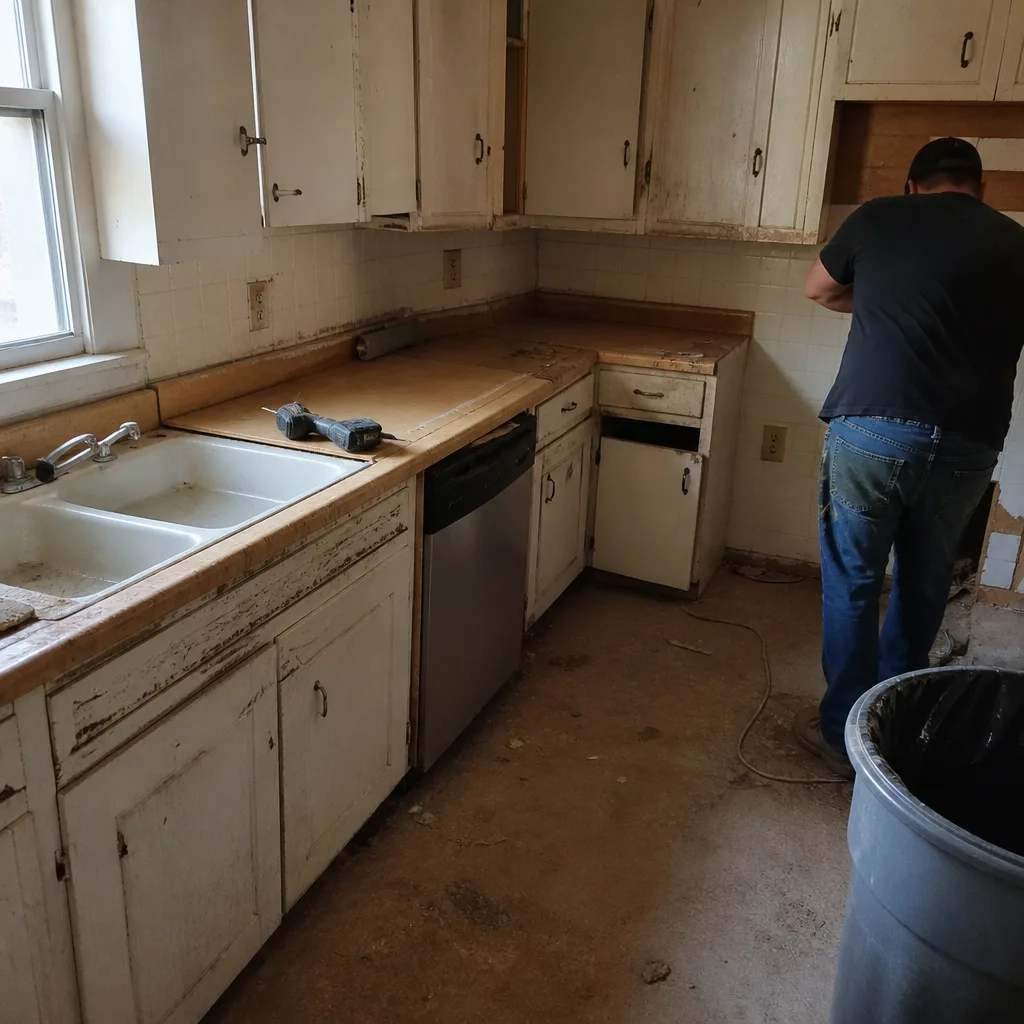 Before
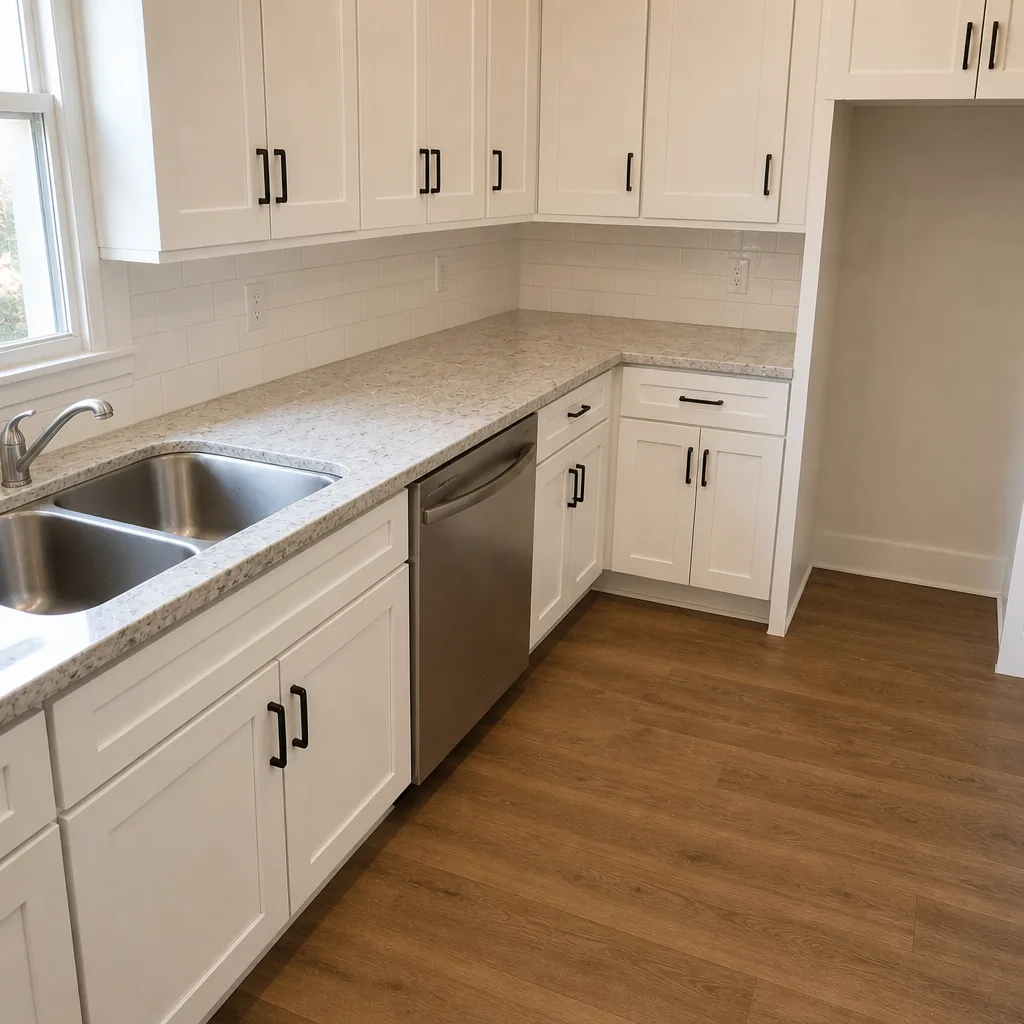 After
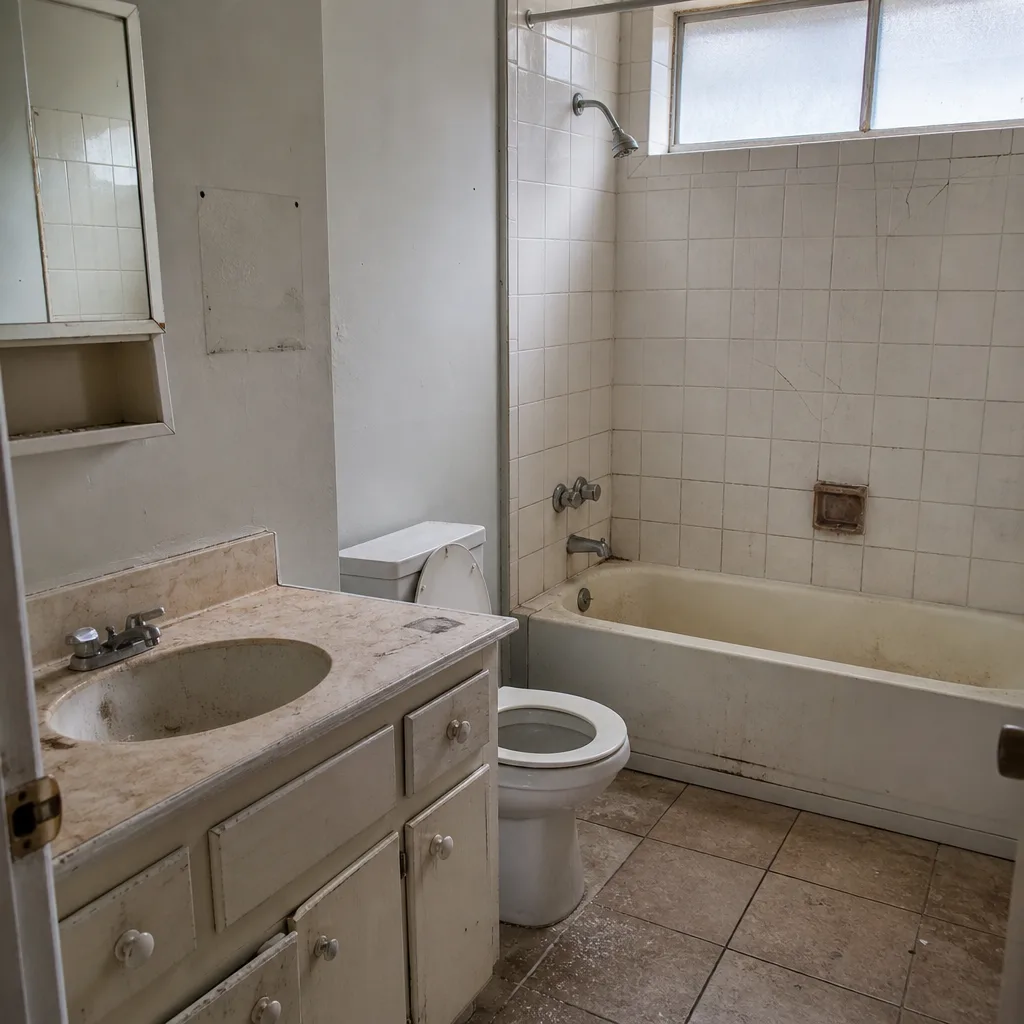 Before
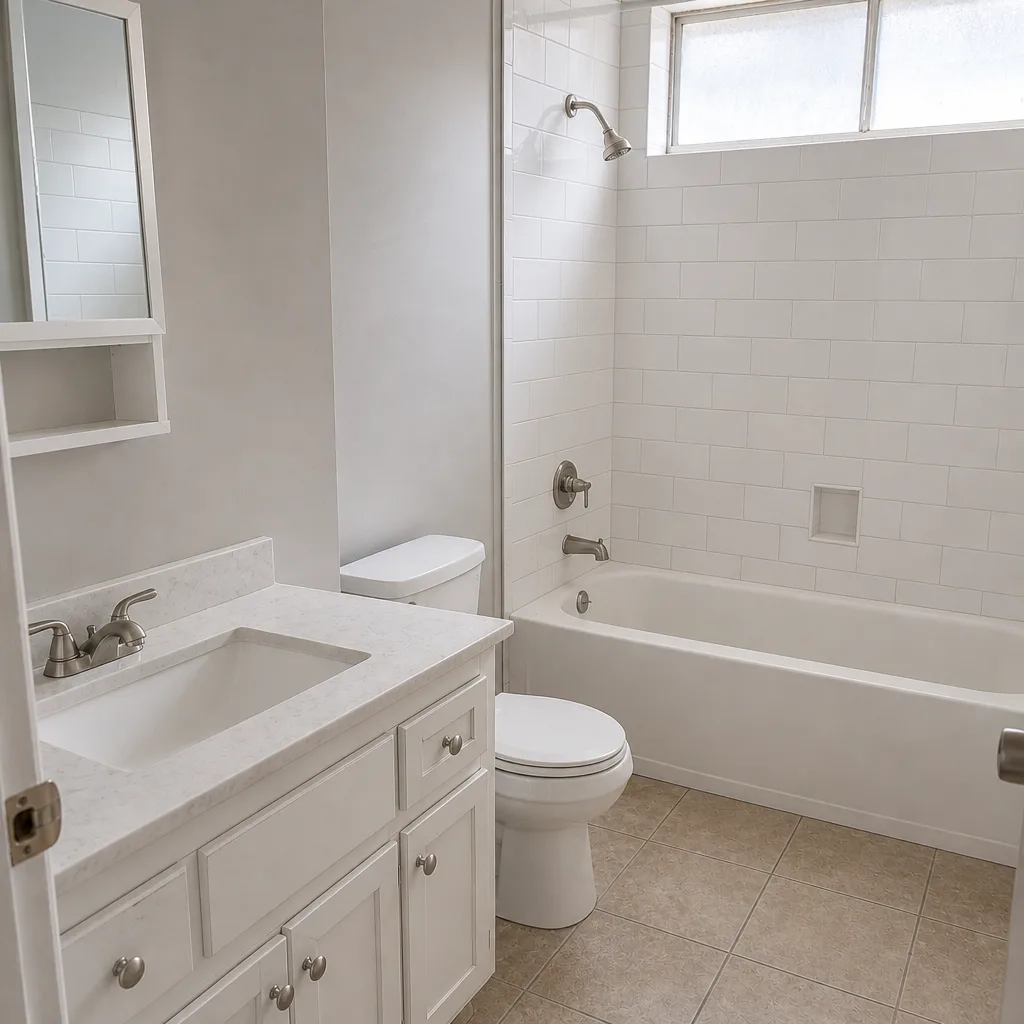 After
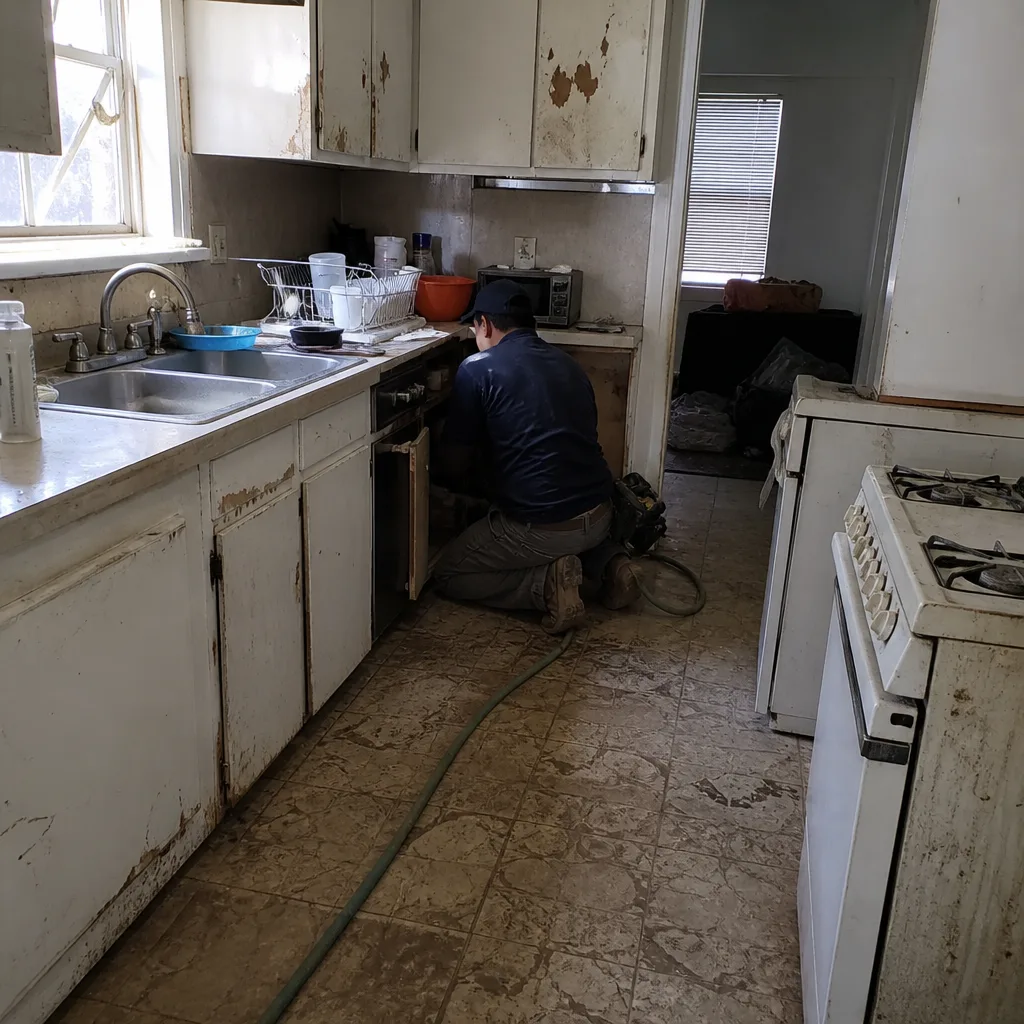 Before
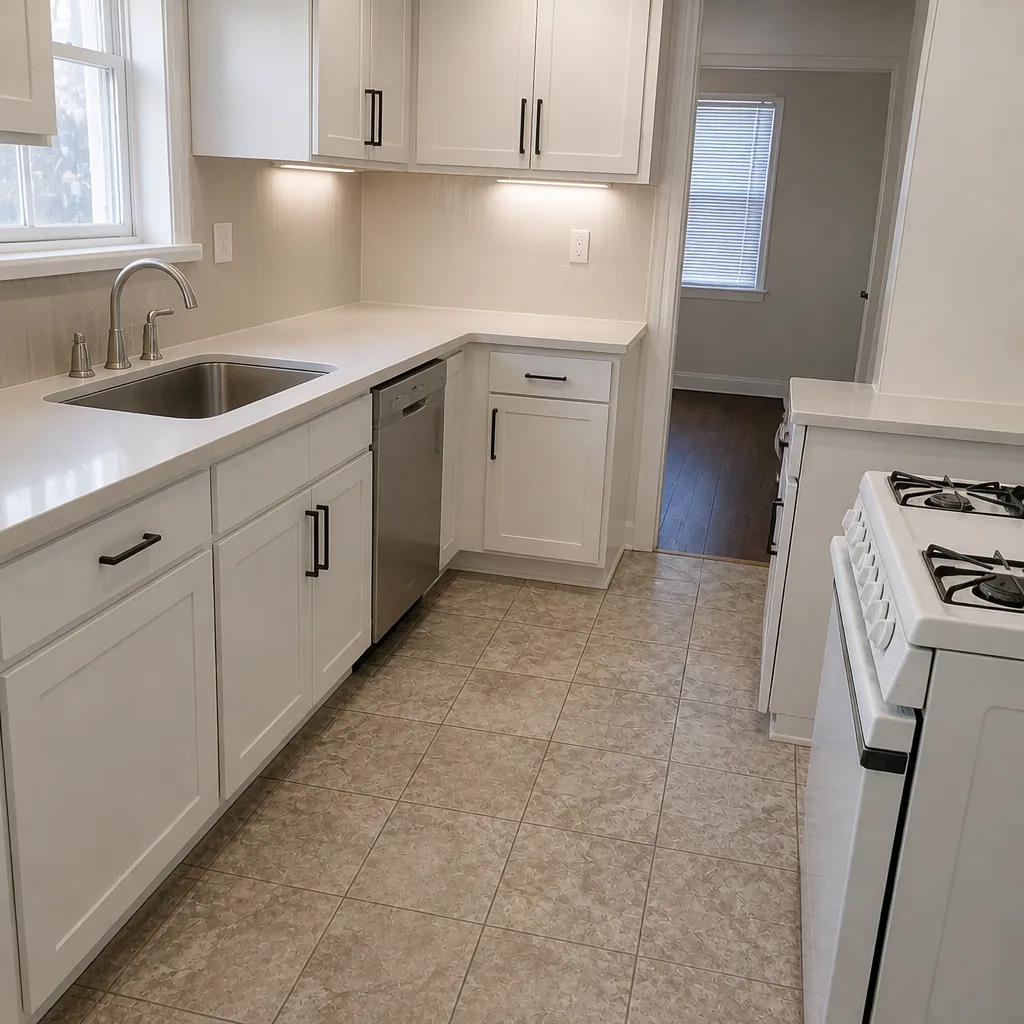 After
HVHZ Window Requirements Explained for Mesquite, TX Homeowners
HVHZ stands for High-Velocity Hurricane Zone, a Florida-only designation that applies to Miami-Dade and Broward Counties and has no legal standing in Mesquite, TX. If a local window contractor pitches “HVHZ compliant” glass as a selling point here, they’re technically correct and practically misleading. The specs behind that label are genuinely tough, and some of them happen to matter in North Texas. But the certification itself doesn’t map to anything in Mesquite’s building code. Call (888) 426-8078 if you want a straight read on what your windows actually need.

What HVHZ actually means, and why it stops at the Florida line
The High-Velocity Hurricane Zone is a regulatory boundary drawn around Southeast Florida because that corner of the state faces the most direct hurricane threat in the country. Inside that zone, every exterior opening has to meet Florida Building Code Section 1609 for wind-borne debris regions. Windows, doors, skylights, sliding glass, garage doors; all of it has to pass the same battery of tests before it can be permitted.
That law was written for Miami-Dade and Broward. It was tested against the realities of Atlantic hurricane landfall. Nothing about it transfers to Dallas County, and Mesquite’s permitting office doesn’t ask for a Miami-Dade NOA on a window replacement.
What travels is the engineering. HVHZ approval means the product cleared some of the toughest impact and pressure tests in the residential market. That’s worth understanding, even here.
The three tests behind a Miami-Dade NOA
A Miami-Dade Notice of Acceptance isn’t a sticker a manufacturer orders. It’s the paper trail that follows a product through specific, brutal testing.
- Small-missile impact – a steel ball bearing fired at the glass
- Large-missile impact – a 9 lb 2×4 shot at 50 feet per second
- Cyclic wind pressure testing – thousands of pressure cycles simulating a storm’s gusts, both positive and negative, after the glass has already been damaged by impact
That last one is where most products fail. Plenty of glass survives a 2×4 hit. Far fewer survive the pressure cycling that follows, which is the real test of whether a broken window stays in its frame or becomes a hole in the envelope.
Here’s why an HVHZ-rated window still has value in Mesquite
North Texas doesn’t get hurricanes. It gets hail, and the hail here is serious. Spring storms across the Dallas-Fort Worth area routinely produce stones in the 1″ to 2.75″ diameter range at high velocity. Those stones are smaller than a 9 lb 2×4 but they arrive faster and they arrive more often.
The large-missile HVHZ test is a reasonable proxy for that threat. A window that can take a 2×4 at highway speed and keep its seal will very likely shrug off a two-inch hailstone. We see the difference every spring in Mesquite’s older brick-veneer ranches: the originals from the 1960s and 1970s get pitted and spider-webbed across the glass and frames, while impact-rated replacements come through without a mark.
The catch is cost. Premium impact products built to HVHZ specs often land well above the standard window replacement range of $4,500-$15,000 for a typical Mesquite home. A full impact window installation runs $8,000-$25,000 depending on count and spec. If a builder is quoting you into the high end on the strength of an HVHZ label alone, ask what you’re actually buying.
What a window budget looks like in Mesquite
| Scope | Typical range |
|---|---|
| Standard window replacement (whole home) | $4,500-$15,000 |
| Impact/storm-rated window installation | $8,000-$25,000 |
Those are market numbers, not a quote. Every home is different, and the honest way to price a window project is to look at the openings.
The question that replaces “is it HVHZ certified?”
Stop asking for a Florida certification in a Texas suburb. Ask for the test standard that actually describes the product’s strength:
“What is the ASTM E1886/E1996 large-missile classification, and what wind speed is it rated for?”
E1886 covers the impact test and E1996 covers the wind-borne debris requirements. A manufacturer who knows their product can answer in one breath: the missile class, the design pressure rating in pounds per square foot, and the wind speed it maps to. A contractor who can’t answer it is selling a label, not a product.
That’s the number that maps to North Texas storm conditions. It’s also the number you’ll want on hand if you’re comparing an Andersen or Marvin line against a builder-grade window. When we walk through Windows & Doors specifications with a homeowner, that’s the conversation we have: what is this product actually rated for, and what does Mesquite’s weather throw at it.
Where the installation matters more than the glass
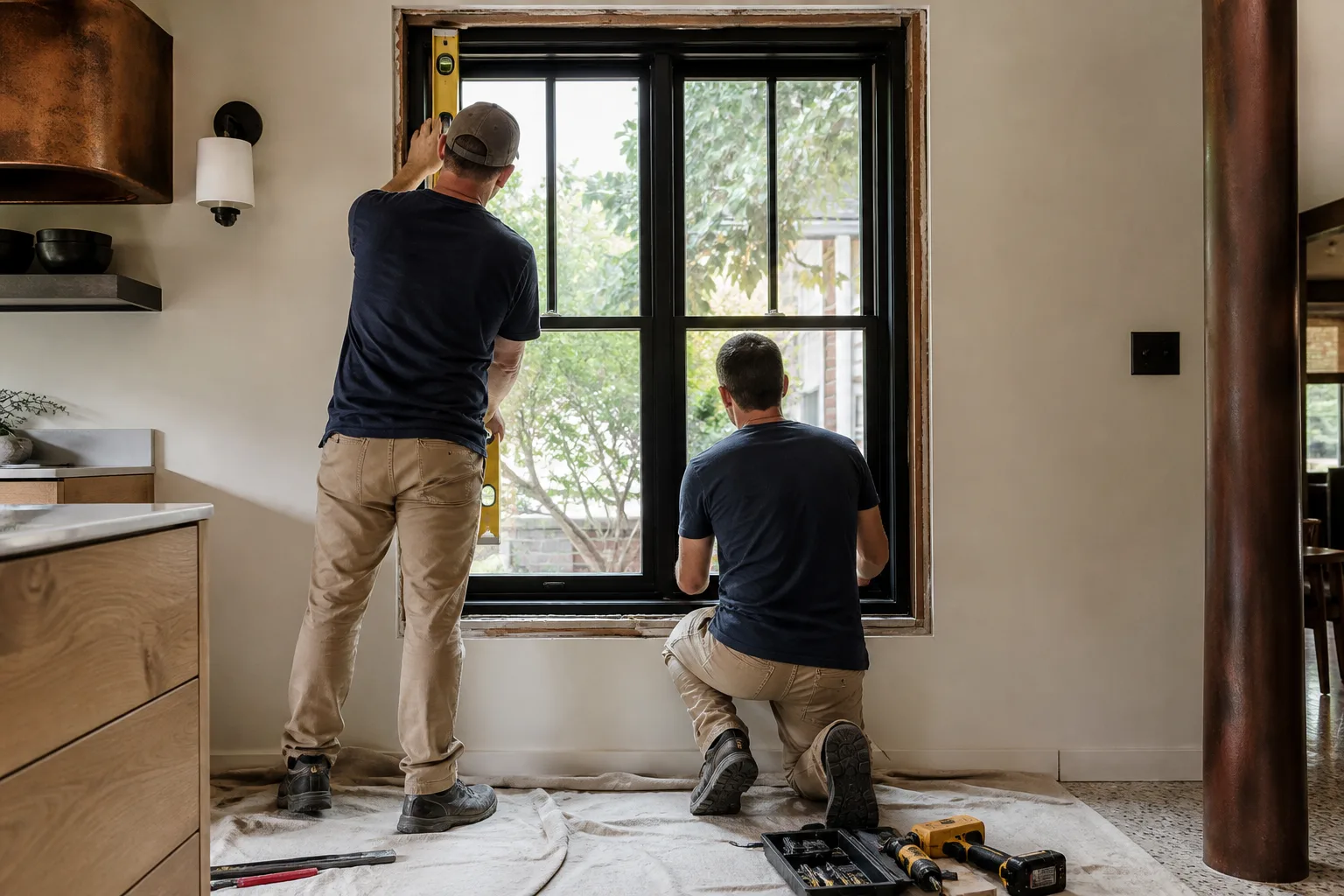
Impact glass gets all the marketing attention. In our experience, most window failures in Mesquite trace back to the opening, not the pane. The black clay soil across this city swells and shrinks hard between drought and heavy rain, and that movement racks wall openings over time. Flashing that was done lazily in 1975 doesn’t stay weather-tight through forty years of slab movement and hail.
Mesquite is a built-out, largely post-war inner-ring Dallas suburb. Most of what we do here is renovation and replacement, not new construction. The housing stock is 1950s-1970s single-family ranches and brick-veneer tract homes, and a lot of them are past due for new windows, not because the glass is bad but because the seals, frames, and flashing around it have aged out.
This is where the 730-Day Done Right Promise earns its keep. If a storm tests the installation within two years and the workmanship fails, whether it’s seal failure, a flashing breach, or frame racking, the accountability chain is clear and already in writing. That protection has nothing to do with what certification label is on the glass. It’s a commitment to the install, which is the part that actually keeps water out of your walls.
Common local scenarios we run into
The “hurricane-rated” upsell
A Mesquite homeowner gets a bid for HVHZ-certified windows at a premium, with the pitch built around hurricane protection. The product may be excellent. But the storm the homeowner actually faces is hail, not a hurricane, and the pitch is using the wrong threat to justify the price. The right move is to compare the ASTM missile class and design pressure of the premium product against a strong standard impact line and see if the gap is worth the money.
The 1970 ranch with fifty-year-old aluminum sliders
Single-pane aluminum frames from the 1970s rattle in a spring wind and bleed cooling dollars all summer. This is the most common window call in Mesquite, and rarely about hurricane specs. It’s about a house that’s due for new openings.
The hail-dented window that looks fine
After a March storm, glass can look intact while the frame or seal is compromised. We see this after nearly every significant hail event. Pitting and hairline cracks in the glazing show up weeks later. A quick inspection beats a slow leak.
FAQs
No. HVHZ requirements only apply in Miami-Dade and Broward Counties in Florida. Mesquite falls under Texas and local building code, which doesn’t require Miami-Dade NOA certification for windows. You can still choose an impact-rated product that was tested to those standards if you want the extra margin against hail.
Sometimes, but not for the reason the label suggests. HVHZ certification tells you the product passed rigorous large-missile and cyclic pressure testing, which is a real indicator of hail and wind resistance. Whether that’s worth a $8,000-$25,000 install versus a $4,500-$15,000 standard replacement depends on your home, your exposure, and your insurance. Call (888) 426-8078 for a free estimate and a plain-English comparison.
Ask for the ASTM E1886/E1996 large-missile classification and the wind speed rating. That’s the spec that tells you how the window handles North Texas storms. A contractor who can answer it clearly is worth listening to. One who can’t is reciting marketing.
Yes. We’ll look at the openings, the age of the frames, and the flashing, then tell you what level of storm protection makes sense for your home in Mesquite. Estimates are free and there’s no pressure to buy the highest spec on the sheet. Call (888) 426-8078.
If you’d rather have it looked at, Groundwork Construction Co. of Mesquite offers a no-pressure assessment in Mesquite. Our technicians have up to 12 years of experience, calls are answered by a live person 24/7, and estimates are free. Call (888) 426-8078, or start with our Mesquite service area page to see what we cover.
Written by the team at Groundwork Construction Co. of Mesquite, serving Mesquite, TX.