Free written scope consultation - allowances, timeline, and change-order rules on paper before a single trade is scheduled
Styles & brands we work with
- Kitchen remodeling
- Bathroom remodeling
- Home additions & ADU
- Roofing
- Windows & doors
- Driveway & pavers
- Fence
See the difference
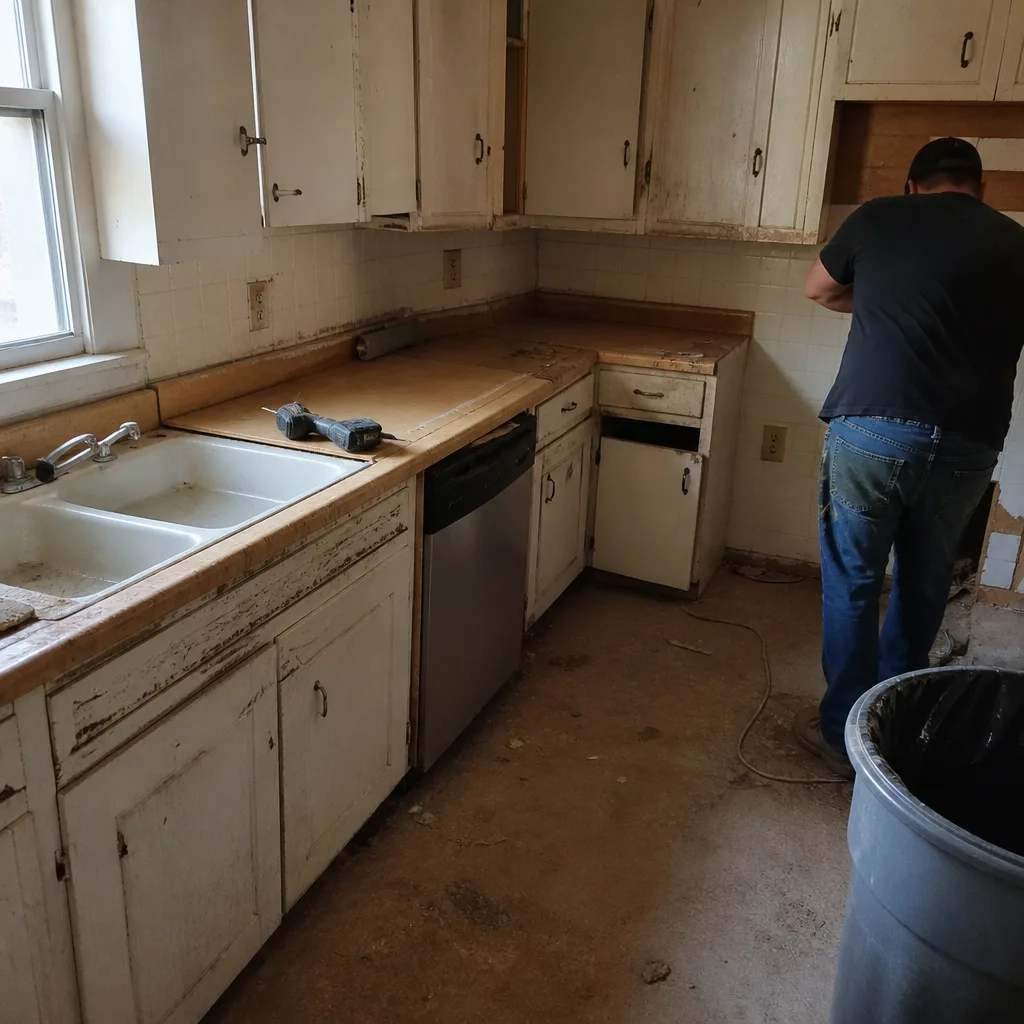 Before
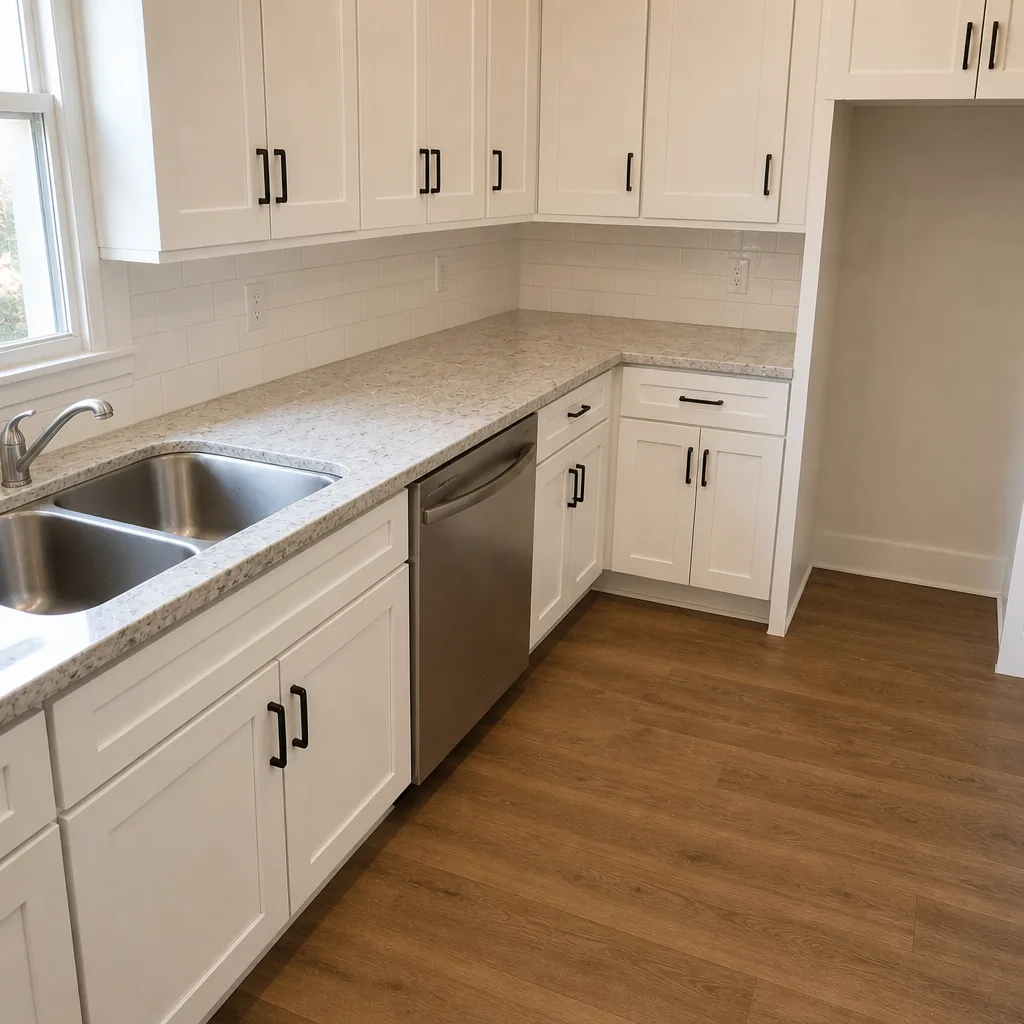 After
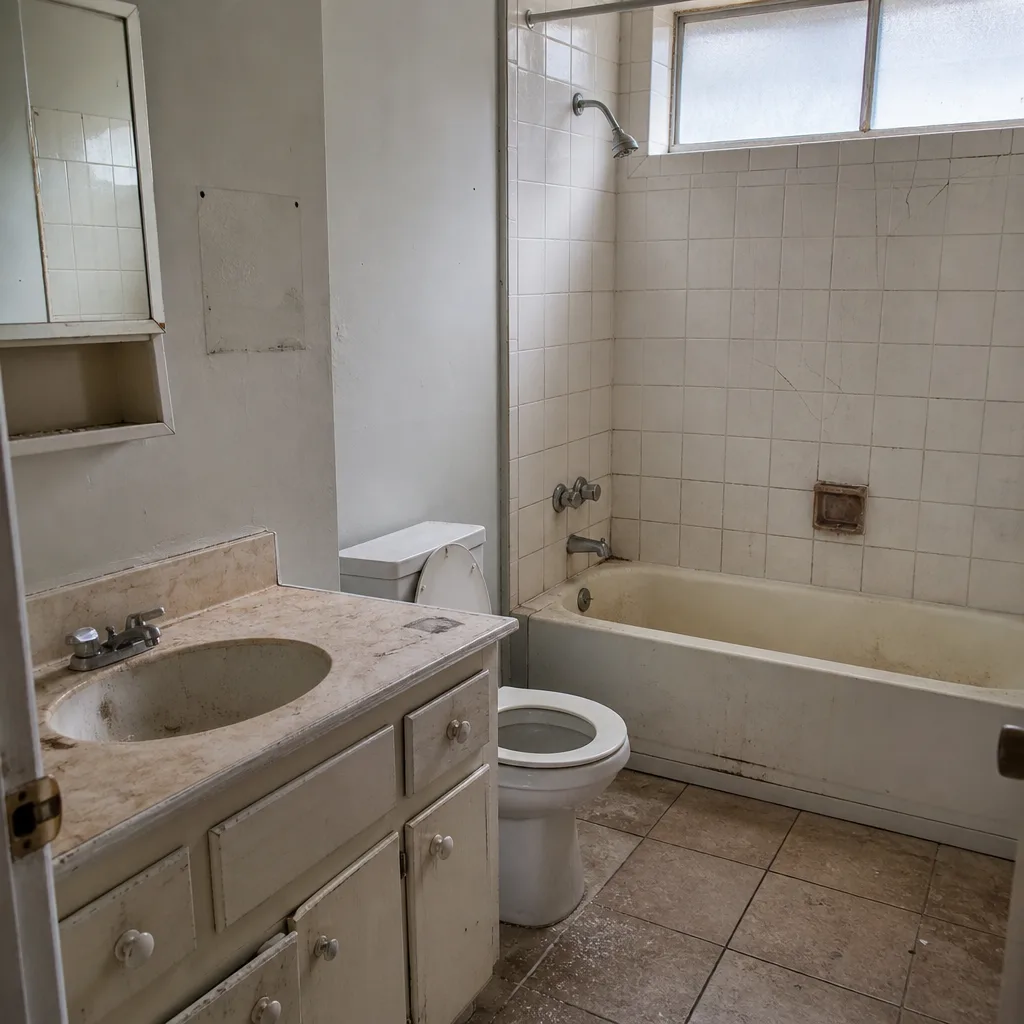 Before
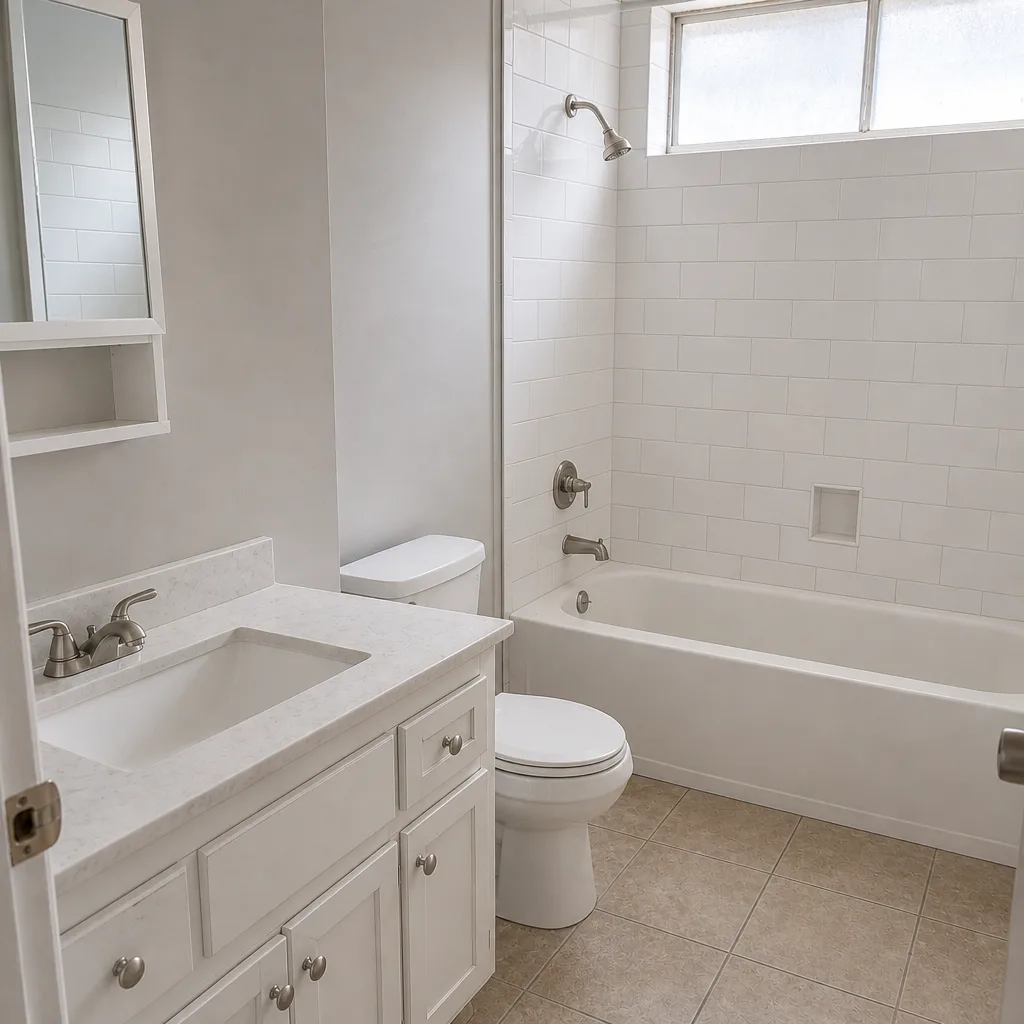 After
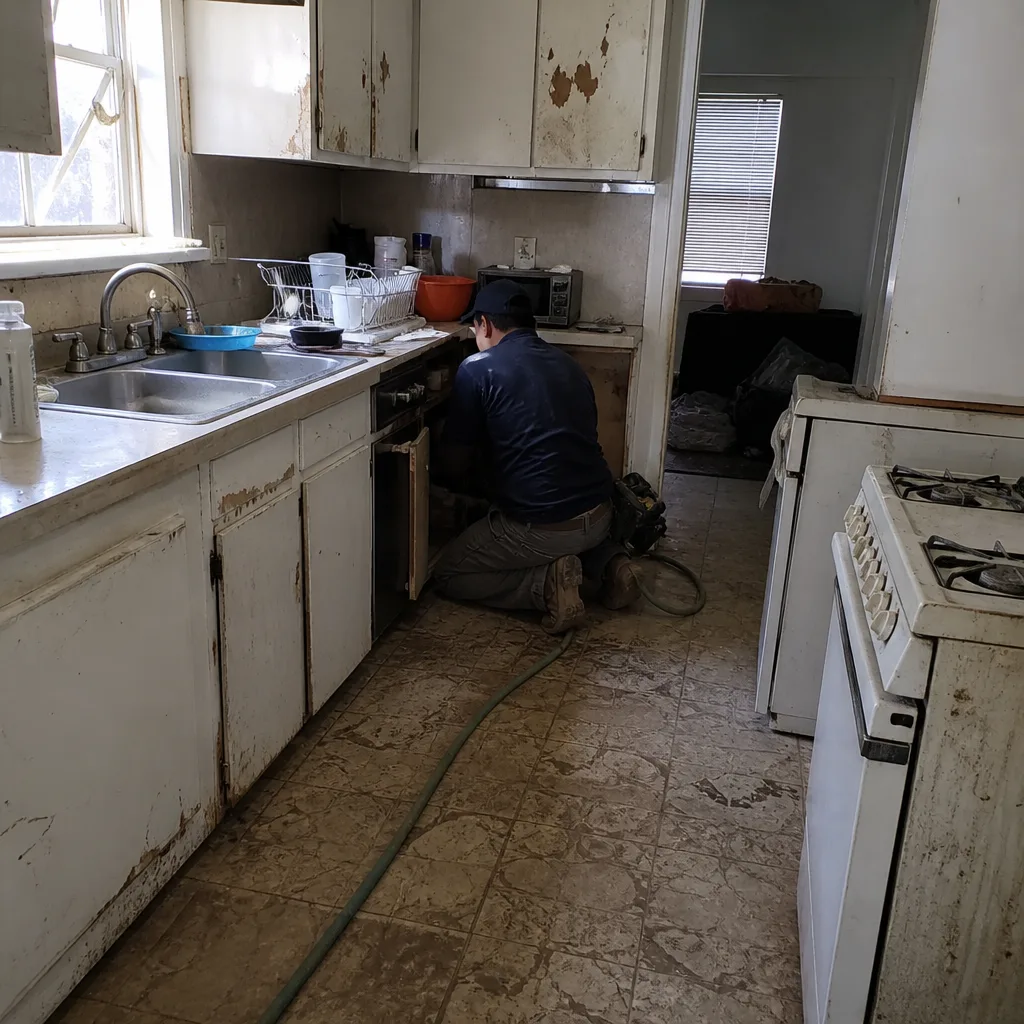 Before
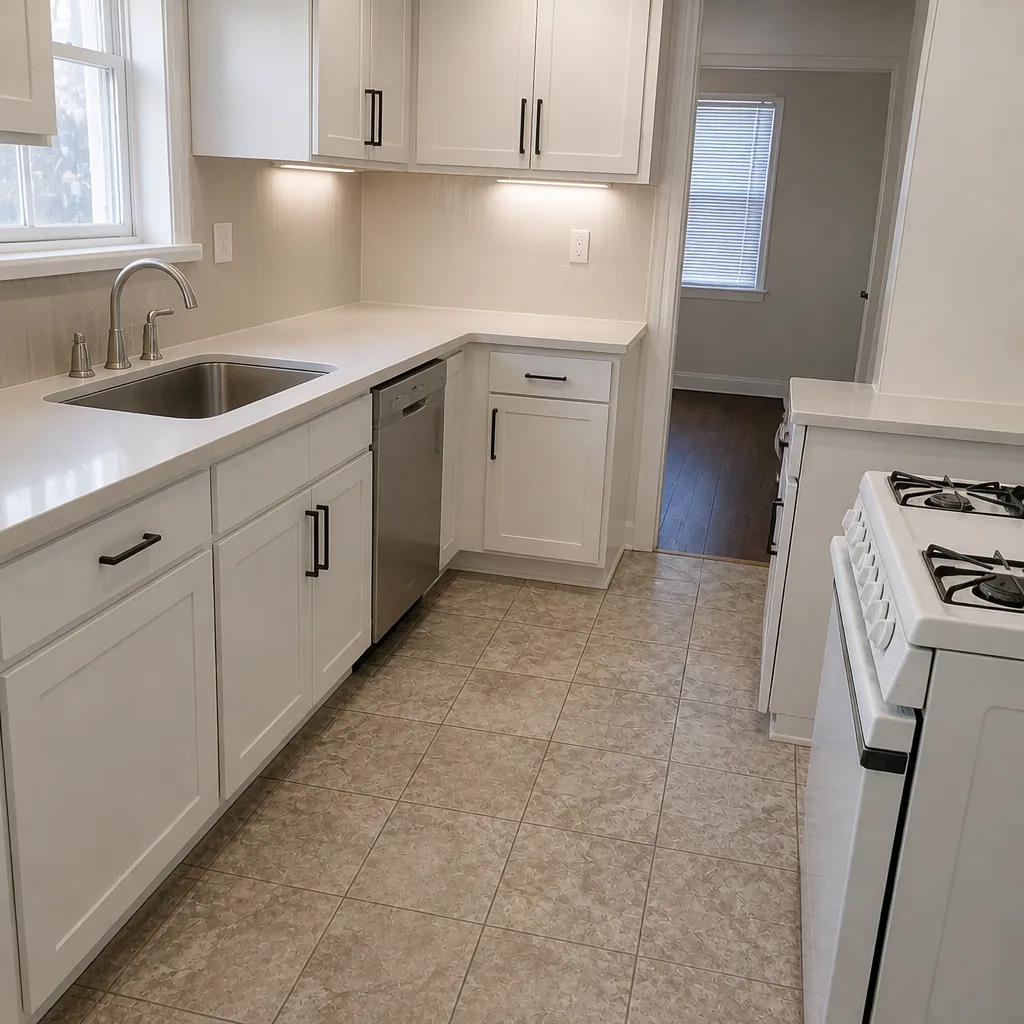 After
Can You Build an ADU on Your Mesquite Property? Here’s How to Know for Sure
Maybe. In Mesquite, whether you can build an ADU on your property depends on four things: your zoning district, your lot size, how much of that lot is already covered by house, driveway, and detached garage, and whether your primary home is owner-occupied. A neighbor two streets over finishing an ADU tells you almost nothing about your own lot, because Mesquite’s post-war zoning districts vary block by block. The only honest answer is a site-specific one, and it takes about an hour on your property to get it. Call (888) 426-8078 and we’ll walk you through what applies to your address before you spend a dollar on drawings.
Why “My Neighbor Built One” Isn’t an Answer in Mesquite
Mesquite is a built-out, largely post-war inner-ring Dallas suburb. Almost nobody here is building on open land anymore; the city has been essentially fully developed since the 1980s, which means every ADU project is infill. You’re fitting a new structure onto a lot that was platted 50 or 60 years ago for a single ranch house, a two-car driveway, and maybe a detached garage out back. The lot didn’t get bigger, but the rules about what goes on it did.
That’s why eligibility changes street to street. One block might sit in an R-1 single-family district with generous rear setbacks. The next block over could carry a different designation, a smaller minimum lot size, or an overlay that changes the math entirely. When we pull the zoning for an address in Mesquite, the answer often surprises the homeowner, and it occasionally surprises us too.
The Mesquite ADU Eligibility Checklist We Actually Walk Through
Before anyone sketches a floor plan, we run four checks. Each one can stop a project or reshape it, and it’s cheaper to find out now than at the permit counter.
- Zoning district. Your property needs a single-family residential designation (R-1, R-2, or the equivalent for your parcel) that permits an ADU or accessory structure. Districts differ on whether a detached unit is allowed at all.
- Minimum lot size. Mesquite sets a floor for ADU projects, and plenty of older platted lots sit right at or under it. A lot that’s a few hundred square feet short is a hard stop, not a negotiation.
- Lot coverage. We measure the house footprint, the driveway, the patio, and any existing detached garage against the city’s maximum. This is where most Mesquite projects get decided.
- Owner occupancy. Some ADU types require the primary structure to be owner-occupied. If you rent out the main house, that changes which path is open to you.
We check all four against your actual parcel, not a generic number. The difference matters: a lot that looks fine on paper can fail on coverage once the existing detached garage is counted, and a lot that looks cramped can pass once we confirm the rear setback.

The Lot-Coverage Problem on Mesquite’s 1960s Lots
Here’s the constraint nobody mentions until you’re already paying an architect. The typical Mesquite ranch was built between the 1950s and 1970s with a house, a wide concrete driveway, and a detached or attached garage, and the math on that combination often leaves very little room under the coverage cap. Add a 500-square-foot detached ADU footprint to a lot that’s already 40 percent covered, and you’re over the line.
We see this constantly in the older subdivisions off the I-30 corridor, where a homeowner with a big backyard assumes they have room and then discovers the driveway and garage have been eating coverage allowance for six decades. Coverage is calculated on the whole lot, not just the grass you can see from the kitchen window.
There’s a second local wrinkle that affects what you can build back there. The black clay soil across Mesquite swells and shrinks between drought and heavy rain, and a new ADU slab needs to be engineered for that movement. On tight infill lots, the foundation design and the drainage plan both have to account for water running toward or away from the existing house. This is where a builder who has poured foundations in Mesquite matters more than the lowest bid.
The HOA Variable Nobody Checks Until It’s Too Late
Some Mesquite neighborhoods formed voluntary HOAs in the 1980s and 1990s. Those deed restrictions can predate the current city ADU ordinance, and they can be stricter than it. A city permit doesn’t override a private covenant, and an HOA approval doesn’t override the city. You have to check both independently, and we’ve seen a project that sailed through zoning get blocked by a deed restriction the homeowner didn’t know existed.
Pull your title paperwork and read the covenants before you commit to a detached unit. If the restrictions are unclear, that’s a question for a real estate attorney, not a contractor, and we’ll tell you so.
When a Detached ADU Doesn’t Pencil Out, the JADU Often Does
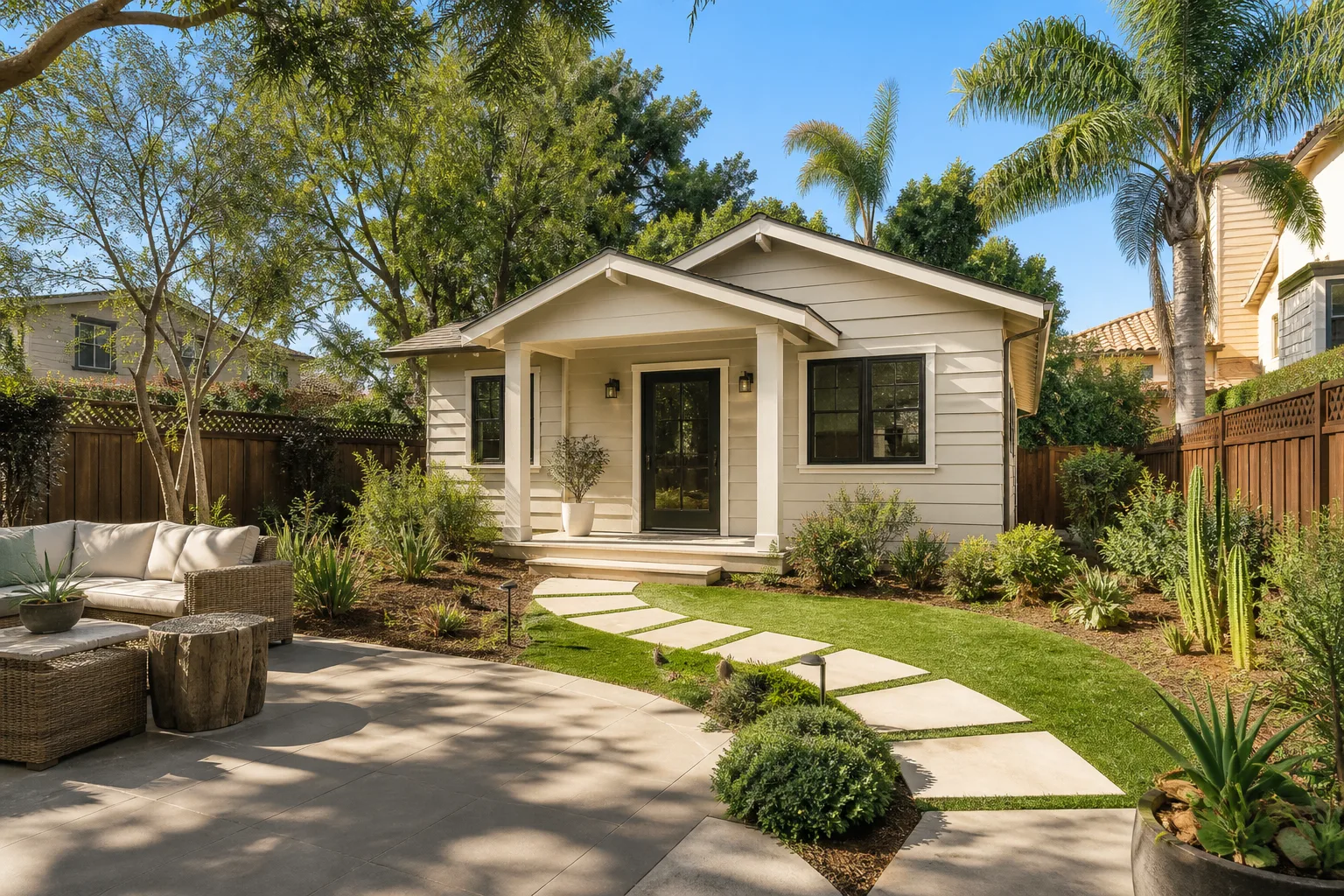
A JADU is an interior conversion, typically a garage conversion or a portion of the existing house turned into a self-contained living space. The eligibility checklist is shorter because you’re not adding to the lot’s coverage footprint. You’re using square footage that’s already counted. For a Mesquite lot where a detached unit fails on coverage, a JADU is frequently the path that works.
The trade-off is size. You’re working within existing walls, so you get less space and you inherit whatever the original structure gives you. But the cost picture is clearer too:
| ADU Type | Typical Mesquite Range | What Drives the Number |
|---|---|---|
| Detached ADU (new construction) | $90,000-$220,000 | New foundation, utilities run, full exterior envelope |
| Garage Conversion (JADU) | $30,000-$80,000 | Interior build-out, plumbing, HVAC, egress, insulation |
| Home Addition (attached living space) | $45,000-$130,000 | Footprint, roofline tie-in, structural work |
Those ranges are market-calibrated for Mesquite, and the gap between the top and bottom of each is real. A detached ADU on a flat, clean lot with easy utility access sits near the low end. A JADU in a garage with slab issues and a long plumbing run sits near the high end. The only way to know where you land is a site visit, which is why we do the assessment before design, not after.
If you want the full picture of what’s involved on the construction side, our Home Additions & ADU in Mesquite page walks through the build itself. The point here is simpler: eligibility first, design second, construction third. Get the order right and you avoid paying for drawings on a lot that can’t support the project.
What We Can Tell You Within One Site Visit
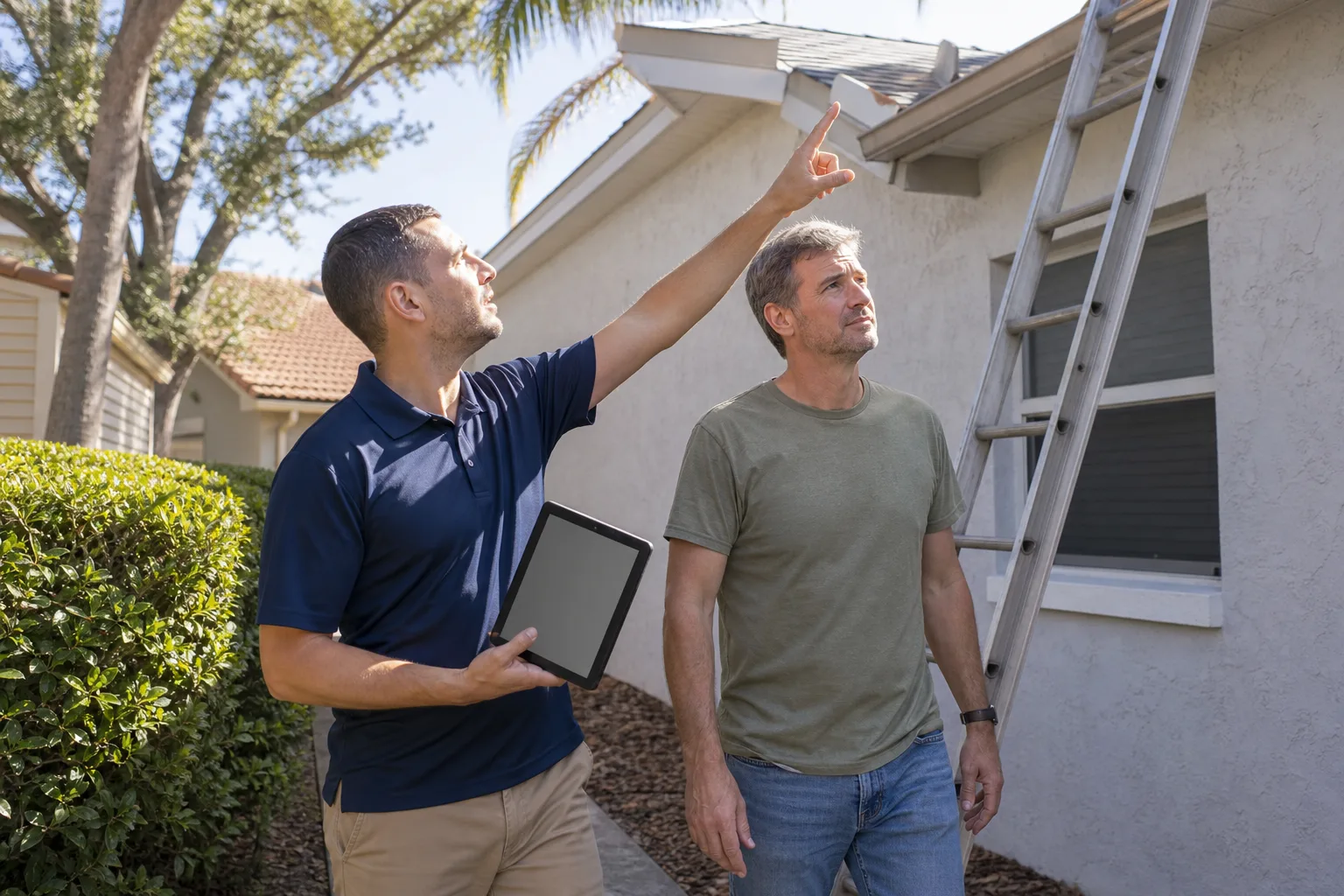
Groundwork Construction Co. of Mesquite has pulled permits across these Mesquite zoning districts, and the first visit usually tells us whether your lot is a go, a maybe, or a no. We measure the footprint, check the coverage math, confirm the zoning designation, and flag the HOA question if one applies. Our technicians have up to 12 years of experience, and every project we build is covered by our 730-Day Done Right Promise. Pricing is upfront before work starts, and there are no surprise line items after the fact.
A good rule of thumb on eligibility: a lot that’s a clean yes rarely requires more than one visit to confirm. A maybe usually means a coverage question that needs the city’s help to resolve. A no is worth knowing before you spend $3,000 on drawings you can’t build from. Either way, you walk away knowing where you stand.
Worth noting: Mesquite’s older housing stock means many ADU projects here come bundled with foundation, roof, or window work on the main house that has to be sequenced around the new construction. North Texas hail and high-wind seasons don’t make that easier, and we plan the schedule accordingly. That sequencing is part of what you’re paying a full-scope contractor for.
FAQs
It depends on four factors: your zoning district, your lot size, your current lot coverage, and whether your home is owner-occupied. Plenty of Mesquite lots qualify; plenty don’t, often because of coverage or minimum lot size. Call (888) 426-8078 and we’ll check your specific address before you commit to design.
A detached ADU in Mesquite typically runs $90,000-$220,000, while an interior JADU or garage conversion usually lands between $30,000 and $80,000. The range is wide because foundation conditions, utility runs, and square footage drive the number. We give you a firm upfront price before work starts. Call (888) 426-8078 for a free estimate.
Possibly. Some Mesquite neighborhoods formed voluntary HOAs in the 1980s and 1990s, and those deed restrictions can be stricter than the city ordinance. A city permit doesn’t override a private covenant. Check your title paperwork before you commit to a detached unit.
Usually, yes. A JADU is an interior conversion, so it doesn’t add to your lot’s coverage footprint, which is the constraint that stops most detached ADU projects on Mesquite’s older platted lots. The checklist is shorter and the build is cheaper. Call (888) 426-8078 and we’ll tell you which path fits your lot.
Converting your garage is almost always cheaper, typically $30,000-$80,000 versus $90,000-$220,000 for a new detached unit. The trade-off is square footage and the condition of the existing slab and garage walls. An experienced builder can tell you on the first visit whether the garage is worth converting. Call (888) 426-8078 for a free assessment.
If you’d rather have it looked at than guess, Groundwork Construction Co. of Mesquite offers a no-pressure assessment in Mesquite. We’ll check your zoning, lot coverage, and HOA paperwork, then tell you straight whether an ADU is a go. Call (888) 426-8078 – estimates and design consults are free, and a live person answers around the clock.
Written by the team at Groundwork Construction Co. of Mesquite, serving Mesquite, TX.