Last updated November 17, 2026


Free written scope consultation - allowances, timeline, and change-order rules on paper before a single trade is scheduled
The Complete Guide to Construction in Mesquite
Mesquite issued over 1,200 residential construction permits in a single recent year, and no two of those projects faced the same site conditions, soil challenges, or city approval timelines. That’s the part most contractors gloss over: a slab in a 1980s ranch house off Belt Line Road and a new addition in the northeast Mesquite subdivisions are not remotely the same build. We’ve watched the city’s growth create a two-tier contractor market – crews chasing volume, and builders who actually understand the ground they’re pouring on. This guide helps you tell the difference before money changes hands. You’ll learn how Dallas County’s expansive clay soil shapes every foundation decision in Mesquite, how the city permit process differs from unincorporated Dallas County rules, what “done right” looks like at each phase, and how proximity to I-635 and Highway 80 affects your schedule and material delivery.
Quick Answer
Home construction in Mesquite requires a contractor who understands Dallas County’s expansive clay soil, the City of Mesquite’s permit and inspection process, and the real cost of hiring trades piecemeal versus one accountable full-scope builder. Expect a typical renovation or addition timeline of several weeks to several months depending on scope, permits, and site conditions – and always verify the contractor pulls permits, carries insurance, and backs workmanship in writing before signing. Groundwork Construction Co. of Mesquite offers free project estimates and design consultations.
Styles & brands we work with
- Kitchen remodeling
- Bathroom remodeling
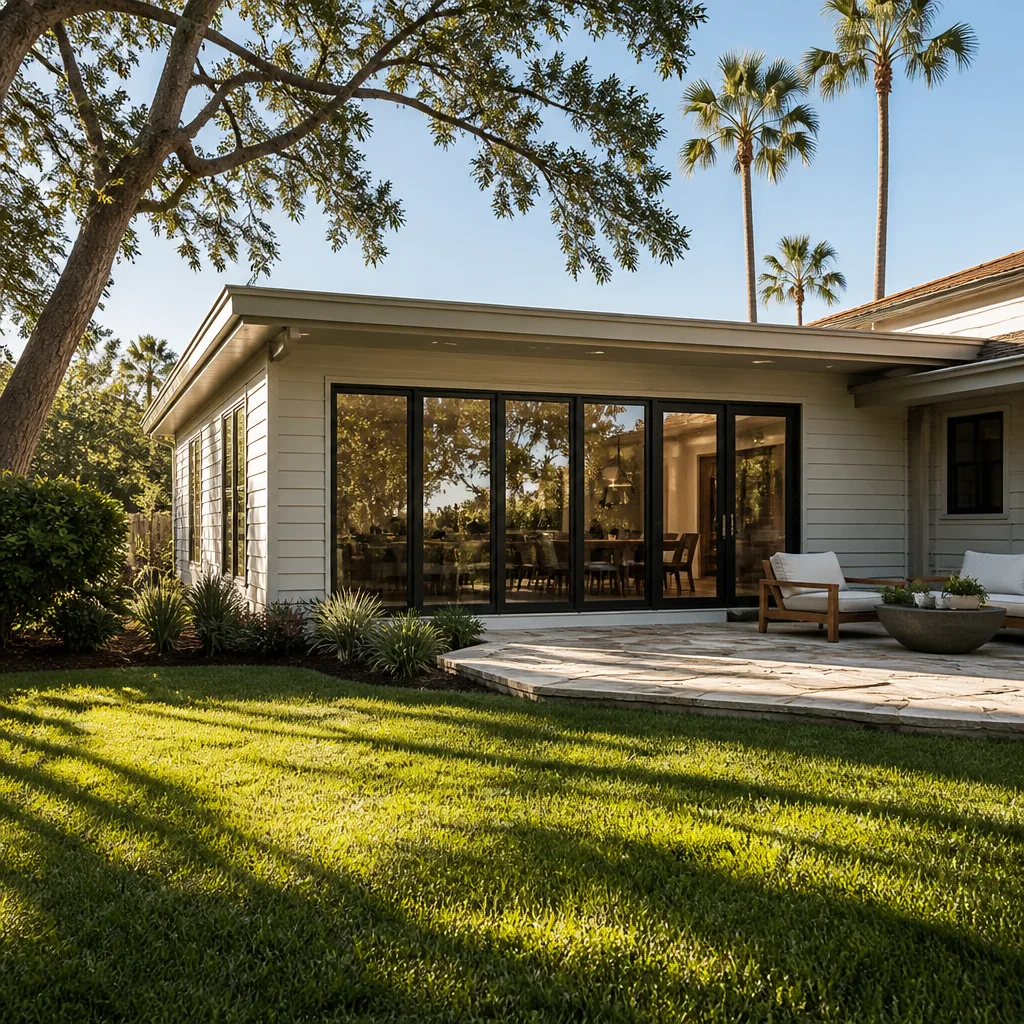
- Home additions & ADU
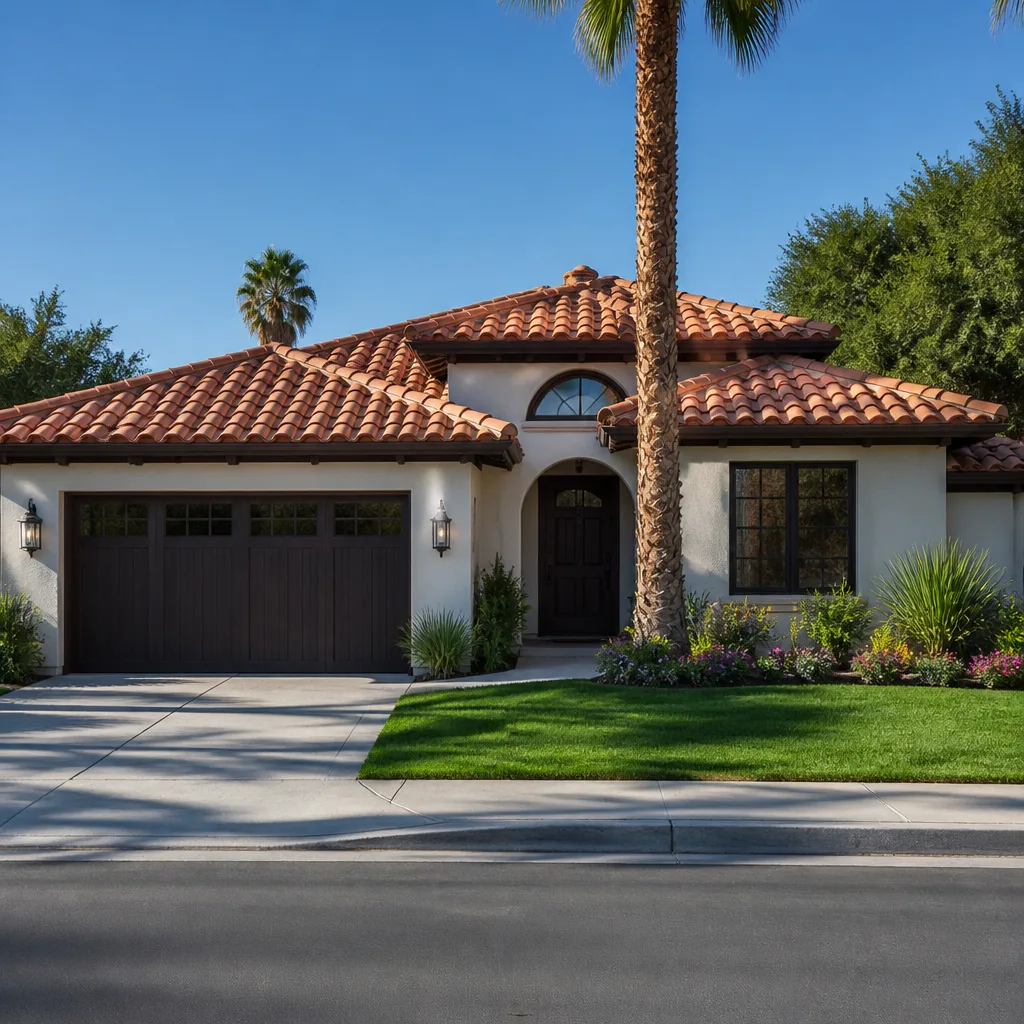
- Roofing
- Windows & doors
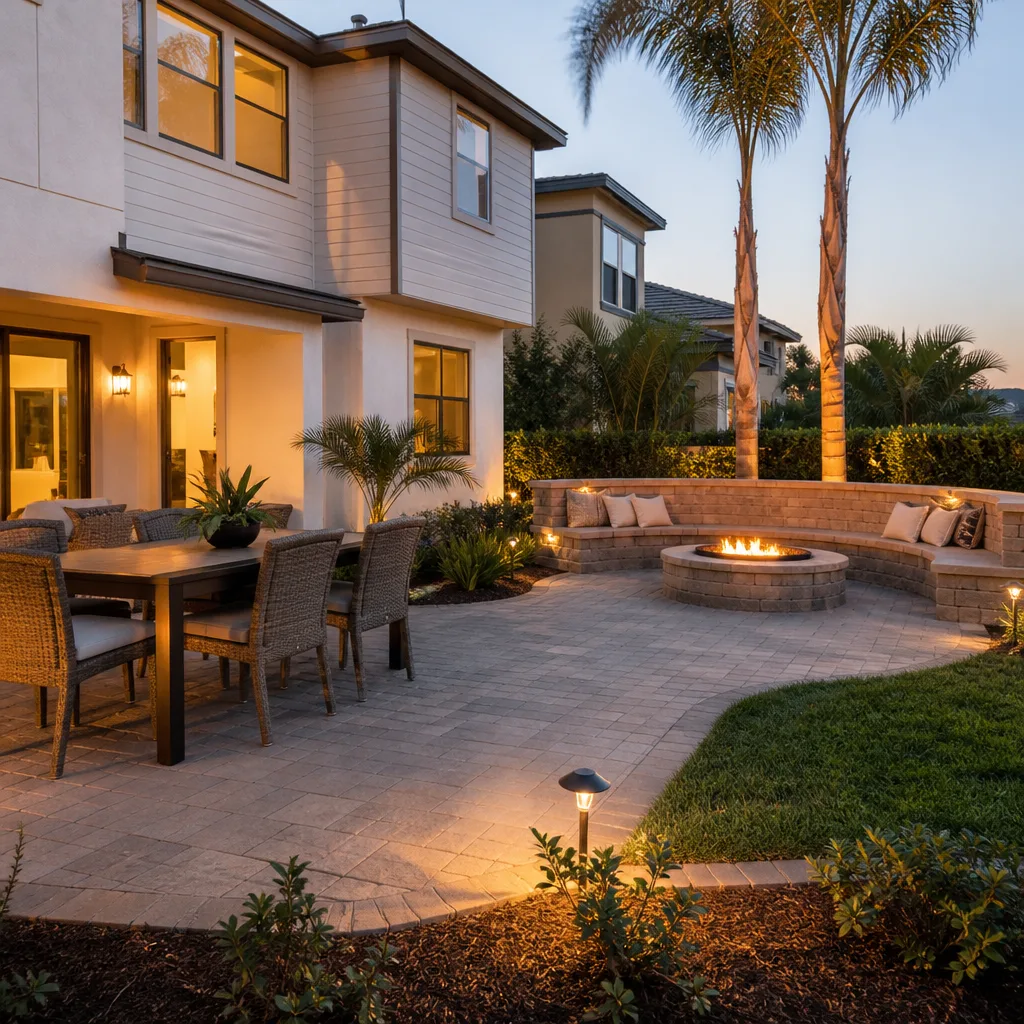
- Driveway & pavers
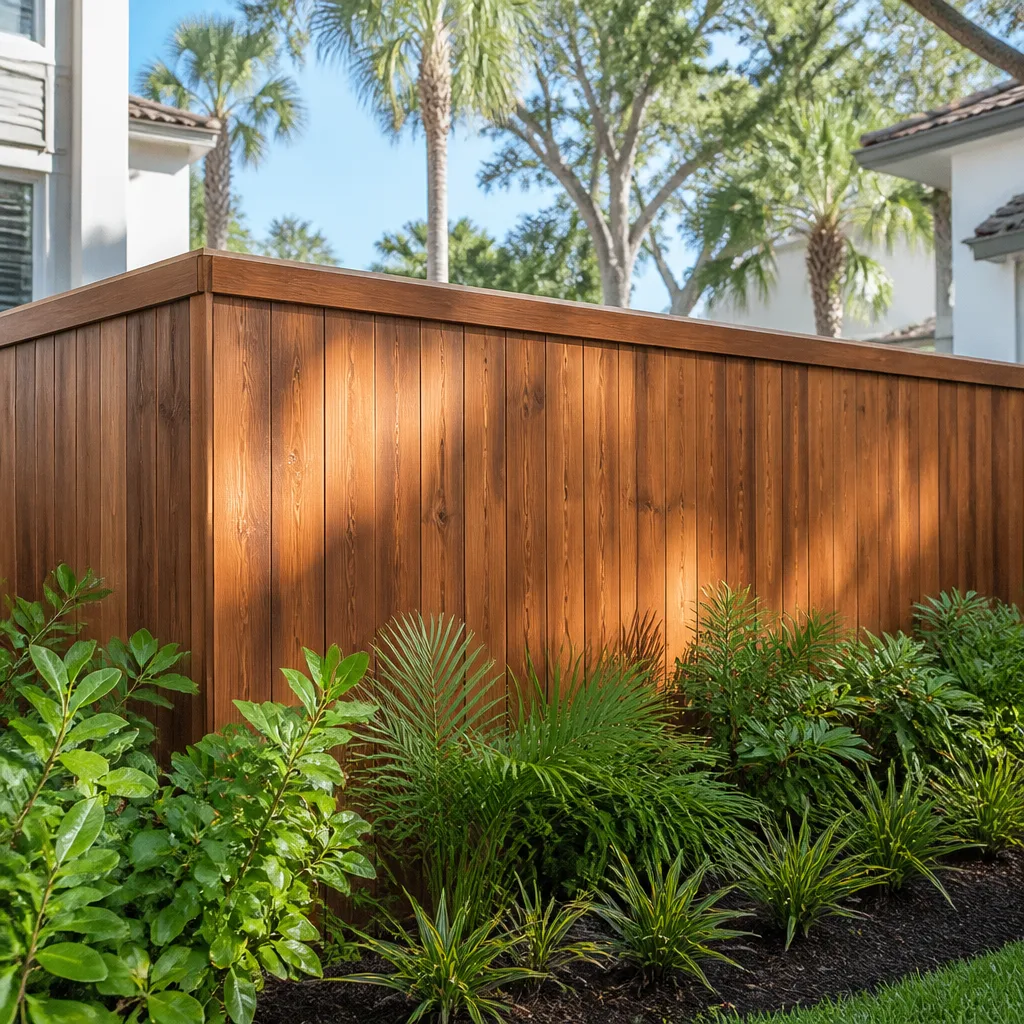
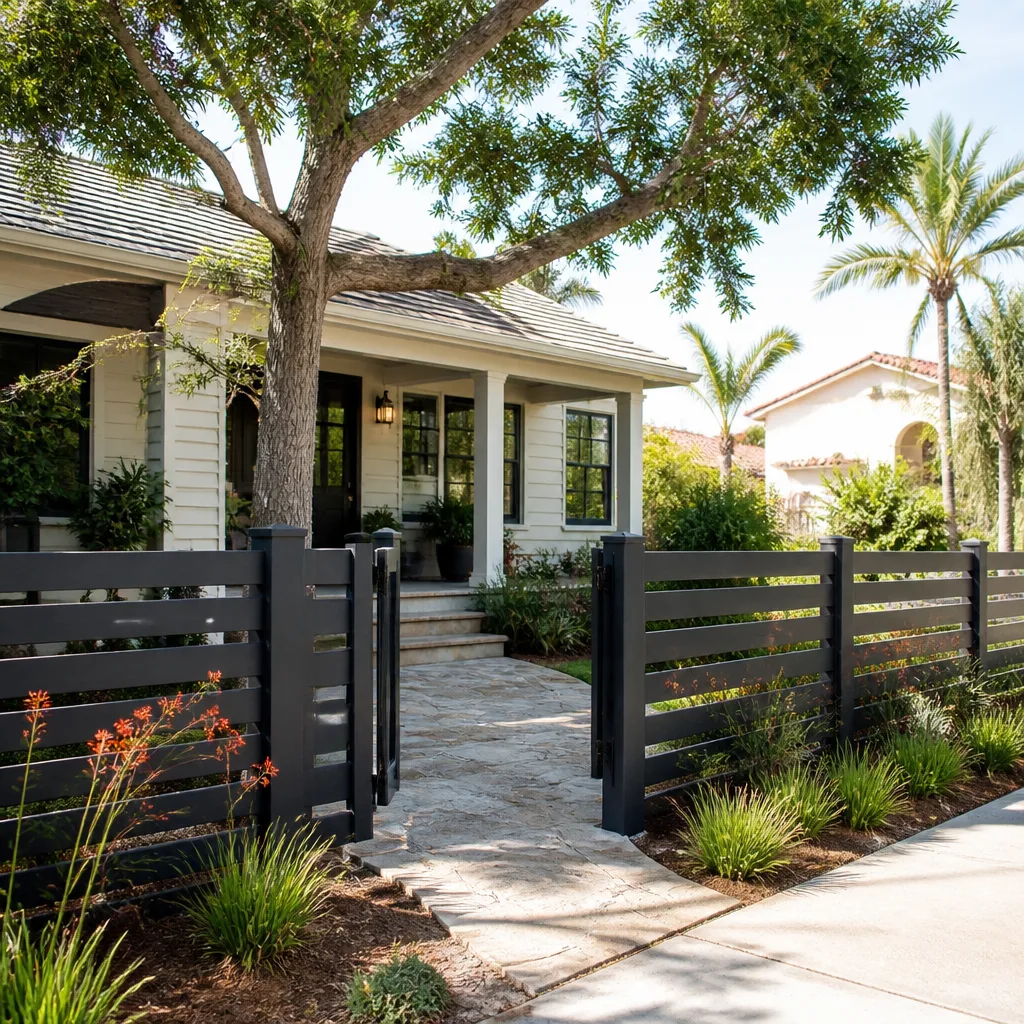
- Fence
Table of Contents
- How Mesquite’s Clay Soil Changes Your Construction Plans
- Mesquite City Permits vs. Unincorporated Dallas County
- Why Full-Scope Beats Piecemeal Trades
- What “Done Right” Looks Like, Phase by Phase
- How I-635 and Highway 80 Shape Your Timeline
- What Construction Costs in Mesquite
- How to Vet a Mesquite Contractor
How Mesquite’s Clay Soil Changes Your Construction Plans
Dallas County sits on some of the most reactive clay in Texas, and Mesquite lots feel it. That black gumbo clay swells when it soaks up spring rain and shrinks hard during the August dry spell. That seasonal movement is why you’ll see foundation cracks spreading in some older Mesquite neighborhoods and why slab-on-grade decisions here are never generic.
Expansive clay puts real demands on how a builder preps ground. A driveway poured without proper subgrade prep and expansion joints will heave and crack within a couple of wet-dry cycles. A home addition tied into an existing foundation needs a geotechnical read of the soil and a design that accounts for differential movement, or the joint between old and new will separate. We’ve seen additions in Mesquite fail at that seam because somebody skipped the soil work to save a line item.
What that means for your project:
- Drainage first. Grading that pushes water away from the slab matters more here than in most markets. Poor drainage accelerates the shrink-swell cycle.
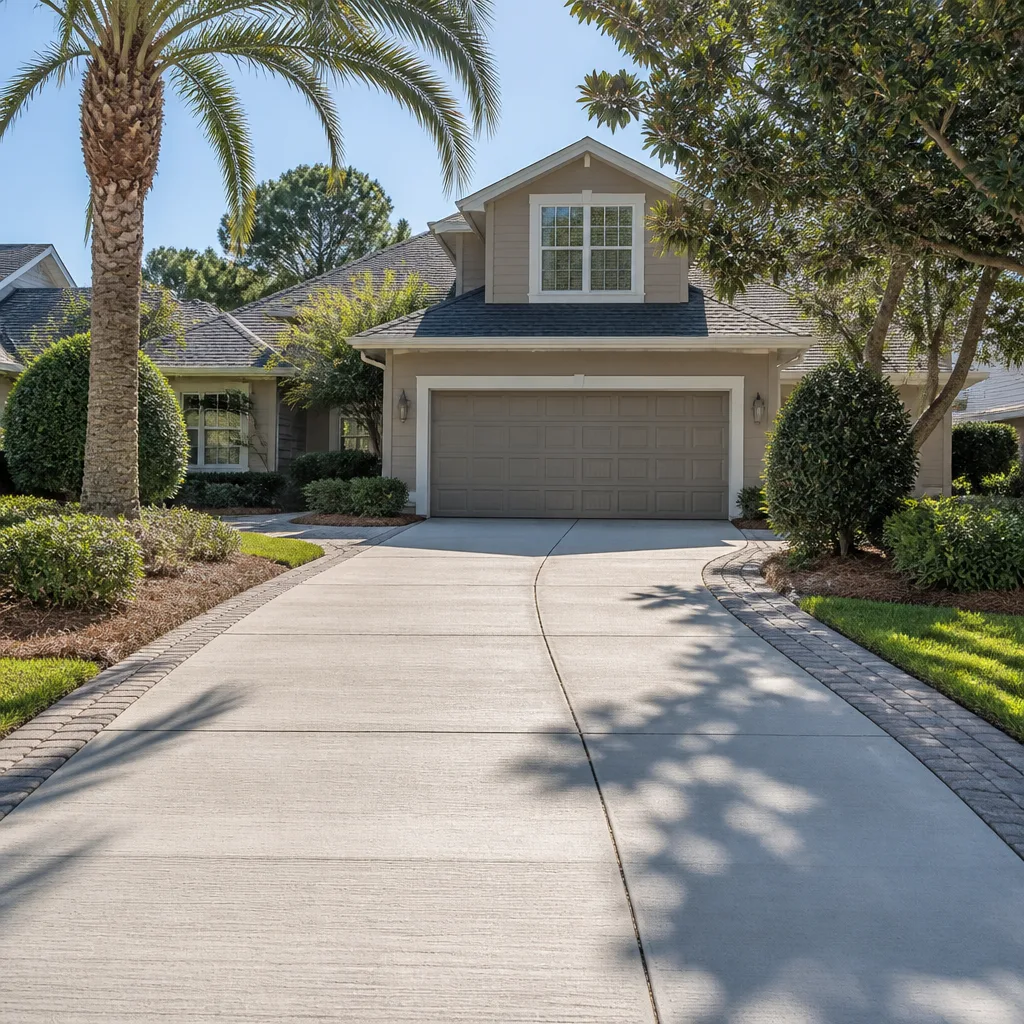
- Proper subgrade prep for flatwork. Driveways and patios need compacted base, correct thickness, and expansion joints sized for the movement.
- Pier design for structural loads. Additions and any load-bearing upgrades should account for clay movement, not assume a stable base.
- Ongoing water management. Soaker hoses in dry spells and clean gutters keep the soil moisture steadier, which is the cheapest foundation protection there is.
None of this is exotic. It’s just what a Mesquite builder who knows the ground does by default. If a contractor hands you a one-page bid with no mention of soil, subgrade, or drainage, you’ve found a volume crew, not a builder who understands your lot. Our Groundwork Construction Co. of Mesquite home page lays out how we approach full-scope projects from the grade up.
Mesquite City Permits vs. Unincorporated Dallas County
Here’s where homeowners get caught off guard: Mesquite has a specific permit and inspection process, and if your property sits in unincorporated Dallas County, the rules, timelines, and approving authority are different. File in the wrong place and your project stalls while the paperwork catches up.
Inside Mesquite city limits, residential construction generally routes through the city’s building department with plan review, trade permits, and staged inspections – footing, framing, mechanical/electrical/plumbing rough-in, then final. Projects in unincorporated Dallas County territory answer to county requirements instead, and the inspection sequence and turnaround can differ. Fences, driveways, and accessory structures have their own permit thresholds, and some work that feels minor (a new fence over a certain height, a driveway replacement near the right-of-way) can still require approval.
Step-by-step: how a properly permitted Mesquite project runs
- Confirm jurisdiction. Verify whether your address is inside Mesquite city limits or unincorporated Dallas County before anyone files anything.
- Design and plan review. Drawings get submitted to the correct authority; you get comments back and refine.
- Pull permits. Your contractor pulls the general and trade permits; unpermitted work can complicate resale and insurance.
- Staged inspections. Footing, framing, and rough-in inspections happen in sequence before work is covered up.
- Final inspection and closeout. The authority signs off and the permit is closed.
Permits pulled and inspections passed is a trust signal worth asking about directly. A contractor who shrugs at permits is leaving you exposed – unpermitted work can surface at resale, in an insurance claim, or when a future inspector flags it. Ask who files, who pays the permit fees, and who meets the inspector on site. A full-scope partner handles that for you and shows you the paperwork at closeout.
Why Full-Scope Beats Piecemeal Trades
Hiring a framer, then an electrician, then a plumber, then a drywall crew, then a painter sounds like you’re saving on markup. In practice, the piecemeal approach usually costs more over time – and it costs you your weekends.
When you hire each trade yourself, you own the scheduling, the sequencing, and the blame when one crew’s work blocks another. The electrician finishes after the drywall went up and now there’s a wall to open. The plumber comes back for a rough-in problem and the tile is already set. Each gap adds a return trip, a change order, or a patch. Those costs add up fast, and none of them show up in the original bids you collected.
A full-scope contractor runs the sequence. From foundation to finish line, one company is accountable for the whole job, so trade clashes get solved internally instead of billed to you. That’s the core reason a single builder typically costs less end-to-end than assembling the trades yourself:
- One schedule. No waiting on five separate lead times that never line up.
- No re-work bills. Problems get fixed before the next trade covers them.
- One warranty. Instead of chasing six companies, one party stands behind the whole result.
- Fewer change orders. Coordination is built in, not tacked on.
This is the case across every category we handle, and it’s especially true on bigger scopes. A single partner managing windows, roofing, and addition work keeps the envelope and structure coordinated. See how we run a full Home Additions & ADU in Mesquite project from one point of accountability.
What “Done Right” Looks Like, Phase by Phase
“Done right” isn’t a slogan. It’s a set of specific things you can check at each stage, and you don’t need to be a builder to spot them. Here’s the sequence and what to look for at each checkpoint in a Mesquite job.
Phase 1: Site and grade. Before anything is built, the site gets graded for drainage and the soil gets read. Checkpoint: water should shed away from where the structure and flatwork will sit. Ask what the drainage plan is.
Phase 2: Foundation and flatwork. On expansive clay, subgrade prep, base compaction, and expansion joints are the whole game. Checkpoint: footing inspection passed before the pour, joints spaced and set correctly.
Phase 3: Framing and rough-in. Structure goes up; electrical, plumbing, and mechanical rough-in run through the walls. Checkpoint: framing inspection and rough-in inspections passed before anything gets covered.
Phase 4: Envelope. Roof, windows, doors, siding – the parts that keep Mesquite’s spring storms and summer heat outside. Checkpoint: flashing and sealing done properly at every penetration.
Phase 5: Insulation, drywall, finish. The interior comes together. Checkpoint: insulation inspected, drywall seams and corners clean.
Phase 6: Final walkthrough and closeout. Punch list worked through, final inspection passed, permit closed. Checkpoint: everything on your written scope is actually done, and your workmanship warranty is in writing.
Notice the checkpoints – they map to inspection stages. A contractor who keeps you informed at each one, and who can show you the passed inspections, is running the job right. That’s the standard the 730-Day Done Right Promise is built around: if something isn’t done right, we make it right, for two full years after you sign off.
How I-635 and Highway 80 Shape Your Timeline
Mesquite’s spot on the map shapes your project schedule more than most homeowners realize. The city sits where I-635 (the LBJ) meets Highway 80 and US 30, which is great for getting around and genuinely useful for construction logistics – when you plan around it.
Material delivery windows matter. Lumber, roofing bundles, windows, and concrete all arrive by truck, and a delivery that has to cross I-635 at rush hour is a delivery that shows up late and eats into the day’s labor. Builders who work in Mesquite regularly schedule heavy deliveries outside peak corridor hours so crews aren’t standing around. Window and door lead times get quoted against the delivery route, not just the manufacturer’s ship date.
Corridor proximity cuts both ways on scheduling:
- Upside: Mesquite’s highway access keeps material availability strong and shortens the distance for supply runs compared to outlying areas.
- Watch-out: peak-hour congestion on I-635 and Highway 80 can push deliveries and crew arrivals. Good scheduling builds in that buffer.
- Neighborhood nuance: homes near the corridors deal with more traffic noise and dust, which can affect finish-work timing and staging.
Ask your contractor how they schedule deliveries and whether they account for Mesquite traffic patterns. If the answer is “we just call and see,” expect delays. That planning discipline is exactly why a builder who actually knows Mesquite saves you time, not just money.
What Construction Costs in Mesquite
Cost is where vague bids cause the most pain. Rather than give you a single number that’s wrong for your project, here’s how the line items break down, with typical Mesquite-area ranges by category. Treat these as planning ranges – your written quote is the real number.
- Kitchen remodeling: cabinetry, countertops, and layout changes drive the range; premium materials (like a KraftMaid or Cambria selection) push it up, keeping the layout holds it down.
- Bathroom remodeling: tile, fixtures, and whether plumbing moves; a refresh costs far less than a full rebuild.
- Roof replacement: roofing systems from GAF or CertainTeed with proper underlayment and flashing sit at the middle of the range; full tear-off and deck repair move it up.
- Windows & doors: priced per opening and by line; Andersen and Pella tiers sit above builder-grade units.
- Fence installation: priced by linear foot, material, and gate count; ornamental lines like Ameristar or Jerith cost more than a standard wood fence.
- Driveways & pavers: priced by square footage, base prep, and pattern; clay soil prep adds real value here, not cost for its own sake.
- Home additions & ADU: the largest line item, driven by square footage, foundation/soil work, and finish level.
The number that matters is the written, line-item quote you sign – and “upfront pricing, no surprises” means the number you see is the number you pay, absent a scope change you approve. Groundwork backs that with $1,000 off projects over $10,000 and 0% financing for 18 months, so a larger build is accessible without hidden costs. To see how flatwork and hardscape fit into the budget, review Driveway & Pavers in Mesquite.
How to Vet a Mesquite Contractor
Telling the two tiers apart comes down to a handful of concrete checks. Do them before money changes hands.
- Verify licensing and insurance. Get proof of current coverage in writing; don’t take a verbal yes.
- Ask who pulls the permit. The right answer is the contractor, in the correct jurisdiction, with the paperwork shown.
- Demand a written, line-item quote. A number on a napkin isn’t an estimate; material and labor should be broken out.
- Read the warranty. Ask how long workmanship is covered. A two-year, written guarantee (730 days) is far above the norm.
- Check the crew. Ask whether technicians are background-checked and arrive in uniform, and confirm who will actually be on site.
- Test responsiveness. Call and see who answers. A company that picks up live, around the clock, tells you how they’ll handle a problem mid-project.
That last check matters more than people think. A contractor who takes days to return a call before the contract will take days when something needs fixing after. Groundwork answers every call with a live person, around the clock – no voicemail black hole. For fences specifically, the materials you choose (Bufftech and ActiveYards are solid vinyl lines; Ameristar and Jerith cover ornamental) should come with a clear material and workmanship warranty. See how that plays out in Fence Installation in Mesquite.
Common Mistakes to Avoid
- Hiring the lowest bid with no soil or grade line. A bid that ignores subgrade prep on Mesquite’s clay is a bid that fails at the slab; read the fine print, not just the total.
- Assuming the city permit process applies everywhere. Homes in unincorporated Dallas County follow different rules and authorities – filing in the wrong place stalls the job.
- Skipping the written line-item quote. Vague lump-sum bids invite change orders later; get material and labor spelled out before you sign.
- Accepting an unwritten warranty. If “we stand behind our work” isn’t a document with a stated term, it isn’t a guarantee.
- Hiring trades piecemeal to save markup. The re-work and re-scheduling usually cost more than the coordination you thought you were avoiding.
- Ignoring delivery scheduling near I-635 and Highway 80. A contractor who doesn’t plan around corridor traffic delivers late and slows the whole job.
- Not asking who’s on the crew. Unvetted, unmarked crews create real risk; background-checked, uniformed technicians are a baseline, not a bonus.
See the difference
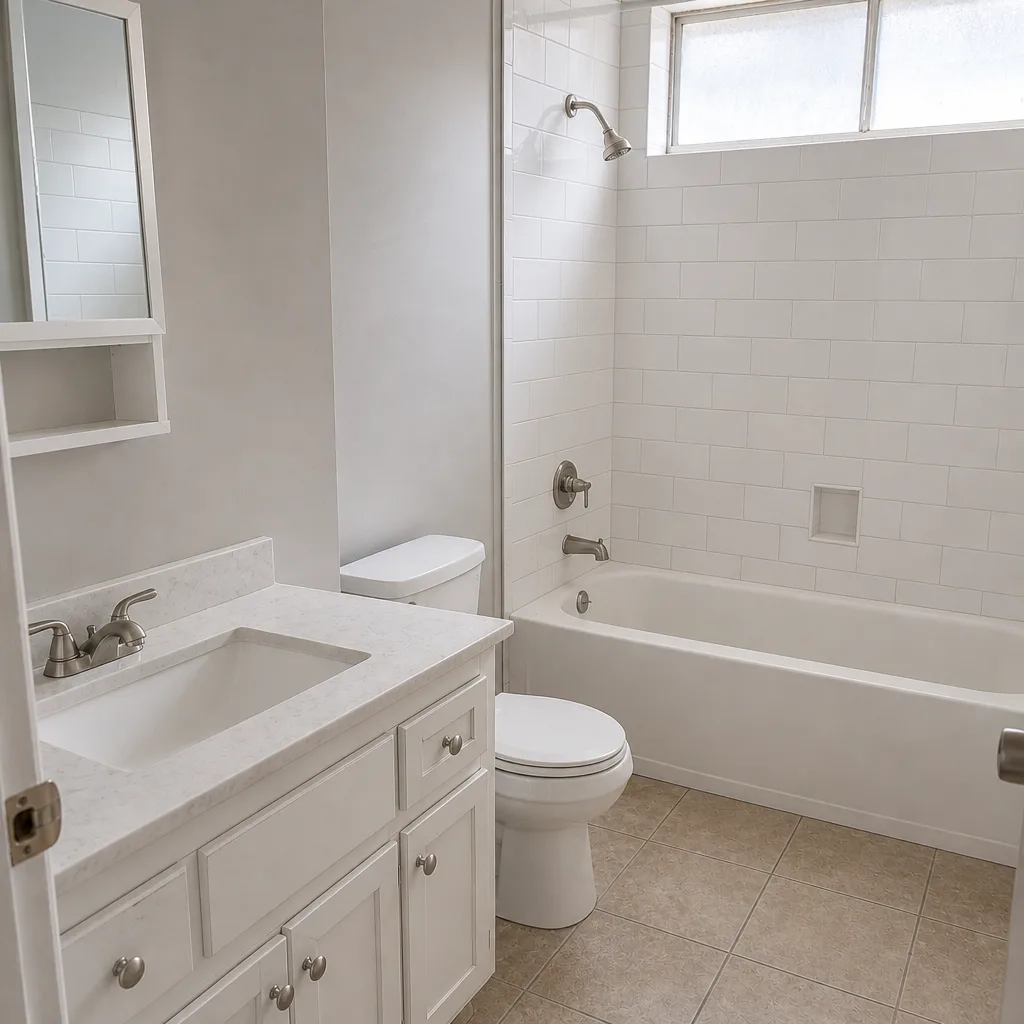
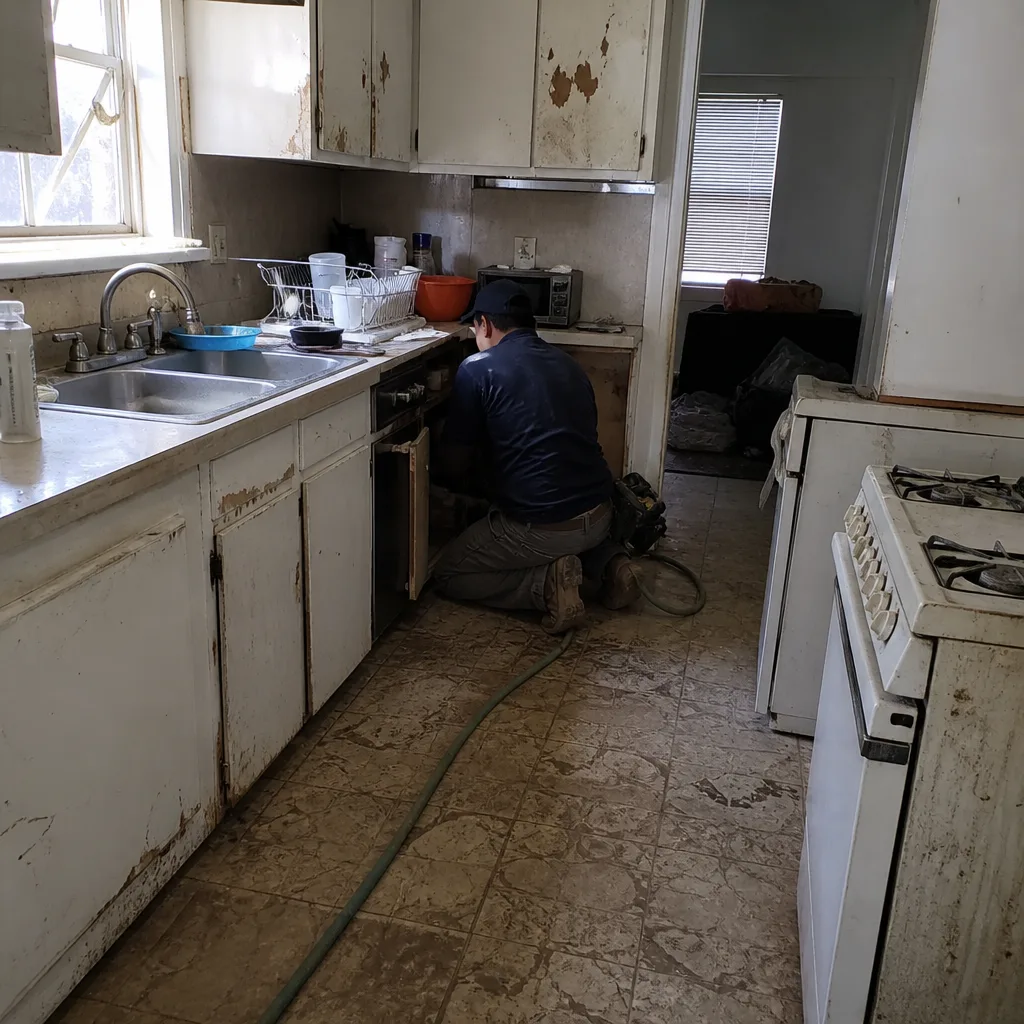
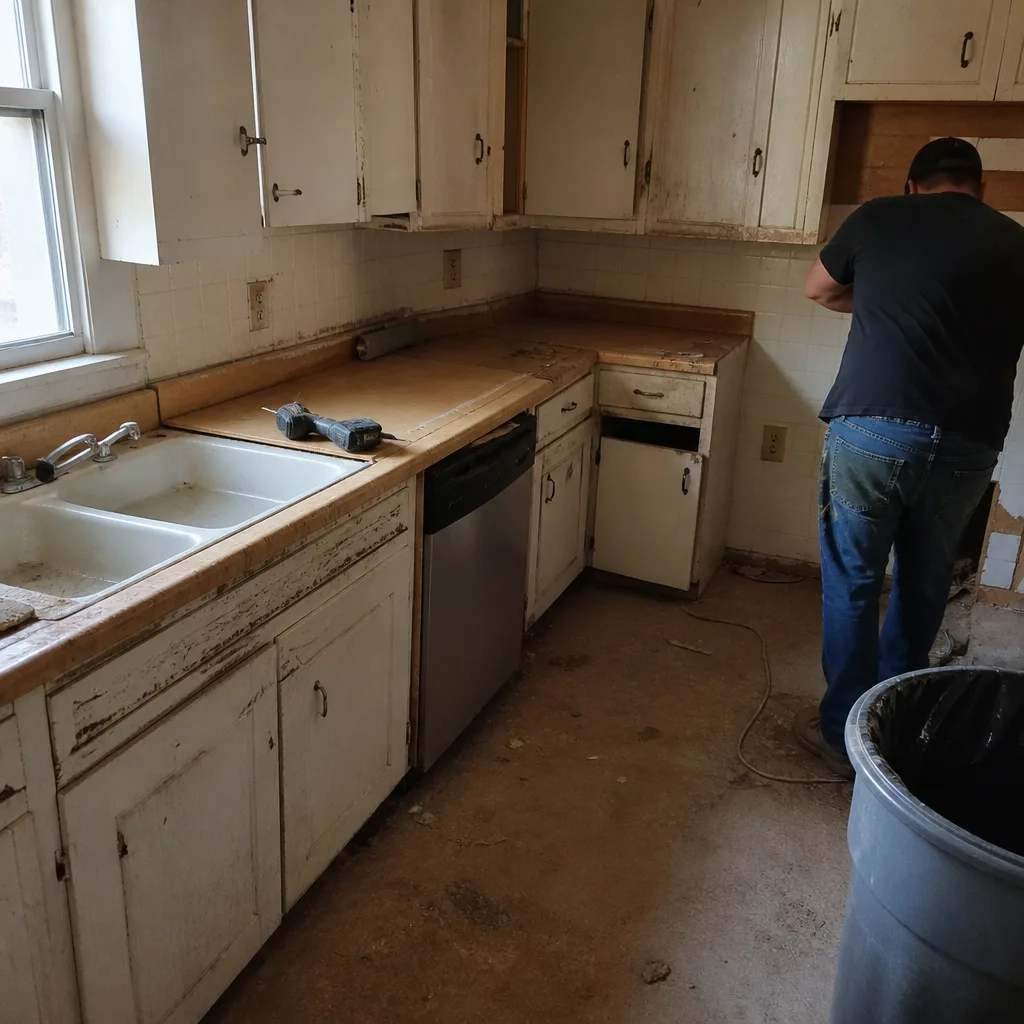 Before
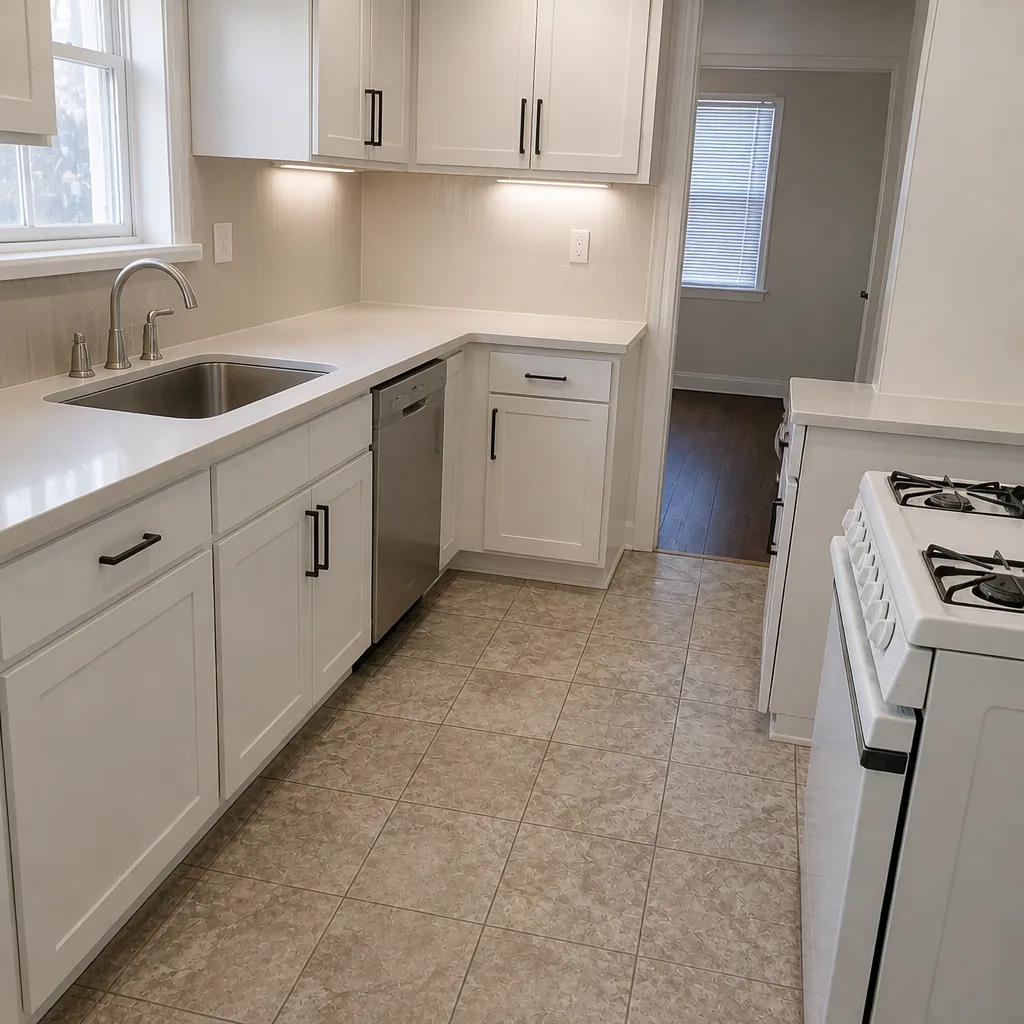
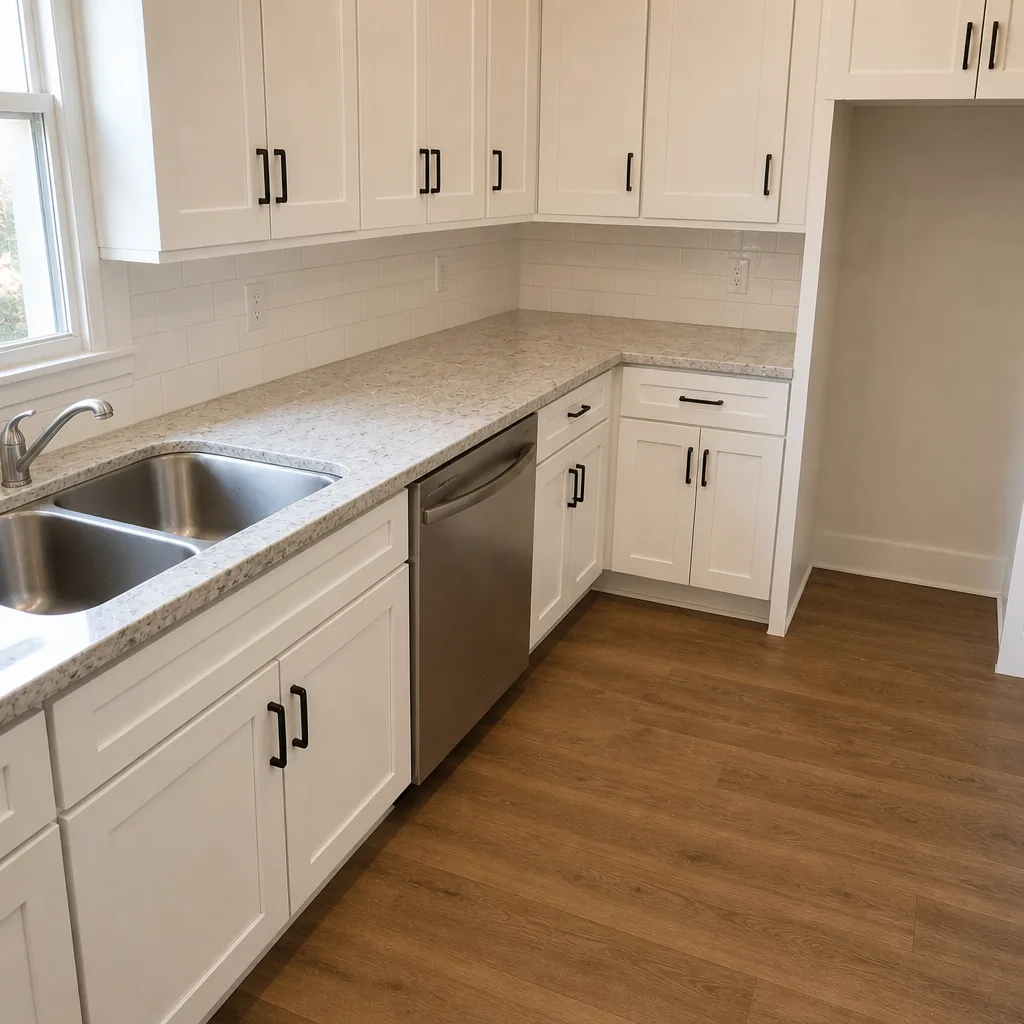 After
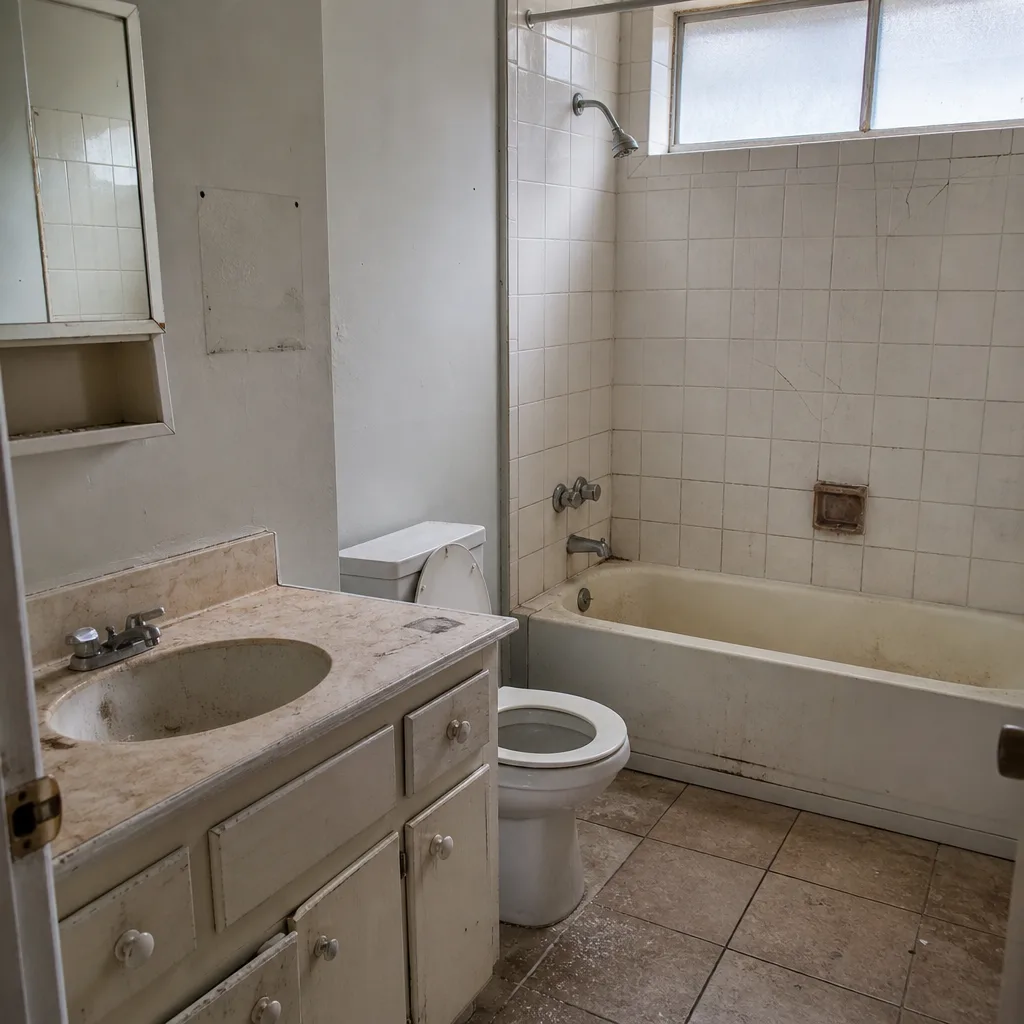 Before
 After
 Before
 After
When to Call a Professional
Some jobs are genuinely fine to DIY – painting, a simple fence repair, swapping a light fixture. But structural additions, anything touching foundation or grade on Mesquite clay, roof replacement, window and door replacement, and any project requiring a permit belong with a trained professional. That’s a safety point, not a sales pitch: foundation, structural, and full-envelope work involves load paths and inspection sequencing where a mistake is expensive and sometimes dangerous to fix. If you’re planning a meaningful improvement – a kitchen overhaul, a bathroom rebuild, a roof, an addition – call a professional before you buy materials. Groundwork Construction Co. of Mesquite offers free estimates in Mesquite with a design consultation, and we’ll tell you honestly what your project needs. Call (888) 426-8078 to schedule yours.
Frequently Asked Questions
Most structural, electrical, plumbing, mechanical, addition, and roof projects in Mesquite require a permit, though thresholds vary by scope and by whether your property is inside city limits or unincorporated Dallas County. Your contractor should confirm the jurisdiction and pull the right permits. Call (888) 426-8078 for a free estimate and a permit walkthrough.
Dallas County’s expansive clay swells with moisture and shrinks when dry, which is why proper subgrade prep, drainage, and expansion joints matter so much in Mesquite. Skip those and flatwork heaves and cracks within a few seasons. A builder who knows the ground builds for that movement from the start.
Timeline depends on scope, permits, and site conditions – a bathroom takes far less time than a home addition. Mesquite traffic on I-635 and Highway 80 can also affect material delivery scheduling, so ask how your contractor plans around it. Call (888) 426-8078 for a project-specific timeline and estimate.
Not on our projects, unless you approve a scope change. We work from written, line-item quotes, so upfront pricing means the number you see is the number you pay. Ask any contractor for that in writing. Call (888) 426-8078 to get a written estimate.
One full-scope contractor usually costs less end-to-end, because you avoid the re-work, return trips, and change orders that come from poorly sequenced trades. You also get a single warranty and one point of accountability. Call (888) 426-8078 for a free estimate.
Every project is covered by the 730-Day Done Right Promise – if it isn’t done right, we make it right, for two full years after completion. That’s one of the longer workmanship guarantees in residential construction. Call (888) 426-8078 with questions about coverage.
The Bottom Line
Mesquite’s growth split the contractor market into volume crews and builders who actually know the soil, the codes, and the neighborhoods. Tell them apart by checking a few concrete things: does the bid address Dallas County clay and subgrade, does the contractor pull permits in the correct jurisdiction, is the quote written and line-item, and is the workmanship warranty documented and long. Full-scope beats piecemeal on total cost, and scheduling that accounts for I-635 and Highway 80 keeps your project moving. Groundwork Construction Co. of Mesquite backs it with upfront pricing, brand partners across every trade, and the 730-Day Done Right Promise.
Ready to move from planning to pricing? Call (888) 426-8078 for a free estimate and design consultation, with $1,000 off projects over $10,000 and 0% financing for 18 months available. We’ll walk your Mesquite project from foundation to finish line and put the plan in writing.
Written by the team at Groundwork Construction Co. of Mesquite.