Last updated November 17, 2026

Free written scope consultation - allowances, timeline, and change-order rules on paper before a single trade is scheduled
Choosing the Right Construction Brand: A Buyer’s Guide for Mesquite
Here’s a fact that surprises most homeowners: a manufacturer’s lifetime warranty on roofing, windows, or siding usually requires certified installation by an authorized contractor. If the crew that put the product on your house wasn’t certified, that “lifetime” coverage can be void before the first rain hits. Most Mesquite homeowners never check that status before the shingles are nailed down. This guide shows you how to verify a contractor’s real brand credentials, read the difference between product lines inside the same name, and figure out which material upgrades actually pay off in North Texas heat and hail. You’ll finish knowing how to tell a premium brand outcome from a warranty nightmare, and who to call when you’re ready.
Quick Answer
Choosing the right construction brand in Mesquite means choosing two things at once: the product on your home and the contractor authorized to install it. Premium brands like GAF, Andersen, and James Hardie only deliver their warranty value when an approved installer does the work, so verify certification first, then weigh product tier against Mesquite’s heat, hail, and clay soil. The contractor’s accountability matters more than the logo on the box.
Styles & brands we work with
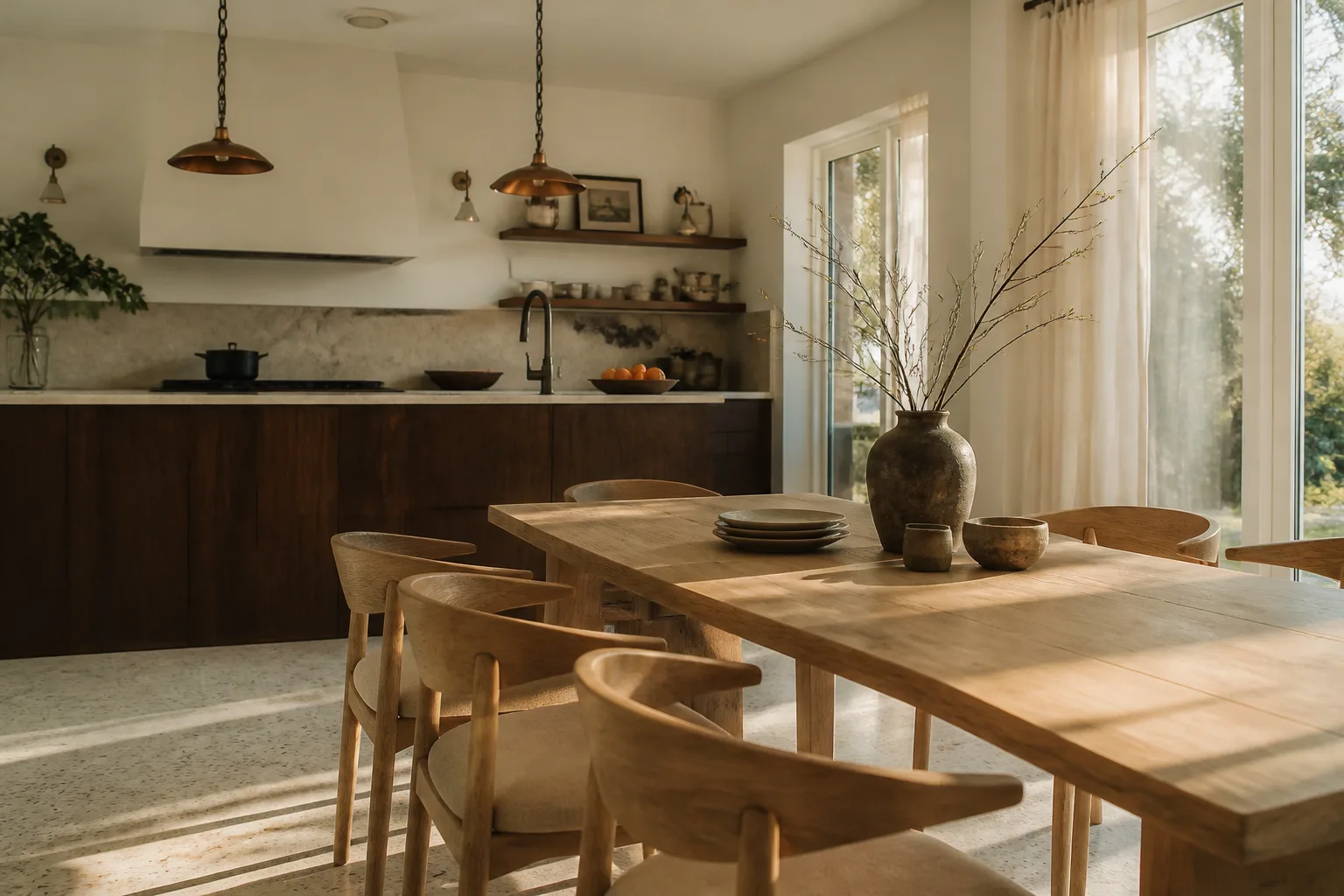
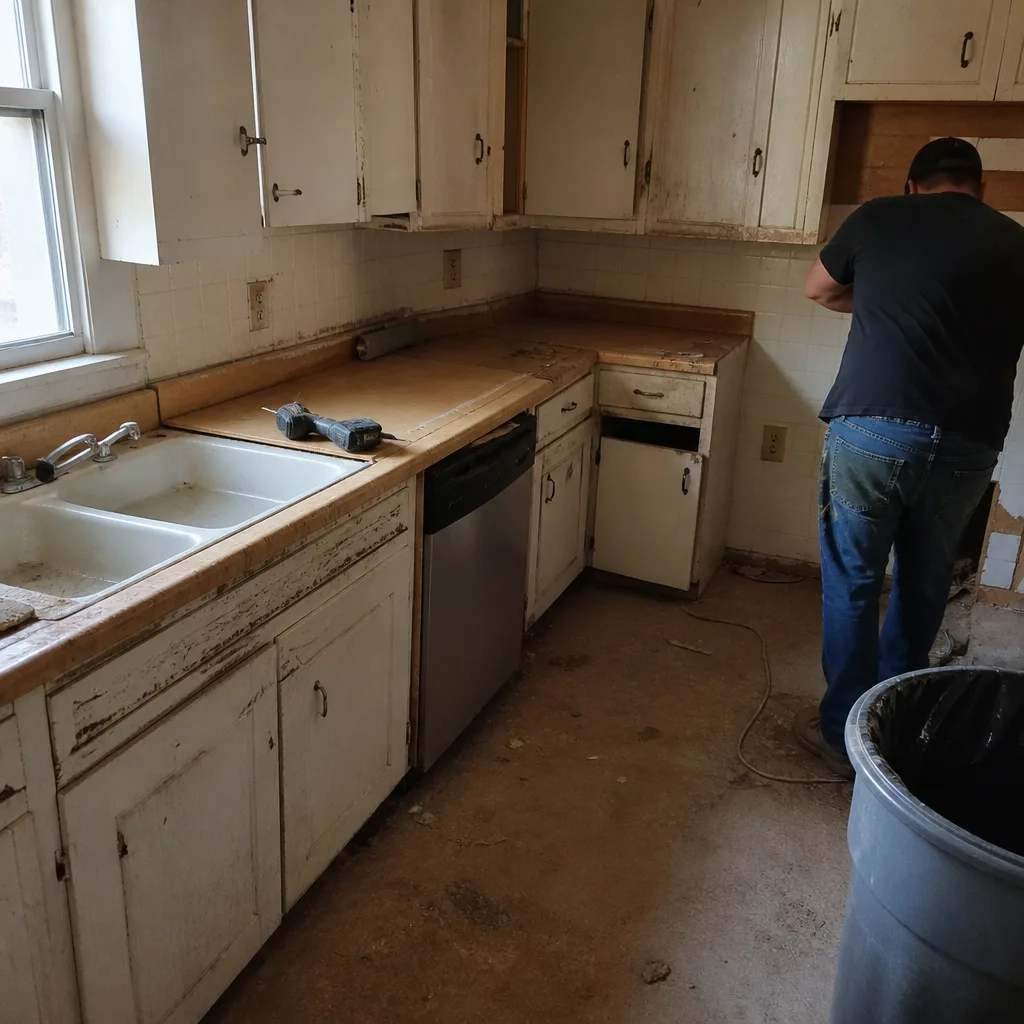
- Kitchen remodeling
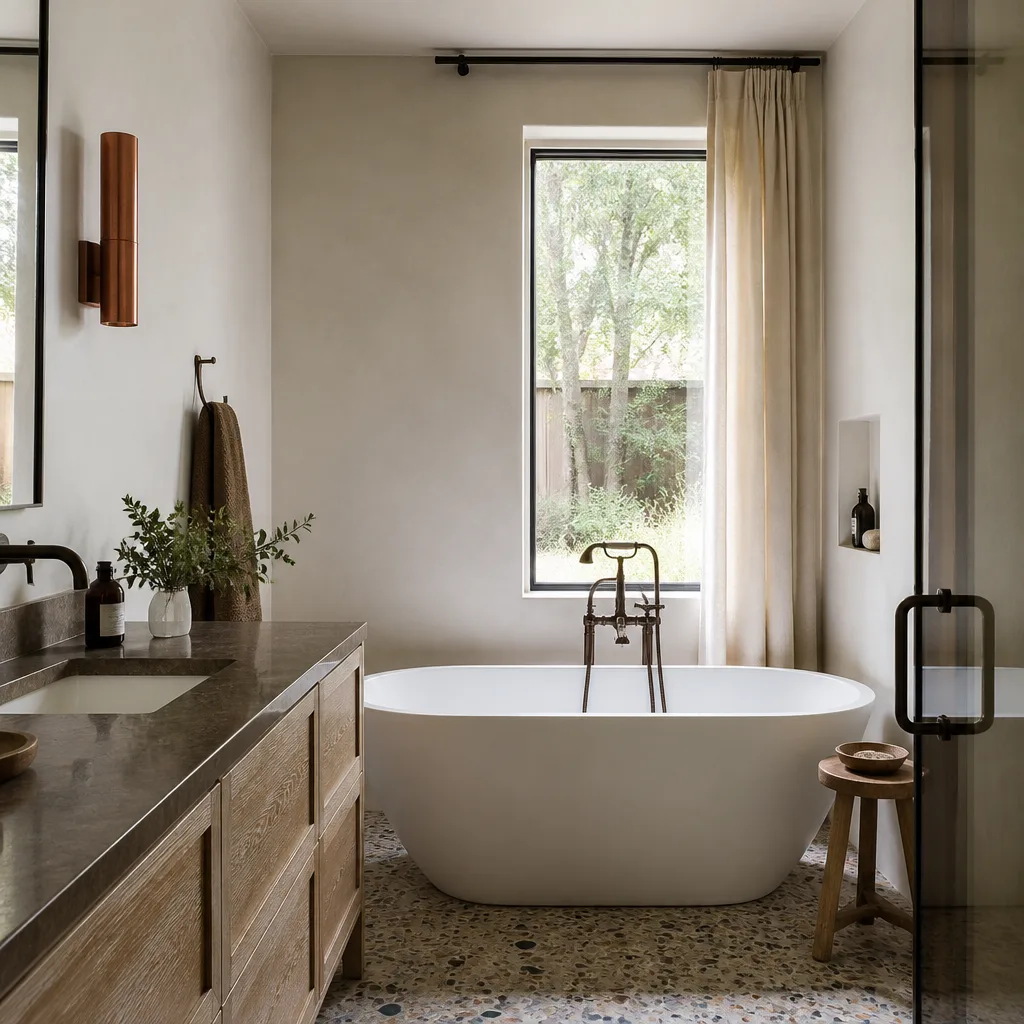
- Bathroom remodeling
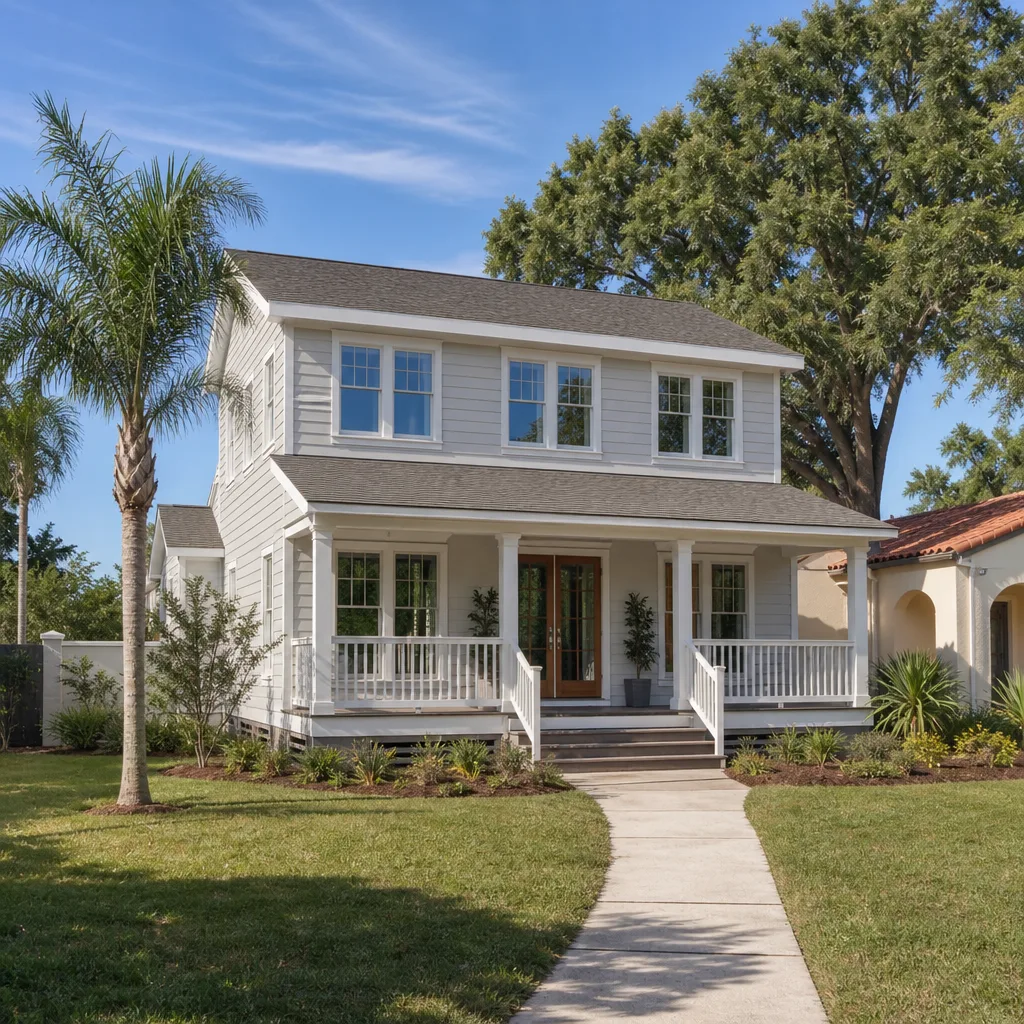
- Home additions & ADU
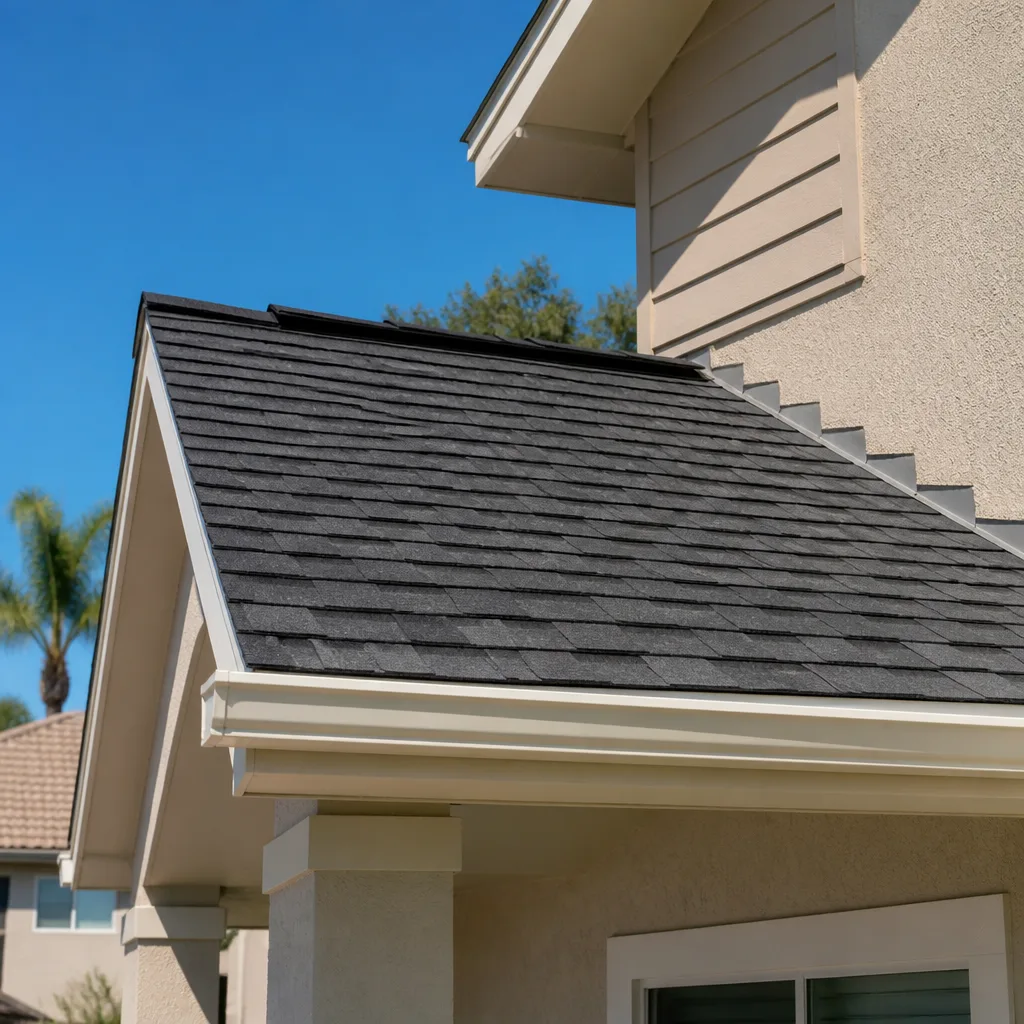
- Roofing
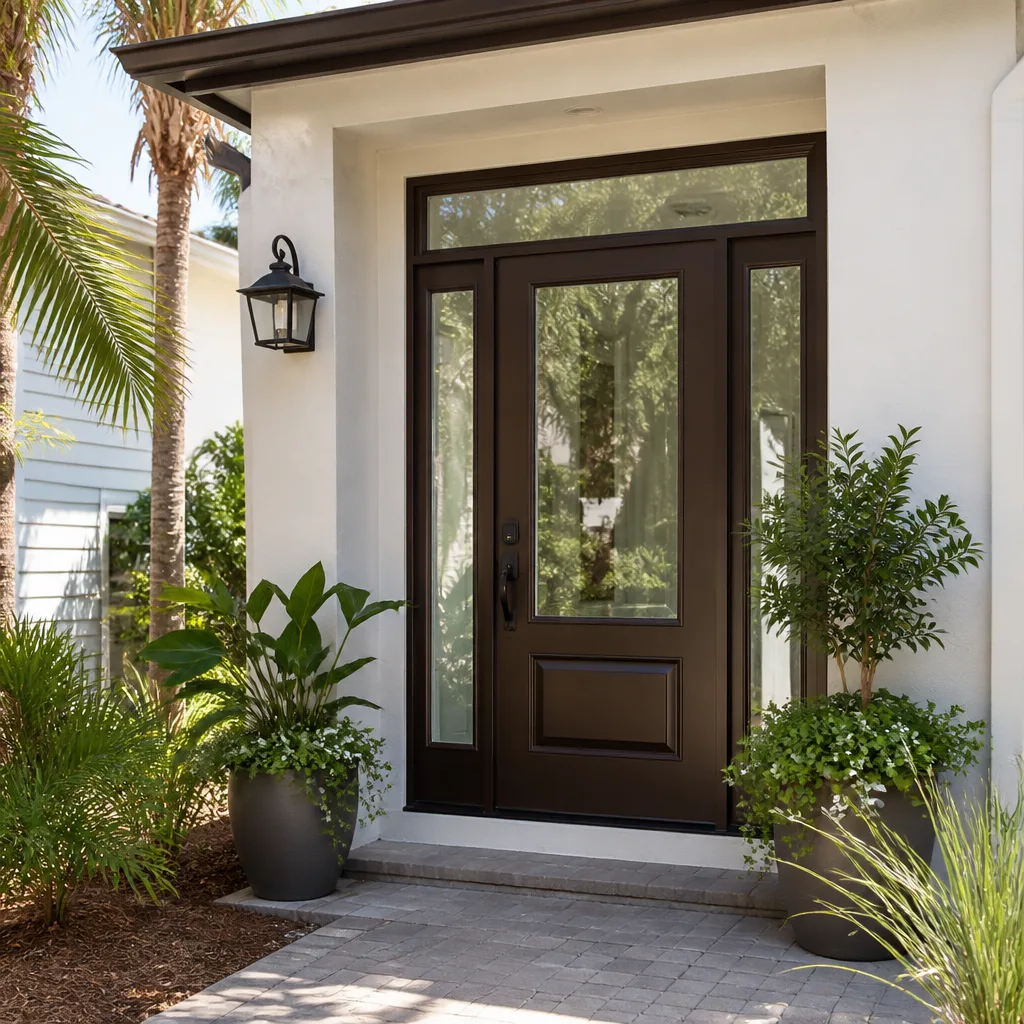
- Windows & doors
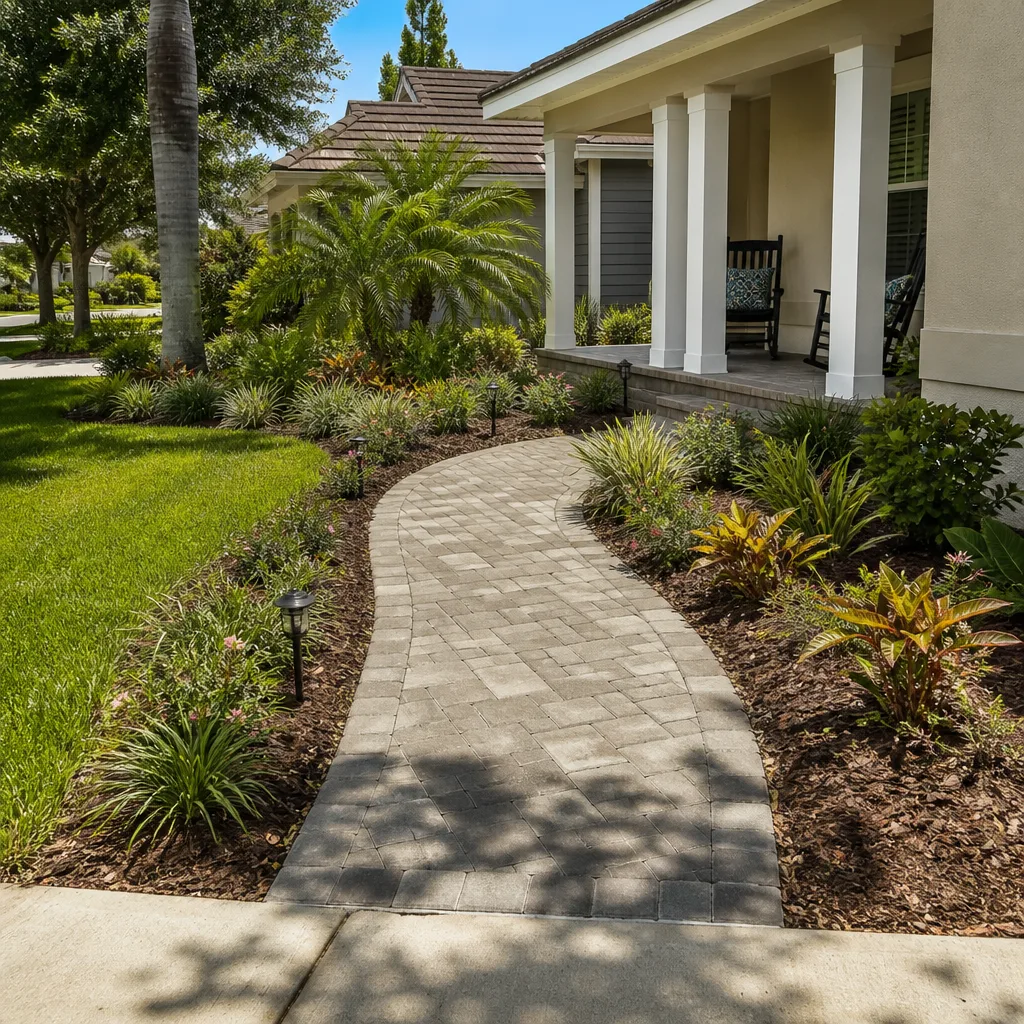
- Driveway & pavers
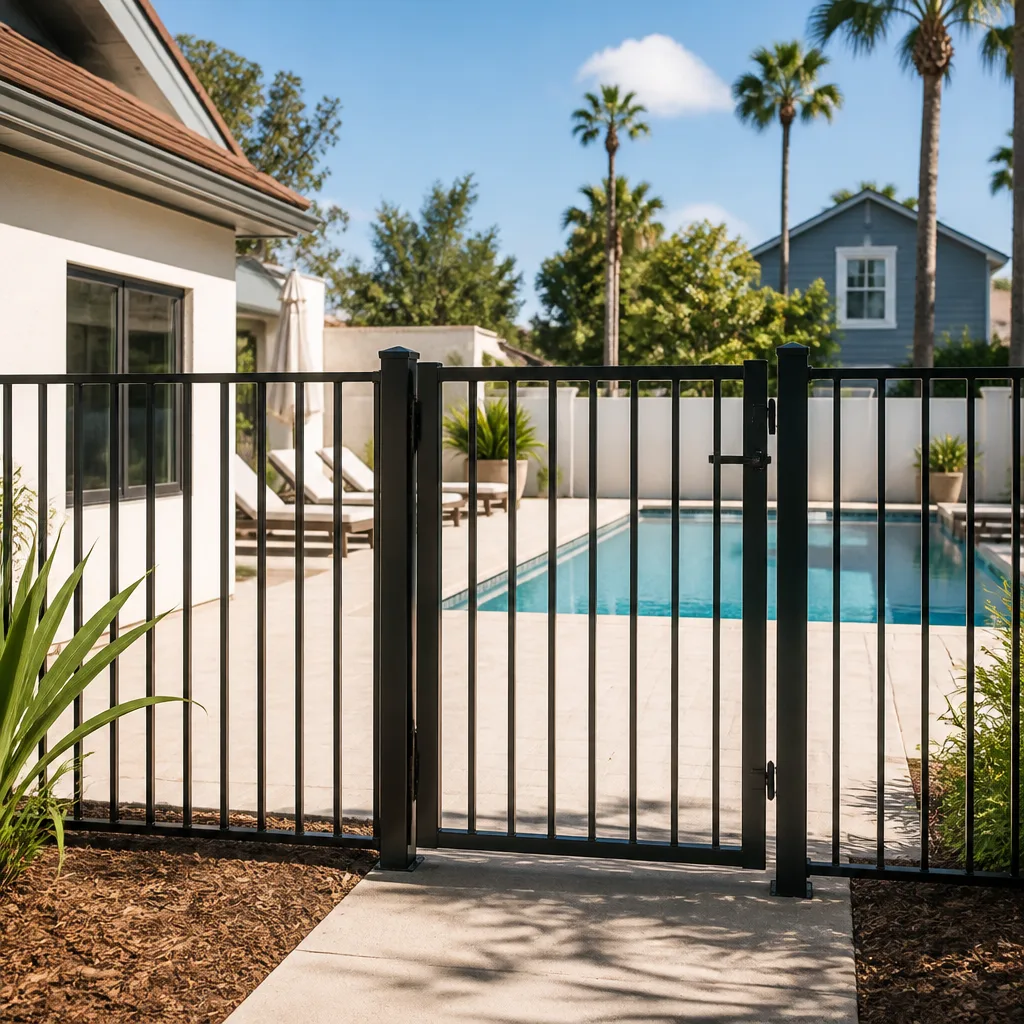
- Fence
Table of Contents
- Why Brand Choice Matters More in Mesquite Than Almost Anywhere
- How to Verify a Contractor’s Real Certified-Installer Status
- Contractor-Grade vs. Builder-Grade vs. Premium: What the Label Doesn’t Tell You
- What Brand Partnerships Signal About Contractor Accountability
- How to Check If a Brand Warranty Is Actually Enforceable
- Where Brand Choice Has the Highest Long-Term Cost Impact in North Texas
- Buying Locally: Showrooms, Samples, and Mesquite Sourcing
Why Brand Choice Matters More in Mesquite Than Almost Anywhere
Mesquite sits in one of the most punishing climate bands for building products in the country. Summer afternoons push past 100°F for weeks. Hailstorms roll through Dallas County most springs. The soil here is heavy clay that swells and shrinks with every wet-dry cycle, which stresses foundations, driveways, and fence posts alike. A product that performs fine in a mild coastal climate can fail early here, and a manufacturer who knows that builds specific lines for this region.
That climate reality is why brand selection in Mesquite is not a cosmetics decision. It’s a durability decision. Roof shingles rated for high wind get tested every storm season. Windows with poor solar heat gain ratings cook your electric bill from May through September. Fence materials that don’t handle UV exposure go chalky and brittle within a few summers.
What the climate actually stresses
- Roofing: Hail impact, thermal cycling, and UV breakdown. Class 4 impact-rated shingles cost more upfront but often earn insurance discounts in Texas.
- Windows and doors: Solar heat gain and expansion. Low-E glass and thermally broken frames matter far more here than in cooler markets.
- Siding and trim: Heat and moisture cycling. Fiber cement and engineered wood outlast builder-grade vinyl in direct sun.
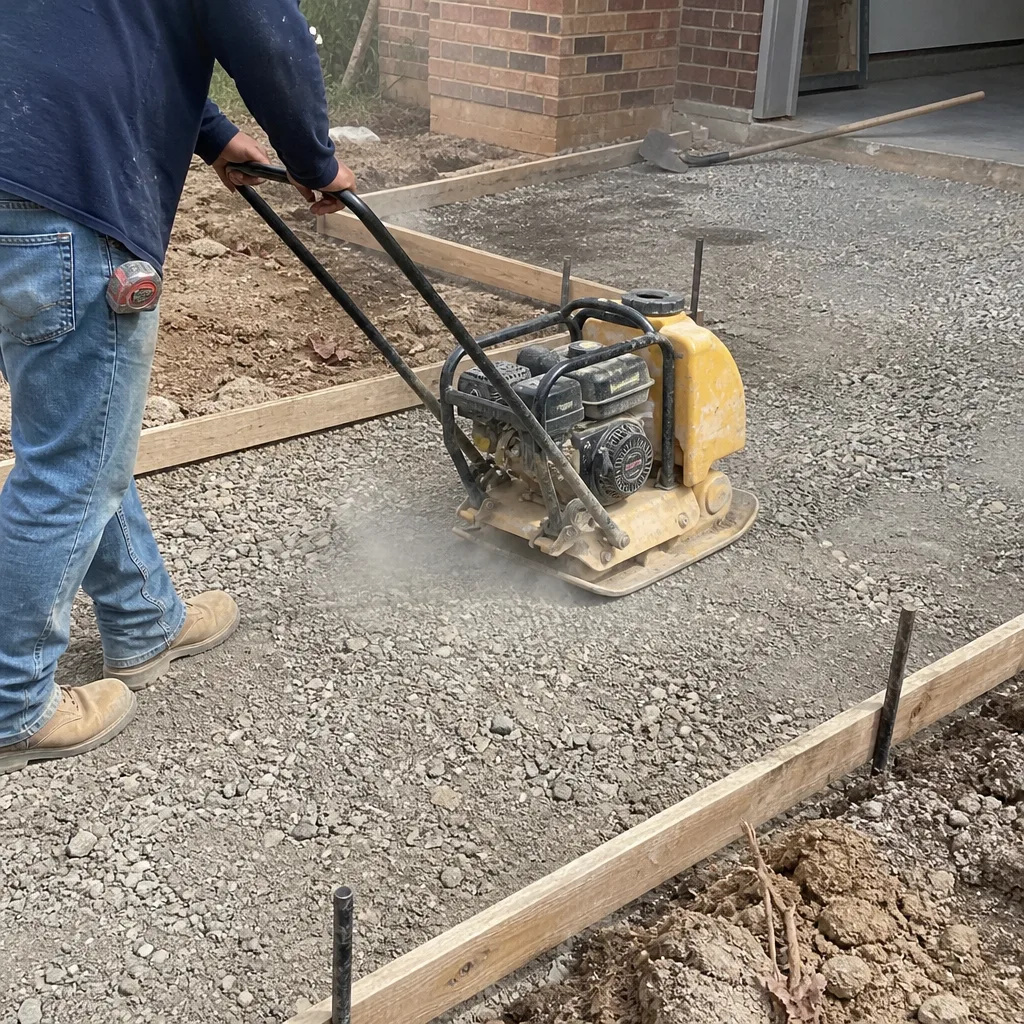
- Driveways and pavers: Clay soil movement and summer expansion. Proper base prep and quality pavers separate a ten-year driveway from a two-year one.
- Fences: UV fade and post rot. Cedar and composite hold up better than untreated pine in Mesquite sun.
In our experience working across Mesquite neighborhoods like Casa View Heights, Mesquite Park, and the older streets near downtown, the failures we get called to fix are almost never “the brand was bad.” They’re “the wrong tier of that brand, installed by someone who wasn’t certified, was put on a house that needed something better for this climate.” The brand name on the product is only half the story. The other half walks onto your property with a truck and a crew.
How to Verify a Contractor’s Real Certified-Installer Status
Every major manufacturer maintains a searchable locator of authorized or certified contractors, and that list is the single most useful tool a Mesquite homeowner has. It takes about five minutes to check. Here’s the process.
- Get the exact brand and product line the contractor quoted. Not “we use GAF,” but “GAF Timberline UHDZ.” The certification is often product-line specific.
- Go to the manufacturer’s official contractor locator. GAF, Owens Corning, James Hardie, Andersen, and Pella all publish one. Search by ZIP code and confirm the company appears.
- Ask for the certification tier. Manufacturers use tiered programs: a “certified” installer is often a different, lower level than a “Master Elite” or “Platinum” partner. Ask which tier they hold and what it required (training hours, insurance minimums, warranty-backing).
- Request written proof. A legitimate certified contractor can produce a certificate or program letter with an expiration date. If they can’t, treat the claim as marketing.
- Cross-check the warranty terms. Some premium warranties (enhanced labor and material coverage) are only offered when a top-tier certified installer does the work. If the contractor claims the top warranty, the certification must match.
- Confirm the certification is current. Programs require renewal and continuing education. An expired certification means the enhanced warranty may not apply to your job.
We’ve watched homeowners in Mesquite assume a contractor was certified because the company website had a brand logo on it. Logos are free to post. Locator listings are not. The manufacturer controls who gets listed, and that’s the difference between a claim and a credential.
A related check: ask whether the contractor is licensed and insured for the scope of work, and get the certificate of insurance sent directly from the carrier, not a screenshot. A certified installer who isn’t properly insured still leaves you exposed if something goes wrong on the job. For a broader look at how we approach residential work across the area, see our Groundwork Construction Co. of Mesquite home page.
Contractor-Grade vs. Builder-Grade vs. Premium: What the Label Doesn’t Tell You
Here’s a thing almost no sales conversation explains. Within one brand family, there are usually three product tiers, and they can differ in ways that matter enormously in Mesquite’s climate.
- Builder-grade: The line big home builders install in bulk to hit a price point. It’s functional and meets code, but it’s often the thinnest, lightest version of the product. Usually a shorter warranty and less weather resistance. Fine for a rental or a budget flip; not what you want on a house you plan to stay in for twenty years.
- Contractor-grade (sometimes called “good” or “standard”): The workhorse line most remodeling contractors default to. Solid performance, mid-range warranty. For many Mesquite projects this is the sweet spot, especially on interior work where climate stress is lower.
- Premium: The top line: thicker materials, better coatings, longer warranties, and often the only tier eligible for the manufacturer’s enhanced labor warranty. This is where upgrading pays off most on exterior products in North Texas.
When upgrading actually matters in Mesquite
Upgrading a tier is worth it when the product faces direct sun, hail, or heavy use for years. It’s often not worth it on products that live indoors and see normal wear. A bathroom vanity faucet from Delta’s mid-tier line performs beautifully in a Mesquite bathroom; you don’t need the top tier to get a reliable fixture. But a roof facing west into a Mesquite summer sun, or siding on the sun-baked south wall, is a different calculation. There, the premium tier’s extra thickness and coating can add years of life and keep the manufacturer’s strongest warranty intact.
We’ve seen the same pattern with windows. Builder-grade double-pane units on a west-facing Mesquite wall can fog and fail within a decade under our heat load, while a better thermal package holds up far longer and cuts cooling cost along the way. The brand name is the same on both. The tier is what changed.
What Brand Partnerships Signal About Contractor Accountability
A contractor’s relationships with major manufacturers tell you something concrete about how they operate, if you know what to look for. Top-tier partnerships aren’t handed out. They require documented training, minimum installation standards, liability insurance thresholds, and a track record the manufacturer is willing to attach its name to.
What a real partnership usually requires
- Documented training: Manufacturer-run training on proper installation, not a self-taught crew guessing at best practices.
- Minimum installation standards: Fastener patterns, underlayment specs, flashing details. The manufacturer sets them because warranty claims trace straight back to install errors.
- Insurance and business verification: Manufacturers often require proof of liability coverage and a legitimate business structure before approving a partner.
- Warranty support access: Partners get priority on warranty claims and replacement parts. A non-partner may have to fight for the same coverage a partner gets routinely.
- Accountability to the manufacturer: A partner has something to lose. Their reputation with the brand is on the line every time they install the product.
This is why a curated portfolio of brand partners matters. In our work, that means a mix like KraftMaid and Cambria in kitchens, GAF and Owens Corning on roofs, Andersen and Marvin for windows. Those names aren’t collected for a brochure. Each one carries training requirements and installation standards we’re held to. When a Mesquite homeowner sees GAF or Andersen on our material list, they’re seeing a manufacturer who set a bar we agreed to meet.
The flip side: a contractor who advertises “all major brands” but holds no certification tier is a generalist who buys whatever’s cheapest that month. That’s not inherently bad for a small repair, but for a roof replacement or a window package, the certification is the difference between a warranty that holds and a warranty that’s technically void.
How to Check If a Brand Warranty Is Actually Enforceable
A manufacturer’s warranty is only as good as the paper trail and the business behind the install. Plenty of Mesquite homeowners discover this the hard way: a “lifetime” roof warranty turns out to require certified installation, and the roofer who did the work closed up shop. Here’s how to test whether the warranty would actually pay out.
- Read the warranty document, not the brochure. The brochure says “lifetime.” The actual terms carry conditions: certified installer required, registration within a set window, regular maintenance, proper ventilation, etc. Ask for the written warranty before you sign.
- Confirm the installer meets every condition. If certification is required, verify it. If registration is required, ask who files it and when you get a copy.
- Check that the contractor is registered and insured with a real business entity. A warranty on installation labor is only enforceable against a business that still exists and carries insurance. Verify the business license and get a certificate of insurance directly from the carrier.
- Separate the material warranty from the labor warranty. Manufacturers usually cover the product; the contractor covers the installation. A premium material warranty without a solid labor guarantee leaves you exposed on workmanship.
- Look for a written workmanship guarantee with a specific term. Vague promises (“we stand behind our work”) aren’t enforceable. A written term with a defined remedy is.
This is exactly where the structure of the agreement matters. A workmanship guarantee like our 730-Day Done Right Promise only means something because it’s written down and tied to a defined process: if it’s not done right, we make it right. When you’re buying a Mesquite roof or window package, ask every contractor the same question: what’s your written workmanship guarantee, and how long does it last? A short answer with a number and a document beats a long sales pitch.
The other part of enforceability is the contractor’s continuity. If a crew is a one-truck operation with no insurance and no business registration, a warranty is only as durable as their next six months. Background-checked, uniformed technicians and a real business entity give you someone to hold accountable. Ask for proof on both.
Where Brand Choice Has the Highest Long-Term Cost Impact in North Texas
Not every category deserves the same scrutiny. In Mesquite’s climate, some upgrades pay back for decades and others are barely worth the premium. Here’s where we’d focus your attention and where we’d tell you to relax.
Spend where it counts
- Roofing (highest impact): Hail, heat, and storm wind hit the roof first. A premium impact-rated shingle from GAF or Owens Corning, installed by a certified crew, can mean fewer replacements, lower insurance risk, and a real warranty. This is the category where tier upgrades pay off most in Dallas County.
- Windows and doors (high impact): West and south-facing glass takes an enormous heat load in a Mesquite summer. Better thermal packages from Andersen or Pella cut cooling costs and hold up longer than builder-grade units.
- Exterior siding and trim (high impact): James Hardie fiber cement outperforms builder-grade vinyl in direct sun and reduces repainting cycles. On the weather-facing walls, it’s worth the upgrade.
- Driveway and pavers (medium impact): Clay soil and summer expansion make base prep critical. Paver brand matters less than installation quality here. See Driveway & Pavers in Mesquite for details on what actually fails.
Where mid-tier is often fine
- Interior plumbing fixtures: A mid-tier Delta or American Standard faucet performs reliably indoors. Toto toilets are a favorite for water efficiency. Top-tier isn’t necessary unless you want specific finishes.
- Interior vanity and cabinetry hardware: KraftMaid lines cover a wide range from solid to premium. Mid-tier gets you quality drawers and soft-close without the flagship price.
- Fencing (brand matters less): Cedar and composite outperform on UV, but installation technique (post setting depth, treatment of cut ends) matters more than the brand on the tag. See Fence Installation in Mesquite for what to check.
- Waterproofing membranes: Schluter systems are excellent and worth specifying for wet areas, but here the system matters more than a premium upcharge: proper installation is everything.
When we plan a Mesquite project, this prioritization is the conversation. We’d rather put a top-tier shingle on your roof and a mid-tier faucet in your bathroom than spread premium dollars evenly and end up with a builder-grade roof. If you’re weighing a full addition, a similar logic applies to structure and envelope over finishes; see Home Additions & ADU in Mesquite for how we approach it.
Buying Locally: Showrooms, Samples, and Mesquite Sourcing
One thing that separates a good Mesquite buying experience from a frustrating one: you should see and touch materials before they go on your house. Roof shingle colors look different in the warehouse lighting than they do on a sun-baked Mesquite afternoon. Countertop slabs vary slab to slab. Siding profiles change the whole look of a front elevation.
How to shop smart
- Ask to see physical samples of the exact product line, not just a photo. Confirm the tier as well as the brand.
- Get the full specification in writing. Product name, line, color, and any underlayment or accessory components. This protects the warranty and prevents substitutions.
- Ask who is authorized to install it. A showroom can tell you which contractors are certified to install the product they sell.
- Confirm lead times. Mesquite-area sourcing on some premium lines runs weeks out. Knowing the lead time before you commit to a remodel timeline avoids surprises.
- Verify permit requirements for your project. Roofs, additions, and structural changes in Mesquite require permits and inspections. A contractor who pulls permits and passes inspections is one you can hold to standards. Don’t let someone talk you out of the permit.
The best local buying process is boring: a clear written scope, a real sample, an authorized installer, and a permit on file. The most expensive experiences we get called to fix were the opposite: vague scope, no samples, no permit, and a crew who wasn’t certified for the product they installed.
Common Mistakes to Avoid
- Trusting a logo over a locator listing. A brand logo on a website proves nothing. Check the manufacturer’s official contractor locator to confirm the company is authorized for the product line quoted.
- Assuming all products in a brand family are equal. Builder-grade and premium tiers under the same name can differ by thickness, coating, and warranty length. Ask which tier and confirm it in the written spec.
- Not reading the actual warranty terms. “Lifetime” often means manufacturer material coverage only, conditioned on certified install and registration. Get the real document.
- Upgrading the wrong things. Spending premium dollars on interior fixtures while installing a builder-grade roof in a hail zone is backwards for Mesquite. Prioritize the exterior envelope.
- Skipping the insurance and license check. A certified installer who isn’t properly insured still leaves you liable. Get the certificate of insurance directly from the carrier.
- Letting a contractor skip the permit. Roofs, additions, fences over a set height, and structural changes in Mesquite require permits. A contractor who discourages you from pulling one is telling you something about their process.
- Accepting a verbal workmanship promise. “We stand behind our work” is not a guarantee. Ask for a written term with a defined remedy, and compare it across bids.
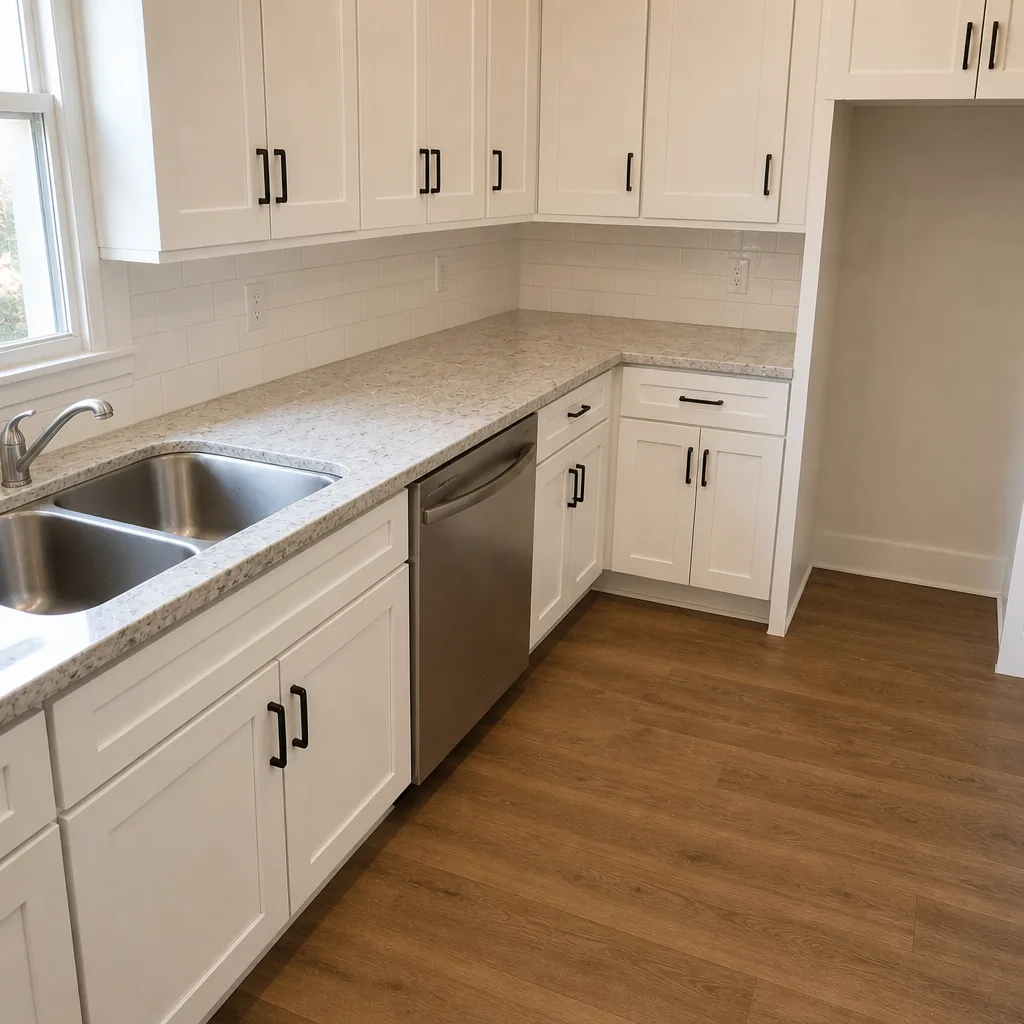
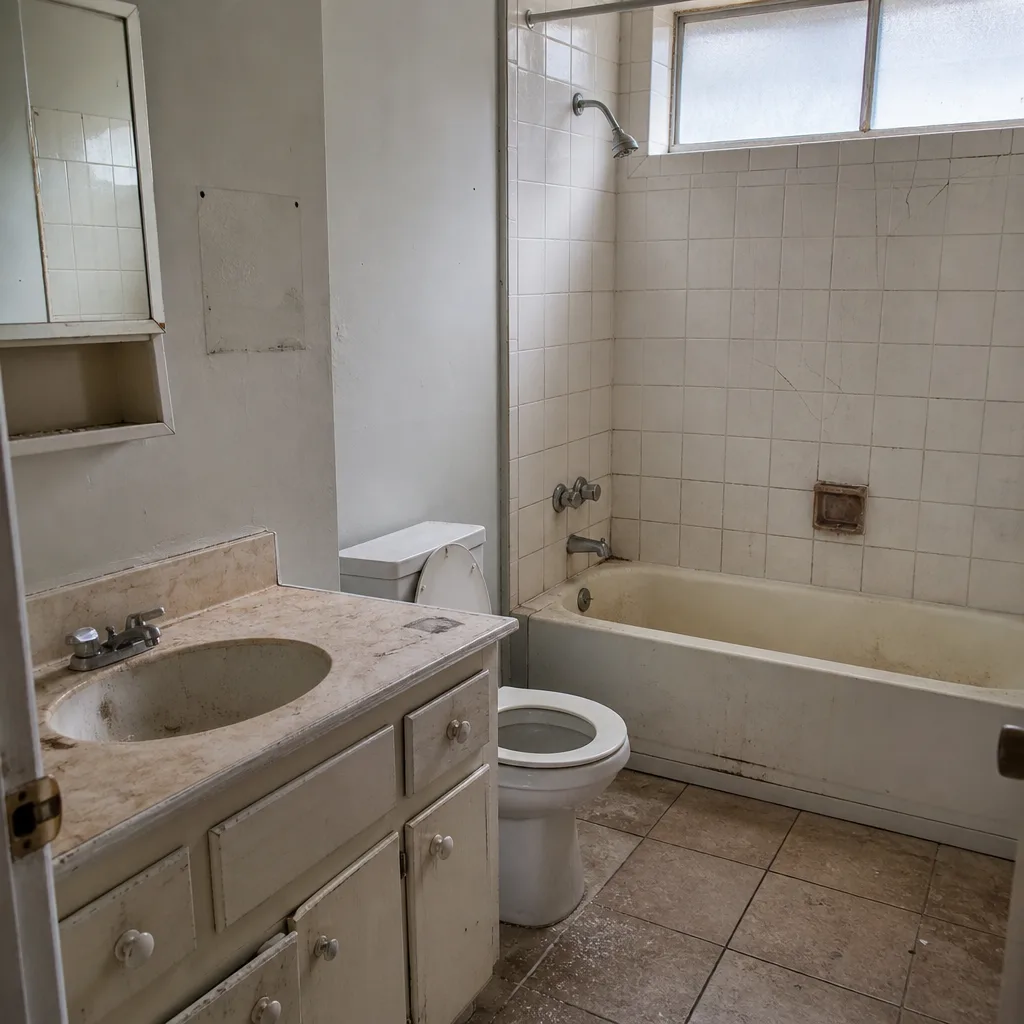
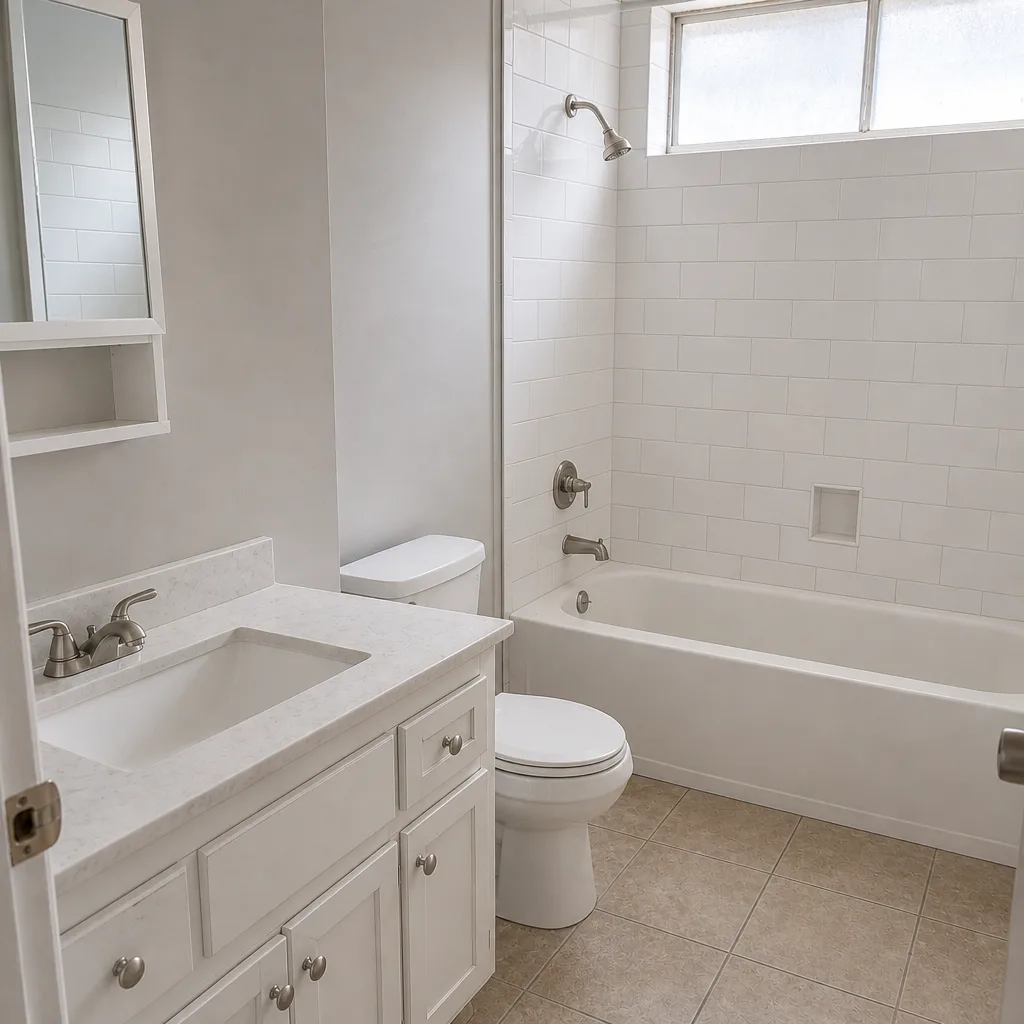
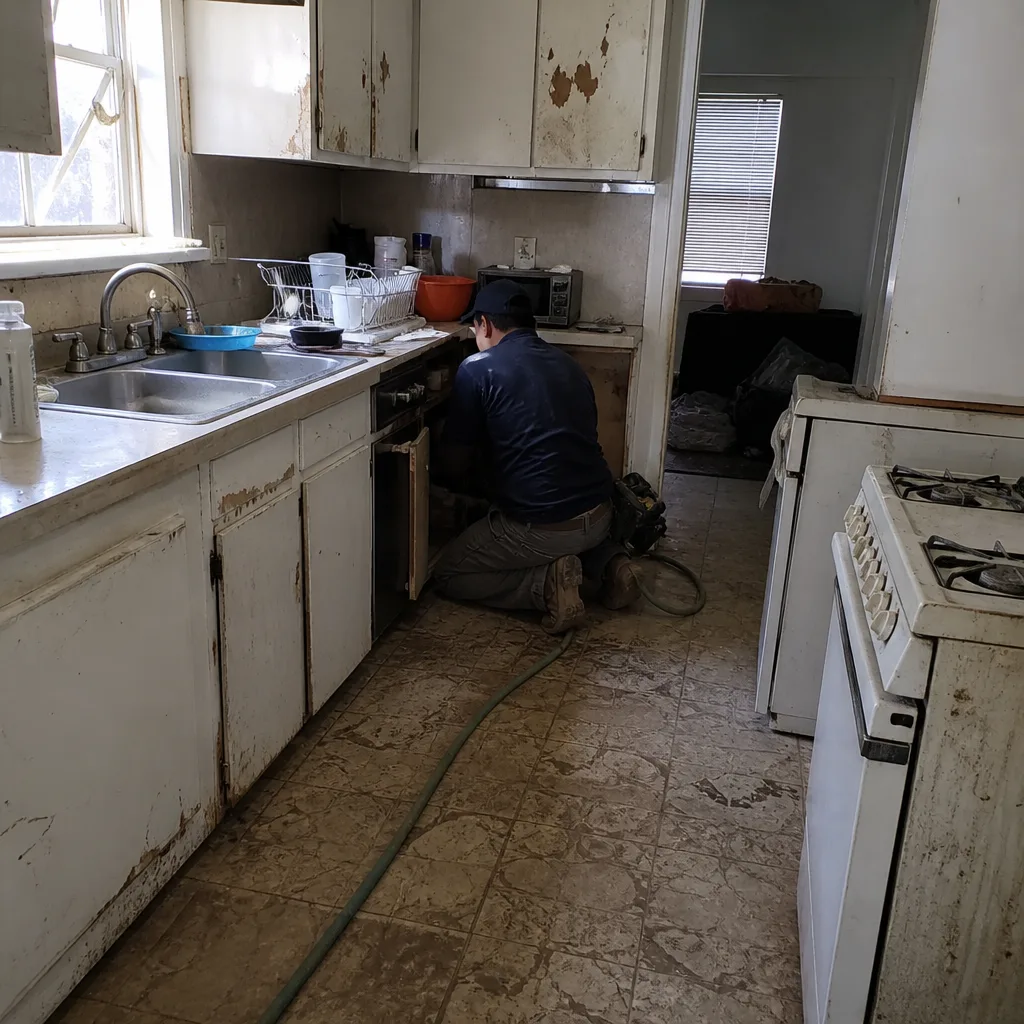
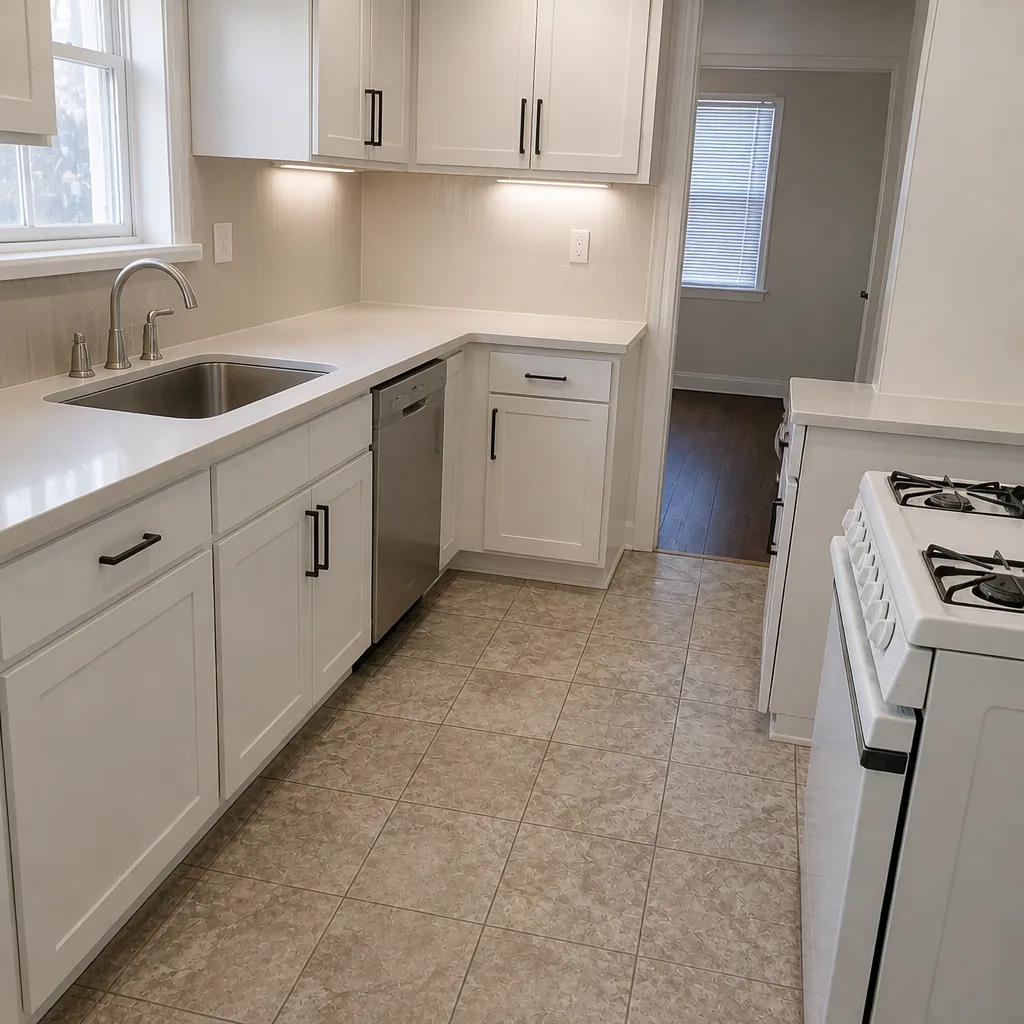
See the difference
 Before
 After
 Before
 After
 Before
 After
When to Call a Professional
Some brand questions you can answer yourself with a locator search and a warranty document. Others need a licensed contractor on site. Call a professional when you’re weighing a roof replacement in a hail zone and need help comparing impact-rated tiers, when windows on a sun-baked Mesquite wall are fogging or failing, when a full cladding or siding decision affects the whole envelope, when you’re planning an addition or ADU, or when you’re reviewing bids and can’t tell which product tier each one actually specifies. A good contractor will walk you through the tier differences, show samples, and put the exact specification in writing. Groundwork Construction Co. of Mesquite offers free estimates in Mesquite – call (888) 426-8078 and we’ll help you separate a real brand outcome from a warranty nightmare.
Frequently Asked Questions
For Mesquite’s climate, strong choices include GAF or Owens Corning for roofing, Andersen or Pella for windows and doors, James Hardie for siding, and KraftMaid and Cambria for kitchens. In wet areas, Schluter waterproofing systems are worth specifying. The brand matters, but the certified installer matters more, so verify both.
Use the manufacturer’s official contractor locator, search by your Mesquite ZIP code, and confirm the company appears for the exact product line quoted. Then ask the contractor for written proof of their certification tier and its expiration date. A legitimate certified contractor can produce this; a logo on a website is not proof.
Only if the warranty conditions are met, which usually means certified installation, registration within the required window, and proper maintenance. Read the written warranty document, not the brochure, and confirm your installer meets every condition. Labor coverage is separate and comes from the contractor, so a written workmanship guarantee matters just as much.
Upgrading to premium tiers pays off most on products that face direct sun, hail, and heat for years: roofing, windows, and exterior siding. Interior products like mid-tier plumbing fixtures perform reliably at lower cost. Spend where the climate stress is highest and the warranty value is greatest.
Builder-grade is the lightest, thinnest version of a product, usually installed in bulk to hit a price point, with a shorter warranty. Contractor-grade is the mid-tier line most remodelers default to, offering solid performance. Premium is the top line with thicker materials, better coatings, and the longest warranties.
Top-tier brand partnerships require documented training, minimum installation standards, insurance verification, and a track record. A partner has priority on warranty claims and something to lose if the job fails. That structure is the contractor’s accountability to you and to the manufacturer, and it’s a signal worth checking.
The Bottom Line
Brand names matter, but only as much as the contractor installing them is willing to stand behind. In Mesquite, that means verifying certified-installer status on the manufacturer’s locator, asking which product tier was quoted, reading the actual warranty terms, and confirming the contractor is licensed and insured. Spend your upgrade budget where North Texas climate stress is highest: roofing, windows, and siding. Relax the premium on interior fixtures where mid-tier performs fine. Buy from a contractor who puts the specification and the workmanship guarantee in writing. That’s the combination that turns a premium brand into a long-term outcome instead of a warranty nightmare.
If you’re comparing bids or planning a roof, window, or addition project in Mesquite, we’ll walk you through the brand tiers, show you samples, and put the exact specification in writing. Call Groundwork Construction Co. of Mesquite at (888) 426-8078 for a free estimate – we’ll help you get this right from the first conversation.
Written by the team at Groundwork Construction Co. of Mesquite.