Last updated November 17, 2026

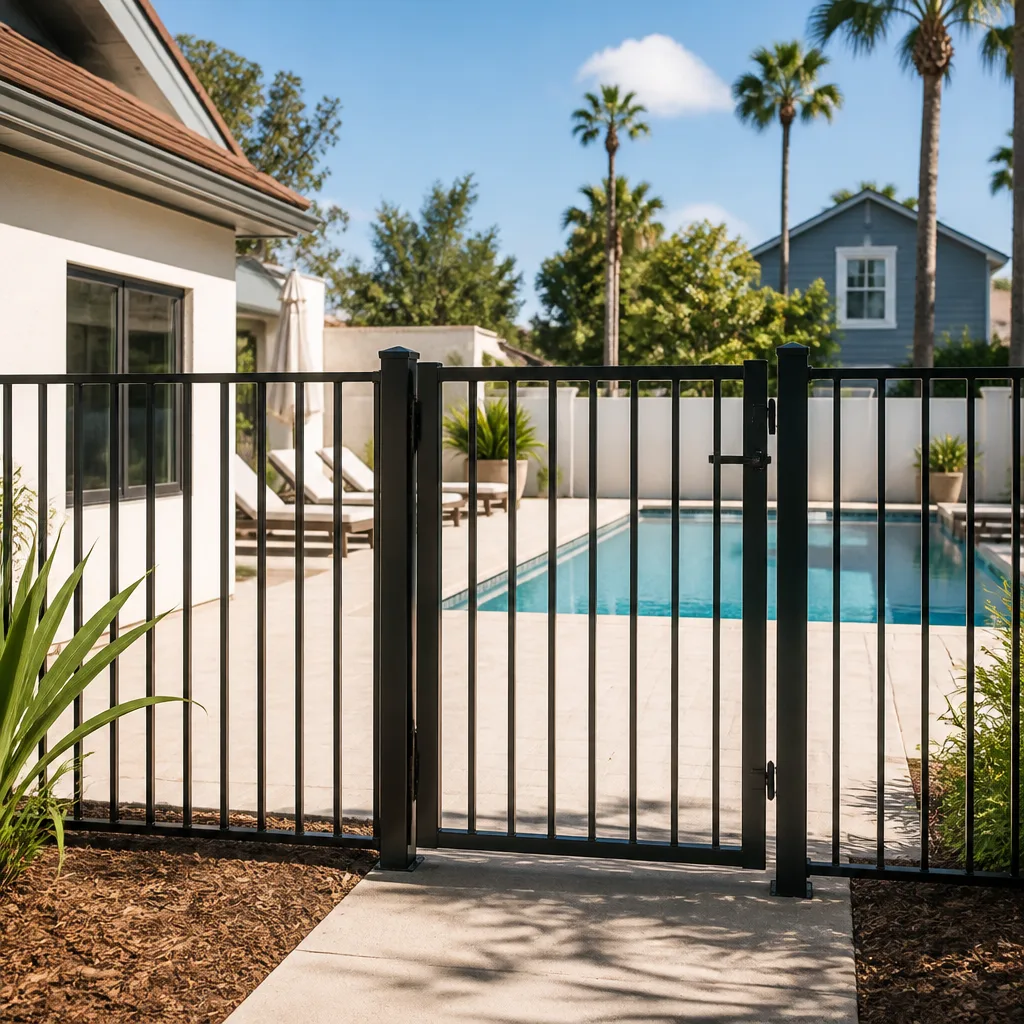


Free written scope consultation - allowances, timeline, and change-order rules on paper before a single trade is scheduled
How Long Does Driveway & Pavers Take? Timelines and What to Expect
A contractor who says your driveway takes three days is probably right about installation and completely silent about the week of prep and cure time before and after that three days. That gap between the quote and the calendar is where homeowners get blindsided, especially in Mesquite, where clay-heavy soil and 100-degree July afternoons stretch every phase of the work. We’ve walked plenty of driveways in Mesquite where the paver crew finished on schedule but the homeowner waited seventeen days for a usable driveway because nobody explained the base cure. This guide breaks the entire clock into phases, gives you realistic day counts for each, and shows you exactly where your timeline can double so you can plan around it instead of discovering it.
Quick Answer
A standard two-car driveway with pavers in Mesquite takes 7 to 12 total project days from permit to final seal, not the 2 to 4 installation days most contractors quote. Concrete driveways run 5 to 9 total days because cure time replaces compaction and jointing. Larger driveways, tight access, or heavy rain pushes both ranges up by a week or more.
Styles & brands we work with
- Kitchen remodeling
- Bathroom remodeling
- Home additions & ADU
- Roofing
- Windows & doors
- Driveway & pavers
- Fence
Table of Contents
- The Full Project Timeline, Phase by Phase
- How Mesquite Heat Changes Concrete Cure (and Why Rushing It Costs You)
- Legitimate Weather Holds vs. a Contractor Buying Time
- What to Arrange Before Day One
- How Size, Material, and Access Shift the Schedule
- Concrete vs. Pavers: A Timeline Side-by-Side
- Common Mistakes to Avoid
- When to Call a Professional
The Full Project Timeline, Phase by Phase
Here’s the honest clock on a driveway project in Mesquite. Every phase below happens in sequence, and skipping or compressing one is how driveways fail within three years. The day counts assume a normal 400 to 600 square foot driveway, good weather, and a contractor who actually pulls permits.
- Permit pull and HOA approval (2 to 10 days). The City of Mesquite requires a right-of-way permit for any work affecting the approach from the street, and most subdivisions north of I-30 also require HOA architectural review. HOA boards typically meet monthly or biweekly, so if you miss the meeting window you lose two weeks before a shovel hits the ground. This phase runs in the background and shouldn’t block design, but it does block demo.
- Utility marking (2 to 3 business days). Call 811 and wait for the marks before anyone excavates. This is legally required and non-negotiable. A contractor who wants to “start Monday” without utility marks is telling you something about how they operate.
- Demo and haul-off (1 to 2 days). Breaking out an existing slab and trucking it off runs a day for most driveways, two if the slab is thick, reinforced, or the truck can’t back to the work zone.
- Excavation and grading (1 to 2 days). Removing the old base, grading to slope away from the foundation, and shaping the subgrade. This is where Mesquite’s expansive clay soil matters. Get the slope wrong and water pools against your slab.
- Base installation and compaction (1 to 2 days). Crushed stone base goes in 2 to 4 inch lifts, each compacted with a plate compactor or roller. For pavers, the base is most of the job. A base that isn’t compacted in lifts will settle within a season.
- Cure or bedding (1 to 3 days). Concrete needs time to set before you touch it. Paver bedding sand gets screeded and leveled. This is a passive phase, but it’s still time on the calendar.
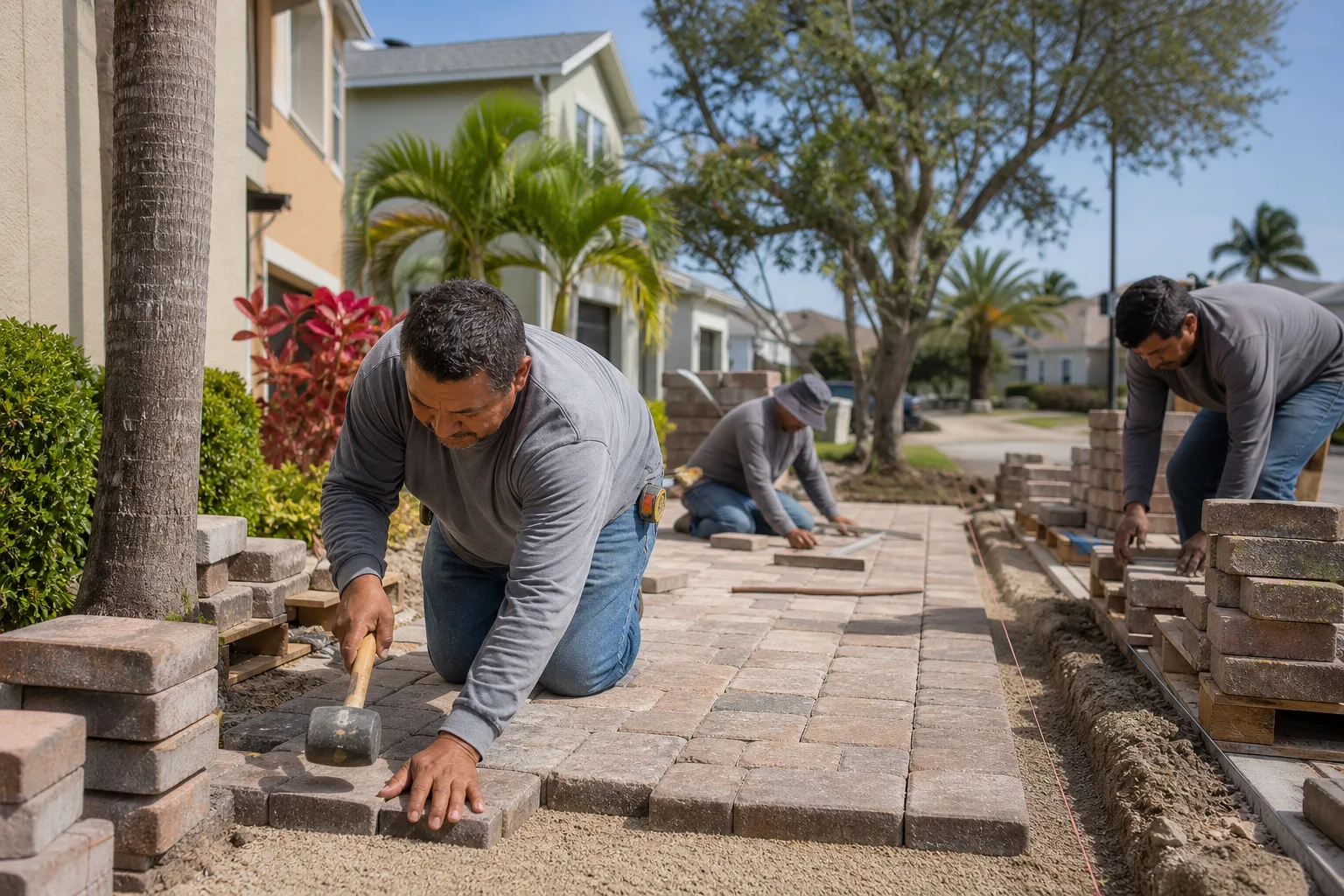
- Installation (2 to 4 days). Pouring and finishing concrete, or laying pavers and cutting edges. This is the phase homeowners picture. It’s the shortest part.
- Sealing and final cure (2 to 7 days). Concrete needs at least 7 days before you park on it (28 days for full strength). Paver sealing requires the surface to be dry, and the sealer itself needs 24 to 48 hours before traffic. Skip this phase and you’ll be resealing within a year.
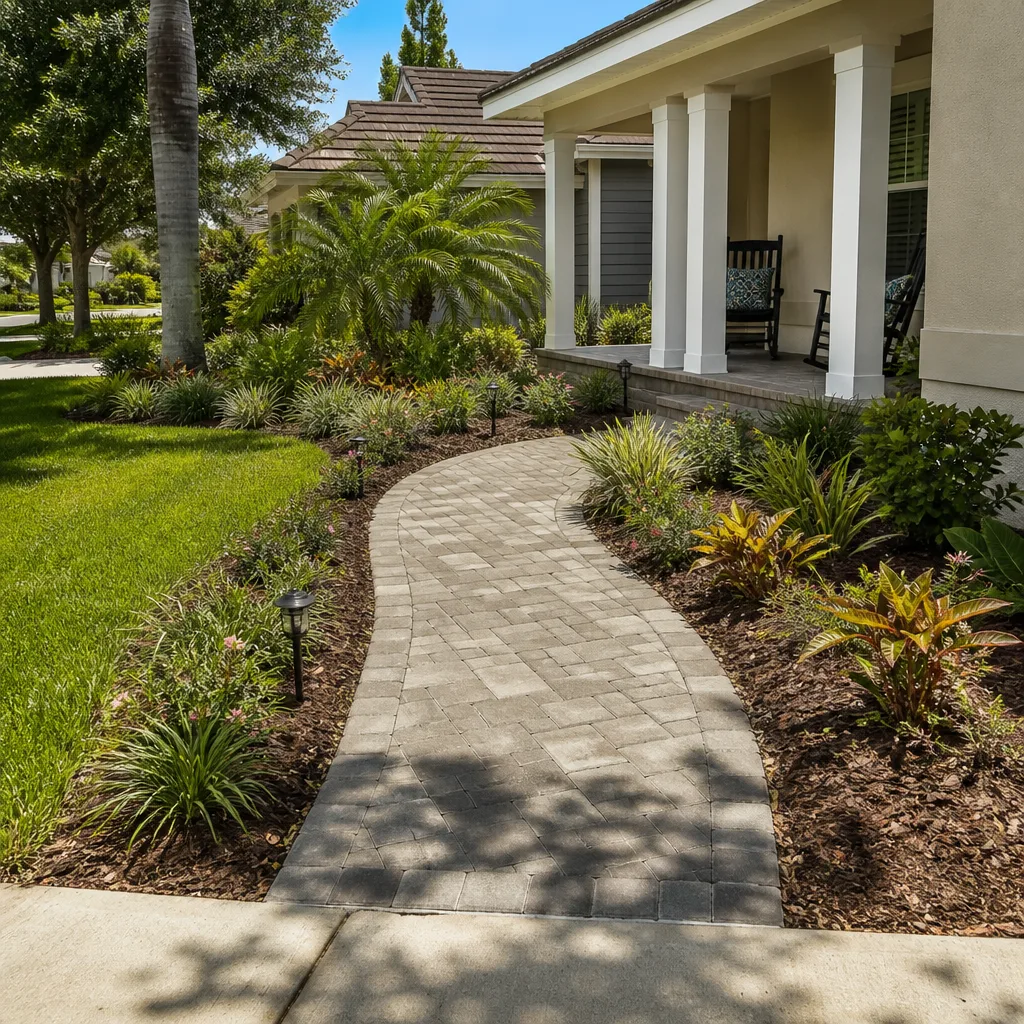
Total: 7 to 12 working days for pavers, more if your HOA or permits eat up extra time. That’s the real number to put on your calendar, not the installation days. If you’re curious how paver estimates map to phases, our Driveway & Pavers in Mesquite page breaks down the material options and typical build costs for this market.
What actually counts as a “day”
Contractors count labor days, not calendar days. A day on the job is 8 to 10 hours of crew time. A calendar day is 24 hours, and rain, curing, and inspections don’t care about the crew’s schedule. When you ask “how many days,” ask a follow-up: “How many calendar days, including cure and weather holds?” If the answer is the same number, the contractor is either very confident or not thinking it through.
How Mesquite Heat Changes Concrete Cure (and Why Rushing It Costs You)
Mesquite hits 95 to 105 degrees for most of July and August, and that heat changes how fast concrete cures. Concrete doesn’t dry, it cures through a chemical reaction that needs moisture. When it’s 100 degrees and the ground is hot, the water evaporates before the reaction can finish, and you get surface shrinkage cracks within the first 24 hours. That’s a real failure mode in Mesquite, not a theoretical one.
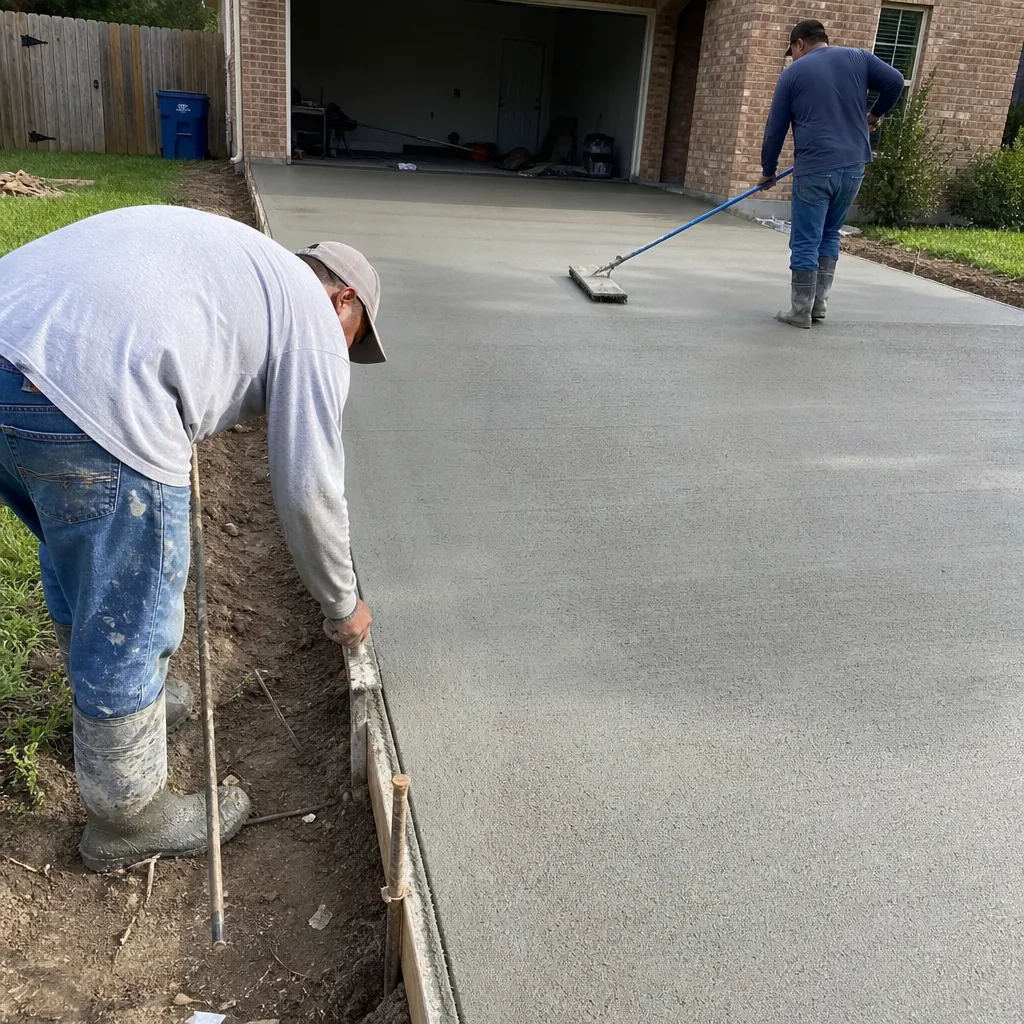
The technical fix is straightforward. Concrete placed in these conditions often needs a slower-setting mix, a wet-down of the subgrade before the pour, and a curing compound or wet burlap covering the surface. A contractor who knows Mesquite heat schedules pours for morning and protects the surface until the reaction gets going.
The timeline consequence is real: hot-weather concrete needs a slightly longer protected cure before you park on it, often 7 to 10 days rather than the flat 7 you’d get in cooler climates. Rush it and you get hairline cracks that grow into spiderweb failures the first summer your driveway sits through. We’ve watched homeowners argue with contractors over cracks that showed up six weeks later. The cracks were written into the schedule the day the pour happened in the wrong conditions.
- Ideal pour temperature: 50 to 85 degrees. Above 90, curing protection matters a lot.
- Realistic hot-weather cure: 7 to 10 days before parking, 28 days to full design strength.
- Cold-weather consideration: rare in Mesquite, but freezing nights below 40 do happen in winter and require blankets and a delayed pour.
- Paver sealing in heat: pavers need to be dry and cool to the touch before sealer goes down, which in a Mesquite summer means early morning application.
One more thing: the sealer on pavers should never be applied when the surface is above about 90 degrees or in direct late-day sun. In our experience, that alone pushes a paver seal from a one-day job into a two-morning job in August. Better to know that going in than to watch the crew spray sealer at 2 p.m. and hope.
Legitimate Weather Holds vs. a Contractor Buying Time
Mesquite gets around 35 inches of rain a year, most of it in spring and fall, and a single thunderstorm can dump a half inch in an hour. That matters for driveways because a saturated base can’t be compacted and a wet pour will fail. Some weather delays are honest. Others are a contractor stacking jobs and blaming the sky.
Here’s how you tell the difference. Legitimate holds happen when the base is genuinely saturated, when a pour would be rained on before it cures, or when the temperature dips below what the mix allows. A legitimate weather hold comes with a clear explanation of what needs to dry or what needs to happen next, plus a new date. A contractor using weather as an excuse goes quiet for three days, then shows up mid-morning with a one-line text that says “rain.”
Signs of a legitimate weather hold
- The contractor names the specific condition that stops work: standing water in the excavation, saturated base stone, or a forecast of rain within the cure window.
- You get a revised schedule within 24 hours, usually with the next phase already booked.
- The crew shows up to protect work that’s in place, not to disappear.
- The delay happens before the pour or after the pour, not during installation when the weather doesn’t actually stop skilled crew from working.
Signs of a contractor buying time
- Delays happen repeatedly and always at the start of the week, which suggests a crew that got pulled to another job.
- No revised date. “We’ll call you when we know more.”
- The crew doesn’t return for small tasks they could do between weather events, like cutting pavers or staging materials.
- Weather turns out to be fine on the day of the supposed rain-out.
In Mesquite, the worst stretch is spring. April and May can drop a week of storms into any outdoor schedule, and the honest answer is to plan two weeks of buffer during those months. That’s just the calendar around here.
What to Arrange Before Day One
Prep on your side saves days on the contractor’s side. The homeowner who has everything ready the day the crew arrives gets the fastest possible schedule. Here’s what to handle in the two weeks before demo starts.
- Utility marking. Call 811 at least 3 business days before excavation. Don’t dig until the marks are in. This is Texas law and skipping it can cut power to the whole block.
- HOA approval. Check your subdivision’s architectural rules for driveway materials and colors. Some Mesquite neighborhoods, particularly the newer subdivisions east of the Mesquite Metro Airport, restrict stamped concrete patterns and specific paver colors. Approval windows run 10 to 30 days in some HOAs, so start early.
- Vehicle parking. Somebody has to move every car off the driveway for the full project. Plan where your vehicles live for a week and a half. A neighbor’s driveway, a rental agreement, or a street spot with HOA tolerance. This is the single most common thing homeowners forget, and it stalls day one.
- Garage access. If the driveway is your only path into the garage, empty the garage of anything you’ll need mid-project. You won’t be parking in it for the duration.
- Landscape protection. Move potted plants, garden decor, and any irrigation heads near the driveway. If you have a sprinkler line running under the driveway, tell the contractor before excavation.
- Pet and child plan. An active construction site with open excavation is dangerous. Have a plan for keeping kids and pets indoors or in the backyard while the crew works.
- Utility meter and hose bib locations. Know where your water meter and exterior hose bibs are so the crew doesn’t damage them during excavation.
Get these handled and you’ll save a day of “we can’t start yet.” Homeowners often use their driveway project as the moment to also refresh the property line, particularly in older Mesquite neighborhoods with failing fences. If you’re going to do that at the same time, our Fence Installation in Mesquite page covers how to sequence the two projects so neither delays the other.
How Size, Material, and Access Shift the Schedule
Every project in Mesquite is a little different, and three variables matter most for the schedule: how big the driveway is, what material goes down, and how hard it is to get trucks onto the work site. Here’s how each one moves the timeline.
Size
A single-car driveway of 250 square feet finishes 3 to 4 installation days with pavers. A two-car driveway of 400 to 600 square feet runs 4 to 5. A three-car or long RV pad of 800 to 1,200 square feet can run 6 to 8. Every 200 additional square feet adds roughly a day to excavation, a day to base installation, and a day to paving. For driveways over about 1,000 square feet, expect the full project to run 15 to 20 calendar days rather than 10.
Material
- Concrete: fastest installation (1 to 2 days), but the longest cure before you can park (7 to 10 days hot-weather, 28 days full strength).
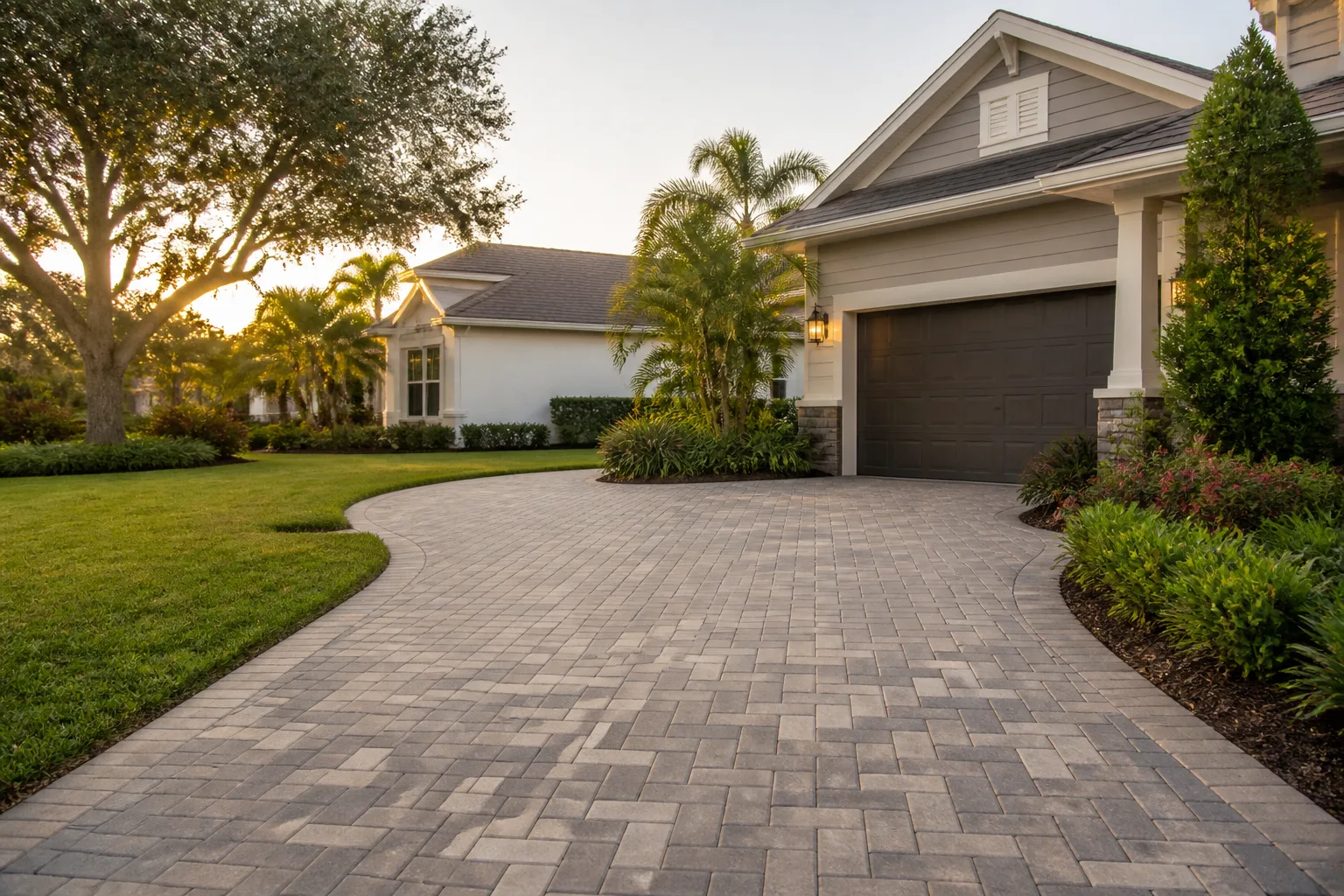
- Pavers (interlocking concrete or clay): longer install (2 to 4 days), longest total project because of base work and sealing, but immediate usability the day after installation. No parking wait.
- Stamped or decorative concrete: adds a day of stamping and finishing, and requires tighter timing on the pour so the stamp pattern sets before the surface skins over.
- Permeable pavers: adds a day or two for the open-graded base and geotextile layer, but integrates well with Mesquite’s clay soil where water quickly pools on graded surfaces.
Access
A driveway with clear truck access from the street runs on the fast side. A driveway backed against a tight fence, a mature tree, or a shared alley runs slower. Conveyor belts, bobcats, and hand-carrying pavers all add days. If the crew has to bring material in through a side gate because the road is too narrow for a dump truck, add 2 to 4 days for the extra handling time. If you’ve ever looked at Mesquite homes built in the 1970s with narrow side yards and mature oak trees, you know what we mean.
Concrete vs. Pavers: A Timeline Side-by-Side
Homeowners in Mesquite ask this question constantly, and the answer isn’t “one is faster.” It’s “each is faster at different phases.” Here’s the honest comparison.
- Demo and excavation: identical for both. 2 to 3 days.
- Base installation: concrete is faster (1 day), pavers need more (2 days) because the base is the structure, not just a support layer.
- Installation: concrete pours in 1 day, pavers lay in 2 to 4.
- Cure or seal: concrete is slower (7 to 10 days before parking), pavers are faster on usability (drive on them 24 hours after install, seal can follow later).
- Settling and repair: pavers win over the long horizon. A settled paver lifts and resets in an afternoon. A cracked concrete driveway is a replacement.
Total project: concrete is 5 to 9 calendar days for a usable driveway. Pavers is 7 to 12 calendar days including seal. But if you’re planning to sell or host a summer event, that difference matters. Ask which material best matches your timeline before you lock in a design.
For homeowners considering a bigger outdoor buildout, driveway work often pairs with an addition, a covered patio, or an ADU where the same excavation and utility scheduling can run in one project instead of two. If that’s where you are, our Home Additions & ADU in Mesquite page covers how large builds sequence around hardscape work. We also see builders using prefabricated housing units from companies like Boxabl and Dvele for backyard ADU builds, and the driveway access for bringing those units in has to be planned in advance. That planning overlaps with driveway timelines more than most homeowners realize.
Common Mistakes to Avoid
- Believing a two-day quote. If your contractor says the whole job is done in two days, they’re quoting installation and letting you assume the rest doesn’t exist. Ask for the calendar-day total in writing, including cure.
- Skipping the base inspection. In Mesquite’s clay soil, the base is the whole reason a driveway lasts. Insist on seeing compaction photos or a base inspection before pavers or concrete go down. Cheap contractors skip it because it costs them a day.
- Letting concrete get poured on a hot afternoon. A pour at 2 p.m. in August is a crack waiting to happen. Hot-weather pours should happen in the morning with curing protection. Ask what the plan is.
- Booking a paver seal the day after install. Sealer needs a dry surface. Sealing wet or hot pavers locks in moisture and clouds the finish. Give the pavers 2 to 5 dry days before sealing, and if rain is in the forecast, wait.
- Ignoring HOA meeting windows. The submission is quick. The approval takes a meeting, sometimes two. Homeowners in Mesquite who think they can get a quick approval in a subdivision with a monthly board often lose two weeks to the calendar alone.
- Not clearing the driveway before demo day. Cars, trailers, and trash bins on the driveway mean the crew waits. That’s a lost day on your project and an annoyed crew.
- Assuming the curb cut and street approach are included. In many Mesquite neighborhoods, the city owns the curb and the approach apron. Permits, curb cuts, and street repairs can add a separate inspection cycle. Ask the contractor to confirm what’s included in their quote and what the city handles.
If you want to see how the driveway budget breaks down by material and phase, our Driveway & Pavers service page has current Mesquite pricing ranges and what’s typically included.
When to Call a Professional
Some parts of a driveway project aren’t DIY territory. If you’re pouring a new slab, cutting out an existing one, or installing a base you’ll need to compact to a specific density, that’s trained-crew work. The base compaction is the part most homeowners underestimate. A rented plate compactor and a weekend of YouTube won’t reach the density a driveway in Mesquite clay soil needs to survive a decade of summer heave. Utility excavation is the other hard line. Cutting into a slab over a gas or water line without 811 marks is dangerous and, in Texas, potentially criminal.
Mesquite homes come with plenty of driveway variables: expansive soils, aging sewer laterals under older slabs, and lot grading that already drains toward the foundation. A contractor who has worked in these subdivisions can read those issues before they become a problem. Groundwork Construction Co. of Mesquite offers free estimates in Mesquite and works with a full-scope team that can pull the permits, sequence the phases, and back the work with the 730-Day Done Right Promise. Call (888) 426-8078 to schedule a walk-through. Calls are answered by a live person, 24/7, and our technicians are background-checked, arrive in uniform, and carry up to 12 years of experience on driveway and paver projects.
See the difference
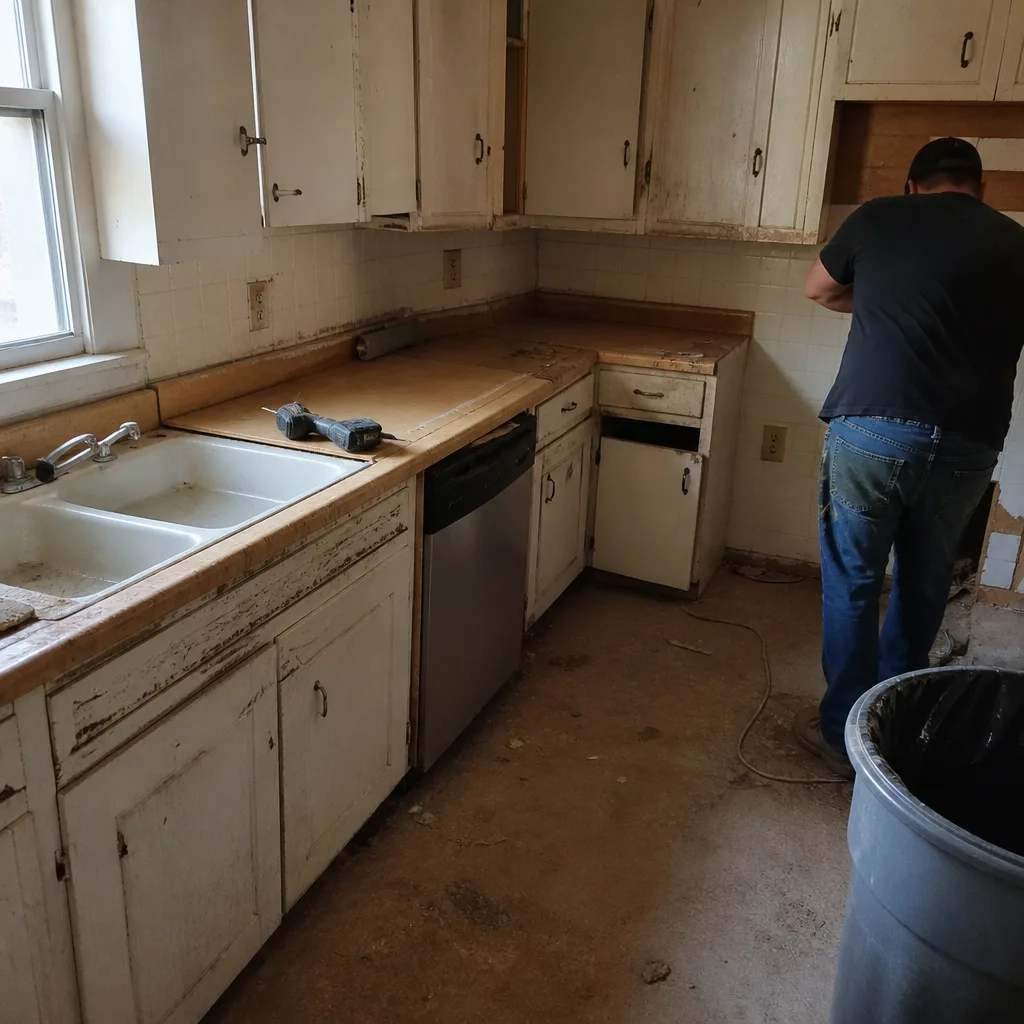 Before
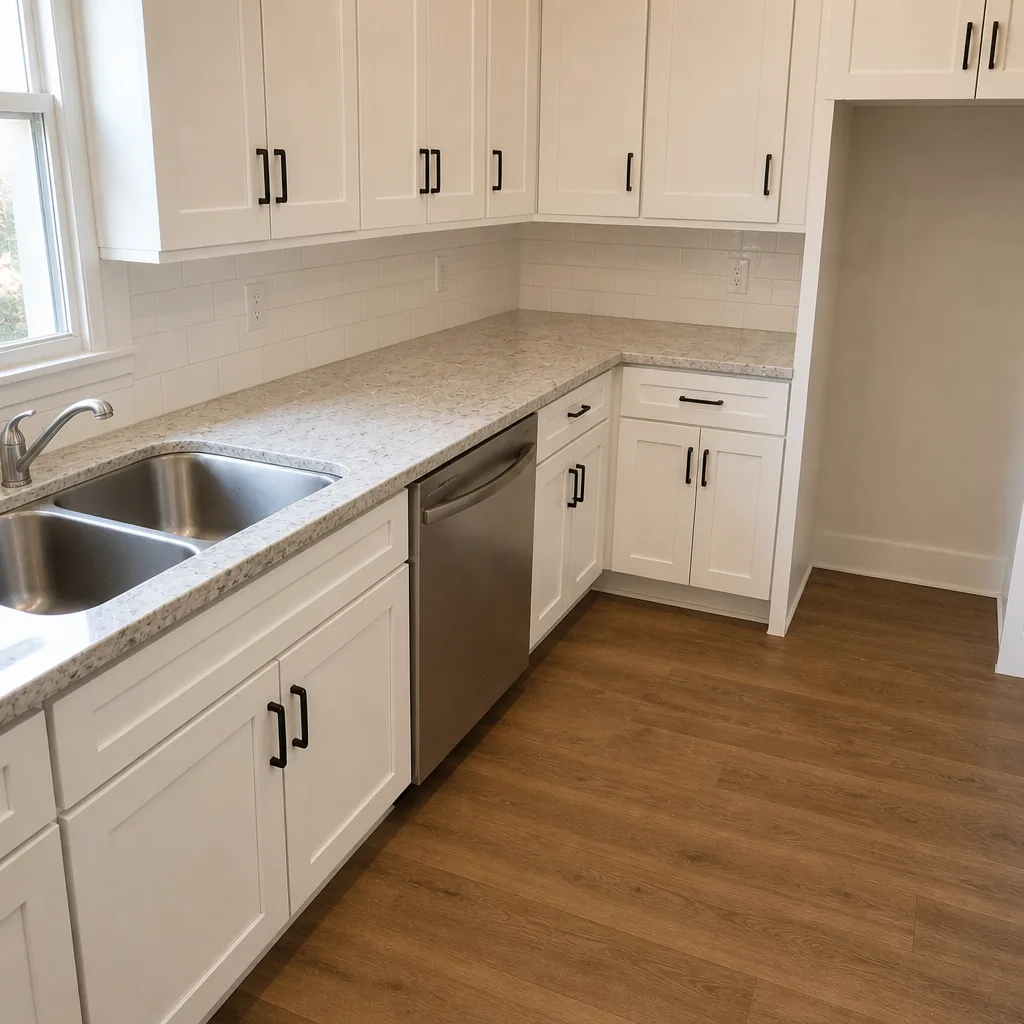 After
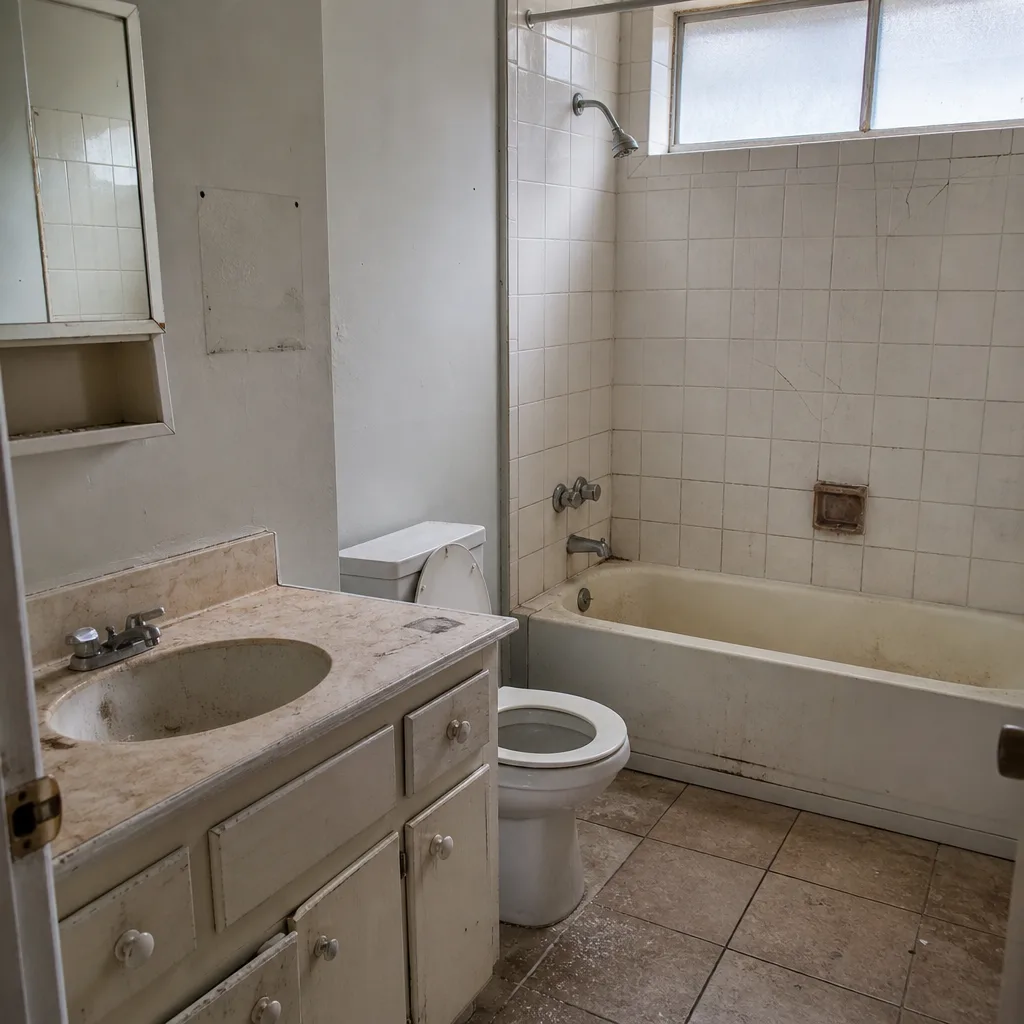 Before
 After
 Before
 After
Frequently Asked Questions
Driveway paver installation in Mesquite takes 7 to 12 calendar days for a typical two-car driveway, from permit to final seal. Installation itself runs 2 to 4 days. The rest is prep, base work, and cure. Call (888) 426-8078 for an exact timeline on your driveway, and estimates are free.
Yes, with a caveat. You can usually drive on new pavers 24 hours after installation, once the bedding has settled and the edges are locked. Sealing is the slower step. Wait 2 to 5 dry days before sealing so moisture doesn’t get trapped in the surface. Give us a call for a full walkthrough of what the seal window looks like for your project.
Project size, material, base condition, HOA timeline, and truck access all add days. A 400 square foot paver driveway with easy street access runs on the fast end. A 1,000 square foot driveway with a tight side yard, an aging sewer line under the old slab, and a monthly-meeting HOA runs on the slow end. The two projects can be a week apart in total days. Call (888) 426-8078 for an honest read on your specific project.
Yes, in most cases. Any work that touches the street-facing approach or curb requires a City of Mesquite right-of-way permit. Repairs entirely within your property may need a residential permit depending on scope. A permitted job includes an inspection pass on the base before the pour or install, which is one of the reasons a properly permitted project takes the full timeline. Ask any contractor whether they pull the permit. If the answer is “you don’t need one,” ask them to put that in writing.
Rain stops work when the base is saturated, when a pour would be rained on before curing, or when the surface can’t be sealed dry. A legitimate weather hold comes with a revised schedule. Mesquite rain is heaviest in spring and fall, so a project scheduled for April should carry two weeks of weather buffer. Call us to talk through scheduling around the season.
Concrete driveways in Mesquite typically run $7 to $12 per square foot installed, and pavers run $12 to $22 per square foot depending on material and pattern. A 500-square-foot driveway lands roughly $3,500 to $6,000 for concrete and $6,000 to $11,000 for pavers. Seal and base upgrades are often separate line items. Call (888) 426-8078 for a written line-item quote, and current promotions include the $1,000 Off Projects Over $10,000 offer plus 0% financing for 18 months.
The Bottom Line
The driveway timeline you need to plan around is 7 to 12 calendar days for pavers and 5 to 9 for concrete, not the 2 to 4 installation days in most quotes. Mesquite heat stretches cure times, Mesquite clay soil demands a properly compacted base, and HOA and permit windows can add a week on top of the physical work. Plan for the full clock, ask any contractor for the calendar-day total in writing, and pick a firm that pulls permits, backs work in writing, and answers the phone when you call. That’s how driveways get done right the first time, and how the next homeowner on your block avoids getting burned.
If your driveway project is coming up, Groundwork Construction Co. of Mesquite offers a free estimate and design consult with upfront pricing, no surprises. Our team carries up to 12 years of experience, arrives in uniform, and every job is covered by the 730-Day Done Right Promise. Start at Groundwork Construction Co. of Mesquite home to see the full range of services, then call (888) 426-8078 to book your walk-through.
Written by the team at Groundwork Construction Co. of Mesquite.