Last updated November 17, 2026




Free written scope consultation - allowances, timeline, and change-order rules on paper before a single trade is scheduled
The Complete Fence Installation Guide for Mesquite Homeowners
Mesquite homeowners replace wood fences every 7 to 10 years on average – not because wood is bad, but because most of those fences were set in footings designed for soil that doesn’t exist here. Blackland prairie clay, the same stuff that heaves driveways and cracks slabs across Mesquite, expands when it’s wet and shrinks when it’s dry. A fence post set 24 inches deep in generic gravel doesn’t stand a chance against that cycle. This guide starts underground – footing depth, diameter, concrete, drainage – and works up through material choice, permits, and how to read a fence estimate. By the end you’ll know what a Mesquite fence actually needs and what questions to ask before anyone digs a hole in your yard.
Quick Answer
Fence installation in Mesquite, TX typically runs $28 to $52 per linear foot installed, with most residential jobs landing between $3,800 and $8,600 depending on material, height, and gate count. The single biggest factor in how long that fence lasts isn’t the material – it’s post footing depth and diameter, which needs to go deeper and wider here than the generic 24-inch standard because of Mesquite’s expansive clay soil. Get the footings right and a cedar fence can hit 15 years. Get them wrong and you’ll be replacing racked and leaning panels in five.
Styles & brands we work with
- Kitchen remodeling
- Bathroom remodeling
- Home additions & ADU
- Roofing
- Windows & doors
- Driveway & pavers
- Fence
Table of Contents
- Why Post Footings Matter More Than Material in Mesquite
- How Deep and Wide Should Fence Post Footings Be in Mesquite?
- Cedar, Pine, Vinyl, Aluminum, or Chain Link: An Honest Comparison
- Mesquite Fence Permits, Setbacks, and HOA Rules
- Corner Posts and Gate Posts: The Footings Most Crews Cut Short
- The Step-by-Step Installation Process Done Right
- How to Read a Fence Estimate (and Spot a Low-Bid Trap)
- Keeping a Mesquite Fence Standing Through Summer and Storm Season
Why Post Footings Matter More Than Material in Mesquite
Ask a dozen contractors what fence material is best and you’ll get a dozen opinions. Ask them what soil they’re setting posts in and most will say “we always go 24 inches.” That’s the problem. The 24-inch depth repeated across the industry was written for stable, well-drained soils – not for the blackland clay that runs under most of Mesquite.
Here’s what happens. Clay holds water. After a heavy spring rain, the soil under your fence swells. Through a dry July and August, it shrinks and cracks. That expansion and contraction cycle exerts lateral pressure on a post from every direction, season after season. A post in a shallow, narrow footing has almost no resistance to that movement. It rocks a little, water gets into the gap, and the cycle accelerates. Within a few years the post is leaning, the panels are racking out of square, and the gate won’t latch.
In our experience across Mesquite, fence failures almost always trace back to one of three things:
- Footings too shallow. A 24-inch hole in expansive clay is a starting point, not a finish line. The active zone where soil moves with moisture swings deeper than that in much of Mesquite.
- Footings too narrow. A 6-inch auger hole filled with concrete gives the post very little surface area to resist lateral pressure. Wider is stronger.
- No drainage plan. Concrete poured into a hole with no gravel base and no crown at grade traps water against the post. That’s rot waiting to happen on a wood post and frost-style heave waiting to happen on any post.
Mesquite’s climate makes this worse than it sounds. We get soaking spring rains followed by long, hot, dry stretches. That’s the exact pattern that cycles clay hardest. A fence installed to a spec written for sandy or loamy soil will look fine on install day and start telling the truth in year three.
How Deep and Wide Should Fence Post Footings Be in Mesquite?
A fence post footing in Mesquite should be a minimum of 30 to 36 inches deep and 10 to 12 inches in diameter for a standard 6-foot fence, with corner and gate posts going deeper and wider still. That’s above the common 24-inch standard because of the clay. Here’s how we think about the specs:
Line Posts
Standard line posts for a 6-foot privacy fence: 30 to 36 inches deep, 10 to 12 inch diameter hole, concrete from the bottom of the hole to just above grade with a slight crown so water sheds away from the post. A 4×4 post set in that footing has real resistance to lateral movement. A 4×4 set in a 24-inch, 6-inch hole does not.
Corner Posts and Gate Posts
Corners and gates take the most stress on any fence line. They hold tension from two directions or the full swinging weight of a gate. These should go 36 to 42 inches deep and 12 inches in diameter, with posts sized up – 4×6 or 6×6 for gates and heavy corners. A 4×4 gate post in a standard footing is a gate that will sag.
Concrete and Base
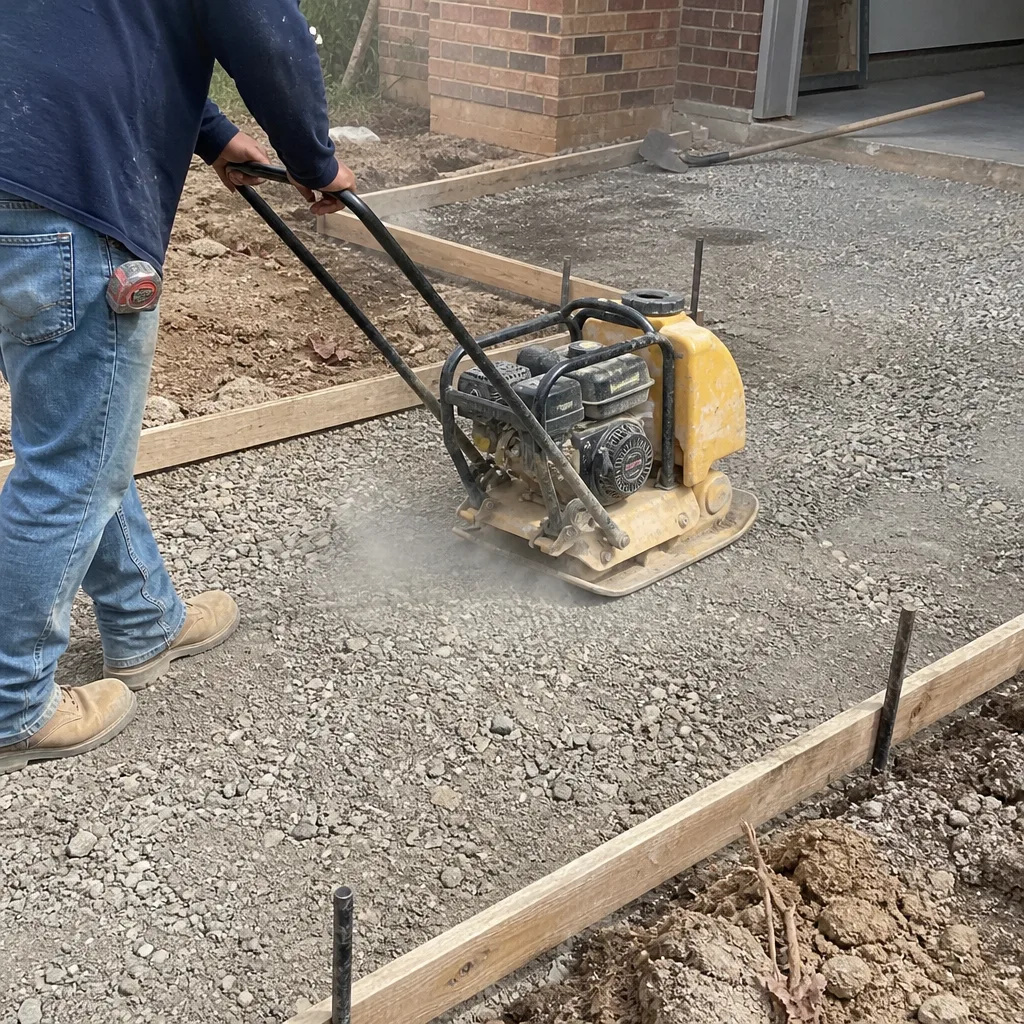
Use a gravel base of 4 to 6 inches at the bottom of the hole for drainage, then concrete. Pre-mixed fast-set concrete is fine for fence work; it doesn’t need to be a high-strength mix. What matters is that the concrete fills the hole completely, gets tamped to remove voids, and crowns above grade so water runs off. No concrete should sit flush with or below grade where water pools.
Setback and Spacing
Posts on 8-foot centers is standard for most materials. Some installers will stretch to 10-foot centers to save money on posts and concrete. Don’t accept that on a Mesquite fence. The wider the span, the more load each post carries and the more the panels flex and rack when the clay moves.
Cedar, Pine, Vinyl, Aluminum, or Chain Link: An Honest Comparison
Material choice matters, but it’s the second-most important decision after footings. Here’s how the common options actually hold up in North Texas heat and clay.
Cedar
Cedar is the gold standard for wood privacy fences in Mesquite for good reason. It’s naturally rot- and insect-resistant, it handles the heat, and it takes stain well. The catch is cost – cedar runs higher than pressure-treated pine – and cedar still needs a good footing. Natural resistance doesn’t mean a cedar post in a shallow hole won’t rot from the bottom up. Read our full Fence Installation in Mesquite service page for what we typically recommend per property type.
Pressure-Treated Pine
Pressure-treated pine is the budget option and the most common fence material in Mesquite. It’s affordable and it works, but it warps and cups more than cedar over time, and the treatment only protects what it penetrates. Pine posts are more vulnerable to ground-contact rot than cedar. If you go pine, spend the money on deeper, wider footings to keep water away from the wood.
Vinyl
Vinyl is the low-maintenance choice – no staining, no rot. In North Texas heat it performs well with modern UV-stabilized formulations, though older or cheaper vinyl can get brittle and crack in extreme heat. Vinyl posts generally still require a wood or steel insert or a set-in-concrete footing. Brands like Barrette offer lines built for southern climates. Vinyl is a strong pick if you don’t want to touch your fence again for years.
Aluminum
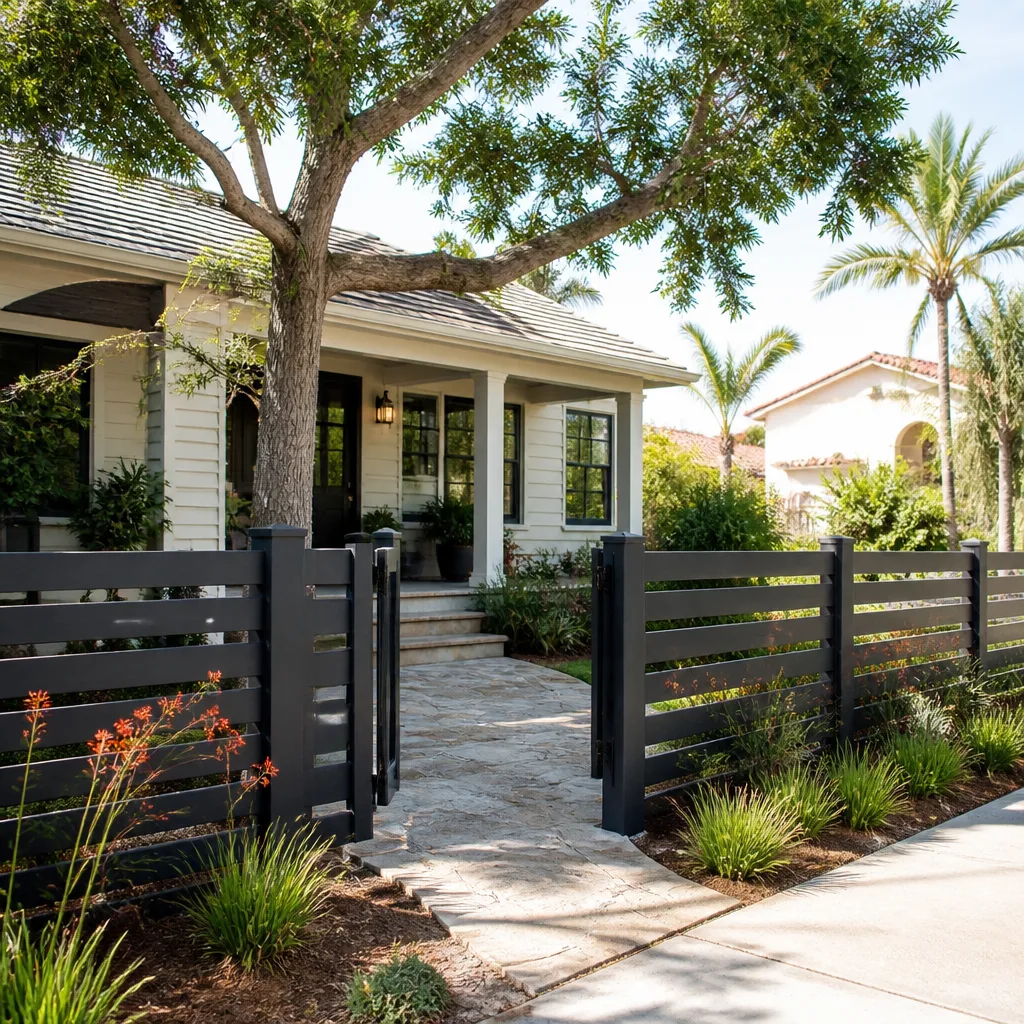
Aluminum ornamental fencing is common around pools and front-yard applications in Mesquite. It’s durable, doesn’t rust like steel, and looks sharp. It’s not a privacy fence, so it’s usually paired with a masonry or wood privacy run. Aluminum gates are lighter and easier to operate than wood gates, which reduces stress on the gate post footing.
Chain Link
Chain link is the utility pick – functional, affordable, long-lasting with galvanized or vinyl-coated wire. It’s not attractive for most front yards, but it’s a smart choice for side yards, pet enclosures, and property-line boundaries. The same footing rules apply. A chain link post set too shallow leans just as badly as a cedar post.
Quick material comparison
- Cedar: Best wood option, natural rot resistance, higher cost, needs stain every 2-3 years
- Pressure-treated pine: Budget-friendly, warps and cups more, requires more footing attention
- Vinyl: Lowest maintenance, handles heat well with quality formulations, moderate-to-high cost
- Aluminum: Great for pools and ornamental runs, no privacy, lighter gates
- Chain link: Most affordable, functional, best for side yards and pets
Mesquite Fence Permits, Setbacks, and HOA Rules
Mesquite fencing generally does not require a building permit for a standard residential privacy fence up to 6 feet in the rear and side yards, but it does require meeting height, setback, and sight-distance rules – and any corner-lot fence, front-yard fence, or fence over 6 feet typically needs a permit and possibly a variance. This is where projects stall, because homeowners assume no permit means no rules.
What to Check Before You Build
- Height limits. Mesquite generally limits residential fences to 6 feet in rear and side yards, with front-yard fences often capped lower or requiring a permit. Corner lots have sight-distance restrictions at intersections so drivers can see.
- Setback and property line. Fences typically must sit inside your property line, not on it. Get a recent survey if you don’t know exactly where the line runs – building on a neighbor’s property creates a problem that’s expensive to fix.
- Easements. Utility easements can restrict fence placement and require a removable panel so utility crews can access. If you build a fence in an easement without a plan for access, you may be tearing part of it down later.
- HOA overlays. Many Mesquite subdivisions have HOA architectural review rules – approved materials, colors, and styles. Vinyl or cedar may be approved while chain link in a front yard is not. Get HOA approval in writing before you order material.
- Pool fencing. If you’re fencing around a pool, safety-barrier rules apply. That’s a different spec than a privacy fence and worth confirming with the city.
We pull permits and manage the inspection process when a project requires it. If you’re planning an addition that includes a new fence line, our Home Additions & ADU in Mesquite team coordinates fence work with the larger build so you’re not juggling two schedules.
Corner Posts and Gate Posts: The Footings Most Crews Cut Short
Corner posts and gate posts carry loads that line posts don’t, which is why they need bigger holes, deeper concrete, and often larger posts. A line post holds one panel and resists one direction of pressure. A corner post can hold panels in two directions and anchors the whole fence run. A gate post holds the weight of a swinging gate plus the tension of the panels attached to it. When a crew digs the same 24-inch hole for a gate post as they do for a line post, the gate is going to sag – it’s just a question of when.
In Mesquite, gate posts are the number-one failure point we see. A double gate on a driveway is even worse. That’s working gate weight, wind load, and clay movement all at once, and a 4×4 set 24 inches deep in a 6-inch hole is not built for it.
Corner and gate post specs we use
- Depth: 36 to 42 inches, deeper than line posts
- Diameter: 12 inches, wider for the extra surface area
- Post size: 6×6 for corner posts, 4×6 or 6×6 for gate posts
- Diagonal bracing: Gate posts benefit from a diagonal brace or an anchor to the adjacent panel
- Gate hardware: Heavier hinges and a proper latch help, but no hardware compensates for an underbuilt footing
If your existing gate droops or drags, the fix usually isn’t better hinges. It’s a gate post that was underbuilt from the start. Replacing that post – and doing it right the second time – is a much smaller job than replacing the gate and the surrounding panels.
The Step-by-Step Installation Process Done Right
A properly installed Mesquite fence follows a sequence that most low-bid crews compress to save time. Here’s what the process looks like when it’s done right.
- Locate the property line and any easements. Have your survey available. Mark the fence line and call 811 to have utility lines flagged before any digging. This is non-negotiable – hitting a gas or utility line during post-hole digging is dangerous and expensive.
- Confirm permit and HOA approval. If the project needs a permit or HOA sign-off, have it in hand before anyone digs. This prevents tearing out work later.
- Set the line and measure post spacing. Posts on 8-foot centers, corners and gates marked precisely. Measure twice here.
- Dig each hole to spec. Line posts 30 to 36 inches deep at 10 to 12 inches diameter, corners and gates 36 to 42 inches deep at 12 inches diameter. Gravel base in every hole.
- Set and plumb the posts. Concrete poured and tamped, posts plumbed and braced until the concrete cures. Corners and gates set first, then line posts.
- Build the frame. Rails, stringers, and any hog wire or mesh secured to the posts.
- Attach the pickets or panels. Even spacing, consistent height, and proper fastening for the material.
- Hang the gate and test it. Gate swings cleanly, latches without lifting, and clears the ground with room to spare.
- Final walkthrough and cleanup. Haul away all spoils and debris, and walk the fence line with the homeowner.
That’s the process our technicians follow on every Mesquite fence project, backed by our 730-Day Done Right Promise – if it’s not right, we make it right. If you’re also redoing the driveway or approach that leads to a new gate, our Driveway & Pavers in Mesquite team can help you plan both together.
How to Read a Fence Estimate (and Spot a Low-Bid Trap)
A professional fence estimate in Mesquite should be line-item and specific: linear feet, material, post specs, concrete, gate count, tear-out, and permit handling. A low-bid estimate that just says “$32/foot, includes everything” is hiding the decisions – and the shortcuts – that determine whether your fence lasts 15 years or six.
What a real estimate includes
- Linear footage and post count – spelled out, not just a total
- Post spacing – 8-foot centers confirmed, not “industry standard”
- Footing specs – depth, diameter, gravel base, concrete type
- Post size and material – 4×4, 4×6, 6×6; cedar, pine, steel insert for vinyl
- Gate count and swing direction – single or double, and how each gate post is built
- Tear-out and disposal – old fence removal as a line item
- Permit and inspection handling – who pulls it, who pays for it, who’s on site for inspection
- Staining or finish work – included or not, and when
Red flags in a low-bid fence quote
- Price well below the local range for the material – usually a sign of shallower footings, narrower holes, or thinner posts
- No mention of footing specs at all
- Post spacing pushed to 10-foot centers to save posts
- “Same as everyone” footing depth language
- No written contract, no warranty, cash-only
- No discussion of permit or HOA approval
We provide no-hassle upfront pricing – the number you see is the number you pay – with 0% financing for 18 months and $1,000 off projects over $10,000. Our free estimate walks your actual property line with you and lays out the specs in writing so you can compare apples to apples.
Keeping a Mesquite Fence Standing Through Summer and Storm Season
Good footings do the heavy lifting, but routine maintenance is what gets a Mesquite fence to 15 or 20 years instead of 10. A few habits matter more than anything else.
- Inspect after every big storm. North Texas storm season pushes fences hard. Walk the line and look for leaning posts, loose pickets, and gate sag after any significant wind or hail event. Catch it early and it’s a small fix.
- Stain wood every 2-3 years. Cedar and pine both benefit from a quality stain that blocks UV and slows moisture penetration. A stained fence lasts years longer than an unstained one in our heat.
- Keep soil and mulch below grade at the base. Piling soil or mulch against the base of a wood post traps moisture and accelerates rot. Keep it an inch or two below the crown of the concrete.
- Watch for pooling water. If water pools along the fence line after rain, that’s where the clay will swing hardest. Regrade or add drainage to keep the post line dry.
- Lubricate gate hardware annually. Hinges and latches get stiff and bind in the heat. A quick lubricant saves the gate hardware and reduces stress on the gate post.
- Check for rot at the base of each wood post. Probe the bottom 6 inches of every post with a screwdriver. Soft wood means rot, and a rotted post is a structural problem – not a cosmetic one.
Our technicians have up to 12 years of experience installing and maintaining Mesquite fences, and we use proven materials from brand partners like Barrette and Therma-Tru where they fit the project. If you’re unsure whether the fence you have can be repaired or needs to go, a free estimate gives you a straight answer either way.
Common Mistakes to Avoid
- Using the generic 24-inch footing depth. It’s the most common spec in the industry and the most common cause of fence failure in Mesquite’s clay. Go deeper and wider than the standard.
- Skipping the gravel base under the concrete. Without drainage, water sits against the post and rots wood from the bottom up. Even a proper footing can fail if water can’t escape.
- Under-building gate and corner posts. These carry the biggest loads and get the same footing as line posts on too many jobs. Enlarging them adds a small amount of cost and saves a large amount of headache.
- Building on the property line without a survey. Homeowners assume the fence runs on the line, but if it doesn’t, you’re tearing out a piece of your neighbor’s fence – or your own. Get the line right before digging.
- Stretching post spacing to 10-foot centers. Saves a few posts and costs the fence’s life. 8-foot centers is the correct spec for Mesquite.
- Ignoring HOA approval. Painting yourself into a corner with an unapproved material or color is expensive. Get approval in writing before ordering material.
- Choosing a low bid without reading the spec line. A quote at $25/foot that cuts footing depth, thins posts, and stretches spacing is not a cheaper fence – it’s a shorter one. Compare line items, not totals.
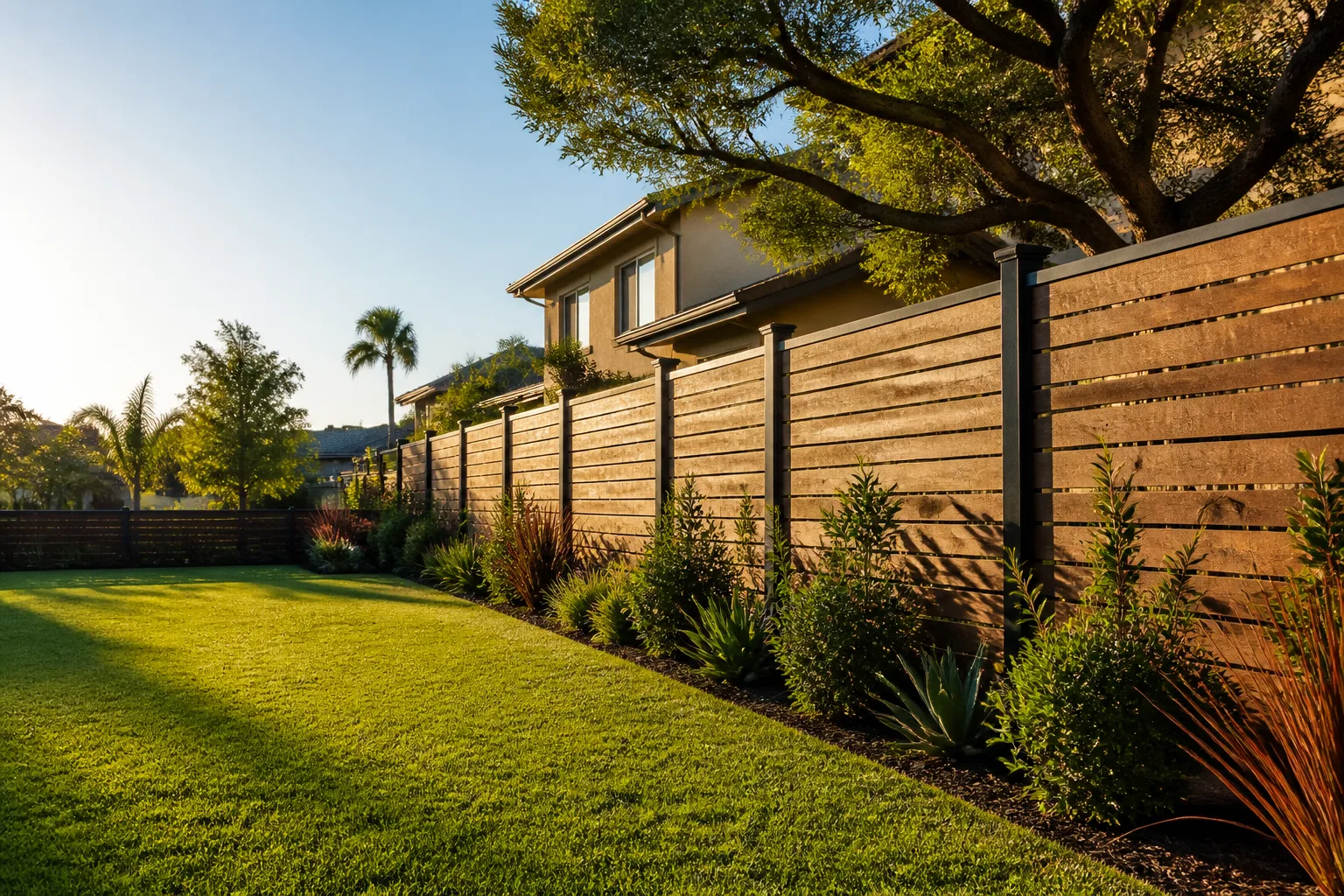
See the difference
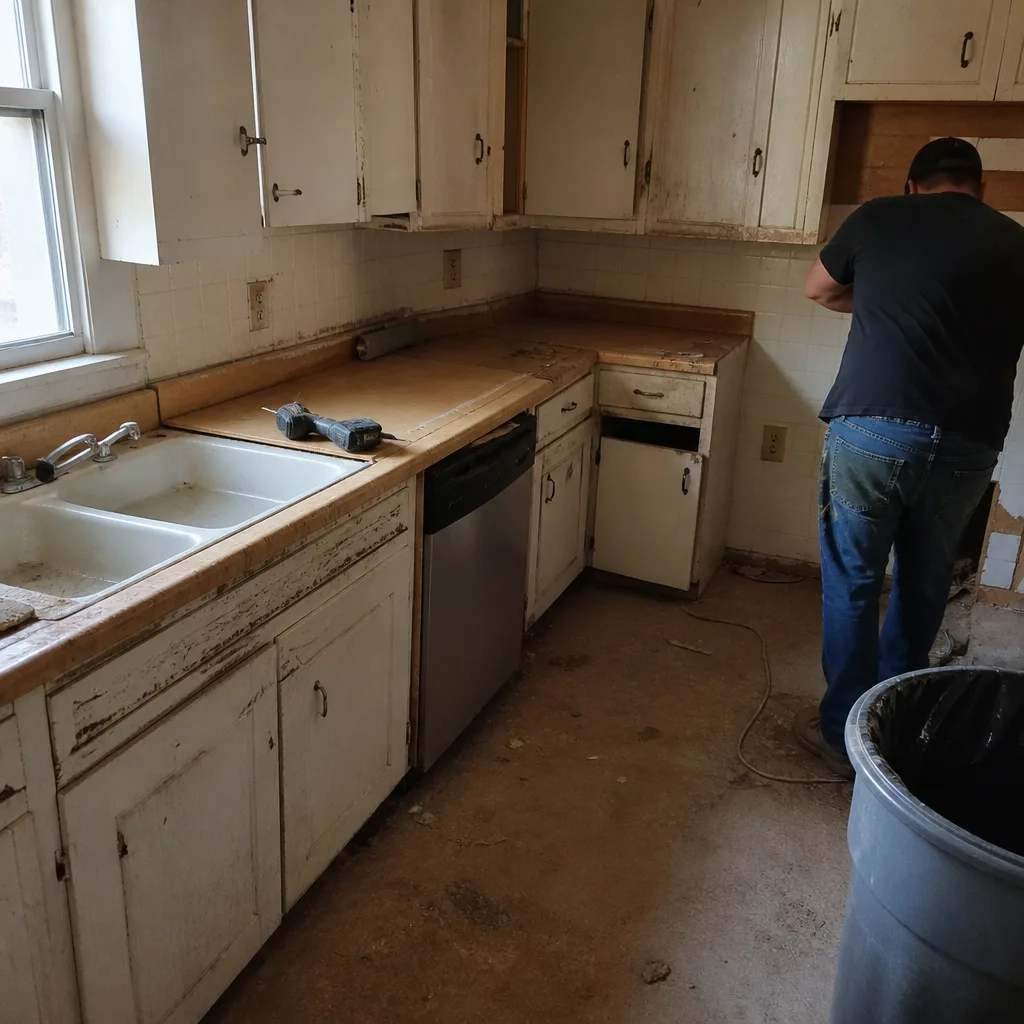 Before
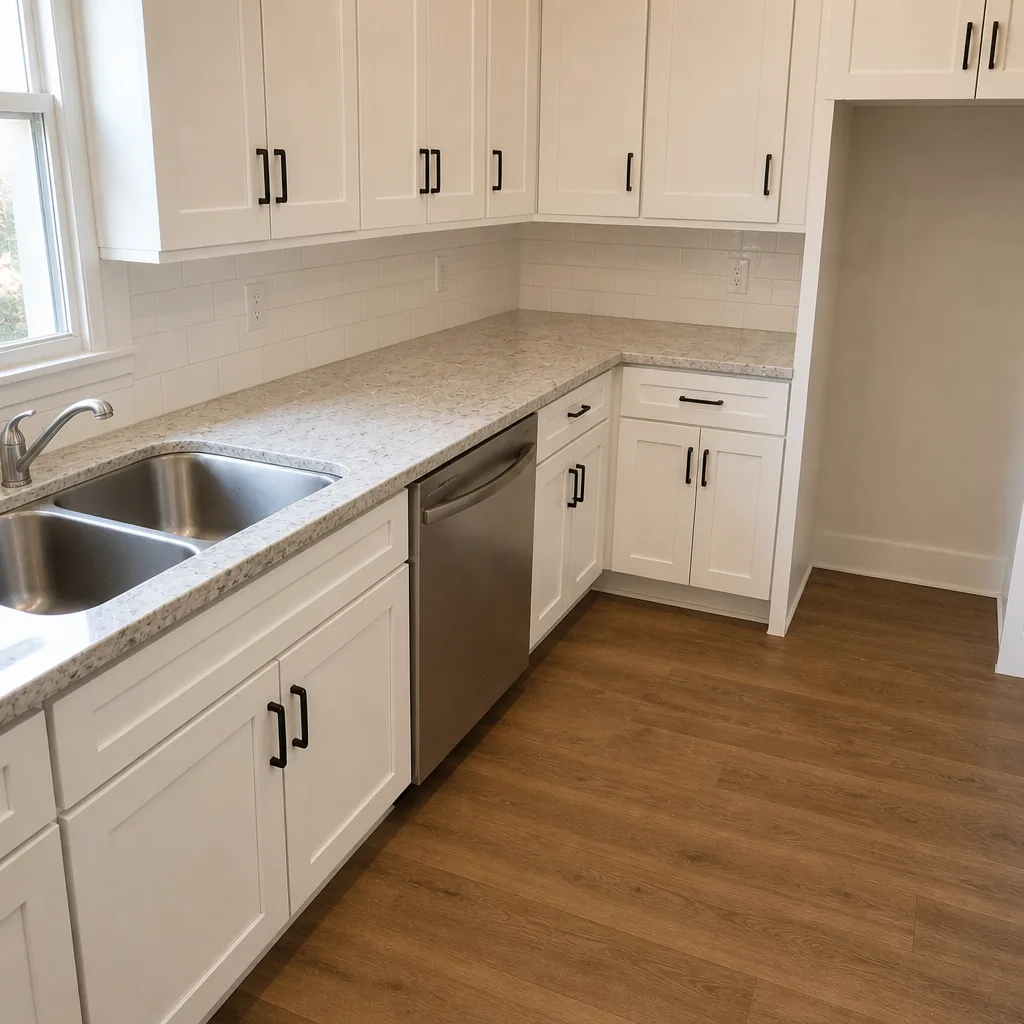 After
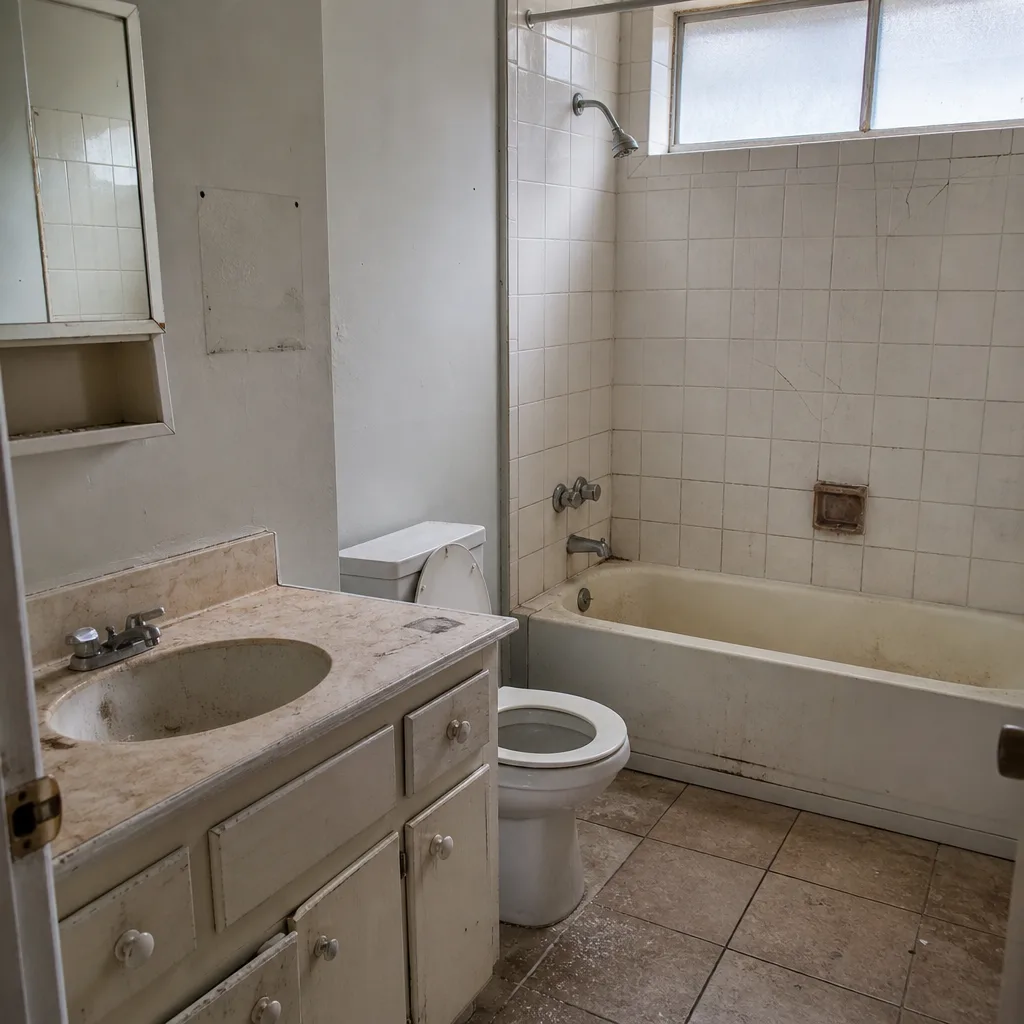 Before
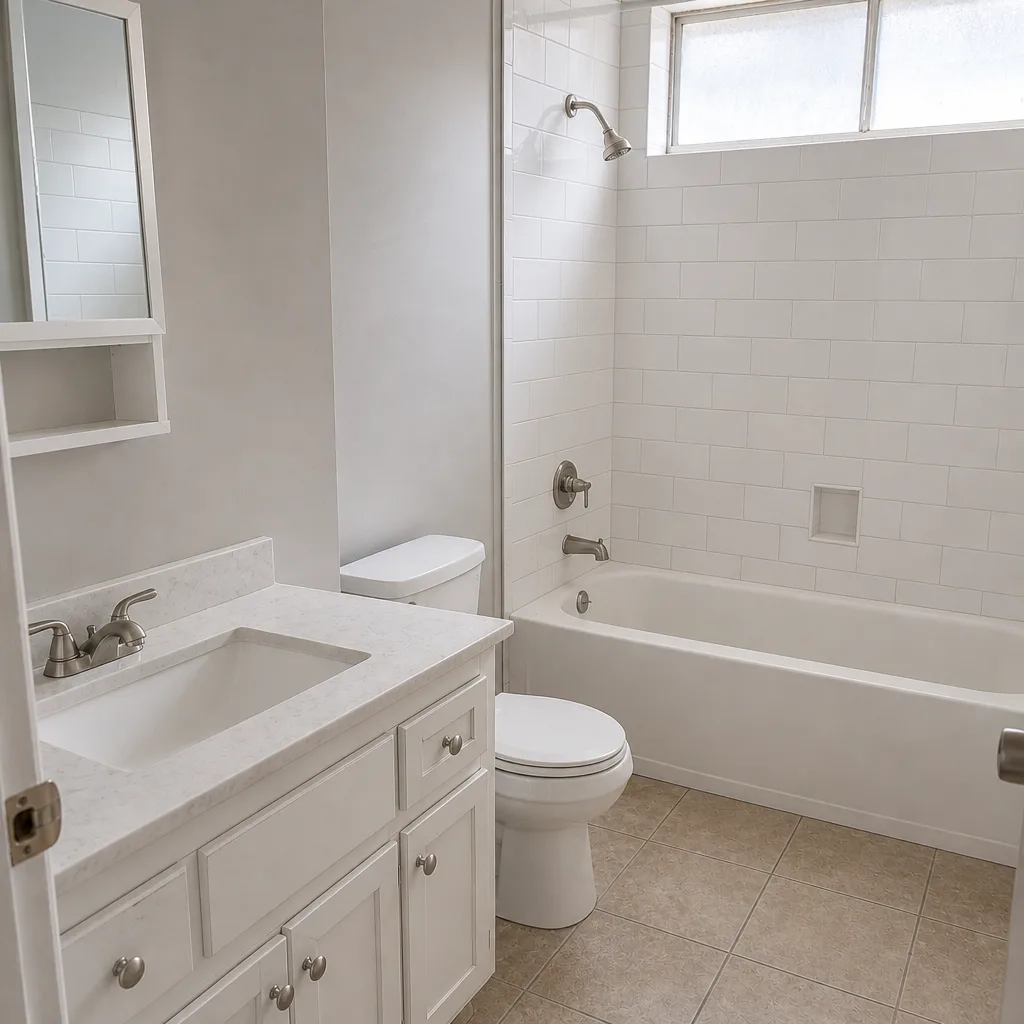 After
 Before
 After
When to Call a Professional
Fence installation is one of those projects that looks simpler than it is, especially in Mesquite where the soil fights back. Call a professional when: your fence line is longer than about 100 linear feet and you want a uniform, plumb finish; you have gates, corners, or property-line constraints that need precise layout; your yard has standing water, slope, or clay that’s already shifting the existing fence; the project involves a permit, HOA review, or easement; or your existing gate sags and you want it fixed right instead of adjusted twice. Groundwork Construction Co. of Mesquite offers free estimates in Mesquite – call (888) 426-8078. Calls are answered by a live person, 24/7, and our technicians are background-checked and arrive in uniform.
Frequently Asked Questions
Fence installation in Mesquite typically costs $28 to $52 per linear foot installed, so a standard 150-foot privacy fence runs about $4,200 to $7,800 depending on material, gate count, and site access. Cedar sits at the higher end; pressure-treated pine and chain link sit at the lower end. Call (888) 426-8078 for an exact quote – estimates are free.
Fence posts in Mesquite should be set 30 to 36 inches deep at 10 to 12 inches in diameter for line posts, and 36 to 42 inches deep at 12 inches in diameter for corner and gate posts. That’s deeper and wider than the 24-inch industry standard because the blackland clay here expands and contracts with moisture and puts heavy lateral pressure on shallow posts. Call (888) 426-8078 to have your specific fence line assessed.
Most standard residential privacy fences up to 6 feet in rear and side yards don’t require a building permit in Mesquite, but height limits, setback rules, sight-distance requirements at corners, and HOA overlays all apply. Any fence over 6 feet, front-yard fence, or corner-lot fence with sight-distance concerns typically needs a permit and possibly a variance. Call (888) 426-8078 and we’ll walk through what applies to your property.
Cedar is the best wood option for Mesquite because it’s naturally rot- and insect-resistant and handles the heat well, while vinyl is the best low-maintenance pick if you don’t want to stain every few years. Pressure-treated pine works on a budget but warps more and needs extra footing care. The material matters less than the footing – a well-set cedar fence outlasts a poorly-set vinyl fence every time. Call (888) 426-8078 for a material recommendation based on your yard.
A sagging gate almost always traces to an underbuilt gate post – too shallow, too narrow, or too small a post. Hinges and hardware can only compensate so much. The fix is either reinforcing the existing post or replacing it with a properly sized post in a 36 to 42 inch deep, 12-inch diameter footing. Call (888) 426-8078 for a free gate assessment.
No. We provide no-hassle upfront pricing – the number on your written estimate is the number you pay, with line items for footage, posts, concrete, gates, tear-out, and permits spelled out before work begins. The only legitimate reason for a change is a scope change you approve in writing. Call (888) 426-8078 to schedule your free estimate.
The Bottom Line
The fence decision that matters most in Mesquite isn’t wood versus vinyl – it’s how deep and how wide the post footings go. Mesquite’s clay punishes shallow footings more than the material sheet ever shows, and most fences that fail early failed on install day, not in year seven. Get the footings right: 30 to 36 inches deep for line posts, 36 to 42 inches for corners and gates, wider holes, gravel base, concrete crowned above grade. Choose the material based on your maintenance appetite, confirm permits and HOA approval before anyone digs, and read every estimate by line item instead of total. Do that and your Mesquite fence will hold. Skip it and you’ll be back here in five years.
Ready to build a fence that lasts? Call (888) 426-8078 for a free estimate and design consult with Groundwork Construction Co. of Mesquite. Our technicians have up to 12 years of experience, our calls are answered by a live person 24/7, and every project is covered by our 730-Day Done Right Promise – if it’s not right, we make it right. Financing is available at 0% for 18 months, and we’re offering $1,000 off projects over $10,000. Start with Groundwork Construction Co. of Mesquite home for the full scope of what we build from foundation to finish line.
Written by the team at Groundwork Construction Co. of Mesquite.