Last updated November 17, 2026




Free written scope consultation - allowances, timeline, and change-order rules on paper before a single trade is scheduled
Home Additions & ADU Troubleshooting: Common Problems and How to Fix Them
A foundation crack in a new addition within the first two years isn’t bad luck. It’s almost always a footing depth or soil compaction decision that was made in week one of construction, long before anyone poured concrete. That’s the pattern we see again and again in Mesquite: the expensive problems homeowners call us about didn’t start on the job site at all. They started in planning, in a skipped permit, or in a detail nobody wrote down.
This guide works backward from the failures to the decisions that caused them. You’ll learn to diagnose the five most common structural problems in additions, tell a code violation apart from a workmanship failure, handle unpermitted work, and know exactly when to call the original contractor versus an independent inspector.
Quick Answer
Most home addition and ADU problems come from five root causes: shallow footings on expansive soil, roof tie-ins that weren’t flashed correctly, undersized headers, missing thermal breaks at the old-to-new junction, and floor height mismatches. Document everything, get an independent inspection if the original contractor won’t respond in writing, and understand that Mesquite’s clay soil and permit requirements make proper foundations and inspections non-negotiable.
Styles & brands we work with
- Kitchen remodeling
- Bathroom remodeling
- Home additions & ADU
- Roofing
- Windows & doors
- Driveway & pavers
- Fence
Table of Contents
- Foundation Settlement: Why New Additions Crack
- Roof Tie-In Leaks: The Flashing Detail Everyone Skips
- Header Sag and Structural Openings
- Thermal Bridging and Insulation Gaps
- Floor Height Mismatch Between Old and New
- Code Violation or Workmanship Failure? How to Tell
- Unpermitted Work in Mesquite: What Happens and How to Fix It
- Moisture at the Old-to-New Junction
- When to Call the Original Contractor vs. an Independent Inspector
Foundation Settlement: Why New Additions Crack
Hairline cracks in a new addition’s foundation are the number one complaint we hear, and they trace back to two decisions: footing depth and soil compaction. Mesquite sits on expansive clay that swells when wet and shrinks when dry. That movement is brutal on a shallow footing. When an addition’s footing is dug to a different depth than the original house, the two structures move independently, and the seam between them cracks.
Here’s what we check when a homeowner calls us about a crack:
- Crack width and pattern: Vertical cracks under 1/8 inch are often shrinkage and cosmetic. Diagonal cracks widening toward a corner usually signal differential settlement.
- Door and window operation: If doors stick or windows won’t latch in the new room, the frame is racking.
- Step at the seam: Run a level across the transition from old floor to new. Any step more than 1/4 inch means the two foundations are settling differently.
- Drainage: Water pooling near the addition’s footing softens the clay and accelerates movement.
The fix depends on severity. Cosmetic cracks get sealed and monitored. Active settlement needs underpinning, which can mean helical piers driven to stable soil. That’s a five-figure repair in most cases. The prevention was a footing dug to proper depth, engineered compaction in lifts, and a consistent moisture barrier around the perimeter. In Mesquite, we see this most in additions built during dry spells where the clay was compacted hard and then expanded once the rains came.
Roof Tie-In Leaks: The Flashing Detail Everyone Skips
The joint where a new roof meets an existing roof is the single most common leak location in any addition. It’s also the spot where shortcuts are easiest to hide. A proper tie-in involves step flashing woven into the shingles on both sides, a cricket or saddle behind any chimney or wall projection, and an ice-and-water membrane underlayment running at least 24 inches up the slope.
What goes wrong: the contractor runs a bead of caulk along the joint, lays shingles over it, and calls it done. That caulk fails in two or three Texas summers, and the first heavy rain finds the seam.
How to spot a bad tie-in:
- Look at the roof from a ladder at the junction. You should see individual step flashing pieces, not a smooth caulk line.
- Check the attic on a rainy day for water stains along the seam.
- Look for granules from shingles collecting in gutters below the tie-in, which suggests movement and wear at the joint.
- Run a hose test on a dry day along the junction for ten minutes and watch the ceiling below.
Quality shingles help. We routinely specify CertainTeed or Owens Corning systems for additions in Mesquite, but the shingle brand matters less than the flashing detail. A premium shingle over a bad flashing job still leaks. When we install a roof tie-in, the flashing and membrane are inspected before shingles go on, and the whole assembly is covered by our 730-Day Done Right Promise so a seam failure isn’t your problem to chase.
Header Sag and Structural Openings: When a Beam Is Undersized
A sagging header over a wide doorway or the opening between old and new construction is a structural problem, and it’s one of the most predictable. Headers get undersized for three reasons: the span was miscalculated, the wrong lumber was used (a nominal 2×10 that’s actually thinner than spec), or a load-bearing wall was removed without a beam to carry the load above it.
Signs of header sag:
- Doors in the new opening bind at the top.
- Drywall cracks radiate from the corners of the opening.
- The header visibly bows when you sight along it.
- The floor above feels bouncy near the opening.
A correctly sized header in a Mesquite addition might be a built-up beam, an LVL, or a steel member depending on span and load. The calculation is engineering, not guesswork. If your addition has a wide opening and you’re seeing cracks or binding doors, get a structural engineer to assess it before it worsens. Repairing an undersized header means temporary shoring, removing the old beam, and installing a properly sized one, which is disruptive but straightforward. The failure to catch it during construction is the expensive part, since the finished space has to be opened back up.
Thermal Bridging and Insulation Gaps: The Comfort Problem
If your new addition is always a few degrees colder in winter or hotter in summer than the rest of the house, thermal bridging is the likely culprit. Thermal bridging happens where a framing member conducts heat straight through the wall, bypassing the insulation. At the junction between old and new construction, the two wall assemblies often meet with a continuous wood connection that acts as a heat highway.
Common insulation failures in Mesquite additions:
- Batt insulation compressed or missing at the top plate and around outlets.
- No insulated connection between the old exterior wall and the new interior space.
- Spray foam gaps where the two structures meet, especially at the rim joist.
- Vapor barrier discontinuity that lets humid Mesquite air into the wall cavity.
The fix for existing gaps is usually targeted spray foam at the junction, sealing the top plates, and confirming the vapor barrier is continuous. That’s a defined scope of work: a crew opens the affected wall sections, foams the junction, and closes it back up. Cost is modest compared to structural repairs, often a few thousand dollars depending on wall length and access. The bigger cost is comfort and energy bills if it’s never addressed, and in a Mesquite summer, a poorly insulated addition can push your cooling bill noticeably higher.
Floor Height Mismatch Between Old and New
A step down or up at the doorway between the original house and the addition is one of the easiest problems to spot and one of the hardest to fix later. It usually comes from a subfloor thickness mismatch, a different floor covering, or a foundation that was poured higher or lower than planned.
The reasons a floor mismatch happens:
- The addition’s slab was poured at a slightly different elevation than the original.
- Different subfloor material was used: 3/4-inch plywood in one area, OSB or a thinner panel in the other.
- The original home has settled over decades, and the new addition was built level to a fixed datum rather than to the existing floor.
- Tile over a backer board in one room and hardwood in the other creates a visible lip.
Cosmetic fixes include a transition strip or a small threshold, which is fine for a 1/4-inch difference. Anything larger needs the subfloor adjusted, which means pulling flooring and building up the low side. That’s a real cost. During design, we measure the existing floor elevation at multiple points and build the addition’s floor plan around those measurements so the transition is flat from the first day. If you’re planning an addition and the contractor hasn’t measured the existing floor at several points around the doorway, ask why.
Code Violation or Workmanship Failure? How to Tell
The distinction matters for insurance claims and warranty coverage. A code violation is a failure to meet the minimum standards in the adopted building code, which for Mesquite is the International Residential Code as locally amended. A workmanship failure is work that’s technically allowed but done poorly: a wobbly outlet, a leaky fitting, a joist that’s within spec but installed sloppily.
Why it matters:
- Insurance claims: Insurers generally exclude losses caused by code violations that the homeowner’s contractor should have caught. They may cover sudden water or fire damage from workmanship failures, depending on the policy.
- Warranty claims: Our 730-Day Done Right Promise covers both code compliance and workmanship. Some contractor warranties cover only one or the other, which is where the fine print matters.
- Municipal enforcement: Code violations can trigger a stop-work order or require re-inspection by the city.
Common code violations in additions include undersized electrical wire for the breaker, missing GFCI protection in kitchens and baths, plumbing vents routed incorrectly, and stairs that don’t meet rise-and-run requirements. Workmanship failures include fittings that leak, outlets that don’t sit flush, and drywall joints that telegraph through paint.
When you’re unsure which category a problem falls into, get an independent inspection. The report will name the code section if a violation exists, and that document carries weight with both the contractor and the insurer.
Unpermitted Work in Mesquite: What Happens and How to Fix It
Building an addition without a permit in Mesquite is a violation of city code, and it can create problems that follow the property for years. The city can require the work to be opened up and inspected after the fact, which is more expensive than doing it correctly the first time. Many lenders won’t finance a home with unpermitted additions, and title issues can surface at sale.
How to remediate unpermitted work:
- Stop all work and don’t finish the space until you’ve spoken with the city.
- Contact Mesquite’s building department and explain the situation. Ask about the process for legalizing the work, which typically means an as-built permit application.
- Hire a structural engineer to assess the existing work and produce a report the city will accept.
- Plan for selective demolition. Walls, floors, and ceilings often need to be opened so inspectors can see the framing, electrical, plumbing, and insulation.
- Complete the repairs and inspections the city requires before the permit is closed.
The best defense is a permit pulled before construction. On every addition we build in Mesquite, permits are pulled and inspections passed, and we hand over the closed permit record at the end. If you’re inheriting a home with an unpermitted addition, we can assess it and walk you through remediation before you buy or sell.
Moisture at the Old-to-New Junction: The Overlooked Failure Point
The seam where new construction meets old is the most overlooked failure point in any addition, and it’s where moisture damage shows up first. Two different structures with different wall assemblies, different vapor barriers, and different settling rates create gaps and condensation that can rot framing for years before you notice.
Where moisture gets in:
- Roof-to-wall intersections where the addition rises above the original roof line.
- Siding transitions where the new wall covering meets the old without a continuous weather barrier.
- Slab edges where the addition’s slab meets the original and a gap lets groundwater wick up.
- Interior walls where humid air from a poorly sealed bathroom or kitchen migrates into the junction cavity.
In Mesquite, the climate swings between humid springs and dry, hot summers, which pulls moisture into and out of the wall cavity repeatedly. A properly sealed junction includes a continuous house wrap on the new side, a flashed transition where the two roofs meet, and careful management of the vapor barrier on the interior side. If you’re seeing paint peeling on an interior wall near the junction, or the baseboard feels soft, the cavity has been wet for a while. Have a licensed contractor inspect it before the damage spreads. We install James Hardie siding on many Mesquite additions because it handles moisture swings well, but material is secondary to the flashing and sealing details behind it.
When to Call the Original Contractor vs. an Independent Inspector
This is the decision point most homeowners get wrong. The instinct is either to call the original contractor immediately or to skip straight to a lawyer. Neither is always right. Here’s the framework we recommend.
Call the original contractor first when:
- The problem is clearly within the scope of work they performed.
- You’re within the workmanship warranty period.
- The contractor has been responsive to date and answered your calls.
- The issue is something like a leaking faucet, a binding door, or a nail pop.
Call an independent inspector first when:
- You suspect structural or code issues.
- The contractor has ignored previous requests or made excuses.
- The problem is at the junction of old and new construction.
- You’re within a purchase or sale process.
- Multiple problems have surfaced and the pattern suggests systemic issues.
Here’s a decision framework in short form: if the contractor is responsive and the issue is isolated, call them back. If anything feels systemic or you need documentation for insurance or resale, get an inspector. An inspection report costs a few hundred dollars and gives you leverage either way. Then bring the report to the contractor in writing. Our team at Groundwork Construction Co. of Mesquite has walked into plenty of these situations, and the ones that resolve cleanly almost always start with written documentation and a scheduled inspection.
Common Mistakes to Avoid
- Skipping the permit to save time. It never works in Mesquite. The city can require the addition opened back up, and lenders and buyers will balk at unpermitted square footage.
- Assuming the contractor measured the existing floor. Ask to see the measurements. A flat transition at the doorway depends on it.
- Ignoring a hairline crack that keeps widening. A 1/8-inch crack monitored monthly tells you whether settlement is active. A crack that’s ignored for a year usually needs underpinning.
- Caulking a roof tie-in instead of flashing it. Caulk fails in two or three Texas summers. Step flashing and membrane are the only durable answer.
- Accepting an oral promise instead of a written warranty. Ours is the 730-Day Done Right Promise in writing. Get the warranty terms on paper before you sign the contract.
- Adding square footage without considering the AC system. An addition without extended HVAC capacity runs hot in a Mesquite summer, and that’s a comfort and warranty conversation waiting to happen.
- Hiring a contractor with no verifiable track record. Ask for the permit history and a current insurance certificate, then call references. Background-checked, uniformed crews should be standard, not a selling point.
See the difference
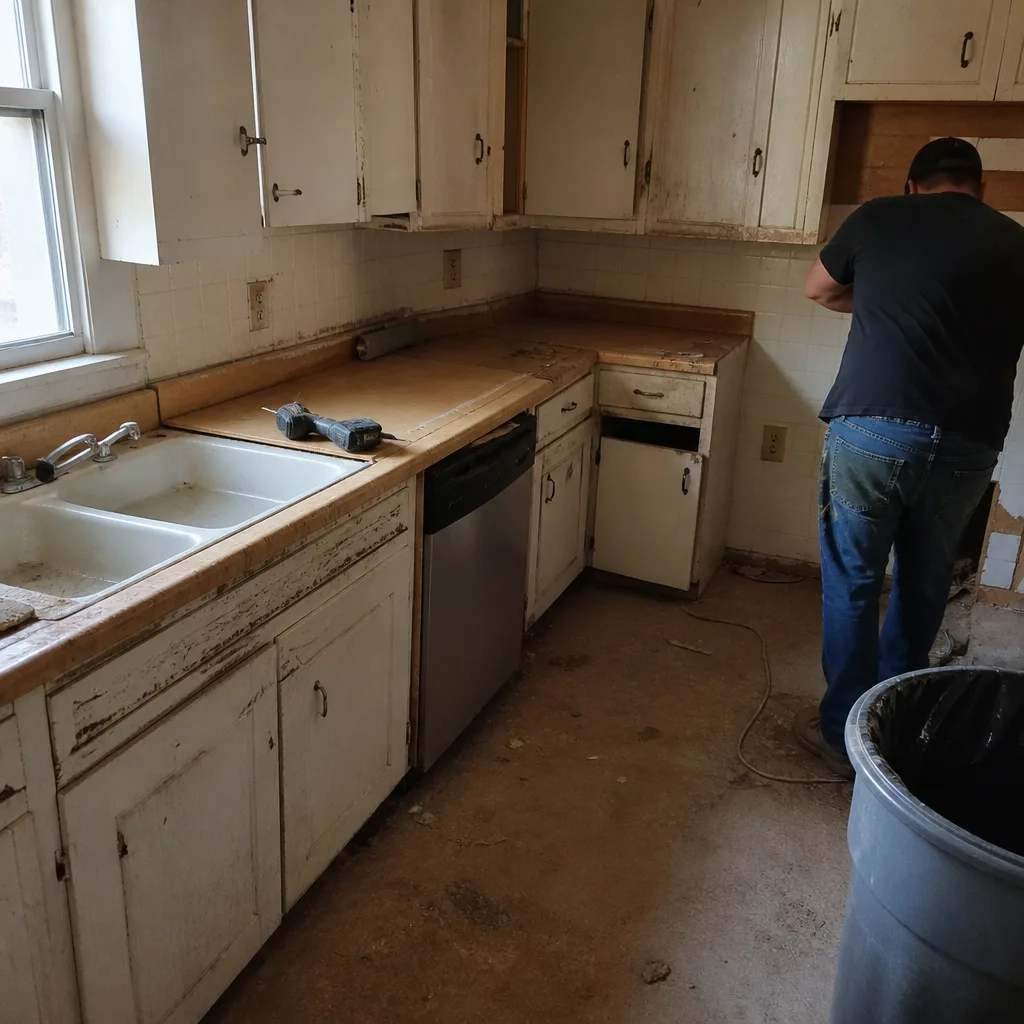 Before
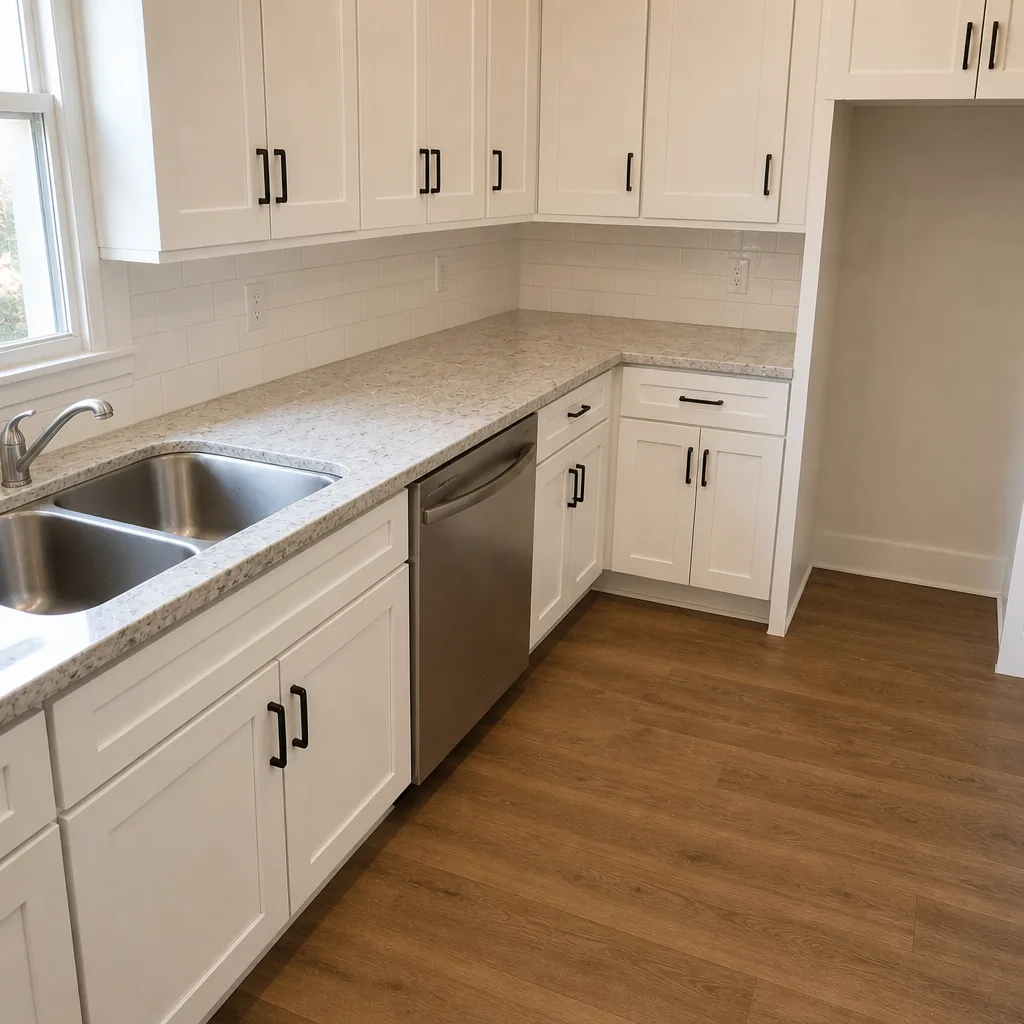 After
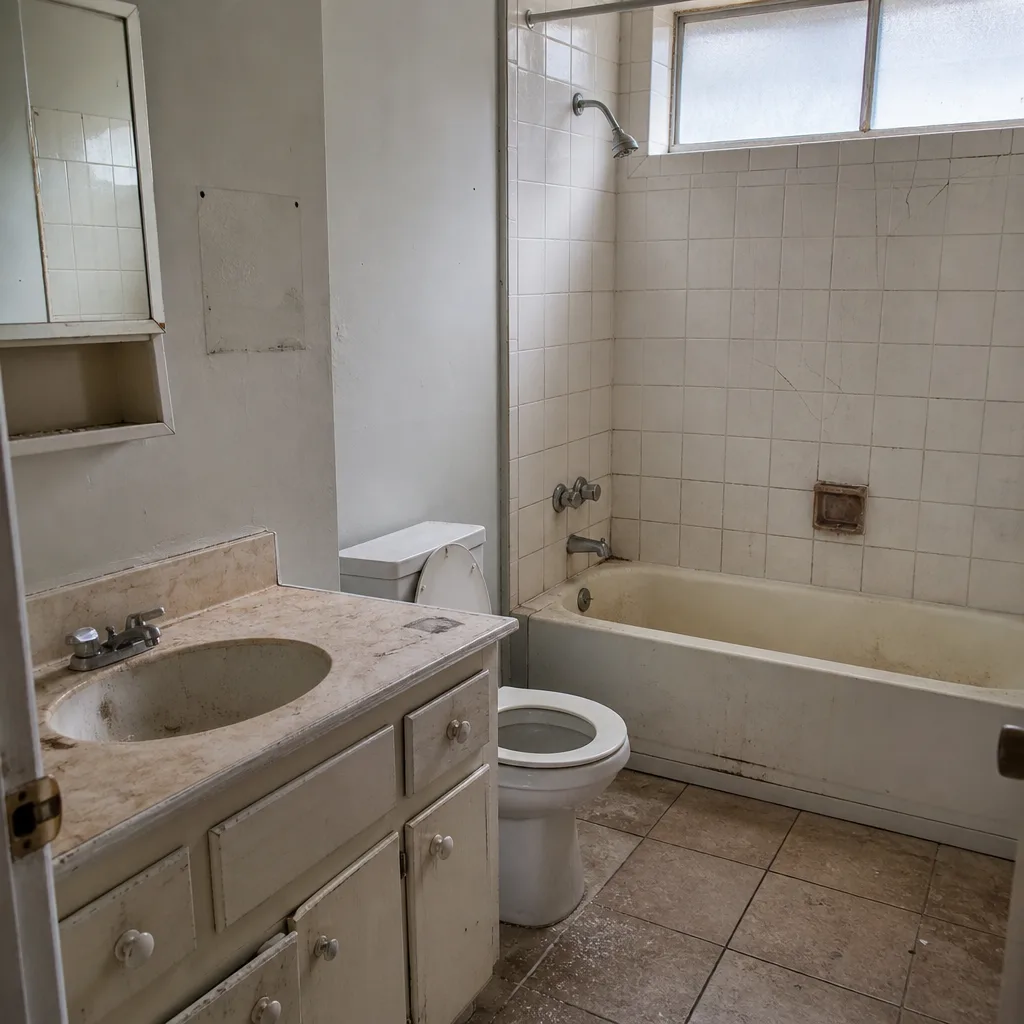 Before
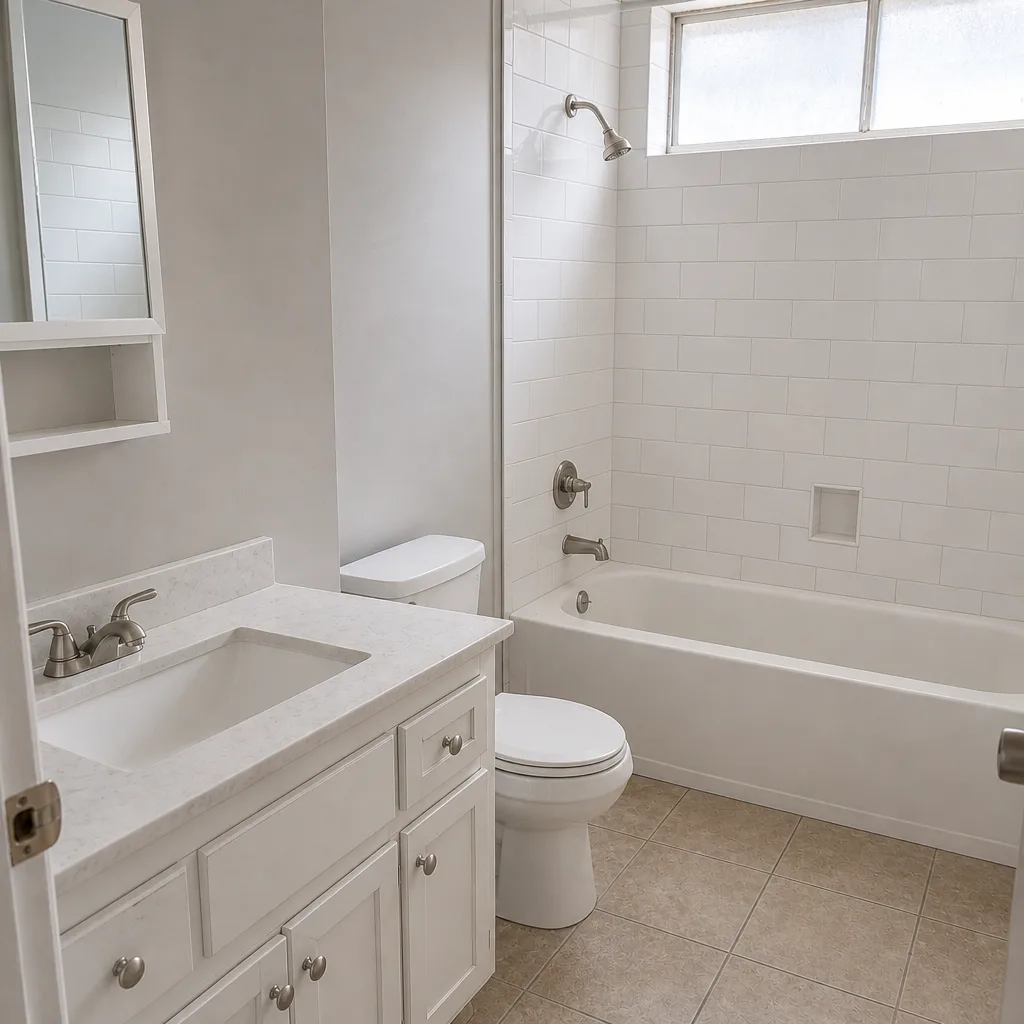 After
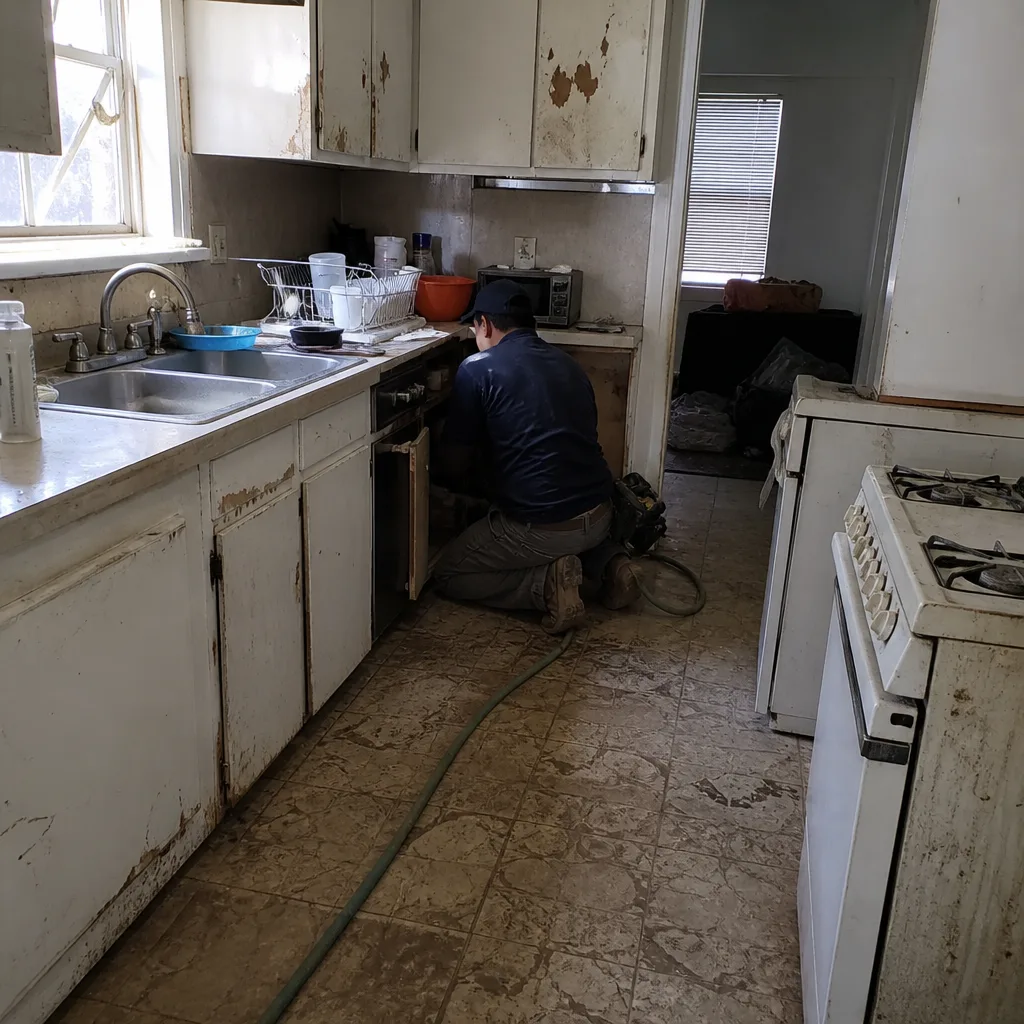 Before
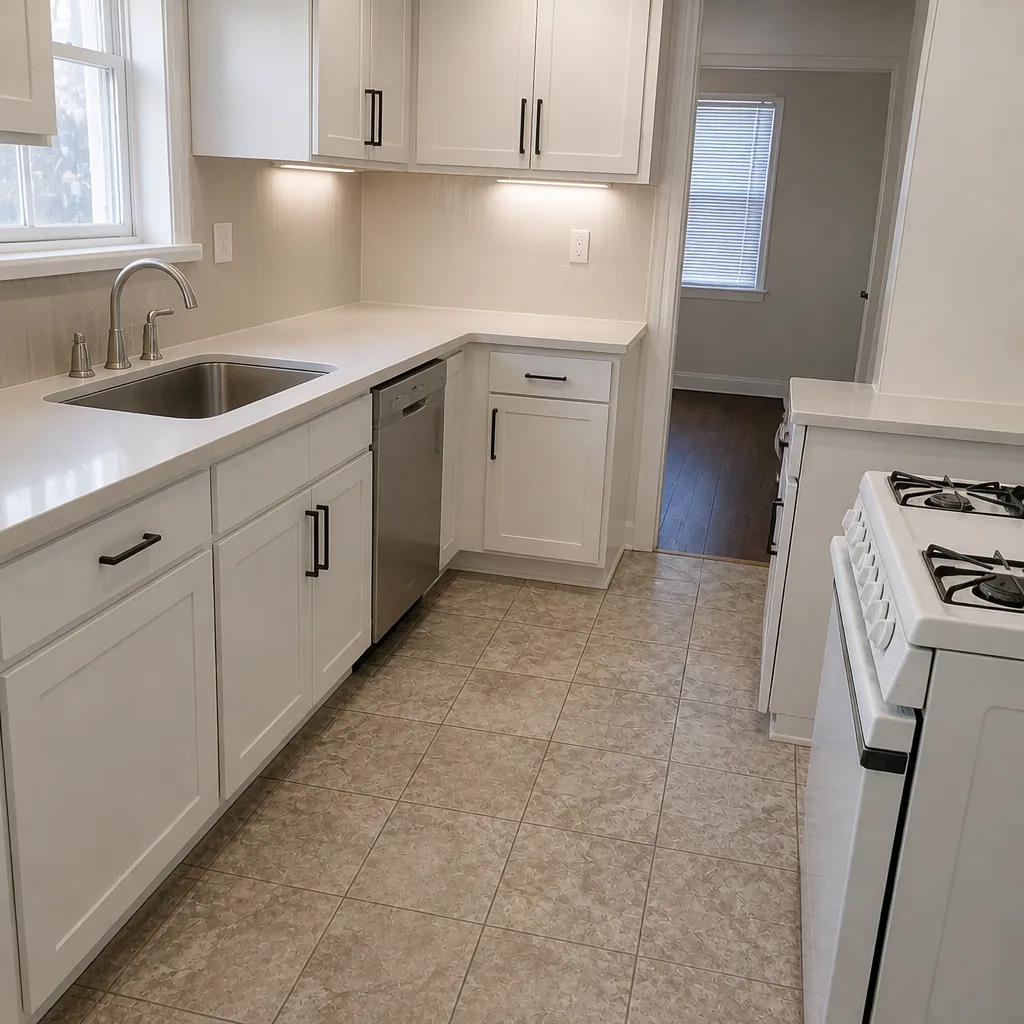 After
When to Call a Professional
If you’re seeing active foundation cracks widening, water stains at the roof tie-in, doors or windows that no longer latch, or soft spots near the old-to-new junction, the issue is structural or moisture-related and needs a licensed contractor, not a DIY patch. We’ve seen homeowner-applied silicone hide a failing flashing job for a season and make the eventual repair more expensive. Get an inspection on record, especially if you’re within a warranty period.
Groundwork Construction Co. of Mesquite offers free estimates in Mesquite. Calls are answered by a live person 24/7, and background-checked, uniformed technicians show up to diagnose. Our team has up to 12 years of experience on additions and ADUs. Call (888) 426-8078 to schedule yours.
Frequently Asked Questions

Cosmetic crack sealing runs a few hundred dollars, but active settlement requiring underpinning with helical piers typically starts around $8,000 to $15,000 depending on linear footage and access. Call (888) 426-8078 for an exact quote – estimates are free.
No. We work from a written line-item quote with upfront pricing, so the number you see is the number you pay. Change orders only happen if you request a scope change, and those are documented before any work proceeds. Call (888) 426-8078 to get your quote started.
Yes. Every addition and ADU we build in Mesquite is permitted through the city and inspected at each stage, and you receive the closed permit record at completion. Unpermitted work creates problems at resale and with insurers, so we don’t skip this step.
Cosmetic fixes like flashing repair or insulation at the junction take a few days, while structural repairs like header replacement or underpinning can run two to four weeks. Timelines are set after inspection and documented in the estimate. Call (888) 426-8078 for a schedule based on your specific situation.
A code violation means the work fails to meet minimum IRC standards as adopted by Mesquite, while a workmanship failure is work that’s technically allowed but done poorly. The difference matters for insurance and warranty claims. An independent inspection report will state which one applies. Call (888) 426-8078 if you want us to assess the work.
Yes. We regularly take over additions that were built by another contractor and are now showing problems. The first step is a documented assessment, then a written scope of repairs. A repair of this type still qualifies for the 730-Day Done Right Promise. Call (888) 426-8078 to schedule a free estimate.
The Bottom Line
The cheapest fix for an addition or ADU problem is the prevention that happens before week one. Proper footings for Mesquite’s clay, correct roof flashing, sized headers, continuous insulation at the junction, and a permit on file prevent the failures that cost ten times more to repair later. When a problem does surface, document it in writing, get an inspection if it’s structural or code-related, and understand whether it’s a workmanship or code issue before you decide who fixes it. Our team at Groundwork Construction Co. of Mesquite has handled all of these. If you’re planning an addition or repairing one, see our Home Additions & ADU in Mesquite page for scope and process, or explore our Fence Installation in Mesquite and Driveway & Pavers in Mesquite pages if your addition project includes exterior work that should tie into the same plan.
Groundwork Construction Co. of Mesquite offers a free project estimate and design consult, 0% financing for 18 months, and $1,000 off projects over $10,000. Every project is backed by the 730-Day Done Right Promise, live person phone coverage 24/7, and background-checked, uniformed technicians. Call (888) 426-8078 to schedule your free estimate and get a written, line-item plan for your addition or ADU.
Written by the team at Groundwork Construction Co. of Mesquite.