Last updated November 17, 2026



Free written scope consultation - allowances, timeline, and change-order rules on paper before a single trade is scheduled
Home Additions & ADU Warning Signs Every Homeowner Should Know
If a contractor bids your home addition without reviewing your existing foundation drawings or requesting a soil report, that’s not confidence – that’s the first bill you’ll pay twice. The contractors who cause the most expensive addition disasters rarely look incompetent on day one. They show up on time, talk a good game, hand you a polished bid, and win the job by underbidding the honest guys by tens of thousands. The corner-cutting starts after the contract is signed and the demolition is done, when walking away costs you more than swallowing it. This guide covers the pre-contract signals, the mid-construction red flags, and the exact contract language that creates accountability checkpoints. We build in Mesquite, and we’ve watched this pattern play out enough times to know it by its fingerprints.
Quick Answer
The biggest warning signs in a home addition or ADU project are vague scope language in the bid, no mention of engineering or soil review, refusal to name subcontractors, and a payment schedule that front-loads cash before work is done. Legitimate contractors put milestones, inspection sign-offs, and written change orders in the contract – and they don’t flinch when you ask to verify their license, insurance, and lien history. If a bidder resists any of those, walk away before demo day.
Styles & brands we work with
- Kitchen remodeling
- Bathroom remodeling
- Home additions & ADU
- Roofing
- Windows & doors
- Driveway & pavers
- Fence
Key Takeaways
- Underbidding is a strategy, not a discount. The low number often gets “recovered” through change orders after the contract is signed.
- No soil report and no engineering review on a foundation-dependent addition is a red flag, not a shortcut.
- Verbal change orders are the single most common route to a five-figure surprise on a Mesquite addition.
- A legitimate payment schedule ties money to completed, inspected milestones – not to a big check up front.
- You can verify a Texas contractor’s license, insurance, and lien history before signing anything, and you should.
- Written inspection checkpoints in the contract give you leverage that no handshake ever will.
Table of Contents

- Pre-Contract Warning Signs: What to Watch Before You Sign
- Mid-Construction Red Flags That Signal Trouble Ahead
- What a Legitimate Payment Schedule Actually Looks Like
- How to Verify a Contractor’s License, Insurance, and Lien History in Texas
- Contract Language That Creates Real Accountability
- Mesquite-Specific Factors: Soil, Climate, and Local Code
- ADU-Specific Warning Signs Homeowners Miss
- Common Mistakes to Avoid
- When to Call a Professional
- Frequently Asked Questions
Pre-Contract Warning Signs: What to Watch Before You Sign
The most expensive mistakes happen before a single shovel touches dirt. The pattern is predictable: a contractor who presents well, underbids strategically, and counts on the homeowner being too invested (emotionally and financially) to back out once the work is underway. The bid tells you almost everything you need to know if you read it carefully.
Here’s what an honest bid looks like on paper, and what a warning-sign bid looks like next to it.
Sign 1: Vague scope language
“Install new addition per plans” is not a scope. It’s a sentence that gives the contractor room to decide later what “per plans” means. A real scope spells out square footage, foundation type, framing specs, electrical rough-in, HVAC tie-in, drywall finish level, exterior cladding, and window/door specs by name. If your bid says “miscellaneous” or “allowance” without a number attached, ask what happens when that allowance runs out. The answer tells you who eats the overage.
Sign 2: No engineering review mentioned
A home addition loads your existing foundation in ways the original house wasn’t designed for. Any addition touching a load-bearing wall, a slab, or a roofline needs an engineer’s stamp on the drawings, and most reputable contractors won’t bid a job without seeing existing foundation drawings and, often, a soil report. If the bidder waves that off with “we’ve done tons of these, we know what we’re doing,” that’s not experience talking. That’s a shortcut looking for a place to happen. We’ve seen foundation repair quotes in Mesquite run well over what the homeowner saved by skipping the review.
Sign 3: Refusal to name subcontractors
Addition and ADU work relies on subs – electrical, plumbing, HVAC, drywall, roofing. A contractor who won’t tell you who’s doing the electrical and plumbing on your addition is either using whoever is available that week or doesn’t want you checking their credentials. Either answer is a problem. Ask for the names and license numbers of the primary subs. A confident contractor hands them over without flinching.
Sign 4: Unusually fast turnaround on a complex bid
A real addition bid takes time. Plans get reviewed, structural questions get asked, material quantities get taken off, subs get priced. A bid that lands in your inbox in 24 hours for a 600-square-foot addition with a bathroom and roofline tie-in either skipped the takeoff or was pulled from a template. Speed on a complex bid is not a service. It’s a signal that corners were cut before the contract.
Sign 5: Pressure to sign “before the price goes up”
Material prices move. That’s real. But high-pressure deadlines designed to keep you from getting a second bid are a classic warning sign in the construction industry. You’re spending a substantial amount of money on a permanent structure attached to your home. The month-long decision window is your right. A contractor who respects the size of the investment will give you that time.
For a closer look at how a well-scoped addition process runs from the first consult to final inspection, the Home Additions & ADU in Mesquite service page walks through the workflow.
Mid-Construction Red Flags That Signal Trouble Ahead
The pre-contract phase is where you can still walk away cheaply. Once the demo is done and the framing is up, every exit is expensive. That’s why the mid-construction warning signs matter most – they’re your last chance to redirect the project before the problem compounds.
Inconsistent crew presence
Addition work has a rhythm. Framing crews roll in for a week or two, then the rough mechanical trades follow, then insulation, drywall, finish. What shouldn’t happen is long stretches where no one shows up and no one tells you why. A crew that disappears for 10 days and returns with no explanation is usually juggling six other jobs and funding your project with the last one’s final payment. Ask for a written weekly schedule and a named site supervisor. If either request gets deflected, that’s not paperwork – it’s a project drifting.
Skipped inspection callouts
Mesquite additions require inspections at several stages: foundation, framing, rough mechanical, insulation, and final. A contractor who suggests “we can skip the framing inspection, we always pass” is offering to put your certificate of occupancy at risk. Every inspection callout is documented by the city. No inspection means no record. No record means a future buyer’s inspector will find it and ask you why. And your homeowner’s insurance carrier can use unpermitted work to deny a claim. The inspections are not a formality – they’re the paper trail that protects the value of your home.
Verbal change orders only
This is the single most common route to a five-figure surprise. “We found a beam we need to replace, it’ll be about thirty-five hundred extra” delivered verbally in the driveway is a red flag, not a courtesy. Every change – material, scope, schedule – needs to be written down, priced, and signed before the work happens. A verbal change order is a change order with no ceiling and no record. If your contractor resists written change orders, they’re saving themselves paperwork at your expense.
Subs you never met showing up
If the electrical rough-in was bid under one subcontractor and a different crew with no introduction shows up, ask questions. Subs get swapped for plenty of legitimate reasons (scheduling, availability), but a swap that isn’t communicated is a sign your contractor is staffing by whoever answers the phone. In our view, a well-run addition has a known roster of subs whose credentials were verified at bid time.
Material substitutions without conversation
Window brands, siding, and roofing get swapped all the time when the “spec’d” product is back-ordered. What shouldn’t happen is a substitution happening in the field with no conversation about the trade-offs. If your bid calls for a specific window line and a lesser one shows up on the truck, that’s a conversation the contractor owed you before delivery. Brand partnerships on the front end – the kind that pair a KraftMaid kitchen with a James Hardie exterior and a GAF roof – matter in the bid, and they matter at delivery.
For a sense of how our team handles this end of the build, the Groundwork Construction Co. of Mesquite home page covers our full-scope approach from foundation to finish.
What a Legitimate Payment Schedule Actually Looks Like
The payment schedule is where a lot of underbidding gets cashed out. A contractor who front-loads 40% to 50% at signing leaves you with no leverage and, often, a contractor with no financial incentive to finish. The money is already in their account. Your project is now competing with new jobs for the crew’s attention.
Here’s what a reasonable payment structure looks like for a home addition or ADU in the Mesquite market, and what to compare it against.
Red flag: the front-loaded demand
If the first ask is “40% down to reserve the schedule,” push back. A modest mobilization deposit – typically enough to cover permitting and initial materials – is standard. A demand that’s half the contract value before demo has started is not. That money should be tied to a milestone that hasn’t happened yet.
Green flag: money tied to milestones
A legitimate schedule ties each payment to a completed, inspected milestone. Not “framing in progress.” “Framing complete and framing inspection passed.” These are the checkpoints that give you a reason to write the next check and give the contractor a reason to keep the crew moving. Rough guide:
- Deposit on signing: covers permitting, engineering, and mobilization. Typically a modest percentage, not a large share of the total.
- Foundation complete: after foundation work is finished and the city has signed off on the foundation inspection.
- Framing and mechanical rough-in complete: after framing, electrical, plumbing, and HVAC rough-in have all passed their respective inspections. This is usually the largest milestone payment.
- Insulation and drywall complete: after drywall is hung, taped, and the insulation inspection has passed.
- Finish phase: after cabinets, fixtures, flooring, and paint are done to the spec’d level.
- Final payment: held until the final inspection has passed and you’ve done a walkthrough with a punch list in writing. A retainage of 5% to 10% is normal and appropriate.
Green flag: written change order log
Ask to see a running change order log at each payment. A contractor who keeps one is a contractor who knows where the budget stands. A contractor who doesn’t has never had to answer that question in writing, and it shows up in the final invoice.
Green flag: retainage held to closeout
Retainage is the industry standard holdback that ensures punch list items get done. If your contractor asks for 100% of the contract before final inspection and punch list completion, that’s a warning sign. You want the incentive structure to stay intact until you’re walking through a finished project.
How to Verify a Contractor’s License, Insurance, and Lien History in Texas
Texas doesn’t license general contractors the way some states do, which means verification is more about checking specific records than looking for one central license. That’s good news for you if you know where to look – and a disaster if you don’t. Here’s the sequence we recommend:
- Check the business identity. Look up the company name on the Texas Secretary of State’s site to confirm it’s a registered entity and to see who’s authorized to sign for it. If the name on the bid doesn’t match a registered entity, ask why.
- Confirm general liability insurance. Ask for a Certificate of Insurance (COI) with you named as certificate holder, not just a scanned copy of a policy. Call the insurance agent on the COI and confirm the policy is active. This is the single most important verification step – it’s what protects you if something goes wrong on your property.
- Confirm workers’ compensation coverage. If the contractor has employees, they need workers’ comp. If they don’t, they need to be clear about that so you understand who’s covering an on-site injury. Some homeowners’ policies will look for this if there’s a claim.
- Check for trade-specific licenses. Electrical and plumbing subs need Texas licenses. HVAC requires EPA certification. Ask for the specific license numbers for the subs on your job.
- Search the county clerk’s records for mechanic’s liens. In Dallas County, records are searchable online. A pattern of lien filings against a contractor’s clients is a warning sign that gets brushed over in sales conversations.
- Verify permit history. Call the City of Mesquite’s building department and ask about the contractor’s recent permit history in the city. Contractors who are active where you live have a paper trail. Contractors who aren’t may be telling you something.
- Ask for the last three additions or ADUs they completed. Not references – addresses. Then talk to the actual homeowners. A contractor with a clean track record wants you to ask.
The verification process takes an afternoon. The downstream cost of skipping it on a Mesquite addition can run into six figures when unpermitted work, lien exposure, or an uncovered on-site injury forces a claim. For related verification tips on outbuilding work, our Fence Installation in Mesquite guide covers the same record-checking discipline contractors use on exterior structures.
Contract Language That Creates Real Accountability
A handshake doesn’t survive a disagreement. The contract is your only real protection, and most homeowner contracts leave huge gaps. Here’s the specific language you can ask to add or negotiate into a home addition or ADU contract in Mesquite. We’ve seen these clauses prevent more disputes than any other single measure.
Specific milestone sign-offs
“Contractor shall not invoice for [milestone] until the corresponding City of Mesquite inspection has been scheduled, passed, and documented in writing to the owner no more than 3 business days after the inspection.” This clause turns “we passed” into “we passed, here’s the documented proof, and we’re writing to you about it.” It’s hard to argue with a paper trail.
Written change order requirement
“No change to scope, materials, schedule, or price shall be effective unless described in a written Change Order, priced by Contractor, and signed by Owner before work on the changed scope begins. Verbal instructions shall not create an obligation on either party.” Every addition dispute we’ve ever seen traces back to the absence of this clause.
Subcontractor disclosure
“Contractor shall provide the names, license numbers (where applicable), and insurance certificates of the primary subcontractors who will perform work on the project no later than 10 business days before the related trade’s scheduled start date.” This gives you time to verify before the sub shows up, and it gives the contractor a reason to keep the list stable.
Substitution disclosure
“Any substitution of a specified material, fixture, or brand shall require prior written approval from Owner, including documentation of the substitution’s specification, cost difference, and warranty terms. Substitutions made without approval shall be removed and replaced at Contractor’s cost.” This clause is why brand partnerships in a bid aren’t just marketing – they’re a spec you can hold a contractor to.
Retainage and final walkthrough
“Owner shall retain [X%] of the contract value until final inspection has passed and a written punch list signed by both parties has been fully completed.” Whatever percentage you negotiate, having it in writing is what turns “we’ll come back for that” into a scheduled return visit.
Warranty disclosure, in writing
“Contractor’s workmanship warranty of [term] shall be described in a standalone warranty document attached as Exhibit [X], with a clear statement of what is and is not covered and the process for making a claim.” A warranty you can’t read in advance isn’t a warranty – it’s a promise. Attach it, read it, and negotiate the gaps if there are any.
Mesquite-Specific Factors: Soil, Climate, and Local Code
Home additions in Mesquite face a few conditions that shape how the project should be scoped. They also make some warning signs easier to spot, because the checklist of what a legitimate bid must contain is longer here than in many other markets.
Expansive clay soils
The Dallas-Fort Worth area, including Mesquite, is dominated by expansive clay soils that swell and shrink with moisture. That’s the reason foundation design matters more here than in markets with stable sandy or rocky soil. A bid that doesn’t mention a soil report or a pier-and-beam vs. slab decision is skipping a real cost driver, not saving you money. If the existing home’s foundation has any history of movement – and a lot of Mesquite homes built in the 1970s through the 1990s do – the addition has to account for it. Ask explicitly how the new foundation will join to the existing one, and get the engineer’s answer in writing.
Blackland Prairie drainage
Mesquite sits on Blackland Prairie ground, which swells in wet years and shrinks hard in drought. That affects not just the foundation but the grading and drainage plan around the addition. Cheap bids skip the grading plan and let water pool along the new wall. Two summers later, you’re looking at a foundation repair quote that dwarfs what you saved. A legitimate addition bid includes site grading, drainage, and downspout routing on the drawings.
Summer heat and construction timing
Mesquite summers push past 100 degrees for weeks at a time, which affects concrete curing schedules, roofing installation, and crew pace. A contractor who schedules your framing in August without a heat plan is either tolerating slower progress or rushing the work – neither is good. Ask about summer construction sequencing. The answer tells you something about how seriously they take quality over speed.
City of Mesquite permitting
Additions and ADUs in Mesquite require building permits through the city’s development services department, with plan review for structural scope and inspections at multiple stages. Detached ADUs on residential lots face additional review for setbacks, access, and utility connections. A contractor who says “we’ll take care of the permits at the end” or “permits aren’t really required for that” is telling you something important. Permits are pulled before work, not after. Every legitimate addition in Mesquite gets permitted and inspected, and the paper trail that results is one of the things that protects the resale value of your home.
ADU-Specific Warning Signs Homeowners Miss
Accessory dwelling units carry some additional warning signs because they sit at the intersection of construction, zoning, and rental value. A detached ADU built wrong isn’t just a construction problem – it’s a property that can’t be legally rented, which is often the entire reason the homeowner built it.
The bid doesn’t mention zoning verification
Not every residential lot in Mesquite can support a detached ADU at the size the homeowner wants. Setbacks, lot coverage, and utility access all matter. A bid that doesn’t show evidence of a zoning verification isn’t a bid yet – it’s an estimate against an unverified assumption. Ask to see the zoning confirmation before signing.
No utility capacity review
An ADU adds load to the home’s electrical service, water line, and sewer or septic capacity. If the existing panel is sized for a modest house and the ADU adds a full kitchen and HVAC system, the panel may need an upgrade. The bid should state whether it does, and what the upgrade costs. If the answer is “we’ll figure that out,” you’ve just found the third change order.
“Rental-ready” language without rental compliance
ADUs get marketed to homeowners as rental income, and some do it well. But rental compliance requires the ADU to be permitted, inspected, and legally separate under local code. If a contractor talks about rental income without mentioning permit and occupancy status in the same breath, that’s a warning sign. Ask directly: “At the end of this project, will the ADU be legally rentable, and what documentation will we have to prove it?”
No phased schedule with inspection checkpoints
ADUs run long – often months from permit issue to final inspection. That’s why a phased schedule with inspection checkpoints is the single most important document in the contract. A bid that just says “6 to 8 months” without a phase breakdown is a bid that will drift, and you’ll only find out in month five. For a closer look at how a fully phased ADU process should look, see our Home Additions & ADU in Mesquite page.
Common Mistakes to Avoid
- Picking the low bid because it’s the low bid. The 15% or 20% gap between the low bid and the next one is usually a signal, not a savings. It’s a budget for change orders, and you’ll pay it in month two. Get three bids that are actually comparable, then ask why the low one is low.
- Paying 40% or 50% before any work starts. Large upfront deposits remove the contractor’s financial incentive to keep your project moving. A modest mobilization deposit is normal in Mesquite; a half-contract deposit before demo isn’t.
- Accepting verbal change orders. “Just sign it at the end” is how a $180,000 addition becomes a $210,000 addition. Every change gets priced and signed before the work begins. No exceptions.
- Skipping the insurance verification call. A scanned COI isn’t the same as a confirmed active policy. Call the insurance agent on the certificate and confirm the policy covers this project at your Mesquite address. Ten minutes of phone time protects the most expensive asset you own.
- Letting the contractor handle permitting without asking for the permit number. Permits are issued to a specific address, and the number is public. Ask for yours. Then look it up in the Mesquite permit portal and confirm your addition is on the list.
- Relying on a verbal warranty. A handshake warranty is worth what it costs. Ask for the written warranty document before signing the contract. Whatever term gets committed to, that’s the document you’ll need when something fails.
- Ignoring drainage and grading in the bid. In the Blackland Prairie soil around Mesquite, water management around an addition determines whether you’re looking at a foundation quote in five years. If the bid has no grading plan, ask for one.
When to Call a Professional
Some of the warning signs above are deal-breakers – walk away. Others are fixable with the right contractor. Call a professional addition contractor if any of the following applies: you’ve received a bid with vague scope language and no engineering review; you’re mid-construction and starting to notice skipped inspections or verbal change orders; you need an ADU and haven’t yet verified zoning or utility capacity; or you’ve inherited an addition project from a contractor who stopped showing up and need an independent assessment of what’s actually been built. In our experience, the earlier you get an experienced team onsite, the cheaper the correction. Get a second opinion before the wrong foundation sets, not after. Groundwork Construction Co. of Mesquite offers free estimates in Mesquite – call (888) 426-8078 to schedule yours.
Frequently Asked Questions
Vague scope language combined with a lack of engineering review. A bid that says “install new addition per plans” without detail on foundation type, framing specs, mechanical scope, and finish level leaves the contractor room to decide later what the contract actually covers. Pair that with no mention of existing foundation drawings or a soil report and you’re looking at a bid designed to underprice, not a bid priced correctly.
Ask for the payment schedule in writing and push back. On a Mesquite addition, a modest mobilization deposit tied to permitting and initial materials is normal. A 50% demand before demo is not. Ask for a milestone-based schedule where each payment is tied to a completed, inspected phase. If the contractor won’t renegotiate the schedule, that’s a real warning sign – call (888) 426-8078 for a second bid to compare.
Texas doesn’t license general contractors at the state level, so verification means checking the business registration with the Secretary of State, confirming an active Certificate of Insurance with you named as certificate holder, calling the insurance agent to verify the policy, and checking trade-specific licenses for the electrical and plumbing subs on your job. Inspect the Dallas County clerk records for lien history as a final step.
No – a legitimate contractor cannot skip framing inspections. Every Mesquite addition passes through foundation, framing, rough mechanical, insulation, and final inspections. A contractor who suggests skipping an inspection is putting your certificate of occupancy at risk and creating an unpermitted work problem that can affect insurance coverage and resale. The inspection record is also your legal documentation that the work was done right.
It usually looks like three to five written change orders, a slow-moving schedule with inconsistent crew presence, and a final invoice well over the original bid. The pattern we see most in Mesquite involves a bid $20,000 to $40,000 under the market average, followed by foundation surprises, material substitutions, and mechanical upgrades that “weren’t included.” By the time the project closes, the homeowner has paid more than the original mid-range bid would have cost.
The warning signs tend to show up before the disappearance: slow responses, inconsistent crew presence on site, requests for early payments that don’t match the schedule, and no written schedule provided. The single best protection is milestone-based payments tied to inspections – contractors who intend to finish are happy to work against documented checkpoints, and contractors who intend to drift struggle to justify them. If you’re noticing the pattern now, call (888) 426-8078 for an independent assessment before the next payment.
Not every addition requires a formal soil report, but any substantial addition – especially detached ADUs or additions that tie into existing foundations – should include an engineering review that at minimum accounts for the expansive clay soil common in the Mesquite area. A contractor who doesn’t know whether a soil report is needed is a contractor who hasn’t done the engineering homework on your lot. Ask the question directly and see how they answer.
For related exterior work around an addition, our Driveway & Pavers in Mesquite page covers grading and drainage considerations that affect how water routes past a new structure.
The Bottom Line
The contractors who cause the most expensive home addition disasters are rarely the obviously incompetent ones – they’re the ones who bid clean, show up early, and start cutting corners after the contract is signed. Your protection is a written scope that names products and brands, a payment schedule tied to inspected milestones, written change orders with no verbal exceptions, and verified license, insurance, and lien history before you sign anything. Those four things have always been the difference between a well-built addition and a five-figure surprise. In Mesquite, on Blackland Prairie soil with a permitting review you can actually verify, they matter more than anywhere.
If you’re planning an addition or ADU and want a bid that stands up to the checklist above, we’ll put our number in writing. Groundwork Construction Co. of Mesquite backs every project with our 730-Day Done Right Promise, calls answered by a live person 24/7, background-checked and uniformed technicians, and upfront pricing with no change order surprises. Call (888) 426-8078 to schedule your free estimate or design consult.
Written by the team at Groundwork Construction Co. of Mesquite.
See the difference
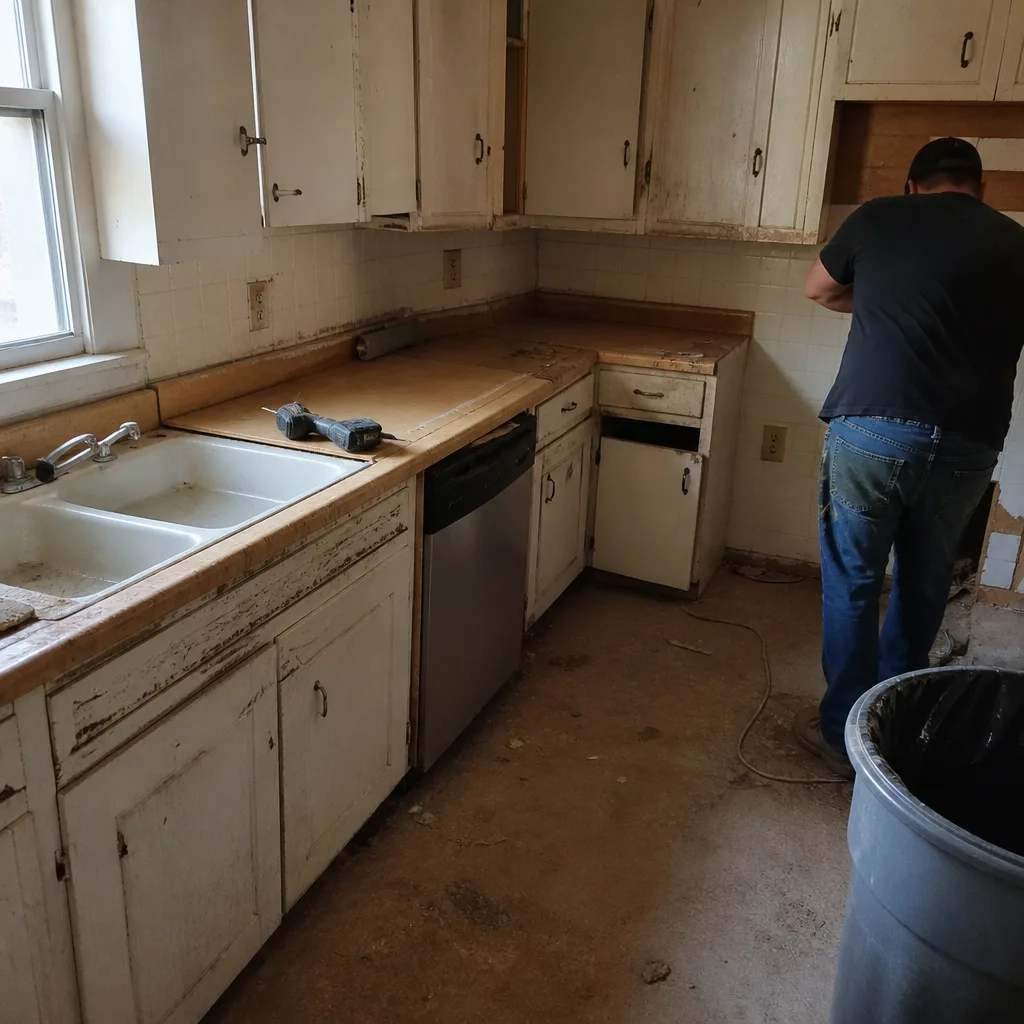 Before
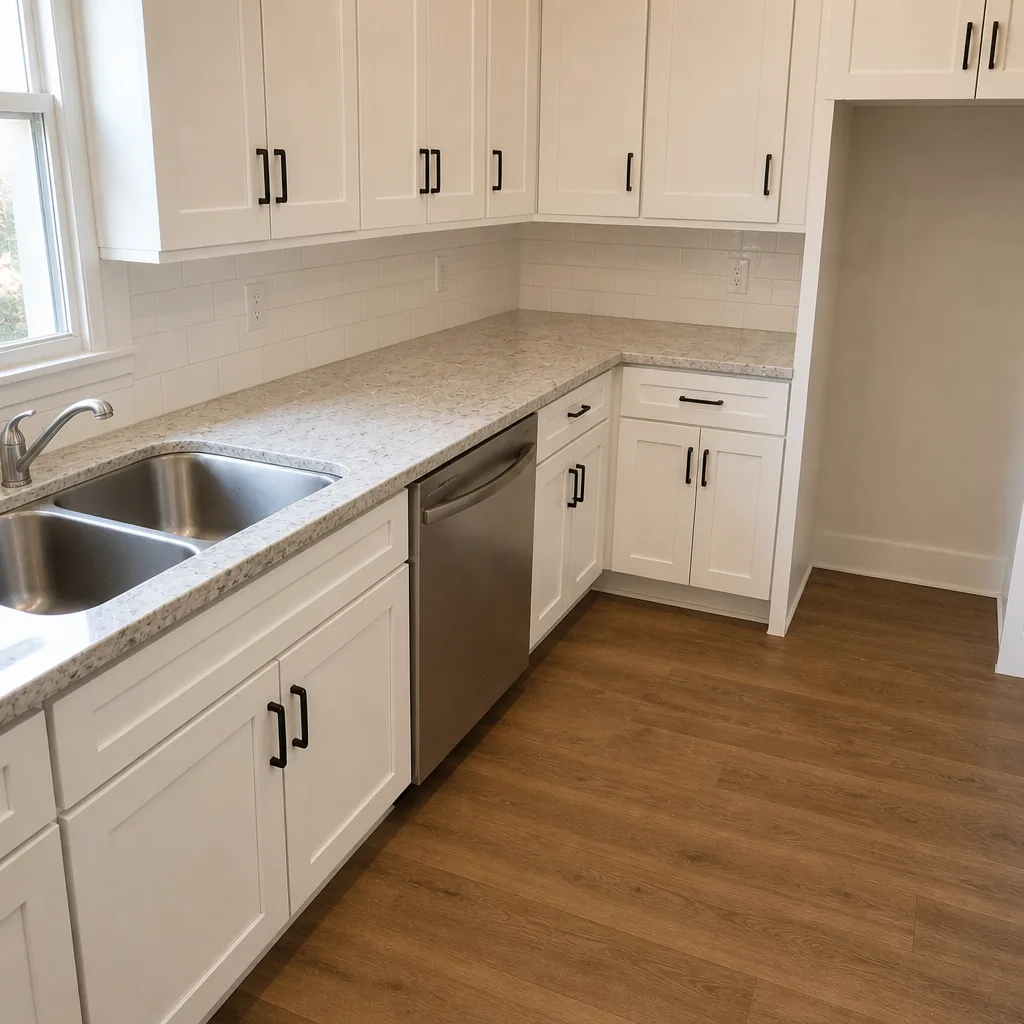 After
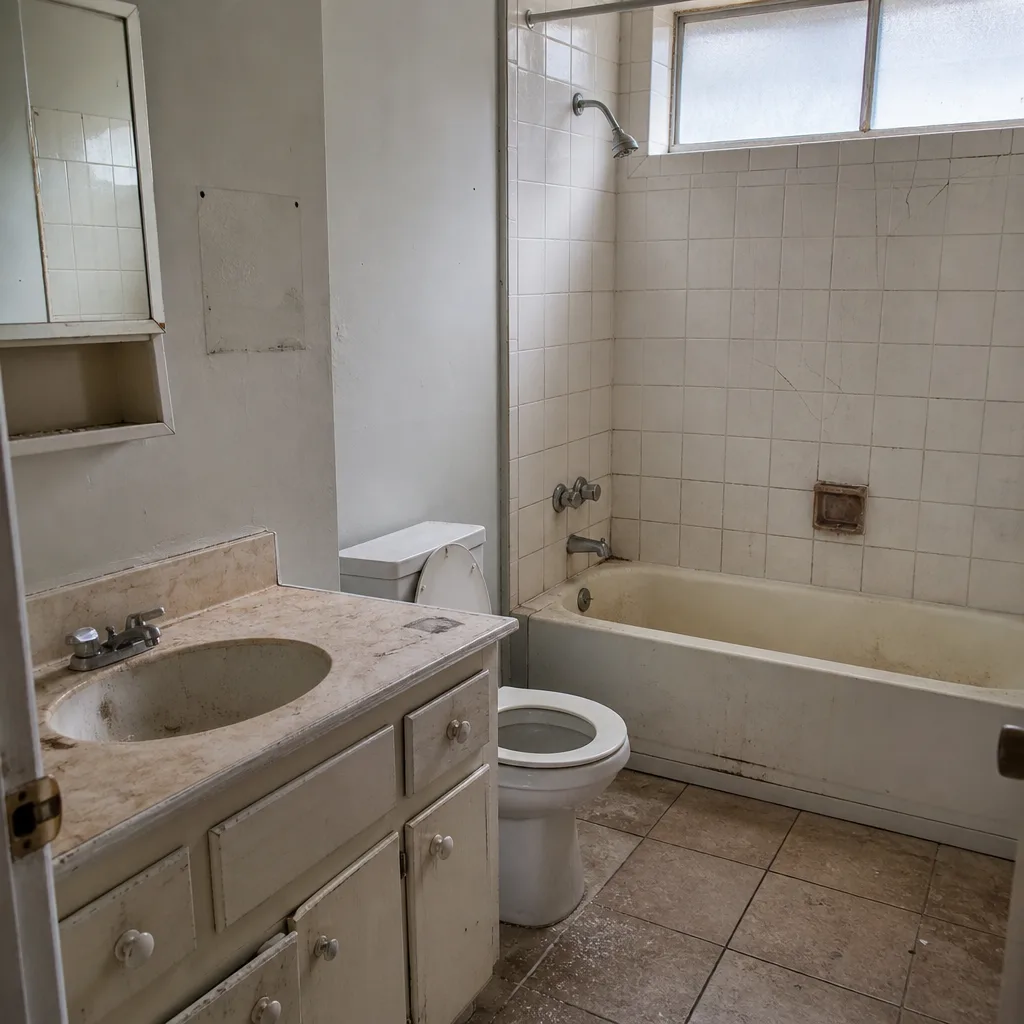 Before
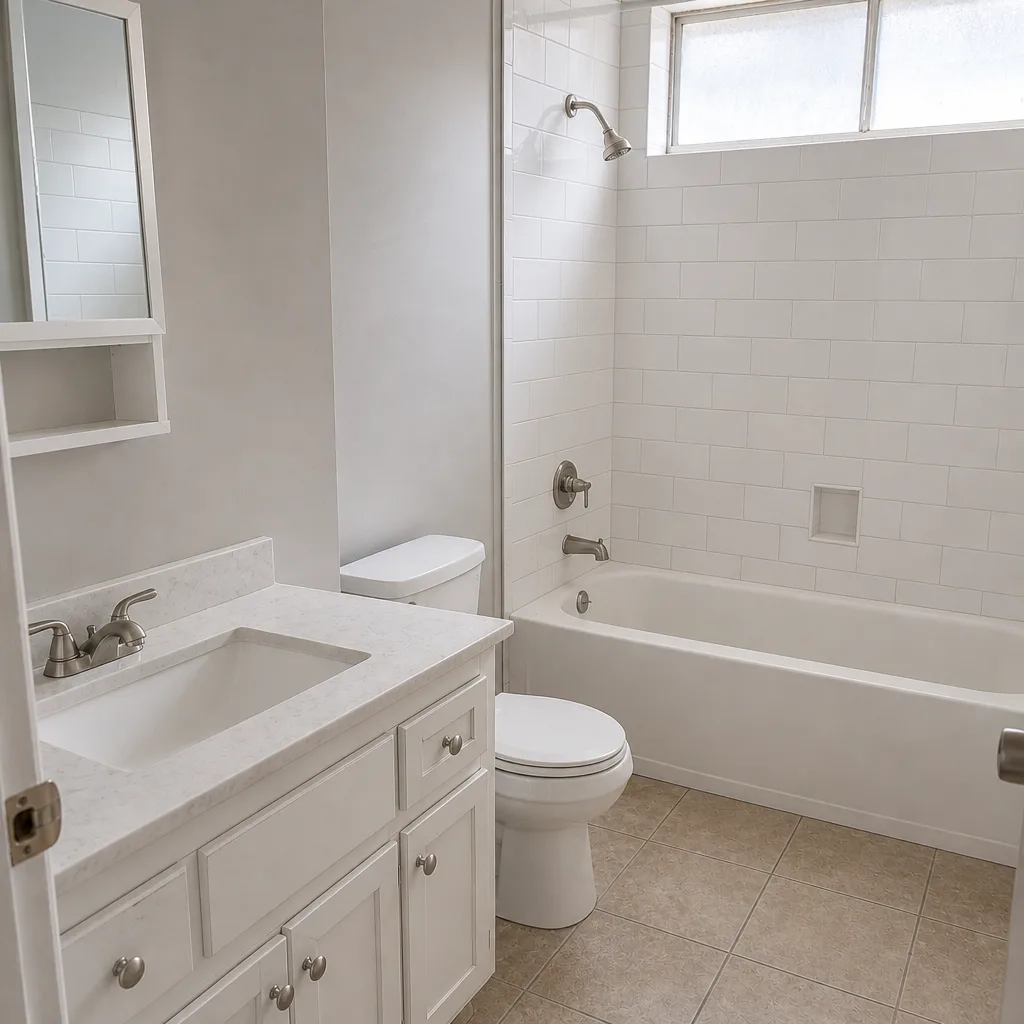 After
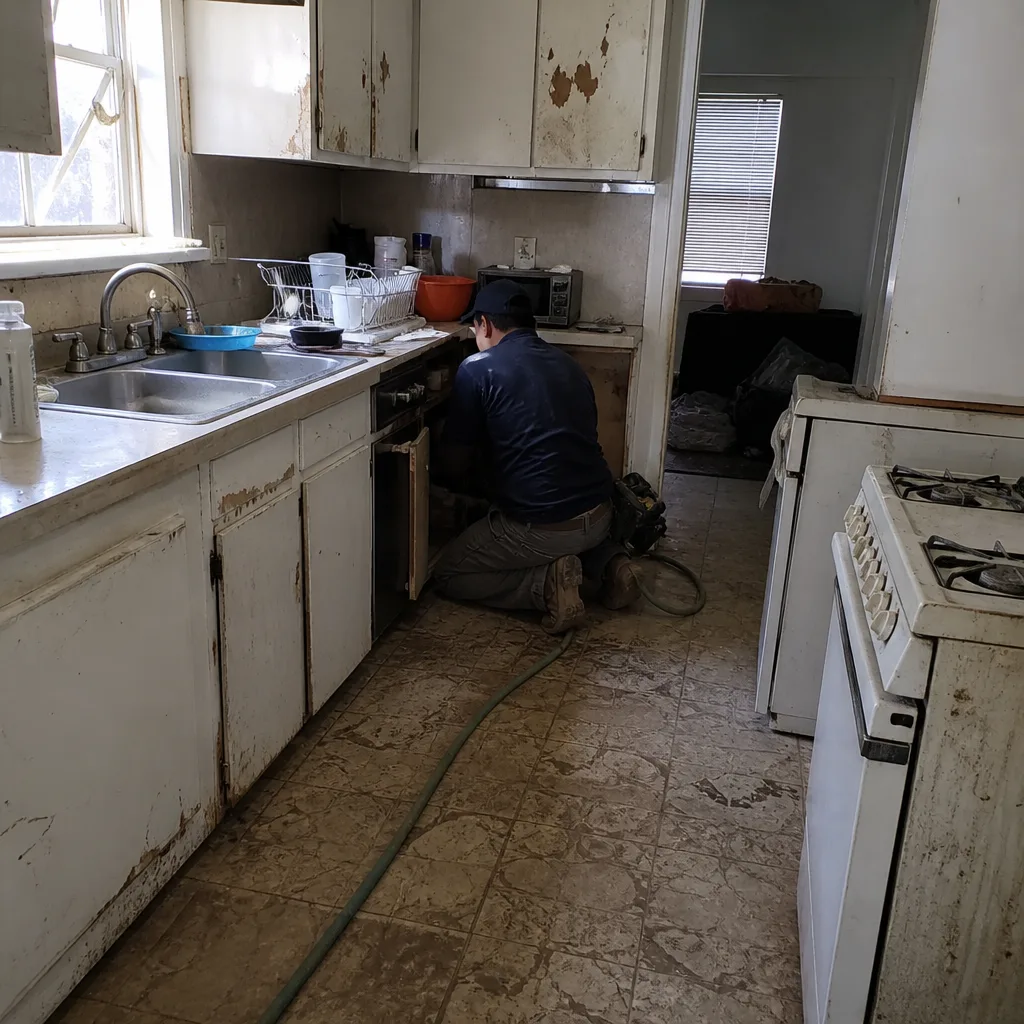 Before
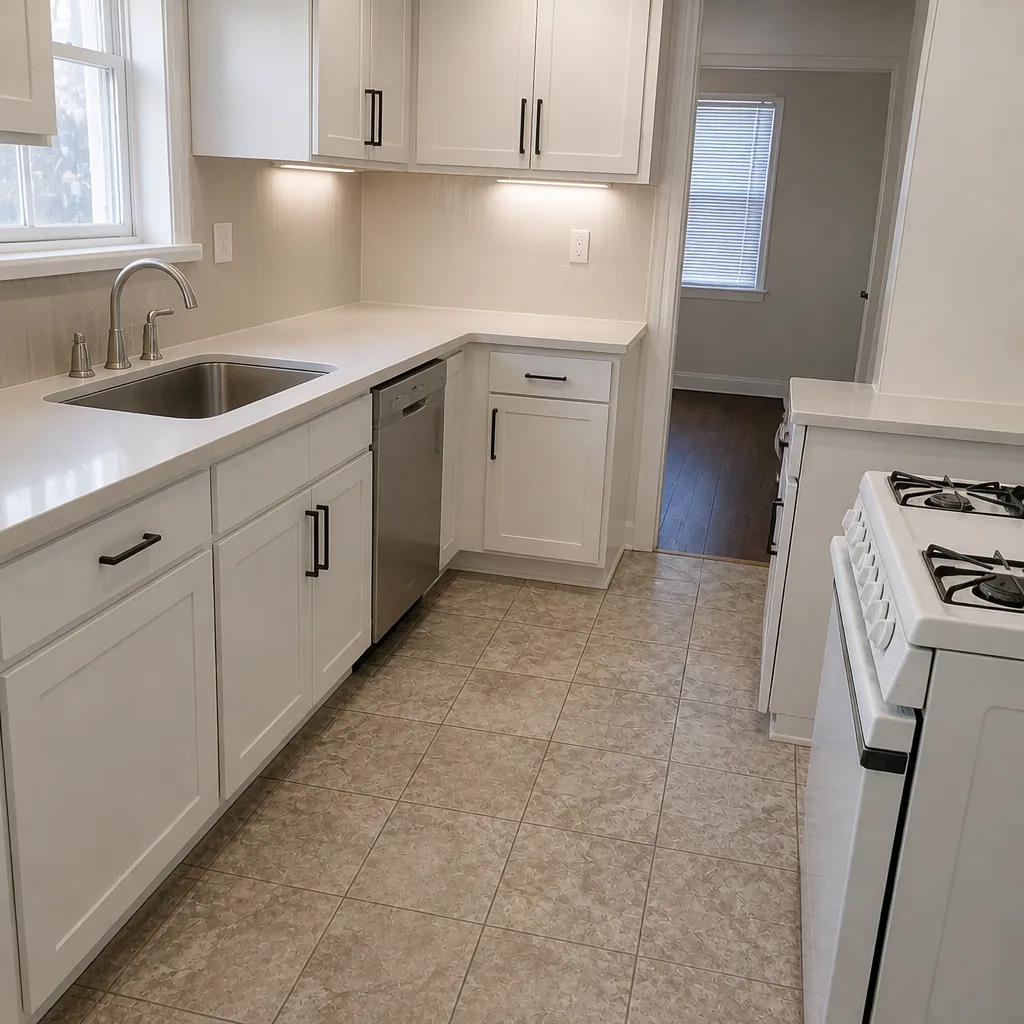 After