Last updated November 17, 2026






Free written scope consultation - allowances, timeline, and change-order rules on paper before a single trade is scheduled
Bathroom Remodeling Warning Signs Every Homeowner Should Know
The contractor who hands you the fastest quote and the lowest price is statistically the one most likely to trigger a second, more expensive remodel within five years. That’s not a knock on competition. It’s the pattern we see play out again and again when a homeowner picks a number instead of reading the document behind it. The signals that separate a trustworthy bathroom contractor from a five-figure mistake don’t hide in a portfolio or a fancy website. They sit in plain sight on the estimate, in the walkthrough conversation, and in the warranty language nobody reads until something cracks. This guide teaches you to read those signals before you sign anything in Mesquite.
Quick Answer
The biggest bathroom remodeling warning signs are vague estimate line items with no material specs, a contractor who skips questions about plumbing and ventilation during the walkthrough, missing license and insurance proof, unwillingness to pull permits, high-pressure discount tactics, and warranty language that protects the contractor instead of you. One or two are worth a conversation; three or more means walk away. A legitimate contractor gives you a written, itemized quote, asks detailed questions about your existing plumbing and subfloor, and never rushes your decision.
Styles & brands we work with
- Kitchen remodeling
- Bathroom remodeling
- Home additions & ADU
- Roofing
- Windows & doors
- Driveway & pavers
- Fence
Table of Contents
- Warning Signs Hiding in the Estimate Document Itself
- Behavioral Red Flags During the Walkthrough
- What Normal Licensing, Insurance, and Permits Look Like in Texas
- Pressure Tactics That Reveal Thin Margins
- What a Real Warranty Covers (and What Vague Language Hides)
- Why Allowances and Change Orders Blow Up Budgets
- The Questions That Separate Pros From Pretenders
- Common Mistakes to Avoid
- When to Call a Professional
Warning Signs Hiding in the Estimate Document Itself
The estimate is where the truth lives. A contractor can talk smoothly for an hour, but the document exposes how they actually work. In our experience reviewing hundreds of homeowner-supplied bids across Mesquite, the same tells show up on the documents that later cause trouble.
Read the quote line by line and look for these:
- “Bathroom remodel – labor and materials” as a single line. A real quote breaks out demolition, rough plumbing, electrical, tile, fixtures, vanity, and finish carpentry separately. One catch-all line means you have no idea what you’re paying for.
- No material specifications. “Tile” is not a spec. A trustworthy quote names the product, size, and finish, or at minimum gives you a selection allowance tied to a price. Brand names like Kohler for fixtures or KraftMaid-quality cabinetry tell you the contractor has real supplier relationships rather than a truck bed of whatever was on sale.
- No allowance for unknowns. A real professional budgets a contingency for what’s behind the wall because they know old homes in Mesquite hide surprises. A quote with zero contingency is either naive or setting up a change order later.
- No permit line item. In Texas, a bathroom remodel that moves plumbing or electrical requires a permit in most municipalities. A quote that silently omits permit fees is telling you who’s planning to skip the inspection.
- Missing start and finish dates. Vague timelines like “starts soon” mean your project gets squeezed between other jobs.
When a quote lists nothing but a total, ask for a breakdown in writing. A contractor who won’t produce one before work starts typically won’t produce one when you dispute the final bill. Our approach is upfront pricing where the number you see is the number you pay, and any legitimate competitor should offer you the same clarity. If you want to see how a full-scope contractor handles everything from a bathroom to a home addition or ADU in Mesquite without leaving gaps in the scope, that transparency is the standard to hold your bids against.
Behavioral Red Flags During the Walkthrough
Watch what the contractor does, not just what they say. A seasoned pro walks into your bathroom and starts asking about plumbing, ventilation, and subfloor before they talk about tile. A pretender measures the room, takes photos, and pitches a price.
Here’s what to pay attention to during the visit:
- Do they ask about your existing plumbing? Water pressure, pipe material, and shut-off valve condition all affect scope. In older Mesquite homes, galvanized or early copper plumbing is common and can fail during demolition. A contractor who ignores this isn’t planning for it in the price either.
- Do they inspect ventilation? North Texas humidity is punishing. A bathroom vented into the attic instead of outside breeds mold within a season. If your contractor doesn’t climb up and check where that vent terminates, they’ve already missed a critical step.
- Do they check subfloor condition? A pro will tap, look for soft spots, and ask about past leaks. Tile laid over a failing subfloor cracks within a year, and the failure is on you, not the contractor, unless the warranty says otherwise.
- Are they writing things down? Notes on a clipboard or tablet during the walkthrough signal attention. A contractor who promises to “remember” the details of your plumbing situation is going to forget them.
- Do they dress and identify professionally? Background-checked, uniformed technicians on the job is a baseline commitment, not a luxury. An unmarked van and a vague introduction are your cue to keep looking.
Climate matters here in ways out-of-market contractors miss. Mesquite sits in a hail-and-heat zone where exterior transitions on bathroom additions and venting have to be detailed for both. A contractor who understands local conditions will talk about moisture management without you having to bring it up. That’s the kind of expertise that separates a real pro from a price-hunter.
What Normal Licensing, Insurance, and Permits Look Like in Texas
Texas doesn’t license general contractors at the state level, which is exactly why you have to know what normal looks like. Here’s the baseline for a legitimately operating bathroom remodeling contractor in the Dallas-Metroplex area around Mesquite:
- General liability insurance. Ask for a certificate of insurance naming you as the insured or showing current coverage. An unwillingness to produce it means uninsured risk lands on your home.
- Workers’ compensation coverage. If a worker is injured on your property without workers’ comp, the medical and legal exposure can follow you. A legitimate operation carries it.
- Trade-specific licensing. Plumbing and electrical work are licensed at the municipal and state level in Texas. A contractor who lets an unlicensed worker touch plumbing or wiring is a walking liability.
- Permits pulled in writing. Ask which permits will be pulled and under whose name. In Mesquite, a bathroom remodel that relocates fixtures, adds electrical, or changes the layout typically requires a permit and inspection. A contractor who says “we don’t need one for a bathroom” is either wrong or cutting corners.
- Inspection results passed. A pro has no problem showing you the inspection sign-off. Ask for it before final payment.
Here’s what makes the licensing question sneaky: an unlicensed contractor often talks like a licensed one. The tell is in the paperwork. If you ask for proof of insurance and a permit pull schedule and get defensive answers, you’ve learned everything you need to know. Insured, bonded, permit-pulling contractors expect the question and answer it without drama. That’s the posture of a firm that stands behind the work.
Pressure Tactics That Reveal Thin Margins
High-pressure sales tactics are a tell. A contractor working on a healthy margin can wait for your decision. A contractor scraping for the job has to manufacture urgency, and here’s the important part: the urgency doesn’t come from a real deadline. It comes from a business model that can’t survive without constant new deposits.
Watch for these:
- Discounts that expire today. “Sign by Friday for 15% off” is a manufactured deadline. Legitimate promotions like our standing $1,000 off projects over $10,000 don’t evaporate if you sleep on the decision.
- Deposit demands before a written scope exists. A contractor asking for a large deposit before you have an itemized contract is protecting their cash flow, not your project. Normal deposits are tied to a signed, detailed scope.
- “We had a cancellation this week.” This line is often used to slot you into a schedule you didn’t agree to, or to rush a contract before due diligence.
- Discouraging second opinions. A pro wants you to compare quotes because they know theirs holds up.
- Running down other bidders. If a contractor spends more time trashing competitors than explaining their own process, they’re selling against their own insecurity.
In our experience, the pressure-to-paperwork ratio is the single fastest read on a contractor. The more a bidder leans on time-sensitive discounts and less on documented scope, the thinner the margin, and thin margins mean cut corners somewhere in your Mesquite bathroom.
What a Real Warranty Covers (and What Vague Language Hides)
Warranty language is written by lawyers for the party with the most negotiating power, and in a bad contract that party is the contractor. Learn to read the difference.
A strong warranty states what it covers, for how long, what triggers a claim, and how quickly the contractor responds. Vague language does the opposite: it says “workmanship warranty” without defining workmanship, sets a short window that barely outlasts the labor, and carves out “normal wear” so broadly that almost any failure becomes your problem.
What to demand in writing:
- A defined term. The warranty should specify a number of days or years and what falls inside it, not “industry standard.”
- Coverage of workmanship and materials. Two separate clocks. Cabinet and fixture manufacturers cover their products; the contractor covers installation. Make sure both are named.
- A clear claim process. Who do you call, how fast do they respond, and what do they fix versus replace?
- No fine print that blames the homeowner for installation failures. Watch for clauses that void coverage if the homeowner “modifies” anything or used the bathroom “normally.” That last one is unquantifiable and dangerous.
- Transferability. A strong warranty survives a home sale. A weak one dies with you.
Our 730-Day Done Right Promise exists because we saw too many bathroom customers discover that their “warranty” excluded the exact failure they were calling about. Two years of coverage on workmanship is a meaningful standard, and anything less than a clearly defined term is a sign the contractor is reserving the right to walk away from their own work.
Why Allowances and Change Orders Blow Up Budgets
Allowances are the escape hatch in otherwise reasonable-looking bids. An allowance is a dollar figure budgeted for a material (tile, fixtures, vanity) that you select later. Set too low, it functions as a rebate for the contractor’s quote and a surprise for your wallet.
Here’s the pattern: a bid quotes a $1,200 tile allowance. You walk into the showroom and the tile the contractor had in mind runs $3,200. Now you either pay the difference or downgrade. A real bid sets allowances that match the actual product lines the contractor installs, and shows samples before you sign.
Change orders are the other budget killer. Legitimate change orders exist (you decide to upgrade the vanity, you discover a hidden leak). But change orders that come from a contractor who missed the plumbing scope during the walkthrough are the contractor’s error passed to you. Prevent them by insisting on:
- A line-item scope with real material specs.
- A written allowance schedule matched to products you can see.
- A clause stating who pays when the contractor missed a material scope item.
- A change-order process requiring your written approval before any additional work starts.
We’ve seen Mesquite homeowners absorb ten to twenty thousand dollars in change orders because a bidder left the plumbing, ventilation, and subfloor scope vague. That’s not unpredictable. It’s a business model. Upfront pricing means the number you see is the number you pay, and any contractor worth signing with commits to that in the contract.
The Questions That Separate Pros From Pretenders
You don’t need to know construction to assess a contractor. You need to know what questions to ask and how to read the answers. Bring this list to your next estimate in Mesquite:
- “Can I see proof of insurance?” They should have it ready. Not “I’ll email it later.”
- “Which permits will you pull, and under whose name?” A vague answer here is a serious flag.
- “Where’s the bathroom vent currently terminating?” They should know without climbing a ladder in front of you. If they haven’t checked, that’s a tell.
- “What’s my schedule and who’s on the crew each day?” Background-checked, uniformed pros on every job is a legitimate expectation, not an upsell.
- “What’s your warranty, in writing, and what does workmanship mean?” Ask them to define it on paper.
- “Give me three recent bathroom jobs in the area I can contact.” A real portfolio and references follow within a day.
- “Who answers the phone if there’s an issue?” A live person at the number on the contract is a service commitment. Voicemail black holes are the flip side.
Every answer you get here tells you something. The way a contractor handles a direct question – with documentation or with deflection – is exactly how they’ll handle a problem mid-project. Pick the one who treats the questions as routine, because to a company that runs clean, they are. If you’re also weighing other exterior work at the same time, look at how transparent the same contractor is on driveway and pavers in Mesquite as a quick consistency check.
Common Mistakes to Avoid
- Comparing bottom-line prices instead of line-item scopes. Two identical totals can hide completely different work. One includes permit pulls and a real subfloor scope; the other doesn’t. Read the document, not the number.
- Skipping the inspection of existing plumbing in an older Mesquite home. Demolition exposes problems. If the contractor didn’t look, you’re paying for the surprise two weeks in.
- Assuming the warranty covers what actually breaks. Vague workmanship language lets contractors deny claims on installations. Get the term in days and the trigger in writing.
- Signing before the allowance schedule is nailed down. Mesquite tile runs the range from builder-grade to premium designer. An allowance that doesn’t include product names is a blank check you’re about to sign.
- Letting an unlicensed trade worker do plumbing or electrical. Texas requires licensing for both trades. If your contractor won’t confirm the trade licenses of their subs, ask why.
- Ignoring the speed-to-detail ratio. A quote that arrives in six hours with no material specs is not a competitive advantage. It’s an incomplete bid.
- Failing to verify the contractor operates live, not voicemail-only. When a leak shows up after final payment, the response number matters more than the initial sales pitch.
See the difference
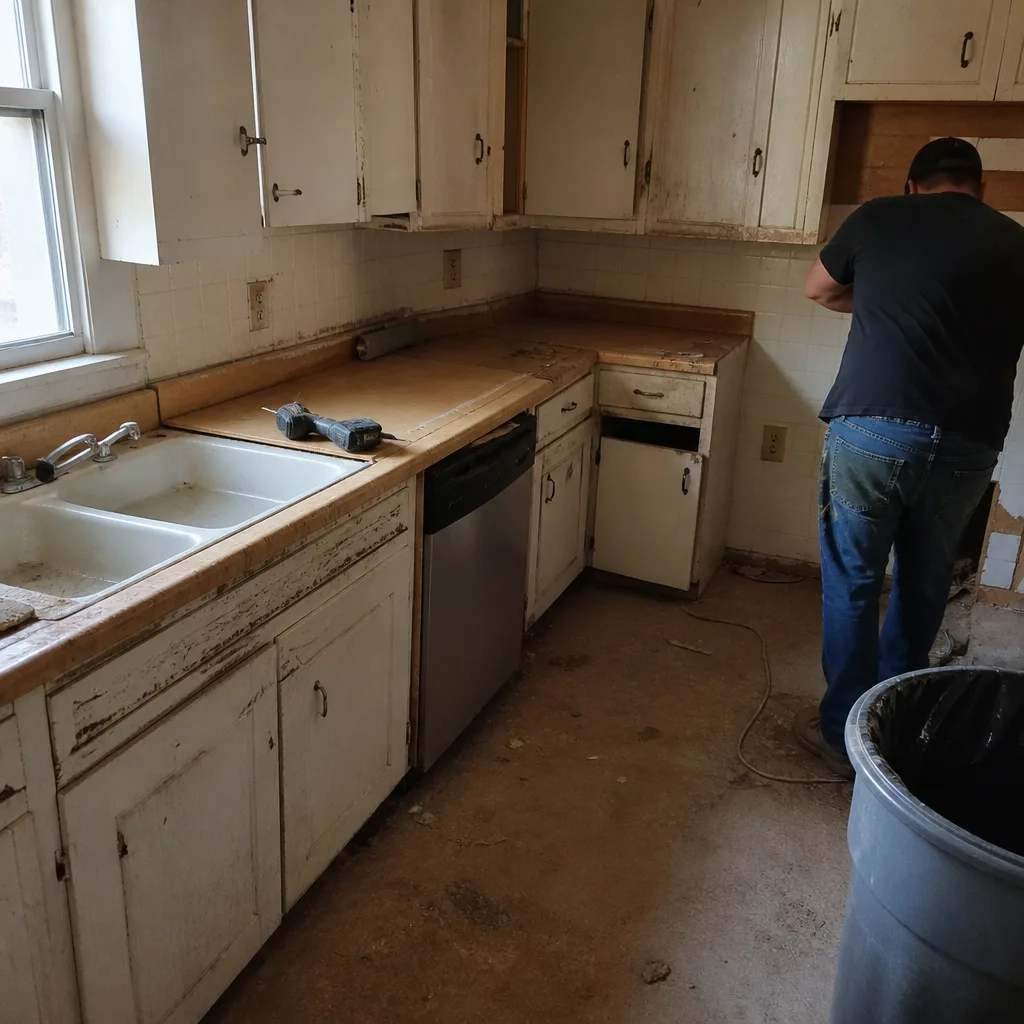 Before
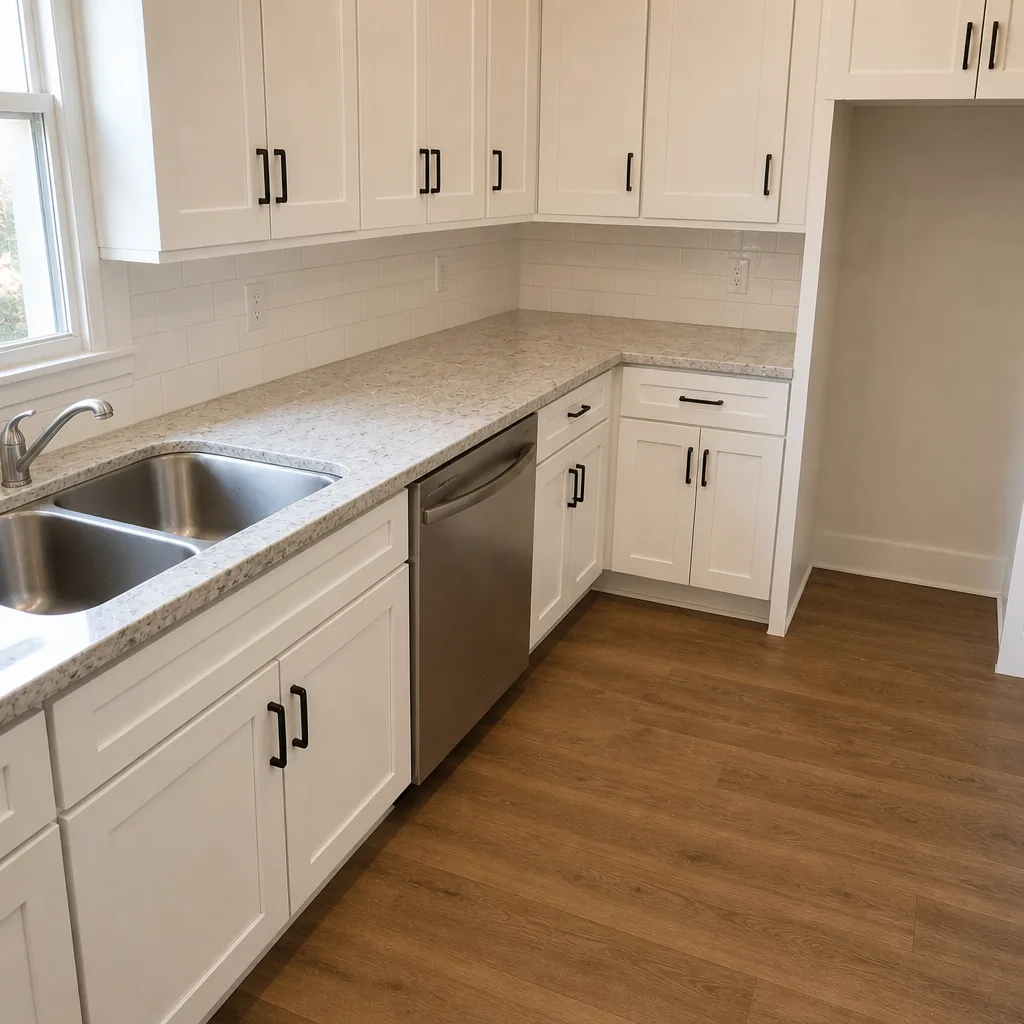 After
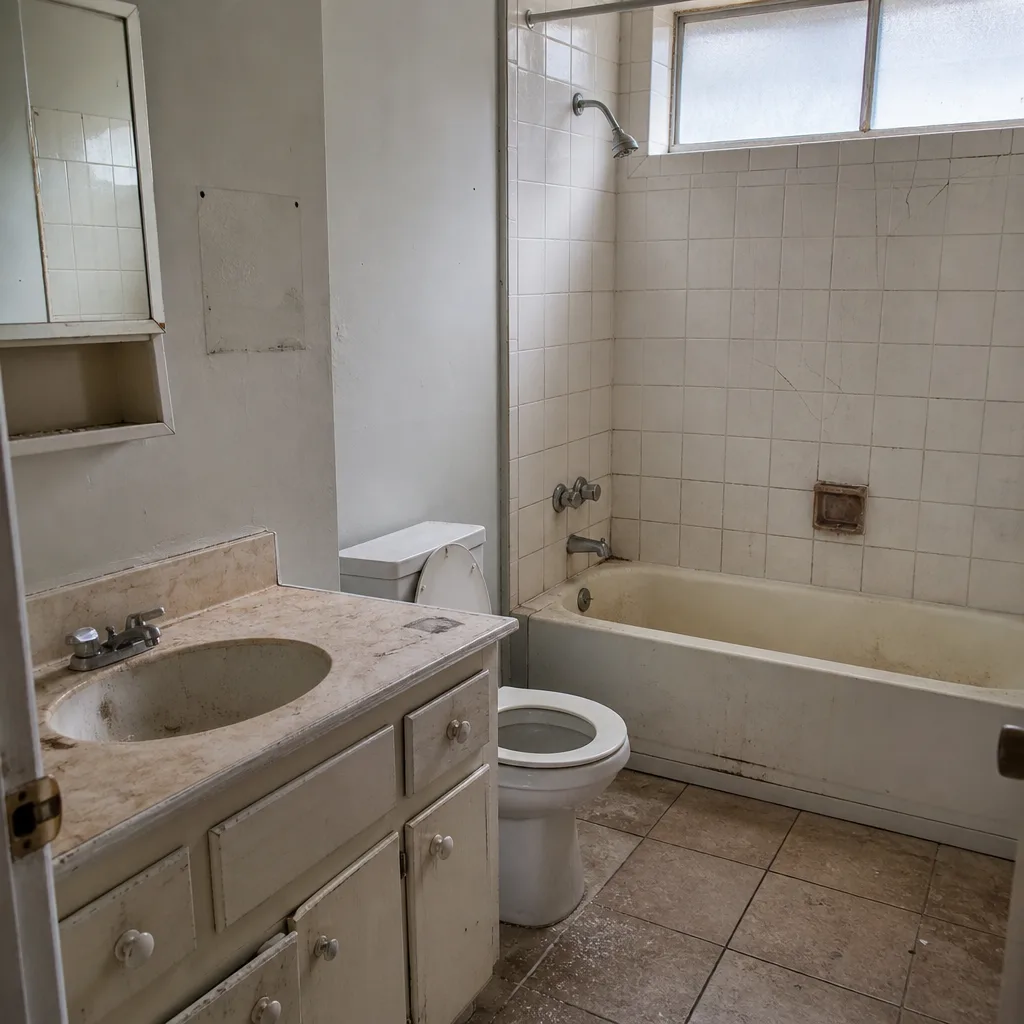 Before
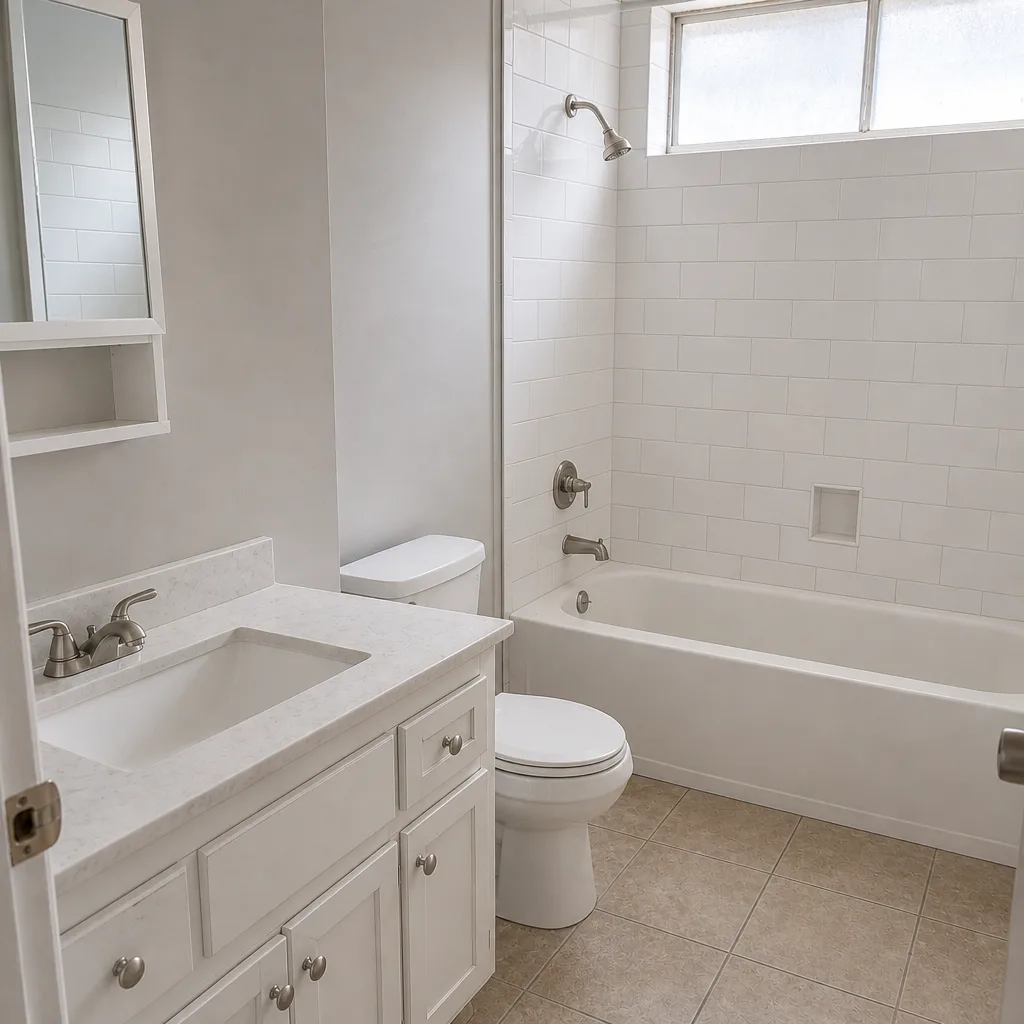 After
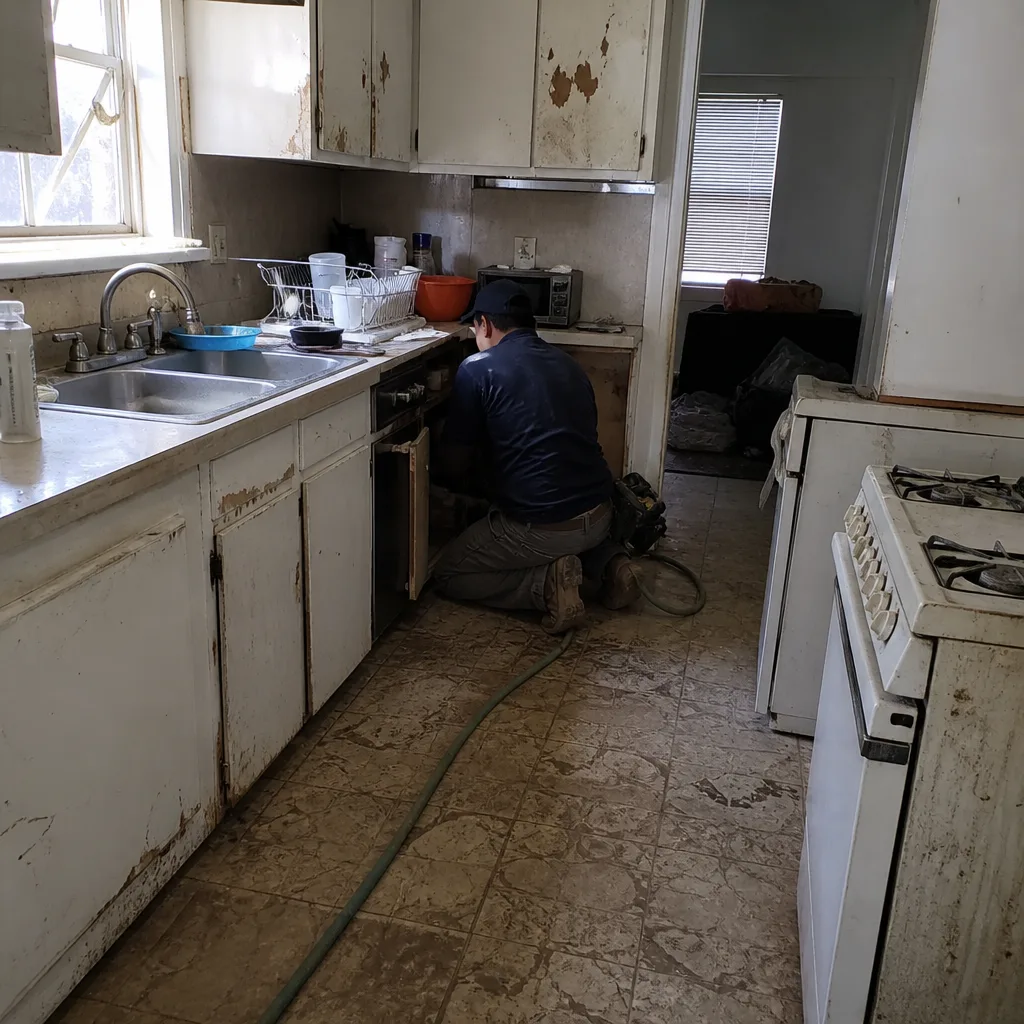 Before
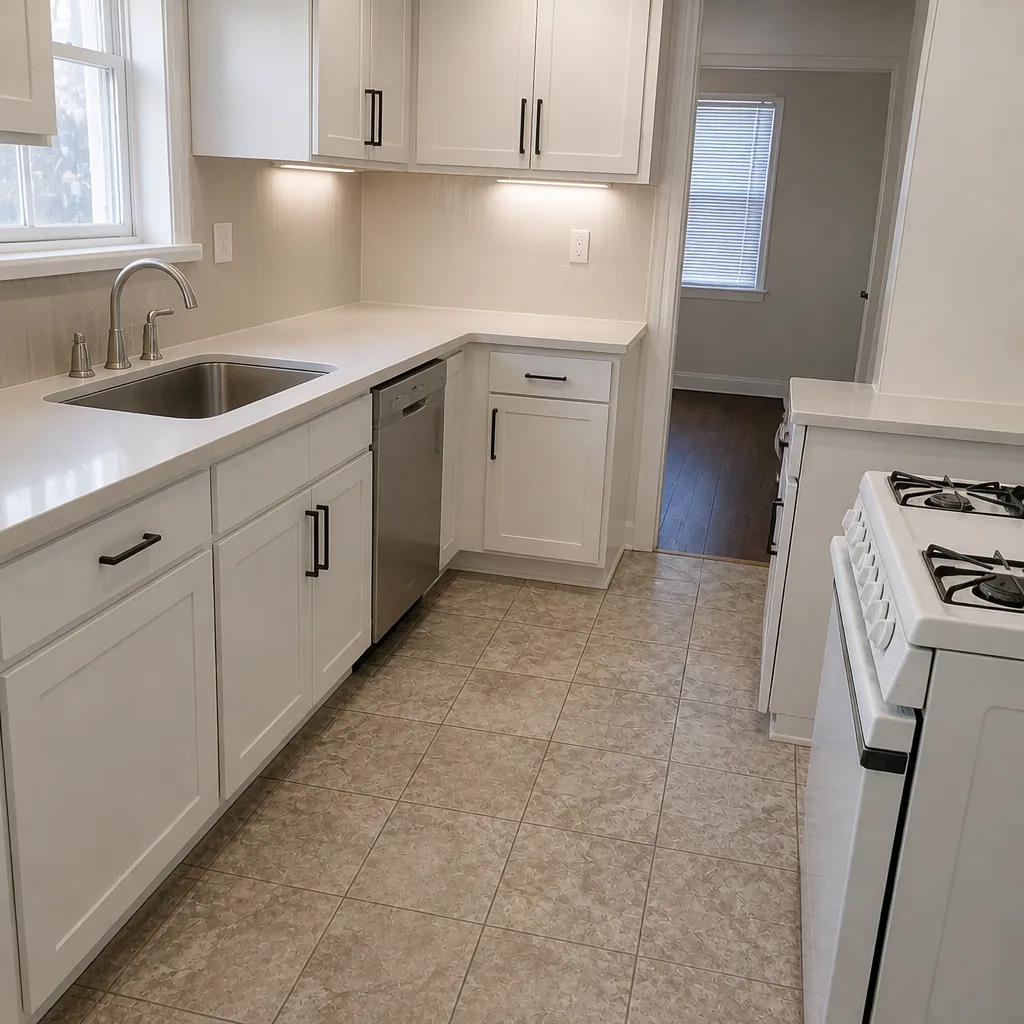 After
When to Call a Professional
Some warning signs are obvious (no license, no insurance). Others show up after the job is already underway: a contractor who won’t pull permits, a crew that can’t produce the itemized scope you signed, or a warranty that disappears when you try to use it. When you hit those points, it’s time to bring in a contractor who runs on documentation. Groundwork Construction Co. of Mesquite offers free estimates in Mesquite, backed by the 730-Day Done Right Promise, upfront pricing, and a live person answering the phone 24/7. Our technicians have up to 12 years of experience, so the walkthrough questions you now know to ask are the ones we ask first. Call (888) 426-8078 to schedule your free estimate and see what a clean bid looks like.
Frequently Asked Questions
A vague estimate with no line items and no material specs is the single biggest red flag. A quote that says “bathroom remodel” with one total tells you nothing about what’s included, so you can’t verify anything you’re paying for. Ask for a written breakdown that separates demolition, plumbing, electrical, tile, fixtures, and carpentry. Call (888) 426-8078 for a free estimate with a fully itemized quote.
Texas doesn’t license general contractors at the state level, but plumbing and electrical trades require licensing, and bathroom remodels that relocate fixtures or add electrical generally need municipal permits and inspections in Mesquite. A legitimate contractor will confirm which permits they’ll pull and show proof of general liability and workers’ comp insurance. Anything short of that is a warning sign.
Bathroom remodeling costs in the Dallas-Metroplex area typically range from a moderate refresh in the five-figure range to a full gut renovation well above that, depending on square footage and materials. The exact number depends on your scope, plumbing condition, and material grade. The important thing is a written, itemized quote with real material specs and a contingency for what’s behind the wall. Call (888) 426-8078 for a free estimate and a written line-item quote.
It shouldn’t. With a fully itemized scope and a written allowance schedule, the only legitimate changes come from decisions you make or unforeseen conditions disclosed in writing before additional work begins. Any contractor whose price floats upward without a signed change order is telling you their initial bid was incomplete. Our upfront pricing means the number you see is the number you pay.
A real warranty defines a specific term in days or years, covers workmanship and manufacturer materials separately, explains the claim process, and specifies response time. Vague phrases like “industry standard workmanship” let contractors deny claims on your installation. Get the term in writing before you sign. Our work is backed by the 730-Day Done Right Promise – if it’s not done right, we make it right.
A typical bathroom remodel takes a few weeks for a mid-scope job and longer for a full gut renovation, depending on permit timing through municipal inspection cycles. A contractor who won’t put start and finish dates in writing is either guessing or planning to slot your job between others. Ask for the schedule in the contract. Call (888) 426-8078 to schedule your free estimate and get a written project schedule.
The Bottom Line
The signals that separate a trustworthy bathroom contractor from a costly mistake are on the paper, not in the pitch. Read the estimate for real line items and material specs. Watch the walkthrough for questions about plumbing, ventilation, and subfloor. Demand proof of insurance and a permit pull schedule. Refuse to sign under manufactured deadlines. Get the warranty in writing with a defined term. And remember, the fastest, cheapest bid is statistically the most likely to cost you a second remodel within five years. If you want to see what a documented bid looks like from a contractor that stands behind the work, Groundwork Construction Co. of Mesquite is here to help.
From bathroom remodels to the full scope of what we build in Mesquite, we operate with the same standard. If you’re also planning exterior work, see how we handle fence installation in Mesquite with the same 730-Day Done Right Promise. Our technicians have up to 12 years of experience, and we use a curated set of verified brand partners across every trade so you choose quality, not just availability. Call (888) 426-8078 to schedule your free estimate – a live person answers 24/7, and the number you see is the number you pay.
Written by the team at Groundwork Construction Co. of Mesquite.