



Free written scope consultation - allowances, timeline, and change-order rules on paper before a single trade is scheduled
What a Chain Link Fence in Princeton, TX Actually Involves
A chain link fence in Princeton, TX typically runs $3,500 to $9,000 for a standard residential lot, with most jobs finished in two to four days once materials land on site. The work is straightforward: set posts in concrete, stretch the mesh, hang the gates. The variables are where the money hides – fence length, gate count, top-rail gauge, and what’s buried in the ground along the run. Call (888) 426-8078 and we’ll walk your property line and give you a written number, free.
How We Build a Chain Link Fence, Step by Step
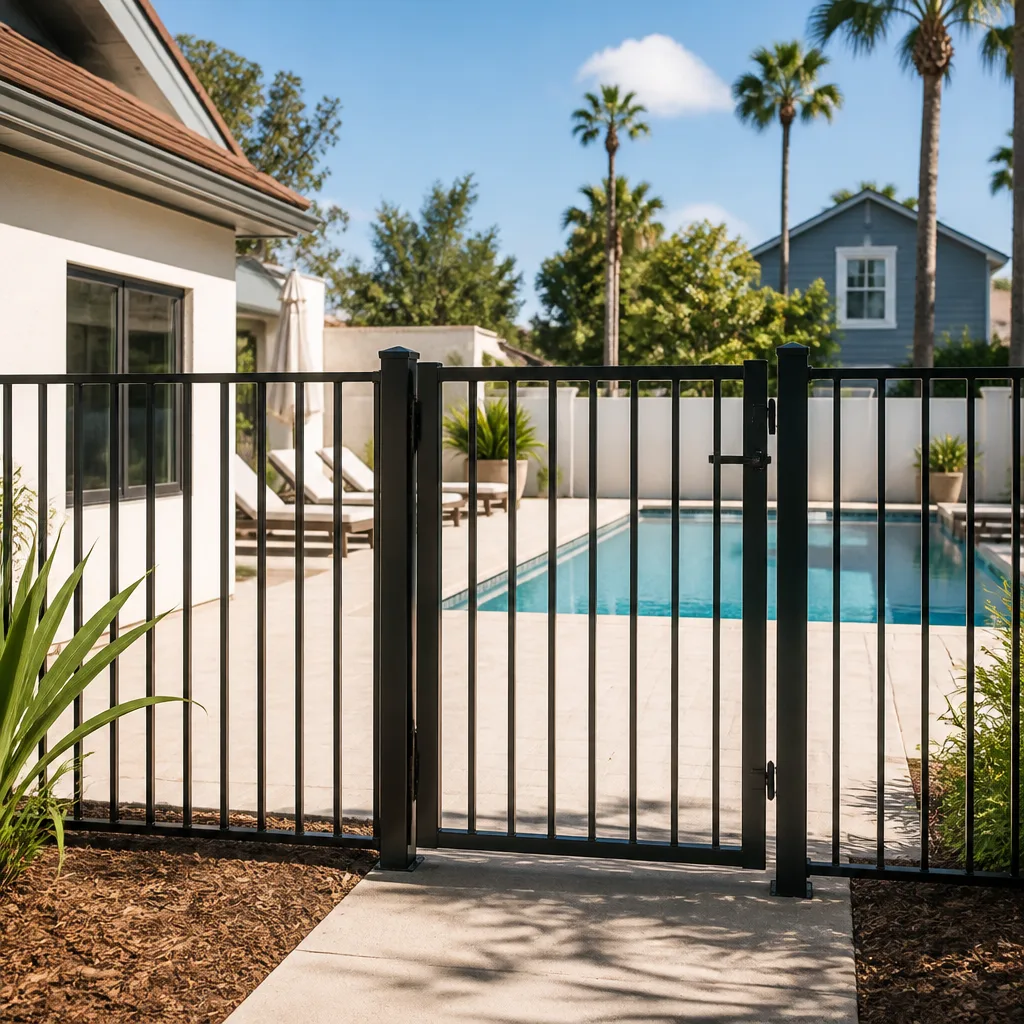
Every chain link job follows the same sequence. Here’s what actually happens on your property and where you’ll be making decisions.
Day 1, morning: the layout walk. We meet you on site and mark the fence line with stakes and string. This is where you decide the exact run – corners, gates, and whether you’re closing off a side yard or wrapping the whole back acreage. On larger Princeton lots we walk the property line against your survey plat, because a foot of drift over a long rural run adds up. You approve the staked line before anything gets dug.
Day 1, afternoon: digging and setting posts. Terminal posts, corner posts, and gate posts get set in concrete first, and they get the deepest holes – typically 24 to 36 inches depending on soil and fence height. Line posts follow at 8- to 10-foot spacing. This is the slow part on Princeton ground. Blackland clay is dense when dry and turns slick fast when it’s wet, so a soft spring after heavy rain can add half a day of hand work to a run that would be fast on sandier soil.
Day 2: concrete cure and frame assembly. Post concrete needs to set before we load the fence. We use that window to build and hang gates and to set the top rail and tension bars. On a 200-foot run with two gates, this is a full morning. You’ll pick your gate swing direction and latch side here if you haven’t already.
Day 3: mesh stretch and tensioning. The chain link fabric gets pulled from terminal post to terminal post, tied off, and tensioned until it’s flat with no sag. We bottom-tension every panel so dogs can’t push under the mesh. Corner and gate posts get their final brace check, and any cut ends get trimmed and capped.
Day 3 or 4: walkthrough. We walk the fence with you, check every gate for smooth swing and latch, and confirm nothing is leaning or loose. That final inspection is the moment to raise anything that looks off, because after we leave the fence is yours. Your written estimate lists the spec you approved, and the 730-Day Done Right Promise covers the workmanship behind it.
Styles & brands we work with
- Kitchen remodeling
- Bathroom remodeling
- Home additions & ADU
- Roofing
- Windows & doors
- Driveway & pavers
- Fence
The Spec Choices That Actually Change the Fence
Chain link looks like one product from the road. It’s not. These are the decisions that separate a fence that holds for a couple decades from one that sags and rusts in five years.
- Gauge and coating of the mesh. Standard residential fabric is 11.5 gauge; heavy residential and light commercial use 11 or 9 gauge. Galvanized-only fabric is cheapest and will spot rust over time. Vinyl-coated mesh (usually black or green) costs more but hides rust, cuts glare, and reads much cleaner from the street.
- Top rail weight and rail style. A 1-3/8″ 17-gauge top rail is the builder-grade standard. Stepping up to a heavier 16-gauge rail with a full line-post top-rail loop stops the sagging you see on cheap fences after a few summers.
- Post height and gauge. Four-foot is the common residential height. Five-foot adds privacy and keeps larger dogs contained. Six-foot is where most HOAs and pool-code runs land. Thicker-wall posts (schedule 20 vs. schedule 40) matter on tall fences and windy open lots.
- Gate type and hardware. Walk gates with self-closing hinges and a quality latch cost more upfront and save the sag that cheap hinges produce within a year. Drive gates need a heavier frame and, on long spans, a drop-rod or double-gate setup.
- Bottom tension and concrete depth. This isn’t a product choice but a build choice, and it’s the one most bids quietly skip. Fully tensioned bottom wire and concrete-set posts are what keep the fence straight through seasonal clay movement.
For most Princeton residential lots we recommend vinyl-coated mesh on heavier top rail. On raw acreage or a shop run, galvanized fabric with schedule 40 posts makes more sense because it takes a beating and is easier to repair in place.
What a Chain Link Fence Costs in Princeton, TX
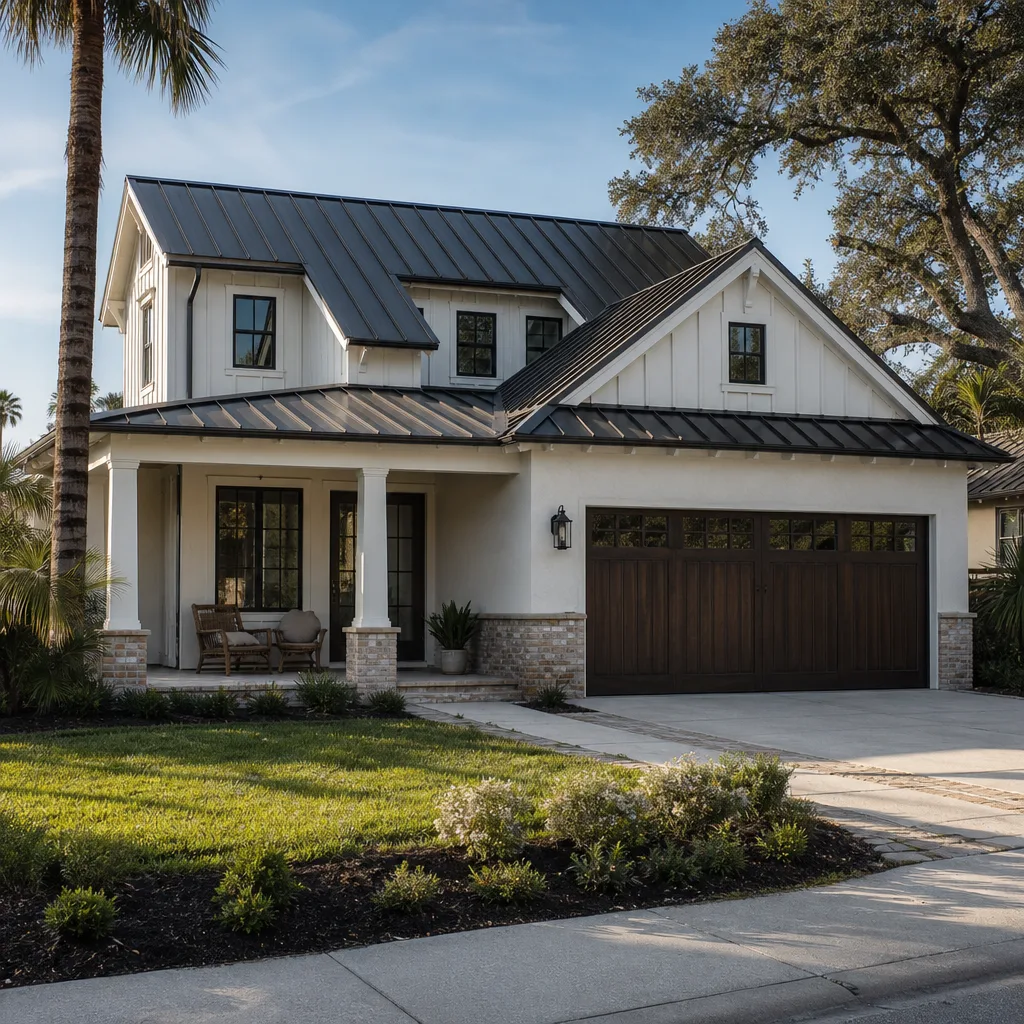
Most Princeton chain link fence projects land between $3,500 and $9,000. Here’s what’s behind that spread:
- $3,500 to $5,000: a standard quarter-acre backyard run, four-foot galvanized fence, one walk gate, straight lines, easy digging.
- $5,000 to $7,000: larger perimeter, five-foot vinyl-coated fence, two gates, heavier top rail, some corner work or slope.
- $7,000 to $9,000: half-acre or more, six-foot fence, multiple gates including a drive gate, or a run across rough or debris-laden ground on a former pasture lot.
The four variables that push a job toward the top of that range are run length, gate count and size, fence height and gauge, and site conditions – old fence to remove, buried debris, hard clay, or a sloped line. On raw acreage we sometimes hit old farm debris or a buried tank where the land was recently grazing, and that adds hand-digging time. Permits are a smaller line item but can apply depending on height and location; we’ll tell you during the estimate whether your Princeton fence needs one.
Every written estimate we hand you is line-item: footage, gauge, coating, post schedule, gate count and type, concrete, and any removal or debris haul-off. What’s typically not included unless we quote it: clearing heavy brush before digging, removing an existing fence, and bringing utilities up to code along the run.
See the difference
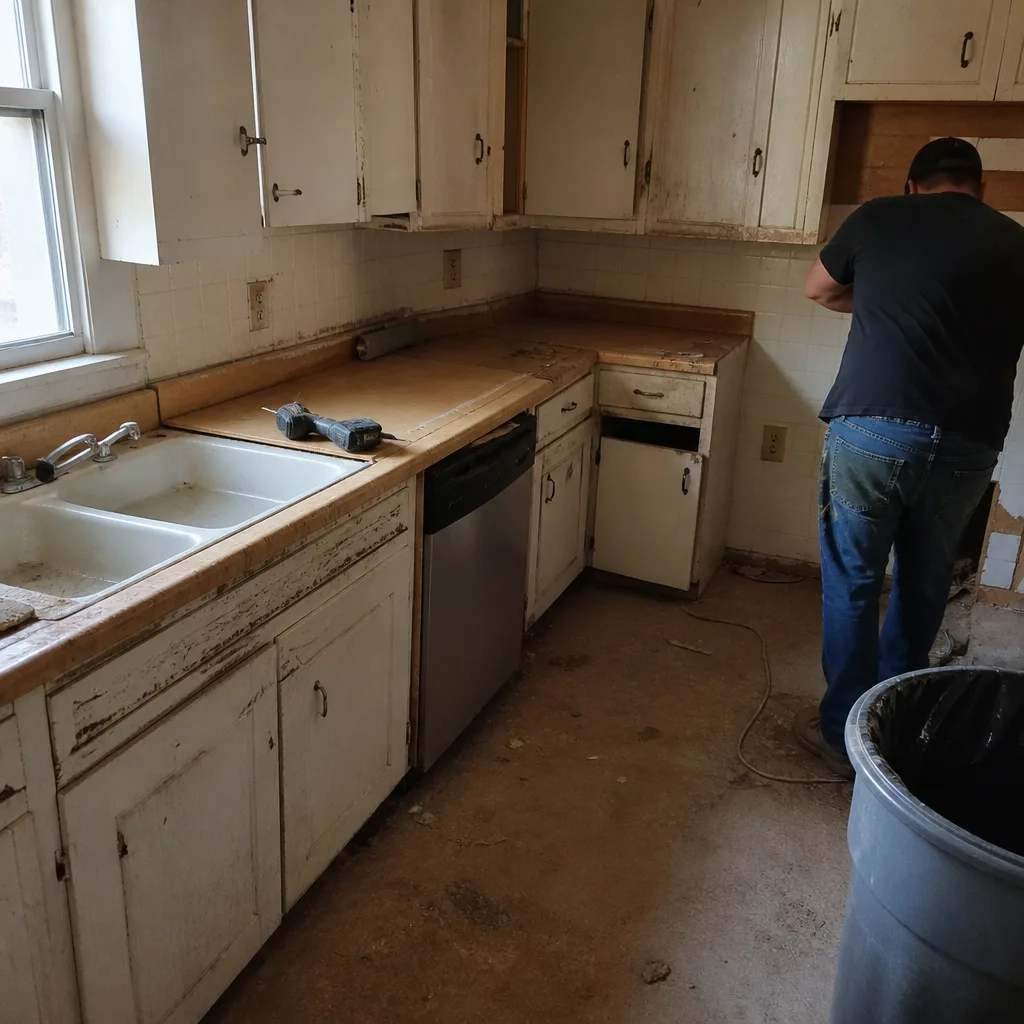 Before
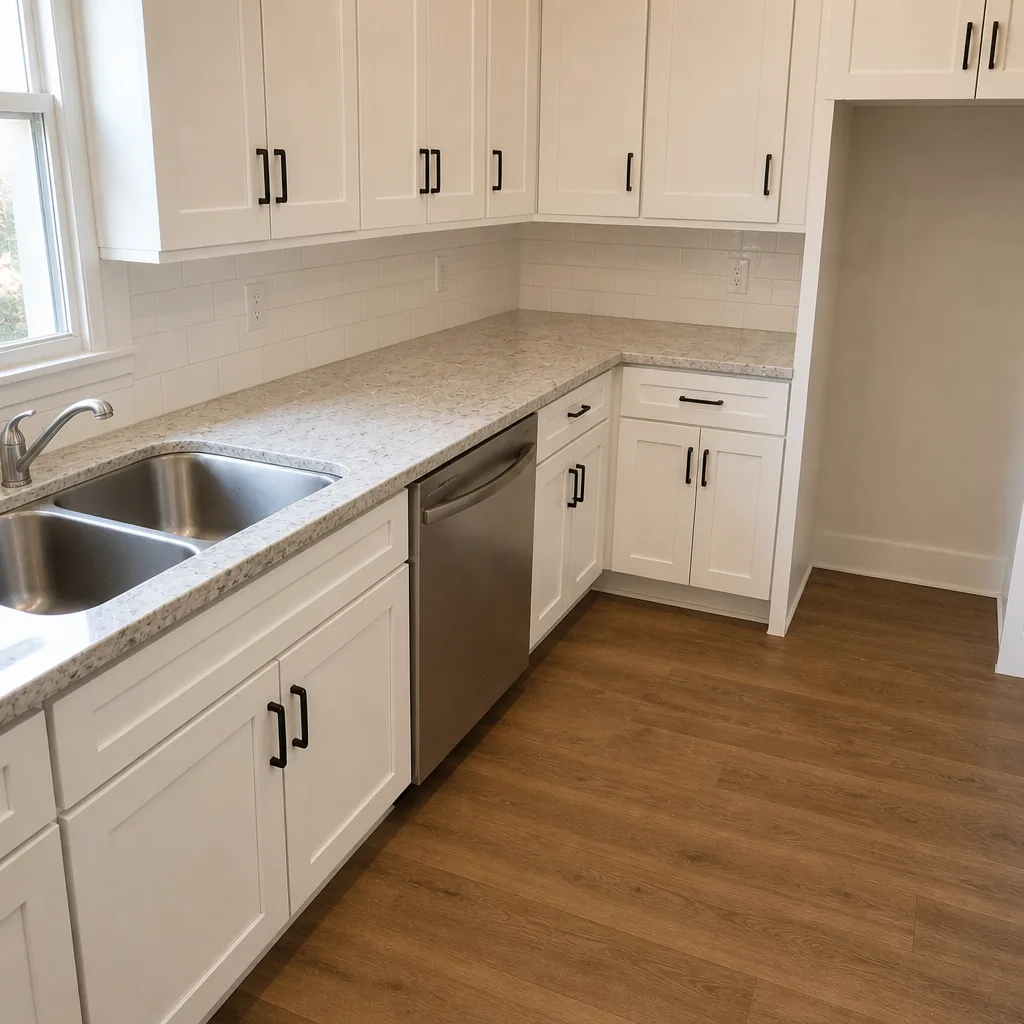 After
 Before
 After
 Before
 After
What Princeton Lots Do to This Job
Princeton (ZIP 75407) is Collin County farm-and-ranch country east of McKinney, and the construction here reflects it. New subdivisions are going up across former blackland-prairie pasture alongside older rural ranch homes and manufactured homes on acreage. That mix changes fence work in ways a city lot doesn’t. On a new tract-home build, the property line is usually clean and surveyed, so the job is fast. On raw acreage, the line may fall along a pasture fence we’re replacing, or cross ground that was recently cropland – and we’ve learned to probe before we dig because old farm debris and buried tanks show up more often than you’d expect.
The soil is the other factor. North Texas blackland clay expands when wet and cracks when dry, which is why fence posts here need real concrete and real depth. A post set shallow on this ground will lean within two summers. We also see it on the fence line along the open pasture edges near the county roads east of town, where there’s little windbreak and summer storms push hard against taller runs. If you’re fencing off acreage where an outbuilding or shop is going in, homeowners often pair this with Concrete Driveways & Concrete Work in Princeton to get access in before the fence goes up, or with Asphalt Driveways & Resurfacing in Princeton when a gravel lane needs finishing.
For a walk-through of how we cover the area, see our Princeton service page. And if the chain link is one piece of a bigger boundary plan – a wood or vinyl privacy section along the house, say – this often folds into a full Fence Installation in Princeton scope. You can also browse our broader Fence Installation service for the full range of fence types we build.
Serving Princeton, TX – Our Local Coverage Area
We serve Princeton and nearby communities. Use the map below to see the area we cover. If you’re nearby, we can almost certainly help.
Frequently Asked – Chain Link Fence in Princeton

Most residential chain link fence jobs in Princeton take two to four days. The post-setting stage is the slowest because of our clay soil, and if the ground is wet after rain, digging can add a half day. Gate work and mesh tensioning typically finish the job on schedule. Call (888) 426-8078 for a timeline tied to your specific lot.
Permit requirements in Princeton depend on fence height and location, and some HOA rules apply in the newer subdivisions. We’ll confirm whether your fence falls under a permit during the estimate and pull it if it does, so the inspection passes and the fence is documented. Call (888) 426-8078 and we’ll walk you through your specific address.
Yes, in most cases. A chain link fence is set along the perimeter, so it doesn’t require moving plumbing or structure. On rural lots with existing utility trenches or septic lines, we mark and route around them. Tell us what you know about buried utilities up front and we’ll plan the run accordingly.
Chain link fence in Princeton typically runs $3,500 to $9,000, with most residential jobs landing in the middle of that range. Length, height, gauge, coating, and gate count are the big drivers. Call (888) 426-8078 for a line-item written quote – the estimate is free, and the price you see is the price you pay.
Our workmanship is covered by the 730-Day Done Right Promise – if something isn’t right, we make it right. That covers the install: post setting, tension, and gate function. Fence materials carry their own manufacturer warranties, and we’ll tell you what those are for the gauge and coating you choose. Call (888) 426-8078 for details.
Get a Free Chain Link Fence Estimate in Princeton
If you’re fencing a Princeton lot, start with a free on-site estimate. We’ll walk the line, check the ground, and hand you a written line-item number for your Chain Link Fence – no pressure, no vague square-foot price. Call (888) 426-8078 and a live person answers around the clock. Financing at 0% for 18 months is available, and projects over $10,000 get $1,000 off.
Written by the team at Groundwork Construction Co.