

Free written scope consultation - allowances, timeline, and change-order rules on paper before a single trade is scheduled
Styles & brands we work with
- Kitchen remodeling
- Bathroom remodeling
- Home additions & ADU
- Roofing
- Windows & doors
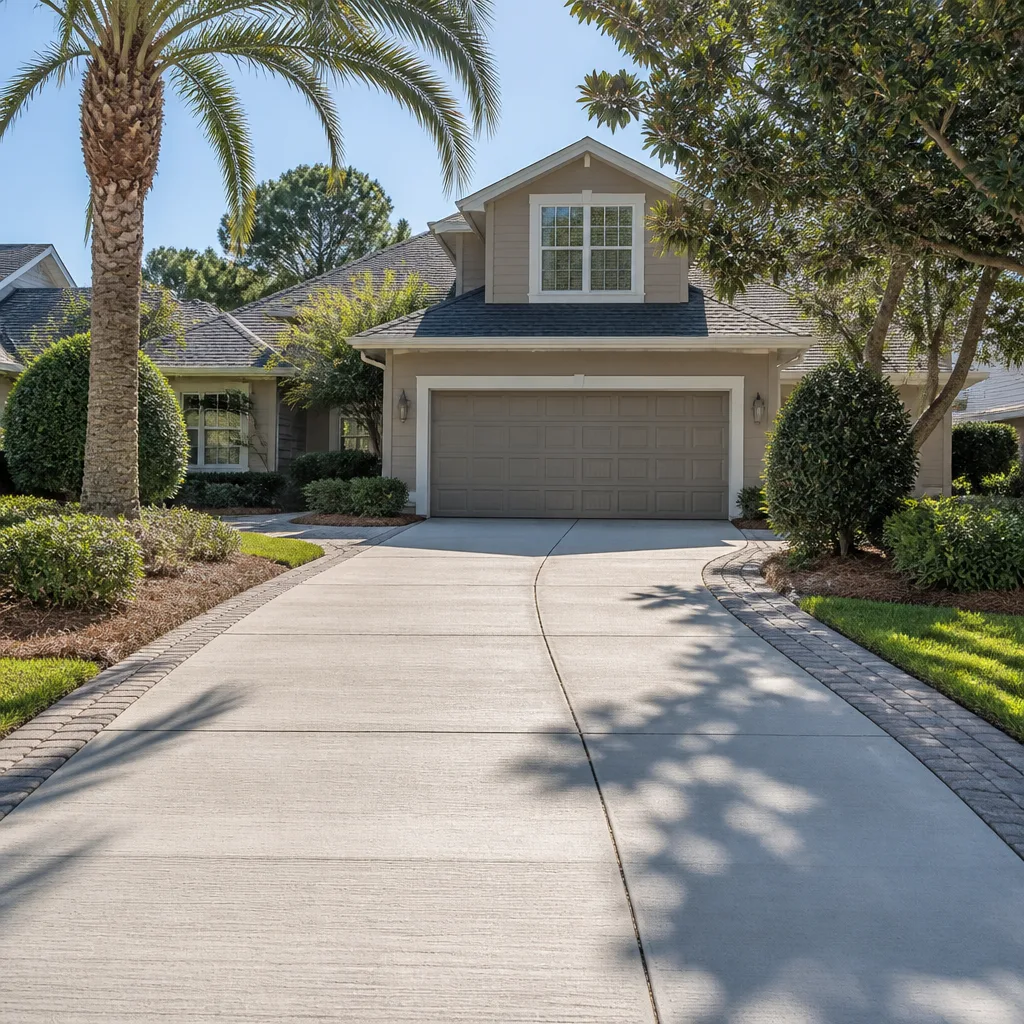
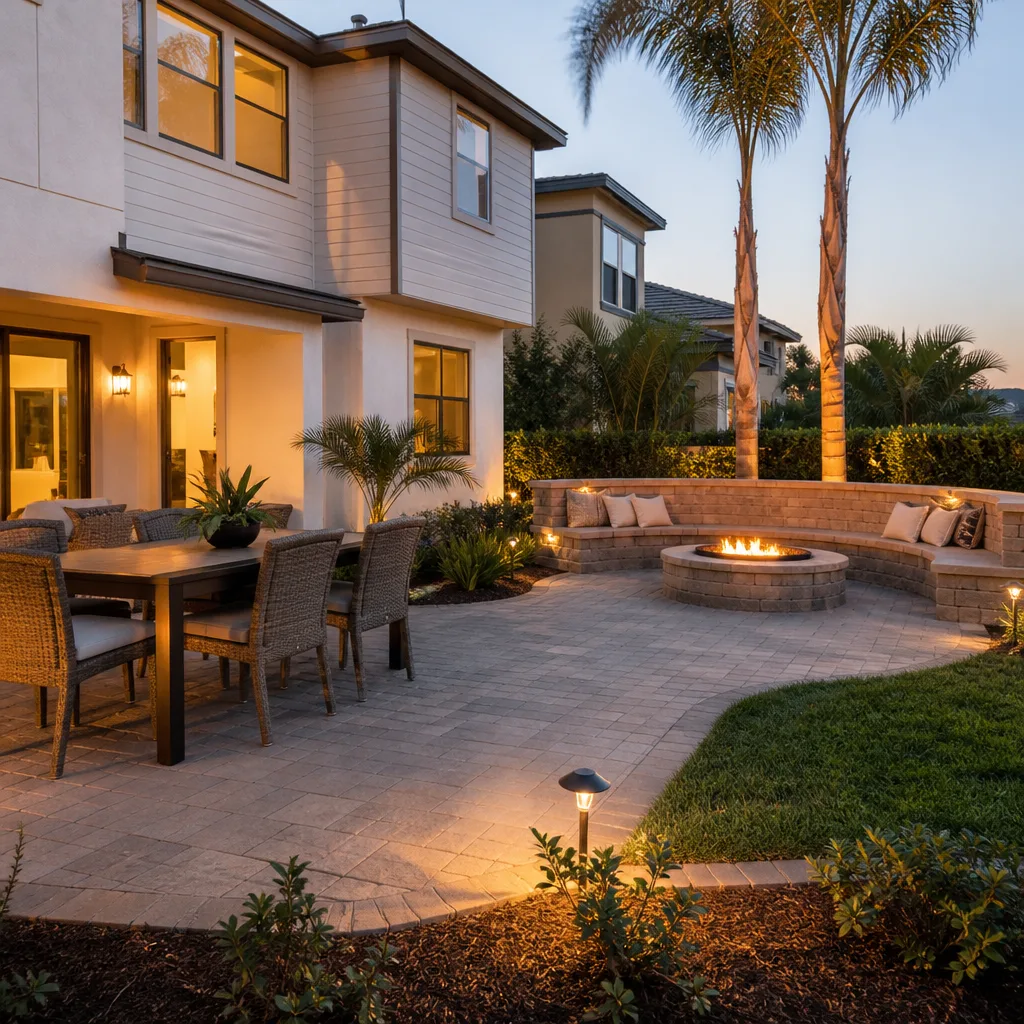
- Driveway & pavers
- Fence
See the difference
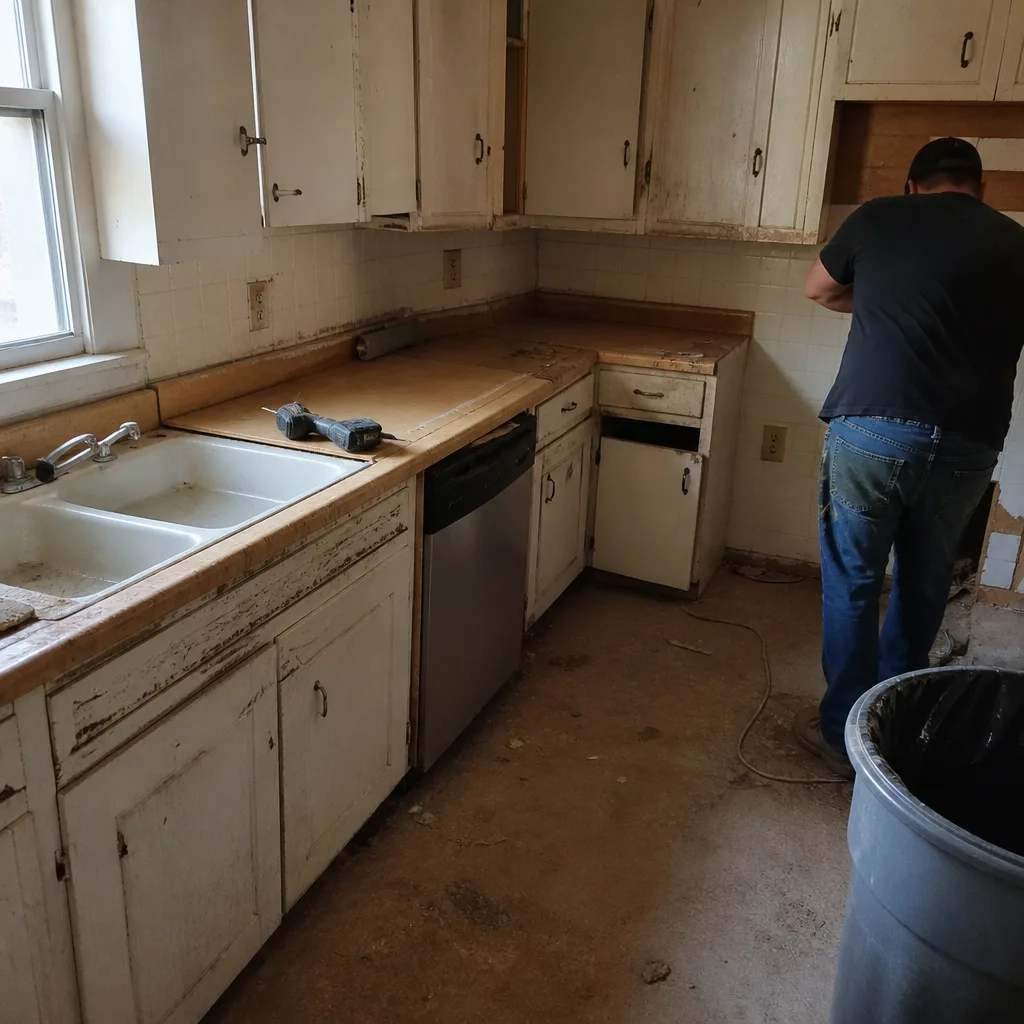 Before
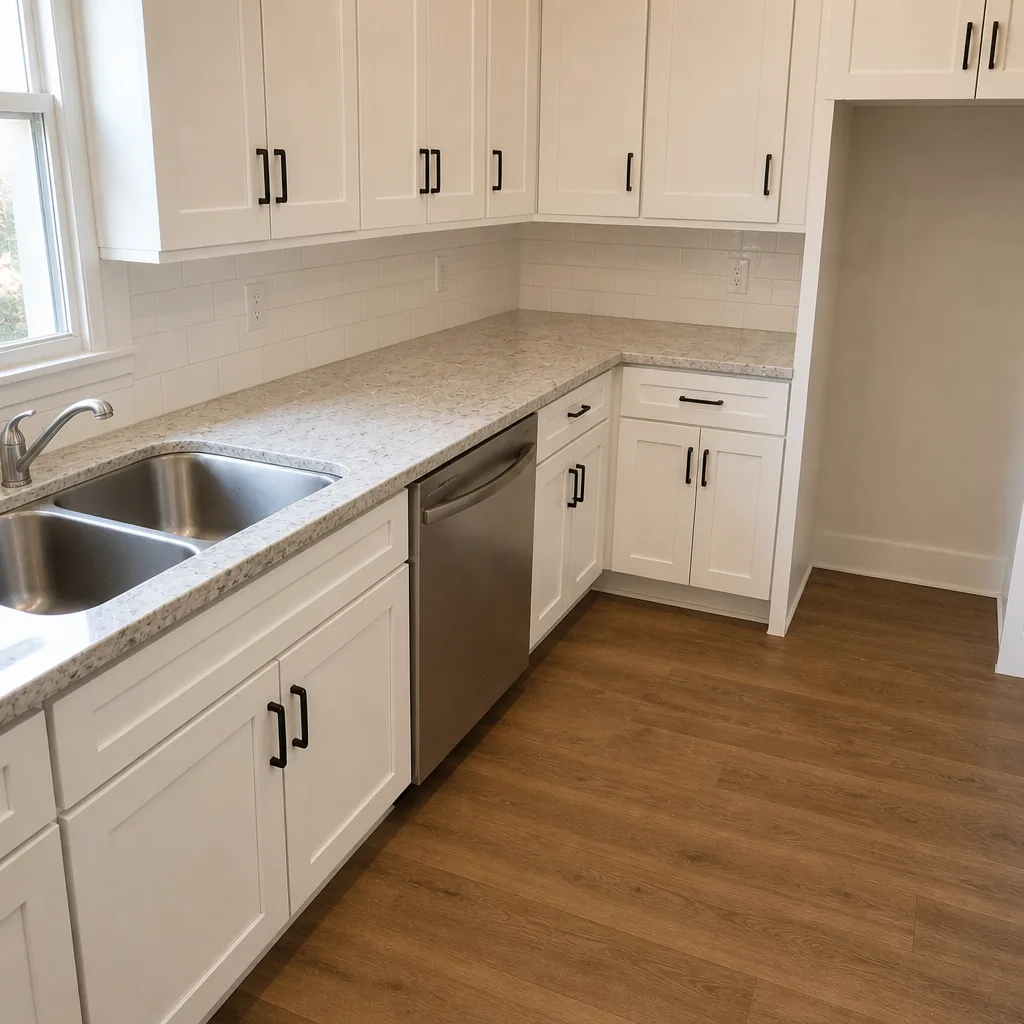 After
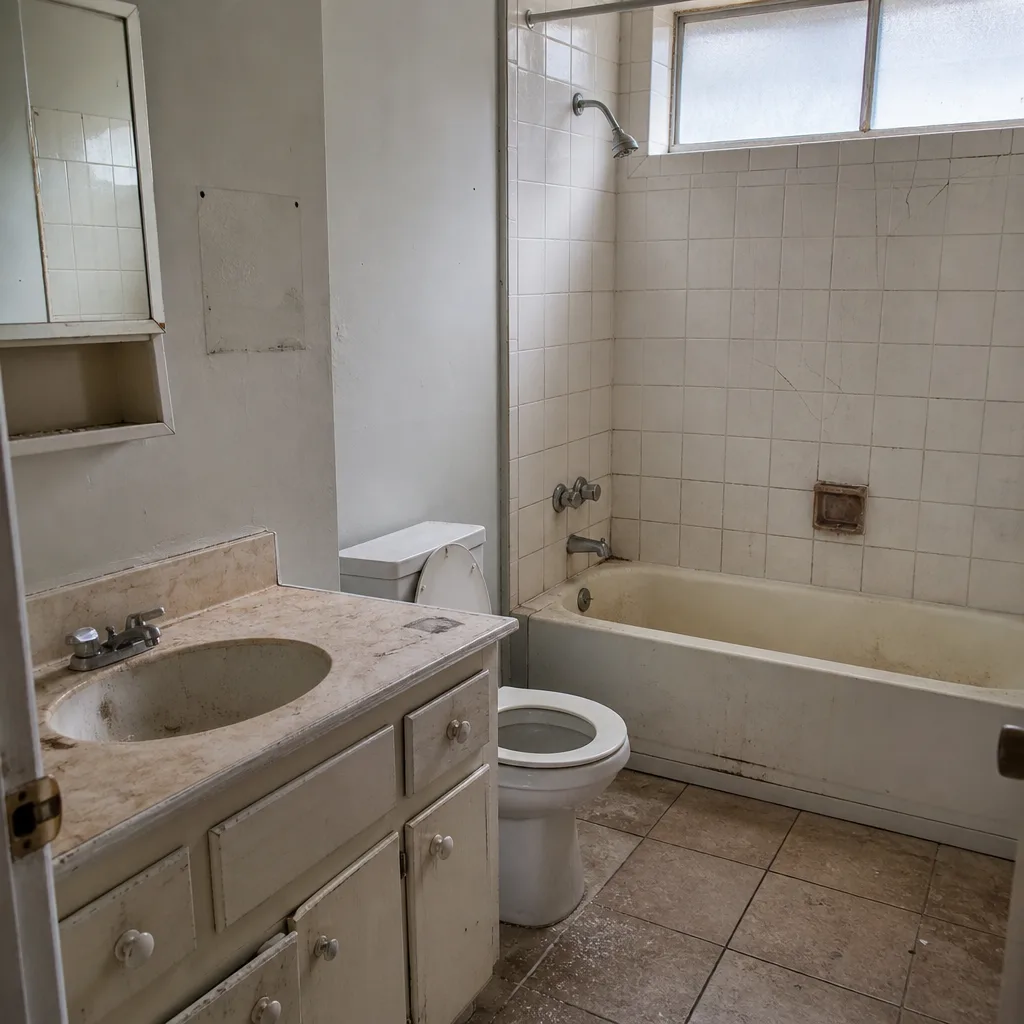 Before
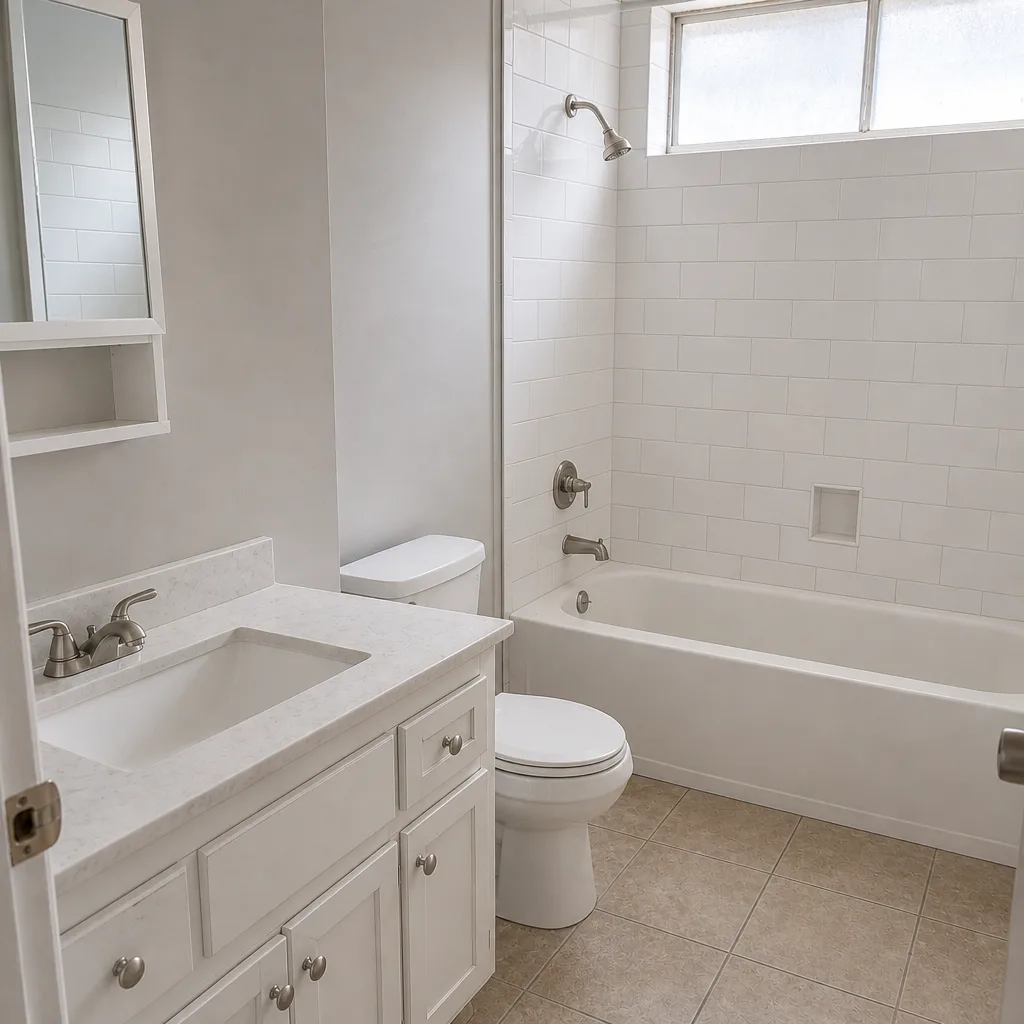 After
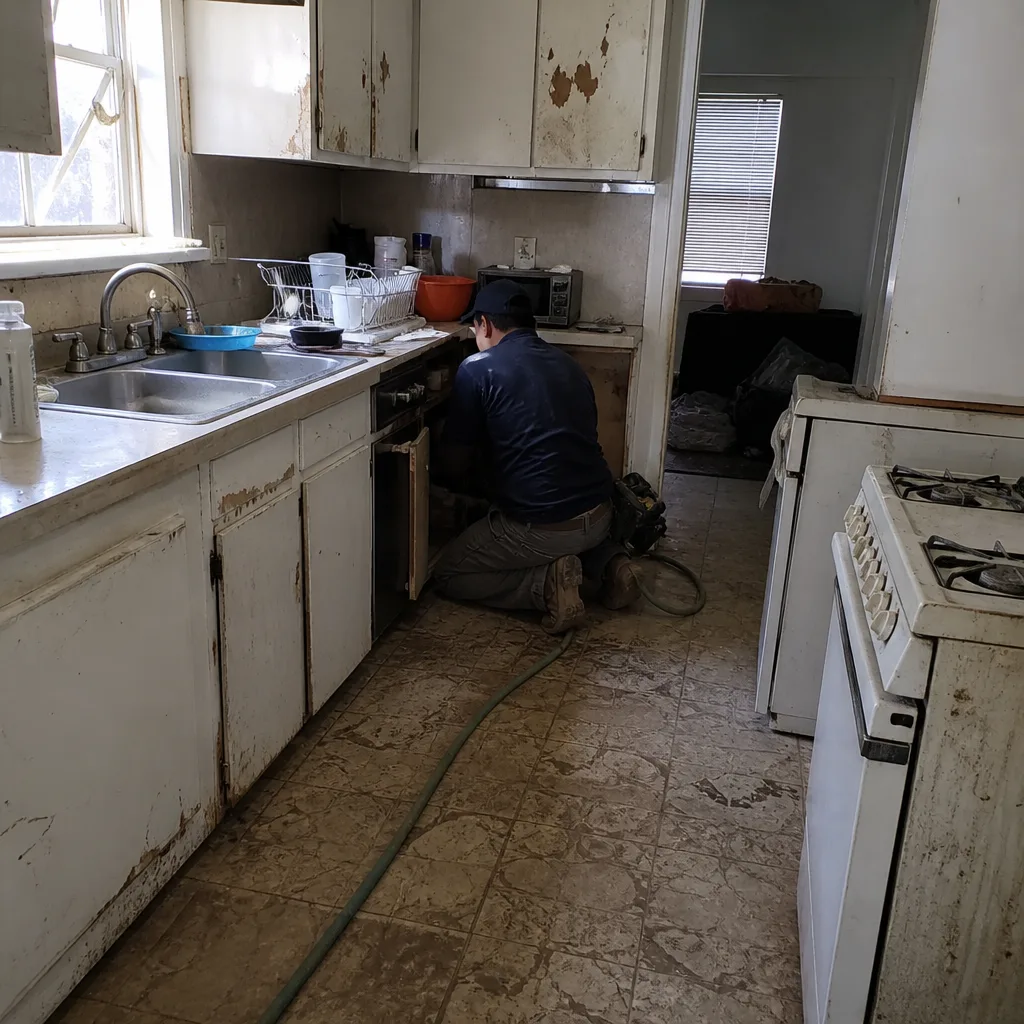 Before
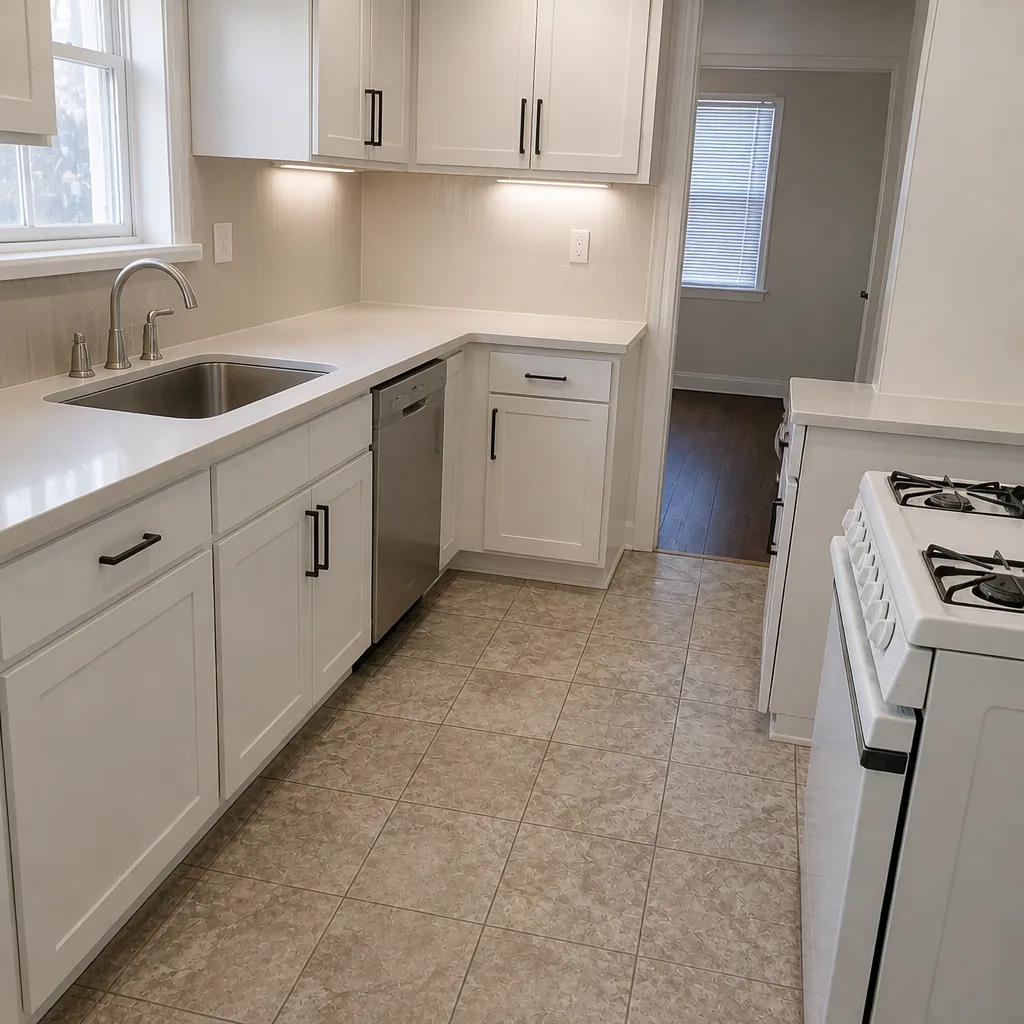 After
Driveway Resurfacing vs Replacement in Mesquite, TX: The Honest Answer
Choose replacement when the clay under your Mesquite driveway is still moving; choose resurfacing only when the subgrade is stable and the damage is surface-only. Resurfacing a sinking slab is like painting over a water stain without fixing the leak: it looks better for one season, then the same cracks return worse and you’ve added the resurfacing cost to your replacement tab. For a straight answer on your slab, call (888) 426-8078. A live person answers around the clock.
That distinction matters more here than almost anywhere. Mesquite sits on expansive black clay that swells in a wet spring and shrinks hard in a dry August. The result is a specific, seasonal kind of driveway failure, and it’s why a lot of the driveways we look at are structural problems wearing a cosmetic disguise.
Why Mesquite Driveways Fail Differently
Most of Mesquite’s housing stock went up between the 1950s and the 1970s, and this city has been essentially built out since the 1980s. That means we’re not looking at new pours; we’re looking at slabs that have been through 40 to 60 cycles of Texas drought and downpour. The neighborhood street matters less than what’s underneath the slab and how the water drains off it.
You’ll see this in different ways across town. Driveways on slightly crowned lots that shed water fast tend to crack at the surface, not the base. Slabs on flatter lots where runoff pools at the apron are the ones that separate and heave. And mature trees close to the drive, common on the older ranch lots, push roots that lift and crack corners in a pattern that has nothing to do with the concrete mix.
Aging concrete is the norm here, not the exception. Some of it belongs on a Driveway & Pavers plan and some of it is a resurfacing candidate, but you can’t tell which until someone gets on their knees and checks the slab edge and the soil beneath it.
The Diagnostic That Decides It
Here’s the part most resurfacing-vs-replacement guides skip. Before anyone quotes a number, three checks tell you whether the subgrade is active. Groundwork’s technicians can complete them during a free estimate, and they’re the same three we run every time.
- Edge separation at the garage apron. If the slab has pulled away from the garage floor or started to stair-step there, the base has settled.
- Cross-slope deviation. A slab that used to drain has developed a dip. Measured against the original fall, any real deviation means water is now pooling on the structure, not running off it.
- Void probing beneath cracks. A tap on the surface and a probe at the crack edge reveal whether there’s hollow space under the slab. Voids mean the soil has moved out and the concrete is spanning air.
Is there a single sign problem? It’s not an emergency. Is it all three, or a slab that flexes when you drive over it? Then it’s a clay problem and a resurfacing job will fail within two to three seasons, no matter how good the overlay mix is. That’s the number generic guides leave out.
The Crack Patterns That Point One Way or the Other
Before we even probe, the pattern on top usually tells the story.
| What you see | What it means | Recommended path |
|---|---|---|
| Hairline surface crazing, minor spalling, shallow scaling | Wear at the surface; base is intact | Resurfacing candidate |
| Full-depth cracks with vertical displacement (one side higher) | Base movement; clay is cycling | Replacement required |
| Corner breaks near tree roots or at the apron | Root heave or edge settlement | Replacement, with root management |
| Sections that flex when driven on | Voids beneath the slab | Replacement; resurfacing will crack |
| Isolated cracking, level slab, sound base | Localized surface stress | Resurfacing or overlay |
Hairline crazing and surface scaling are cosmetic. Full-depth cracks with vertical displacement, corner breaks from root heave, or sections that move under a vehicle are structural, and no overlay fixes a structural crack. That’s the honest dividing line.
What the Two Options Actually Cost in Mesquite
Concrete resurfacing runs $3 to $5 per square foot in the Mesquite market; full replacement runs $6 to $10 per square foot. An asphalt overlay is a third path in the middle, at lower cost than replacement on a sound slab. Here’s how the line items land for a typical Mesquite driveway, priced line by line the way we present them.
| Option | Cost per sq ft | Typical project range | How long it holds |
|---|---|---|---|
| Concrete resurfacing | $3-$5 | Varies by size | Years if the base is stable; 2-3 seasons if it isn’t |
| Asphalt overlay (1.5-2 inches) | Lower than replacement | $3,500-$9,000 | 10-15 years on a level, well-drained slab |
| Full driveway replacement | $6-$10 | $5,000-$14,000 | Decades on a properly prepared base |
| Paver driveway installation | Premium | $7,000-$18,000 | Long life; pavers flex with minor soil movement |
| Driveway sealing (preservation) | Low | $250-$700 | 1-3 years, maintenance only |
Now the math that makes resurfacing risky when the base is bad. Resurface at $3 to $5 a foot, watch it fail at year two, then replace anyway: you’ve spent $9 to $15 a square foot total. The break-even only works when the subgrade assessment says resurfacing will hold. Outside that, resurfacing is the expensive way to postpone a replacement.
The asphalt overlay is a real option, but only under specific conditions. On a structurally sound concrete base that’s only deteriorating at the surface, and only on a flat, well-drained Mesquite lot where the original slab is level, a 1.5 to 2 inch overlay can add 10 to 15 years of life at well under the cost of replacement. On a lot where water pools at the apron, that same overlay peels within the same two to three seasons. Whether it’s an option you have depends on drainage, not weather.
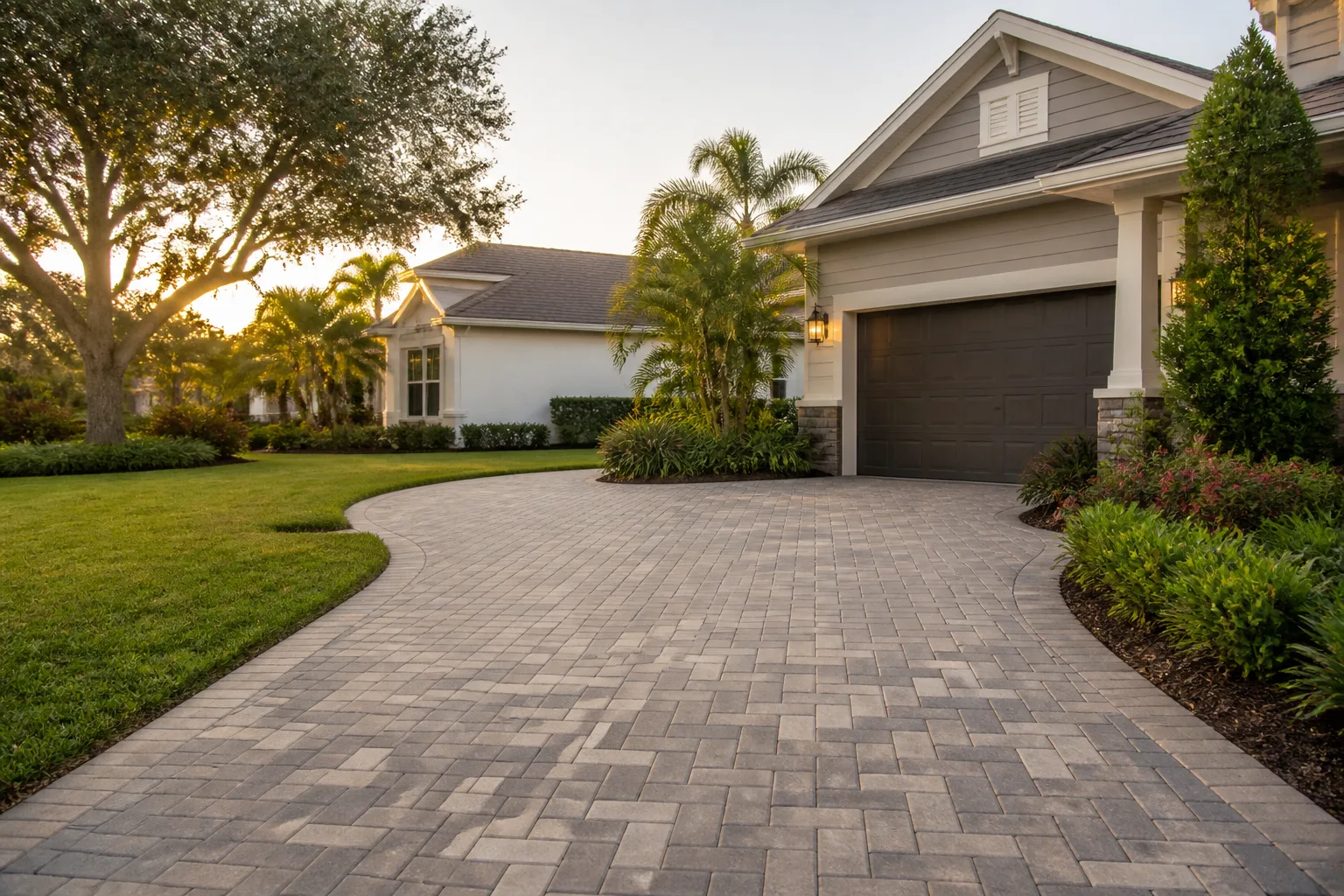
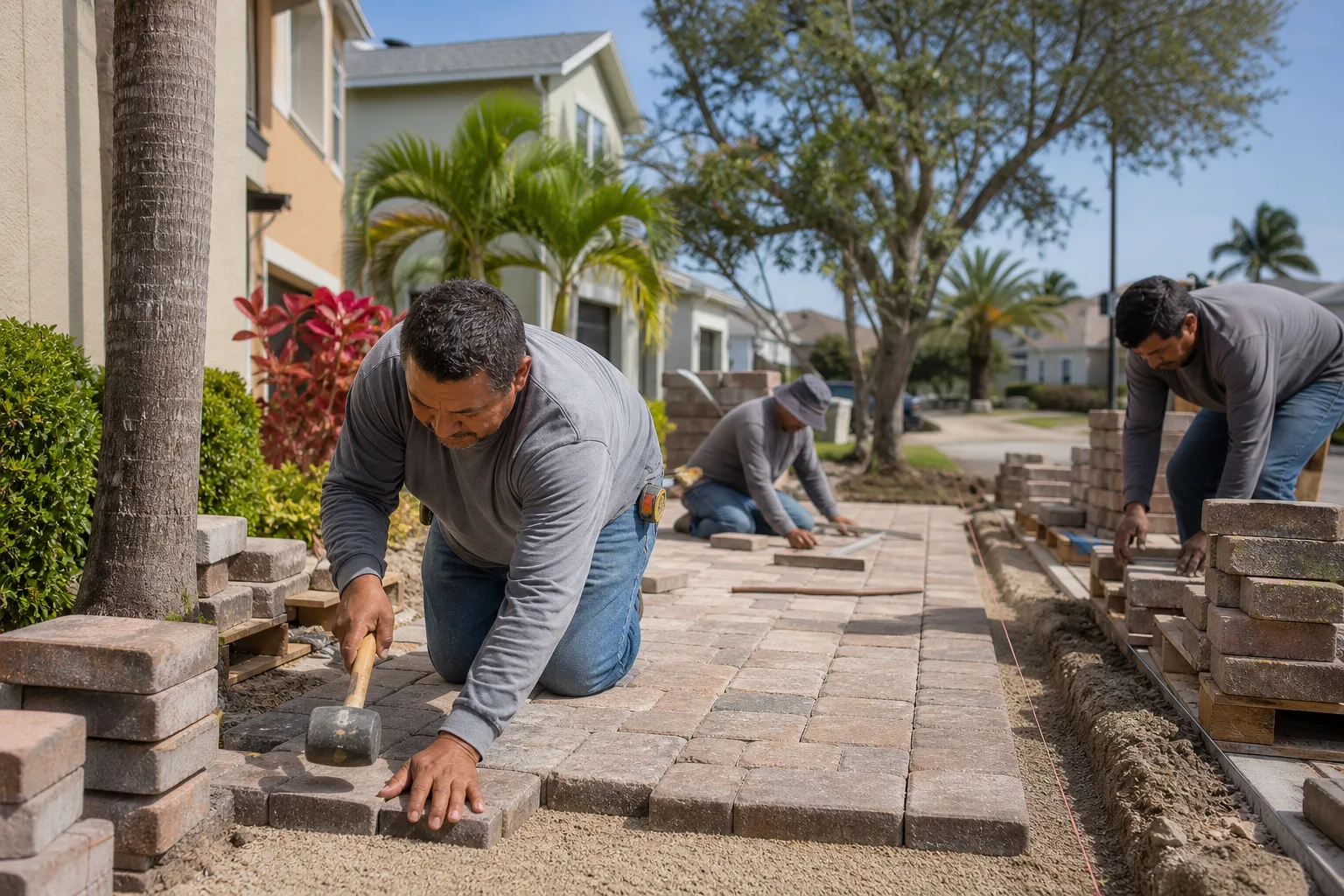
Paver is the third path, and worth knowing about. On a drive that takes ongoing soil movement, pavers flex where poured concrete won’t, and we’ve laid enough to know which Mesquite slabs are better served by one. For more on that side, the Driveway & Pavers in Mesquite page goes deeper.
What the Repair Ask Usually Means
A “resurface my driveway” call to a crew that only does resurfacing gets you a resurfacing quote, every time. That’s the trap. The right estimator tells you which zone your slab is in before quoting anything, and that’s where the written subgrade assessment comes in.
Our technicians walk the slab, run the edge and probe checks, and hand you a written recommendation at the estimate stage. You see both options side by side with upfront pricing and the actual cost difference, plus the one we’d recommend and why. There’s honest value in that: the option with the higher ticket isn’t automatically the answer we push, and the one that fails in two seasons isn’t the answer we sell to close the job.
The work behind that assessment belongs to technicians with up to 12 years of experience, which on this clay is the difference between a guess and a call. All projects carry the 730-Day Done Right Promise, so if it isn’t done right, we make it right. That’s in writing, and it covers the driveway jobs the same way it covers a roof or a kitchen.
Common Scenarios We See in Mesquite
A 1960s ranch with a 20-year-old slab and a hairline web of surface cracks. Sounds like resurfacing. If the apron is tight, the slab is level, and the tap test shows no voids, it usually is resurfacing.
A slab that dips toward the garage, more every spring. That dip is drainage, not wear. By the time it gets that far, resurfacing is throwing money at a surface problem while the clay underneath keeps working.
Corner breaks near a mature tree. Root heave. Replacement is the call, though we’ll talk about the tree and the site before recommending anything drastic.
A flat, well-drained lot with scuffed-up surface concrete. This is the profile where an asphalt overlay makes sense, and where we’d say so.
When you’re pricing this out alongside other exterior work, timing matters. Storm season keeps us busy, so booking an assessment early in the year beats waiting until a spring hail event has the schedule full.
Homeowners who end up connecting with Groundwork Construction Co. of Mesquite get one outfit that handles the driveway and sees the house from foundation to finish line. That’s why we keep home improvement services under one roof and one point of responsibility.
FAQs
Resurfacing typically runs $3 to $5 per square foot and full replacement runs $6 to $10 per square foot in Mesquite. A driveway replacement generally lands between $5,000 and $14,000, while an asphalt overlay on a sound slab runs $3,500 to $9,000. If resurfacing fails at year two and you replace anyway, you’ve spent $9 to $15 a square foot total. Call (888) 426-8078 for an exact quote; estimates are free.
The deciding test is whether the clay beneath the slab is still moving, not what the surface looks like. Check for edge separation at the garage apron, measure cross-slope deviation, and probe beneath surface cracks for void space. Any of those three in a Mesquite driveway means the subgrade is active and resurfacing will fail within two to three seasons. Call (888) 426-8078 to have a technician run the assessment in person.
No. Resurfacing covers a surface; it doesn’t change the clay cycling underneath. In Mesquite, a slab with full-depth cracks, corner breaks, or sections that flex will crack the new surface within a couple of seasons. That’s a replacement job, not an overlay. Call (888) 426-8078 to find out which category your slab is in.
Yes, and it can extend a structurally sound driveway’s life 10 to 15 years at a lower cost than replacement. The catch is that it only works on a level, well-drained Mesquite lot where the original slab is sound and water drains off fast. On a lot where runoff pools, the overlay peels in the same two to three seasons. Call (888) 426-8078 to see whether your lot qualifies.
Get a Straight Answer Before You Spend a Dollar
If you’d rather have it looked at, Groundwork Construction Co. of Mesquite offers a no-pressure assessment in Mesquite. Our technicians run the subgrade checks, put the recommendation in writing, and quote the actual numbers with no surprises. Call (888) 426-8078 for a free estimate, and a live person will answer.
Written by the team at Groundwork Construction Co. of Mesquite, serving Mesquite, TX.