Free written scope consultation - allowances, timeline, and change-order rules on paper before a single trade is scheduled
Styles & brands we work with
- Kitchen remodeling
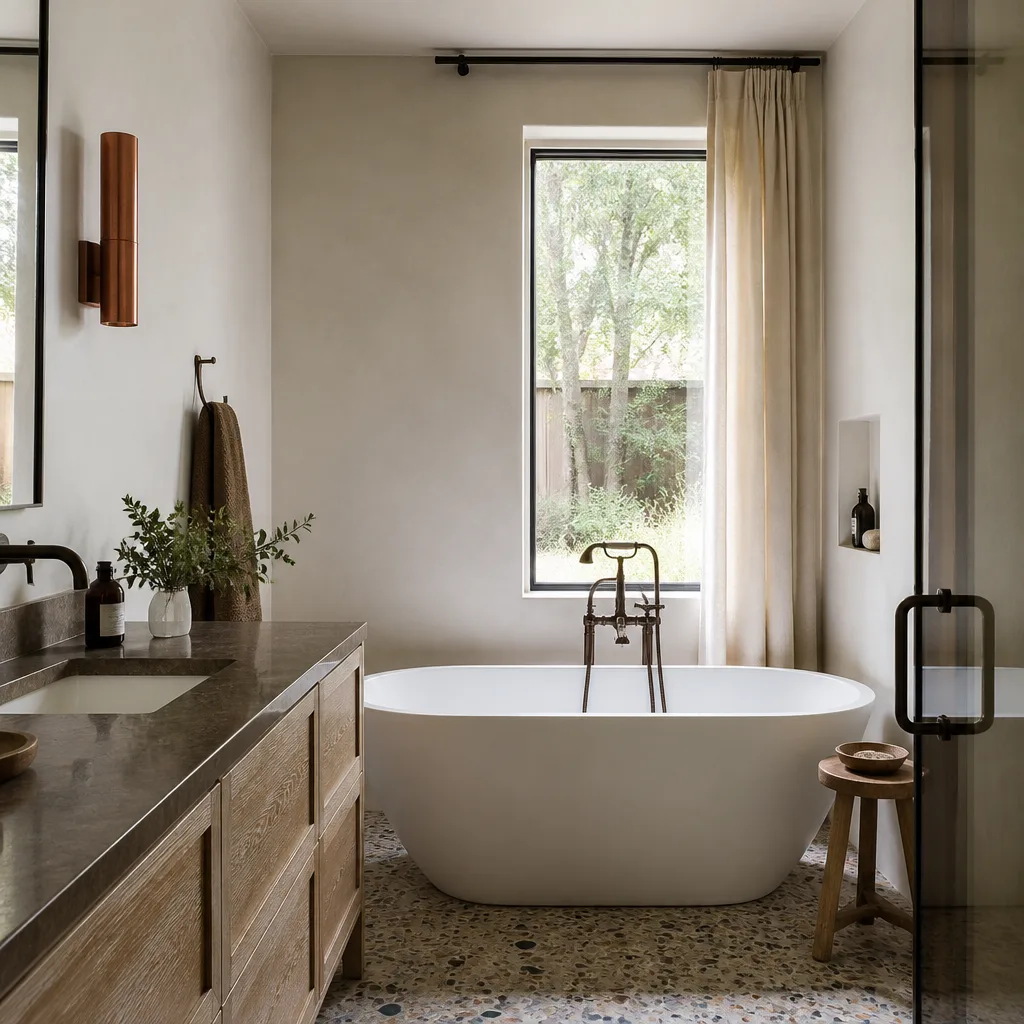
- Bathroom remodeling
- Home additions & ADU
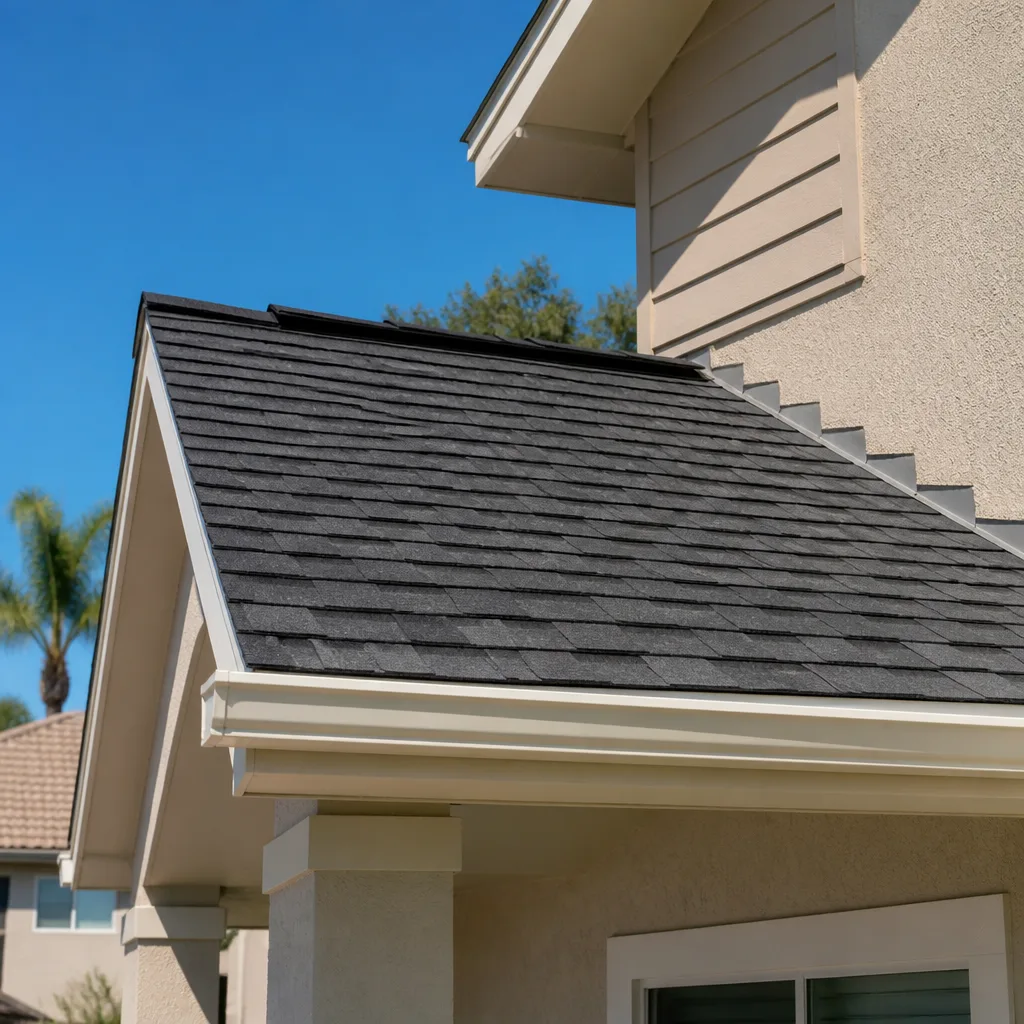
- Roofing
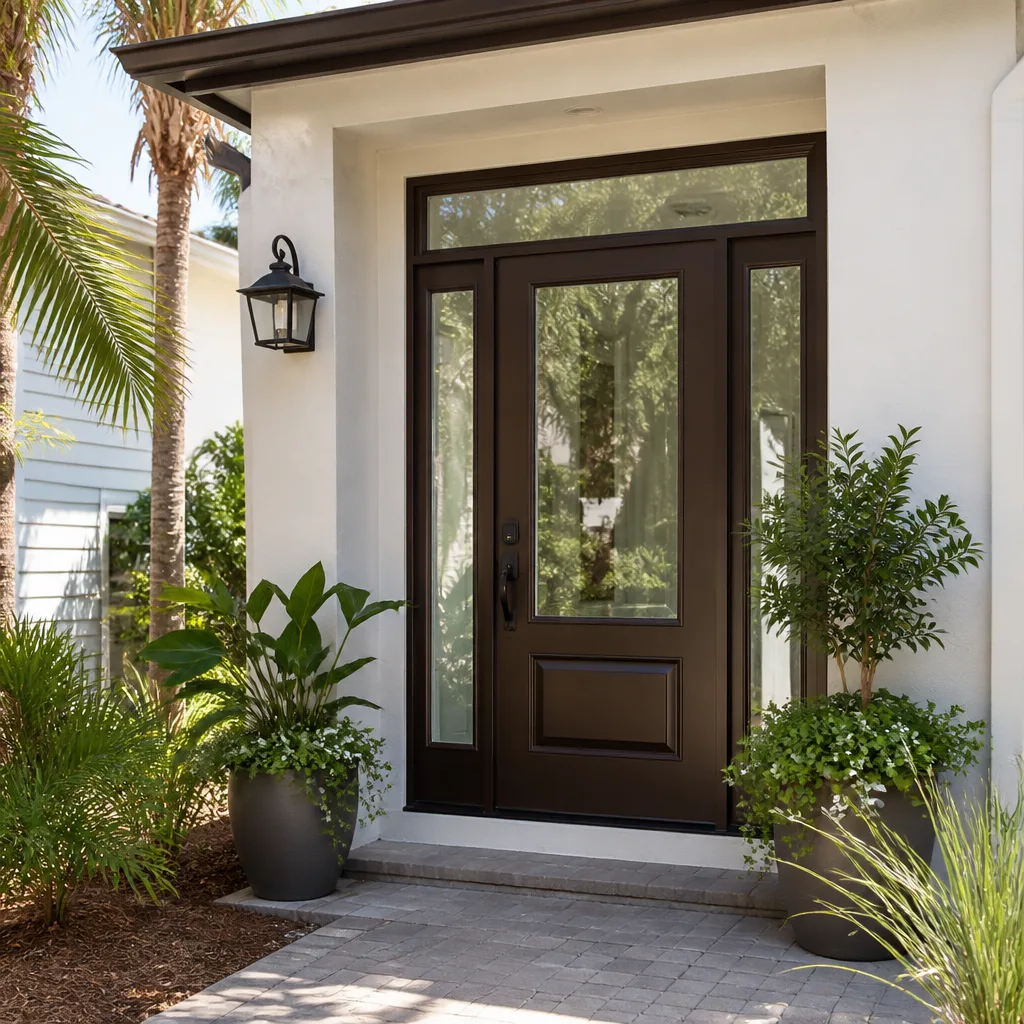
- Windows & doors
- Driveway & pavers
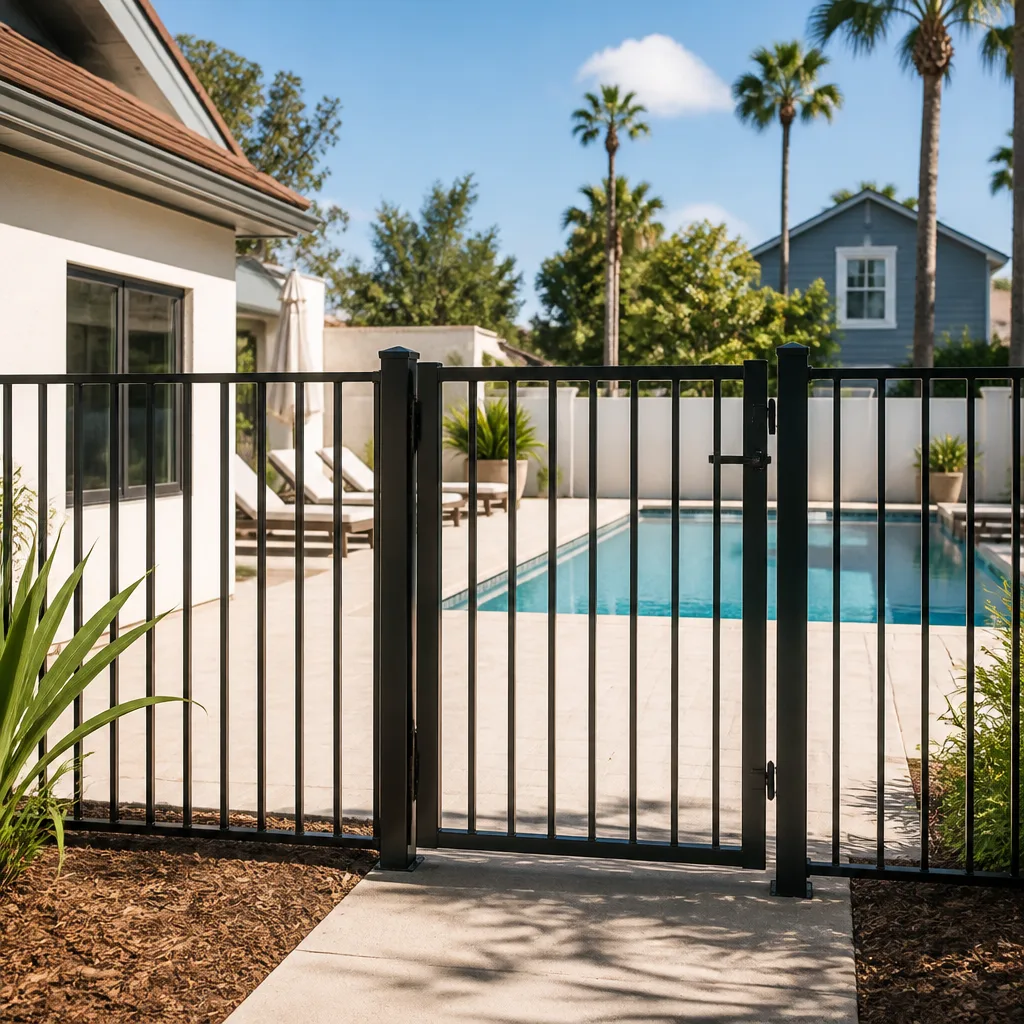
- Fence
See the difference
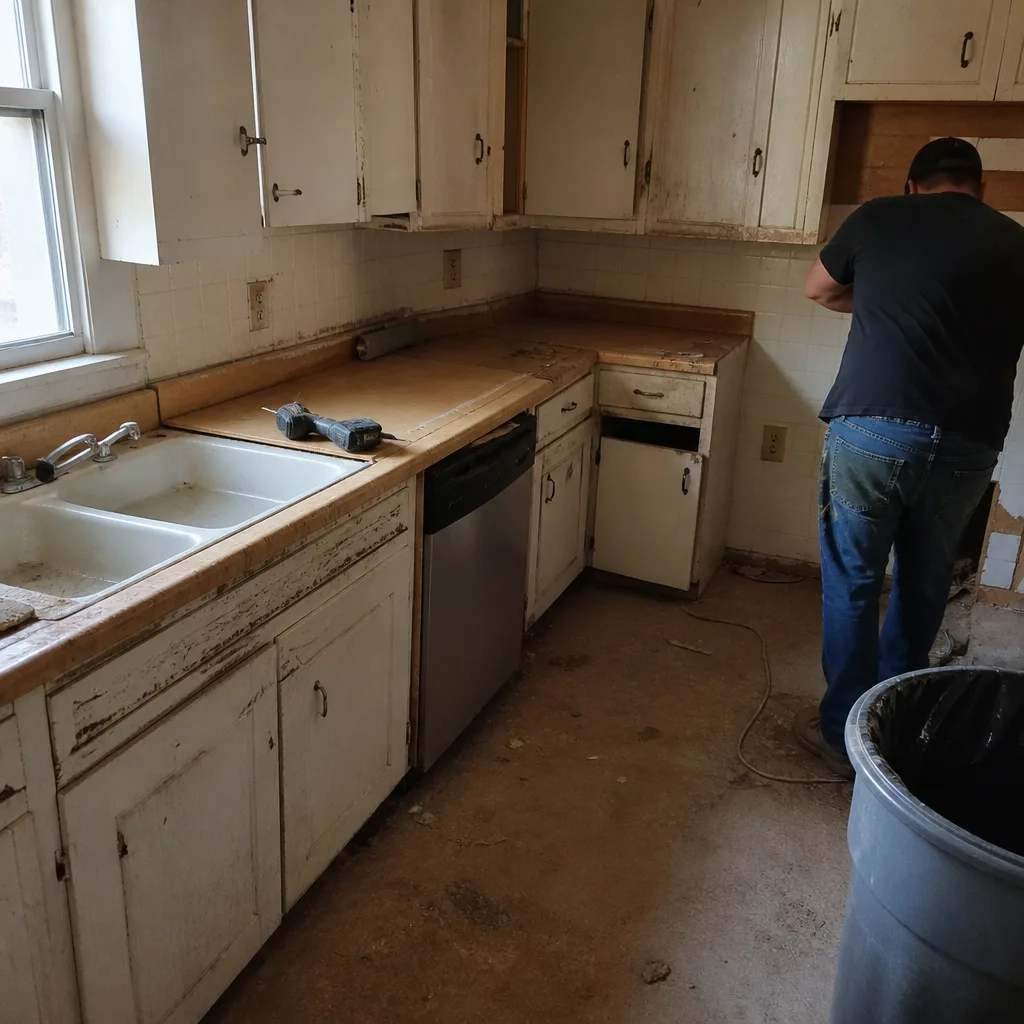 Before
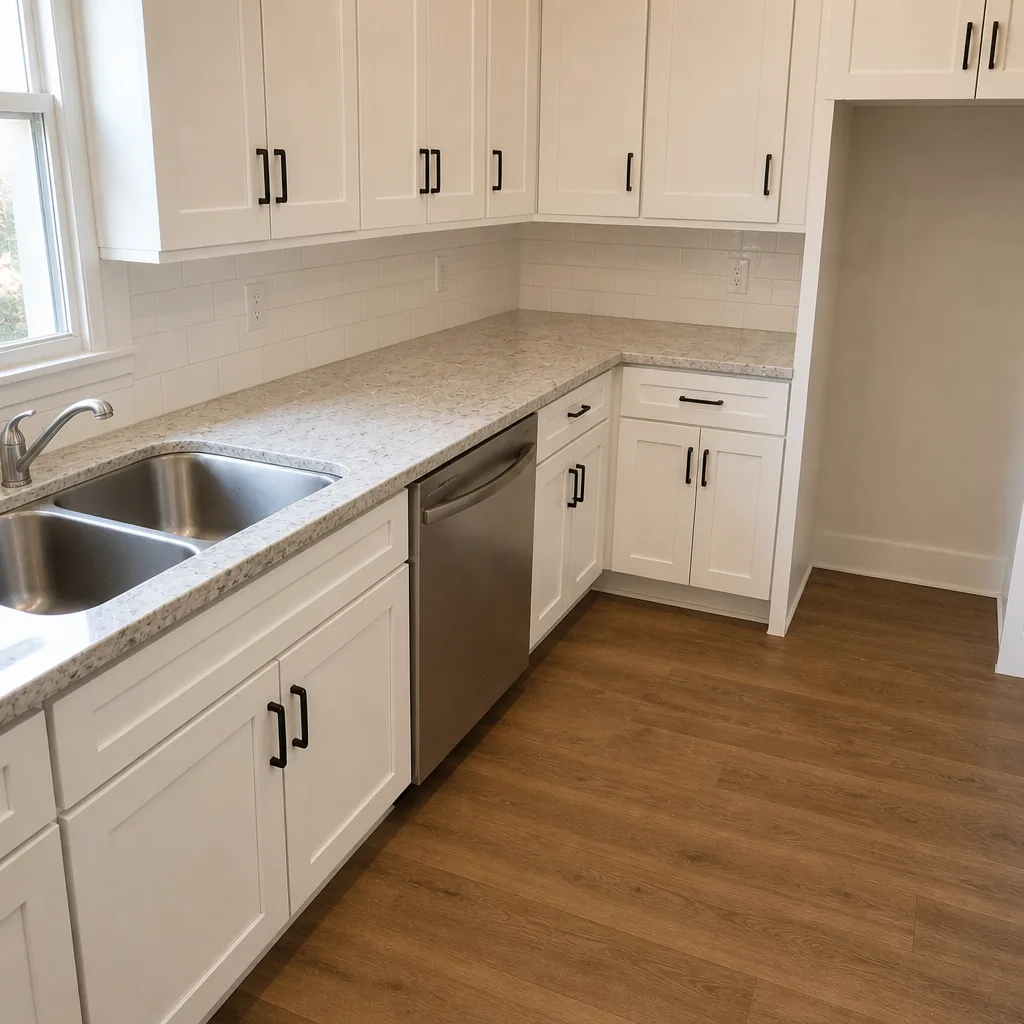 After
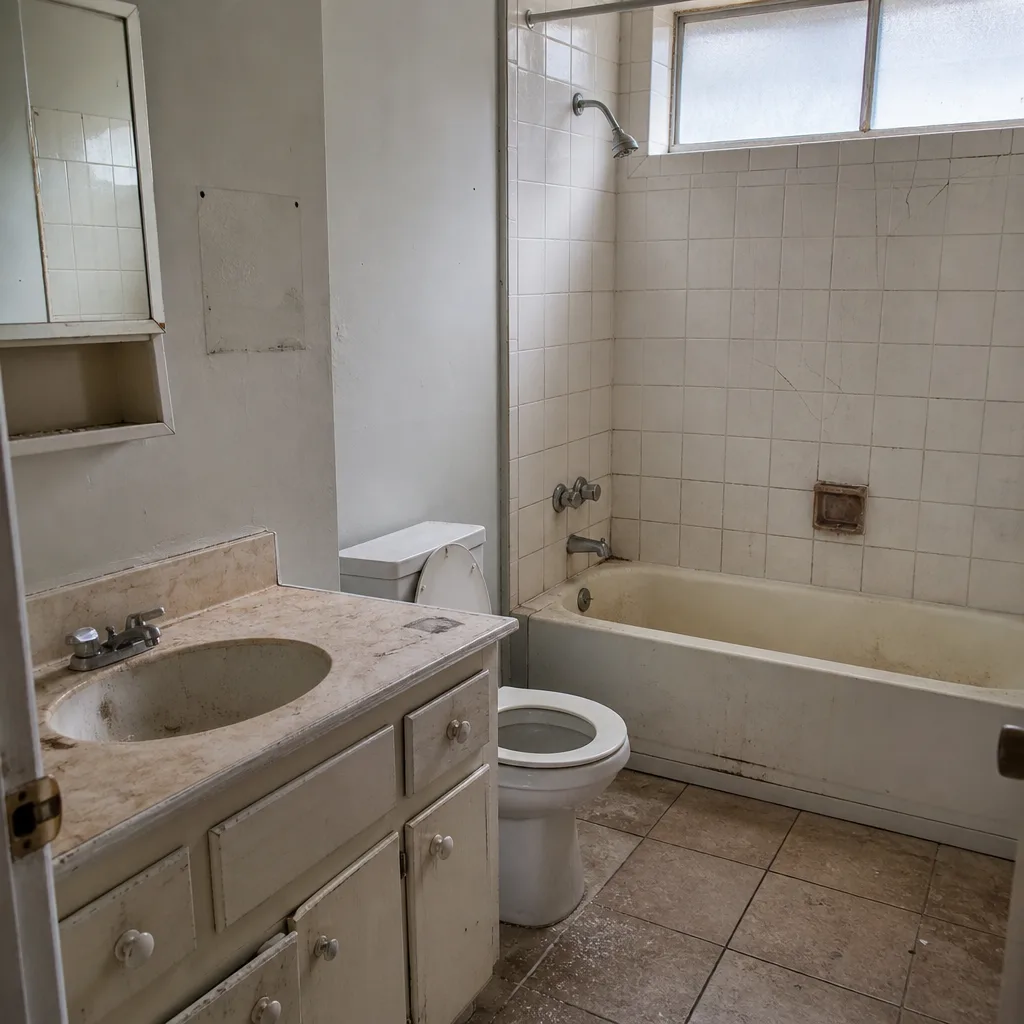 Before
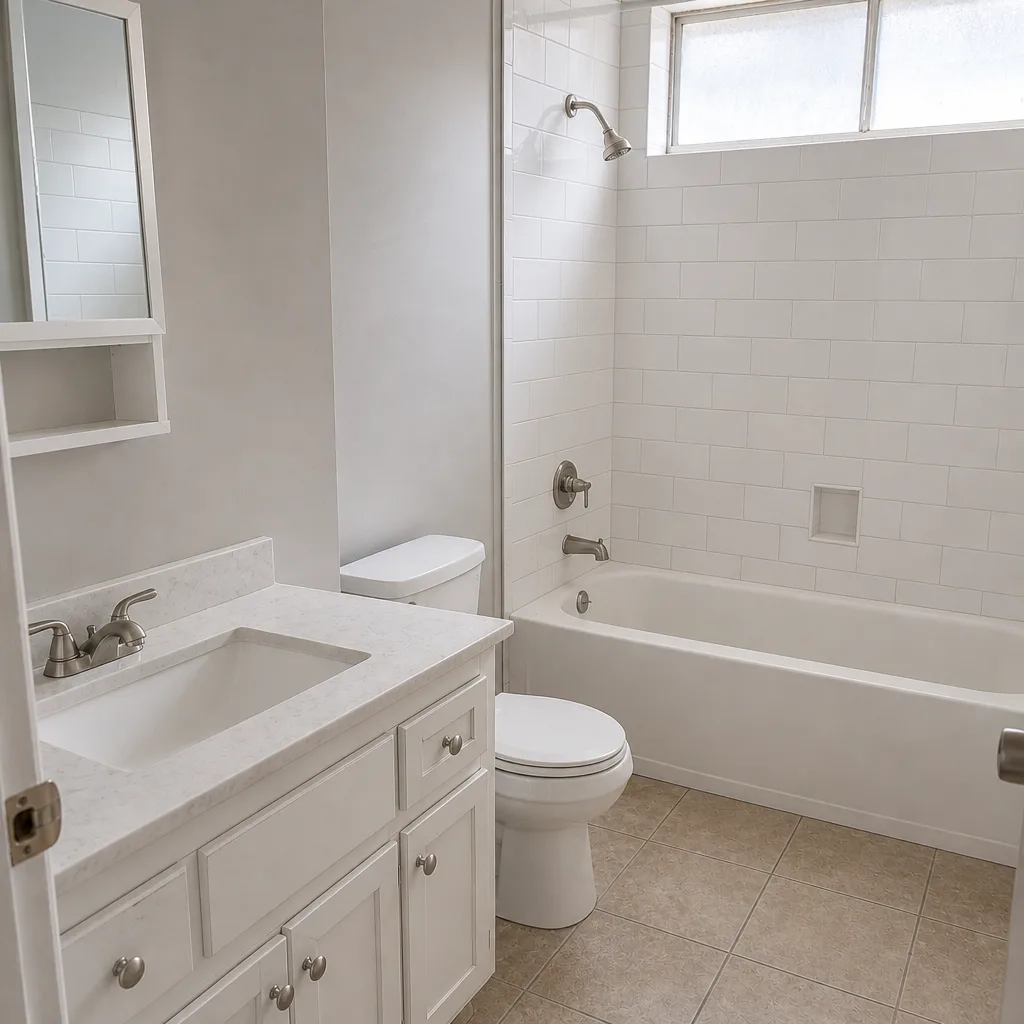 After
 Before
 After
Home Addition vs ADU in Mesquite, TX: Which One Your Lot Can Actually Hold
Choose a connected home addition unless you have room for a fully separate dwelling with its own entrance, utility runs and rental plan. For most Mesquite homeowners weighing a home addition vs an ADU, the attached addition is the answer because the lot geometry and zoning math rule out a detached unit before budget even enters the conversation. Home additions here run $45,000-$130,000, while a full ADU runs $90,000-$220,000. Call (888) 426-8078 and we’ll walk your lot’s numbers with you before you pay a designer.
Here’s the part that gets skipped on most comparison pages: in Mesquite’s built-out, tight-lot environment, the right choice is decided by lot coverage and setbacks first, budget second. Homeowners who reverse that order spend thousands on plans they can’t permit.
Start With Your Lot’s Coverage Budget, Not the Floor Plan
Mesquite’s dominant single-family zoning is R-1, and R-1 caps how much of your lot can be covered by buildings. On a typical post-war lot of about 7,500 square feet, that cap includes the house, the detached garage, a shed, and anything new you build. Run a common example: a 1,500 square foot ranch with an existing detached garage already eats a big share of the allowance. Subtract the setbacks (usually 5 to 7.5 feet from the side property lines, more from the front) and the buildable envelope behind the house can be too narrow for a detached ADU that needs its own entrance, parking approach, and separation from the main structure.
That’s the trap. A homeowner pictures a little house in the backyard, pays for architectural drawings, then learns the footprint won’t fit inside the coverage budget without a variance. In Mesquite, where almost everything inside the loop has been developed since the 1980s, we see this on tight infill lots constantly.
An attached addition doesn’t fight the same math. It extends the existing footprint instead of adding a second one, so it tends to consume less of the remaining coverage allowance and skips the yard setbacks the detached unit has to respect. More on navigating the actual build in our Home Additions & ADU guide.
Additions and ADUs Solve Different Problems
The structure is the first filter. The second is what you actually need the space for.
A connected home addition makes sense when an aging parent is moving in. There’s no second utility account, no separate entrance, no landlord duties. The parent stays under the same roof with privacy and a bathroom of their own, and you’re not managing a second property. That matters for a household where someone isn’t ready for fully independent living but does need their own space.
An ADU generates rental income. That’s real money in a rental-tight market along the I-30 corridor. But income comes with responsibilities most comparison pages leave out:
- Rental registration: Mesquite requires landlords to register rental properties with the city, and there are inspection and fee requirements that go with it.
- Landlord duties: a tenant relationship means maintenance calls, screening, and a written lease. That’s a second job.
- Homestead exemption: a separately metered, rented dwelling can complicate your homestead exemption and how the county treats the property for tax purposes. Check with the appraisal district before you build.
- Separate utilities: a detached ADU usually needs its own electric and water runs, which adds cost that doesn’t show up in the base build price.
For homeowners adding space for family rather than income, the addition is the cleaner, simpler, less regulated path.

Side-by-Side: Home Addition vs ADU in Mesquite
| Factor | Attached Home Addition | Detached ADU |
|---|---|---|
| Typical cost | $45,000-$130,000 | $90,000-$220,000 |
| Lot coverage pressure | Extends existing footprint | Adds a second footprint |
| Setback exposure | Inherits existing lines | Full yard setbacks apply |
| Utility accounts | One | Often a second, separate account |
| Rental income | No | Yes, with landlord duties |
| Best for | Aging parent, growing family | Income, multigenerational living |
Foundations are where both options quietly live or die. The black clay soil across Mesquite swells in wet cycles and shrinks back in drought, and any new structure tied to the old one has to be engineered for that movement. A connected addition needs pier-and-beam or an engineered slab designed to move with the existing house instead of against it. Skip that step and you get a gap between the new wall and the original within five to seven years. We design for differential movement up front because that’s cheaper than chasing cracks later.
What Both Paths Cost in Mesquite and How to Compare Them Fairly
Published national numbers don’t translate to Mesquite prices, so here’s what work here actually runs:
- Home addition: $45,000-$130,000
- ADU construction: $90,000-$220,000
- Garage conversion (a lighter ADU route): $30,000-$80,000
A garage conversion is worth knowing about if your detached garage sits inside the coverage allowance already. It repurposes a footprint you own instead of adding one, and it lands at a fraction of a from-scratch ADU. For some lots, that’s the middle path that keeps a rental unit in reach.
The mistake we see most is comparing a small detached ADU bid against a large attached addition bid. Those aren’t the same project. Get both options priced on your actual lot before deciding. Our upfront pricing means the number you see is the number you pay, and 0% financing for 18 months makes a larger attached addition financially comparable to a smaller ADU build, with $1,000 off projects over $10,000.
We lay both paths side by side through a home improvement plan and your free project estimate and design consult, so you’re comparing real numbers, not brochures. Expect the windows and exterior work to tie in too, from a Therma-Tru entry to a Barrette rail or impact-rated glass if you’re near the storm corridors.
FAQs
A home addition is almost always cheaper: $45,000-$130,000 versus $90,000-$220,000 for a detached ADU. The addition saves on separate utility runs, a second footprint’s setbacks, and the extra foundation a freestanding unit needs. Call (888) 426-8078 for an exact quote on your lot, and estimates are free.
Often no, not without a variance, especially if you already have a detached garage. The house and garage together leave limited lot coverage, and the yard setbacks a detached unit must respect can shrink the buildable area below what an ADU needs. An attached addition usually fits where a detached unit won’t. We’ll check your parcel’s coverage allowance with you before you commit to drawings.
It can. A separately metered dwelling that you rent out may change how the Dallas County appraisal district treats the property, so confirm the tax impact before you build. A connected addition for a family member typically leaves your homestead situation simpler. Call (888) 426-8078 and we’ll help you sort the structural side.
An attached addition usually moves faster than a detached ADU because it skips separate utility trenching and a second foundation footprint. Clay-soil foundation work and permits are the two biggest schedule drivers here, so the exact timeline depends on your plan and engineering. Get a real schedule in a free estimate rather than guessing.
If you’d rather have it looked at, Groundwork Construction Co. of Mesquite offers a no-pressure assessment in Mesquite. We’ll measure your lot’s coverage budget, price both options honestly, and back the work with our 730-Day Done Right Promise. Call (888) 426-8078 to get started.
Written by the team at Groundwork Construction Co. of Mesquite, serving Mesquite, TX.