





Free written scope consultation - allowances, timeline, and change-order rules on paper before a single trade is scheduled
Styles & brands we work with
- Kitchen remodeling
- Bathroom remodeling
- Home additions & ADU
- Roofing
- Windows & doors
- Driveway & pavers
- Fence
See the difference
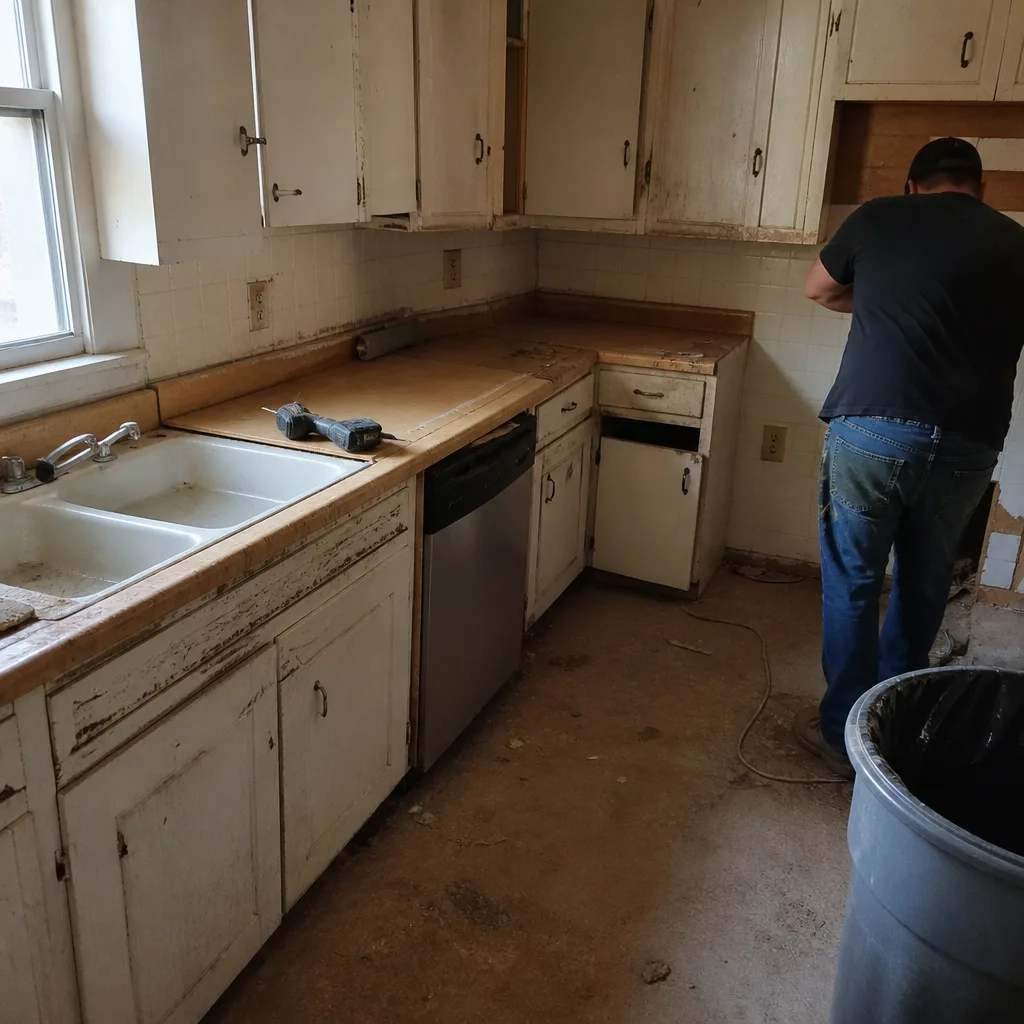 Before
 After
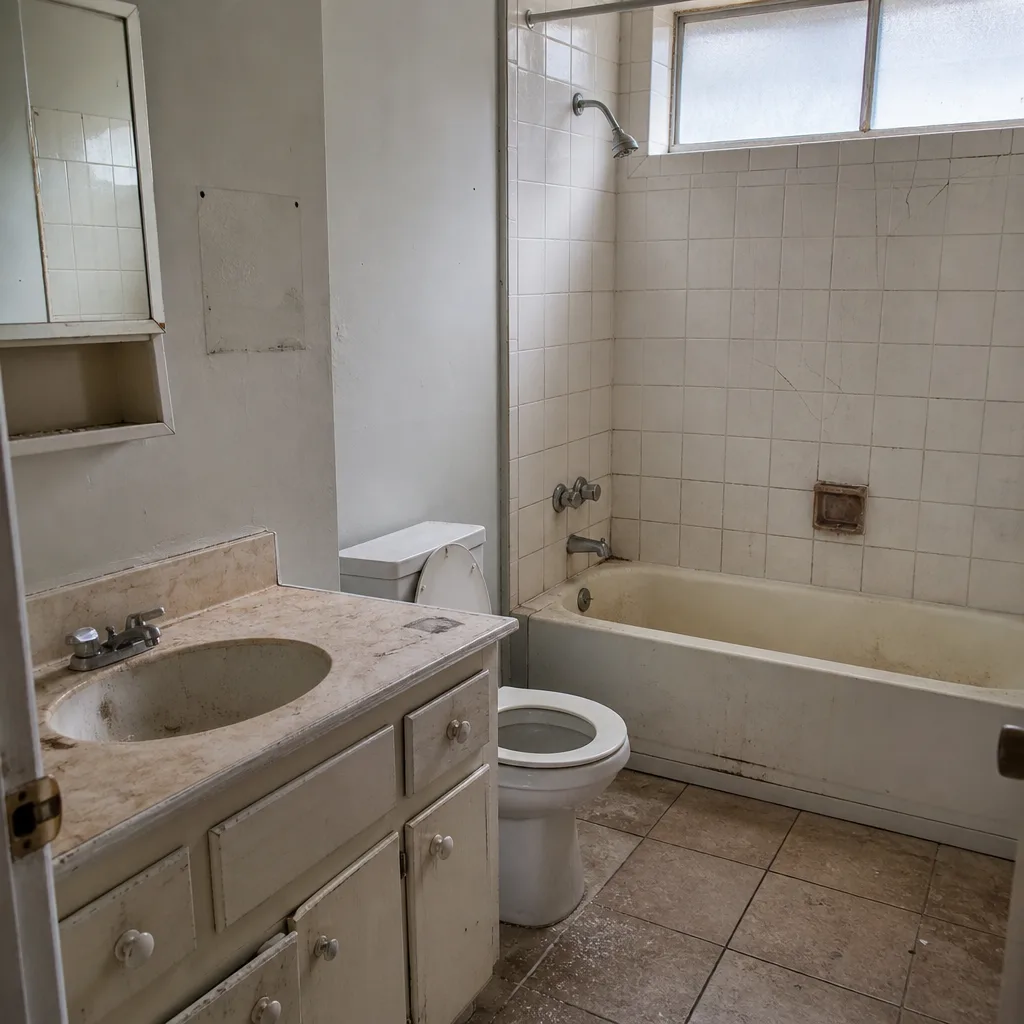 Before
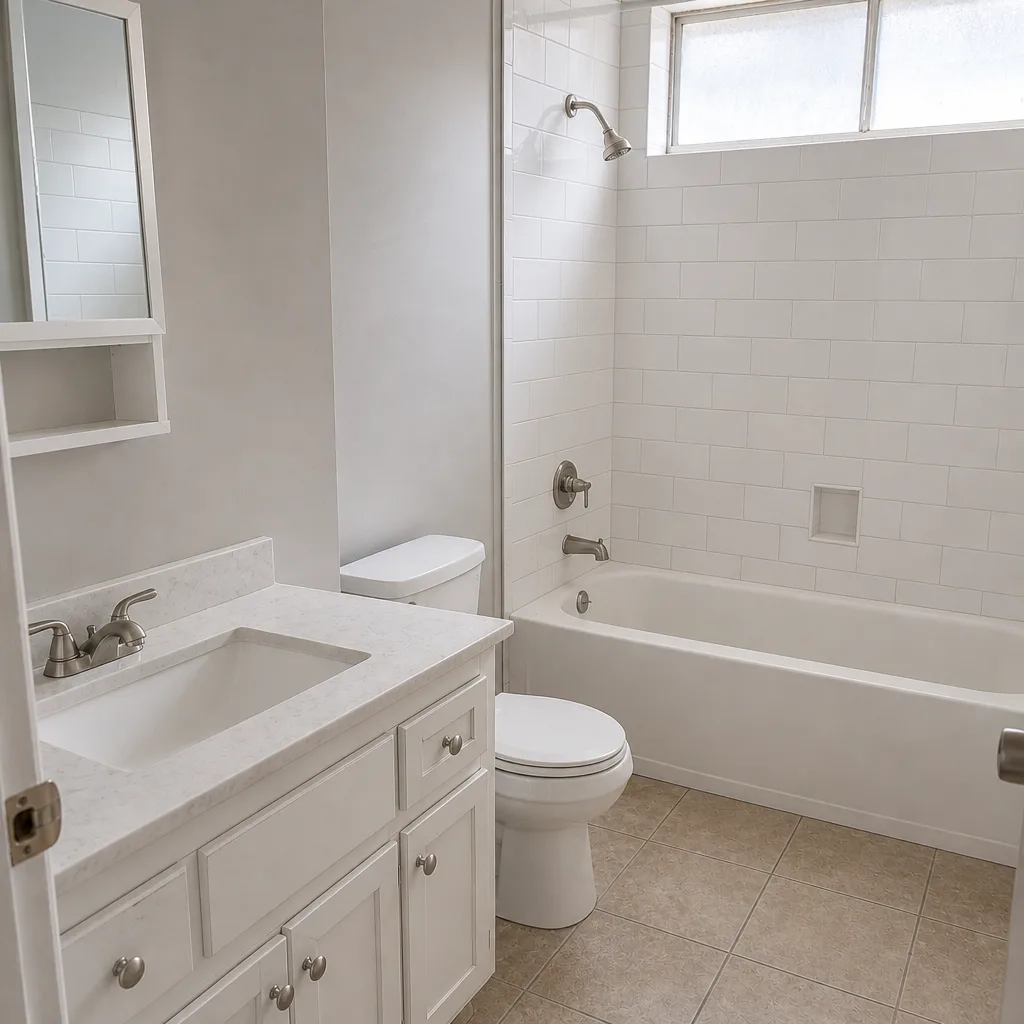 After
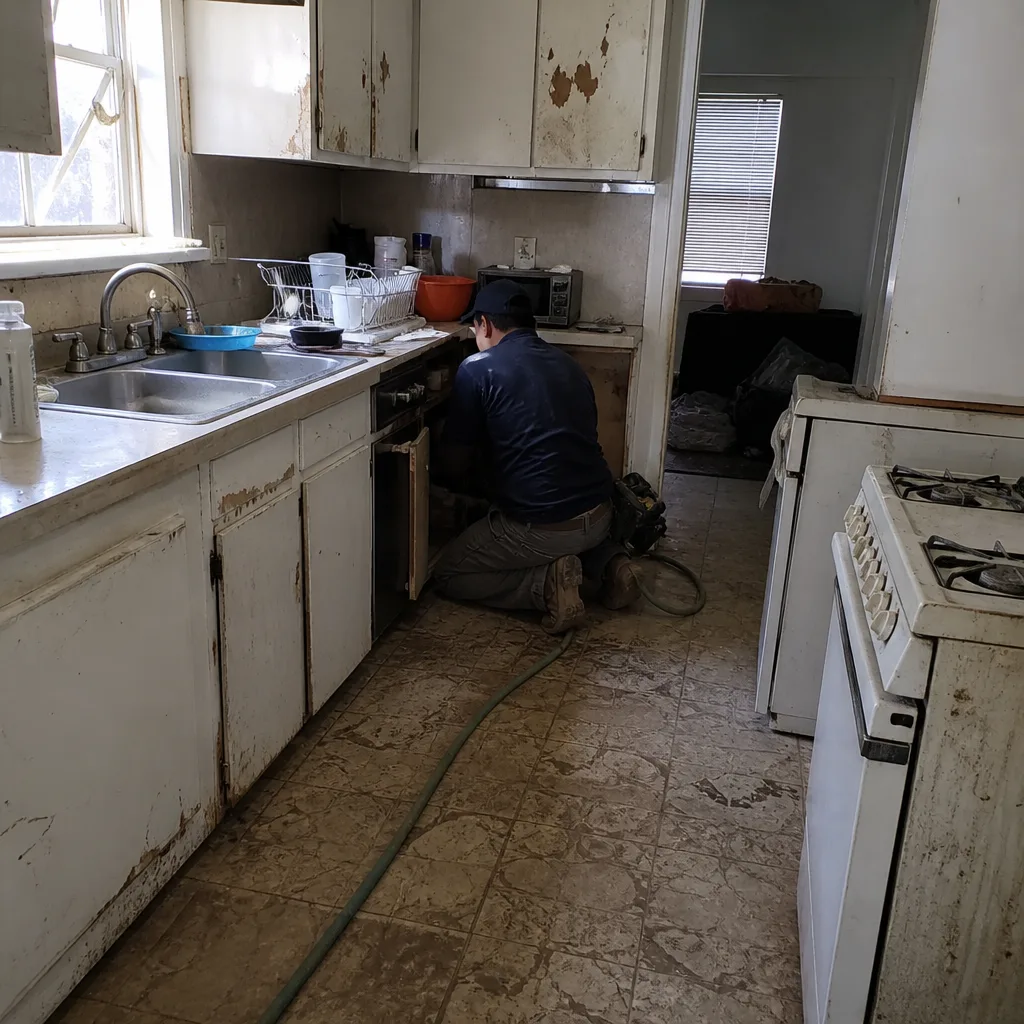 Before
 After
How to Find a Roof Leak in Mesquite, TX: Trace the Water, Not the Stain
The water stain on your east bedroom ceiling is usually not sitting under the leak. On the low-pitch rooflines common across Mesquite, water enters at a flashing failure or a compromised shingle mat and then travels laterally across the decking for three to fifteen feet before it finds a penetration and drips. The fastest way to find a roof leak is to stop looking above the stain and start tracing uphill from the drip, checking penetrations and wall junctions first, then the shingle field, and confirming the source in the attic with daylight. If a rain event is active and water is spreading, call (888) 426-8078 and a live person will pick up while the leak is still traceable.
Mesquite is a built-out, largely post-war inner-ring Dallas suburb where almost every roofing job is repair, replacement or storm rebuild rather than new construction. The city has been essentially fully developed since the 1980s, which means we’re working on 1950s-1970s ranches and brick-veneer tract homes that are now 50-plus years old. Those roofs have had decades of North Texas thermal cycling, spring hail and high-wind events. They leak differently than a new build.
Key takeaways
- The ceiling stain is a symptom. The entry point is usually 3-15 feet horizontally away on a low-slope roof.
- Check penetrations and wall step-flashing before you look at field shingles.
- A “new” leak often traces to hail damage from 6-18 months earlier.
- In the attic, kill the lights during daytime and look for pinhole daylight through the decking.

Why the Leak Is Rarely Above the Stain
Slope controls everything. A steep 8/12 roof sheds water fast, so a leak shows up close to where it started. A 3/12 roof – and plenty of Mesquite ranch homes sit between 3/12 and 5/12 on main spans, with lower porches and additions below that – lets water creep sideways under the shingle course and along the felt before it drops. A single flashing gap at the west dormer valley can show up as a ceiling ring eleven feet away in the east bedroom.
This is the most common diagnostic mistake we see. Homeowners, and more than a few contractors, climb up directly above the stain, find nothing obvious, and conclude the roof is fine. Meanwhile the actual entry point keeps running water into the deck every rain.
The practical rule: locate the drip in the attic first, hold a plumb line or a mental straight-up line from the drip to the roof surface, then trace uphill from that point in the direction of the slope, not downhill. On low-pitch sections, widen that search to 10-15 feet. On a normal pitch, start narrow.
The Inspection Sequence That Works on a Mesquite Ranch
Order matters. On aging ranch stock, roughly eight out of ten leaks we trace start at a penetration or a wall junction, not in the middle of a shingle field. Work through the roof in this sequence:
- Plumbing vents and the boot around them. Older rubber boots dry, crack and split at the collar. This is the single most frequent source on 40- to 60-year-old roofs.
- HVAC curbs and rooftop units. Curb flashing pulls away from the frame; the sealant dries out. Look for lift at the curb corners.
- Chimney and masonry counter-flashing. Look at how the flashing is let into the brick. Failed mortar joints and lifted counter-flashing let water behind the brick veneer and down the wall.
- Step-flashing at wall-to-roof junctions. Anywhere a wall meets a sloped roof – garage-to-house tie-ins, patio additions, dormers. Check that each step shingle laps the flashing and that the flashing is not rusted through at the base.
- Valleys. Look for exposed fasteners, torn valley metal and debris dams that hold water back.
- Field shingles last. By now you’ve ruled out the high-probability spots. Look for cracked, curled, granule-bald or missing shingles, and pay attention to any signs of old impact marks.
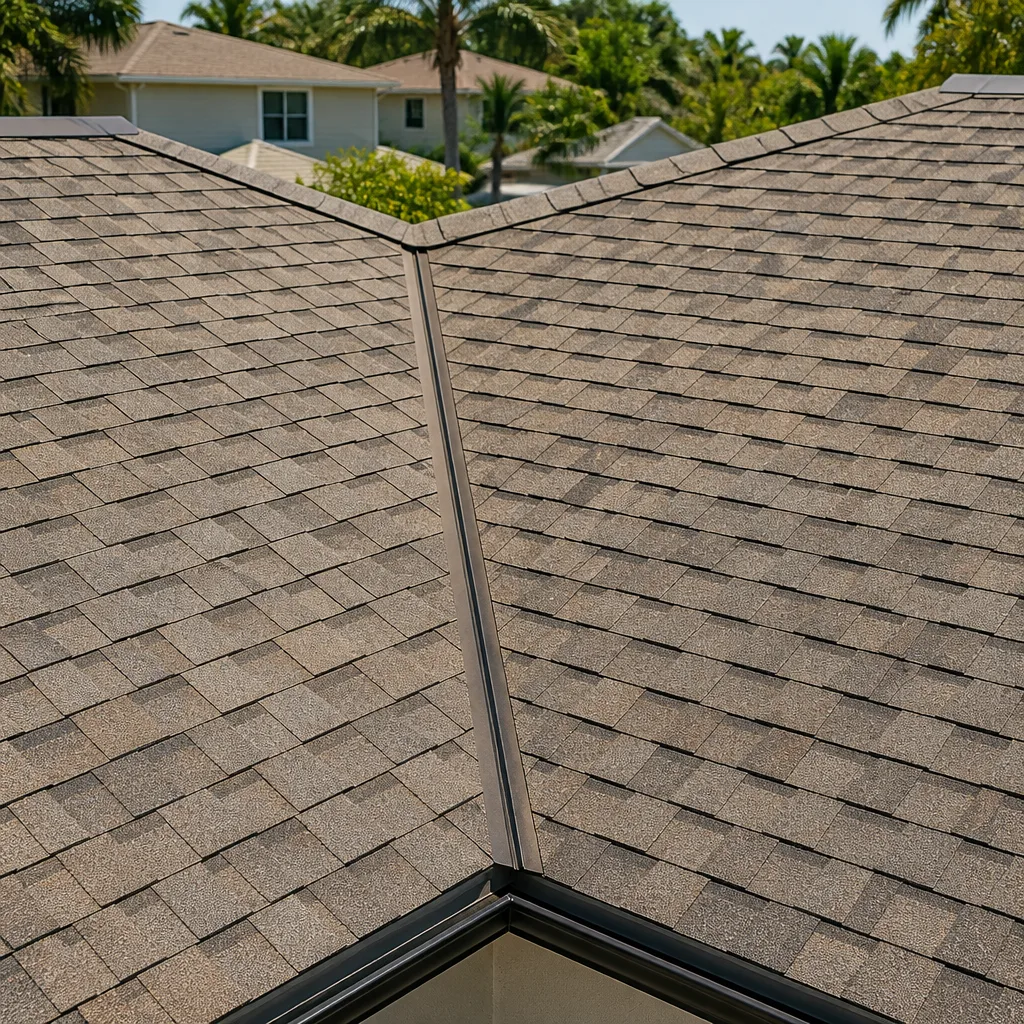
The materials your roof is wearing matter too. Lower-grade three-tab is more prone to mat cracking on a low slope than a heavier architectural shingle, which is part of why we install GAF and Owens Corning systems on replacements. A proper underlayment under the shingle is what actually stops lateral creep on a 3/12. If you’re looking at full replacement, our Roofing service page covers what a system build includes.
The Hail-Leak Timeline Nobody Warns You About
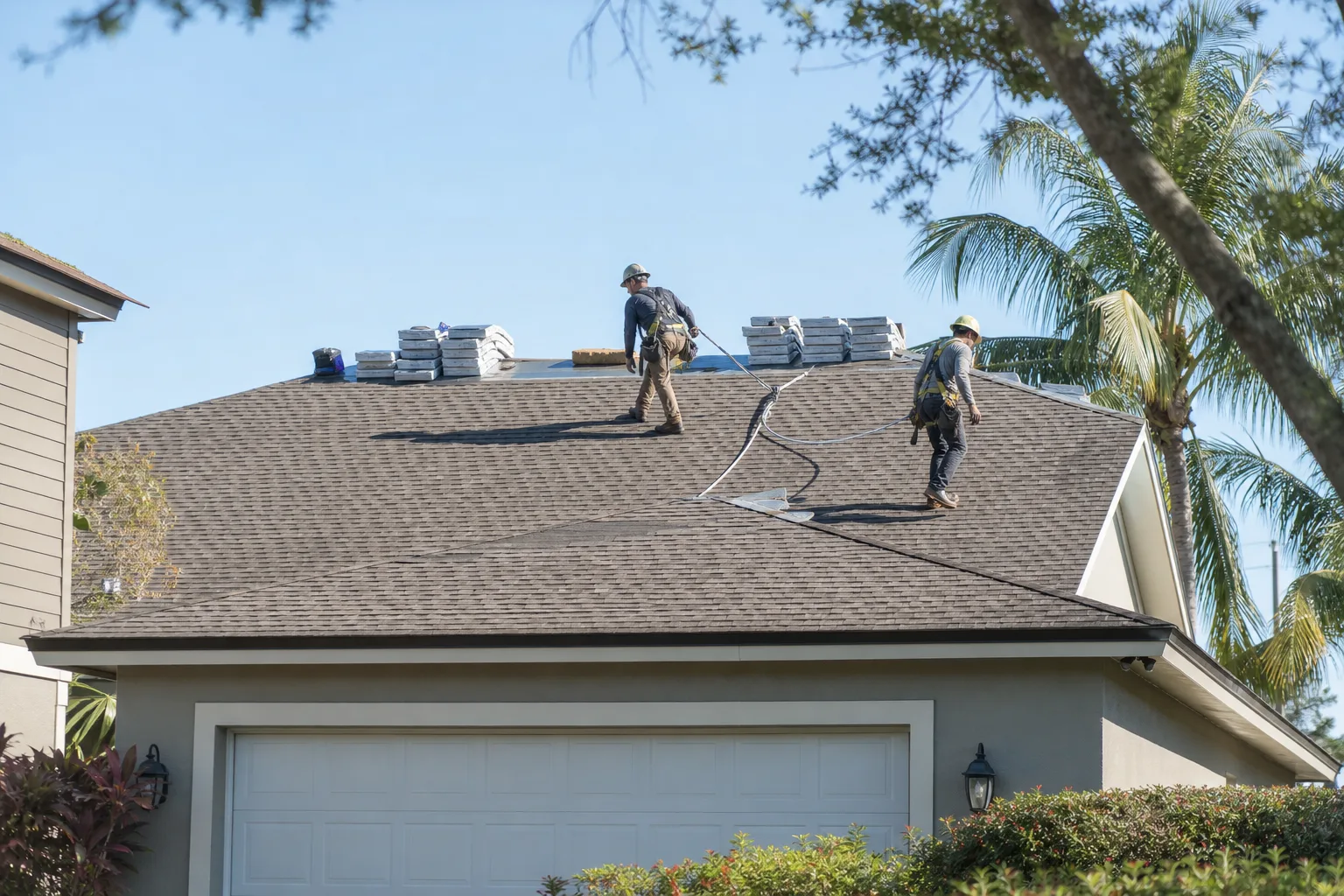
Mesquite has a specific problem: impact-damaged shingles often don’t leak right away. Hail bruises the mat and knocks off granules, the reinforcement under the shingle cracks, and the shingle sits there looking fine – until the next sustained rain two or three seasons later (six to eighteen months) overwhelms the compromised section. Your “new” leak may trace back to a storm you sat through a year ago.
If you’ve had roofing replaced or repaired within the last few years, that’s actually helpful for diagnosis. Trace the leak back to the damage window and it tells you whether you’re looking at a flashing failure (often a workmanship issue) or a hail-driven mat failure (usually an insurance or replacement conversation). Our team documents both in the same written report.
Attic Inspection: The Daylight Method
This technique works especially well on Mesquite’s aging ranch homes because decking gaps have widened with fifty years of thermal cycling. Here’s what to do:
- Go into the attic on a bright day, midday preferably.
- Turn off the attic lights.
- Let your eyes adjust for two full minutes.
- Look up and along the decking, not just up. Pinhole daylight shows the exact penetration.
- Chalk or tape the spot from below so you can find it again from above.
On some roofs the leak may only show during an active rain. If you can get into the attic while it’s raining safely (no standing water, no electrical hazards, no sagging decking), that’s the gold-standard diagnostic. Don’t put yourself through a ceiling or onto a wet roof to do it. If a storm is active, call our line – a live person answers 24/7, and we can be there while the leak is still running, which makes the source much easier to pin down than a dry trace two days later.
What Roof Leak Repair Actually Costs in Mesquite
Once you’ve found the entry point, you want a number before anyone climbs up. Here are the ranges we work with in Mesquite for repair and related work:
| Work | Typical Range | Notes |
|---|---|---|
| Roof repair (flashing, boots, localized) | $400-$1,800 | Most common leak-source repairs fall in the middle of this range |
| Tile roof repair | $600-$2,500 | Higher end where replacement tile is needed |
| Full roof replacement | $8,000-$20,000 | Often the smarter call when the leak traces to hail damage across multiple slopes |
| Metal roof installation | $15,000-$40,000 | Long-term option, usually not a leak-patch decision |
Upfront pricing is how we work. The number you see on the estimate is the number you pay – no surprise line items after the crew is on the roof. All work is backed by our 730-Day Done Right Promise, which is one of the longest workmanship guarantees in the residential construction space. And if the diagnosis points toward replacement, the standing $1,000 off projects over $10,000 and 0% financing for 18 months can ease the timing.
When to Stop Diagnosing and Call a Pro
Here’s the practical line. If you can’t trace the source in the attic within a single session, or if the suspected entry is anywhere near the chimney, a valley, or a height where you’d be working off a ladder above 10 feet, that’s the call point. Roofs are dangerous, and a slip on a wet shingle is a much worse problem than a ceiling stain. Our technicians – with up to 12 years of experience each – are background-checked and arrive in uniform, and we document the leak source with photo evidence before any repair, so you get a written diagnosis rather than just a repair invoice to sign.
If you’re in Mesquite and the ceiling is dripping right now, the fastest move is a phone call. We answer 24/7 with a live person, not a voicemail trap.
FAQs
Most roof leak repairs in Mesquite run $400 to $1,800 depending on where the source is and what needs replacing – flashing, boots, underlayment or shingles. Call (888) 426-8078 for an exact quote; estimates are free and the pricing is upfront.
Repair is cheaper when the leak traces to a single flashing or penetration on a roof with remaining life; replacement usually wins when hail damage has compromised multiple slopes or the decking underlayment is failing. Our team can diagnose which applies during a single visit – free estimate, upfront pricing, no pressure either way.
Yes – we take calls 24/7 with a live person answering, and we can be on site during an active rain event, which is actually the easiest time to trace a leak because you can watch the water. Call (888) 426-8078 to schedule a same-day visit.
Hail damages the shingle mat and knocks off granules without necessarily creating an immediate hole; the compromised shingle then degrades over six to eighteen months until the next sustained rain overwhelms it. That’s why a “new” leak in Mesquite often ties back to storm damage from a previous season.
Let’s Find the Source Together
If you’d rather have it looked at, Groundwork Construction Co. of Mesquite offers a no-pressure assessment in Mesquite – call (888) 426-8078. We’ll trace the leak, document it with photos, and give you a written diagnosis before any work starts. Same-day scheduling is often available when you call. Explore our Mesquite service area for related repair and reconstruction work, or start at our home page to see the full range of what we cover.
Written by the team at Groundwork Construction Co. of Mesquite, serving Mesquite, TX.