



Free written scope consultation - allowances, timeline, and change-order rules on paper before a single trade is scheduled
Styles & brands we work with
- Kitchen remodeling
- Bathroom remodeling
- Home additions & ADU
- Roofing
- Windows & doors
- Driveway & pavers
- Fence
See the difference
 Before
 After
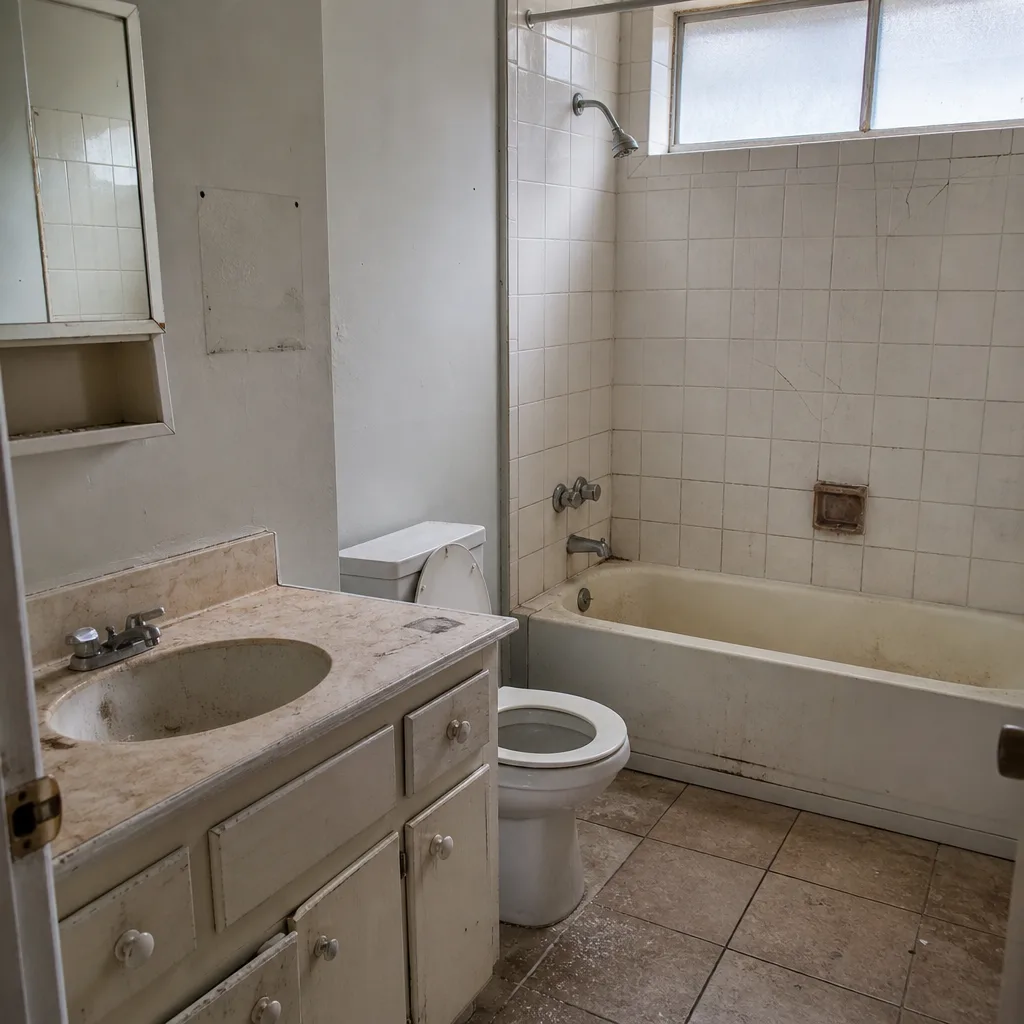 Before
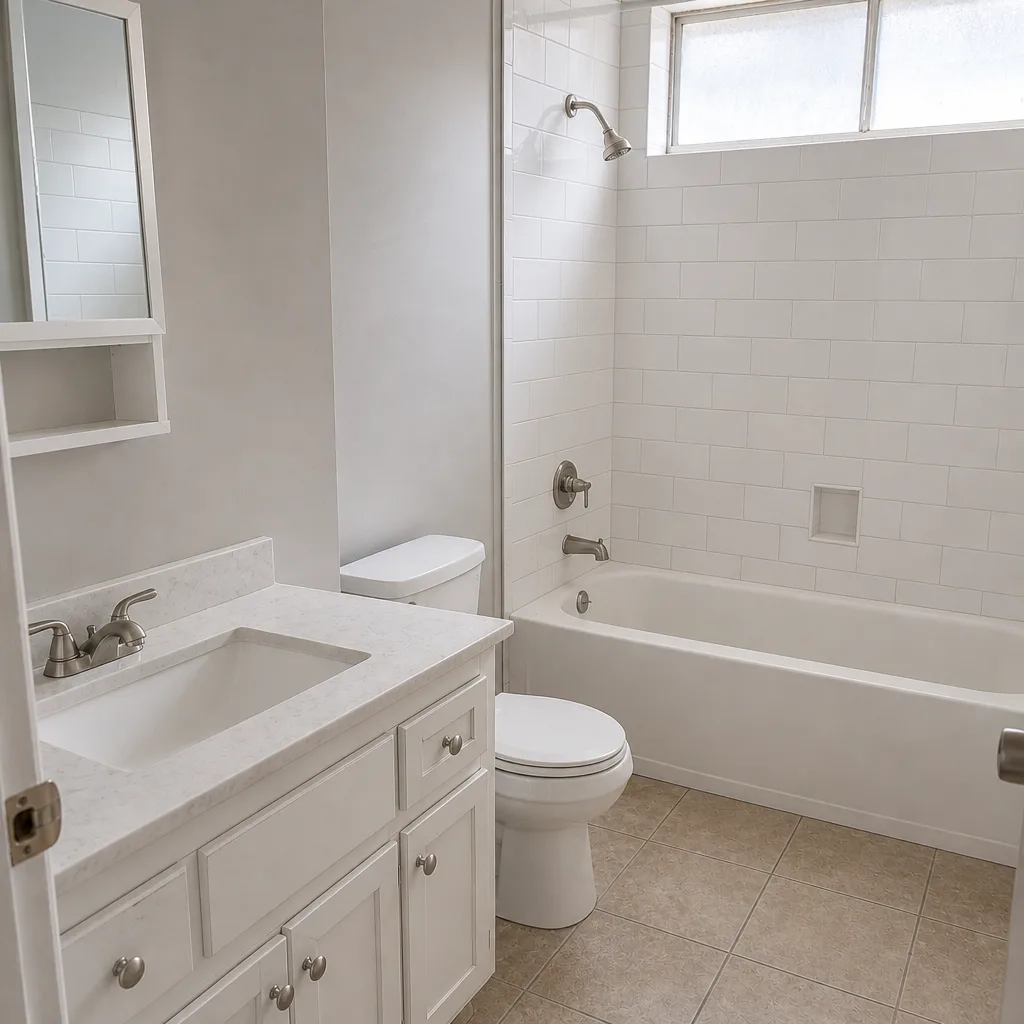 After
 Before
 After
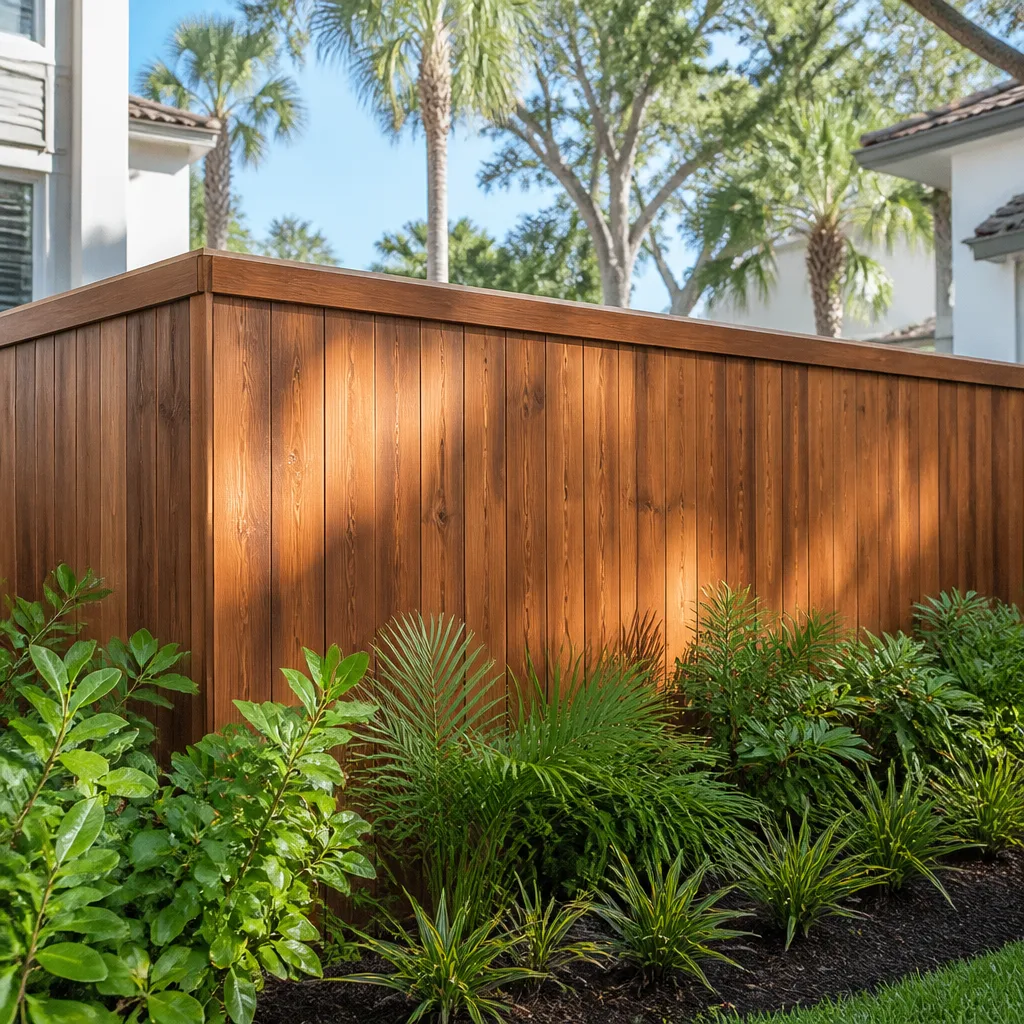
How to Stain a Wood Fence in Mesquite, TX: Apply in the Right Window, Not Just With the Right Product
The short answer: clean and brighten the wood, let it dry to a moisture reading under 15% for cedar (or wait 90-120 days on new pressure-treated pine), and apply a penetrating oil-based stain on a dry, overcast morning when the surface temperature is between 50 and 80°F. In Mesquite, the single biggest reason DIY stain jobs fail within a year isn’t the product. It’s applying a good product at the wrong time of year, in direct sun, on wood that never dried out from the spring rains. If you’d rather hand the timing to a crew that does this weekly, call (888) 426-8078 for a free estimate.
Why Timing Beats Product in North Texas Heat
Stain a cedar fence in Mesquite in July at 2pm and you’ll be re-doing it in 18 months. Apply it on a morning in late September, after the wood has dried out from the spring rain season and the UV index isn’t cooking the surface, and that same fence holds for 4-5 years. The product matters less than the timing. That’s the part most staining guides leave out, because they aren’t written for 95°F humidity swings and a sun that bakes a west-facing board by noon.
Surface temperature is the number that actually matters, not the air temp on your weather app. A cedar board in direct July sun can read 130-140°F on the surface even when the air is 95°F. Stain applied to a board that hot flashes off its solvent before it can soak in, so it sits on top, dries unevenly, and peels or chalks within a season. If you can’t hold your palm flat on the board for five full seconds, the wood is too hot to stain. Period.
The Mesquite Staining Calendar: Two Windows That Actually Work
Across Mesquite’s post-war housing stock – the ranch homes and brick-veneer tract builds that have been here since the 1950s through the 1970s – the fences are mostly cedar or pressure-treated pine, and both have a narrow window where stain performs. Two windows matter:
- Late October through November. This is the sweet spot. The wood has had all summer to dry out from spring rains, daytime highs drop into the 60s and 70s, and the sun angle is lower so the surface doesn’t cook. Humidity is still reasonable for a slow, even cure. If you stain once in Mesquite, stain in November.
- Early March, before hail season. North Texas spring hail and high winds beat up exterior wood, and a fresh coat applied in the first two weeks of March gives the fence a protective film heading into storm season. The catch: only stain if the wood has actually dried out from winter rain – check it with a moisture meter, don’t guess.
- Why July and August are the worst window, despite low humidity. Low humidity feels like a green light, but it pulls solvent out of the stain too fast and the sun drives surface temps past the point where penetrating oil can absorb. You’ll get an uneven, patchy coat that fails in a year and a half. Every summer we get called out to re-do fences that were stained in July.
If you’re weighing new construction versus a recoat, our Fence Installation in Mesquite page covers what a fresh cedar or pressure-treated install looks like before the first stain ever goes on.

The New-Fence Waiting Period Nobody Warns You About
This is the number-one reason DIY stain jobs fail within a year: the wood wasn’t dry. New pressure-treated pine is soaked with water-based treatment chemicals at the mill, and in North Texas heat it needs 90-120 days to off-gas and dry before stain will penetrate. Stain it at week three and you’re sealing moisture in, which pushes the treatment chemicals to the surface and causes the stain to flake and lift in sheets.
Cedar is different but just as picky. A moisture meter reading needs to come in below 15% before you apply. Kiln-dried cedar often gets there in a few weeks; air-dried or green cedar can take months. If you don’t own a moisture meter, buy one for $30 – it’s the cheapest insurance against a strip-and-recoat two years down the road.
Prep for Older Mesquite Fences: Brighten First, Then Wash Low
Fences that have been standing five years or more in Mesquite have graysilver oxidation on the surface, and stain won’t bond to dead gray wood any better than paint bonds to dust. The two-step prep that works on aging cedar:
- Wood brightener. An oxalic-acid brightener neutralizes the gray oxidation and evens out the color before stain. This is not the same as a cleaner. Apply, let it sit, rinse thoroughly. Skip this and your stain will look blotchy within six months.
- Pressure wash at the right PSI. Stay at 500-800 PSI with a wide fan tip. Anything above 1,200 PSI on aged cedar splits the grain, furs the surface, and opens checks that hold water. Pressure washing is a prep step, not a stripping step – you’re clearing dirt and old finish, not blasting the wood.
- Dry time before application. After washing, give the wood 48-72 hours in Mesquite’s heat and sun before staining – longer if you washed in a cool, humid stretch. Stain over damp wood and you get the same failure mode as staining new pressure-treated pine.
Penetrating Oil vs. Film-Forming Stain in High-UV Heat
Two product families, very different behavior in a North Texas summer. Penetrating oil-based stains soak into the wood grain, feed it, and fade gradually instead of peeling. Film-forming stains (many of the “solid color” stains the big-box stores push hardest) sit on top of the wood as a coating, and in 95°F heat and high UV, film-formers peel, blister, and flake – often within two seasons. Ask the manufacturer how it performs in high-UV environments before you buy.
| Job | Typical Mesquite Range |
|---|---|
| Penetrating stain + prep on a typical 100-150 linear-foot cedar fence | $3,500-$9,000 |
| Strip-and-recoat existing failed stain (includes stripper + brightener) | $2,800-$7,500 |
| Full vinyl fence installation (if you’re replacing rather than staining) | $3,500-$9,000 |
Those numbers reflect the prep, product, and labor involved – a cheap quote that skips the brightener or the pressure wash is more likely to cost you the re-do within 18 months. On jobs over $10,000, Groundwork takes $1,000 off, and 0% financing for 18 months is available on qualifying projects.
What the Crew Standard Actually Looks Like on a Stain Job
Stain days are still quality-control days. Our background-checked, uniformed technicians treat the finish coat with the same standard as structural work, because we’ve seen what happens when they don’t: a stripe of missed coverage on one south-facing run, and the whole section gets redone inside two years – which always costs more than doing it right the first time. Every Groundwork finish project is backed by the 730-Day Done Right Promise – if it’s not done right, we make it right – one of the longest workmanship guarantees in the residential construction space. Our technicians have up to 12 years of experience applying finish work in North Texas conditions, and calls come to a live person 24/7, so you’re never waiting until Monday morning when the weather window is closing.
If you’re layering in a new fence, a storm-season rebuild, or an exterior refresh across the rest of the property, our team works foundation to finish line under one contractor – see home for the full scope of services, and we’ll match stain timing to whatever schedule the other trades have.
FAQs
Late October through November is the best window, and early March gives you a solid second-best before hail season hits. Both windows give you the right surface temperature (50-80°F), enough drying time from spring and winter rains, and a sun angle low enough that the wood won’t overcook during application. July and August are the worst windows despite what low humidity suggests. Call (888) 426-8078 for a free estimate that locks in the right window for your fence.
Plan on 90-120 days in Mesquite’s summer heat for pressure-treated pine to dry enough for stain to penetrate. Cedar needs a moisture meter reading below 15%, which can be a few weeks if it’s kiln-dried or several months if it’s fresh-cut. Staining too early traps moisture in the wood and causes the finish to flake off within a year. Call (888) 426-8078 to schedule a moisture check and get a straight answer on timing.
It’s almost always cheaper to restain if the boards are structurally sound and less than about 15 years old – a strip-and-recoat runs $2,800-$7,500 in Mesquite, versus $3,500-$9,000 for a brand-new vinyl fence. Once posts are rotted, pickets are warped, or more than a few boards have cracked, replacement wins. Call (888) 426-8078 for a free on-site assessment – we’ll tell you honestly which side of that line you’re on.
Staining a typical 100-150 linear-foot cedar fence runs $3,500-$9,000 in Mesquite, including wood brightener prep, low-pressure wash, and a penetrating oil-based finish coat. A strip-and-recoat on existing failed stain runs $2,800-$7,500. Pricing is upfront, and estimates are free – call (888) 426-8078 and we’ll walk the property with you before quoting.
If you’d rather hand the timing, prep, and finish work to a crew that gets it right the first time, Groundwork Construction Co. of Mesquite offers a no-pressure assessment in Mesquite and around the metroplex – call (888) 426-8078. We’ll tell you the exact window your fence should be stained, and what it’ll cost before anyone lifts a sprayer.
Written by the team at Groundwork Construction Co. of Mesquite, serving Mesquite, TX.