Free written scope consultation - allowances, timeline, and change-order rules on paper before a single trade is scheduled
Styles & brands we work with
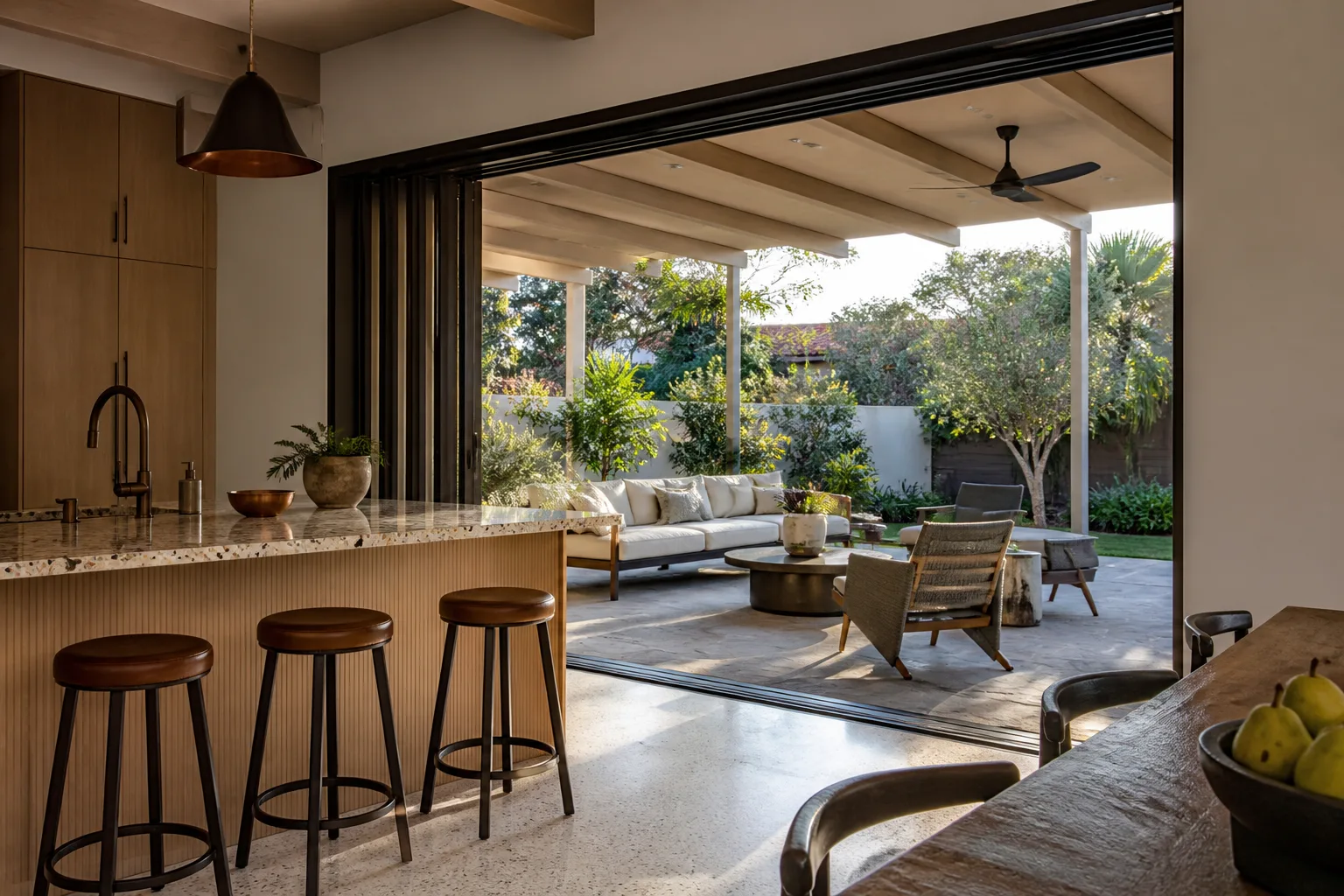
- Kitchen remodeling
- Bathroom remodeling
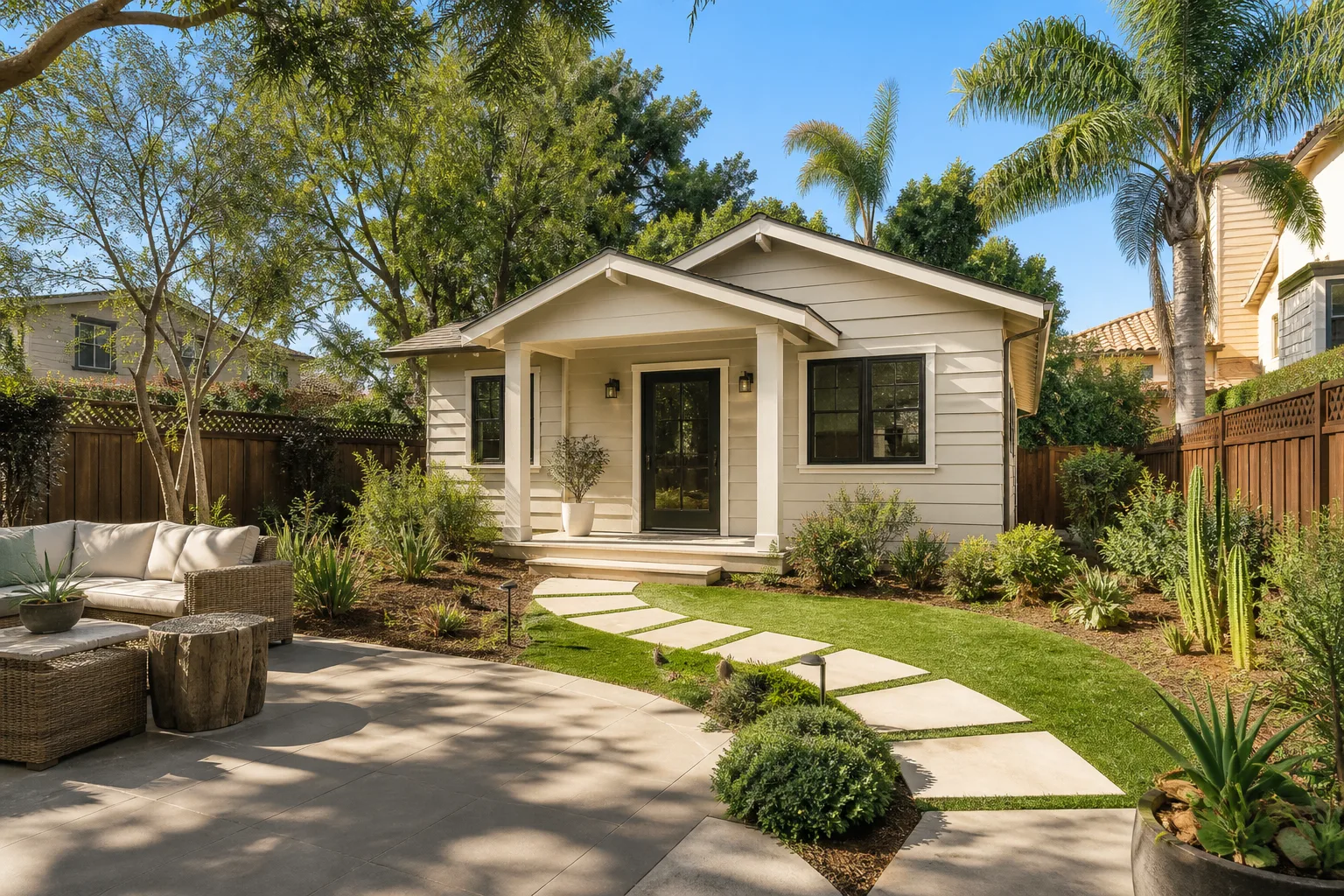
- Home additions & ADU
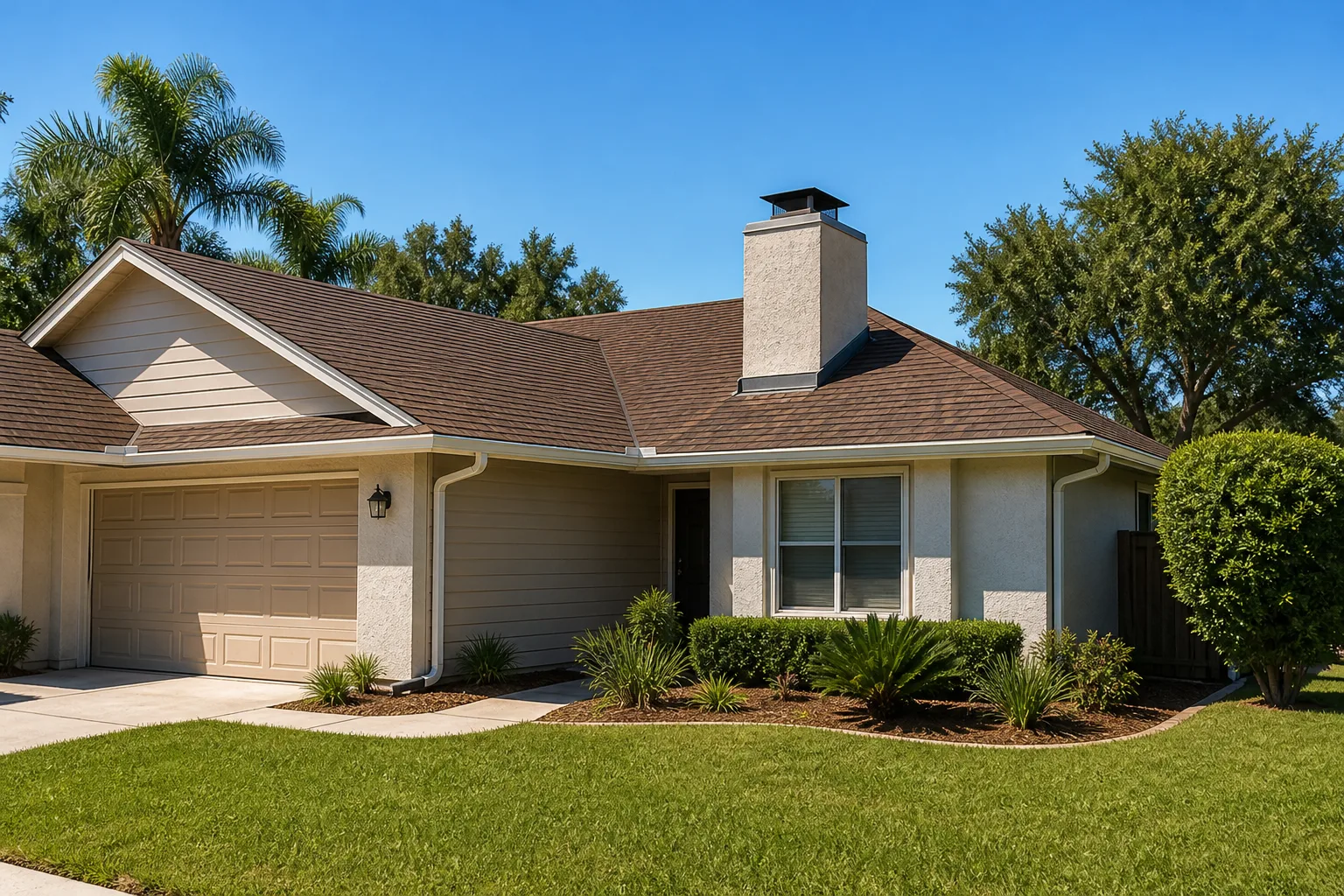
- Roofing
- Windows & doors
- Driveway & pavers
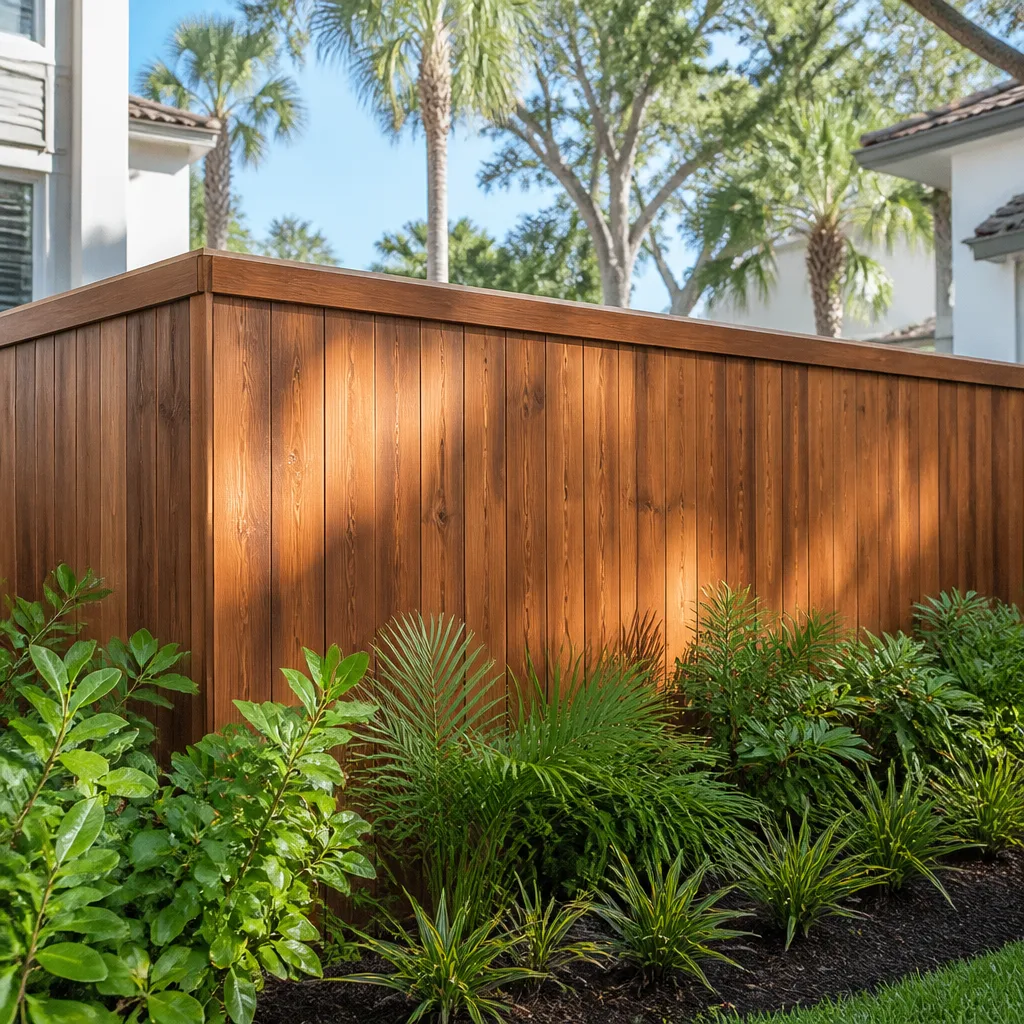
- Fence
See the difference
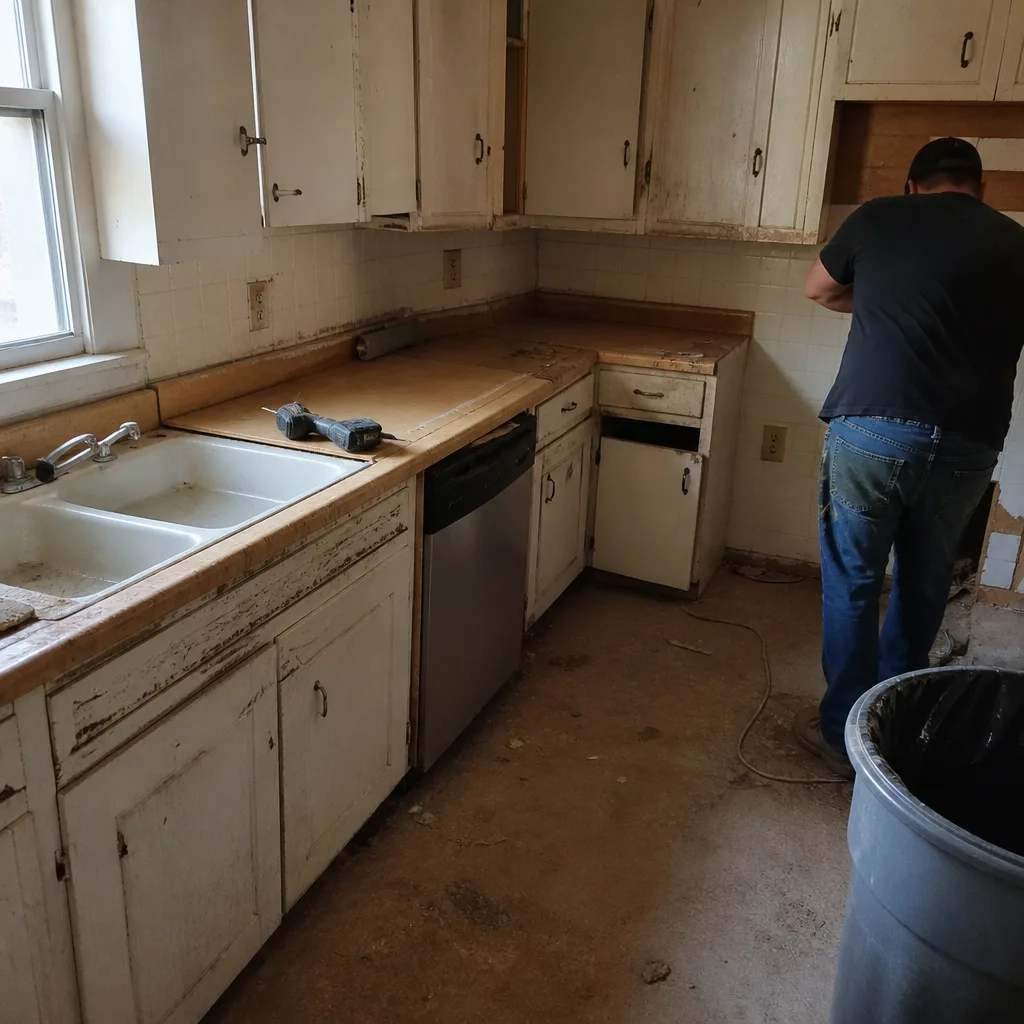 Before
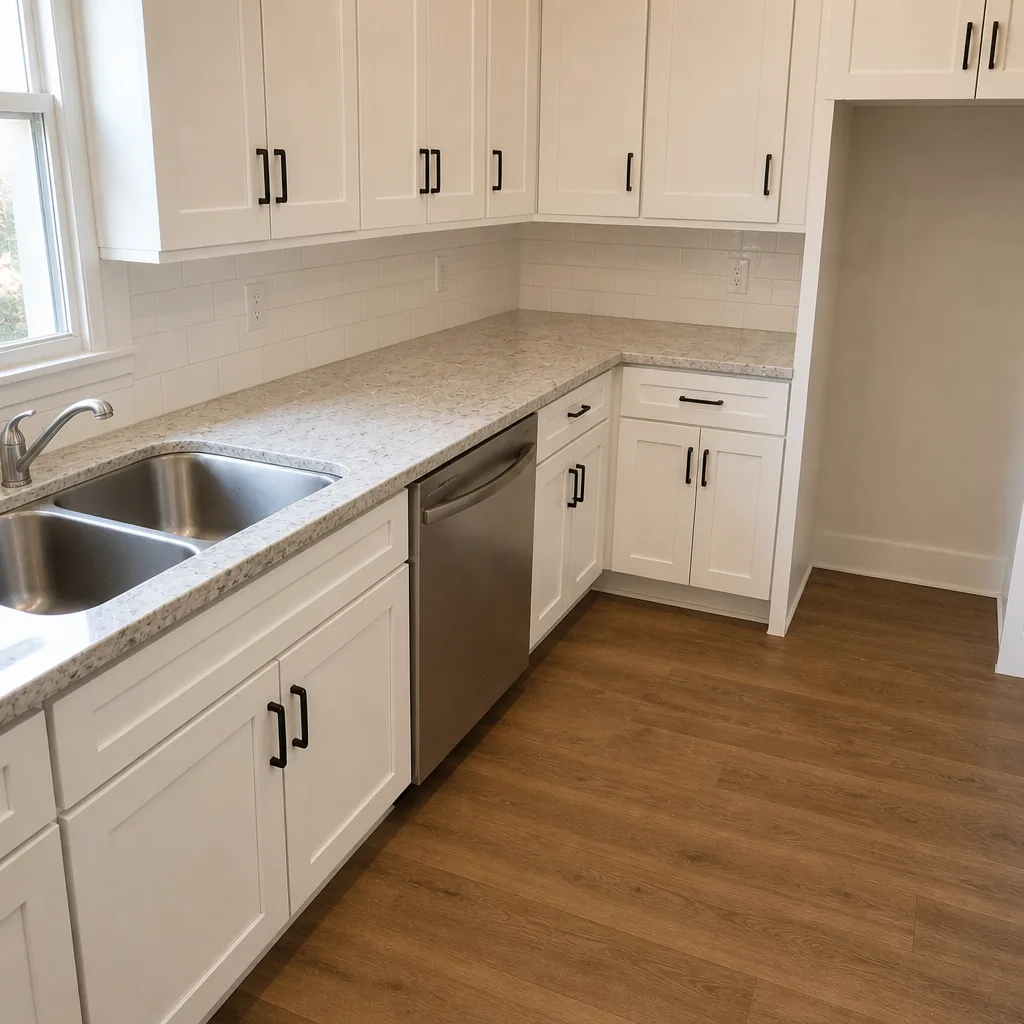 After
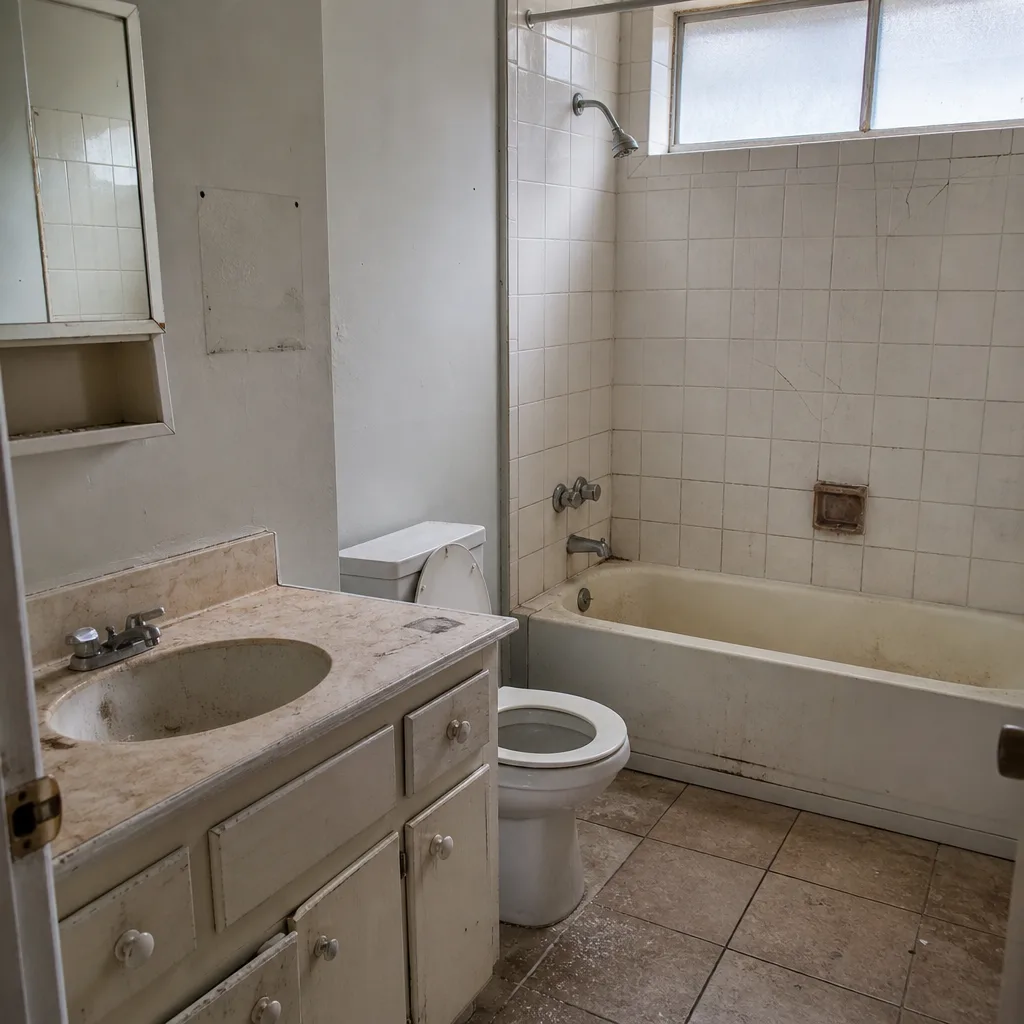 Before
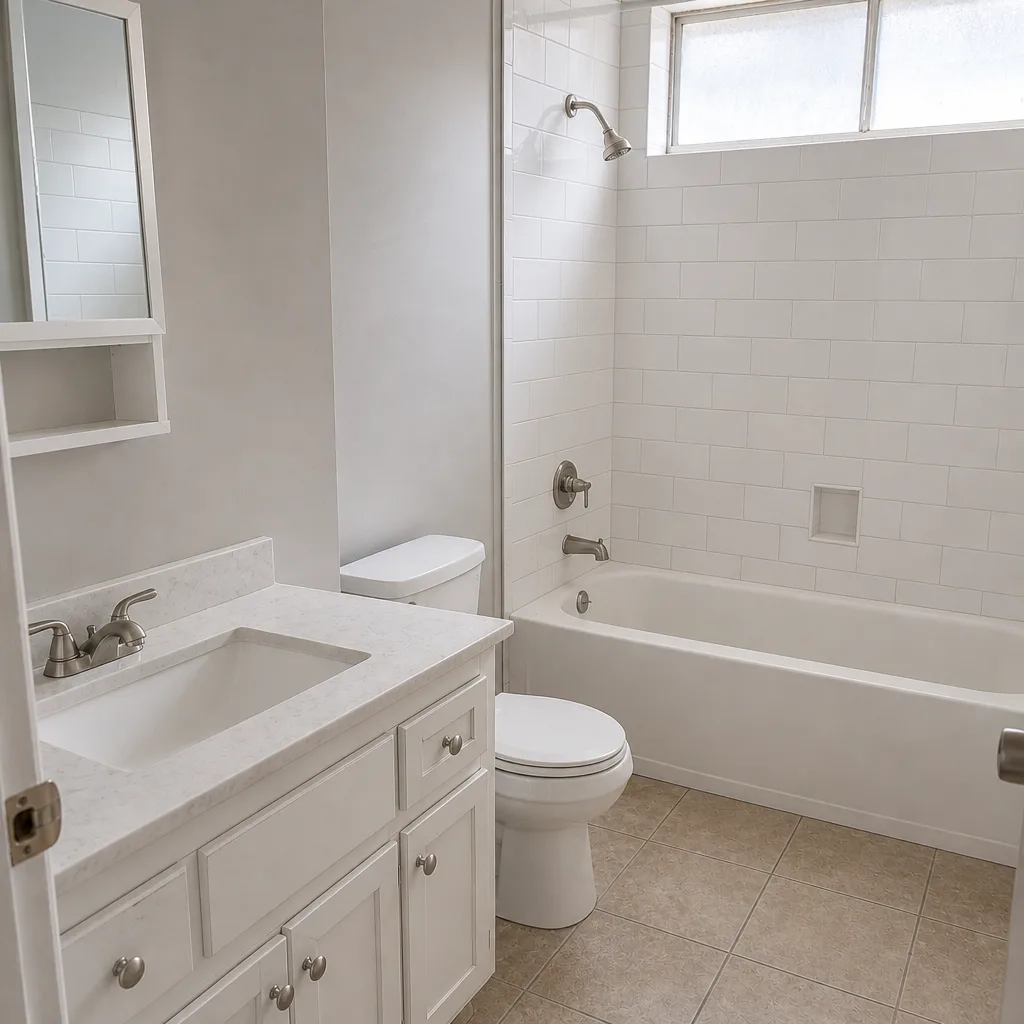 After
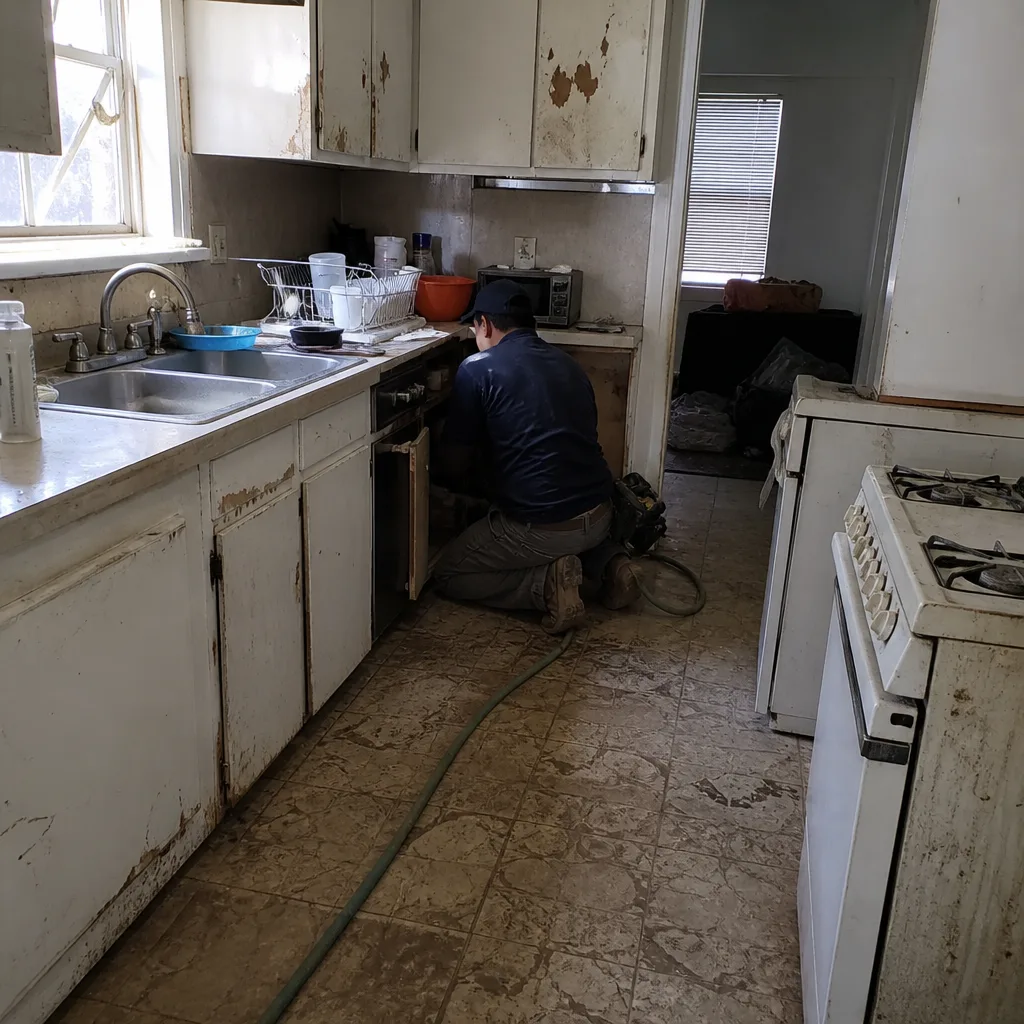 Before
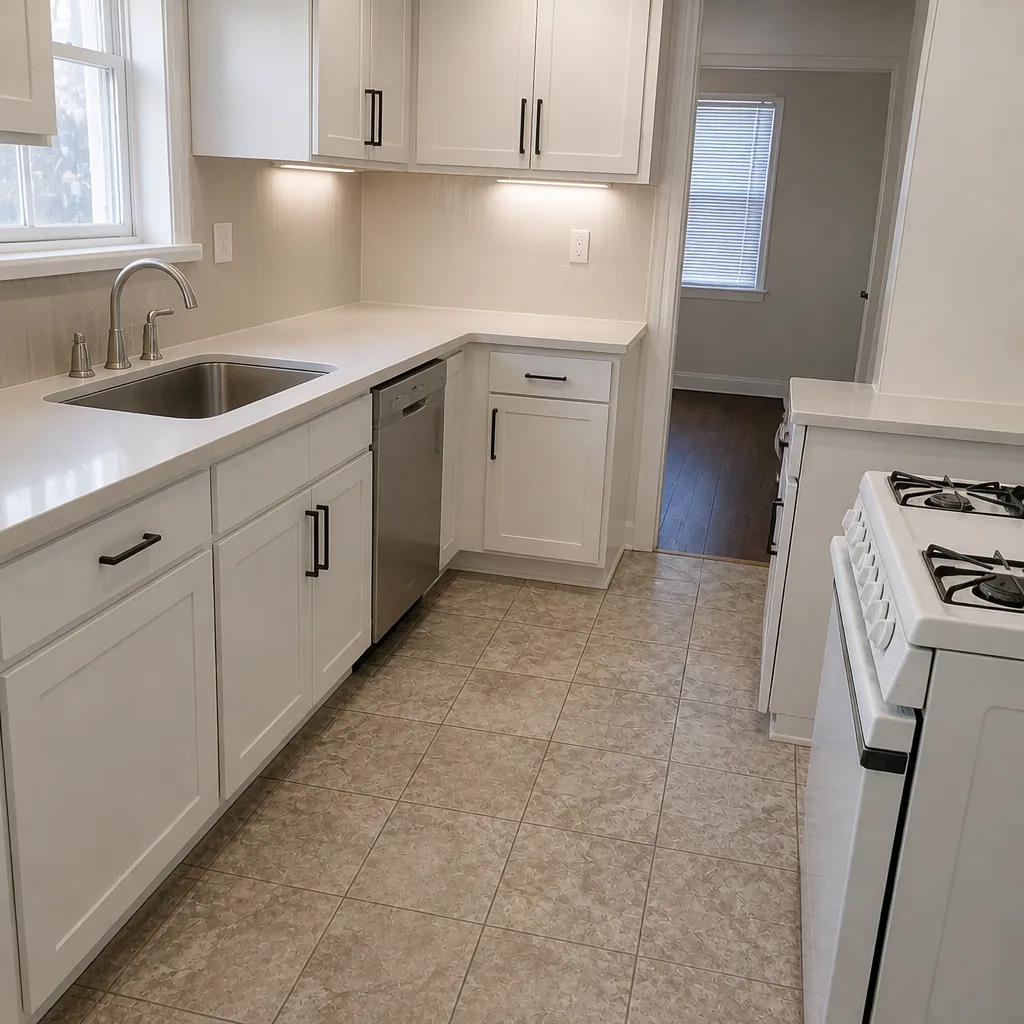 After
Tile vs Vinyl Plank Kitchen Flooring in Mesquite, TX: Choose LVP Unless You Want Tile Bad Enough to Live With Cracks
Choose luxury vinyl plank over tile for a Mesquite kitchen on a slab with any history of movement, cracking, or seasonal heaving. Tile is the better call only if you’re on a pier-and-beam floor with stable framing or you’ve had a recent structural engineer’s report showing your slab is at rest. The dividing line isn’t style or budget - it’s how much movement your slab is going to throw at the floor over the next fifteen years. Call (888) 426-8078 for a free estimate on either option, and we’ll give you a straight answer about what your slab can carry.
Tile is beautiful until Mesquite’s clay soil shifts the slab a quarter inch in a dry summer. Then it’s a cracked grout line and a tile replacement conversation. That’s not a defect in the tile. That’s what expansive clay does to rigid surfaces, and it’s why we tell most Mesquite homeowners the same thing: LVP is the more durable long-term pick for their kitchen, not because tile is inferior, but because a floating plank floor absorbs the micro-movement that a glued-and-grouted surface can’t.
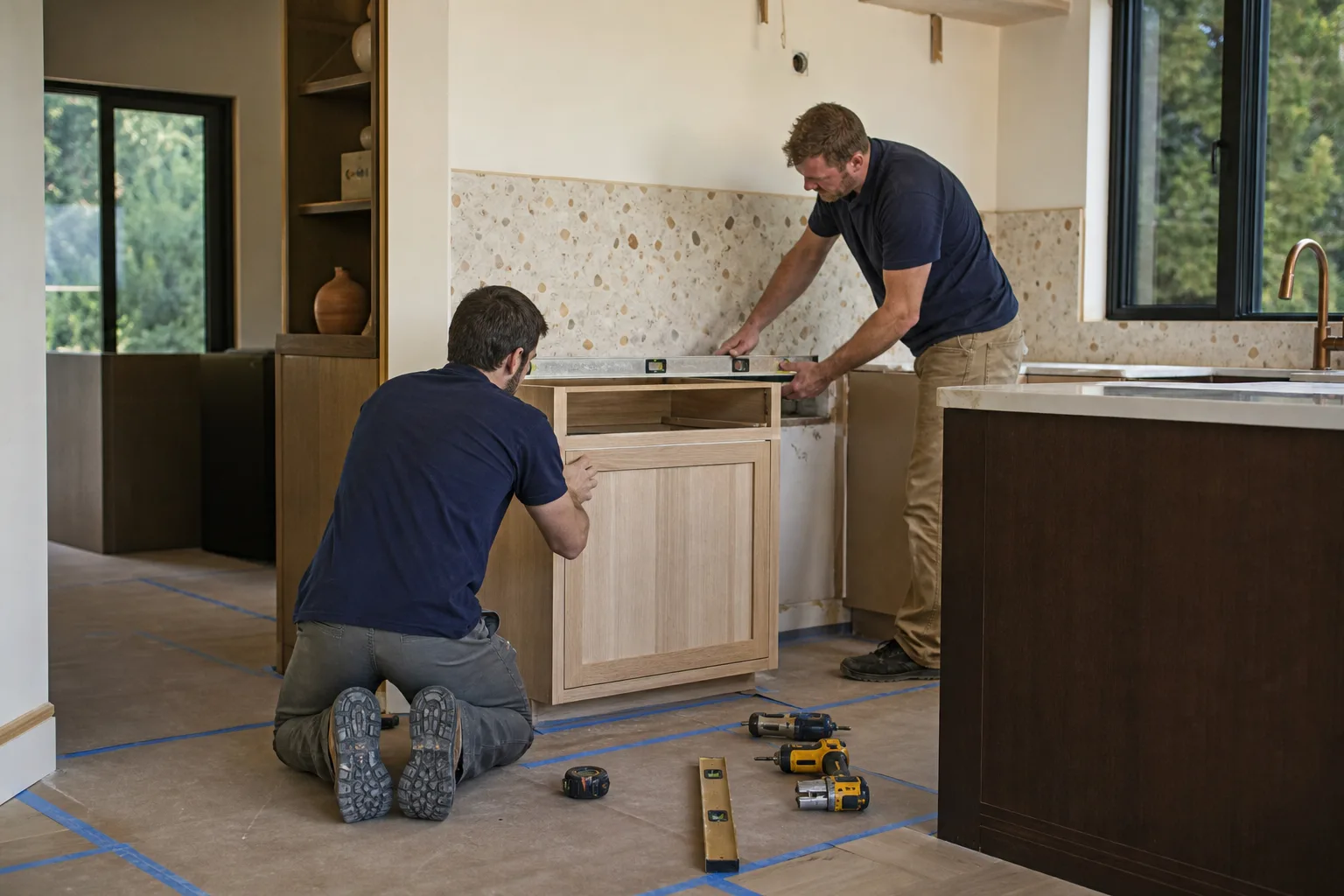
Why Groundwork Construction Co. of Mesquite Answers This Question Differently
We’ve walked into hundreds of Mesquite kitchens where homeowners are two years into a tile floor that’s already cracking at the grout lines. They think it’s the installer’s fault. It almost never is. It’s the black clay underneath - the same soil that swells and shrinks dramatically between drought and heavy rain across the whole city, and the same reason slab re-leveling is a constant, seasonal call here.
Our technicians have up to 12 years of experience on kitchen work, and all of them are background-checked and arrive in uniform. Every job is covered by the 730-Day Done Right Promise - if it’s not done right, we make it right. Calls get answered by a live person 24/7, and pricing is upfront with no surprises. That’s the standard we hold on every kitchen, whether you pick tile or LVP.
The Failure Mode Nobody Warns You About: West-Facing Kitchens on Slab
Here’s the part you won’t find on a flooring showroom brochure. In a west-facing Mesquite kitchen - and there are thousands of them in the ranches and brick-veneer tract homes built across the city from the 1950s through the 1970s - the afternoon sun hits the slab through the windows and heats the floor surface unevenly. The tile on the sunny side expands a fraction more than the shade side. On a slab that’s also moving seasonally with the clay, you get shear stress concentrated right at the grout joint.
Large-format tiles are the worst offenders. A 24-by-24-inch porcelain tile bridges more slab area than a 12-by-12, so any differential movement between two points on the slab multiplies across that longer span. The grout joint is where it shows. Hairline cracks in year one. Actual joint separation by year three or four.
- Small-format tile (12×12 and under): More grout lines absorb more stress, so failures are slower and more localized
- Large-format tile (24×24 and up): Bridges more slab area and cracks earlier; popular in modern remodels and also the highest-risk pick on a moving slab
- Quality LVP (floating install): Independent of the slab. The planks expand and contract as a unit, and micro-movement beneath doesn’t telegraph to the wear layer
The 1960s and 1970s Ranch Remodel Problem
Most of the Mesquite kitchens we work in are in ranch homes that are now 50+ years old, and a lot of them still have the original vinyl composition tile or sheet vinyl underfoot. That material, from that era, may contain asbestos binders. You cannot just tile over it - the old flooring has to come up, and if the adhesive or backing is suspect it needs testing and proper abatement before any new hard surface goes down. That’s a real cost line item and a real schedule delay that nobody mentions at the flooring store.
Floating LVP changes that math. When the existing surface is sound, level, and not failing, LVP can often go right over a properly prepared subfloor. You cut removal cost, you cut abatement risk, and you cut a week off the timeline. That’s a big reason we point Mesquite homeowners toward LVP during a Kitchen Remodeling project - not because it’s the cheaper look, but because it solves a problem tile creates.
Real Numbers for a 150 Square Foot Mesquite Kitchen
Here’s what the two options cost installed in a typical 150-square-foot Mesquite kitchen, with appropriate edge trim, grout or underlayment, and normal prep work included:
| Option | Installed Cost / Sq Ft | 150 Sq Ft Total |
|---|---|---|
| Porcelain tile with Schluter edge and grout | $10 - $16 | $1,500 - $2,400 |
| Quality LVP with appropriate underlayment | $6 - $10 | $900 - $1,500 |
Now add the five-year maintenance differential if your slab has any movement history. A tile floor on a moving slab typically needs a grout repair in year two or three - $300 to $600 for a partial re-grout in a kitchen this size, and that’s assuming the tiles themselves stay bonded. If a tile cracks and the pattern is discontinued, you’re matching dye lots or replacing the field. Over five years, a tile floor on a shifting slab can run $400 to $1,200 more than its install price in repairs alone. LVP doesn’t have that line item. It flexes and it stays put.
These numbers sit inside a broader Kitchen Remodeling in Mesquite range of $14,000 - $45,000 for a full project, so the flooring choice moves the needle on budget but doesn’t define it. Cabinets, counters, and layout matter more. Still, flooring is the one line item where a wrong decision keeps costing you after the job is done.
Where Groundwork Sources LVP (and What We Refuse to Install)
Not all LVP is equal. The 6-mil wear layer you’ll find on the builder-grade pallets at big-box stores looks and feels fine on the sample board. In a Mesquite kitchen with kids, pets, and a back door to the yard, a 6-mil wear layer often shows visible wear within three years. We won’t install it, and we’ll tell you why if you ask.
We source LVP from established flooring brands with commercial-grade wear layers and lifetime residential warranties - products rated for the traffic a real family puts on a real kitchen. Our brand partners across categories are the same tier: KraftMaid and Kohler in kitchens, GAF and CertainTeed on roofs, Andersen and Pella for windows, and dozens more. The point is that the material is built to last, and it’s backed in writing. From foundation to finish line, the flooring is the last thing we touch and the thing you’ll notice every single day.
Common Scenarios We See in Mesquite Kitchens
The 1968 ranch in Casa View Heights. Original sheet vinyl over slab. Homeowner wants tile. We test for asbestos in the old flooring, price the abatement, and lay out both options with real numbers. About half pick LVP once they see the abatement cost.
The 1979 brick ranch with a west-facing kitchen. Afternoon sun on the slab, a south Texas summer, and a homeowner who loves large-format tile. We recommend small-format or LVP. If they insist on large-format, we explain the grout repair they should budget for in year three and we do it right.
The pier-and-beam home near Mesquite’s older neighborhoods. Different story. Framing can be re-leveled and stabilized, tile becomes a genuinely sound long-term pick, and we’ll say so. The recommendation follows the structure, not the sales sheet.
FAQs
For a 150-square-foot Mesquite kitchen, porcelain tile runs $1,500 - $2,400 installed, and quality LVP runs $900 - $1,500 installed. The LVP number typically includes underlayment and appropriate prep; the tile number includes grout and edge trim. Full kitchen remodels in Mesquite run $14,000 - $45,000, so flooring is a smaller slice of the budget. Call (888) 426-8078 for an exact quote on your kitchen - estimates are free.
It may, and the odds go up with slab age, clay movement history, and large-format tile. Mesquite sits on expansive black clay that swells and shrinks with wet-dry cycles, and a west-facing kitchen adds thermal expansion on top of that. A tile installation can survive fine on a stable, well-prepped slab - but on a slab with any cracking or seasonal heave, cracked grout is a when, not an if. Call (888) 426-8078 and we’ll look at your slab before we recommend anything.
Often yes, if the existing surface is sound, flat, and not failing - and if the old flooring doesn’t test positive for asbestos-containing materials. A floating LVP install can go right over a properly prepared subfloor, which cuts cost and avoids abatement risk. Tile can’t make that claim; the old floor has to come out first. Call (888) 426-8078 to schedule a free assessment of your existing floor.
Repair is cheaper in the short term, replacement is usually cheaper over five years on a moving slab. A partial re-grout in a Mesquite kitchen runs $300 - $600, and if the slab keeps moving you’ll pay it again. Replacing with quality LVP eliminates the recurring repair entirely. Call (888) 426-8078 and we’ll price both paths side by side so you can see the five-year math.
Get a Straight Answer on Your Mesquite Kitchen Floor
If you’d rather have it looked at, Groundwork Construction Co. of Mesquite offers a no-pressure assessment in Mesquite - we’ll check your slab, look at the existing flooring, and give you a written price on tile and LVP so the decision is yours, not ours. Live person, 24/7, and upfront pricing with no surprises. Call (888) 426-8078 for a free estimate.
Written by the team at Groundwork Construction Co. of Mesquite, serving Mesquite, TX.