Free written scope consultation - allowances, timeline, and change-order rules on paper before a single trade is scheduled
Styles & brands we work with
- Kitchen remodeling
- Bathroom remodeling
- Home additions & ADU
- Roofing
- Windows & doors
- Driveway & pavers
- Fence
See the difference
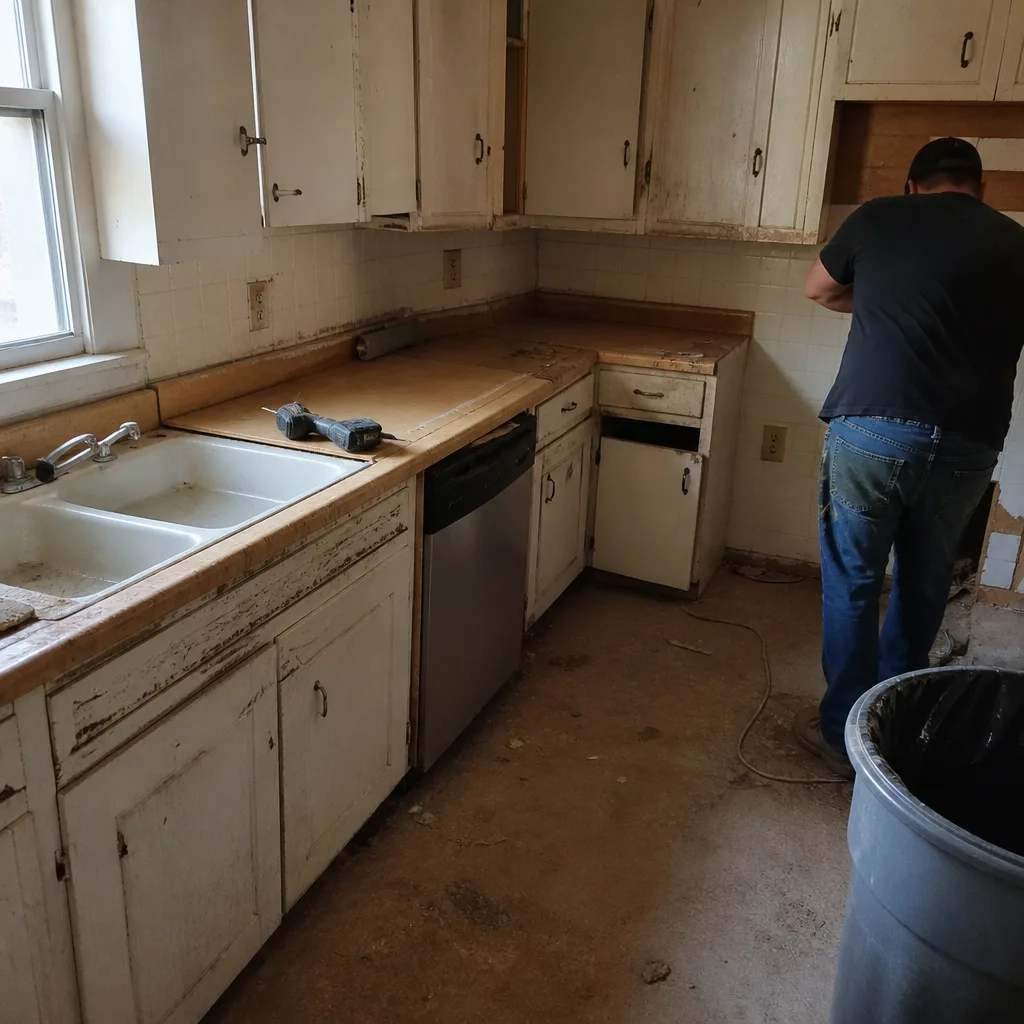 Before
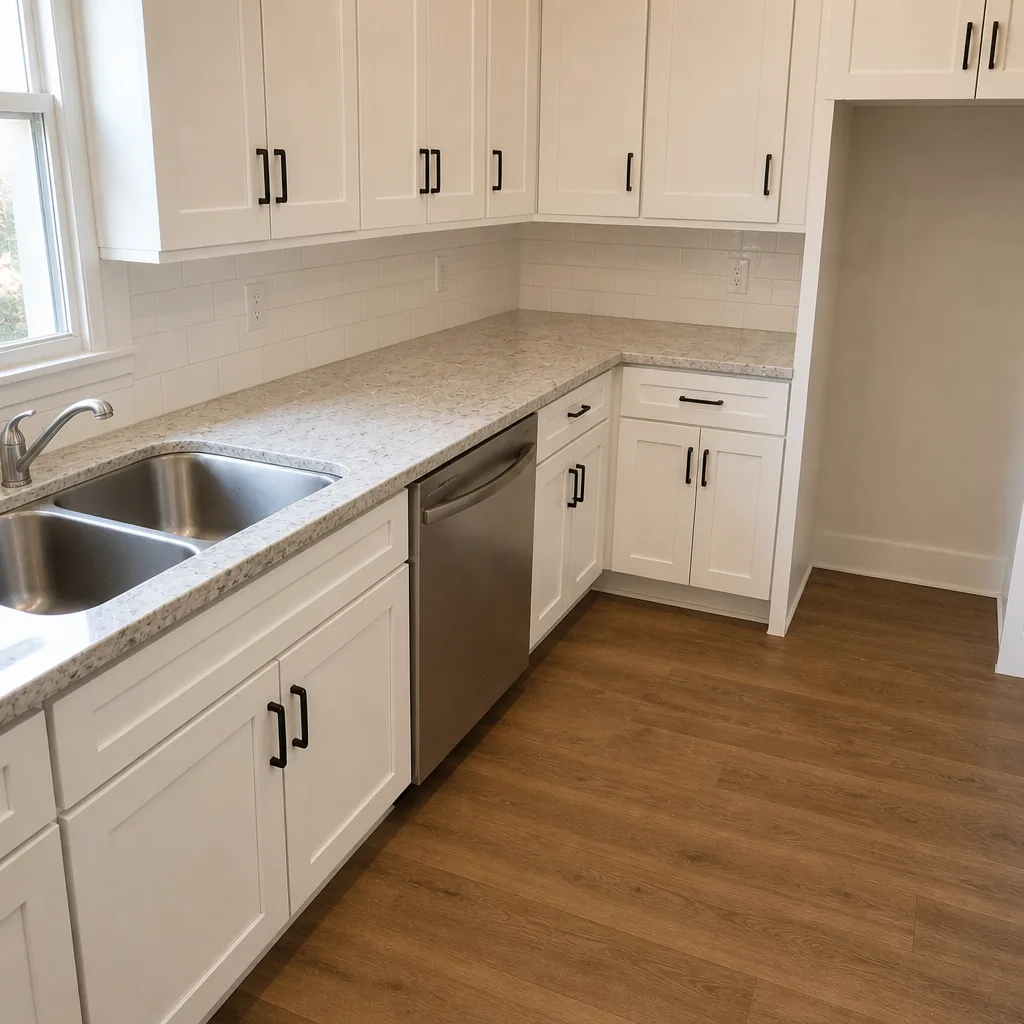 After
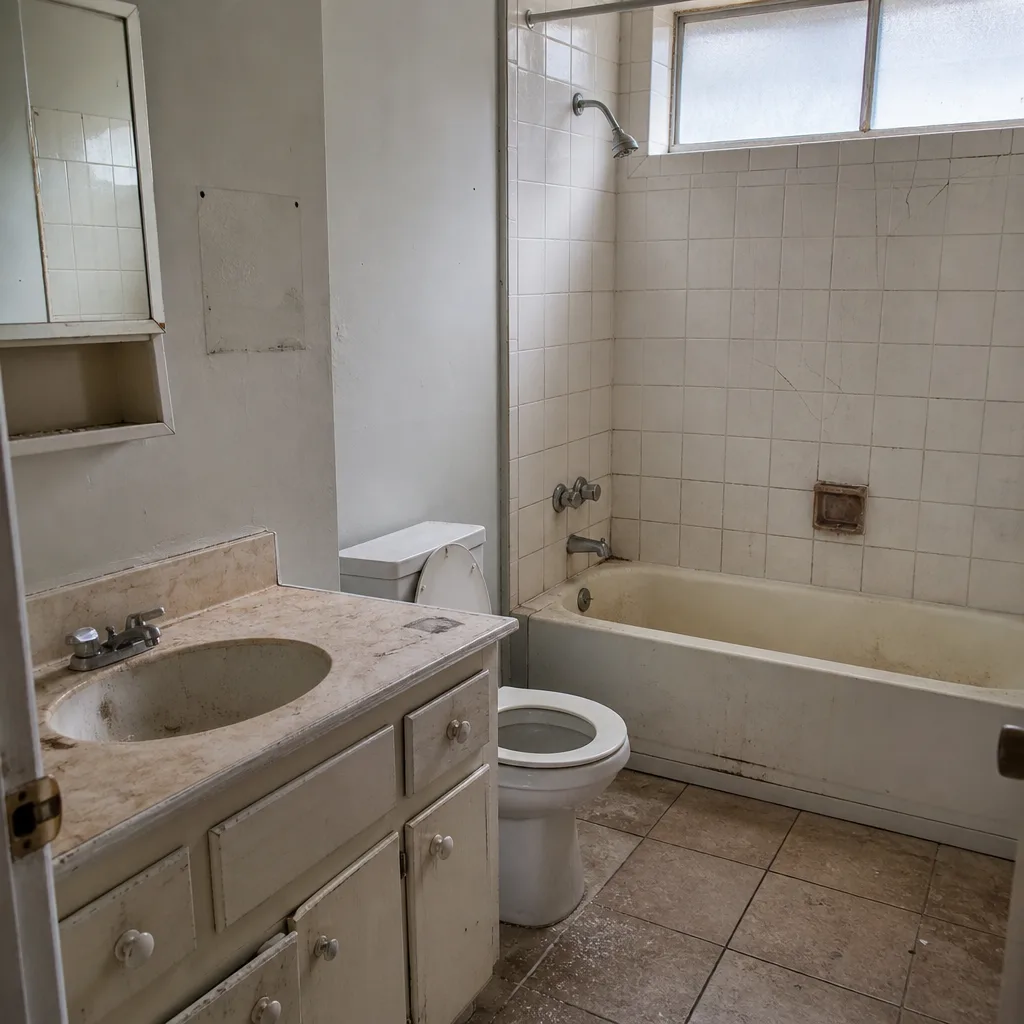 Before
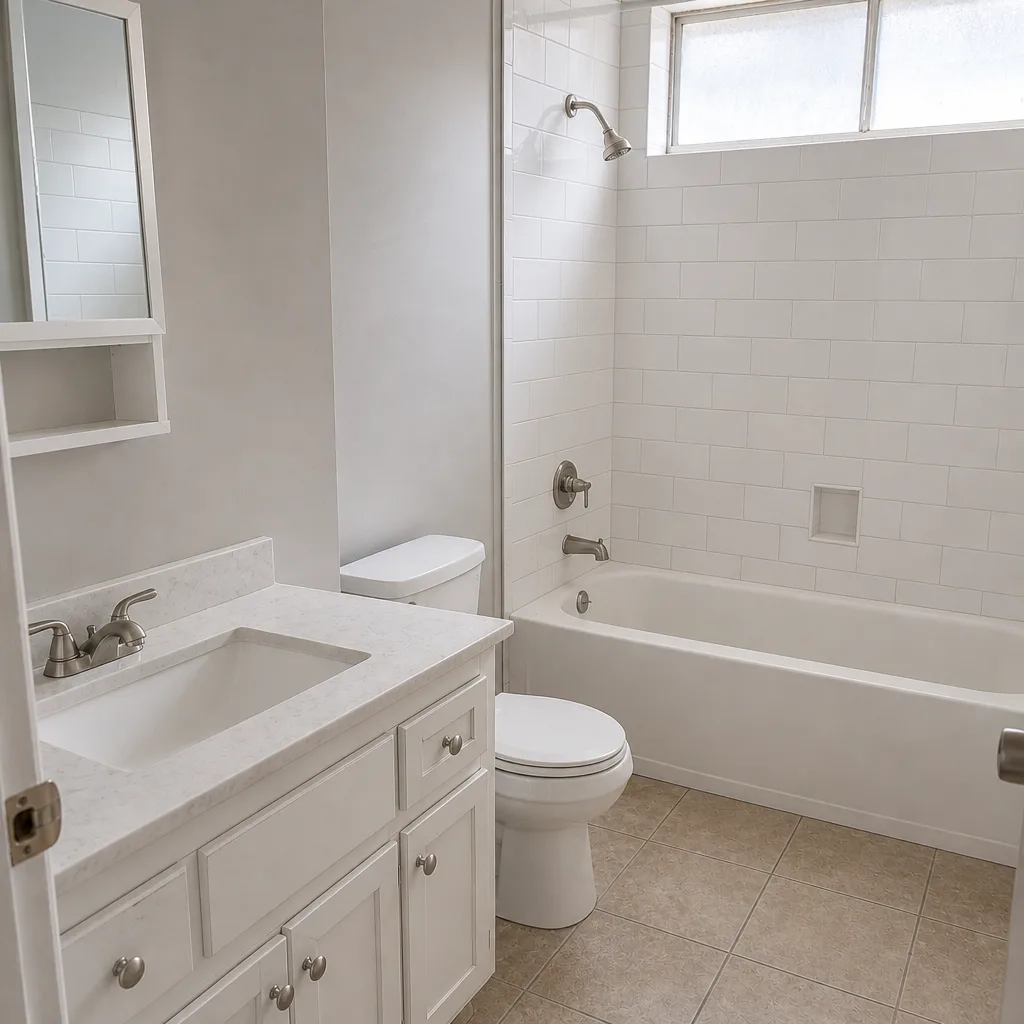 After
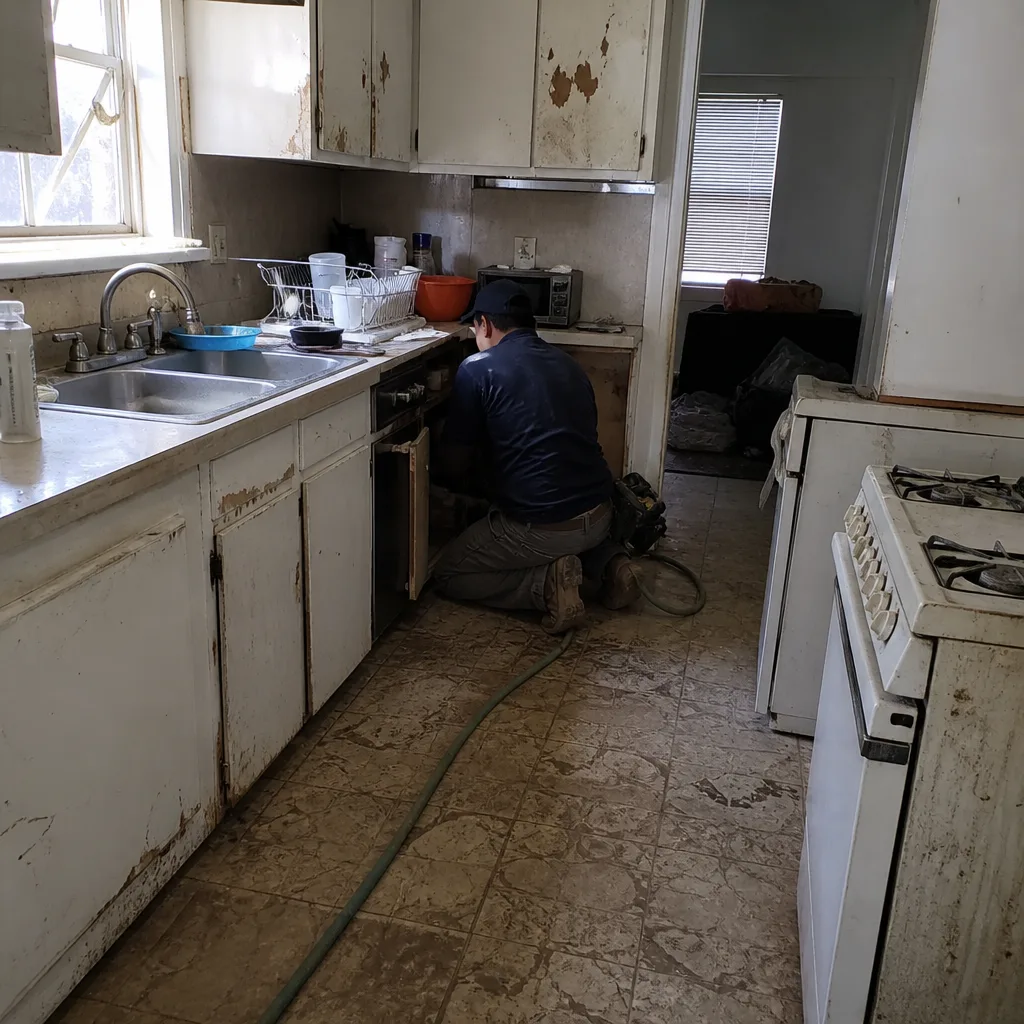 Before
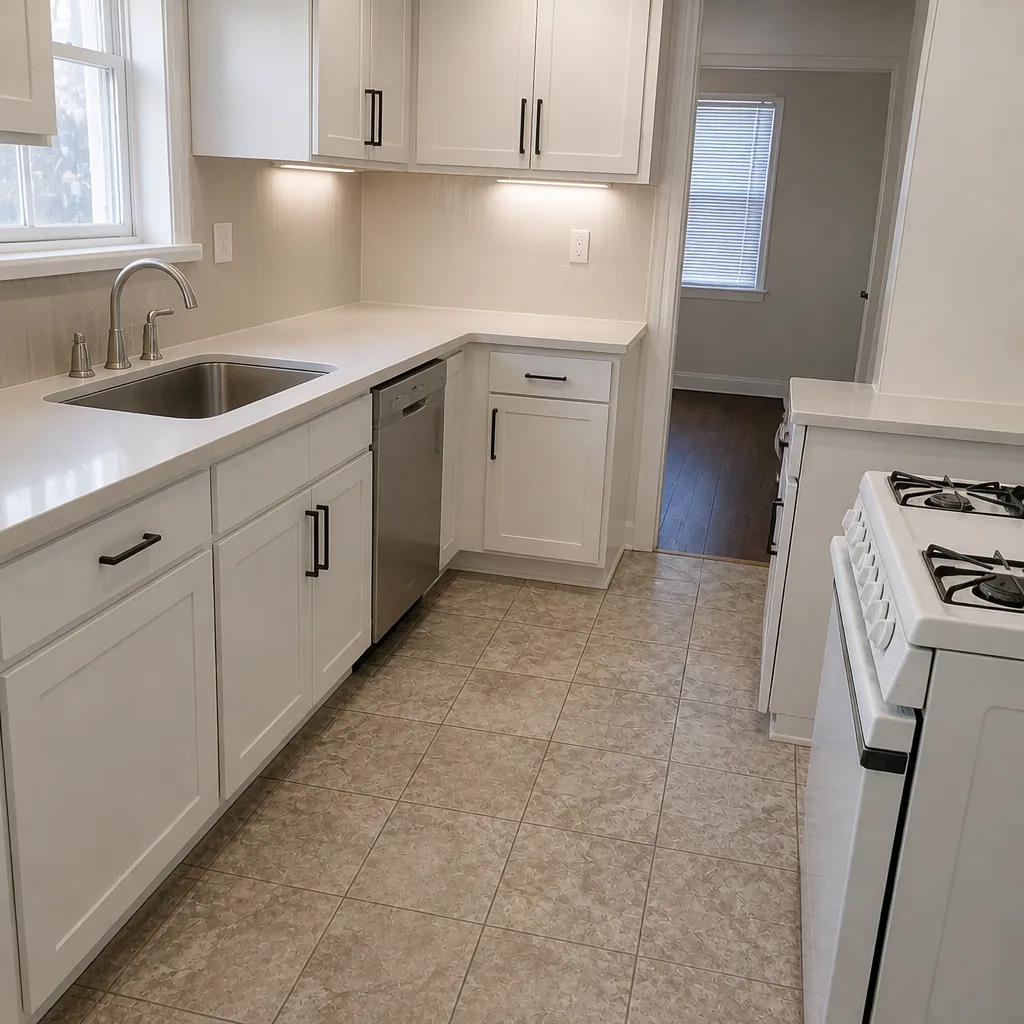 After
What Is a Junior ADU? A Plain Answer for Mesquite Homeowners
A junior ADU (JADU) is a self-contained living unit of 500 square feet or less built entirely inside the existing walls of a single-family home, with its own entrance and a basic kitchen efficiency, sharing the home’s utility connections rather than getting a separate meter. In Texas, that shared-utility detail is what separates a JADU from a standard ADU and what makes it the lowest-friction way to add rentable or multigenerational space. In Mesquite, where most of the housing stock is single-story ranch construction with wide interior footprints, a JADU usually means converting square footage you already own and already pay taxes on. Call (888) 426-8078 to talk through whether your floor plan qualifies.
Why Mesquite’s Ranch Homes Fit a JADU So Well
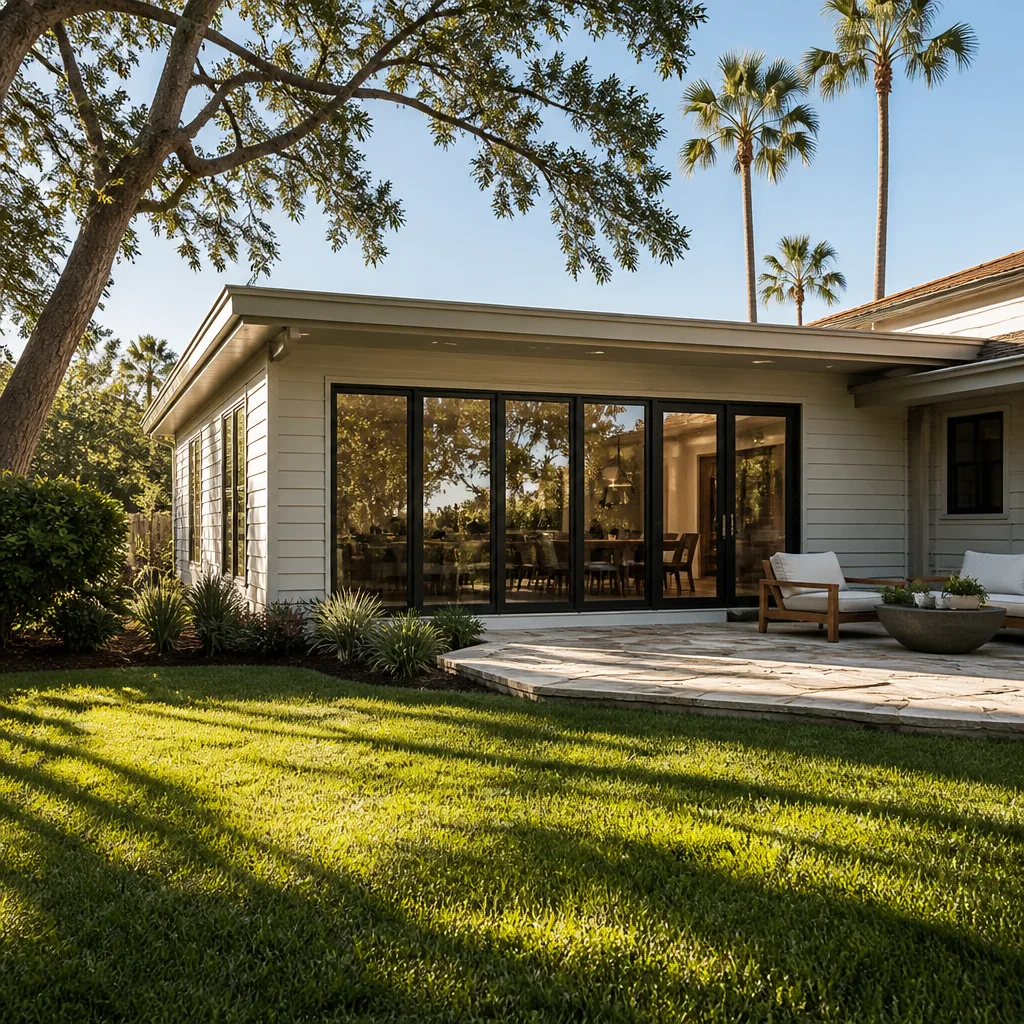
The typical Mesquite house is a 1950s-to-1970s brick-veneer ranch, often 1,400 to 2,000 square feet on one level. That single-story, spread-out layout is the whole reason JADUs work here. Older ranches tend to carry oversized secondary bedrooms, a formal dining room that gets used twice a year, and an attached garage that has quietly become storage. Any of those can supply the source square footage for a 500-square-foot unit without adding a single foot to the exterior footprint.
Compare that to a two-story house with a tight, efficient plan. There, carving out 500 square feet means sacrificing something the household actually uses. Mesquite’s wide-footprint ranches leave more margin.
Where the square footage usually comes from
- Attached garage bays. A two-car garage conversion is the most common path, and it’s a real project in its own right: garage conversion in Mesquite runs $30,000 to $80,000 depending on plumbing, insulation, and how far the kitchen efficiency goes.
- Oversized secondary bedrooms. A 200-square-foot bedroom plus an adjoining closet and hall bath can meet the 500-square-foot cap with room to spare.
- Formal dining and formal living rooms. Common in 1960s ranches and frequently the least-used rooms in the house.
- Combination conversions. A bedroom, a hall bath, and a former utility room merged into one continuous unit.
One thing we run into constantly in Mesquite: slab foundations on the black clay soil that runs across North Texas. That clay swells in wet springs and shrinks in drought, and a room that was level in 1975 may not be level now. Before any interior conversion, the slab gets evaluated, because you don’t want to build a bathroom over a floor that’s still moving. It’s a step out-of-town contractors skip and then regret.
The Regulatory Difference That Saves You Real Money
Here’s the distinction most explainers get wrong. They define JADUs in California terms, where state law preempts local zoning in specific ways. Texas doesn’t have that statewide framework. What Texas does have is a practical distinction that matters more than the legal one: a JADU shares the primary dwelling’s utility service. No separate electric meter. No separate water tap. No second sewer lateral.
That single fact drives the cost difference between a JADU and a detached ADU. A standalone unit in Mesquite runs $90,000 to $220,000 because it needs its own foundation, its own utility trenching, its own meter, and its own address. A JADU conversion typically lands in the $45,000 to $130,000 range for the interior scope, because the infrastructure already exists at the wall.
| Project type | Typical range |
|---|---|
| JADU interior conversion (shared utilities) | $45,000 - $130,000 |
| Garage conversion to living unit | $30,000 - $80,000 |
| Detached ADU construction (separate meter) | $90,000 - $220,000 |
| Full home addition | $45,000 - $130,000 |
Mesquite is a built-out, post-war inner-ring Dallas suburb, and nearly all construction work here is renovation, addition, and replacement rather than new build. That works in your favor with a JADU. The city’s plan review is accustomed to interior reconfiguration permits, and the surrounding lots are infill-tight, which makes an interior conversion far easier to site than a new structure. If you want the broader picture of how these projects are scoped in Mesquite, see our Home Additions & ADU in Mesquite page.
The Misconception That Stops Most Homeowners
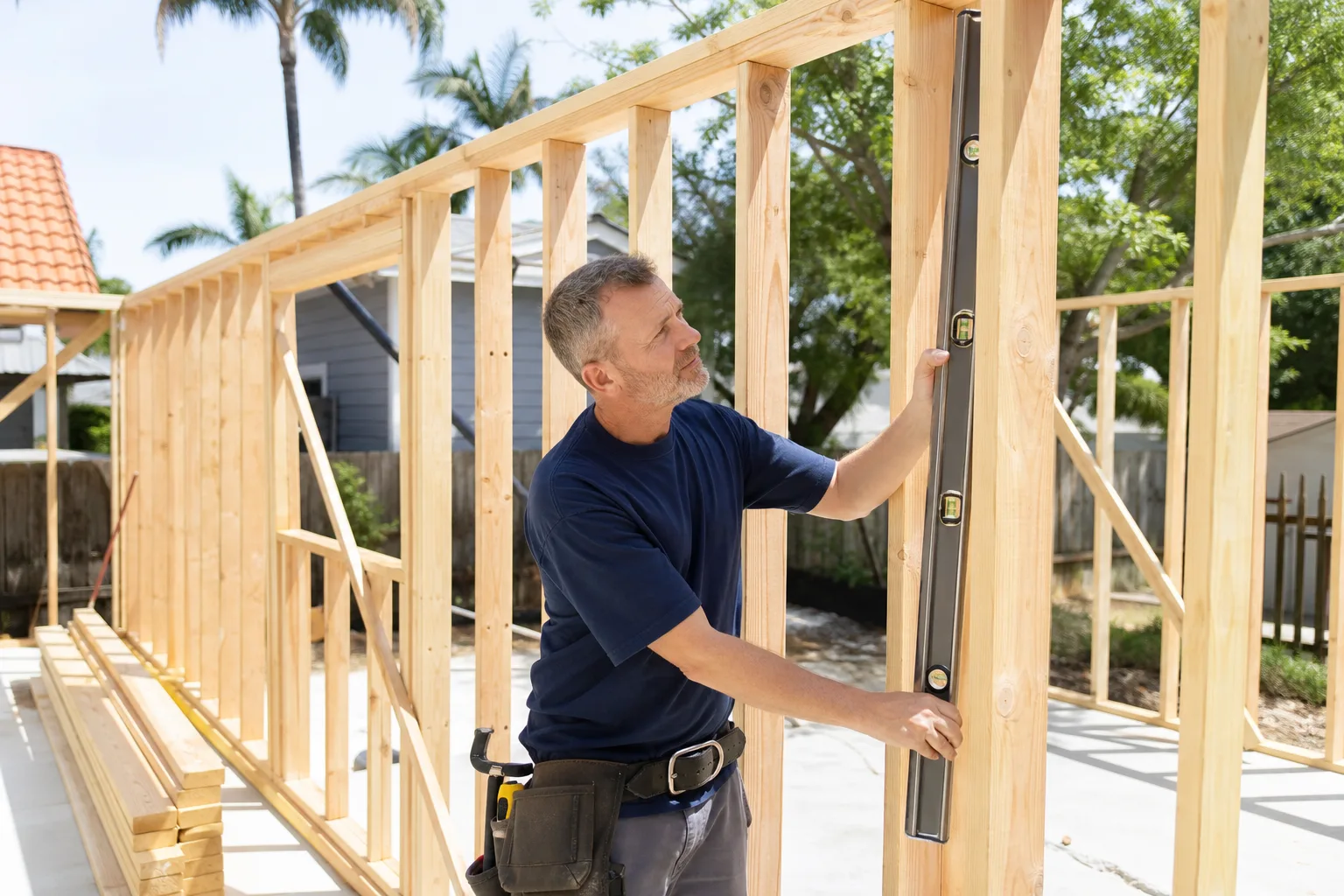
Most people assume adding a JADU means the house will look different from the street. In most Mesquite ranch conversions, it doesn’t. The exterior walls stay where they are. The roofline stays where it is. What changes is interior: framing, plumbing rough-in, electrical, insulation, finishes, and one doorway or side-yard entry that gives the unit its own access.
That matters for two reasons. First, neighborhood aesthetics stay intact, which keeps you out of friction with neighbors and makes any HOA conversation short and factual. Second, the scope is bounded by the existing structure. There’s no grading, no new foundation, no crane, no site work. The variables are knowable before demolition starts, which is exactly the kind of project where our upfront pricing model does its best work: the number you see is the number you pay.
Common local scenarios we see in Mesquite
Aging parents moving in. A converted garage bay with a kitchenette, a walk-in shower, and a private entry gives family members independence without a nursing-home price tag. The same trick applies to adult children moving back while they save for a house.
Rental income on a fixed footprint. A separate entrance and a kitchen efficiency are the two features that make a unit rentable. Everything else gets finished to the standard you choose.
Hail season and the unplanned remodel. Mesquite is a storm-driven exterior market. When a hail event triggers a roof or siding claim, some homeowners fold a JADU conversion into the same period of disruption rather than tearing the house up twice.
Houses that are too big for the household. Plenty of 1,800-square-foot ranches here house one or two people. A JADU puts the unused half of the house to work.
What a Well-Scoped JADU Conversion Actually Involves
A proper conversion covers five trades in sequence: framing and layout, plumbing rough-in for the kitchen efficiency and bath, electrical, insulation and drywall, then finishes. Our technicians have up to 12 years of experience, and every project is covered by the 730-Day Done Right Promise: if it isn’t done right, we make it right.
We’re also picky about materials, because a JADU is a small space where cheap components show up fast. Window and door selections often come from lines like ES Windows, Therma-Tru, or Mr-Glass, and finish selections follow the same brand discipline across every trade. Built to last, backed in writing applies to a 450-square-foot unit exactly as it does to a full kitchen.
Where projects grow is scope drift. A “simple conversion” turns into a second bathroom, a relocated laundry, and a new roof once demolition exposes what’s underneath. That’s why we do the assessment first and put the number in writing before work starts. Our crew also shows up background-checked and in uniform, and calls are answered by a live person 24/7, including the evening you’re standing in a half-finished room wondering about a decision.
Before You Commit: A Short Pre-Project Checklist
- Measure the candidate space. It has to land at 500 square feet or under to stay a JADU.
- Confirm a private entry path exists or can be created without moving exterior walls.
- Have the slab or pier-and-beam foundation evaluated, especially on 1960s ranches over clay.
- Check the electrical panel capacity for the added kitchen efficiency and bath loads.
- Ask how the unit will be metered and how that affects your utility bills.
- Get one number, in writing, covering the full scope.
If any of that starts to feel like guesswork, that’s the point at which a professional assessment saves money. Foundation and electrical questions in particular aren’t worth guessing at, and a JADU that sits on a moving slab is a repair bill waiting to happen.
FAQs
A junior ADU in Texas is an attached unit of 500 square feet or less created inside an existing single-family home, with its own entrance and a basic kitchen, sharing the home’s utility service instead of metering separately. That shared-utility detail is the main functional difference from a standard ADU, and it’s why JADU conversions carry a lower upfront cost in Mesquite.
A JADU conversion in Mesquite typically runs $45,000 to $130,000, with the final figure driven by how much plumbing and electrical work the space needs. A garage-based conversion can land lower, in the $30,000 to $80,000 range. Call (888) 426-8078 for an exact quote; the estimate and design consult are free.
No. The defining feature of a JADU is that it shares the primary dwelling’s electric, water, and sewer connections. Skipping a second meter and service lateral is one of the biggest reasons a JADU costs meaningfully less than a detached ADU, which needs all of that infrastructure built from scratch.
Usually not. In most Mesquite ranch conversions the exterior walls, roofline, and brick veneer stay exactly as they are, and the work is entirely interior plus one entry door. That keeps the house consistent with the surrounding neighborhood and makes HOA conversations straightforward.
Yes. Groundwork Construction Co. of Mesquite offers a free project estimate and design consult, and calls are answered by a live person 24/7. We’ll walk the candidate space, measure it against the 500-square-foot limit, and give you a written scope. Call (888) 426-8078 to get on the schedule.
Start With a Free Walkthrough
If you’d rather have it looked at, Groundwork Construction Co. of Mesquite offers a no-pressure assessment in Mesquite: call (888) 426-8078. We’ll measure the space, flag the foundation and panel questions, and put a written number in front of you. Our home page has the full picture of how we approach projects, and the 730-Day Done Right Promise backs every one of them. Projects over $10,000 also qualify for $1,000 off and 0% financing for 18 months.
Written by the team at Groundwork Construction Co. of Mesquite, serving Mesquite, TX.