Free written scope consultation - allowances, timeline, and change-order rules on paper before a single trade is scheduled
Styles & brands we work with
- Kitchen remodeling
- Bathroom remodeling
- Home additions & ADU
- Roofing
- Windows & doors
- Driveway & pavers
- Fence
See the difference
 Before
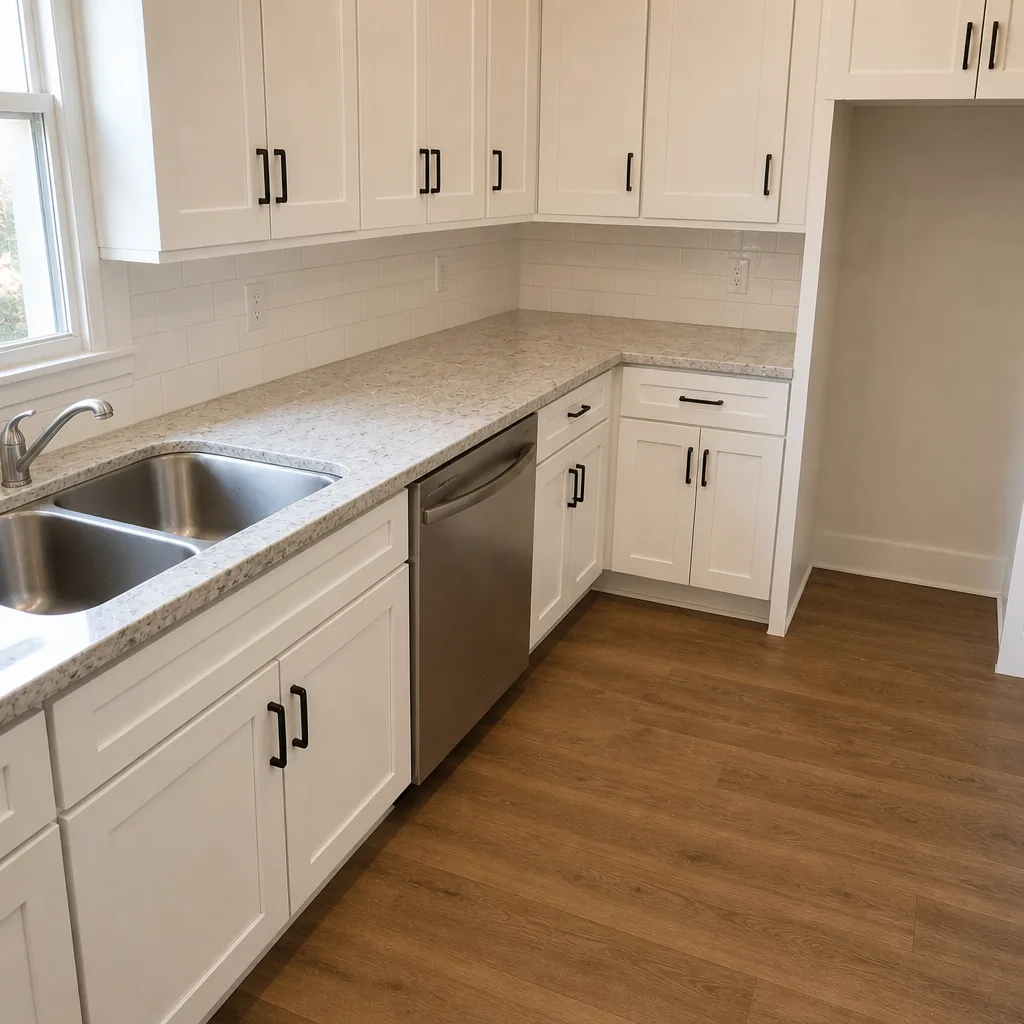 After
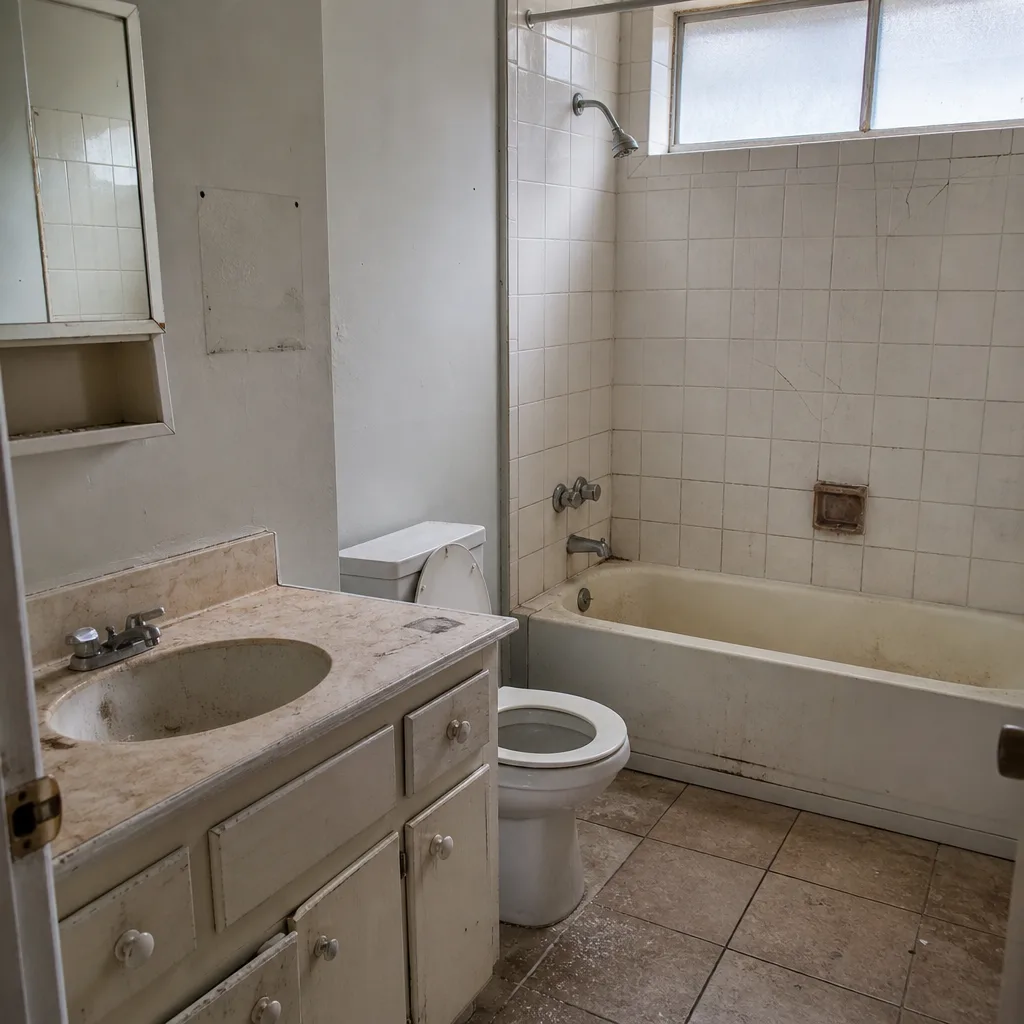 Before
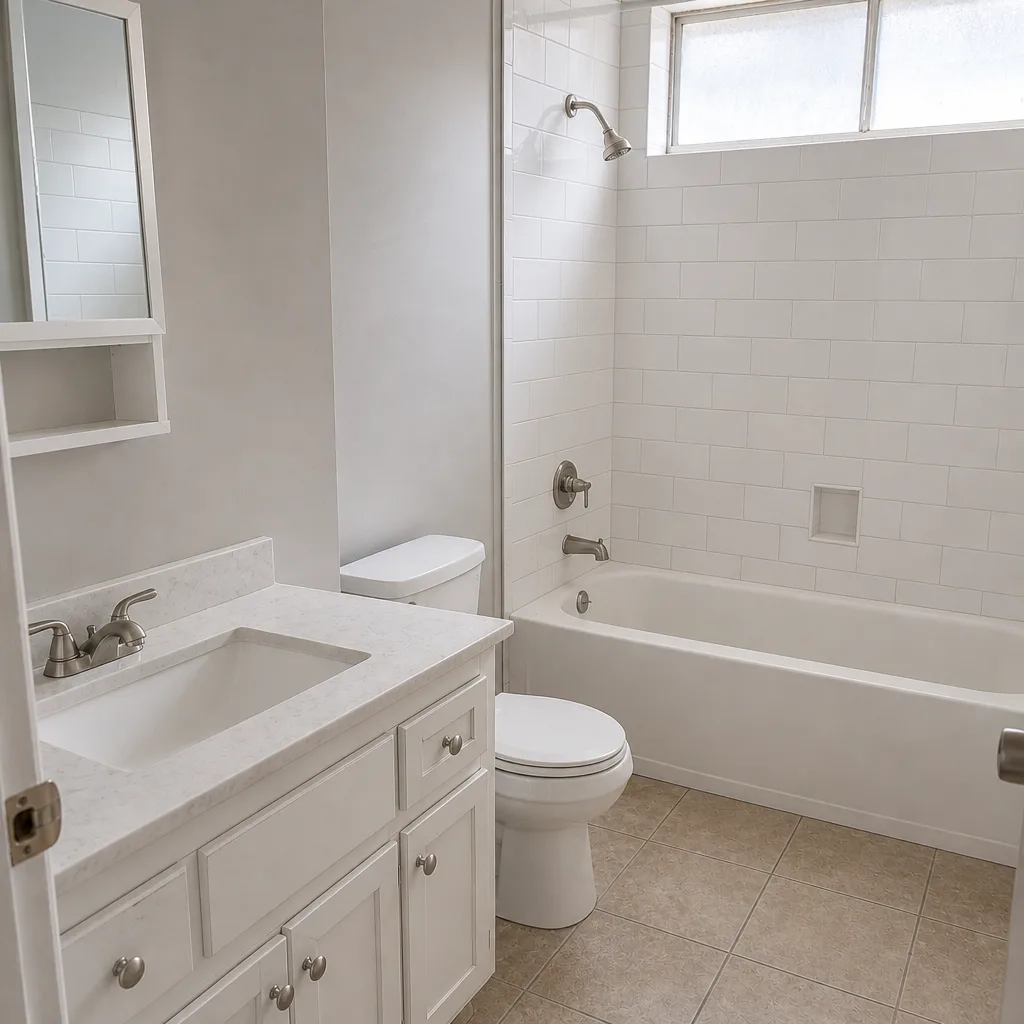 After
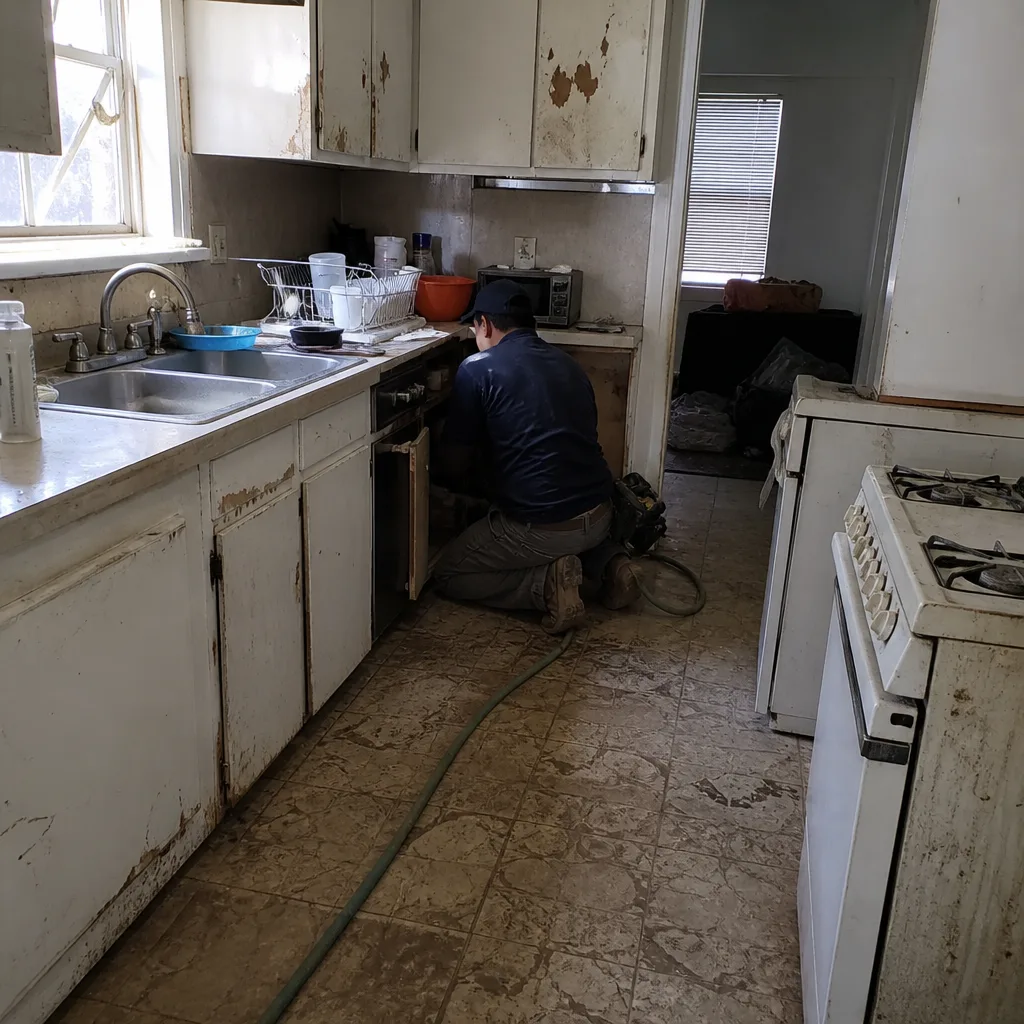 Before
 After
What Is Low-E Glass? A Mesquite Homeowner’s Guide to Getting the Right Coating
Low-e glass is ordinary window glass with an invisible metallic oxide coating that reflects long-wave infrared radiation back where it came from - outward in summer, inward in winter - so less heat crosses the pane. The single most important fact for a Mesquite homeowner: low-e is not one product but a spectrum of coatings, and in North Texas’s cooling-dominated climate, a coating designed for a cold climate can hurt your energy bill. If you’re weighing a window decision this season, call (888) 426-8078 and we’ll walk through the options with you.
Why North Texas Heat Makes Low-E a Different Decision Than Anywhere Else
Most of what you’ll read about low-e glass is written for a national audience, where heating and cooling loads roughly balance. Mesquite doesn’t work that way. From May through September, the sun hammers the south- and west-facing glass on a brick-veneer ranch for eight or more hours a day, and your air conditioner carries the load. That’s why the Texas Energy Code, which falls under Climate Zone 3 for our region, tilts the performance requirements firmly toward solar control.
Here’s the part most showroom conversations never reach: the coating position on the glass matters as much as the coating itself. In a double-pane unit, the low-e surface can sit on surface 2 (the room-side face of the outside pane) or surface 3 (the outside face of the inside pane). For Mesquite’s cooling climate, surface 3 is often the better placement because it blocks solar heat before it reaches the gap and reduces interior condensation risk. You won’t see that spec on a window sticker, but it changes how the window performs on a 100°F August afternoon.
The Two Families of Low-E Coating - and Which One Mesquite Needs
Low-e coatings split into two broad categories, and they are functionally opposites. Choosing the wrong one is a real financial mistake.
- Passive low-e (high solar gain). Designed for cold climates. It lets a large share of the sun’s short-wave heat in during winter to lower heating costs. In a Mesquite summer, that same property bakes the room and drives your cooling bill up. This is the coating that’s worse than no coating at all on a west-facing window.
- Solar control low-e (low solar gain). Designed for hot climates. It blocks a much higher percentage of incoming solar heat while still letting visible light through. This is what Mesquite and the broader North Texas market actually calls for, and it aligns with how the energy code treats our climate zone.
When you shop, ask for the solar heat gain coefficient (SHGC) and the visible transmittance (VT) of the specific unit - not the product family. A solar control coating with a low SHGC and a reasonable VT gives you a bright room without the heat penalty. A nearby neighbor’s cold-climate window recommendation makes sense for Minnesota and costs you money here.
Where the Solar Load Actually Lands on a Mesquite Home
Mesquite’s housing stock is dominated by 1950s-1970s single-family ranches and brick-veneer tract homes, many of them oriented east-west. That orientation means the west-facing glass takes the afternoon sun, which is the hardest exposure to fight, and the south-facing glass takes the steady midday load. On a mature, built-out post-war suburb like Mesquite, most window work is replacement rather than new build, which makes the coating decision a retrofit decision - and a retrofit decision you can plan around.
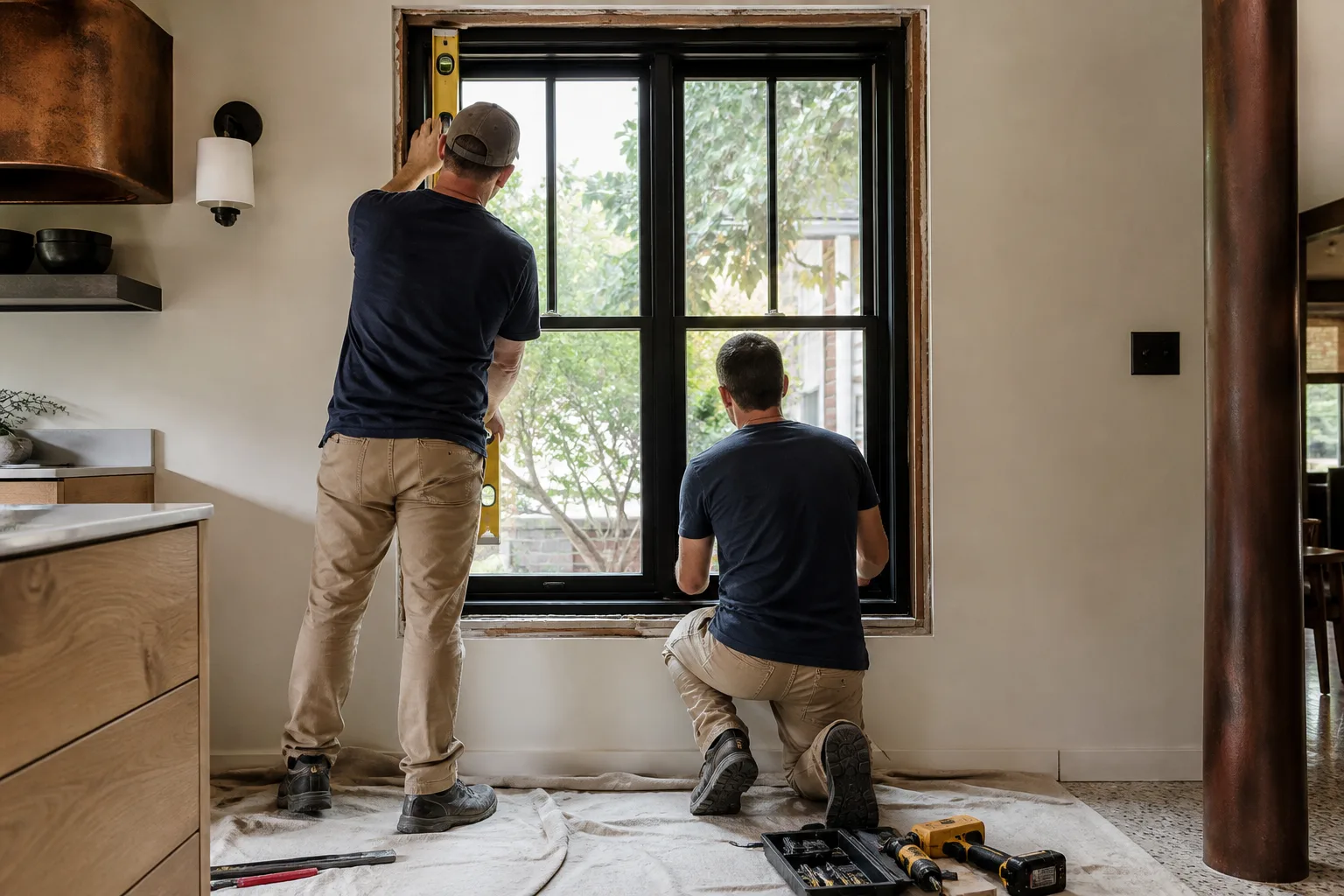
This is where we earn our keep. Our installers are trained to walk a home’s exposure and recommend a coating calibrated to the room, not a single product applied to every window. A west-facing kitchen window and a shaded east-facing bedroom window don’t need the same coating. Choosing per exposure - rather than defaulting to one SKU - is the difference between a comfortable house and a house you keep cooling all summer.
Coating Physics Without the Jargon - Enough to Ask the Right Questions
On a molecular level, the metallic oxide coating is a microscopically thin layer - measured in nanometers - deposited on the glass surface. It works as a selective filter. Short-wave solar energy (visible light and near-infrared) passes through and lights the room. When that energy is absorbed by furniture, floors and walls, it re-radiates as long-wave infrared heat, and the low-e coating reflects that long-wave heat rather than letting it escape. In summer, the same physics means the coating reflects exterior long-wave heat away. In winter, it keeps interior heat inside.
A homeowner who understands that one mechanism can ask three specific questions before signing anything: What is the SHGC on this unit? Is the coating on surface 2 or surface 3? And is this a passive or solar control formula? Ask those, and you won’t be upsold the wrong product.
What to Look For - A Quick Comparison Table
Here’s how the choices stack up for a Mesquite home, based on what we see on real jobs. Pricing falls within our standing window replacement range of $4,500-$15,000 per typical project, with impact window installation running $8,000-$25,000 when hail-resistant glazing is the priority (worth knowing in a hail-prone market).
| Decision | What to ask for | Why it matters here |
|---|---|---|
| Coating type | Solar control low-e (low SHGC) | Blocks summer solar heat; matches Zone 3 requirements |
| Surface position | Surface 3 on west/south exposures | Reduces heat gain and interior condensation risk |
| Glass spec | Published SHGC and VT from the manufacturer | Confirms the actual coating before the contract |
| Brand verification | Andersen or Marvin spec sheet by product line | Both publish verified specs so there are no surprises |
Brand transparency is a real differentiator. When you’re looking at a Windows & Doors project, we can pull the verified performance data from the manufacturer’s own literature - Andersen, Marvin and others in our portfolio publish it by product line - so you can confirm exactly which coating you’re getting before the glass is in the frame, not after.
How We Approach Windows in This Housing Stock
On a 50-plus-year-old Mesquite ranch, window replacement is rarely just about the glass. You’re often dealing with original single-pane units, aged frames, and in a hail-prone market, exterior damage from a spring storm that pushed a siding or window decision up the calendar. If you’ve already had a roof replaced after a hail event, treating the windows as the next exterior priority makes financial sense - the same spring storms that turn Mesquite into a roof-and-siding rebuild market overnight are also the ones that convince homeowners to upgrade the glazing while the crew is on site.
Every project is covered by our 730-Day Done Right Promise - if it’s not done right, we make it right. Our technicians have up to 12 years of experience, and they’re background-checked and arrive in uniform. Pricing is upfront: the number you see is the number you pay, with no-hassle estimates, 0% financing for 18 months, and $1,000 off projects over $10,000.
Frequently Asked Questions
SHGC stands for solar heat gain coefficient - the fraction of the sun’s heat that passes through the window, and lower is better in our climate. In Mesquite, solar control low-e with a low SHGC is what you want, and the manufacturer’s spec sheet will tell you the exact number. Ask for it in writing before you sign anything, and if a salesperson can’t produce it, that’s a red flag.
Yes, when the coating is the right type. Solar control low-e reduces the solar heat that enters through the glass, so your air conditioner runs less during the cooling season. The savings depend on how much glass you have, its orientation, and the specific SHGC. If you’re unsure what you have now, we can assess the exposure and recommend what makes sense.
It’s worth it when the wrong glass is driving comfort complaints or energy costs, and for most 1950s-1970s ranches with original single-pane windows, upgrading to solar control low-e gives a noticeable summer improvement. Whether you replace the whole unit or just reglaze depends on frame condition and your budget. Call (888) 426-8078 for a no-pressure estimate.
Most of our Mesquite window projects are scheduled within a reasonable lead time and many are completed efficiently in a single visit once materials are on site. If you’ve got a storm-driven deadline, call early - hail season fills the calendar fast. Our team can tell you exactly what your timeline looks like. Check our Mesquite service area page to confirm we cover your address, or start from the home page.
Ready to Get the Right Glass the First Time?
If you’d rather have it looked at, Groundwork Construction Co. of Mesquite offers a no-pressure assessment in Mesquite - call (888) 426-8078. We’ll walk your home’s exposure, confirm the coating spec, and give you upfront pricing so there are no surprises after the glass is in the frame.
Written by the team at Groundwork Construction Co. of Mesquite, serving Mesquite, TX.