
Free written scope consultation - allowances, timeline, and change-order rules on paper before a single trade is scheduled
Styles & brands we work with
- Kitchen remodeling
- Bathroom remodeling
- Home additions & ADU
- Roofing
- Windows & doors
- Driveway & pavers
- Fence
See the difference
 Before
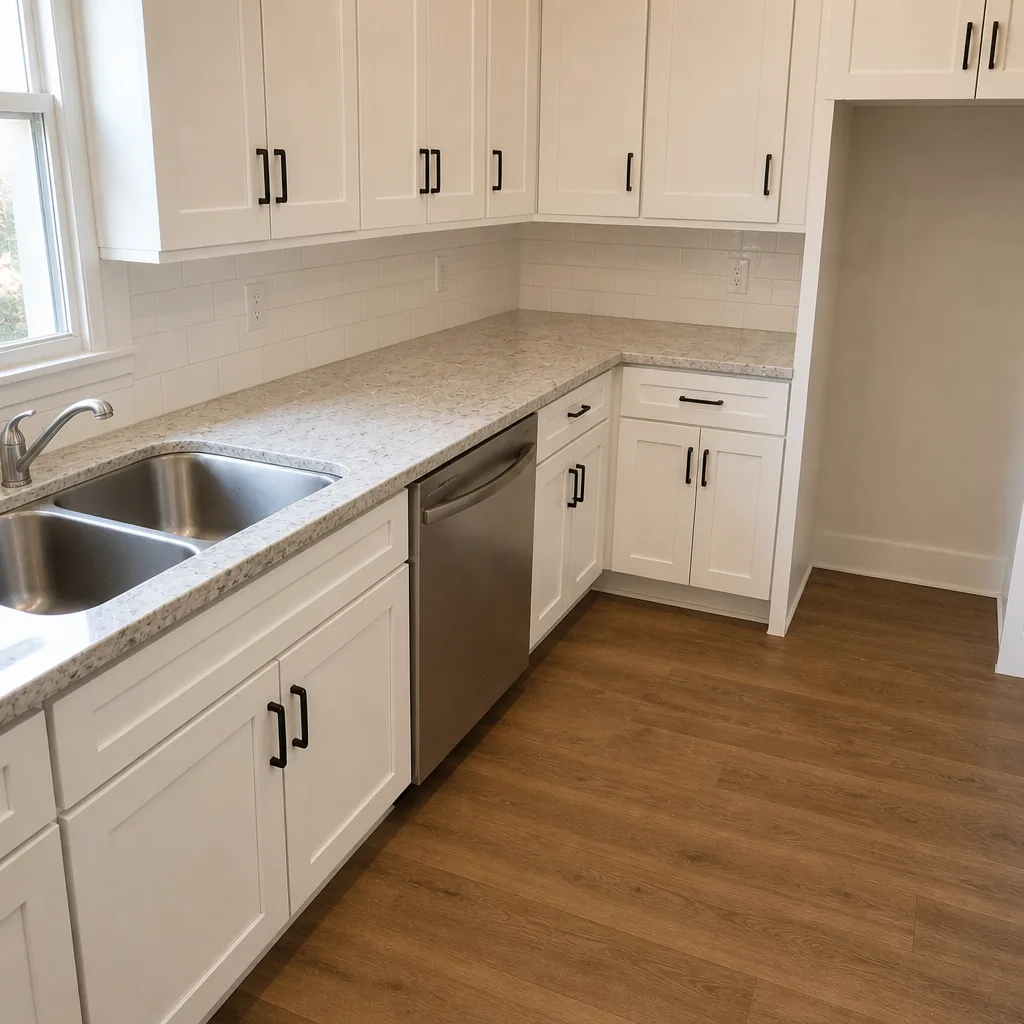 After
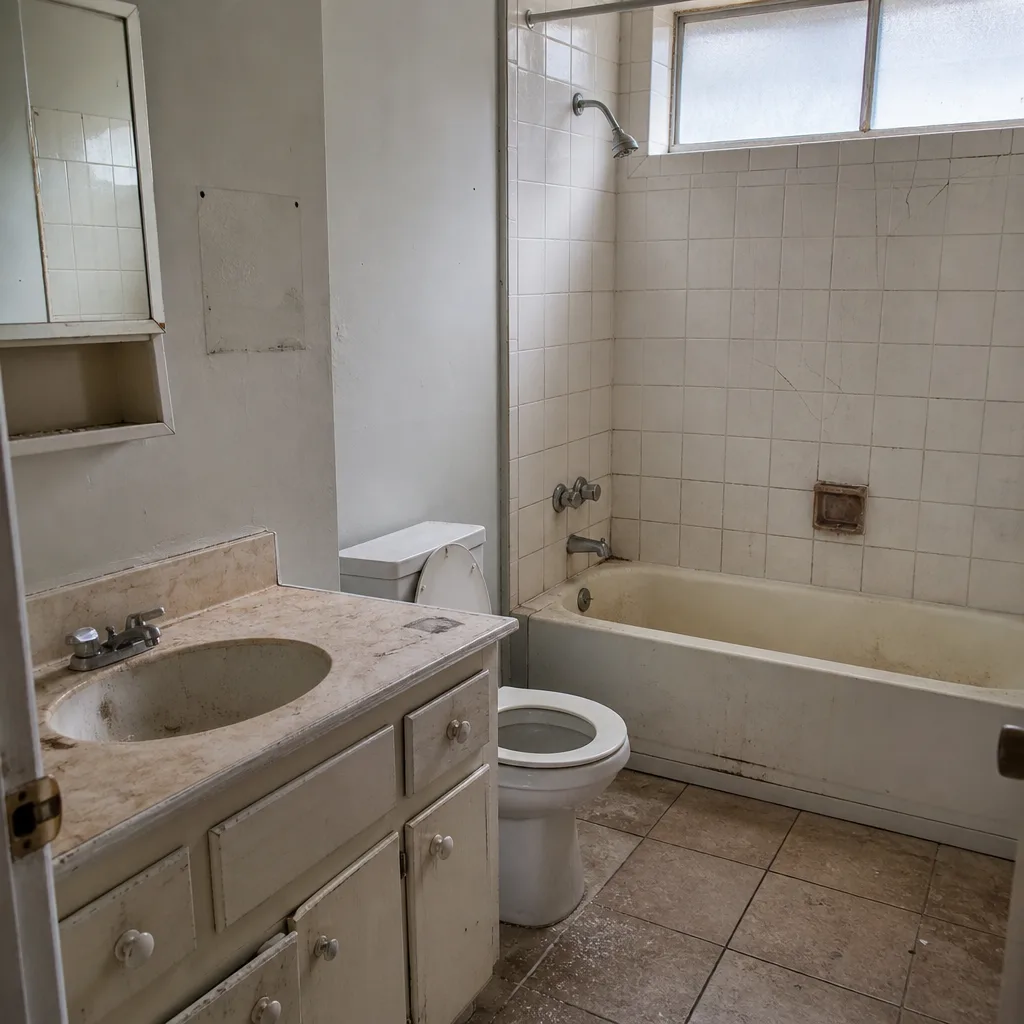 Before
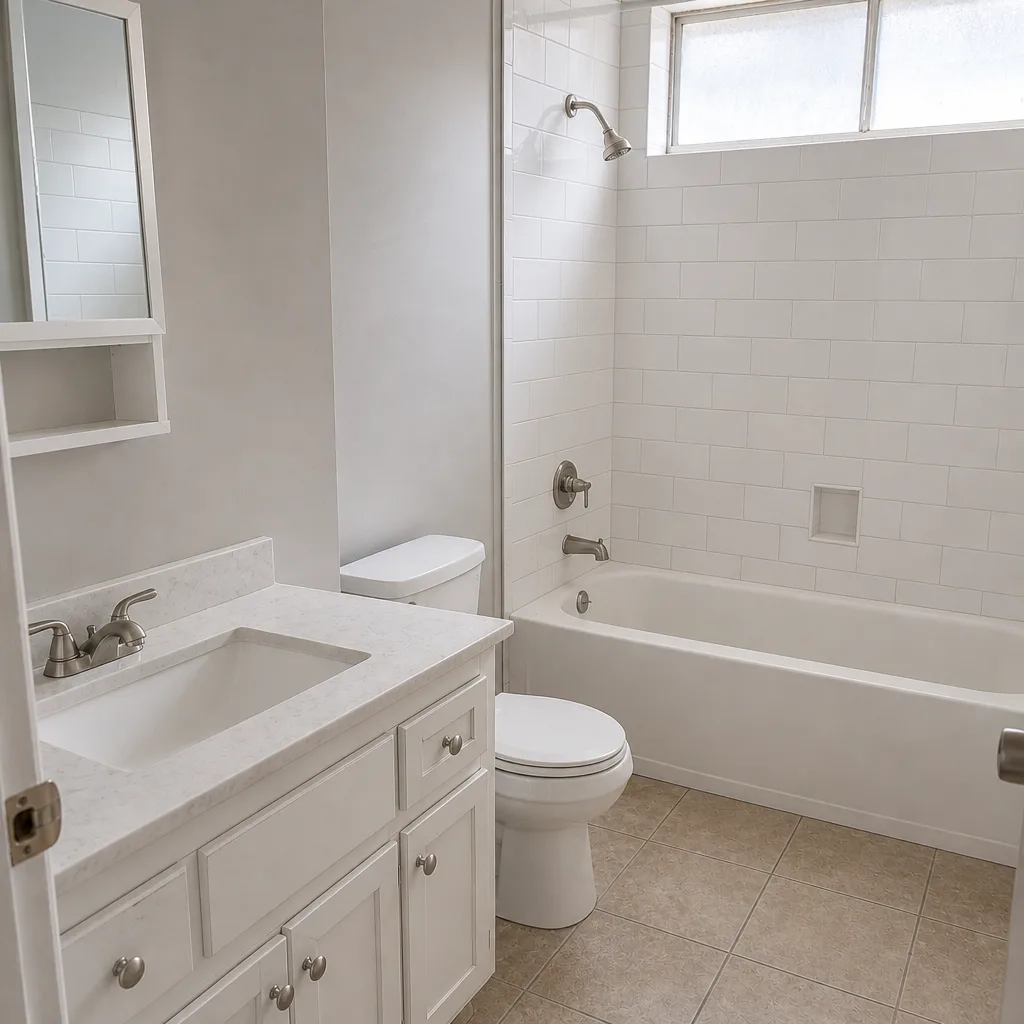 After
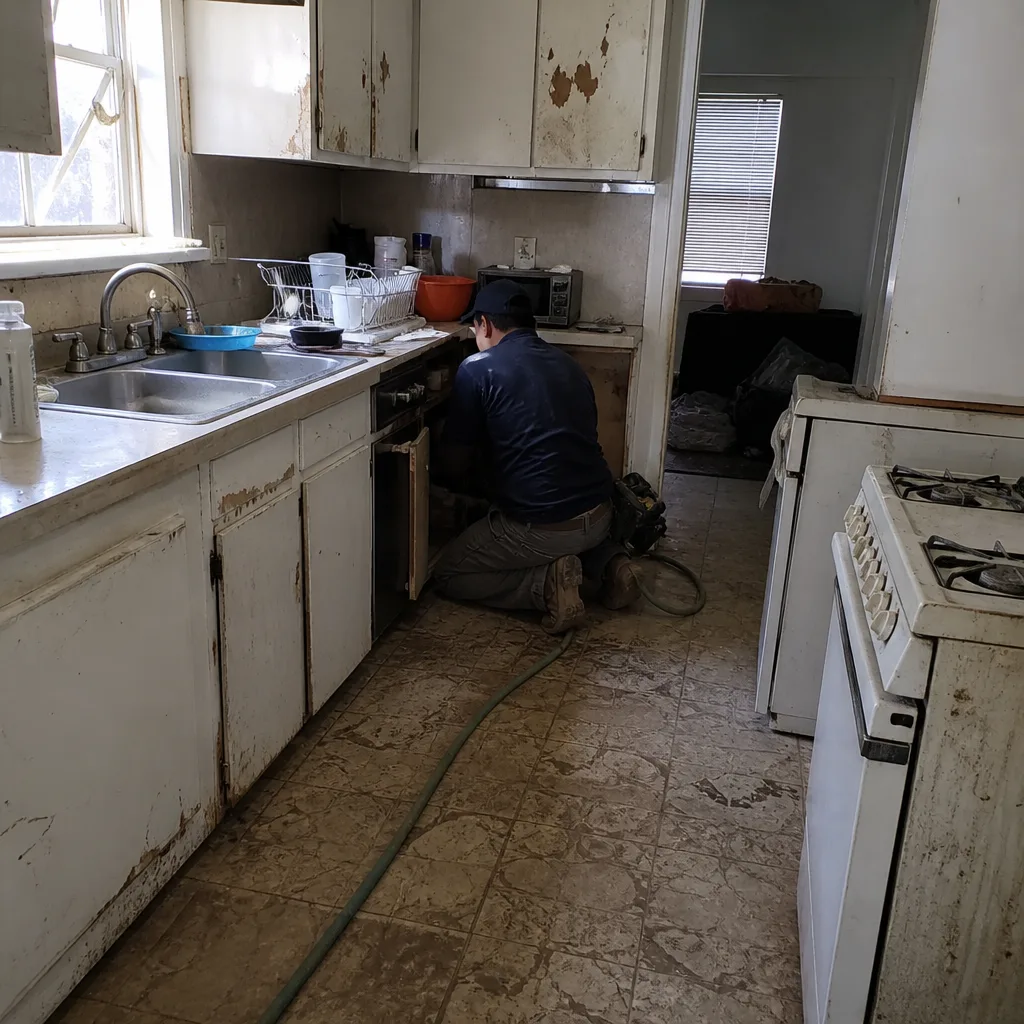 Before
 After
When to Seal a New Asphalt Driveway in Mesquite, TX: The Real Timing Answer
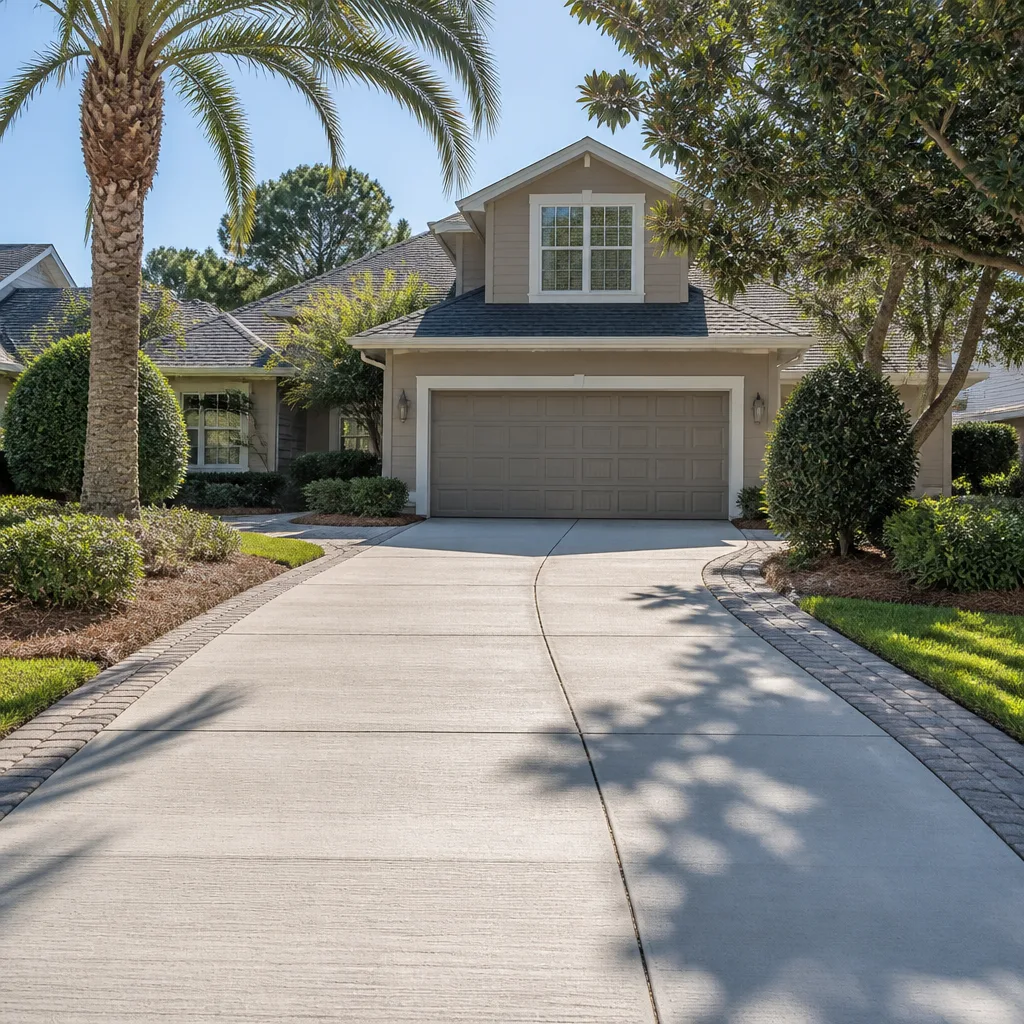
Wait 60 to 90 days after paving before you seal a new asphalt driveway in Mesquite – but the calendar alone won’t protect you here. The actual trigger is a fully cured asphalt mat sitting on stable subgrade, and in North Texas that combination can arrive at day 70 or still be missing at day 120. If you seal too soon, trapped volatiles blister under the first 100°F week; seal too late into a wet fall and you’re feeding cracks instead of stopping them. Call Groundwork Construction Co. of Mesquite at (888) 426-8078 and a live person can talk you through your specific driveway instead of a generic timeline.
Why the 90-day rule falls apart in Mesquite
Most national guides are written for temperate climates with stable, sandy subgrade. Mesquite isn’t that.
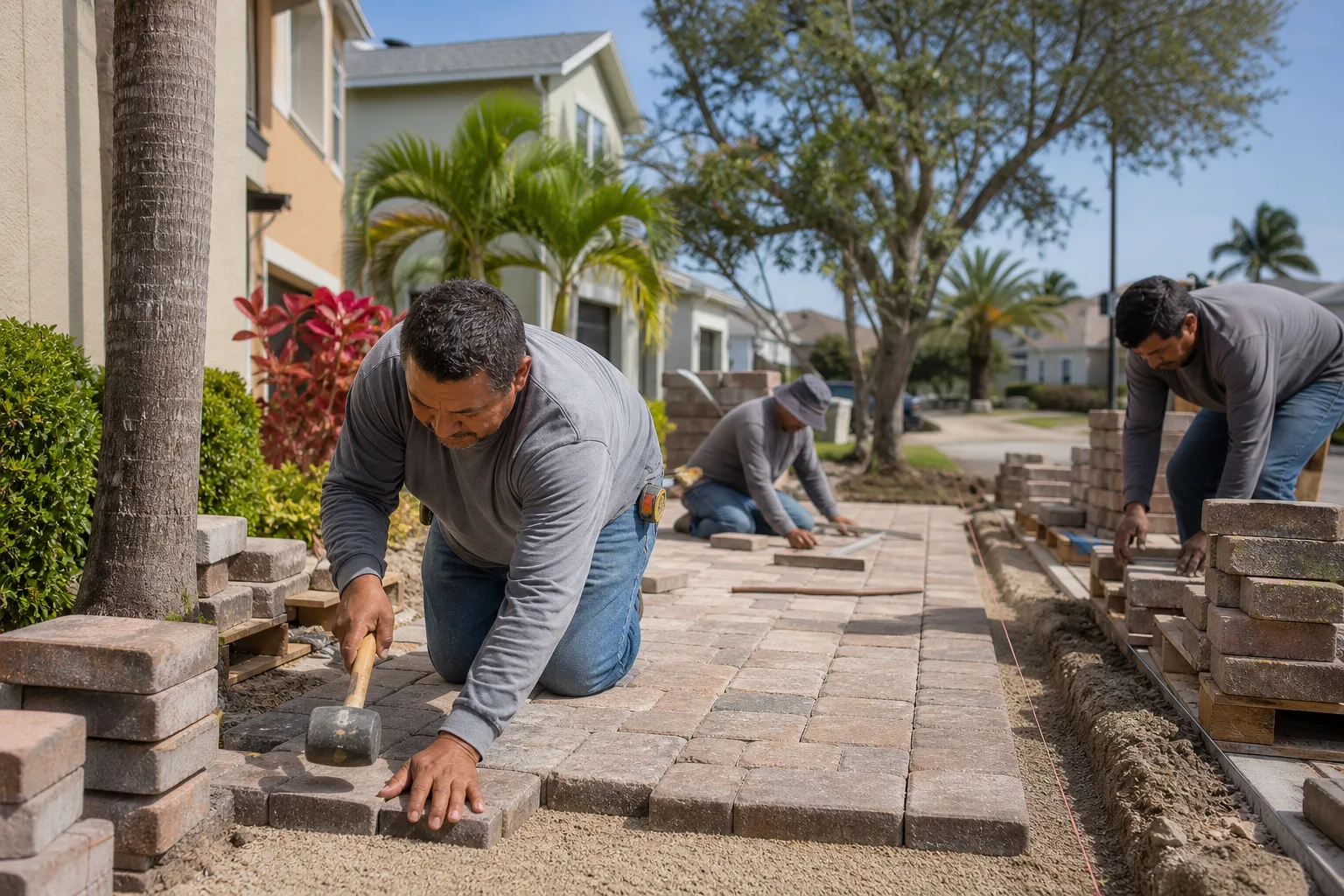
The black clay soil under most of this city swells and shrinks dramatically between drought and heavy rain. A summer afternoon storm can drop two inches in an hour and leave your subgrade heaving overnight. That movement doesn’t stop because the asphalt surface looks dry and gray. A new driveway poured in April and sealed in July has picked up the stability it needs. The same driveway poured in late June, sealed in September, and hit by a dry August followed by a soaked early fall may still be moving when you roll on sealer.
Mesquite is also largely built out – most work here is renovation and replacement on 1950s through 1970s ranch homes, not fresh construction. That means the subbase around your new driveway may already have been compromised by fifty years of clay movement, tree roots, and utility trenching. Sealing an asphalt mat that’s riding on a shifting base doesn’t protect it. It hides the problem until it cracks through.
The heat variable nobody talks about
North Texas asphalt laid in July cures from the top down. Surface temperatures routinely run above 150°F, and the top inch skins over in days while the lower mat is still releasing the volatiles that make asphalt flexible. Seal that gradient too early and you trap those gases under a semi-impermeable barrier. The result is the failure pattern we see most often in Mesquite: a blister field across the middle of the drive by the following August, followed by delamination where the sealer lifts in sheets.
Asphalt laid in cooler months cures more evenly. Asphalt laid in a Mesquite summer needs more time than the calendar suggests, not less – the top being dry is a false signal.
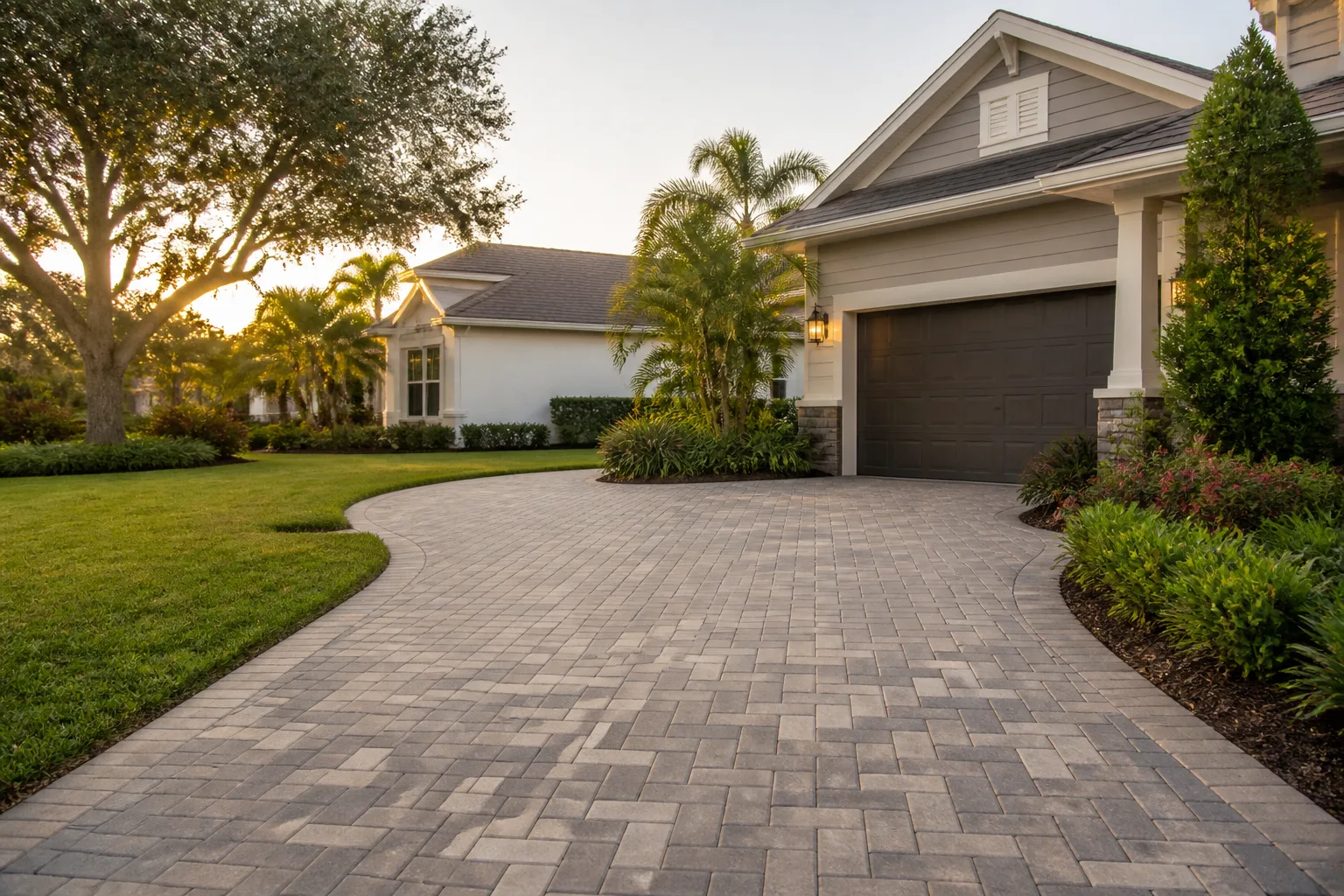
For homeowners scheduling their Driveway & Pavers work, we build the cure window into the project timeline from the start so nobody’s guessing at day 90. Our technicians have up to 12 years of experience reading these cues on North Texas pavement, and it’s the kind of detail that separates a driveway that lasts from one that needs replacement inside five years.
What the right sealing window actually looks like
Two things matter more than the day count on your paving contract:
- Subgrade stability. Has the driveway been through at least one full wet-dry cycle without fresh cracking, edge settlement, or heaving? If yes, the base is likely stable enough to seal.
- Ambient temperature and forecast. Air temp between 50°F and 90°F, with no rain predicted for at least 48 hours. Below 50°F the sealer won’t cure properly; above 90°F it flashes off and skins before it can penetrate.
In Mesquite, that temperature window is easiest to hit in October and November. Summer is often too hot on the pavement surface, spring is too wet on the clay, and the short fall window gives you moderate air temps and typically dry days. It’s the single best sealing season here, and it’s why so many North Texas driveways get sealed in the fall rather than the summer people assume.
What this costs in Mesquite
| Service | Typical Mesquite Range |
|---|---|
| Asphalt driveway paving (new) | $3,500-$9,000 |
| Driveway sealing | $250-$700 |
| Driveway replacement | $5,000-$14,000 |
| Paver driveway installation | $7,000-$18,000 |
| Concrete driveway installation | $4,500-$12,000 |
Sealing is the cheapest line on that table by a wide margin, and it’s the one that protects all the others. Skipping it leaves the asphalt open to UV oxidation – the surface binder dries out and turns brittle and gray – and to water working in from the edges and under the mat. Sealing too early, on the other hand, is how you end up paying for a driveway repair or replacement years sooner than you should. Both failures cost real money on a property where the subbase may already be 50 years old.
Our Driveway & Pavers in Mesquite work includes a written post-installation inspection at the 90-day mark, so you have a documented read on your driveway rather than a blog guess. When the inspection says “not yet,” that’s a straight answer, not a delay tactic.
Common local scenarios we see
Summer pour, fall seal. New asphalt laid in June or July. We typically recommend waiting through August and scheduling sealing for October, after the driveway has been through at least one rain cycle and the surface temp has dropped. This is the cleanest case.
Spring pour, wet-year delay. A March or April pour followed by a heavy May-June rain season. The clay here takes longer to settle in a wet year, so we look for edge stability and any new longitudinal cracking before recommending sealing. Sometimes that pushes you to November.
Older driveway with fresh overlay. Many Mesquite properties have a 20-plus-year-old asphalt drive that got a new overlay. That’s not a new driveway – the base beneath it has its own history. Sealing timing has to account for the old mat’s cracking pattern, not just the overlay cure date. Andersen and Therma-Tru aren’t going to help you here; the answer is in the subgrade.
Frequently asked questions
No, 30 days is too early for asphalt in Mesquite. The mat is still off-gassing volatiles at that point, and in summer heat sealing that early traps gas under the sealer and causes blistering and peeling within one season. Wait for a full cure cycle and stable subgrade, typically 60 to 90 days minimum.
You get blistering, bubbling, and delamination – the sealer lifts off in patches and takes fresh asphalt binder with it. In Mesquite’s heat, premature sealing shows up as blister fields by the following summer. The fix is stripping the failed sealer and re-sealing, which often costs more than the original job. Call (888) 426-8078 if you’re unsure whether yours is ready – estimates are free.
Air temperature between 50°F and 90°F, with no rain in the forecast for 48 hours. In Mesquite that puts you in October and November more often than any other season, because summer pavement surface temps routinely sit above 150°F and spring rains leave the clay subgrade moving.
Sealing in Mesquite typically runs $250 to $700, which is in line with most of the DFW metro. What differs is the prep and timing work required – clay subgrade inspections and curing-window scheduling add labor that a sand-based market doesn’t need. Groundwork Construction Co. of Mesquite prices the job upfront, so the number you see is the number you pay.
Let us look at your driveway
If you’d rather have your driveway looked at than guess from a timeline, Groundwork Construction Co. of Mesquite offers a no-pressure assessment anywhere in Mesquite – we’ll check the subgrade, read the cure stage, and tell you the right sealing window in writing. Call (888) 426-8078 for a free estimate.
Written by the team at Groundwork Construction Co. of Mesquite, serving Mesquite, TX.