
Free written scope consultation - allowances, timeline, and change-order rules on paper before a single trade is scheduled
Styles & brands we work with
- Kitchen remodeling
- Bathroom remodeling
- Home additions & ADU
- Roofing
- Windows & doors
- Driveway & pavers
- Fence
See the difference
 Before
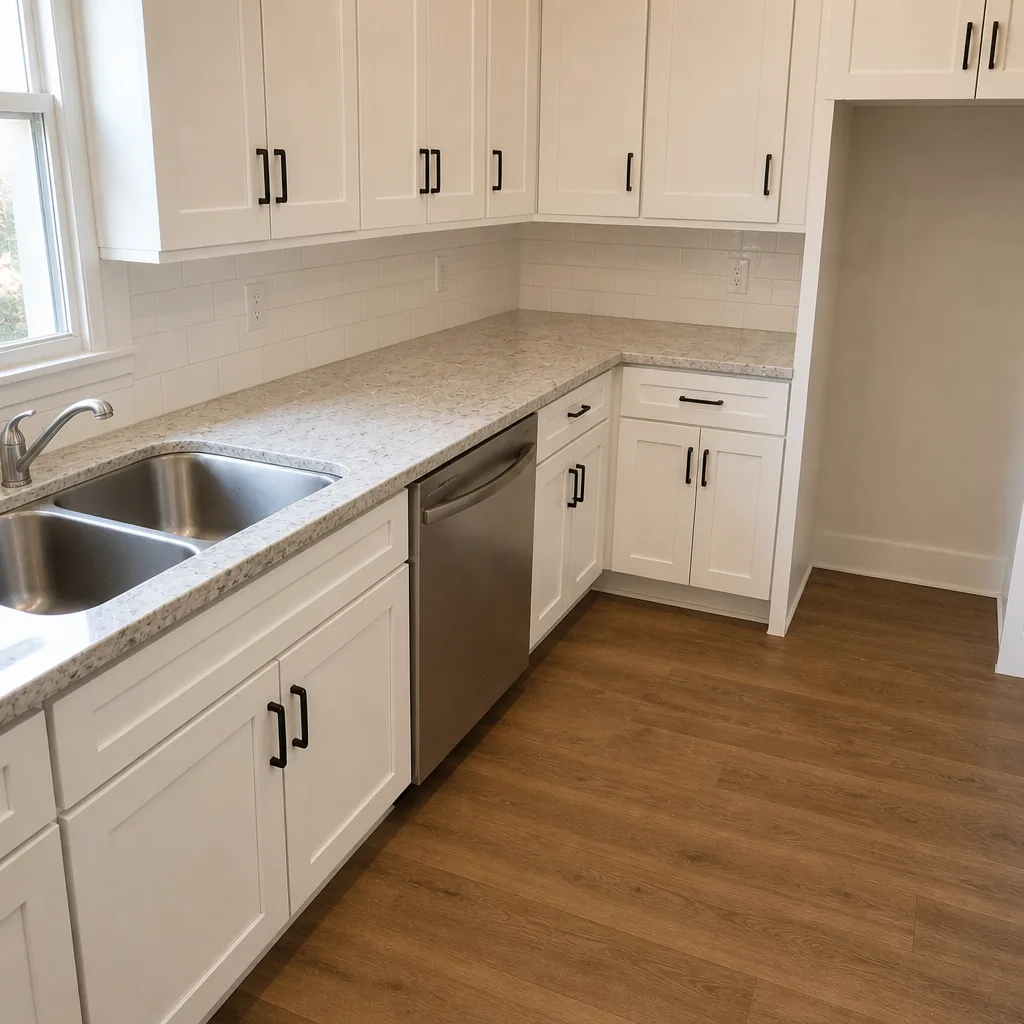 After
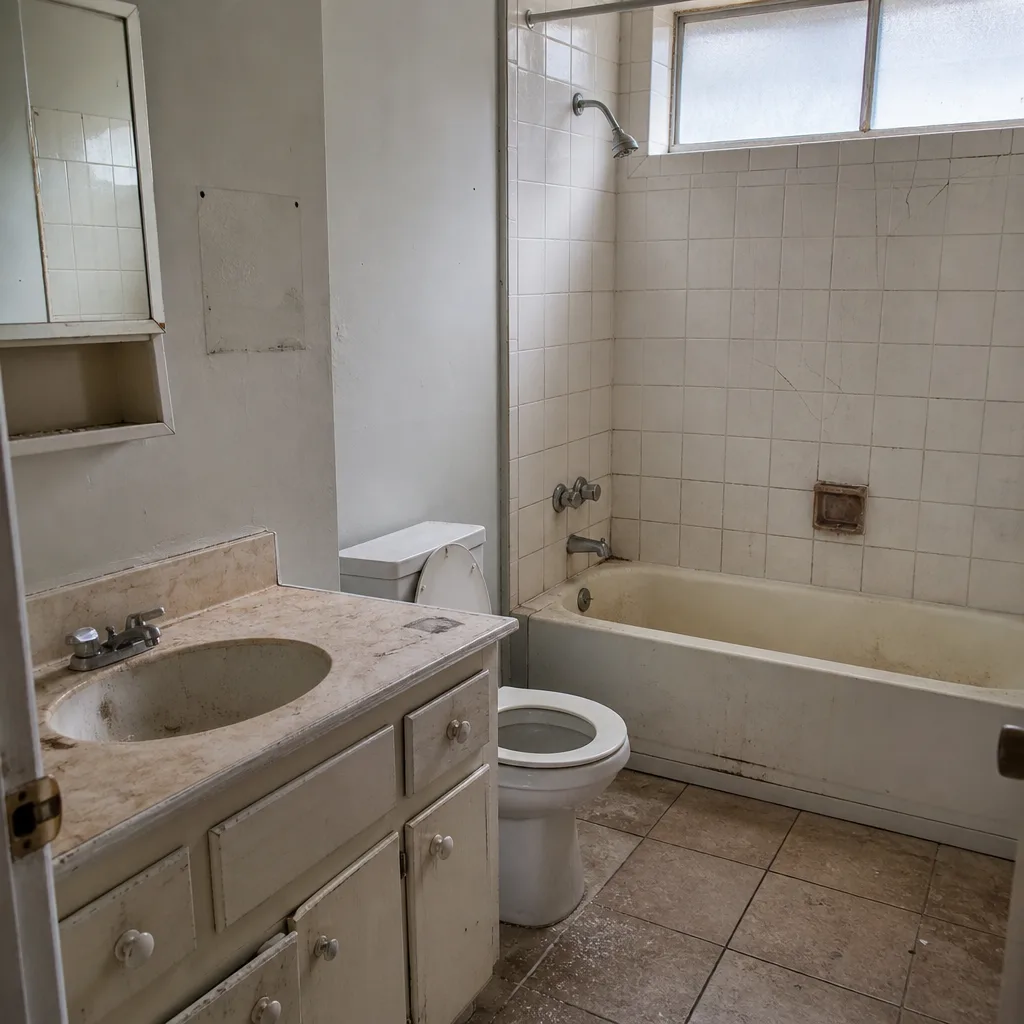 Before
 After
 Before
 After
How Long Does a Wood Fence Last in Mesquite, TX? The Answer Starts Below Grade
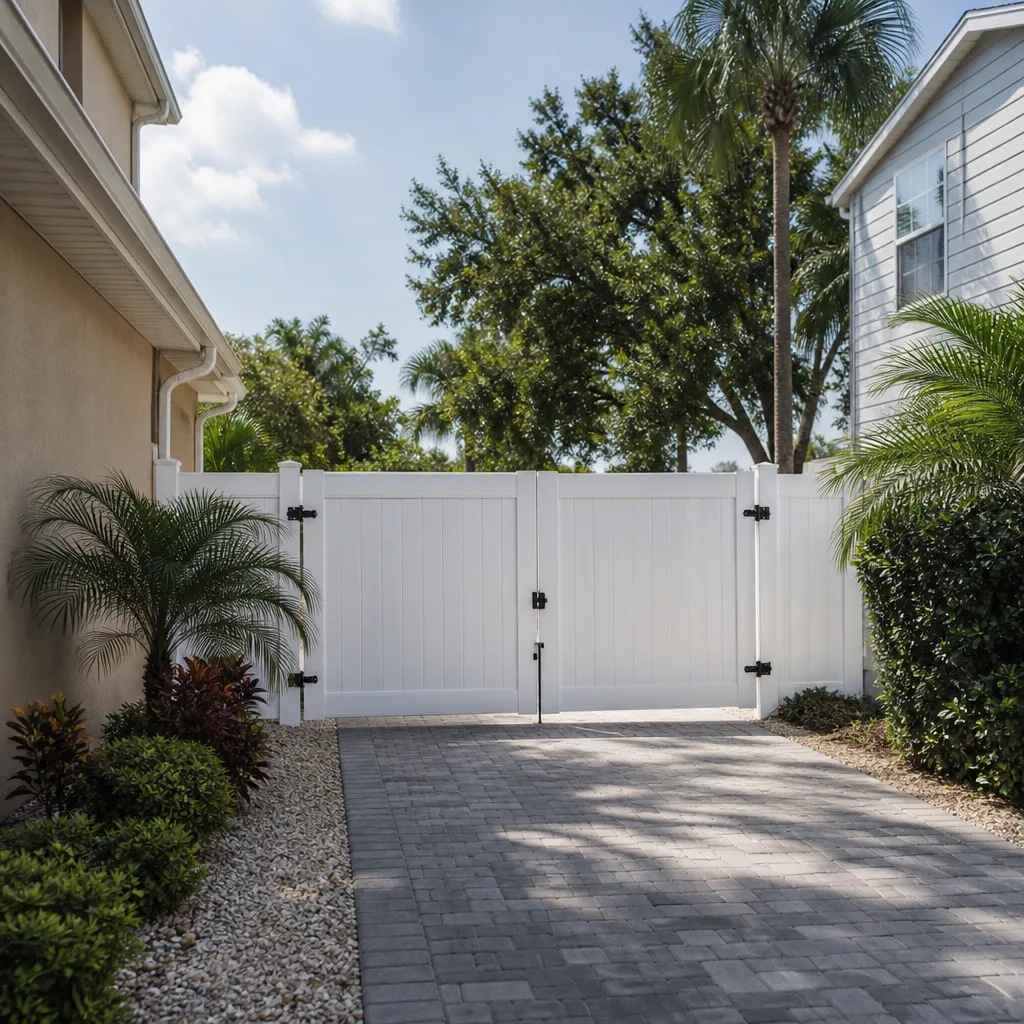
A wood fence in Mesquite typically lasts 12 to 15 years with a proper install and a re-stain every 2-3 years, but most of the fences we replace here fail in 5 to 7 years. The reason isn’t the wood. It’s the post footing fighting North Texas clay. Mesquite’s black clay swells and shrinks between drought and heavy rain, and an undersized footer in that soil gives you a fence that rocks loose long before the boards wear out. If yours is already leaning, call (888) 426-8078 for a free estimate and an honest read on whether it’s salvageable.
Why a Cedar Fence in Mesquite Ages Nothing Like One in Denver
Same cedar panel. Same week of install. Completely different life. Denver sits on stable soil; Mesquite sits on expansive clay that can move up to two inches vertically between an August drought and spring saturation. That movement works against every post in the ground. When the soil shrinks, the concrete-to-soil bond breaks; when it swells, the post gets pushed and rotated. Repeat that cycle a few seasons and an 8-inch-diameter hole at 24 inches deep starts to wallow out. In stable-soil regions that install might hold for 20 years. Here, it’s the reason we see premature post failure across Mesquite so often – and the reason functional fence life shortens by 3 to 7 years versus comparable fences on stable ground.
Mesquite is a built-out, largely post-war inner-ring Dallas suburb, and most of what we do here is replacement rather than new build. The city’s been essentially fully developed since the 1980s, which means the fences we pull are often original to 1950s-1970s ranch lots – and many were set with exactly that undersized footer. When a homeowner calls us about a fence that’s leaning in a single run while the rest looks fine, the diagnosis is almost always post-footing failure, not rot, not the species, not the finish.
Realistic Lifespans by Wood Type (and What Stain Schedule Buys You)
Species matters, but in Mesquite’s high-UV, high-heat summers, finish schedule matters nearly as much. Here’s what we see across installs with and without a maintained sealer:
| Wood / treatment | Lifespan with proper re-stain every 2-3 yrs | Lifespan with no maintained finish |
|---|---|---|
| Pressure-treated pine | 12-15 years | 6-9 years |
| Western red cedar | 15-18 years | 9-12 years |
| Redwood | 15-20 years | 10-13 years |
The spread between columns is the whole story. A cedar fence with no sealer is not a 15-year fence – it’s a 10-year fence with a 5-year head start on gray out. UV does the early damage; ground contact finishes the job. Boards that touch soil stay wet after every rain and rot from the bottom up, so a fence that “looks fine” from the street can have its bottom rails going soft on you.
Species also doesn’t rescue a bad footer. We’ve pulled cedar fences at year six that failed at the post and pressure-treated pine fences still solid at year fourteen because the footings were run right. If you’re weighing a full replace against a repair, the honest question is which one the structure can support – our Fence Installation team walks that with you before anyone quotes a number.

What Footer Depth and Diameter Actually Stabilizes a Wood Post in Mesquite Clay?
For Mesquite’s expansive clay, our standard is a footer deeper and wider than the common 8-inch-by-24-inch hole, because that common spec is sized for stable soil and most of the fences we replace were set to it. The wider footprint and greater depth give the post more soil to grip against lateral movement once the clay starts its wet-dry cycle. We also set posts to keep wood out of direct ground contact wherever the design allows it, since ground-contact rot is the other half of the premature-failure story.
What that buys you is plumb stability through the first full wet-dry season. It matters because a post that rocks slightly in year two rocks more in year four – and every rock opens the soil-concrete interface a little wider. We use Quikrete and Sakrete concrete mixes set to spec, not the “just add water and hope” bag-and-dump approach you see on quick-turn budget installs. The point isn’t to be precious about concrete brands. It’s that the footer is the only part of the fence you can’t see once the job is done, so it’s the part that has to be right.
Worth saying plainly: post footing work is heavy and it’s dangerous. A post hole in clay near buried utilities isn’t a place for a weekend project, and if you hit a line or the hole caves on a deep dig, the consequences are serious. That’s why we recommend a trained professional for anything beyond the shallowest repairs – and why we call 811 before we dig on any Mesquite install.
How the 730-Day Done Right Promise Ties to Fence Lifespan
Our 730-Day Done Right Promise matters most in exactly the window that clay exposes – the first full wet-dry cycle. If a post goes out of plumb or a footer fails to hold through that cycle, we make it right. That’s one of the longest workmanship guarantees in the residential construction space, and for a Mesquite fence it’s the guarantee that covers the season when a footer either holds or doesn’t. Ninety-day workmanship windows don’t get you through a single clay cycle; ours covers two.
Our technicians have up to 12 years of experience, and every crew member is background-checked and arrives in uniform. Pricing is upfront – the number you see is the number you pay – and projects over $10,000 qualify for $1,000 off plus 0% financing for 18 months. A standard Mesquite wood fence install runs $3,500-$9,000, so most jobs land below that promo threshold; the free estimate and design consult applies to every job regardless. You can see the full scope of what we install on our Fence Installation in Mesquite page.
The Maintenance Schedule That Gets You the High End of the Range
Most of the difference between a 15-year fence and a 10-year one is what happens after install. What that looks like in Mesquite:
- Re-stain every 2-3 years. North Texas UV is unforgiving, and a fence that goes gray is losing the finish protection that slows moisture uptake. Look for a penetrating oil or stain rated for exterior cedar or pine.
- Inspect within 48 hours of any hail or high-wind event. Hail season here turns the city into a roof-and-siding rebuild market overnight, and the fence takes the same beating. Check for cracked pickets, loose rails, and post movement.
- Check posts at the base, not the top. Grip each post and push it side to side. Any rock tells you the footer is already failing and worth a look before the run starts leaning.
- Keep boards clear of soil. Wherever pickets touch the ground, trim them back so they dry after rain. That single habit slows ground-contact rot noticeably.
None of that is tedious once it’s a habit, and it’s the cheapest part of fence ownership. What you don’t fix is a footing that’s started to rock.
FAQs
Pressure-treated pine in Mesquite lasts 12-15 years with a re-stain every 2-3 years, and 6-9 years with no maintained finish. The gap comes down to UV exposure and ground-contact rot rather than the treatment itself. If a post is rocking after year five or six, the footer is the problem, not the pine – call (888) 426-8078 for a free estimate on a repair or replace.
Usually yes, if the boards are sound and the failure is isolated to one or two posts. We reset the failed posts on proper footings and can often retain the panels. When the lean runs along an entire run, the fix is a full footer rebuild and we’ll tell you straight. Call (888) 426-8078 for an assessment – the estimate is free and there’s no pressure to commit.
A spot repair on one or two posts is cheaper than a full replacement, but if more than about a quarter of your posts have started to rock, replacing makes better financial sense given a new install runs $3,500-$9,000. We walk through the math on-site – if repair is the better call, we’ll say so. Call (888) 426-8078 for upfront pricing.
Deeper and wider than the common 8-inch-by-24-inch hole that most budget installs use – that spec is meant for stable soil and doesn’t hold up against Mesquite’s wet-dry movement. Our standard goes further so the post stays plumb through the first full clay cycle. Post footing work in clay around buried utilities is genuinely dangerous, so we recommend a trained professional rather than a DIY dig – call (888) 426-8078 to have it sized right.
Have It Looked At
If your fence is leaning, rocking, or you’re just trying to figure out whether you have two years left or twelve, Groundwork Construction Co. of Mesquite offers a no-pressure assessment in Mesquite – call (888) 426-8078. Live person, 24/7, and the estimate is free. From foundation to finish line, we’ll tell you what it needs.
Written by the team at Groundwork Construction Co. of Mesquite, serving Mesquite, TX.