Free written scope consultation - allowances, timeline, and change-order rules on paper before a single trade is scheduled
Styles & brands we work with
- Kitchen remodeling
- Bathroom remodeling
- Home additions & ADU
- Roofing
- Windows & doors
- Driveway & pavers
- Fence
See the difference
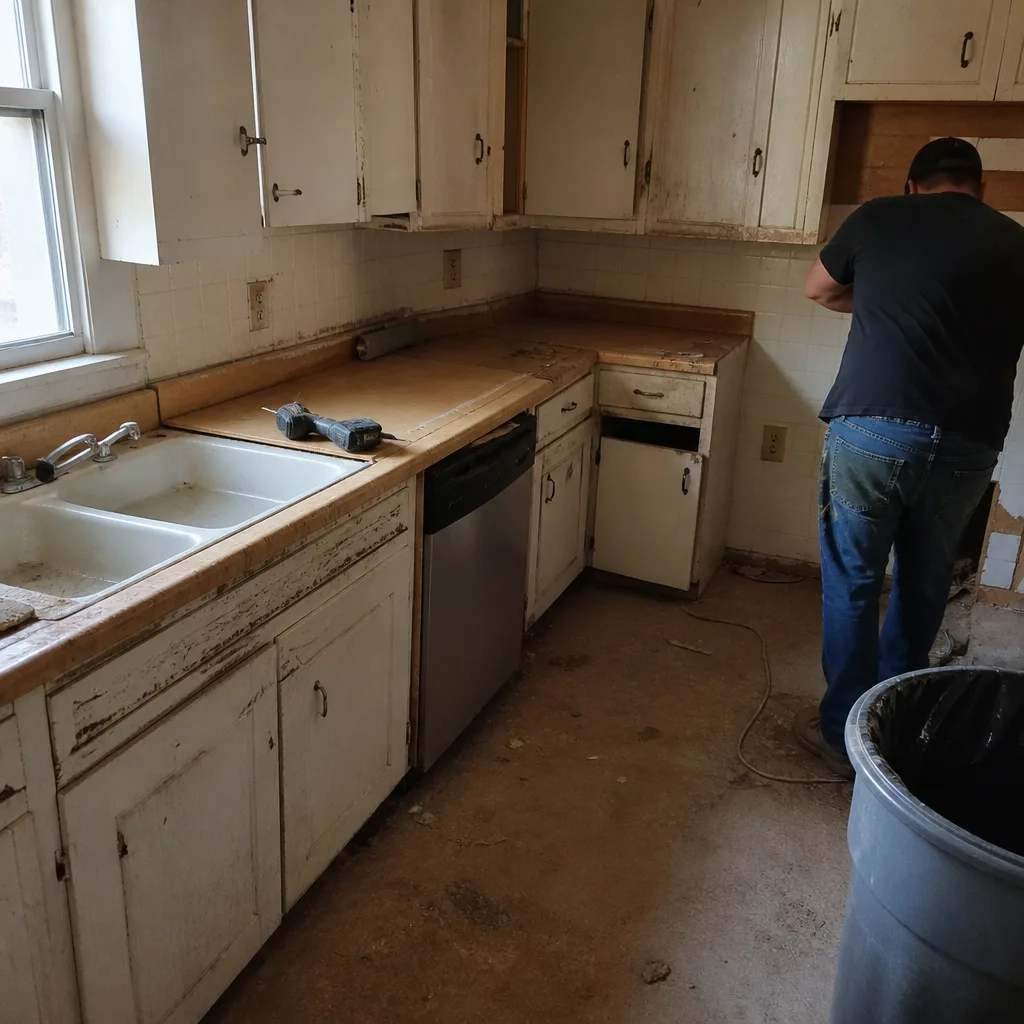 Before
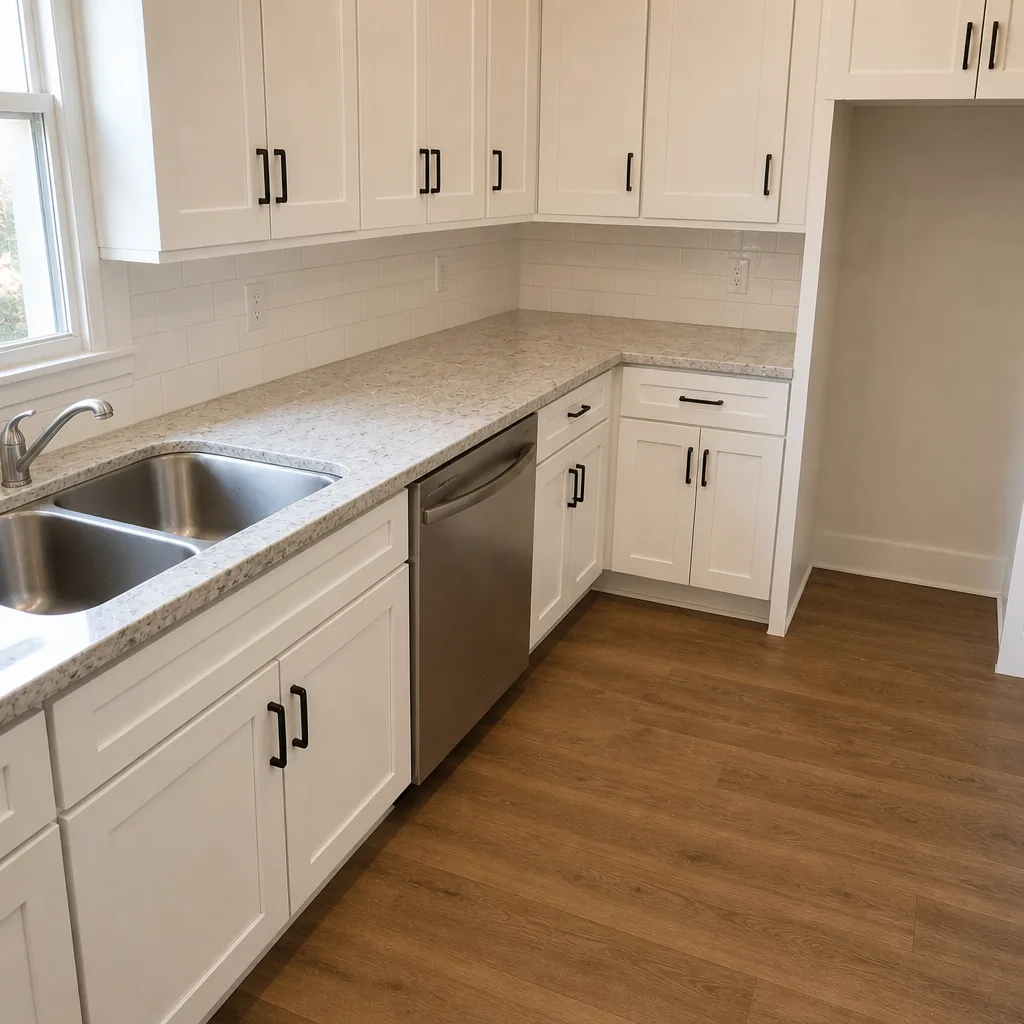 After
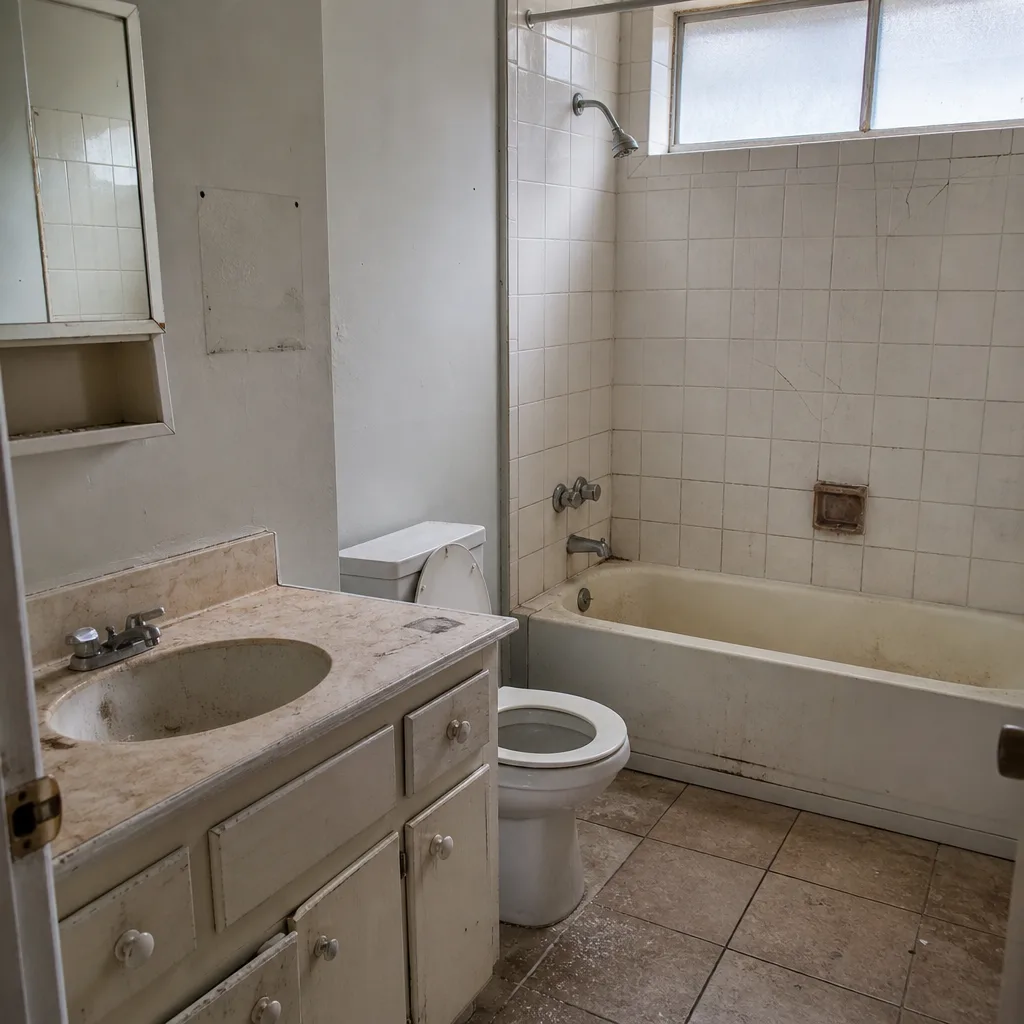 Before
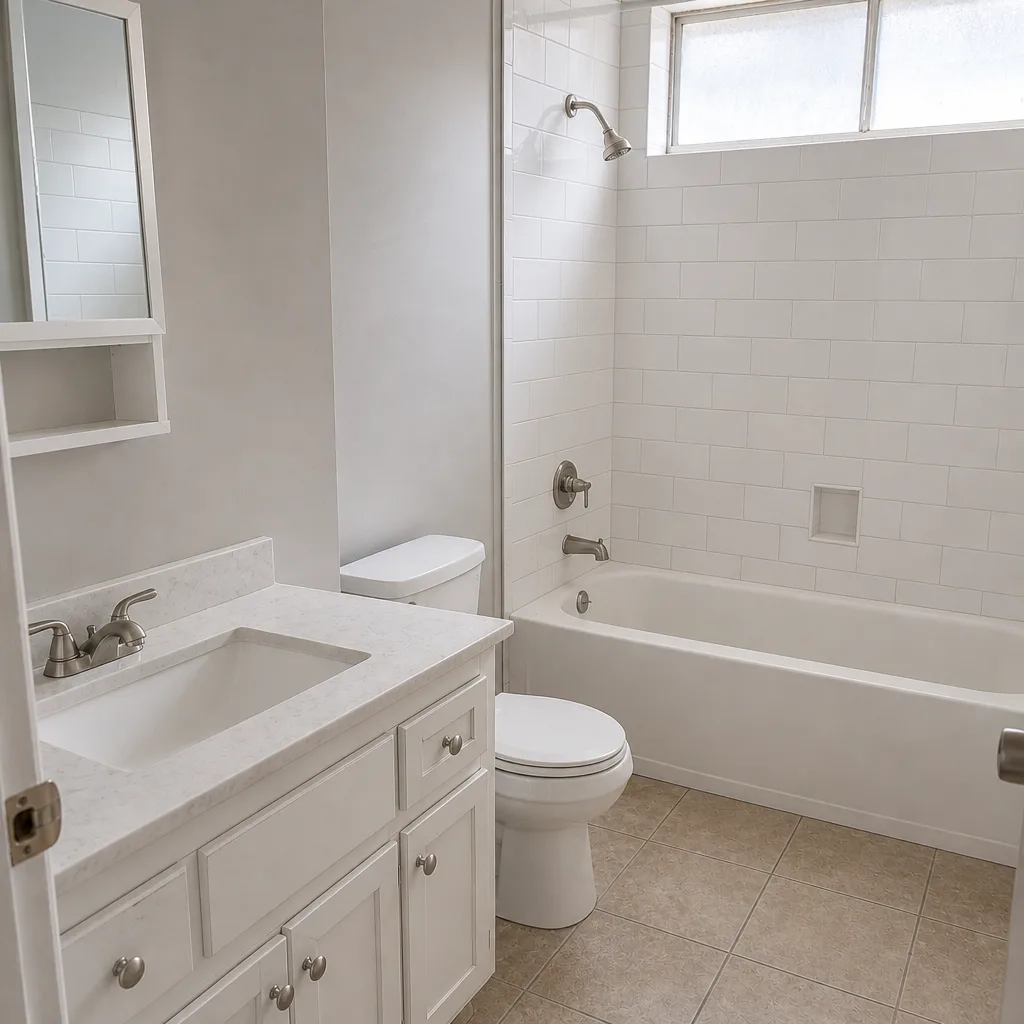 After
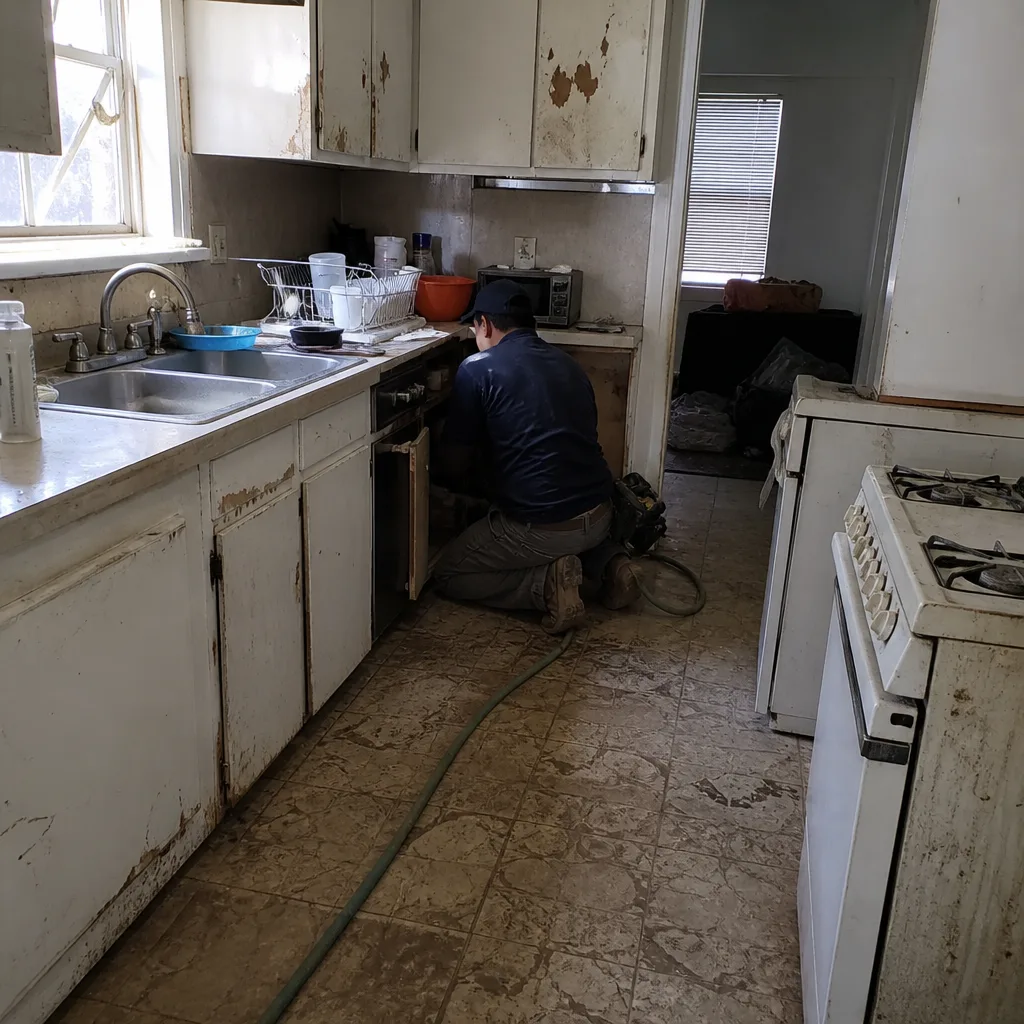 Before
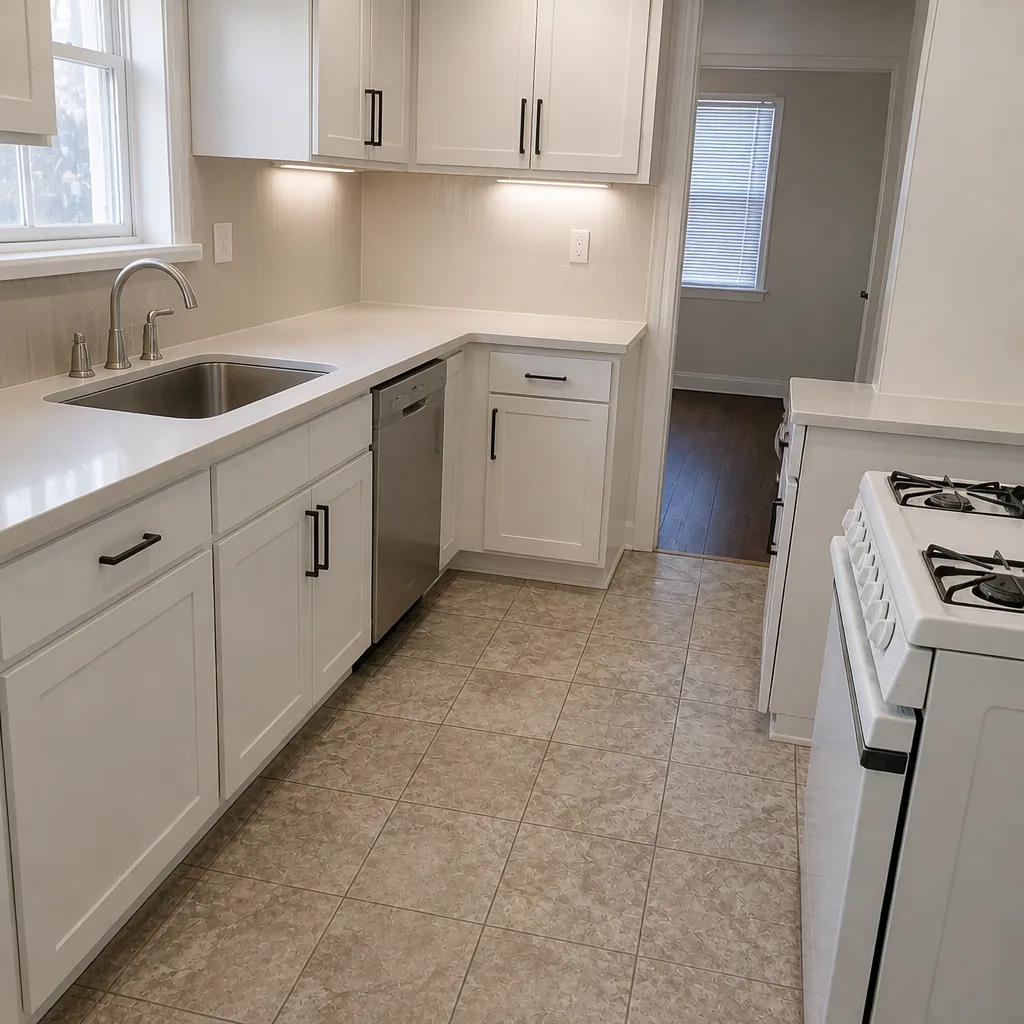 After
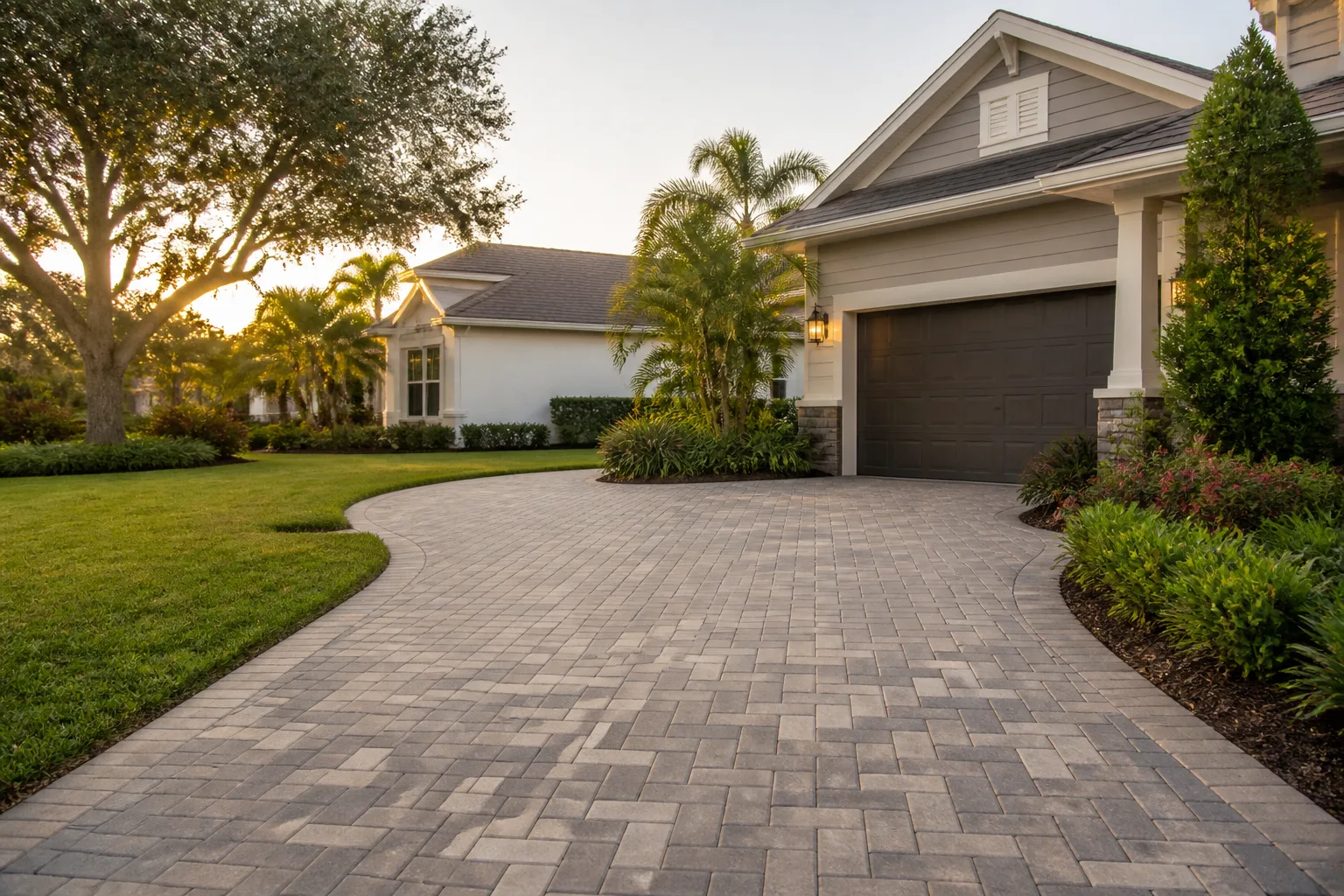
How Long Does a Paver Driveway Last in Mesquite, TX?
Concrete pavers are rated to last 25-50 years, but in Mesquite’s black clay the paver itself will outlast the base beneath it by roughly two decades. The honest answer: on active clay soil without a correct base system, a paver driveway typically starts heaving, rocking, or settling within 7-12 years. The pavers aren’t failing. The base is. If your driveway is already shifting and it’s less than a decade old, that’s a base problem, and it’s worth having someone look at it before it gets worse. Call (888) 426-8078 and we’ll walk it with you.
Mesquite is a built-out, largely post-war inner-ring Dallas suburb. Most of the work here is renovation, addition, and replacement rather than new build, because the city has been essentially fully developed since the 1980s. That matters for driveways: the housing stock runs from 1950s-1970s single-family ranches to brick-veneer tract homes, many now 50+ years old, and a lot of them have driveways that were poured, patched, or paved decades ago on soil that has been moving under them the whole time. When we tear out an old driveway in Mesquite, what we find under it is often the real story.
The two lifespan questions nobody separates
Most homeowners ask “how long does a paver driveway last” and get one number back. That number is almost always about the paver. It should be two numbers, because two different things are wearing out at two different rates.
- The paver material itself: concrete pavers last 25-50 years. Natural stone, like travertine or granite setts, runs longer. The pavers are rarely the failure point. They’re dense, they’re colorfast, they don’t crack like poured concrete under freeze-thaw and clay movement.
- The base system below the pavers: this is what fails first, and in Mesquite it fails fast if it was built wrong. The black clay soil across the city swells when it’s wet and shrinks when it’s dry, and that seasonal movement pushes against whatever is sitting on top of it. A base built to a stable-soil specification won’t hold up under that cycle for long.
So the real question isn’t “how long do pavers last.” It’s “how long until the base needs re-leveling.” On a correct Mesquite installation, we’d expect the base to hold for the life of the driveway. On a base built to a generic spec, 7-12 years is a realistic service window before sections need to be lifted and reset.
What “correct installation” actually means on Mesquite clay
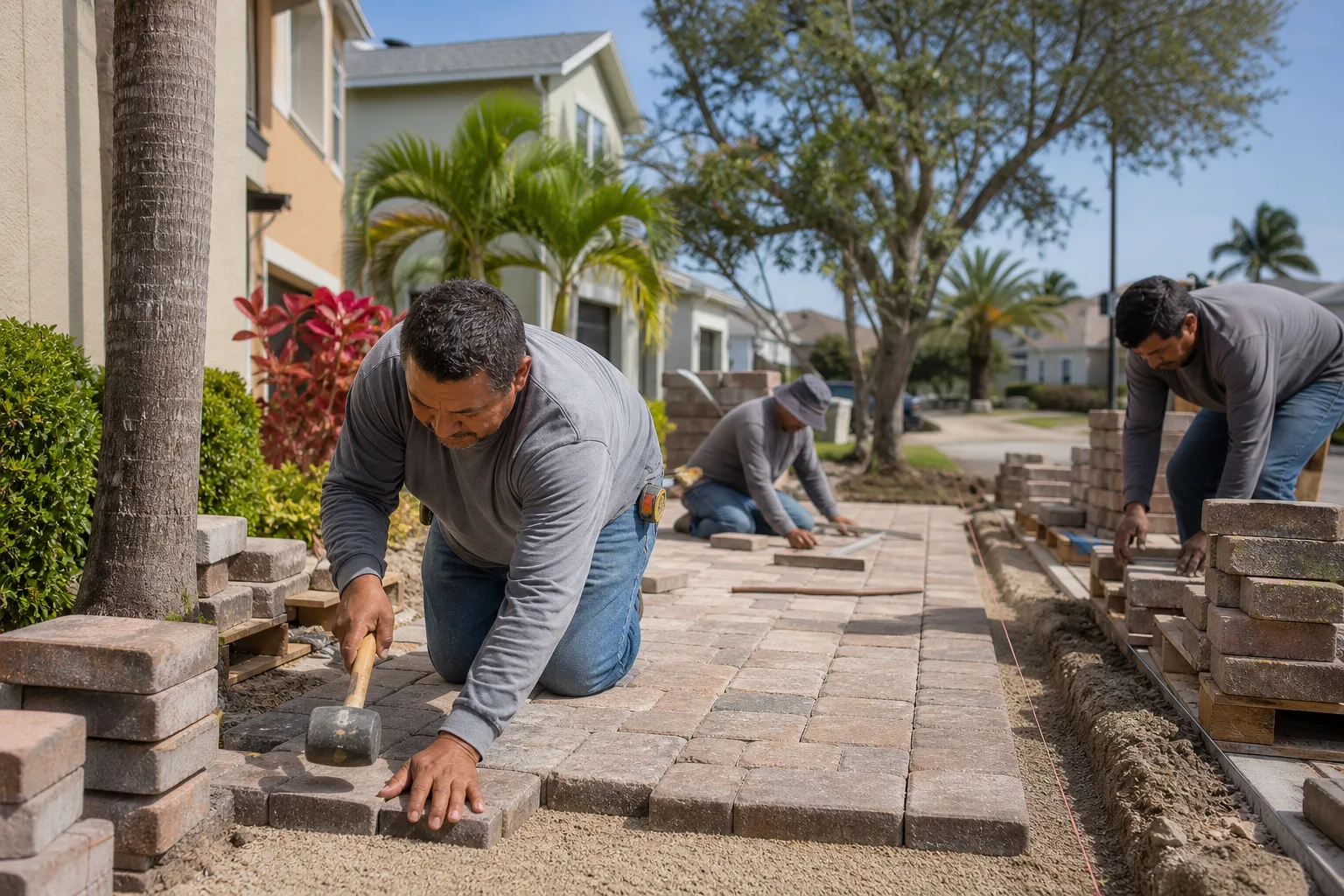
This is where the lifespan is decided, and it’s the part of the job you can’t see once it’s done. Four elements matter, and skipping any one of them shortens the driveway’s life:
A minimum 8-inch compacted crushed limestone base. A patio can often get away with 4-6 inches. A driveway can’t, because it carries vehicle loads. Limestone, compacted in lifts, gives the pavers a stable plane to sit on. Undersized base is the single most common reason a Mesquite paver driveway starts rocking by year eight.
A geotextile fabric layer. This is a woven separation fabric laid between the native clay and the limestone base. Its job is to stop clay fines from migrating up into the base during wet-dry cycles. Without it, the clay pumps into the base voids over time, the base loses its compaction, and the driveway settles unevenly. It’s a cheap material and a critical one.
A properly sloped bedding sand layer. The sand bed sets the pavers level and drains water off the surface toward the street or a drainage point. Get the slope wrong and you get ponding, which accelerates base saturation and, over time, movement.
Rigid edge restraints. The edge is what keeps the whole field of pavers locked. A paver driveway with a weak edge, or a plastic edge restraint set in the wrong base, will spread at the borders. Once the edges move, the interior follows.
And the load factor deserves its own line: a driveway and a patio are not the same job. Vehicle weight demands that 8-inch compacted aggregate base minimum under pavers, or a 6-inch concrete base if you’re going that route. Some installers use patio-spec base on driveway applications to cut cost. It works for a season. It doesn’t work for a decade in Mesquite.
What base failure looks like, and what it costs to fix
Heaved or rocking pavers, sunken sections near the garage apron, a dip that holds water after rain, or joints that keep opening up. Those are base symptoms, not paver symptoms. The good news: with pavers, you can fix the base without replacing the driveway.
Re-leveling a section means lifting the pavers, excavating the failed base, re-compacting, resetting the limestone and sand, and relaying the original pavers. It’s labor intensive, but the pavers go back down. That’s the practical advantage over poured concrete, where a cracked or heaved slab has to be broken out and replaced. Here’s how the numbers shake out in Mesquite:
| Item | Typical range |
|---|---|
| Paver driveway installation (full) | $7,000-$18,000 |
| Concrete driveway installation (for comparison) | $4,500-$12,000 |
| Driveway replacement | $5,000-$14,000 |
| Driveway sealing (extends surface life) | $250-$700 |
| Paver patio installation (context on load difference) | $3,500-$11,000 |
Preventing a base failure is baked into the install price above. Fixing one after the fact runs into the thousands in labor, because it’s essentially a partial re-install. The math strongly favors doing the base right the first time, which is why we spec the full 8-inch system on every driveway and don’t shortcut it.
What the 730-Day Done Right Promise means for a paver driveway
Here’s the part that turns this from an anxiety question into a documented commitment. If base settling causes paver movement within two years of a Groundwork driveway install, our 730-Day Done Right Promise means we come back out, re-level the affected sections, and make it right. If it’s not done right, we make it right. It’s one of the longest workmanship guarantees in the residential construction space, and it’s written.
That’s the practical difference on a question like this one. You don’t have to guess whether the contractor did the base correctly, or bet your driveway on a handshake. The base strategy, the geotextile layer, the edge restraints, and the compaction are all specified on the front end and backed in writing on the back end. It’s how a driveway problem becomes a driveway we fix, not a gray area you argue about.
How we approach a paver driveway in Mesquite
Every driveway starts with looking at what’s actually under the existing surface, not just the top layer. If you’re replacing a failed slab or an old paver surface, the existing base gets evaluated against the Mesquite clay reality, not a generic spec sheet. From there we quote a full system – excavation, geotextile, compacted limestone, bedding sand, edge restraint, pavers – with Driveway & Pavers as our core offering. On finish selections, we work with brands like Belgard on the paver side, so you’re choosing a quality product, not just what’s in stock.
Our technicians have up to 12 years of experience, and the crews are background-checked and arrive in uniform on every job. Upfront pricing means the number you see on the estimate is the number you pay, and if you’re weighing a paver driveway against other exterior work, our home page covers the full scope of what we do.
FAQs
Concrete pavers last 25-50 years, but the base underneath decides how long the driveway stays flat and stable, and on Mesquite’s expansive clay soil that’s where the timeline shortens. With a correct 8-inch compacted limestone base and geotextile separation, the base typically holds for the life of the pavers. Without it, expect movement in 7-12 years. Call (888) 426-8078 for a free assessment of what you have now.
Heaving in a young paver driveway is almost always a base failure, not a paver failure. On Mesquite’s clay, the swelling and shrinking cycle pushes up against an undersized or uncompacted base, and the pavers follow. Common culprits: less than 8 inches of compacted limestone, no geotextile fabric to stop clay fines migrating up, or a porch-spec base installed on a driveway load. Fixing it means lifting the affected pavers, re-excavating, and re-compacting the base.
Yes. That’s one of the real advantages of pavers over poured concrete. The pavers get lifted, the failed base section gets re-excavated and re-compacted, and the original pavers go back down. It’s labor intensive, but the material is preserved. If your driveway is within two years of a Groundwork install and base settling is the cause, the 730-Day Done Right Promise covers the re-level and repair. Call (888) 426-8078 to set up a walkthrough.
Section repair is almost always cheaper than a full replacement, and it’s the reason paver driveways tend to win on long-horizon cost. Paver driveway installation in Mesquite runs $7,000-$18,000, while a full driveway replacement runs $5,000-$14,000 and a targeted base re-level is a fraction of either. Upfront pricing is standard with us – the number you see is the number you pay – and $1,000 off applies to projects over $10,000, with 0% financing for 18 months available.
If you’d rather have it looked at, Groundwork Construction Co. of Mesquite offers a no-pressure assessment in Mesquite – call (888) 426-8078. We’ll tell you honestly whether you’re looking at a paver problem, a base problem, or no problem at all. Calls are answered by a live person, 24/7.
Written by the team at Groundwork Construction Co. of Mesquite, serving Mesquite, TX.