Free written scope consultation - allowances, timeline, and change-order rules on paper before a single trade is scheduled
Paver Driveways in Sachse, TX: What Homeowners Actually Pay
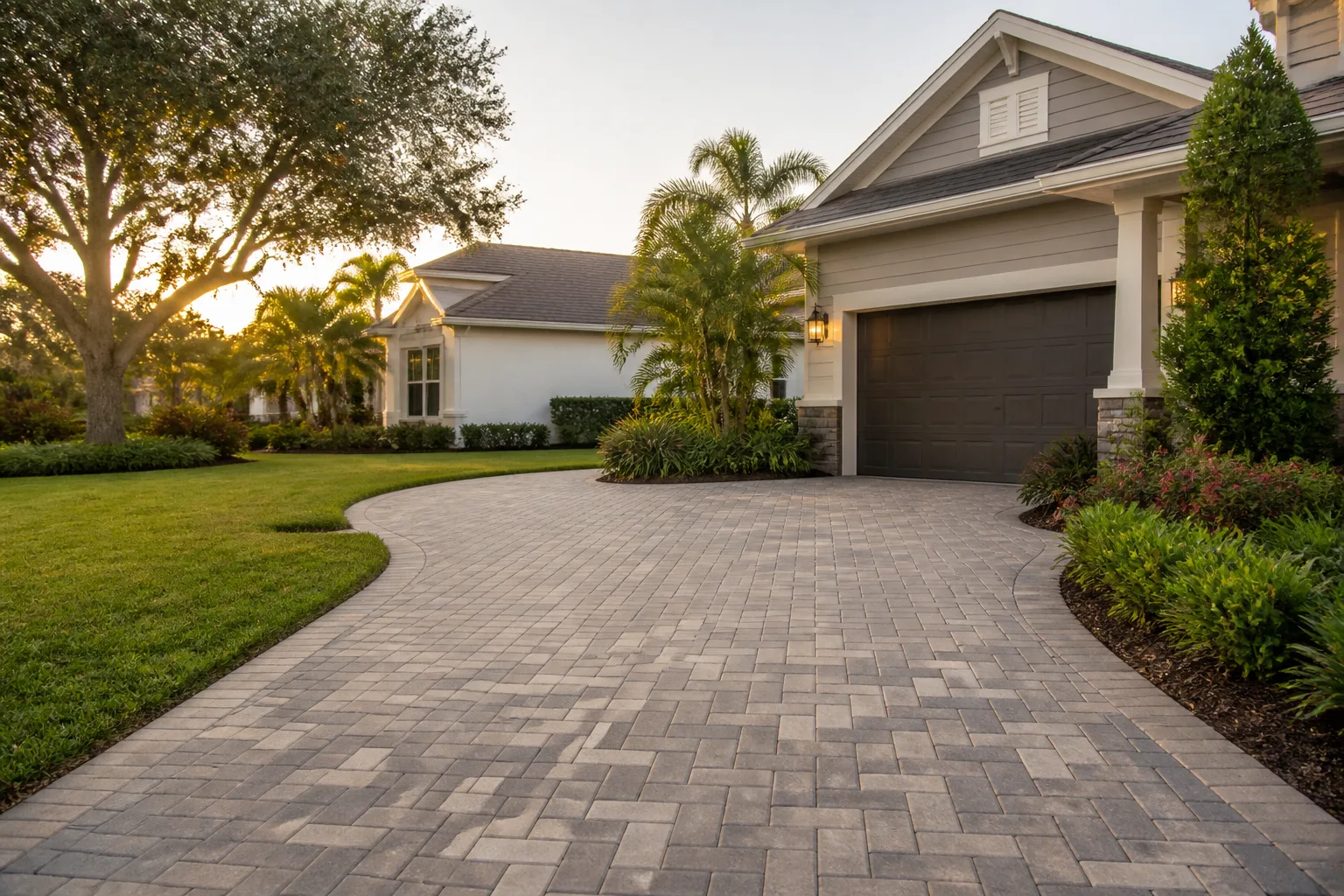
Paver driveway installation in Sachse, TX runs $7,000 to $18,000 for a typical two-car drive, and most jobs finish in four to seven working days from demo to swept final. The number is driven less by square footage than by what’s under the pavers: this corner of the Blackland Prairie sits on expansive clay that moves all year, so the base build is the part that makes or breaks the price. Call (888) 426-8078 for a free on-site estimate and a written line-item quote before anything gets torn out.
How a Paver Driveway Goes In, Day by Day
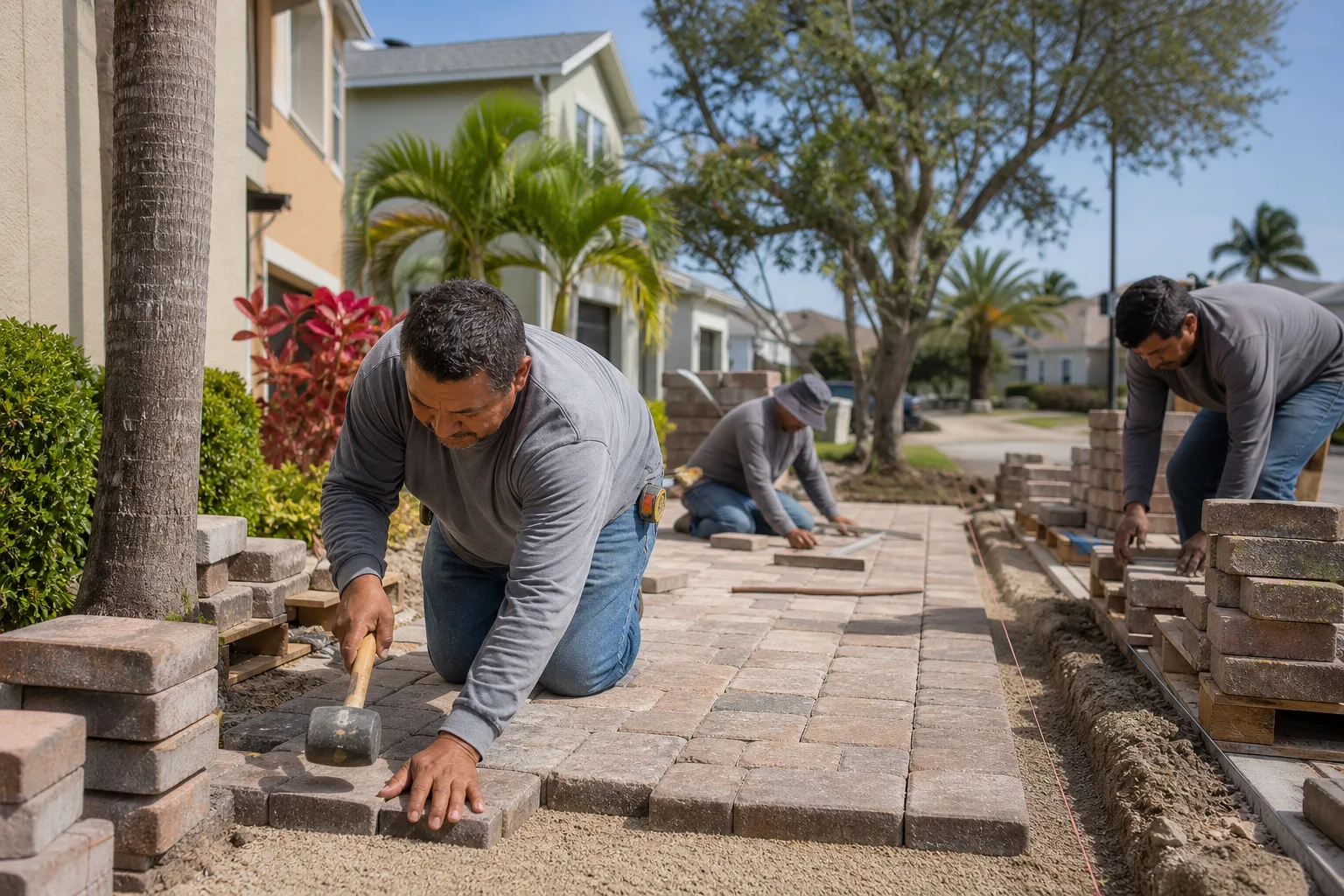
Most contractors hand you a start date and disappear. We walk you through the sequence so you know what to expect on the driveway each morning and what decision is waiting on you.
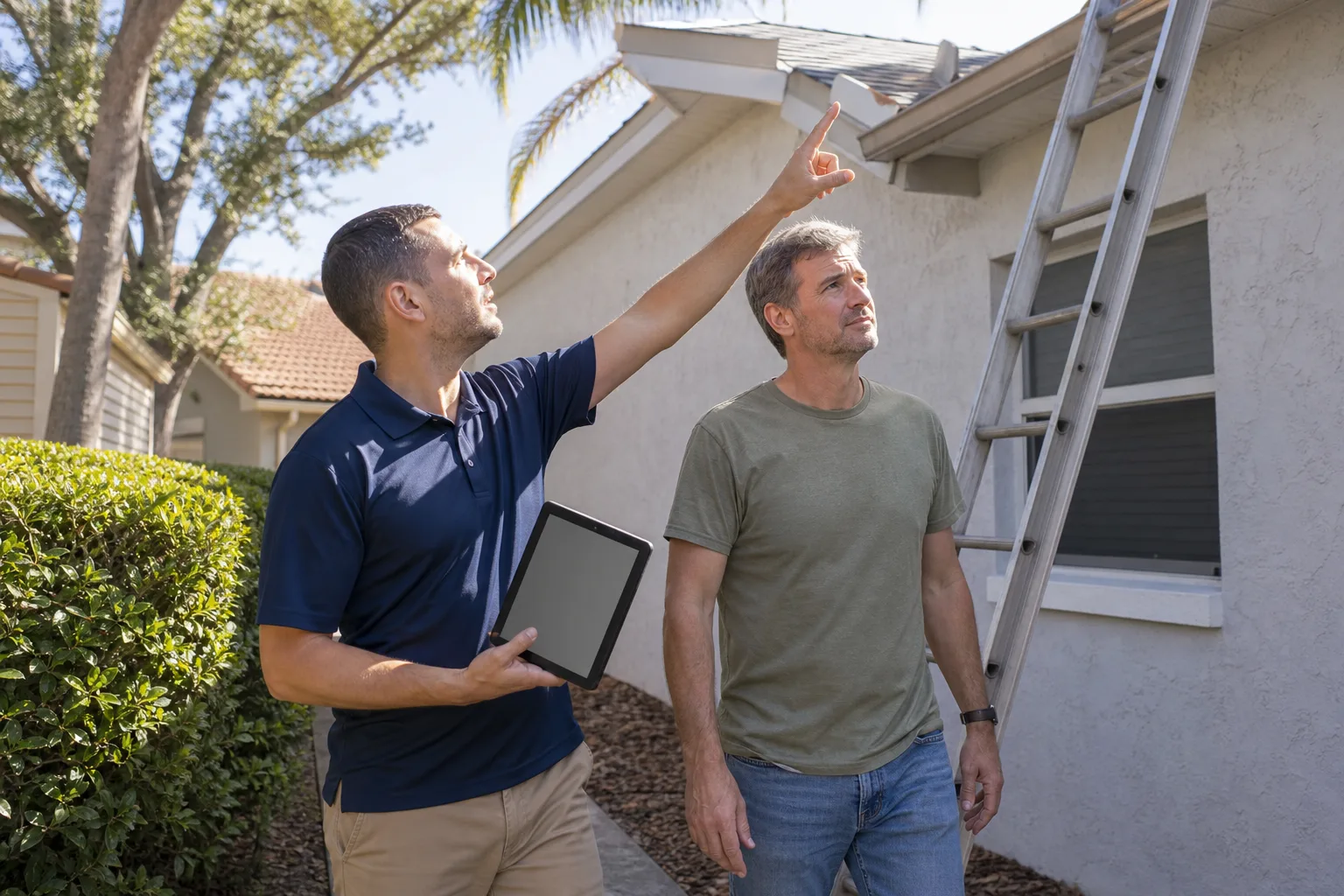
Stage 1: Site walk and layout (day 1, about two hours)
We measure the existing surface, check slope and drainage away from the slab, and flag any low spots where water is already pooling. You confirm the paver selection and the border pattern at this stage, because the layout sets the excavation depth and the base thickness. Any changes to the driveway width or the flare at the street happen now, not after the base is compacted.
Stage 2: Demo and haul-off (days 1 and 2)
Old concrete or asphalt is broken out and hauled away. On a standard Sachse drive this takes a day, sometimes a day and a half if the existing slab is thick or tied into a walkway. You’ll see the subgrade for the first time here, and this is where we identify soft spots or old fill that need to come out before anything new goes down.
Stage 3: Grading and base build (days 2 and 3)
This is the stage that separates a driveway that lasts fifteen years from one that shifts by the second summer. Because the clay under most of Sachse swells when it’s wet and cracks open when it dries, we excavate deeper than a minimum spec and build the base in compacted lifts, usually 6 to 8 inches of crushed stone depending on the soil we hit. Each lift gets compacted and checked for grade. You don’t have a decision to make here, which is why it pays to hire someone who won’t skip it.
Stage 4: Setting the pavers (days 4 and 5)
Bedding sand goes down, then the pavers go in courses from a fixed reference line. Cut pieces land at the edges and around any curves. On a 400- to 600-square-foot drive, two to three days is normal for the field and the border. You’ll see progress that’s obvious by end of day, which is one of the small pleasures of a paver job over a poured slab.
Stage 5: Compaction, joint sand, and inspection (days 5 to 7)
Plate compaction settles the pavers into the bedding, then polymeric joint sand fills the gaps and gets watered in to lock. Final clean-up and a walkthrough follow. Depending on what the scope touches, a final inspection may be required for driveway approaches or drainage. That’s the sequence, and most homeowners pick materials in week one and then largely stay out of the way.
Styles & brands we work with
- Kitchen remodeling
- Bathroom remodeling
- Home additions & ADU
- Roofing
- Windows & doors
- Driveway & pavers
- Fence
The Options You’ll Pick Between
Paver selection drives both budget and long-term upkeep, and the honest answer is that the most expensive material isn’t automatically the right one for every drive.
- Concrete pavers, standard grade. The workhorse option, typically the low-to-middle of the range. Dense, holds color well, and handles our North Texas heat without fading badly. Best fit for most Sachse drives.
- Concrete pavers, premium/tumbled. A softer, aged look with a slightly rougher surface. Adds cost and a bit more grip underfoot, which matters on the sloped approaches some Sachse lots have.
- Clay brick pavers. The classic look and the most durable against freeze-thaw and sun, but it’s the top of the price range and heavy, so base prep has to be exact. Suits homeowners who want a specific architectural match to the brick veneer on the house.
- Permeable pavers. Spaced joints and an open-graded base let water through instead of sheeting off toward the slab. Worth considering on lots where drainage is already tight. Costs more up front, pays off in fewer puddling complaints.
- Color and pattern. A running-bond field with a contrasting border is the standard, but herringbone and basketweave are available. Borders add a visual finish and a modest cost bump.
Where brand matters, we work with vetted suppliers including Belgard, and the final selection is yours, not ours. If a paver line you’ve seen elsewhere isn’t in our catalog, say so and we’ll tell you honestly whether it’s a good fit for this climate and this job.
What Paver Driveways Cost in Sachse, TX
Expect $7,000 to $18,000 for a paver driveway in Sachse. That range covers a typical 400- to 600-square-foot drive with a standard field, border, and base build. Where you land depends on a short list of variables.
- Square footage. The single biggest lever. A long driveway or a wide turnaround pushes you toward the top of the range; a compact single-car drive keeps you near the bottom.
- Existing surface condition. Concrete that’s cracked, heaved, or has old fill underneath means more demo and more base replacement. That alone can add hundreds to over a thousand dollars.
- Material grade. Standard concrete pavers versus clay brick or premium tumbled lines is the second-largest swing. Permeable systems cost a bit more up front too.
- Drainage and grading work. On lots where runoff has been a problem, we may need to add a swale, a channel drain, or regrade the approach. Necessary work, not optional.
- Border, curves, and cut complexity. A simple rectangular drive with a straight border stays near the base price. A curved, bordered, or angled layout takes more cuts and more time.
Every written estimate breaks out demo, base, pavers, joint sand, and clean-up as separate line items. What’s usually not in the base quote: drainage upgrades, any subgrade repair discovered after demo, and planting or sod repair along the edges. We flag all three before work begins, so there’s no change order halfway through. The price you see is the price you pay.
See the difference
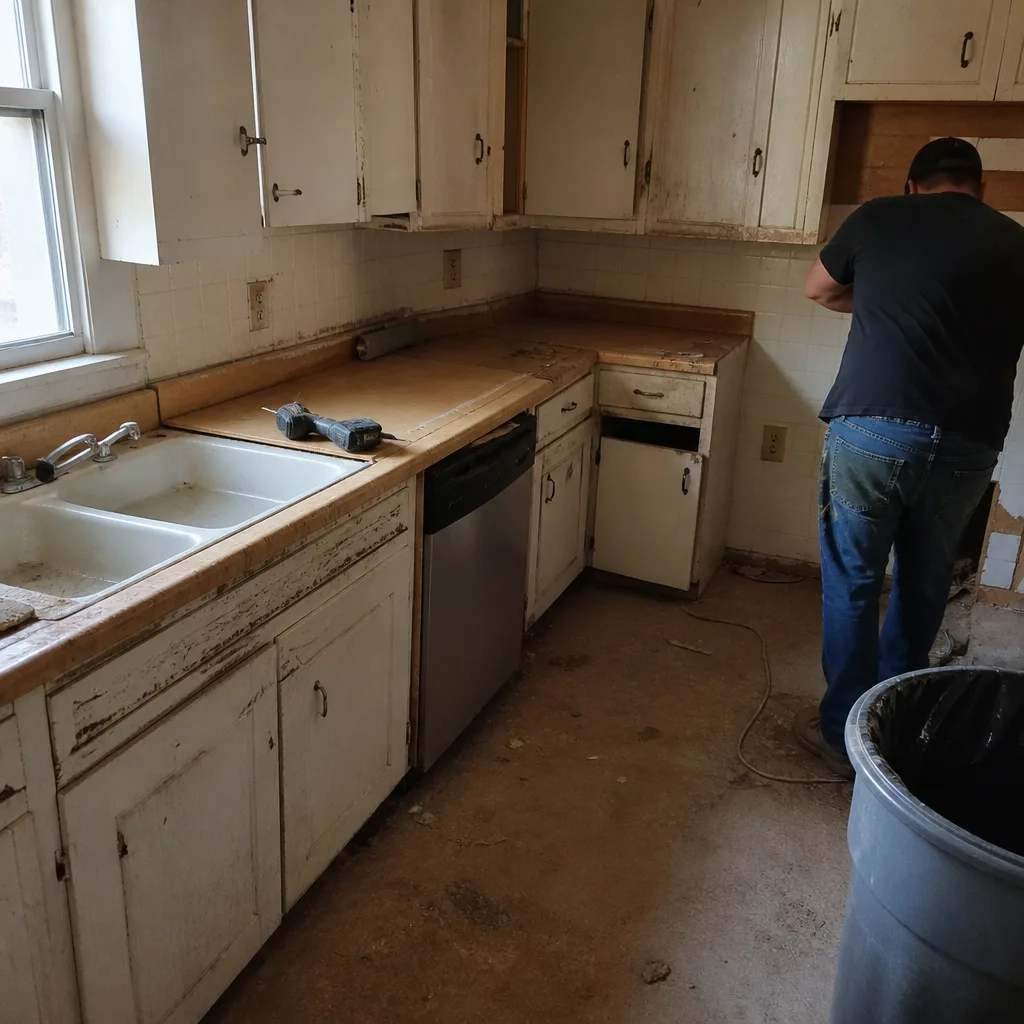 Before
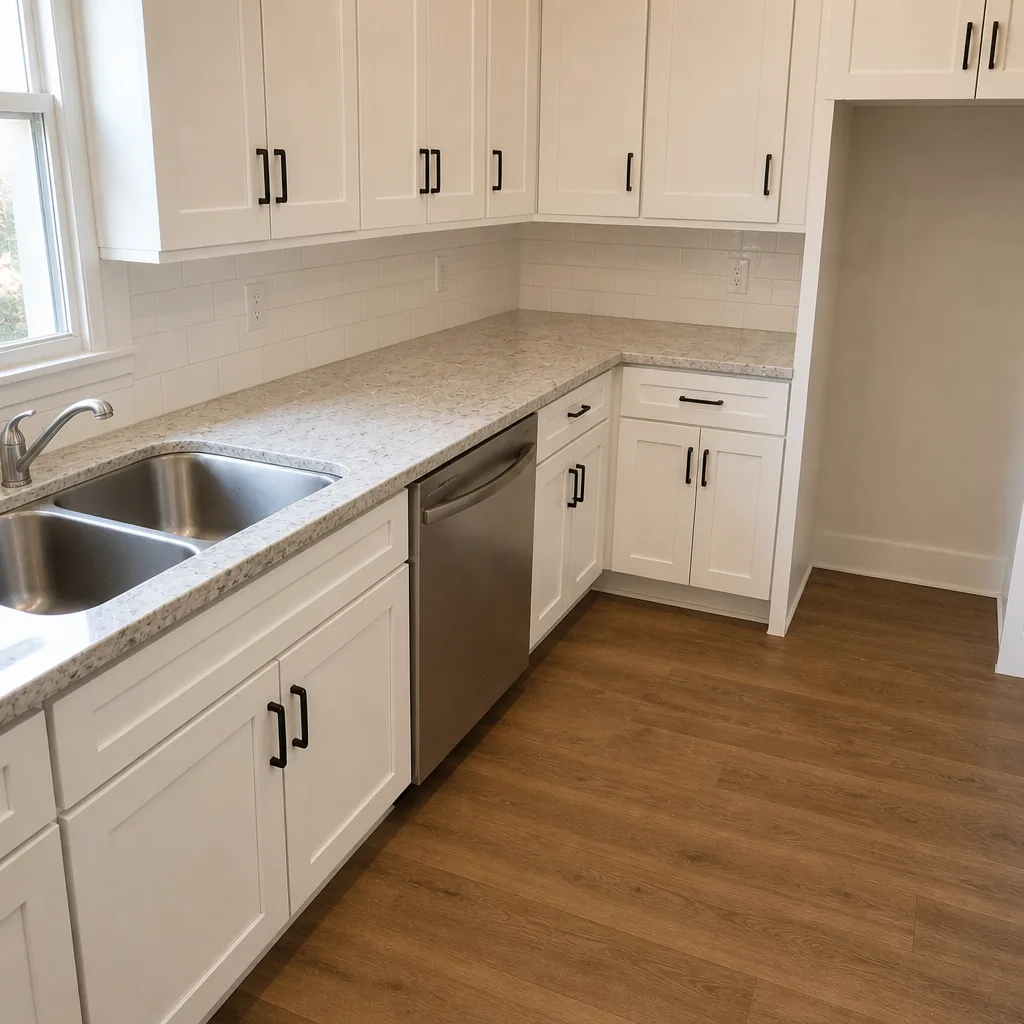 After
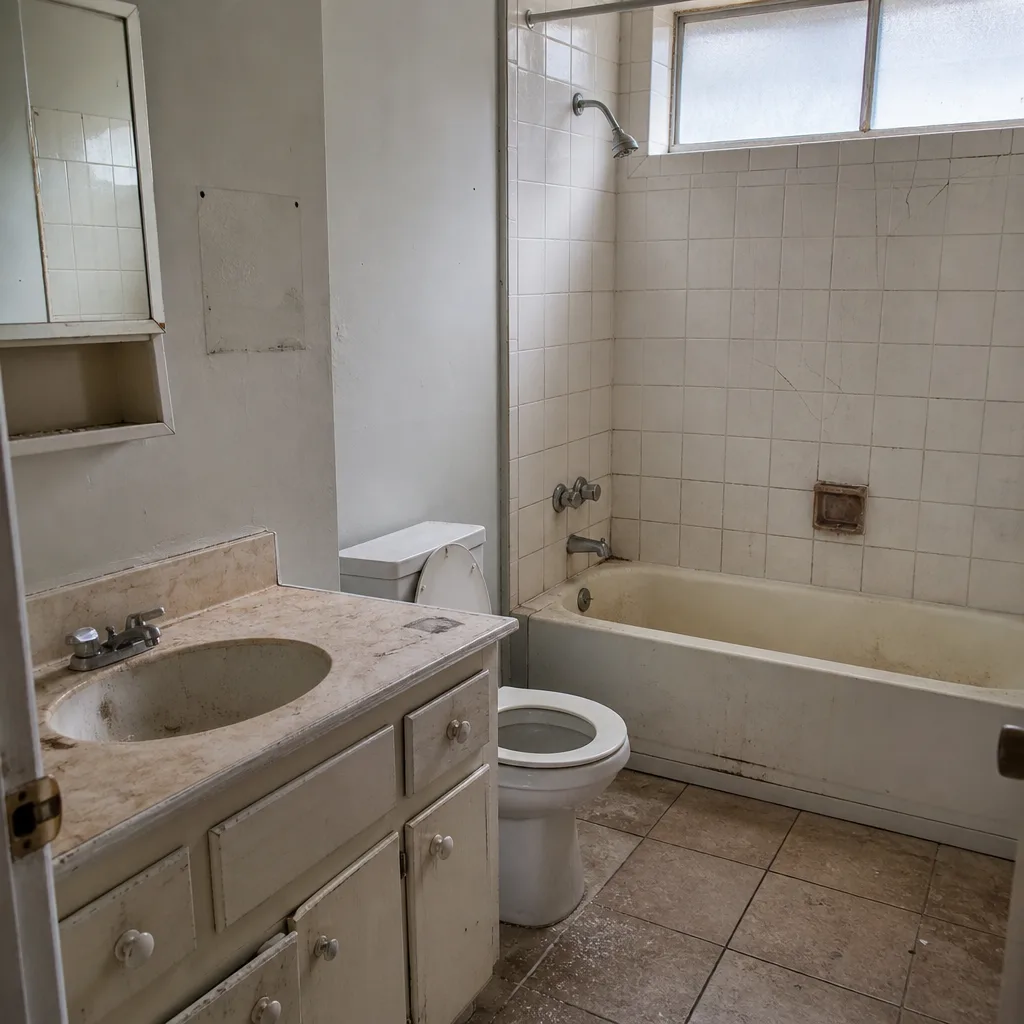 Before
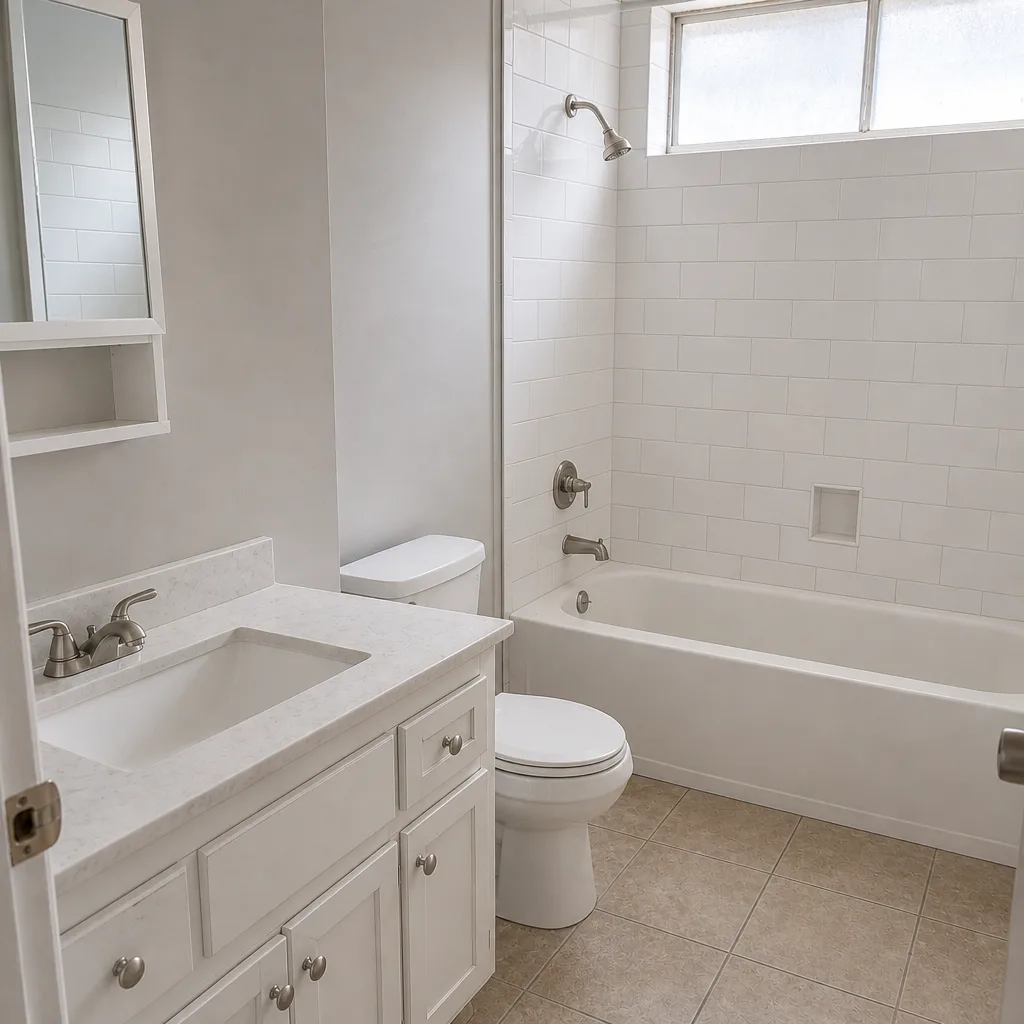 After
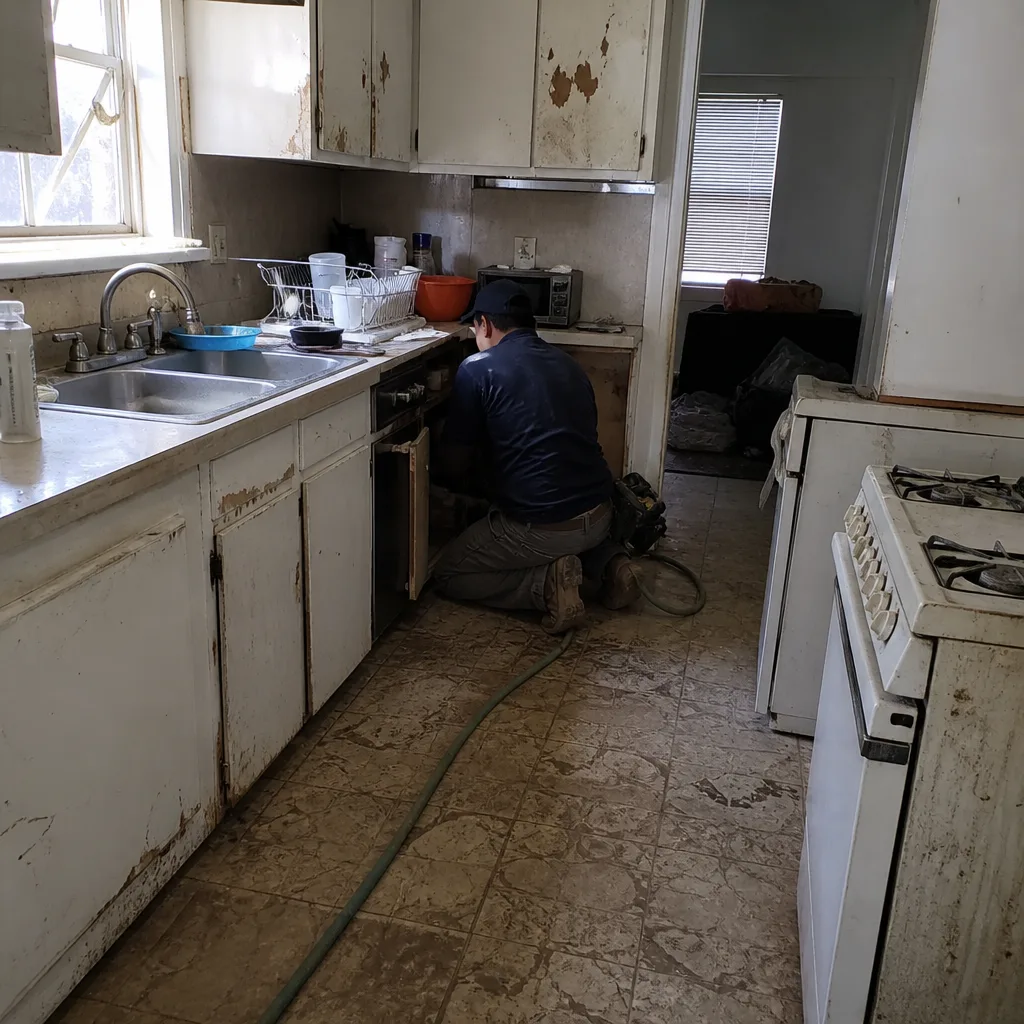 Before
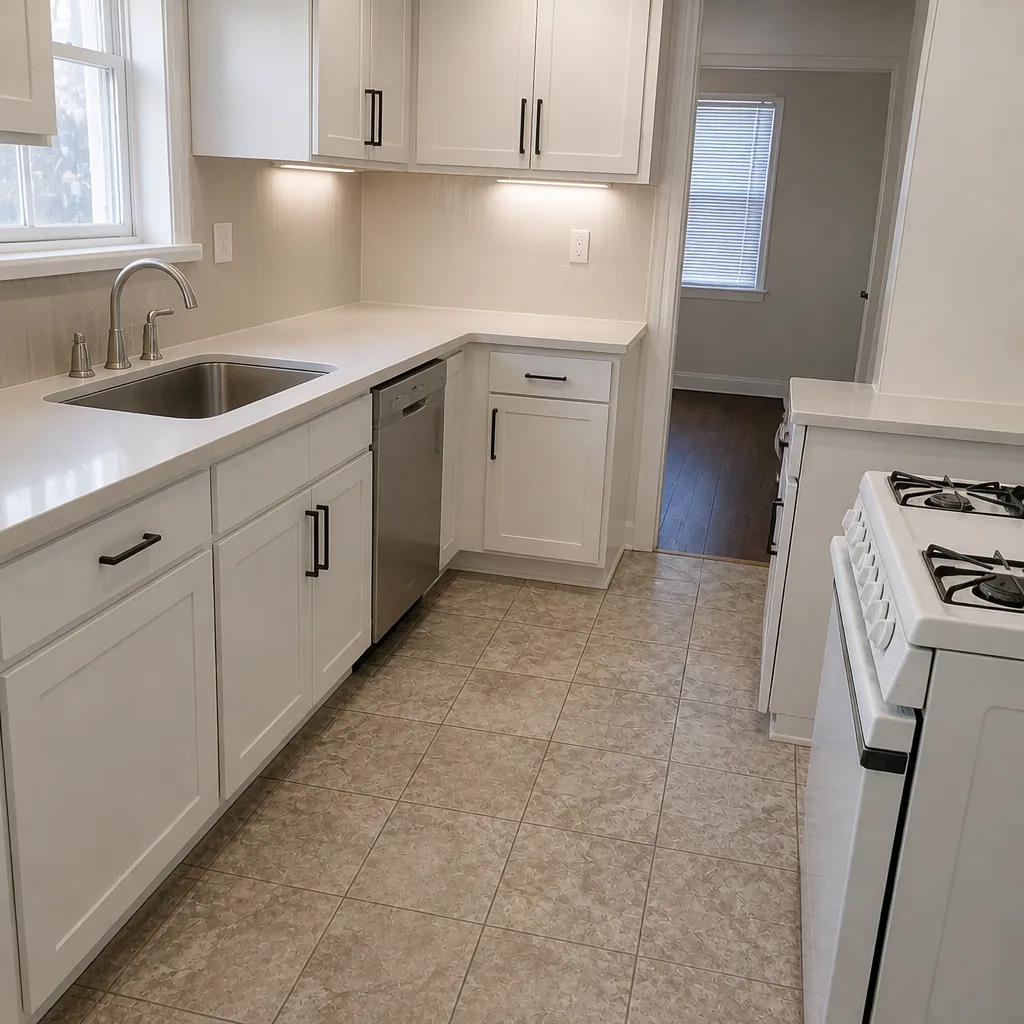 After
What Sachse Homes Specifically Do to This Job
Sachse’s housing stock is overwhelmingly suburban single-family, built mostly from the 1980s through the 2000s on brick-veneer slabs. That tells us a lot before we ever arrive: many of these drives are original concrete from the build year, now 20 to 40 years old, and the failures we see come from clay movement, not from the concrete itself. The Blackland Prairie clay under Sachse holds moisture through the winter and cracks open in summer, and the resulting slab movement shows up as stair-step cracks at the brick veneer by August. On a driveway, it shows as heaving, edge separation at the garage apron, and low spots that hold water after a storm. So we build the base deeper and compact it harder than a crew working on sandier ground would. If your drive abuts the garage apron or a walkway, the paver transition line matters too, and getting the grade right at that seam is one of the details we fix as part of a Driveway & Pavers in Sachse project. We cover all of Sachse and the surrounding communities, and if your project touches a lot line, a drainage way, or an approach that may trigger a permit, we walk you through it before anything gets ordered.
Serving Sachse, TX – Our Local Coverage Area
We serve Sachse and nearby communities. Use the map below to see the area we cover. If you’re nearby, we can almost certainly help.
Frequently Asked: Paver Driveways in Sachse
Four to seven working days is typical for a standard two-car drive, from demo through final compaction and joint sand. Larger drives, complex border patterns, or unexpected subgrade repair can add a couple of days, and weather delays in spring storm season are real. You’ll get a schedule in writing before we start.
Permit requirements depend on what the driveway touches. A driveway replacement that keeps the same footprint and approach usually doesn’t trigger a full permit, but new approaches, changes to drainage toward the street, or work near a lot line can require one. We pull the permits when they apply and tell you clearly what the scope covers before we start.
The range is $7,000 to $18,000 for a typical two-car drive. The base build, existing surface condition, paver grade, and drainage work are the biggest drivers. Call (888) 426-8078 for an exact quote, done after a site visit – estimates are free.
No, assuming the scope we wrote matches what’s under the surface. Our quotes are line-item and written, so demo, base, pavers, sand, and haul-off are all costed before we start. If demo reveals something genuinely unexpected, like a failed subgrade or abandoned utilities, we bring it to you before doing anything that changes the number.
Sometimes, but it’s usually not the best route. Overlaying on top of a slab that’s already moving means the pavers inherit the slope and any heave. The right call depends on what the slab is doing – if it’s stable, an overlay can save money; if it’s shifting in the clay, we’d rather fix the base than hide the problem. We’ll confirm which one applies on the site visit, and if your project expands into something larger, we also handle ADU Design & Permitting in Sachse and Garage Conversion ADU in Sachse, which sometimes pair with a new drive or expanded apron.
Get a Free Paver Driveway Estimate in Sachse
We’ll come to your property, walk the existing drive, check the subgrade and slope, and give you a written line-item estimate with no surprises. The number you see is the number you pay, and every paver project is backed by our 730-Day Done Right Promise. Call (888) 426-8078 to schedule – a live person answers, any hour of the day or night, ready to set up your free estimate. We’ll bring samples, answer your questions, and leave you with a clear scope you can compare against any other quote.
Written by the team at Groundwork Construction Co.