
Last updated November 17, 2026







Free written scope consultation - allowances, timeline, and change-order rules on paper before a single trade is scheduled
Seasonal Construction Care for Mesquite: Year-Round Homeowner’s Guide
Most homeowners in North Texas follow a maintenance calendar borrowed from milder climates: clean the gutters in spring, rake the leaves in fall, call it a year. That schedule quietly fails in Mesquite. Our climate doesn’t run four seasons; it runs a narrow spring window, a five-month heat season that bakes clay soil until it moves, and an ice-storm winter that shows up with a day’s notice. The two months that matter most, late February and late October, are the two that generic checklists skip. This guide lays out a maintenance calendar built for Mesquite’s actual weather, with the tasks ranked by what they cost you if you ignore them, plus the 48-hour protocol after a hail event that protects your construction warranties.
Styles & brands we work with
- Kitchen remodeling
- Bathroom remodeling
- Home additions & ADU
- Roofing
- Windows & doors
- Driveway & pavers
- Fence
Quick Answer
Seasonal construction care in Mesquite means front-loading exterior work into a short late-February-to-April window, protecting flatwork, drainage and sealants through a five-month heat season, prepping everything before ice arrives in late October, and acting within 48 hours after any hail or high-wind event to preserve warranties. The two highest-cost risks for Mesquite homeowners are clay-soil foundation movement in summer and freeze damage to concrete, fencing and roofing in winter. A written seasonal plan, not a reactive one, is what keeps a home’s envelope and its warranties intact.
Table of Contents
- The Mesquite Seasonal Calendar: What to Do and When
- Clay Soil and Summer Foundation Movement: What Exterior Elements Need
- Fall Prep for Flatwork, Drainage and Exterior Surfaces Before Ice Arrives
- The 48-Hour Hail and Wind Protocol: Protecting Your Warranties
- Spring Post-Winter Inspection Priorities, Ranked by Cost Risk
- Ice-Storm Winter: What to Check and What Never to Do
- Budgeting Seasonal Care: Where the Money Actually Goes
- Common Mistakes to Avoid
- When to Call a Professional
- Frequently Asked Questions
- The Bottom Line
The Mesquite Seasonal Calendar: What to Do and When
Mesquite sits in a transition zone that catches Gulf humidity from the south and dry plains air from the west, and the collision shows up in your construction. Spring arrives fast and leaves fast. Summer settles in by late May and holds through September, with stretches of 100-degree days that pull moisture out of the soil. Winter is short, but the ice events that do arrive, like the February 2021 freeze, hit hard and hit fast. Build the calendar around those realities, not around a national template.
Here’s the working calendar we’d hand any Mesquite homeowner:
- Late February (the window most people miss): Walk the perimeter after the last hard freeze. Photograph cracks in driveways, mortar joints, fence posts and roof flashing. This is when freeze damage is still visible and cheap to fix, before spring rains hide it.
- March through April (your narrow spring window): Schedule exterior projects, roof inspections, fence replacement and driveway work now. Materials set and cure best in this range, and crews have room in the schedule before summer demand spikes.
- May (pre-heat prep): Check grading and drainage so water moves away from the slab before the dry season. Inspect and touch up exterior caulk and sealant while it’s still workable.
- June through September (heat season): Watch for soil movement, foundation cracks and shifting flatwork. Keep irrigation consistent, because inconsistent watering in clay is what moves foundations. No major sealant or paint work in peak heat.
- Late October (the second window most people miss): Prep flatwork, drainage and exterior surfaces before the first ice. This is the single highest-value hour of maintenance in the Mesquite year.
- November through February (freeze watch): Protect outdoor plumbing, shade trees and any freshly placed concrete. Inspect after every ice event, not just the big ones.
That’s the skeleton. The rest of this guide fills in each window with the specifics that matter in Mesquite, from the clay under your driveway to the hail that arrives in April and again in June.
Clay Soil and Summer Foundation Movement: What Exterior Elements Need
Most Mesquite lots sit on expansive clay soil, and expansive clay does one thing extremely well: it swells when wet and shrinks when dry. Through a five-month heat season, that shrink cycle pulls the soil away from foundations, flatwork and fence posts. The result is movement, and movement is what cracks driveways, separates mortar joints, racks gates and throws doors out of square. None of that is a foundation failure on its own; it’s seasonal behavior. But exterior construction elements have to be built and maintained to accommodate it.
What that means in practice for a Mesquite home:
- Driveways and walkways: Control joints matter, and so does the base prep underneath. Concrete that’s poured thin over unprepared clay cracks sooner. If your driveway already shows hairline cracks, they’re seasonal, but cracks that widen year over year mean water is getting under the slab.
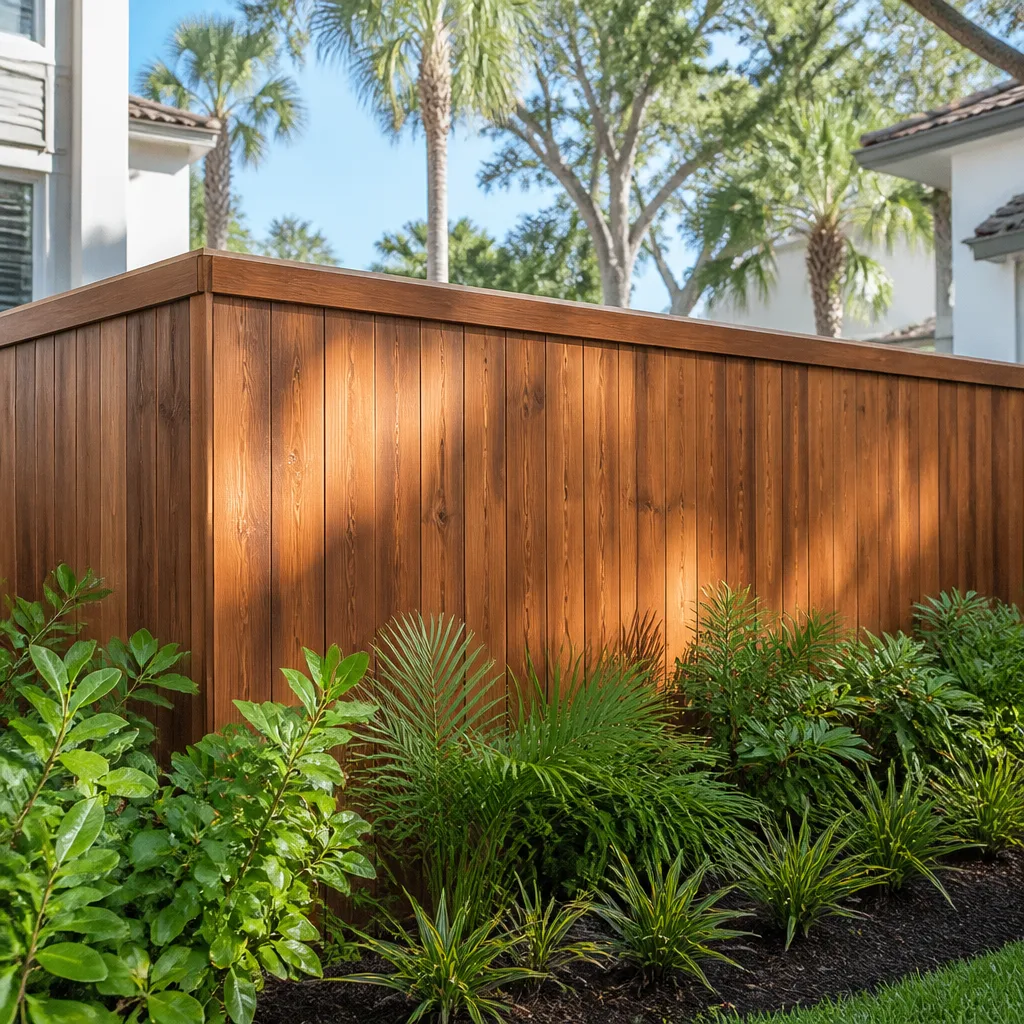
- Fencing: Posts set in clay heave and settle with the seasons. A gate that drags in August and swings free in February is telling you the soil has moved, not that the hinge is broken. Steel and aluminum systems from brands like Ameristar handle the movement better than wood in this climate because they flex instead of splitting.
- Grading and drainage: The single best defense against foundation movement is keeping moisture consistent around the slab. That means grading that slopes away from the house and gutters that discharge well past the foundation, not right at the corner.
- Irrigation discipline: The homeowner who waters a little every day in July does more damage than the one who waters deeply twice a week. Consistent moisture is the goal, not maximum moisture.
We’ve watched clay movement do its slow work on Mesquite homes long enough to know the pattern: the damage shows up years after the cause. If your driveway or fence is already showing the signs, our Driveway & Pavers in Mesquite team can assess whether the base is the problem or just the surface. Getting the base right once is cheaper than patching forever.
Fall Prep for Flatwork, Drainage and Exterior Surfaces Before Ice Arrives
Late October is the most underrated maintenance window in Mesquite, and it’s the one that decides how much the winter costs you. North Texas ice events arrive with little warning, and the damage they do is almost always to things that were already compromised. Water that gets into a hairline crack, freezes, and expands will turn that crack into a repair. The fall prep list is about denying ice a place to get in.
Work through this in order during the last two weeks of October:
- Clear and test drainage. Clean gutters and downspouts, then run a hose test. Water should move away from the foundation and off the property. Standing water before a freeze is standing water that freezes.
- Seal cracks in flatwork. Any crack wider than a hairline in driveways, walkways or patios gets a proper flexible sealant. Rigid filler just cracks again with the next movement cycle.
- Inspect and touch up exterior caulk and sealant. Around windows, doors and siding penetrations. This is the barrier that keeps freeze-driven water out of the wall assembly.
- Check fence posts and gates. Loose posts get reset or braced before winter wind and ice load them. A leaning fence in October is a fallen fence in February.
- Look at roof edges and flashing. Ice dams form where heat escapes and water refreezes. Sealing air leaks into the attic and checking flashing now prevents the interior water damage that shows up in January.
- Drain and protect exterior plumbing. Hose bibs, irrigation lines and any exterior fixtures. A burst exterior line in a freeze is a fast, expensive repair.
None of this is glamorous, and most of it is a weekend of work. But a Mesquite homeowner who spends that weekend in late October routinely avoids the four-figure repairs that their neighbors are scheduling in January. If fence condition is on your list, our Fence Installation in Mesquite page covers the materials that hold up best to North Texas freeze-thaw cycles, including Barrette and Master Halco systems we regularly work with.
The 48-Hour Hail and Wind Protocol: Protecting Your Warranties
Hail is the event most Mesquite homeowners are least prepared to handle correctly, and the mistakes made in the first 48 hours are the ones that void warranties and shift repair costs onto you. The insurance and warranty clock starts when the damage happens, not when you get around to calling. Three things protect you: documentation, notice and a professional inspection. In that order.
Here’s the 48-hour protocol we recommend to every homeowner in Mesquite:
- Document immediately, before you touch anything. Photograph and video the roof, gutters, siding, windows, fence and flatwork from ground level. Note the date and time of the event. This record is what your insurer and any manufacturer warranty claim will ask for first.
- Do not climb on the roof. Hail-damaged shingles hide damage underneath, and a wet roof after a storm is the wrong place for a homeowner to be. Ground-level photos are enough for the first 48 hours.
- Report the claim within 48 hours if there’s visible damage. Most homeowner policies have prompt-notice requirements, and waiting to “see if it’s worth it” is how small claims become denied claims.
- Schedule a professional inspection. A roofer can identify damage the eye misses, and a written inspection report is what turns an insurance adjuster’s estimate into a correct one. GAF and Owens Corning roofing systems have specific installation and inspection requirements to keep their manufacturer warranties valid, and an unqualified inspection or repair can compromise that.
- Keep the receipts and the paper trail. Any temporary repair or tarping you authorize in the first 48 hours should be documented with photos and invoices. That paper trail matters at claim time.
The reason the first 48 hours matter so much is secondary damage. A wind-lifted shingle lets water into the deck, and once the deck is wet, the repair goes from shingle replacement to structural work. Acting fast is the difference between a cosmetic claim and a construction project. If your Mesquite home took a hit, our roofer partners can get out and give you a written assessment. When it’s time to replace rather than repair, our Groundwork Construction Co. of Mesquite home page lays out the full roofing and exterior scope, and everything we do is backed by the 730-Day Done Right Promise, so the workmanship is covered in writing long after the adjuster’s check clears.
Spring Post-Winter Inspection Priorities, Ranked by Cost Risk
Spring inspection season in Mesquite runs from late February through March, and most homeowners do it in the wrong order. They start with cosmetic items because those are visible, then run out of budget before they get to the expensive stuff. When money is limited, inspect by cost risk: what does it cost you if you miss it, and how likely is it to fail. That’s the order.
Here’s how we’d rank spring priorities for a Mesquite home, highest cost risk first:
- Roof and flashing (cost risk: highest). A missed roof issue becomes interior water damage, insulation replacement and mold remediation. Grab a pair of binoculars from the driveway and look at the shingles, ridges and flashing. Any missing, lifted or granule-bald shingles go to a professional for a closer look.
- Foundation and grading (cost risk: high). Walk the perimeter looking for new cracks in the slab, brick or mortar joints, and check that the ground still slopes away from the house after winter rain. Grading that’s settled flat toward the house needs correcting before the first summer storm.
- Fence and gate condition (cost risk: high). Wind and freeze-thaw are hardest on fence posts. A post that’s rotting at the base or lifting out of the soil will take the section down in the first spring windstorm. Check every post by hand.
- Windows and doors (cost risk: moderate). Look for fogging between panes (a broken seal), condensation on the interior, and caulking that’s pulled away. Andersen and Marvin units are built to last, but even good windows need the perimeter sealant maintained.
- Driveway and flatwork (cost risk: moderate). Recheck the cracks you sealed in October. Spring is when freeze-thaw damage shows itself most clearly.
- Gutters and downspouts (cost risk: low, but cascade). Cheap to fix, and neglect here quietly drives the higher-cost items above.
If a spring inspection turns up a project that’s bigger than a repair, spring is the right time to plan it. Adding a covered patio, extending a garage or building an ADU is best scheduled in the spring window so framing and exterior work happen before the heat. Our Home Additions & ADU in Mesquite page covers what’s involved, and the free design consult is where most Mesquite projects start.
Ice-Storm Winter: What to Check and What Never to Do
Winter in Mesquite is short and mild until it isn’t. The ice events that do hit, like the freeze that took out power and plumbing across North Texas in February 2021, arrive with little warning and do disproportionate damage. The difference between a homeowner who comes through a freeze with a small repair list and one who comes through with a five-figure bill is almost always what they did before the ice, not during it.
When an ice event is forecast, prioritize these:
- Protect exterior plumbing first. Disconnect hoses, drain irrigation lines, cover hose bibs. Burst exterior lines are the most common single freeze repair.
- Check roof edges and insulation. Heat escaping through a poorly insulated attic is what creates ice dams at the eave. If you see icicles forming at the same spot year after year, that’s an attic issue, not a gutter issue.
- Watch for falling limbs. A large limb over the roof or driveway is a bigger risk in ice than anything on the structure itself. Prune before the event, not during.
- Keep the driveway and walkway clear, and never use rock salt on concrete. Rock salt accelerates spalling and surface damage on concrete flatwork. Use sand for traction instead.
- Don’t clear snow or ice off the roof yourself. An icy roof is a genuinely dangerous place, and the damage from a fall far outweighs any benefit. A roof leak or ice-dam problem is a job for a trained roofer, not a homeowner on a ladder.
After the ice clears, walk the exterior and look for cracked brick, lifted mortar, cracked window seals and new flatwork cracks. Freeze damage gets more expensive the longer it’s ignored, because water gets into whatever cracked and does its work again next season. In Mesquite, that means taking the post-freeze walk seriously, even if the event looked minor.
Budgeting Seasonal Care: Where the Money Actually Goes
Seasonal maintenance isn’t a single expense; it’s a handful of small line items that prevent a few large ones. Mesquite homeowners who budget for it as an annual number stay ahead of the curve. Here’s how we’d break down where the money goes, in rough order of value per dollar:
| Item | Typical range | When | What it prevents |
|---|---|---|---|
| Gutter cleaning and drainage test | $150 – $350 | Late October | Foundation movement, ice damage, water intrusion |
| Roof inspection (professional) | $0 – $250 | Spring, and after every hail event | Interior water damage, warranty void from missed damage |
| Exterior caulk and sealant touch-up | $200 – $600 | May and late October | Freeze-driven water intrusion, rot |
| Crack sealing on flatwork | $100 – $400 | Late October and spring | Crack growth, base erosion, full driveway replacement |
| Fence post inspection and reset | $75 – $300 per post | Spring and fall | Section collapse in windstorm, gate failure |
| Landscape grading correction | $500 – $2,000+ | Spring or fall | Foundation movement, water in crawlspace or slab edge |
That’s the annual maintenance side. The bigger picture is the construction side, where the difference between a reactive and a planned project is usually the difference between a vague bid and a fixed price. We put every project in writing with upfront pricing and no surprises, and our standing offer of $1,000 off projects over $10,000 plus 0% financing for 18 months is how most Mesquite homeowners make a planned spring project affordable without touching savings. The free estimate and design consult is where that conversation starts.
Common Mistakes to Avoid
- Skipping late February entirely. The freeze damage walk in the last two weeks of February is the single most-skipped task in the Mesquite maintenance year. By the time it’s warm enough to be pleasant, the damage is already hidden by spring growth and dry weather.
- Following a generic “spring and fall” schedule. A national maintenance app doesn’t know that Mesquite has a five-month heat season and a 48-hour ice window. The calendar has to match the climate, which means the two windows the generic schedule skips are the two that matter most here.
- Treating hairline cracks as cosmetic. In Mesquite clay, a hairline crack that grows is a base problem. Patching the surface without checking the base just restarts the clock.
- Climbing on the roof after hail. Hail damage hides under shingles, wet roofs are slick, and most falls from a one-story roof are preventable. Ground-level photos and a professional inspection cover everything you need.
- Waiting past 48 hours to file a hail claim. “Let’s see if it’s worth it” is how claims get denied for late notice. Report within 48 hours if there’s visible damage, and let the adjuster handle the rest.
- Using rock salt on concrete. It’s the fastest way to spall a Mesquite driveway. Sand gives you traction without chewing up the surface.
- Letting an outdoor project run into June. Spring is the correct window for exterior work in Mesquite because materials cure properly and crews have room in the schedule. Starting an exterior project in June means fighting the heat and the summer demand backlog.
When to Call a Professional
Some seasonal care is homeowner work: gutters, caulk, hose bibs, pruning. Some of it is genuinely a professional job, and skipping that distinction is where small problems turn big. Call a professional for any roof inspection, any crack in the foundation or brick that’s actively widening, any fence section that’s leaning or losing posts, any window with a broken seal, and any flatwork damage that goes beyond a sealed hairline. Roofing and structural work involve real height and structural risk, and the wrong repair can void a manufacturer warranty that would otherwise have covered the problem. Groundwork Construction Co. of Mesquite offers free estimates in Mesquite, written line-item pricing, background-checked uniformed technicians, and the 730-Day Done Right Promise on all work. Call (888) 426-8078 to schedule yours.
Frequently Asked Questions
Late October drainage and exterior prep. Cleaning gutters, testing that water moves away from the foundation, and sealing cracks in flatwork and caulk before the first freeze prevents more expensive repairs than any other task on the calendar. It’s an hour of work that routinely saves four figures. Call (888) 426-8078 for a free estimate if any of it turns out to be a professional job.
Twice a year, in spring and late fall, plus immediately after any hail or high-wind event. Mesquite sits in a hail belt that sees damaging storms most years, so a professional inspection after a storm is the standard, and a written report is what protects your insurance claim and your manufacturer warranty. Call (888) 426-8078 to schedule one; estimates are free.
Clay soil movement. Expansive clay swells in wet weather and shrinks in the summer heat, and that cycle cracks concrete that wasn’t poured over a properly prepared base. Sealing cracks slows the process, but if you’re patching the same cracks every year, the base is the problem and the driveway needs to be evaluated for replacement. Call (888) 426-8078 for a free assessment.
Photograph and video the damage from ground level, report the claim to your insurer within 48 hours if there’s visible damage, and schedule a professional roof inspection. Do not climb on the roof yourself. Documentation, notice and a professional inspection in that order is what preserves both the insurance claim and the manufacturer warranty. Call (888) 426-8078 for a free inspection.
Often, yes, because steel and aluminum systems from brands like Ameristar flex with clay movement instead of splitting the way wood does. Wood fences in Mesquite need post maintenance every few years; a quality metal system typically needs far less. The right call depends on your lot and your goals. Call (888) 426-8078 for a free estimate and we’ll lay out the options in writing.
Do the maintenance yourself: gutters, caulk, hose bibs, pruning, crack sealing. Hire out anything involving roof height, foundation or structural cracks, fence post replacement and window seal failures. That split keeps your costs down while keeping the risky items in trained hands. Call (888) 426-8078 for a free estimate on the professional items; pricing is upfront with no surprises.
The Bottom Line
Mesquite’s construction maintenance calendar isn’t the generic one. It’s built around a narrow spring window, a five-month heat season that moves clay soil under every driveway and fence, and an ice-storm winter that arrives with little notice. The two months that matter most, late February and late October, are the two most homeowners skip. Work the calendar in order, rank your spring inspections by cost risk, protect your warranties in the first 48 hours after hail, and keep exterior surfaces sealed before every freeze. That discipline is what separates a home that ages well from one that gets expensive. And when a repair turns into a project, our technicians have up to 12 years of experience and every job is covered by the 730-Day Done Right Promise.
Written by the team at Groundwork Construction Co. of Mesquite.
See the difference
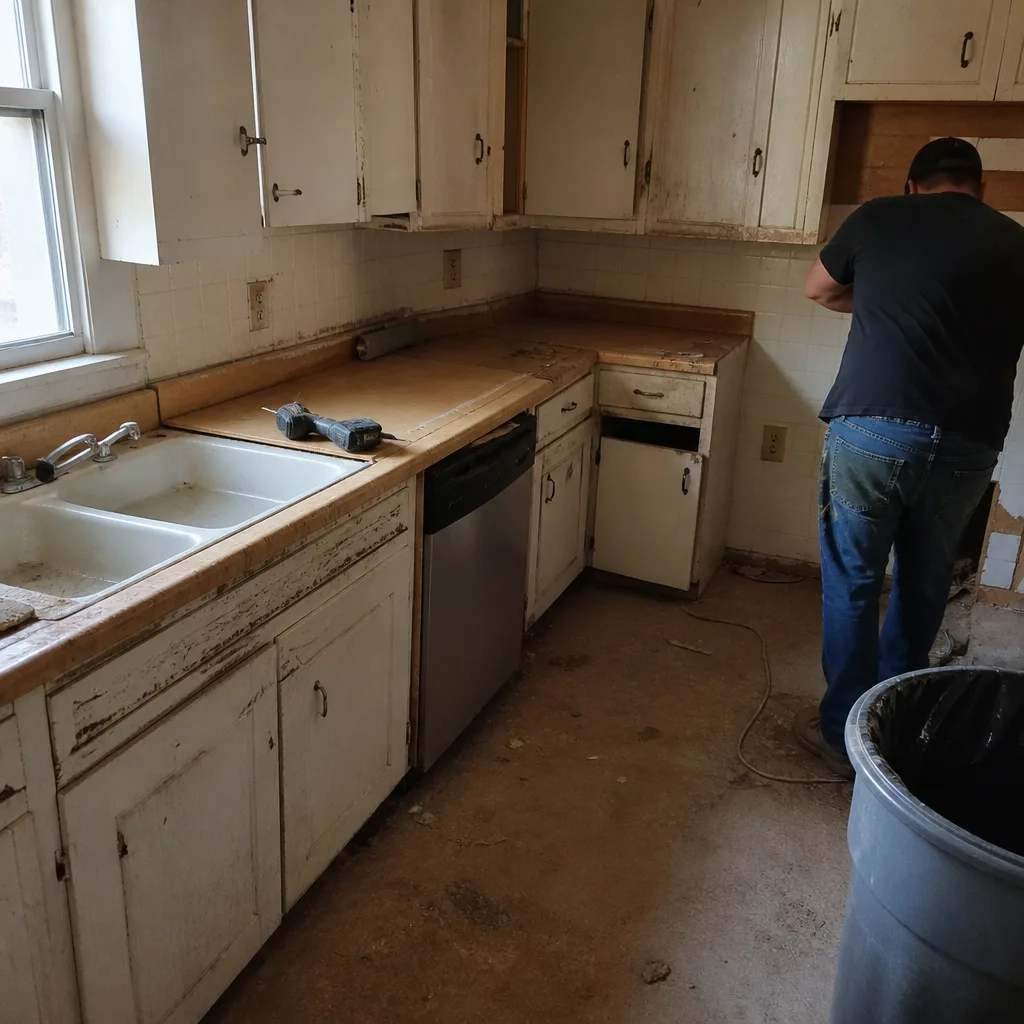 Before
 After
 Before
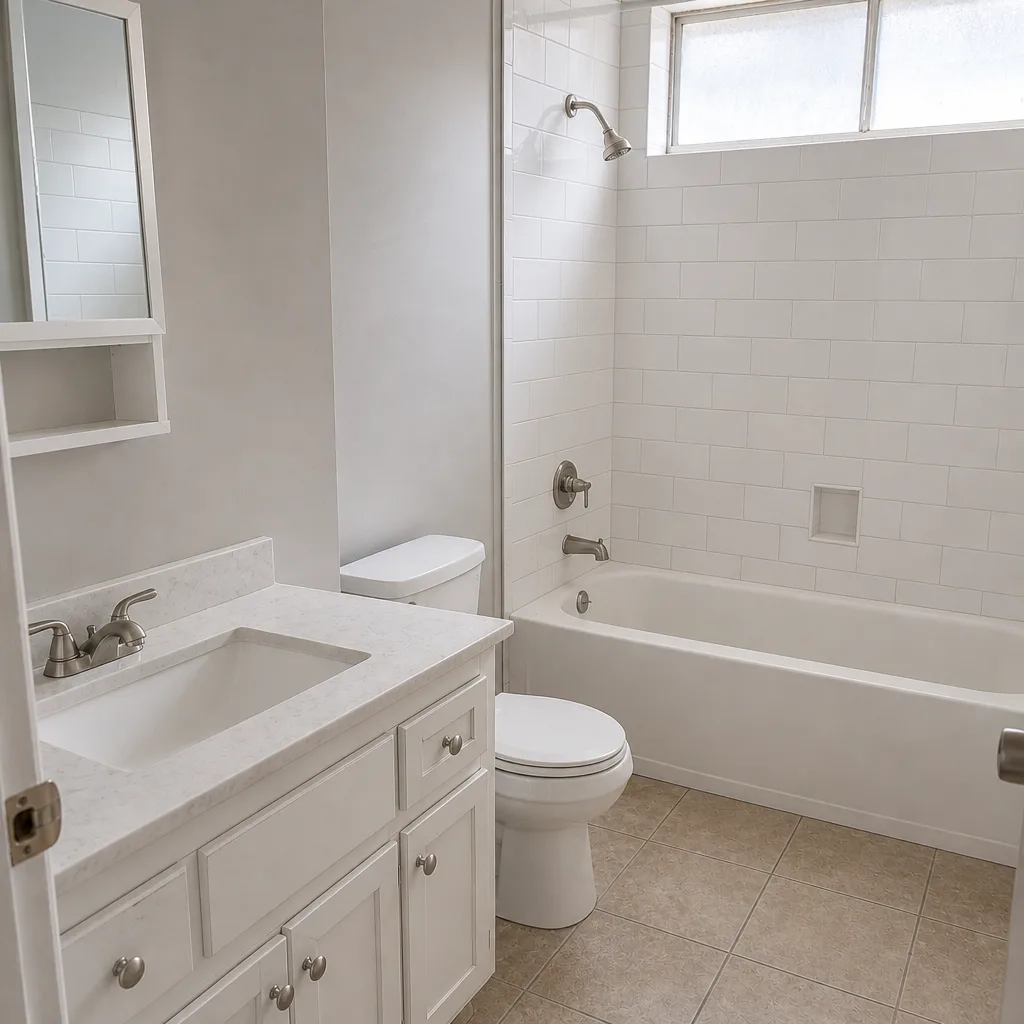 After
 Before
 After