Last updated November 17, 2026





Free written scope consultation - allowances, timeline, and change-order rules on paper before a single trade is scheduled
Construction Emergency Preparedness Guide for Mesquite Homes
During Winter Storm Uri, thousands of North Texas homeowners learned a hard lesson that had nothing to do with burst pipes. Their contractors had no emergency protocol, no material storage plan, and no coverage for freeze damage to work-in-progress. Their contracts were silent on all of it. Mesquite sits in a stretch of North Texas where ice storms, expansive clay soil, and fast summer hailstorms hit active job sites every year. This guide covers how to plan for those events before they happen: the contract language that decides who pays, the documentation that preserves your options, and the first-24-hours playbook when something goes wrong.
Quick Answer
A construction emergency plan for a Mesquite home means three things in writing before work starts: a contract clause defining who bears weather and freeze damage to work-in-progress, a named emergency contact with a live person on the other end, and a documentation protocol that starts the day the crew arrives. Add site security and material protection requirements for storm-season months, and you’ve covered the four risks that actually cause losses here: ice storms, foundation movement on clay soil, contractor default mid-project, and permit holds.
Styles & brands we work with
- Kitchen remodeling
- Bathroom remodeling
- Home additions & ADU
- Roofing
- Windows & doors
- Driveway & pavers
- Fence
Table of Contents
- What Counts as a Construction Emergency in Mesquite?
- The Contract Language That Decides Who Pays for Weather Damage
- How to Build Your Emergency Contact and Documentation Protocol
- What to Do in the First 24 Hours After a Defect or Failure
- Site Security and Material Protection for Storm Season
- When a Contractor Walks: Default and Abandonment
- Permit Holds and Inspection Failures
- Why Mesquite’s Soil Makes Foundation Failures a Construction Emergency
What Counts as a Construction Emergency in Mesquite?
Most homeowners picture a fire or a flood when they hear “emergency.” Those are rare on an active job site. The events that actually stop projects and cost real money in Mesquite fall into four categories, and each one demands a different response.
- Weather events. Ice storms like Uri, late-spring hail, and straight-line winds that peel back tarps or lift roofing underlayment. The response is immediate stabilization and a dated photo record, then a coverage conversation with your contractor and insurer.
- Contractor default or abandonment. A crew stops showing up, materials sit unused, and your permit clock keeps running. The response is a written cure notice and a copy of your contract to a construction attorney. This is a legal problem, not a construction one.
- Structural failure. A beam sags, a wall cracks beyond hairline width, or a foundation shifts during framing. The response is stop work and a third-party inspection by a licensed engineer, not a conversation with the crew.
- Permit holds. A city inspector flags work that doesn’t match the approved drawings, and everything freezes until it’s resolved. The response is a corrected plan resubmittal and a clear timeline from your contractor in writing.
In our experience across Mesquite, the weather category and the contractor-default category account for the vast majority of dollar losses. The structural and permit categories matter too, but they tend to be caught earlier because an inspector or a crew member flags them before they compound.
The point of naming these four is simple: a plan that only covers weather is three-quarters incomplete. Your contract and your documentation system need to address all four or you’re gambling on which emergency shows up.
The Contract Language That Decides Who Pays for Weather Damage
This is the sentence most homeowners never read, and it’s the one that costs them the most. When freeze damage hits work-in-progress, the contract is what determines whether your contractor’s insurance covers the repair, your homeowner’s policy covers it, or you write the check yourself. Three clauses control the outcome.
- The work-in-progress clause. It should state clearly who insures unfinished work and materials on site. A well-drafted contract puts that responsibility on the contractor’s builder’s risk policy until substantial completion. If your contract is silent, the default in Texas often leans toward the property owner.
- The weather delay and damage clause. Look for language that distinguishes between a schedule delay (rain pushes the project back) and physical damage (ice cracks a newly poured slab). Delay clauses are common and fine. Damage clauses are the ones that need to be explicit.
- The material storage and protection clause. Who provides tarps, who’s responsible for securing lumber, drywall, and cabinetry from moisture, and what happens if a material fails after installation because it sat unprotected through a storm. This clause should name who buys the tarp and who eats the cost.
Ask for these three clauses in writing before you sign. If a contractor pushes back or says it’s standard language, ask to see the standard language. A reputable builder will show you.
For projects that involve new slabs or site work, the same logic applies to exterior surfaces. A properly built base under driveway and pavers in Mesquite handles seasonal movement; a rushed one doesn’t, and no contract clause saves a bad subbase.
How to Build Your Emergency Contact and Documentation Protocol
An emergency protocol is built in two hours at the kitchen table before the project starts, not in a panic the night something fails. Here’s the protocol we recommend every Mesquite homeowner require from their contractor.
- Get a named emergency contact, not a general number. The contract should list a specific person or role reachable outside business hours, plus a backup. Ask the question directly: if a water line breaks at 9 p.m. during this project, who picks up the phone? The answer should be a live person, not a voicemail box.
- Get the insurance certificate before the first day of work. General liability and workers’ comp, with your address listed as the project location. Save a PDF to your phone and a backup to your email.
- Photograph the site every week. Same angles, same time of day. This is the single most useful habit in a construction dispute. A dated photo record from before, during, and after an event is what an adjuster and an attorney will ask for first.
- Keep every written communication in one folder. Texts, emails, change orders, daily reports. Export the text thread monthly. Texts disappear when phones break, and a broken phone during a dispute is a real problem.
- Define “substantial completion” in writing. The date matters because it triggers the shift in insurance responsibility and usually starts your warranty period. Get it on paper, not in conversation.
The Groundwork Construction Co. of Mesquite home page explains the documentation and warranty approach we use on every project. The core of it: if the record isn’t written down, it didn’t happen.
What to Do in the First 24 Hours After a Defect or Failure
The first day after you discover a defect sets the tone for every conversation that follows. Preserve evidence, stop the bleeding, and put everything in writing. This is the order we tell homeowners to follow.
- Stop work on written notice. Email and text the contractor the same message: work is paused as of this date and time, and you’re requesting a site meeting. Preserve the timestamp.
- Photograph and video everything before anyone touches it. Wide shots, close-ups, and a short walkthrough video with narration. Don’t clean up or repair anything until you’ve documented it.
- Notify your homeowner’s insurance within 24 hours. Many policies have prompt-notice requirements, and a claim opened early preserves your options even if you never file.
- Send a written cure notice requesting a written repair plan and timeline. A cure notice is simple: describe the defect, give a deadline for a written response, and state what happens if there isn’t one.
- Get a third-party inspection if the defect involves structure, moisture intrusion, or electrical. A licensed engineer’s letter changes the entire dynamic of a dispute. It also protects you from a contractor insisting the problem is cosmetic.
On the material side, freeze and moisture damage can fail later than it looks. Framing that got soaked and dried fast may be fine. Cabinetry installed after sitting wet in a garage through an ice storm usually isn’t, even if it looks perfect on installation day. That’s one reason we specify brands like KraftMaid and Cambria on interior jobs and GAF or Owens Corning on roofs: material failure history and warranty coverage are documented by the manufacturer, not by the installer’s word.
Site Security and Material Protection for Storm Season
North Texas storm season peaks in spring and fall, and Mesquite projects run through both. The protection steps belong in the contract before work begins, and they should be specific rather than “we’ll protect the site.”
- Tarps sized to the actual openings. Roofing projects should include a documented plan for a temporary covering rated for the wind load, with the contractor responsible for checking it after any storm warning. “We’ll tarp it if it rains” is not a plan.
- Material staging off the grade. Lumber, drywall, and cabinetry on pallets, under cover, with a photo record of the delivery condition. A crew that stacks drywall on a slab in a Mesquite spring is inviting a moisture claim.
- Secure storage for high-value materials. Cabinets, windows, and appliances are theft targets on unoccupied sites. The contract should say who is responsible for securing them and when the doors and windows get locked. If it doesn’t, the loss is usually yours.
- A site security plan for nights and weekends. Temporary fencing, motion lights, or a monitored alarm during the period when the site has materials but no occupancy. Get this in writing, especially during the framing and dry-in stages.
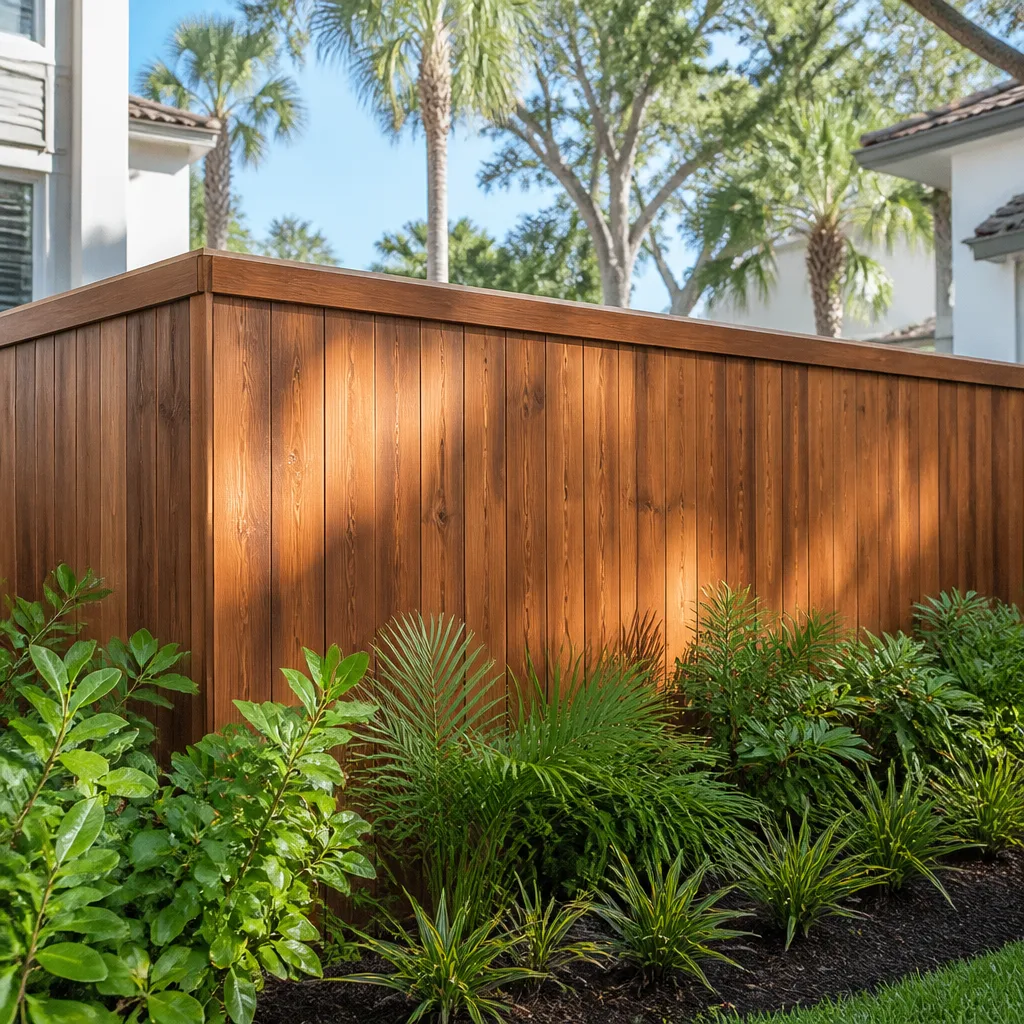
Exterior work has its own protection considerations. A properly installed fence helps contain the site and protects your neighbors’ property lines, which matters when a storm blows material around. The fence installation in Mesquite service page covers how site boundaries should be staged during active projects.
When a Contractor Walks: Default and Abandonment
Mid-project abandonment is the emergency most Mesquite homeowners don’t plan for, and it’s the one with the longest tail. The clock that matters is your permit clock: if work stops and permits lapse, you may face re-inspection fees and even a new permit for some trades.
The first move is financial. Check your payment schedule against work completed. A well-structured contract ties payments to milestones, not calendar dates, which makes this comparison straightforward. If you’ve paid ahead of work delivered, that’s a claim you can pursue. Second, send a written cure notice with a deadline. Third, pull the permit records on the project so you know exactly what was approved, what was inspected, and what’s still open.
The third-party inspection is the same step as a defect case, and it matters just as much here. A licensed engineer or a qualified contractor can document what’s actually complete and what’s still just framing. That report becomes the basis for the next contractor’s bid, and often for a bond or insurance claim.
What you don’t want to do is hire the next contractor by phone and let them start work before the paperwork is clean. A bad handoff compounds the loss. A new scope of work, a new payment schedule, and a clean permit record protect you. This is the same sequence we walk homeowners through when a stalled home addition or ADU in Mesquite needs to be re-started with a clear scope and a written warranty.
Permit Holds and Inspection Failures
A permit hold isn’t a construction emergency the way a freeze event is, but it does stop the project and it can bleed weeks. A hold happens when an inspector flags work that doesn’t match the approved plans, a trade inspector fails a rough-in, or a required inspection is missed and the job is red-tagged.
The homeowner’s role is to understand the permit record. Request the permit number and the inspection history from your contractor, and confirm it against the city’s online portal. If the record doesn’t match what the contractor tells you, that’s a red flag worth resolving before more work begins.
The recovery is straightforward on paper: get the violation in writing, get a corrected plan or repaired work documented, reschedule the inspection, and get a written timeline for the resubmittal. What you want from a contractor at that moment is ownership in writing, not “the inspector was wrong.” A contractor who pulls permits and passes inspections as standard practice will hand you the paperwork without being asked. That behavior is one of the clearest indications of a professional operation.
The 730-Day Done Right Promise backs this up on our projects: if the work doesn’t pass inspection or doesn’t hold up, we make it right. Written into the project, not just promised on a home page.
Why Mesquite’s Soil Makes Foundation Failures a Construction Emergency
Mesquite sits on expansive clay soil, the kind that swells when it’s wet and shrinks when it’s dry. That movement is the underlying cause of most foundation complaints here, and it interacts badly with active construction because a foundation that was stable before work began can shift once vegetation is cleared or irrigation patterns change.
That’s why foundation failures need to be treated as their own emergency category, separate from weather. A crack wider than a hairline appearing during framing, a door that won’t close two months after the slab cures, or a visible differential in floor elevation are warning signs, not cosmetic issues. Once you see them, stop the finish work and get a licensed engineer’s inspection. Finish work done over a moving slab is money thrown away.
The same soil conditions make exterior hardscape choices matter. A properly engineered base keeps a driveway stable through Mesquite’s wet-dry swings. That’s why the higher-end paver brands we work with, from Unilock to Techo-Bloc, come with installation specs for base depth and drainage that a reputable installer will follow and a hurry-up crew won’t. If you’re adding hardscape or a slab during the project, ask what base preparation the bid actually includes.
Common Mistakes to Avoid
- Signing a contract with no weather damage clause. A silent contract usually shifts the loss to you. Read the three clauses in the section above and ask for them in writing before you sign.
- Treating the permit as the contractor’s private paperwork. In Mesquite, the permit record is public. Pull it yourself and confirm the inspections match what you were told, because the record is what a new contractor or insurer will look at.
- Paying on a calendar schedule instead of milestones. If the crew walks in month two, you’ve paid for month two whether or not the work happened. Tie every payment to completed, inspected work.
- Cleaning up before taking photos. Homeowners instinctively tidy a defect before calling anyone, which destroys evidence. Photograph first, then clean up.
- Assuming the contractor’s insurance covers you. Get the certificate with your address on it before work starts. A policy that doesn’t name your project may not cover you.
- Ignoring a hairline crack during framing. On Mesquite’s clay, that crack has a cause. A licensed engineer’s letter before finish work starts runs a few hundred dollars and can save the whole job.
- Hiring a replacement crew by phone after a default. Get a new written scope, a new permit plan, and a new payment schedule before anyone swings a hammer. A rushed restart is how a bad situation gets worse.
See the difference
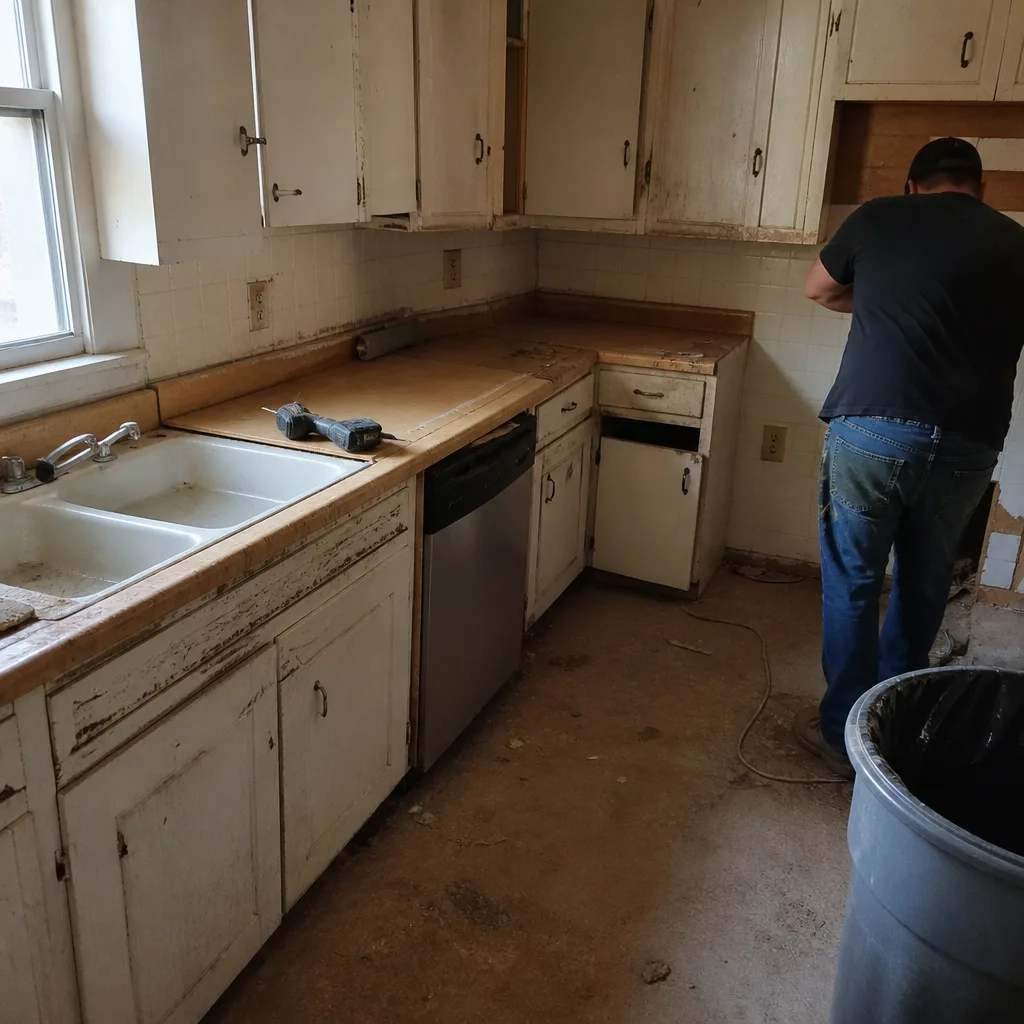 Before
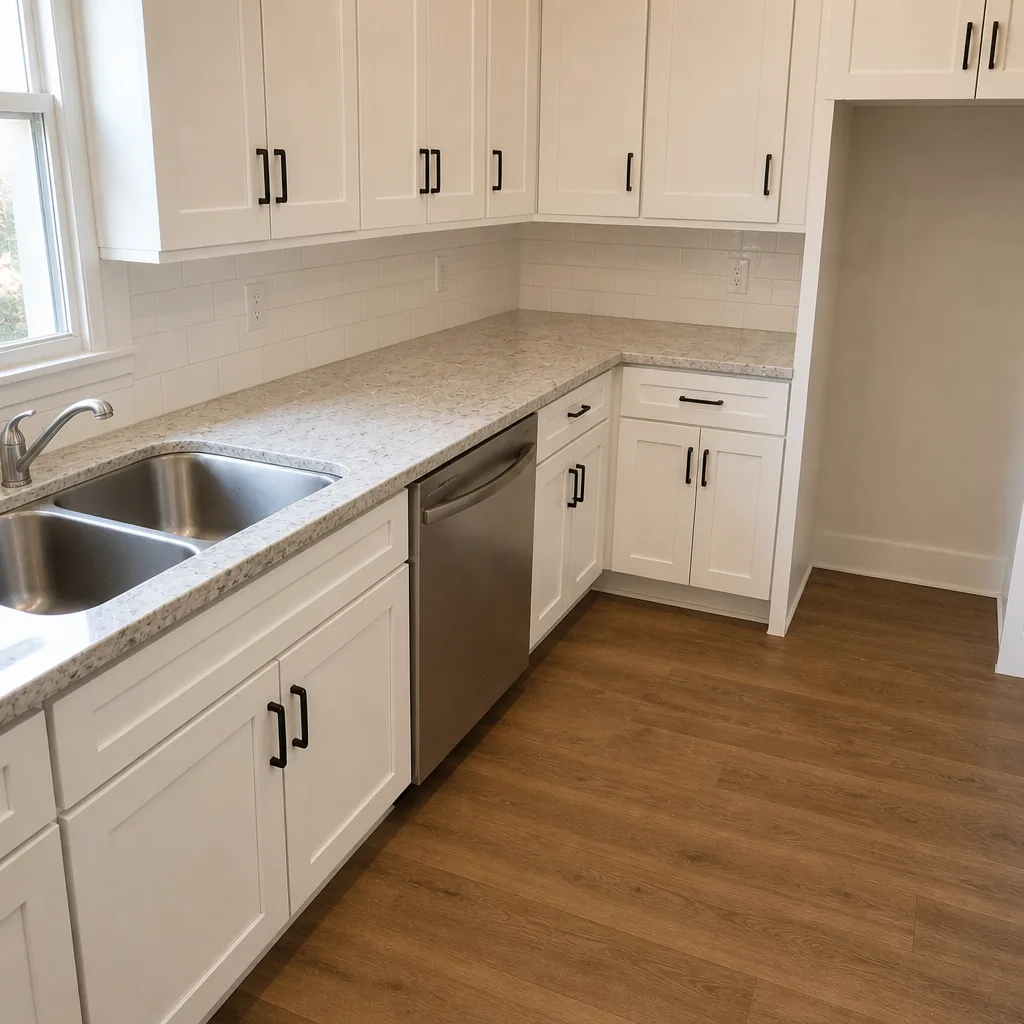 After
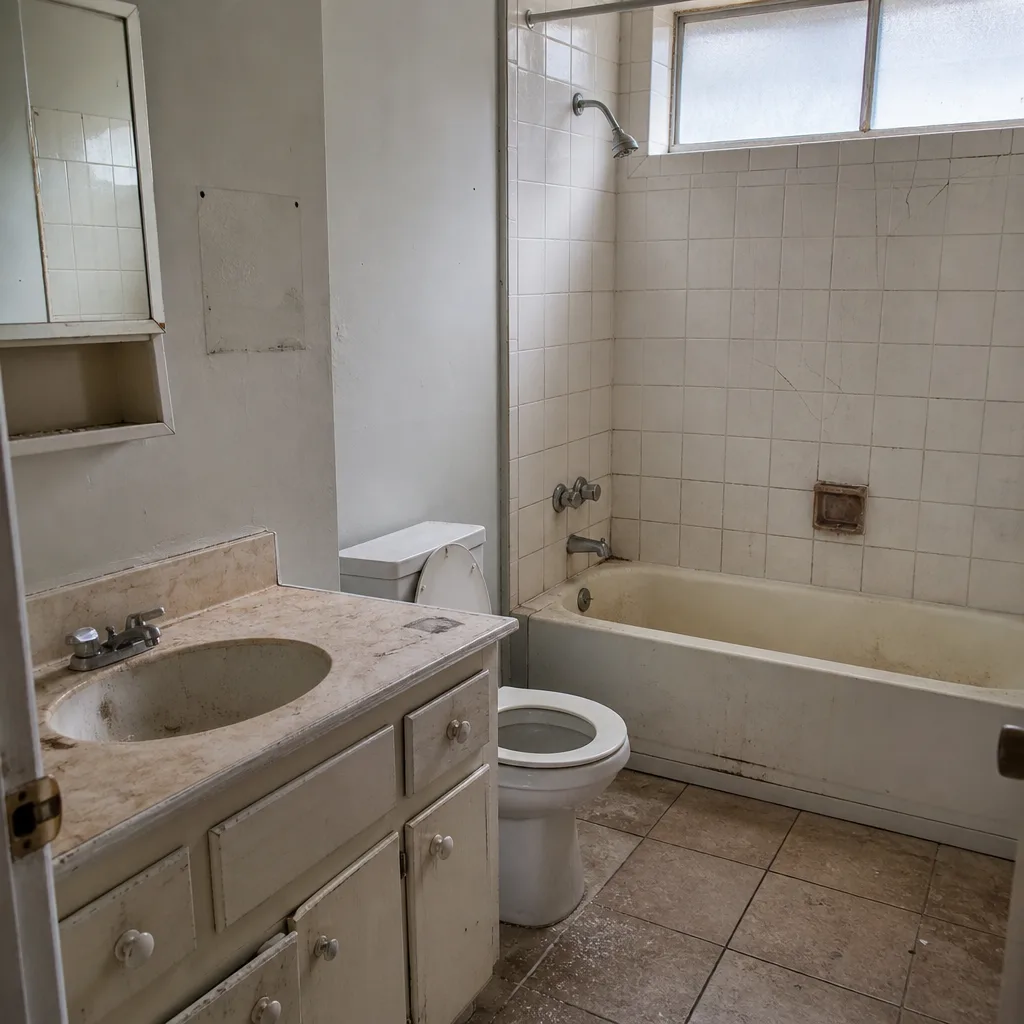 Before
 After
 Before
 After
When to Call a Professional
Call a professional the moment a defect touches structure, moisture intrusion, or anything that’s been flagged by an inspector. Also call when a contractor’s insurance certificate or permit record doesn’t match what they told you, and when a foundation crack appears during an active project on Mesquite’s clay. Those four situations have one thing in common: the longer they sit, the more they cost. Groundwork Construction Co. of Mesquite offers free estimates in Mesquite and will walk a stalled or troubled project to give you a written, line-item scope before you commit to anything. Our technicians have up to 12 years of experience, are background-checked, and arrive in uniform. Call (888) 426-8078 and a live person will pick up, any hour of any day.
Frequently Asked Questions

Only if the contract says so. A builder’s risk policy that names your project as the work-in-progress site is what covers weather damage to unfinished work; a general liability policy usually doesn’t. Ask for the certificate with your address listed before work begins, and get the risk allocation clause in the contract in writing.
Stop work on written notice and document it with photos and video before anyone touches the site. Send the contractor and your insurer a written notice the same day, then request a written repair plan with a deadline. Call your contractor’s emergency line too, which is why you want a live person reachable outside business hours in the contract, not a voicemail.
Texas has a statute of limitations that runs from the discovery of a defect, currently measured in years rather than months for most construction claims. The clock starts earlier than most homeowners assume, so the photo record and written notices you keep from day one matter. For a specific project, get an attorney’s read on your timeline before the window closes.
Slow material deliveries, a crew that stops showing up without notice, a request for an early payment outside the contract schedule, and unanswered calls are the pattern. The written cure notice and a review of the permit record are the two fastest ways to find out exactly where you stand. A contractor with a real emergency contact and a written schedule has no reason to leave you guessing.
Yes, with the right clause and certificate. The builder’s risk policy on an addition or ADU should cover the new structure and the materials staged for it, and the contract should state who insures it and until when. Get the certificate with the project address, and confirm what happens if a freeze event hits before substantial completion.
A licensed engineer’s inspection typically runs a few hundred dollars, and it’s the cheapest part of any defect dispute. A repair scope after a failure depends entirely on what’s found, which is why we give a written line-item estimate before work starts, backed by upfront pricing with no surprises. Call (888) 426-8078 for a free estimate in Mesquite.
The Bottom Line
The construction emergencies that actually cost Mesquite homeowners money aren’t fires or floods. They’re ice storms over unfinished work, contractor default in month two, foundation movement on clay soil, and permit holds that stop the job cold. All four are predictable, and all four are cheaper to plan for than to recover from. Get the three contract clauses in writing, name an emergency contact with a live person behind it, document the site weekly, and pull the permit record. Groundwork Construction Co. of Mesquite backs every project with the 730-Day Done Right Promise, uniformed and background-checked technicians, and free estimates with line-item written quotes.
Call (888) 426-8078 to schedule your free estimate. A live person will answer, and we’ll put the scope, the price, and the guarantee in writing before your first day of work.
Written by the team at Groundwork Construction Co. of Mesquite.