Last updated November 17, 2026






Free written scope consultation - allowances, timeline, and change-order rules on paper before a single trade is scheduled
Construction Permits, Codes & Inspections in TX: What You Need to Know
Texas is one of the only states in the country with no statewide residential building code adoption requirement. That single fact changes how construction works here. While most states hand down a uniform code that every city follows, Texas leaves adoption to local governments, which means your Mesquite project is governed by a layered mix of city ordinances, locally amended International Residential Code (IRC) provisions, and inspection protocols that Garland or Dallas may handle differently. Two houses on the same street, in some cases, can fall under overlapping jurisdictions with different rules. In this guide we’ll walk through exactly which projects need a Mesquite permit and which don’t, how Mesquite’s amendments differ from neighboring cities, the inspection sequence for major work, and how unpermitted construction affects insurance, appraisals, and resale in Texas.
Quick Answer
In Texas, construction permits and code enforcement are controlled by the local city, not the state, so your Mesquite project must meet Mesquite’s adopted IRC version and local amendments rather than a statewide standard. Most structural, electrical, plumbing, and mechanical work requires a permit and inspections, while some cosmetic and like-for-like repairs fall outside the permit threshold. Mesquite’s permit office, inspection sequence, and code amendments differ from nearby cities in Dallas County, which is why contractors who work across the metroplex sometimes miss local requirements.
Styles & brands we work with
- Kitchen remodeling
- Bathroom remodeling
- Home additions & ADU
- Roofing
- Windows & doors
- Driveway & pavers
- Fence
Table of Contents
- How Texas Construction Codes Actually Work
- What Requires a Mesquite Permit vs. What Doesn’t
- How Mesquite’s Local Code Amendments Differ from Neighbors
- The Inspection Sequence for New Construction & Renovations
- What a Failed Inspection Actually Costs
- How Unpermitted Work Affects Insurance, Appraisal & Title in Texas
- Permit Timeline Reality in Mesquite
- When to Bring in a Licensed Contractor
How Texas Construction Codes Actually Work
Texas doesn’t adopt a statewide residential code. The state legislature has repeatedly considered it and every time stepped back, leaving individual municipalities to decide which IRC edition to adopt, how strictly to amend it, and how aggressively to enforce it. That’s why a builder who works in Plano by the book can cross into Mesquite and miss a locally amended requirement without realizing it.
Three layers stack on top of each other for most Mesquite residential projects:
- State law sets minimum standards in narrow areas like windstorm construction along the coast, licensing thresholds for trades, and the Texas Property Code provisions that govern disclosures when a home sells. Those disclosure rules are why unpermitted work becomes a resale problem, not just a code problem.
- Mesquite city ordinances adopt a specific IRC edition and then amend it. Amendments cover everything from frost-depth requirements for footings to egress window sizing in bedroom additions, and they carry the force of law within city limits.
- Dallas County and regional overlays can also apply on certain properties, especially those near floodplains, near major thoroughfares, or inside specific zoning districts.
Practically speaking, that means when you’re planning a kitchen overhaul, a roof replacement, or an addition or ADU in Mesquite, the code that governs your job is the code Mesquite has adopted, not a universal Texas standard. Contractors who work primarily in one city and occasionally in Mesquite sometimes get tripped up by the difference.
What Requires a Mesquite Permit vs. What Doesn’t
Homeowners ask us this more than almost anything else. The short answer: if the work touches structure, life safety systems, or the building envelope in a meaningful way, it needs a permit. Cosmetic work generally does not. The gray zones are where projects get sideways.
Almost always requires a permit in Mesquite
- New construction, including home additions and ADUs
- Any structural alteration, including removing or relocating load-bearing walls
- Roof replacement or structural roof repair
- Electrical panel upgrades, new circuits, or rewiring
- Plumbing rough-in, drain relocation, water heater replacement
- HVAC replacement or new ductwork
- Fence installation above the local height threshold (6 feet is the common line; check the specific Mesquite ordinance before you build)
- Driveway installation or replacement that changes the apron or affects drainage to the street
- Decks above the local height and attachment threshold
- Pool installation and pool barrier work
Usually does not require a permit
- Interior paint, flooring, and trim
- Cabinet refacing (not replacement that moves utilities)
- Countertop replacement that doesn’t touch plumbing
- Like-for-like fixture swaps (faucet, light fixture, outlet cover)
- Fence replacement of the exact same height and footprint, in some cases
The gray zones we see most often in Mesquite:
- Bathroom remodels. If the layout stays and plumbing locations stay, a cosmetic-only bathroom renovation may be permit-exempt. Move a toilet, add a shower valve, or relocate a drain, and it becomes a permitted job.
- Roofing. A new shingle layer is generally exempt, but a full tear-off and re-deck with GAF or CertainTeed architectural shingles is a different category in most permitting offices and requires at least one inspection.
- Owner-builder exemptions. Texas allows a homeowner to act as their own general contractor on their own homestead in some circumstances, but that exemption covers who pulls the permit, not whether the permit is needed. If the work requires a permit, the homeowner still needs to pull it.
How Mesquite’s Local Code Amendments Differ from Neighbors
This is where regional contractors get caught. Mesquite has adopted the IRC with local amendments, and a handful of those amendments matter on almost every residential job we see in the city.
- Wind and uplift provisions. North Texas sits in a wind zone that drives specific nailing schedules, sheathing attachment, and roof-to-wall connections. If a contractor builds from memory using the Cedar Hill or Rowlett standard, they can miss a Mesquite requirement on a roof or addition.
- Drainage and impervious cover rules. Mesquite has its own limits on how much of a lot can be paved before on-site drainage control becomes a design requirement. Homeowners adding a large driveway or paver patio sometimes learn this after the slab is poured. If you’re planning a driveway and pavers project in Mesquite, surfacing and drainage need to be reviewed before excavation.
- Floodplain overlays. Portions of Mesquite near the East Fork Trinity River and its tributaries fall under floodplain rules. Any addition or substantial improvement inside a floodplain overlay triggers additional review, elevation documentation, and sometimes compensatory storage requirements. A Garland or Balch Springs contractor who hasn’t built near Mesquite’s flood zone may not flag it.
- Fence height and setback rules. Mesquite’s fence ordinance layers height restrictions with corner-lot sight-line requirements. On corner lots, a rear fence that would be perfectly legal three blocks away can violate the sight triangle. Our fence installation team in Mesquite checks this before setting a single post.
- ADU and accessory structure siting. Mesquite’s zoning code governs where a detached ADU or accessory structure can sit, how tall it can be, and what utilities it can share with the main house. That’s a planning and zoning review, separate from the building permit, and it catches homeowners who assume city code and zoning code are the same thing.
The practical effect: if you’re comparing bids from contractors who work broadly across the metroplex, ask each one to confirm they’ve reviewed Mesquite’s amendments for your specific scope. A contractor who says “we follow the IRC, it’s the same everywhere” is telling you something.
The Inspection Sequence for New Construction & Renovations
Inspections are sequenced. You can’t skip ahead, and missing the order costs you weeks. Here’s the sequence we build into every project schedule in Mesquite:
- Pre-construction / plan review. Permit application, plan review, and permit issuance. On major renovations and additions, expect this to take the longest single stretch of the timeline.
- Site and foundation pre-pour. Footing formwork, rebar, and anchor bolts must be inspected before concrete is poured. Pouring first and asking questions later is the most expensive mistake we see.
- Foundation post-pour and framing rough-in. Slab integrity, then framing, sheathing, and window/door installation inspection.
- Rough-in trades. Electrical rough, plumbing rough, and mechanical rough, each inspected separately before walls are closed. This is often the largest cluster of inspections on a renovation.
- Insulation and energy code. Wall and ceiling insulation, air sealing, and in some cases a blower-door test.
- Drywall and finish-out. Drywall hang, then finish installation including cabinets, countertops, and fixtures.
- Final trade inspections. Electrical final, plumbing final, mechanical final.
- Final building inspection and certificate of occupancy. On new construction and additions, this is the last gate. On interior remodels, the final building inspection is the sign-off.
For a homeowner planning a full kitchen or bathroom overhaul with KraftMaid cabinetry, Kohler fixtures, and Cambria countertops, the inspection sequence drives the install calendar. Cabinets can’t go in until drywall inspection passes. Countertops can’t be templated until cabinets are set. The most organized projects are the ones where the inspection calendar and the material delivery calendar are built on the same spreadsheet.
What a Failed Inspection Actually Costs
A failed inspection isn’t a catastrophe. It’s a delay, and the delay has a price tag. In our experience in Mesquite, a failed rough-in inspection on an electrical or plumbing scope typically costs one to two weeks of project time plus the re-inspection fee the city charges.
The real cost is the compounding. Here’s what typically happens:
- Rough-in trades don’t get to close up walls. Drywall can’t be hung, which means finish trades can’t start, which means cabinet delivery has to be rescheduled.
- Re-inspection fees add up. Most cities charge per re-inspection on top of the original permit fee. Two or three failures on one job can add a few hundred dollars of soft cost into the budget.
- Material storage becomes a logistics problem. A pallet of James Hardie siding sitting on site for two extra weeks is a pallet that can get damaged, rained on, or stolen.
- Trade labor gets reassigned. A skilled crew bounced from your job to another may not come back at the same callback time, which stretches the schedule further.
The way we manage this: we schedule inspections at the front end of the sequence, not the back. We give the Mesquite inspection office accurate windows rather than optimistic ones. A block foundation inspection scheduled for a Wednesday that actually passes on Wednesday beats a Monday slot that fails and gets re-scheduled for Friday.
How Unpermitted Work Affects Insurance, Appraisal & Title in Texas
This is where unpermitted construction stops being a code problem and becomes a money problem. Texas has specific rules in both the insurance and real estate disclosure worlds, and Mesquite homeowners feel them in three places.
Insurance claims
If a claim is caused by unpermitted or non-compliant work, insurers can and do deny the claim or reduce the payout to only the compliant portion of the loss. A fire traced to unpermitted electrical work in a converted garage, or a water damage claim caused by unpermitted plumbing that wasn’t inspected, are the scenarios that end up in denial letters. That’s a homeowner problem, not a contractor problem, once the contractor is gone.
Appraisal and resale
Appraisers in Dallas County routinely exclude or discount unpermitted square footage. A finished-out garage conversion or an addition framed without a permit can appraise below the cost to build it, which shows up as a financing gap at closing. If the buyer is using a lender, the appraiser will note it and the underwriter will ask.
Title transfer and disclosure
Texas Property Code requires sellers to disclose known material defects, and buyers increasingly pull permit history on homes. An unpermitted addition or roof replacement can show up in a title search, delay closing, or force a price concession. In some cases the buyer’s lender requires the seller to obtain retroactive permits and clear inspections before the loan will fund, and that process is expensive and slow.
The good news: if you’re planning work now, all of this is avoidable. Permits pulled and inspections passed are the difference between a finished project and a future headache. Groundwork Construction Co. of Mesquite pulls the permits and passes the inspections on every project that requires them, with no change orders on that scope.
Permit Timeline Reality in Mesquite
Permit timelines in Mesquite move on the city’s workload, not on your contractor’s optimism. In our experience, plan review for a fairly standard addition or major renovation in Mesquite typically runs a few weeks, and larger additions or anything triggering a floodplain overlay or zoning review can run longer. Roof replacements, fence installs, and driveway projects in Mesquite generally move faster because the plan review is more limited.
Here’s how experienced contractors build that into a schedule:
- File early, not late. We apply as soon as the plans are finalized, before any demo or material purchase, so the review runs in parallel with the client’s decision-making.
- Front-load zoning and overlay questions. If a project may trigger a floodplain review or a zoning adjustment, we find out before we submit, not after the plan reviewer returns a correction.
- Build a buffer into the calendar. A real permit calendar for a Mesquite addition includes time for the plan review, the correction cycle if the reviewer asks for revisions, permit issuance, and every inspection window in sequence. Projects that don’t build in a buffer miss their finish dates.
- Coordinate material lead times in parallel. When we’re specifying a GAF or Owens Corning roofing system for a roof replacement, or an Andersen or Marvin window package for a window project, we order against the forecast inspection date, not the day the permit clears.
What we tell every Mesquite homeowner at the first estimate: the build is the fast part. The permit is the slow part, and it doesn’t move faster because someone is in a hurry. What we can control is how early we file and how well we coordinate the plan review against the rest of the schedule.
Common Mistakes to Avoid
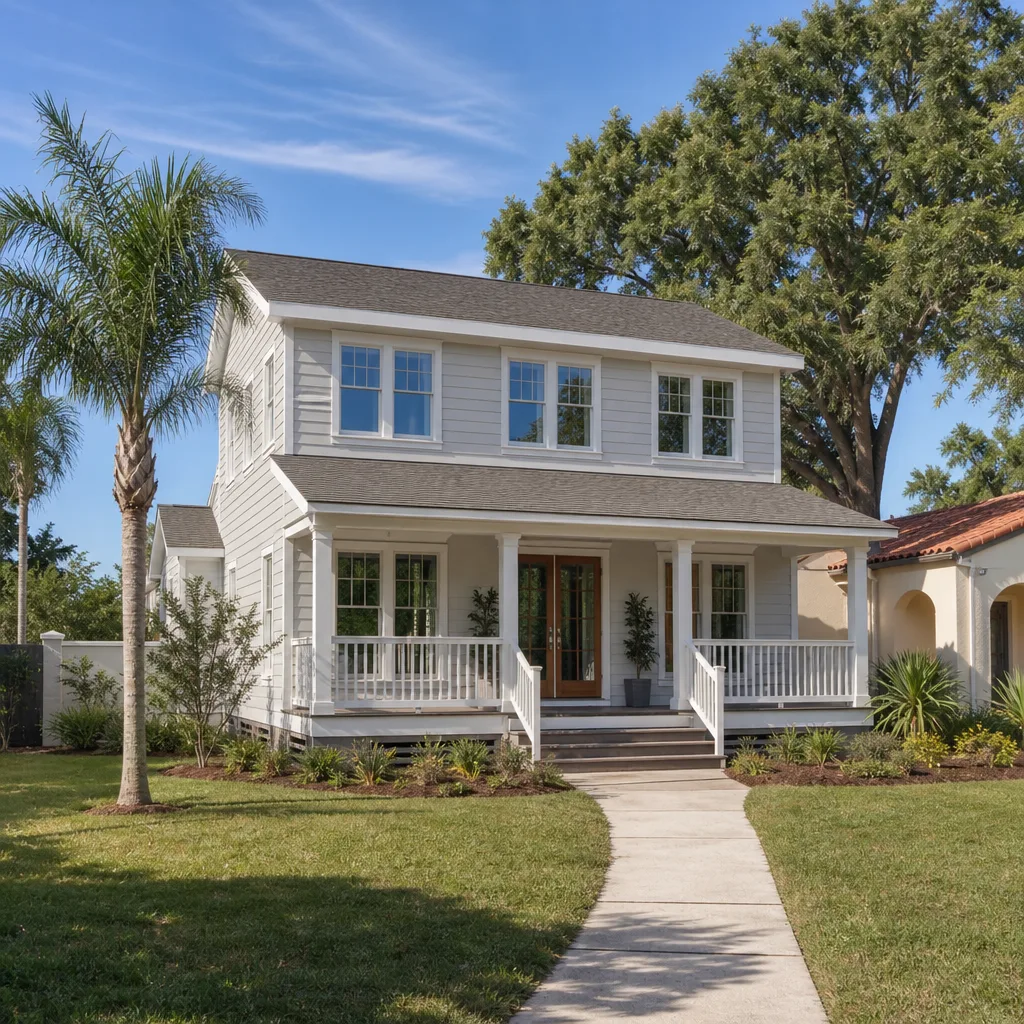
- Assuming the permit rules are the same as your last city. A Garland, Dallas, or Rowlett contractor working in Mesquite can miss Mesquite’s specific amendments on drainage, floodplain, or wind provisions. Always confirm the contractor has reviewed Mesquite’s local code.
- Skipping permits on “small” additions. A garage conversion or a 200-square-foot bump-out feels small on the ground but is a permitting event in Mesquite. Unpermitted square footage is a resale problem later.
- Pouring concrete before the footing inspection. This is the most expensive mistake we see in Mesquite. Once the slab is poured, a missing or failed footing inspection has to be resolved by removal or engineering documentation, not by an inspection.
- Fencing a corner lot without checking the sight-line rules. A rear fence that would be legal mid-block can violate Mesquite’s corner-lot sight triangle. Check before you trench.
- Paving a large driveway without reviewing drainage and impervious cover. Mesquite has its own rules on how much of a lot can be paved before on-site drainage becomes a design requirement. Get the review before excavation.
- Letting a trade schedule inspections on their own timeline. Inspections need to be coordinated by one party. When the electrician and plumber each schedule their own rough-in inspection without coordination, walls sit open for weeks.
- Choosing a bid based on price alone. The lowest bid is often the one that skips permits, uses uncertified trades, or surprises you with change orders mid-build. Upfront pricing and a written scope are worth more than a cheap number.
When to Call a Professional
Some projects are DIY-appropriate. Painting, trim work, and small fixture swaps are in that camp. Once a job touches structure, electrical service, plumbing rough-in, roofing, or anything that requires a permit and inspection in Mesquite, the correct answer is a licensed and insured professional who knows how to pull the permit and pass the inspections. That includes kitchen and bathroom remodels that move fixtures or walls, roof replacements, additions and ADUs, and any project requiring a zoning review. Walking into the Mesquite permitting office yourself as an owner-builder is possible in limited cases, and for a first-time homeowner it’s a fast track to a correction cycle.
Groundwork Construction Co. of Mesquite offers free estimates in Mesquite. Our technicians have up to 12 years of experience navigating Mesquite’s permit landscape, and every project is covered by the 730-Day Done Right Promise. Call (888) 426-8078 to schedule your free estimate.
See the difference
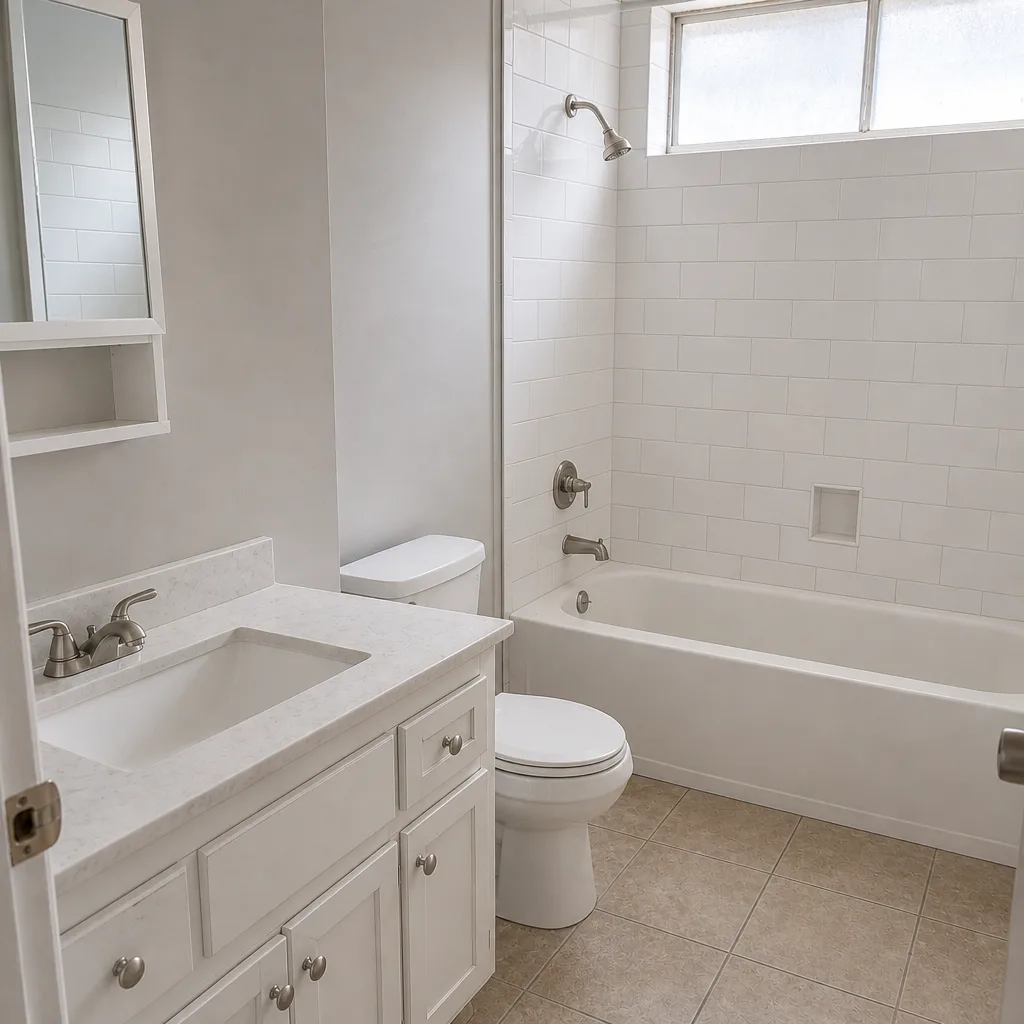
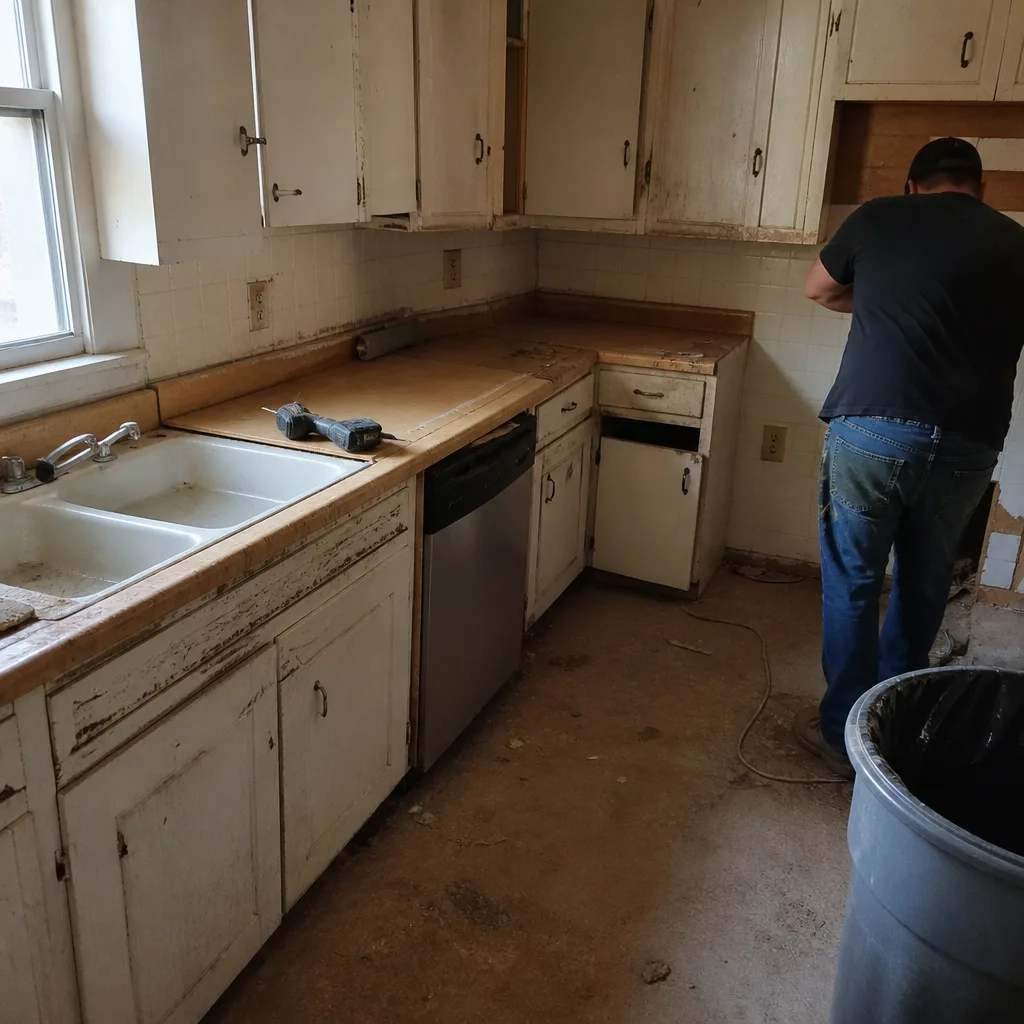 Before
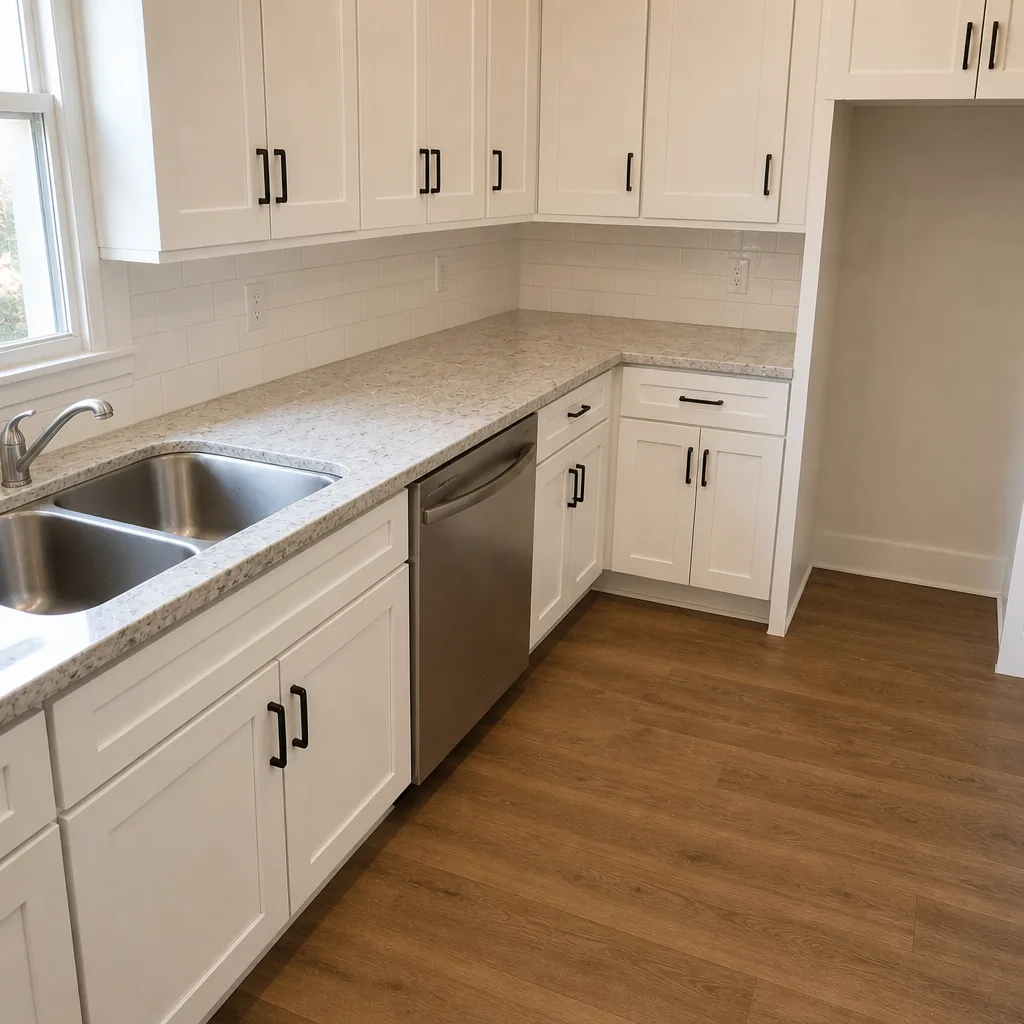 After
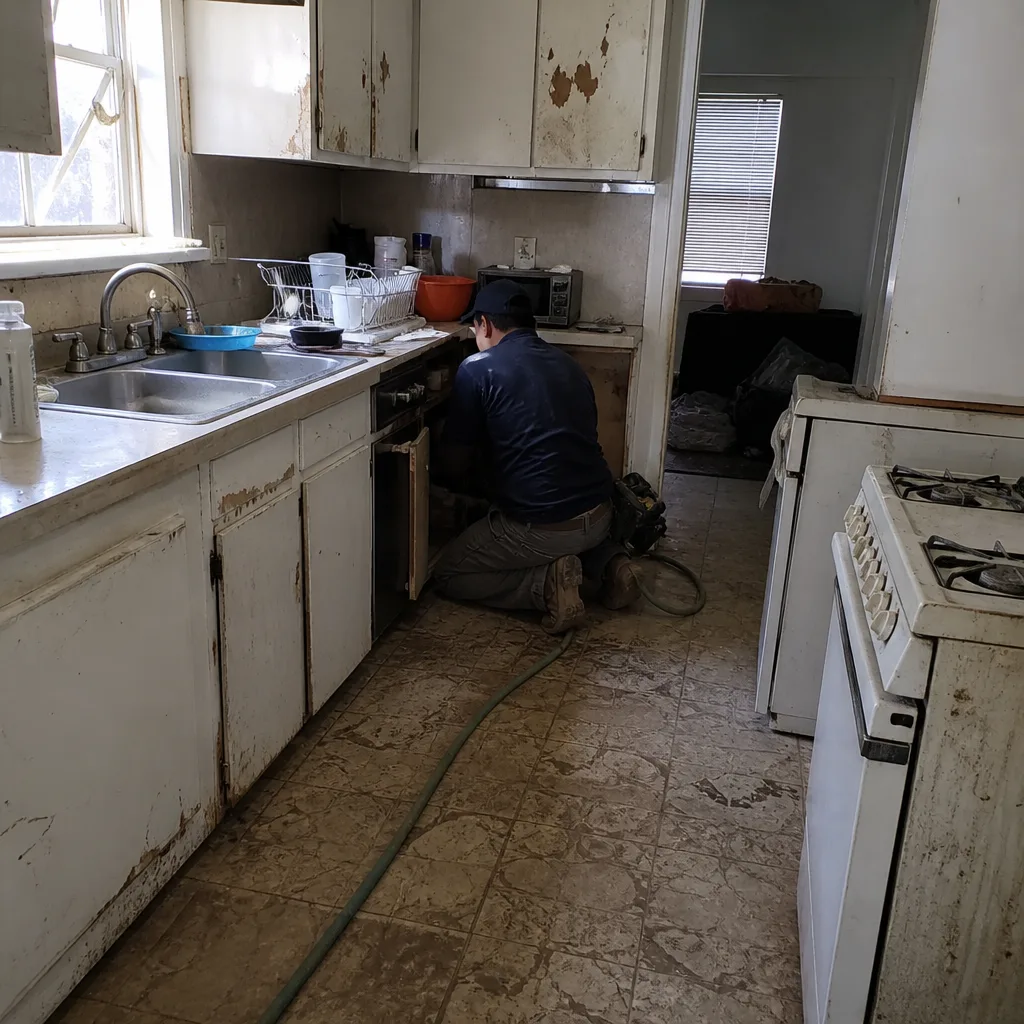
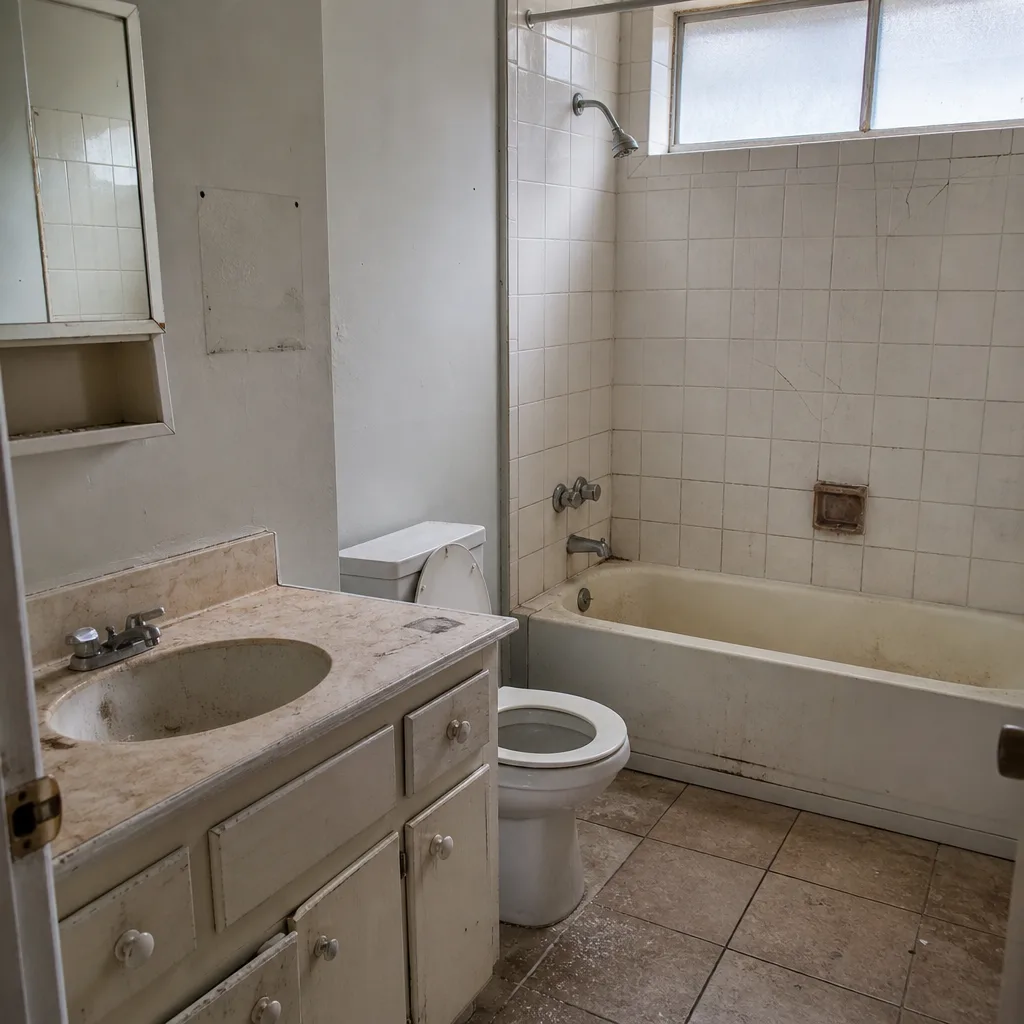 Before
 After
 Before
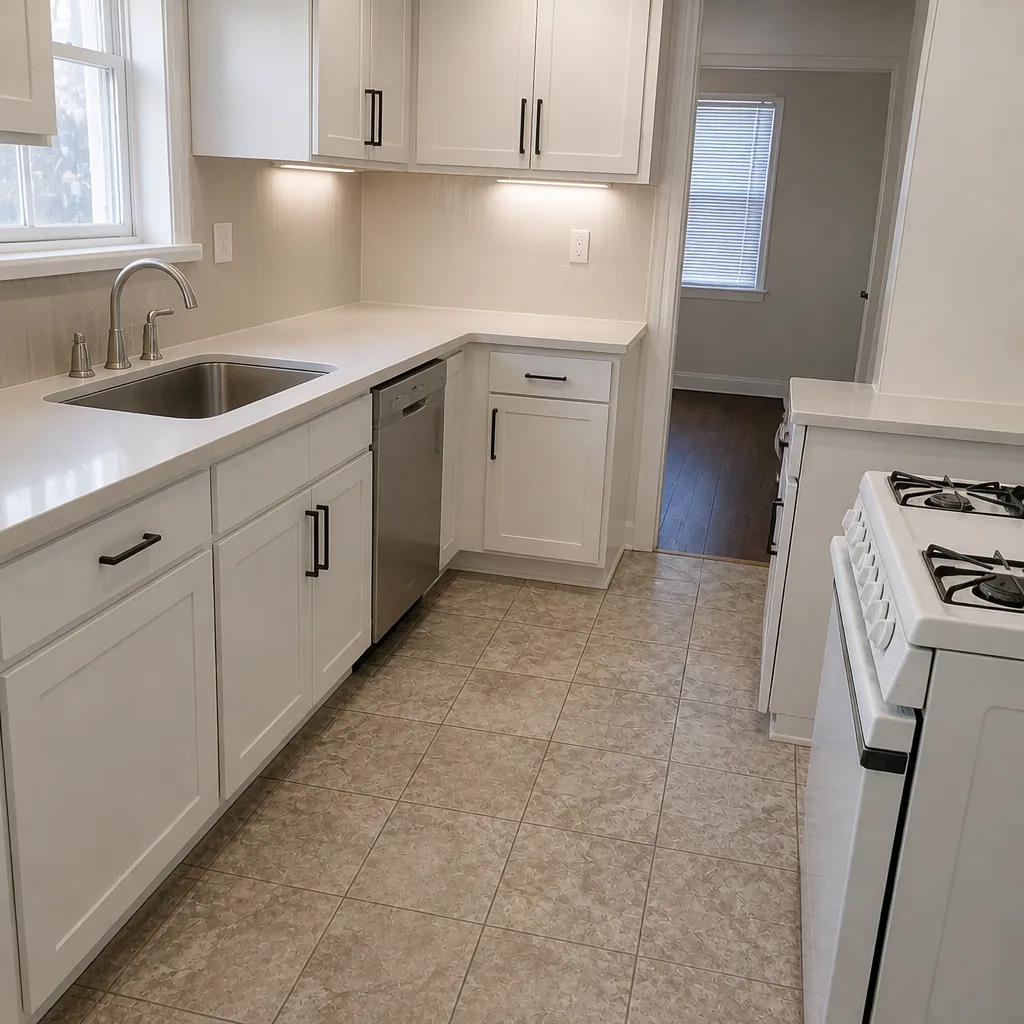 After
Frequently Asked Questions
It depends on scope. A cosmetic-only bathroom remodel with no plumbing, electrical, or wall changes usually doesn’t require a permit in Mesquite. Move a toilet, relocate a drain, add a shower valve, or change a wall, and the work becomes a permitted project with rough-in and final inspections. Call (888) 426-8078 for an exact scope review – estimates are free.
No. Texas has no statewide residential building code adoption requirement, which means each city sets its own code and enforcement. Mesquite has adopted its own version of the IRC with local amendments, and neighboring cities in Dallas County may handle the same work differently. Confirm the specific city’s requirements before starting any project.
Permit fees in Mesquite are based on the value or scope of the project, so there’s no single number that fits every addition. On a typical home addition, plan review plus building, electrical, plumbing, and mechanical permits add up to a meaningful line item in the budget, and re-inspection fees are on top if a trade fails. Call (888) 426-8078 for a written line-item estimate that includes the permit scope.
Unpermitted work can delay or kill a closing. Texas Property Code requires sellers to disclose known material defects, and buyers increasingly pull permit history. An appraiser may discount or exclude unpermitted square footage, and a buyer’s lender may require retroactive permits and clear inspections before funding. The problem compounds the longer it exists.
Plan review for a Mesquite addition or major renovation typically runs a few weeks in normal workload, and anything triggering a floodplain overlay or zoning review goes longer. Smaller projects like roof replacements or fence installs generally move faster. Call (888) 426-8078 for a timeline forecast against your specific scope.
Yes, where Mesquite requires it. Driveway installation or replacement that affects the street apron or drainage usually requires a permit and inspection, and fence installation above the ordinance threshold requires one. Groundwork Construction Co. of Mesquite coordinates the permit scope, pulls the permit, and passes the inspection where required. Call (888) 426-8078 for a free estimate.
The Bottom Line
Texas has no statewide residential code, and that single fact makes Mesquite’s permit landscape a local one. Your project is governed by Mesquite’s adopted IRC version plus local amendments on wind, drainage, floodplain, fencing, and ADU siting that neighboring cities don’t necessarily share. Permits pulled and inspections passed protect you at insurance-claim time, at appraisal time, and at resale. Contractors who work broadly across the metroplex sometimes miss the local layer. If you’re planning a project in Mesquite and want the permits and inspections handled correctly, Groundwork Construction Co. of Mesquite builds it that way from foundation to finish line – backed by the 730-Day Done Right Promise. Call (888) 426-8078 for a free estimate, and explore more at our Groundwork Construction Co. of Mesquite home page.
Planning Your Project? Let’s Talk.
Whether you’re finishing an ADU with Abodu or Dvele components, re-roofing with GAF, or laying Sakrete-set pavers on a new Mesquite driveway, the permit and inspection scope belongs in the first conversation, not the last. Groundwork Construction Co. of Mesquite gives you upfront pricing with no surprises, written line-item estimates, permits pulled and inspections passed, background-checked and uniformed technicians, and the 730-Day Done Right Promise on every project. Calls are answered by a live person, 24/7. Call (888) 426-8078 for a free estimate and design consult, or explore our driveway and pavers service in Mesquite, our fence installation team in Mesquite, or our home additions and ADU service in Mesquite to see what fits your project.
Written by the team at Groundwork Construction Co. of Mesquite.