Last updated November 17, 2026


Free written scope consultation - allowances, timeline, and change-order rules on paper before a single trade is scheduled
DIY vs Professional Construction: The Mesquite Homeowner’s Decision Guide
In Texas, a homeowner can legally act as their own general contractor. That single fact has launched a thousand weekend projects across Mesquite – and buried a fair number of them. Here’s the part most DIY videos skip: when you pull a permit under your own name, you take on personal liability for every subcontractor who touches the job, every inspection that follows, and every defect discovered after the last truck leaves. Most Mesquite homeowners only learn this after something fails inspection and the city comes looking for the person on the paperwork. You, not a licensed contractor. This guide walks through which projects in Mesquite genuinely reward DIY effort and which ones carry legal, structural, or warranty consequences no tutorial accounts for.
Quick Answer
In Mesquite, DIY makes financial sense only for cosmetic, non-permitted work like painting, tile backsplashes, landscaping, and interior trim. Anything structural, anything requiring a city permit, and anything that affects your roof, electrical, plumbing, or foundation should go to a licensed professional – not because you lack the skill, but because the permit, warranty, and resale-liability consequences belong to whoever signs the paperwork. Mesquite’s clay soil, high summer heat, and strict permitting process make those stakes higher than in most Texas markets.
Styles & brands we work with
- Kitchen remodeling
- Bathroom remodeling
- Home additions & ADU
- Roofing
- Windows & doors
- Driveway & pavers
- Fence
Table of Contents
- What “Owner-Builder” Really Means in Mesquite, Texas
- The DIY Projects That Quietly Void Your Manufacturer Warranties
- The Real Cost Comparison: Beyond the Labor Line
- How Mesquite Permit Rules Work in Practice
- How DIY Mistakes Show Up at Resale
- Where Skilled DIY Genuinely Pays Off
- The Hybrid Approach: Educate Yourself Without Burning the Relationship
- How Professional Work Pays for Itself in Warranty Coverage
What “Owner-Builder” Really Means in Mesquite, Texas
Texas law allows a homeowner to act as their own general contractor on their primary residence. That’s a real right, and it’s not something to dismiss. But the statute comes with a phrase most people gloss over: the owner-builder accepts full responsibility for the work performed on the property. Not shared responsibility. Not “the subcontractor carries insurance so I’m covered.” Full responsibility, personally.
What that looks like in practice in Mesquite, a city of roughly 150,000 where most of the housing stock was built between 1960 and 2000:
- You pull the permit under your own name, which means the inspector will call you, not a contractor, when something needs to be corrected.
- You are the one who schedules inspections, and missed inspections trigger stop-work orders that can cost you weeks.
- If a subcontractor you hired is uninsured and someone gets hurt on your property, you’re the one exposed to a liability claim.
- If you sell the home within a certain window, the buyer’s inspector will see that all permitted work was done under an owner-builder permit – and may ask harder questions about it.
- If a material defect surfaces two years later and a manufacturer asks “who installed this?” the answer points back to you.
We’ve written before about how Mesquite’s concrete driveways and paver installations take a beating from our shrink-swell clay soil, and the same dynamic applies here. When you pull your own permit for a slab extension or foundation repair, the future crack pattern is your problem to explain.
The owner-builder route is legitimate. It’s just not free. Every dollar you save on general-contractor overhead, you’re implicitly pricing against the liability you’re accepting.
The DIY Projects That Quietly Void Your Manufacturer Warranties
Here’s the warranty problem in one sentence: most manufacturer warranties on premium building materials are voided by improper installation, and improper installation includes homeowner installation. That’s not a fine-print gotcha. It’s the entire reason those warranties exist.
Walk the aisles of any home center and you’ll see warranty language like “warranted to the original homeowner when installed by a licensed professional per manufacturer specifications.” That phrase “by a licensed professional” is doing a lot of work. Here’s what gets voided, in our experience, across the trade categories that matter most in Mesquite:
Roofing (GAF, CertainTeed, Owens Corning)
Every major shingle manufacturer offers an extended warranty – 25 to 50 years, sometimes longer on the system warranty – but only when installed by a factory-certified contractor. Install your own architectural shingles and you fall back to the standard, sharply limited warranty. In Mesquite’s hailstorm corridor, that difference is not abstract: the Dallas-Fort Worth area sees significant hail events in most years, and a 5-year standard warranty versus a 30-year system warranty is the difference between a $14,000 roof being covered and being your problem.
Windows and Doors (Andersen, Pella, Marvin)
Window warranties almost universally require professional installation to stay in force. This matters more in Mesquite than in cooler climates because the thermal cycling between 100°F+ Julys and occasional hard freezes puts real stress on seals, glazing, and frame gaps. A DIY window that’s out of square by an eighth of an inch will leak within a couple of seasons – and the warranty claim will be declined on installation grounds.
Kitchen and Bath Cabinetry (KraftMaid, Wellborn)
Cabinet manufacturers offer lifetime-limited warranties on the boxes and finish, but again, installation matters. A few months in, a KraftMaid cabinet door that warps from improper humidity exposure during the install window becomes a customer-service fight, not a warranty claim. We’ve worked with Groundwork Construction Co. of Mesquite on enough kitchen projects to know that KraftMaid’s warranty team is fair, but they ask for the installer’s name first.
Countertops (Cambria, Silestone, Caesarstone)
Quartz countertop manufacturers – Cambria and Silestone in particular – have strict fabrication and installation standards. A DIY undermount sink cutout in a 2 cm quartz slab isn’t just risky in appearance; it can void the warranty on the entire slab. A $4,000 countertop becomes a $4,000 mistake in twenty minutes.
Fencing and Gates
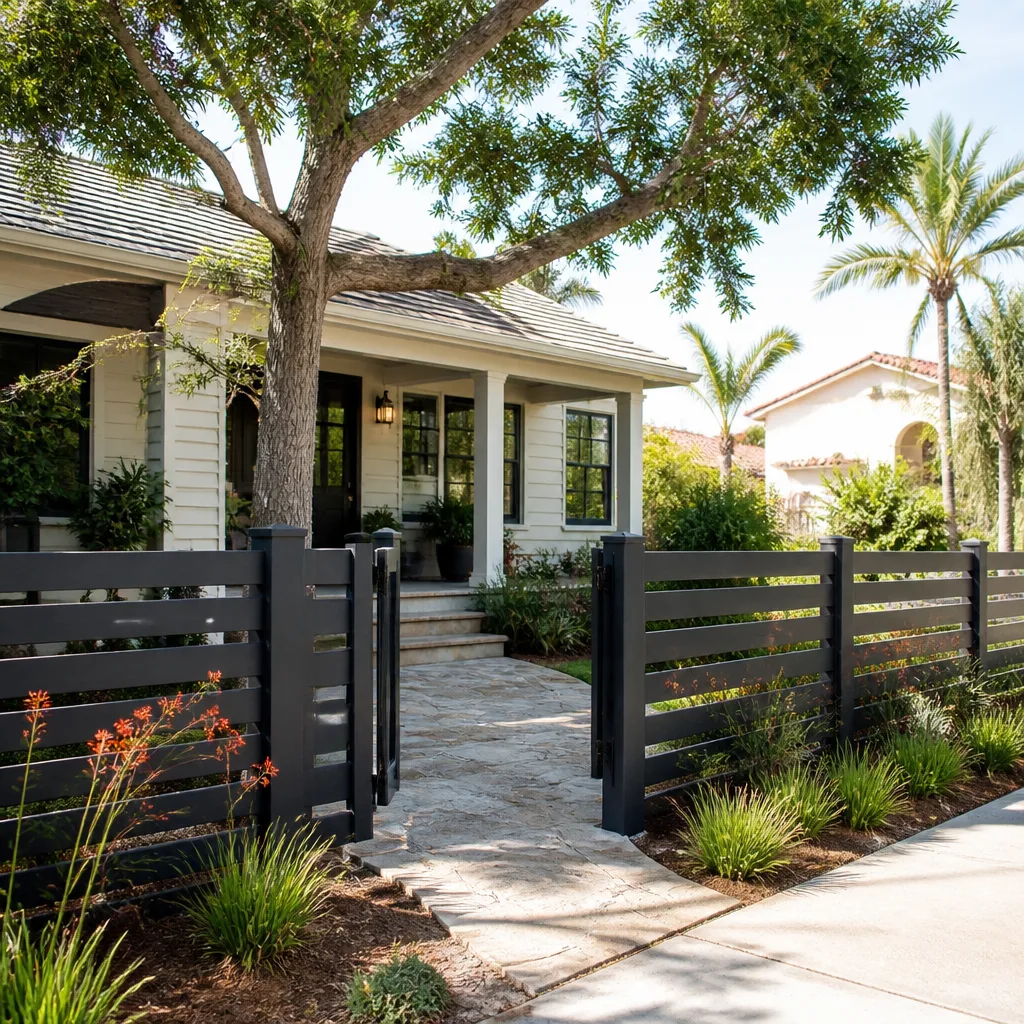
Fence materials themselves are usually fine to install yourself – but structural fencing along property lines in Mesquite touches setback and easement rules that most homeowners don’t know exist until a neighbor flags it. Our fence installation in Mesquite page walks through the local rules in detail.
The Real Cost Comparison: Beyond the Labor Line
The single biggest mistake in DIY math is that homeowners compare the contractor’s quoted price against the material cost alone. That’s comparing an apple to the peel. The real comparison needs at least six line items, and most DIY calculations miss five of them.
The Real-Cost Framework for Mesquite Homeowners
- Material cost (retail vs trade pricing). Contractors buy at trade pricing – often 10-25% below retail for the same product. Your skilled DIY project starts with a quiet 15% penalty.
- Material waste rate. Professional crews run 5-10% waste on tile, lumber, and drywall because they know cut plans. First-timers routinely hit 15-25%. That’s real money on a $2,000 tile job.
- Tool rental or purchase. A tile saw rental runs $60-90 a day in Mesquite. A hammer drill, an air compressor and nail gun, a wet saw, a 12″ miter saw – these add up to hundreds before you install a single thing.
- Your hourly value of time. Be honest. If your weekend is worth $40 an hour, a project you’d spend 40 hours on has a $1,600 labor line already – before you count it as a “savings.”
- Do-over cost. This is the line nobody plans for. Failed DIY work has a cost: not just redoing the work but removing and disposing of what you did wrong. For a failed shower pan, that can be double the original project.
- Permit and inspection fees. Whether you do the work or hire it out, the permits cost the same. But the inspection-trip costs of a failed first inspection – reinspection fees, delay time, rescheduled subcontractors – are 100% on you as owner-builder.
Worked Example: A 120 Sq Ft Bathroom Remodel in Mesquite
Compare a mid-grade bathroom remodel at the Mesquite median price point. A professional remodel from a firm like Groundwork’s bathroom remodeling in Mesquite typically runs $18,000-$32,000 for full-scope work, and a strictly DIY attempt with retail materials and rented tools usually lands at $11,000-$16,000 in direct costs. On paper that’s a $5,000 “savings.”
Now add the six line items: trade-pricing loss (~$1,500), waste (+~$800), tool rental (~$400), 120 hours of weekend labor at $40/hour (~$4,800), plus the roughly 30% likelihood of a do-over on tile or the shower pan (~$2,000 expected cost). The “savings” flips to a roughly $4,500 loss – before you count any warranty you gave up on the fixtures. When you factor in that our work comes with a 730-Day Done Right Promise, the math isn’t close.
How Mesquite Permit Rules Work in Practice
Mesquite’s permitting system operates through the city’s Development Services department, and for most residential work – roofing over 100 square feet, structural changes, electrical, plumbing, gas, exterior additions – a permit is required. Cosmetic work (paint, tile, floor coverings, trim) usually doesn’t need a permit. The gray zones cause the most trouble.
What Usually Requires a Permit in Mesquite
- Full roof replacement (not just repair)
- Any structural alteration – moving walls, adding openings, foundation work
- Electrical panel change-outs and new circuits
- Plumbing relocations and new fixtures beyond simple replacement
- Fence installation over 6 feet in height, plus any fence in certain setback zones
- Driveway replacements and new concrete flatwork
- Home additions and ADUs, which also trigger zoning review and possibly a plat revision
What Happens When You Pull Your Own Permit
You walk into Development Services with your plans, pay the fee, and sign as the contractor of record. That signature is the pivot point. It means:
- Every inspection scheduling call goes to you – not to a professional who does this weekly.
- If a subcontractor’s work fails inspection, the correction notice lands on the permit that lists your name.
- The city can place a stop-work order until correction is complete, freezing the project mid-scope.
- If the work is finished and later found non-compliant, you’re on record as the responsible party.
- Any future buyer’s title search will show that the permit history carries a homeowner name, not a contractor license.
For significant scope like a home addition or ADU in Mesquite, the permit process is a genuine multi-month dance that a licensed contractor has walked through dozens of times. Doing it yourself is possible, but it’s a second job, not a weekend.
How DIY Mistakes Show Up at Resale
The most expensive DIY projects are the ones that don’t fail today. They fail during a future home sale, when a buyer’s inspector writes “permitted work appears to have been done under owner-builder permit – recommend further evaluation” and the buyer asks for a $15,000 credit or walks.
Three categories of DIY work cause the most trouble in Mesquite resales:
- Unpermitted structural or electrical work. The permit history is public. If it says your addition was built without a permit but the room clearly exists, inspectors and title companies flag it. Retroactive permitting in Mesquite is possible but expensive and involves opening walls that were previously finished.
- Owner-builder permits that don’t match the scope of work. Pulling a homeowner permit for a “bathroom cosmetic update” and then re-plumbing the entire room is a compliance problem – and it surfaces in the buyer’s inspection report.
- Warranty-voided exterior systems. A roof done by the homeowner carries no extended warranty – and when the buyer’s inspector asks “how old is the roof and who installed it?” the answer shifts the negotiation. What would have been a straightforward sale can turn into a discount ask.
Mesquite’s median home price has been trending up over the past decade, and most buyers in the $250K-$400K band are thoroughly pre-inspected. A DIY short-cut saved $4,000 in year three can cost $15,000 at sale in year seven. It’s not a net savings; it’s a loan against your equity.
Where Skilled DIY Genuinely Pays Off
We’re not going to tell you to hire out everything. That’s not honest, and it doesn’t serve a Mesquite homeowner who’s genuinely handy. Here’s where DIY earns its keep.
Good DIY Candidates in Mesquite
- Interior paint. Zero permits, minimal risk, well within a competent DIYer’s reach. Roughly $2,000-$4,000 in labor saved on a full interior repaint.
- Tile backsplashes. Cosmetic, reversible, and less than 40 square feet in most kitchens. This is one of the cleanest savings in home improvement.
- Landscaping, planting, and garden walls under 4 feet. No permit required, low structural risk, high homeowner satisfaction.
- Interior trim work (baseboards, crown). Cosmetic finish work with no code implications.
- Shelving, closet systems, and simple built-ins. If it isn’t load-bearing and doesn’t touch electrical, it’s yours.
- Fence repairs and refinishes. Not full fence installation along property lines, but restaining, resetting a leaning panel, and replacing a couple of pickets.
- Pressure washing and exterior cleanup. The Mesquite heat makes this a twice-a-year task some years.
Bad DIY Candidates (Even for Skilled Tradespeople)
- Electrical panel work. This is a genuine safety hazard. Any work inside a service panel or involving a new 240V circuit should go to a licensed electrician, full stop.
- Gas line work. Same. A gas leak is not a “we’ll rework it this weekend” scenario.
- Any structural modification. Load-bearing walls, headers, beams, and foundation repairs.
- Roof replacement. Fall risk, warranty issues, and hail-corridor QC all point away from DIY.
- Full shower pan installation. The number one DIY do-over category in our experience.
- Anything requiring a permit. If the permit’s going to be pulled, the licensed contractor should pull it.
The Hybrid Approach: Educate Yourself Without Burning the Relationship
You don’t have to choose “full DIY” or “full contractor” and stay there. The most satisfied homeowners we work with are the ones who use a professional estimate process as an education tool – without treating it as a competitive quote they’re trying to beat by 4%.
Here’s how to run this well:
- Book the free estimate. In Mesquite, a free project estimate and design consultation is standard, and it’s a real conversation – not a sales script. Be upfront: “We’re comparing scope and may handle some of the finish work ourselves.” Honest contractors respect this. Groundwork Construction Co. of Mesquite offers it, and a straight answer to that question tells you more about the contractor than any review can.
- Ask for a line-item scope, not a lump-sum bid. This is the single most valuable thing you can request. A line-item scope shows you exactly what each phase costs – demo, framing, mechanical, drywall, tile, finish – and lets you see what’s genuinely worth handing off.
- Identify the handoff line. Most hybrid projects in Mesquite break between “rough-in is done and inspected” and “finish work begins.” That’s when a homeowner who’s competent can take over paint and trim, or cabinetry install and fixtures.
- Ask who’s pulling the permit, in writing. If you’re doing any substantial scope, be explicit about which parties are on the permit. Get it in the contract.
- Don’t shop the estimate for $200. If you’re going to use a contractor’s hour of designing and scoping as a free education, treat the number they give you as a real value. The relationship goes sideways when a homeowner uses a full design consult and then offers it to a lowball bidder – and good contractors remember.
- Do the easier scope yourself, not the core scope. Finish work and cosmetic scope are the smart DIY carve-outs. Foundation, framing, roofing, and mechanical are not.
Curated material selections help here too. If your scope includes Cambria quartz in the kitchen and Andersen windows in the living room, those are the parts you absolutely want under professional install – the warranty value is bigger than the labor savings.
How Professional Work Pays for Itself in Warranty Coverage
The warranty math is where pro work wins outright, and it’s the part most DIY discussions skip entirely. When you hire a licensed contractor to install premium materials, you’re getting two layers of protection back: the manufacturer warranty, and the workmanship warranty the contractor provides on top.
The Two-Layer Warranty Stack
- Manufacturer warranty. GAF, Owens Corning, CertainTeed, Andersen, Pella, KraftMaid, Cambria – all offer extended coverage contingent on professional install. These run from 10 years to lifetime limited, depending on product and registration.
- Workmanship warranty. This is what covers the labor – the part a manufacturer warranty never covers. Standard industry is 1 year. Better contractors offer 2. The 730-Day Done Right Promise from Groundwork is one of the longest in the residential construction space at just over two years, and it’s a backstop that makes manufacturer coverage actually useful.
That combination is worth real money. A roof replacement at $14,000 with a 30-year system warranty and a 2-year workmanship backstop isn’t “$4,000 more expensive” than a homeowner install – it’s a different asset. Same house, different risk profile, different resale story.
Upfront pricing keeps this honest, too. The number you see is the number you pay, no change-order creep. That combination of fixed pricing and extended workmanship coverage is where the equation tilts in favor of hiring pro on any project bigger than a bathroom refresh.
Common Mistakes to Avoid
- Signing an owner-builder permit without reading the disclosures. The document literally spells out your personal liability. Read it. Underlining where it says “accepts responsibility” is a five-second sanity check that most homeowners skip.
- Buying retail materials without asking about trade pricing. The difference in a $12,000 kitchen remodel is often $1,200-$2,000 in material cost – effectively free coverage against the margin you were trying to protect by going DIY.
- Doing a permitted project without a permit and hoping the city doesn’t notice. Mesquite’s Development Services compares permit data with aerial imagery and utility records. It’s a well-known check. The fine plus retroactive permitting usually costs more than doing it once, correctly.
- Replacing a roof yourself in the fall. The Mesquite hail corridor is real: fall and spring storm events hit the DFW area with regularity. A self-installed roof that isn’t hail-rated per manufacturer spec is a warranty claim waiting to be denied.
- Fabricating a quartz countertop cutout without the manufacturer’s spec sheet in hand. Cambria and Silestone both publish exact minimum-edge and undermount requirements. Getting this wrong voids the slab warranty – a total-loss situation on a $4,000-$8,000 piece.
- Treating a free estimate as a competitive bid you’re going to reverse-engineer. Contractors who sense this stop offering their most detailed scope. You lose the exact education you were looking for.
- Forgetting that DIY foundations and hardscape are exposed to Mesquite’s expansive clay soil. A slab that was fine in the spring will crack in the fall if it wasn’t engineered for our soil. That’s a $6,000-$18,000 mistake, not a weekend one.
See the difference
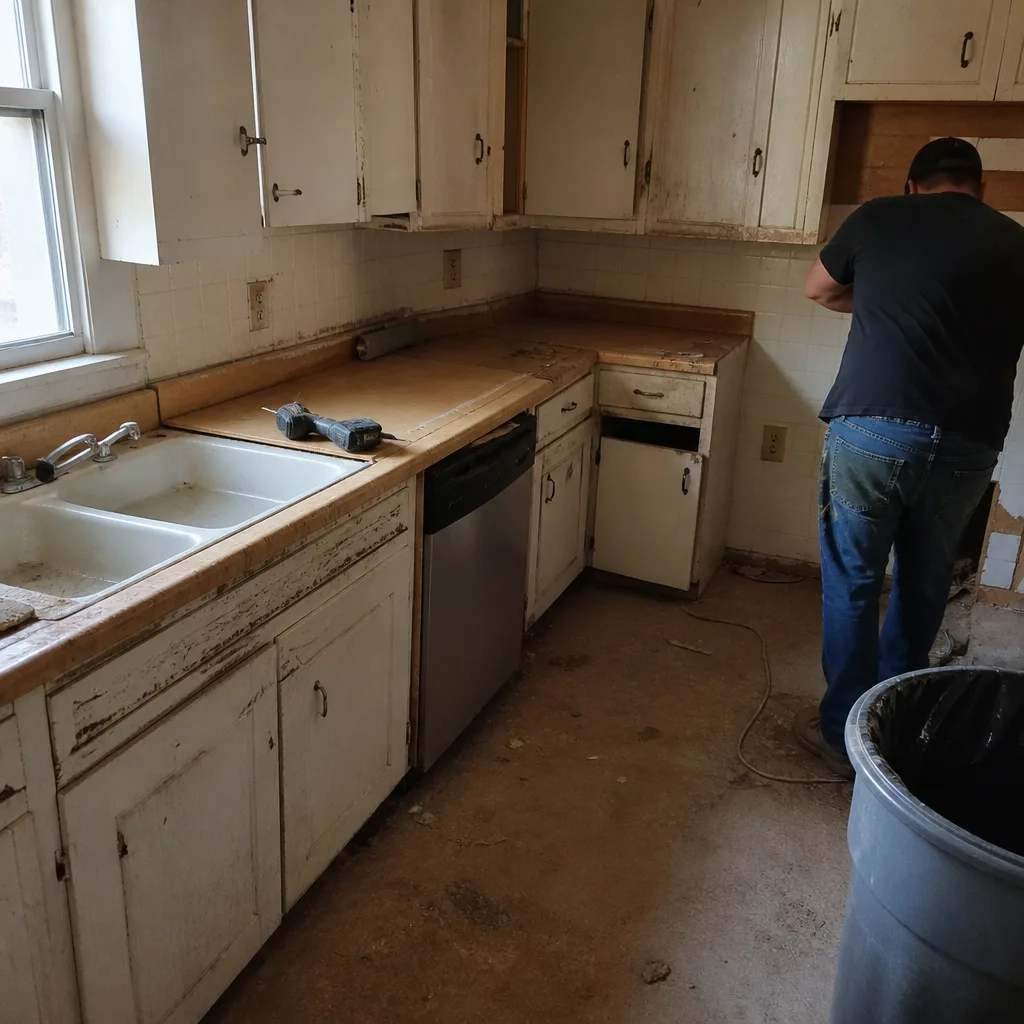 Before
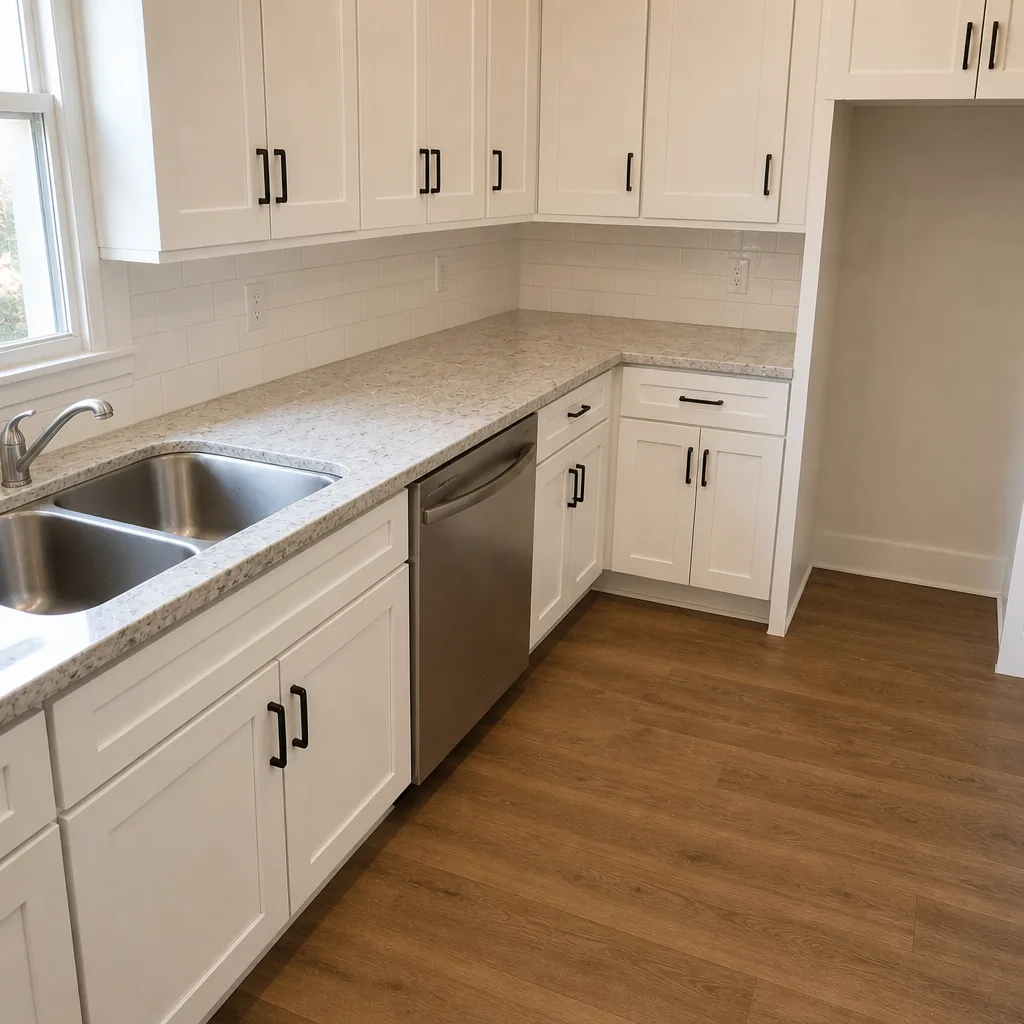 After
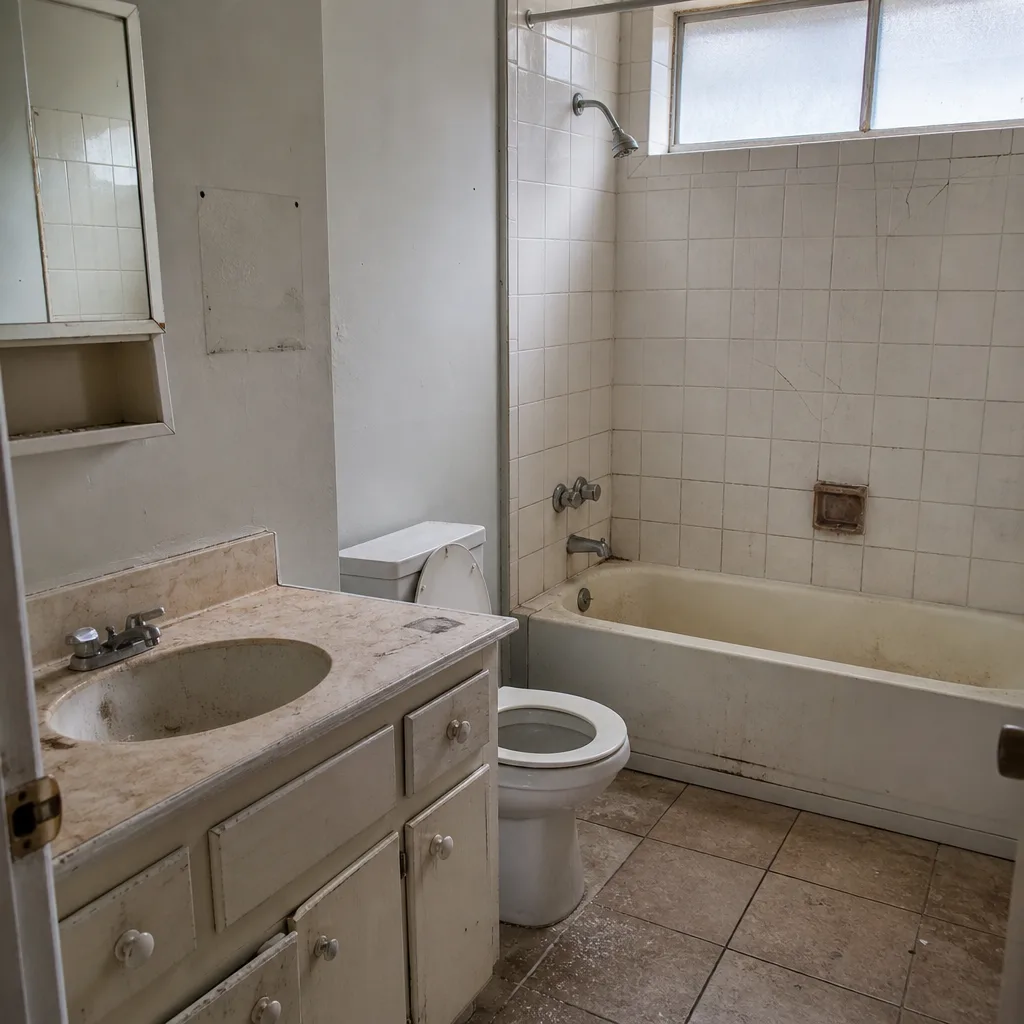 Before
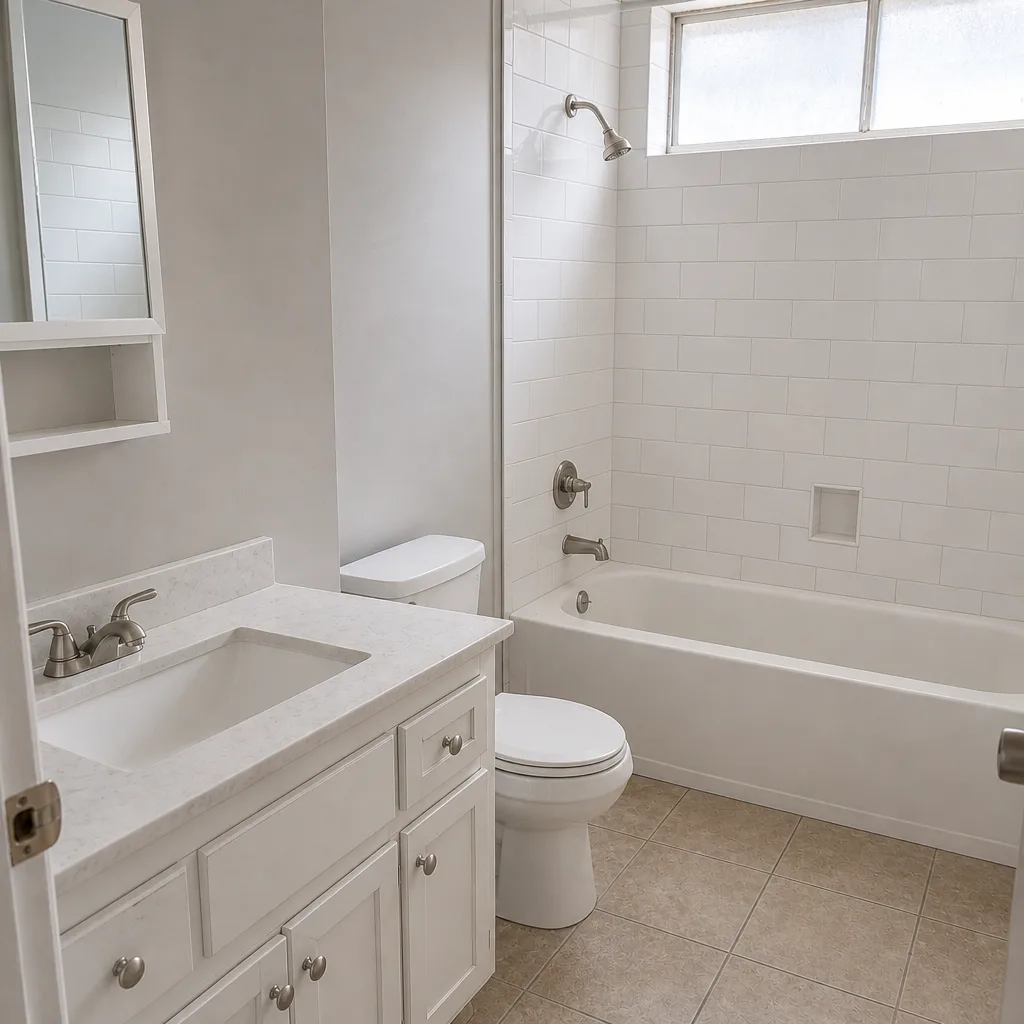 After
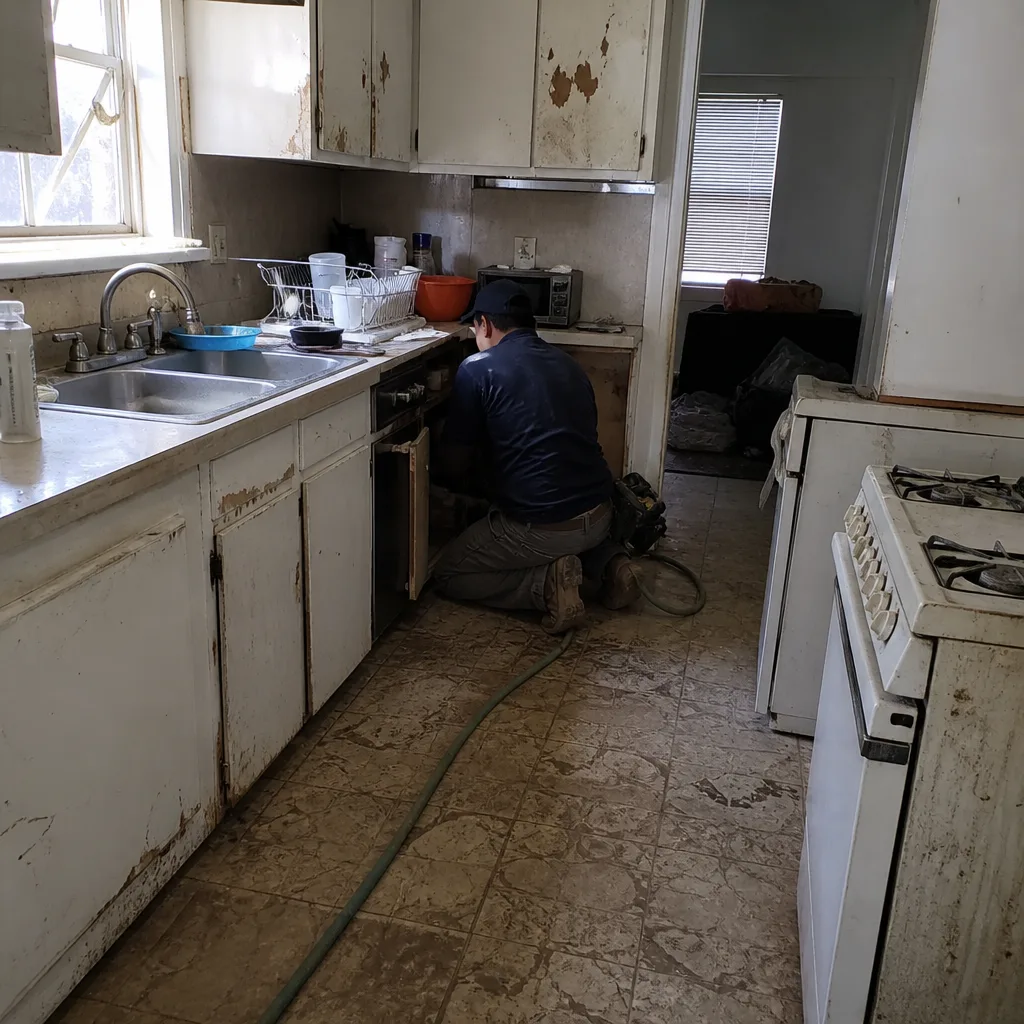 Before
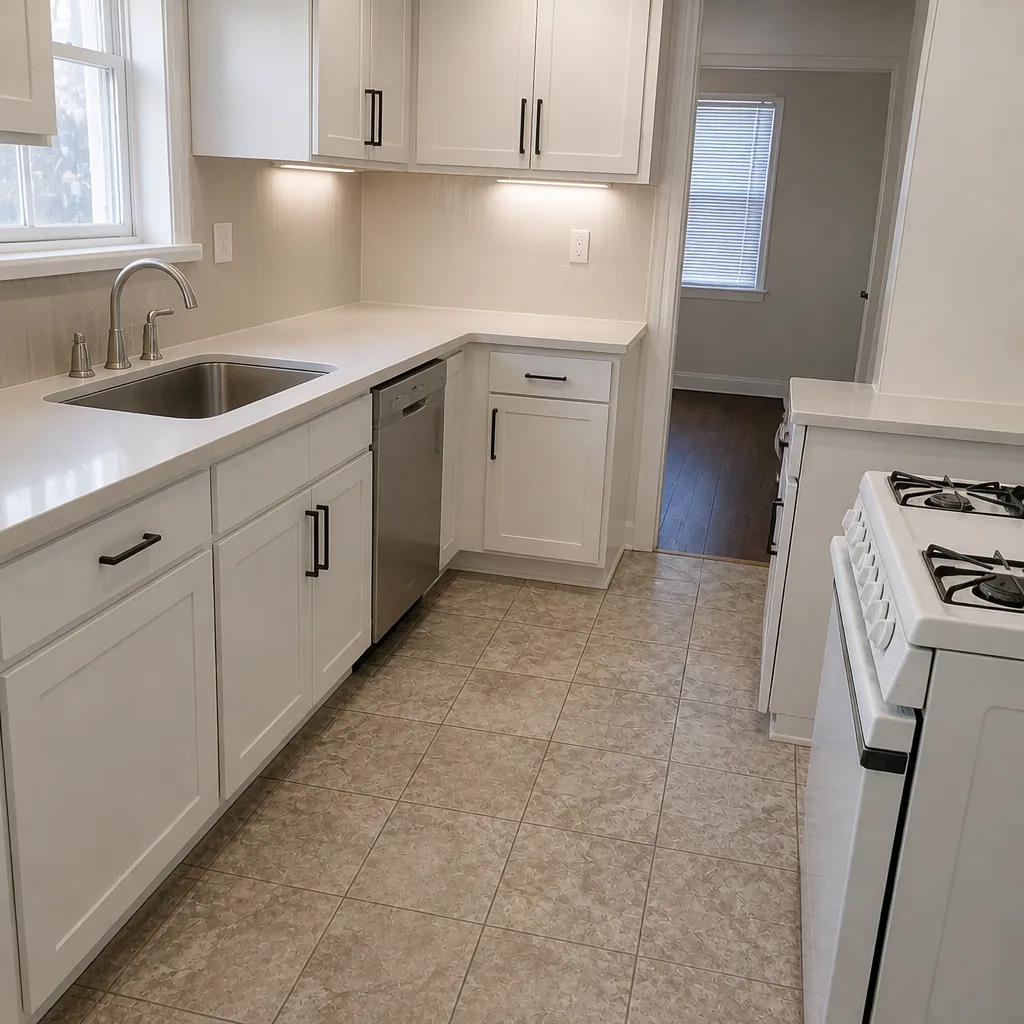 After
When to Call a Professional
Call a licensed contractor whenever the job involves any of the following: a Mesquite permit, structural work, anything touching your roof, electrical panel, gas line, plumbing system, or foundation, any project where manufacturer warranty coverage matters to you, or anything you’d want to sell the home with clean title. Call us, too, on the hybrid projects where you’d like a line-item scope you can use to make an informed decision about DIY and professional splits. Groundwork Construction Co. of Mesquite offers free estimates in Mesquite – call (888) 426-8078. We pull permits, pass inspections, and back the work with the 730-Day Done Right Promise. Whether you decide on full-scope work or a hybrid arrangement, the conversation is worth 30 minutes of your weekend.
Frequently Asked Questions
Yes. Texas law allows a homeowner to act as owner-builder and pull permits for work on their own primary residence. The catch is that pulling the permit makes you personally responsible for the entire scope – every subcontractor’s work, every inspection, and any defect that surfaces later. It’s a real right, but the liability it carries is heavier than most homeowners expect.
Any installation done by the homeowner instead of a licensed, factory-certified contractor voids the extended system warranty on GAF, CertainTeed, and Owens Corning products. You fall back to the standard limited warranty, which is typically much shorter and excludes the labor component that the extended warranty covers. In the DFW hail corridor, that’s the difference between a covered $14,000 roof and an out-of-pocket one.
Direct DIY material and tool costs for a full bathroom remodel in Mesquite typically run $11,000-$16,000 versus $18,000-$32,000 for professional scope. Once you count the trade-pricing penalty, waste rate, tool rental, your hourly time value, and an expected do-over on tile or shower pan, the “savings” often flips negative – before factoring in lost warranty coverage. Call (888) 426-8078 for an exact quote – estimates are free.
Yes, especially if it was permitted work done under an owner-builder permit. Permit records are public, and buyer inspections in Mesquite routinely pull that history. Unpermitted work that appears in the home but isn’t in the permit record triggers additional inspections, retro-permitting costs, or buyer credit requests at negotiation – often in the $5,000-$15,000 range.
Interior paint, tile backsplashes, interior trim, landscaping, pressure washing, simple shelving, closet systems, and fence refinishing all fall into the no-permit, low-risk category. Cosmetic finish work around a professionally installed core scope is a smart hybrid; anything structural or electrical is not. Call (888) 426-8078 if you’d like a scope breakdown to help decide which side each task falls on – estimates are free.
Yes, on any project where manufacturer warranty coverage applies. The trade pricing alone often offsets 10-20% of the labor cost, and standard workmanship warranties are 1-2 years on top of extended manufacturer coverage – a backstop a homeowner install doesn’t carry. For a skilled DIYer, the honest calculation is: DIY for finish and cosmetic work, professional for core and permitted scope. Call (888) 426-8078 to walk through the split for your specific project – estimates are free.
The Bottom Line
DIY in Mesquite only pays off when the work is cosmetic, unpermitted, and something you can genuinely finish in the time you’ve got. Everything else – any roof, any structural change, any plumbing, electrical, or gas line, any project on your permitting history – is a different category entirely. The Texas owner-builder rule is a real right, and it also puts full liability on the homeowner who uses it. Trade pricing, waste rates, tool rental, hourly time value, and warranty loss are the lines that reverse most DIY calculations once you write them down. The professional estimate isn’t the enemy of the DIY budget – it’s the input that makes an informed hybrid decision possible. Free estimates, upfront pricing, no surprises, and a 730-Day Done Right Promise that covers the work no matter which path you choose: that’s the offer. Call (888) 426-8078 to schedule your free estimate in Mesquite today.
Written by the team at Groundwork Construction Co. of Mesquite.