Last updated November 17, 2026





Free written scope consultation - allowances, timeline, and change-order rules on paper before a single trade is scheduled
Driveway & Pavers Maintenance Schedule: What to Do and When
Most Mesquite driveways don’t fail because of cheap materials. They fail because the right maintenance gets done at the wrong time of year. A homeowner seals a driveway in July when the surface is radiating 140 degrees of Texas heat, and that sealer cures into a brittle shell that hairlines within a season. Or they power-wash off a winter’s worth of grit in March without noticing the joint sand has already migrated out during the February rain, and the pavers start rocking by Memorial Day. The calendar matters more than the checklist. This guide lays out a month-by-month maintenance schedule built specifically for North Texas conditions – mild freeze-thaw cycles, brutal summer UV, and the slow, persistent movement of heavy clay soil underneath nearly every residential driveway in Mesquite.
Quick Answer
In Mesquite, driveway and paver maintenance follows a two-peak schedule: a thorough inspection and joint-sand replenishment in April after the wet season exposes clay expansion damage, and a sealing window in October or early November once temperatures settle below 85 degrees. Summer is for cleaning and drainage checks, not sealing. Winter is for watching the freeze-thaw edges, not heavy work.
Styles & brands we work with
- Kitchen remodeling
- Bathroom remodeling
- Home additions & ADU
- Roofing
- Windows & doors
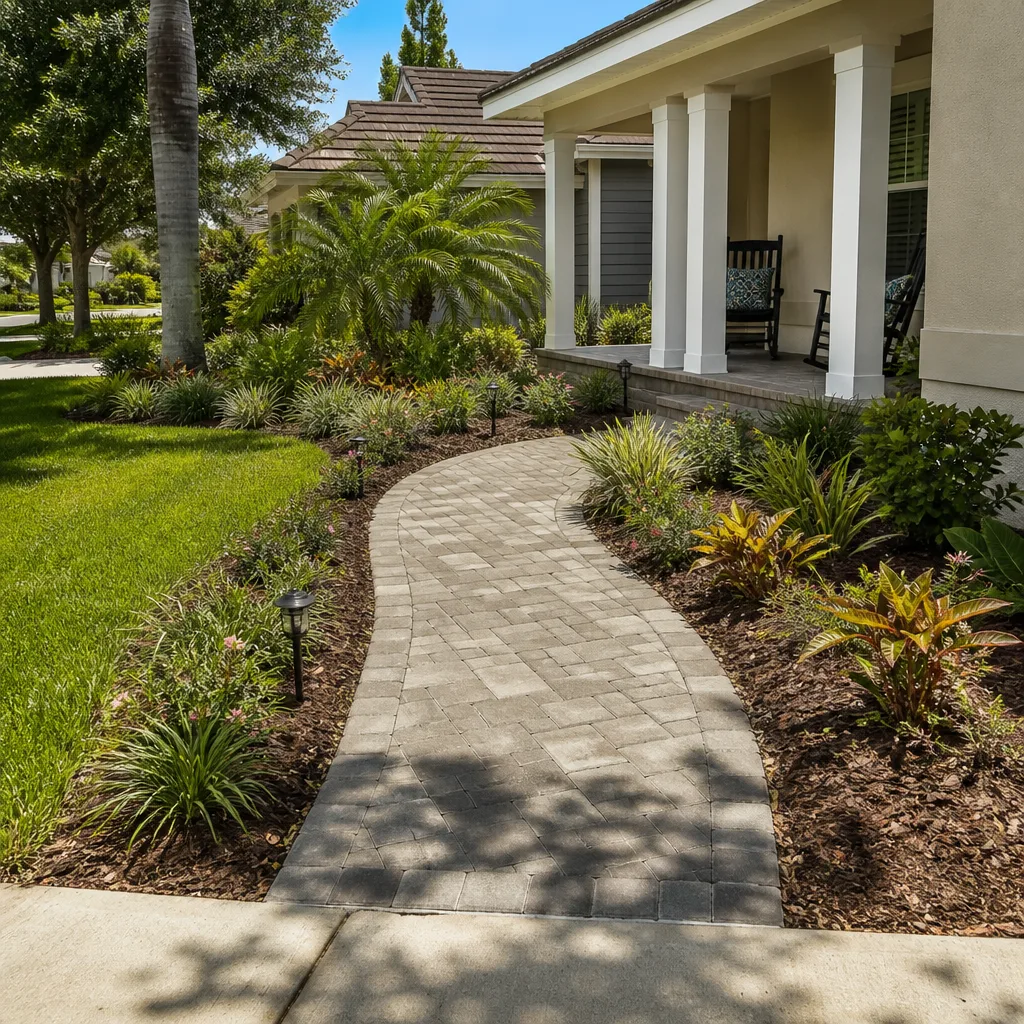
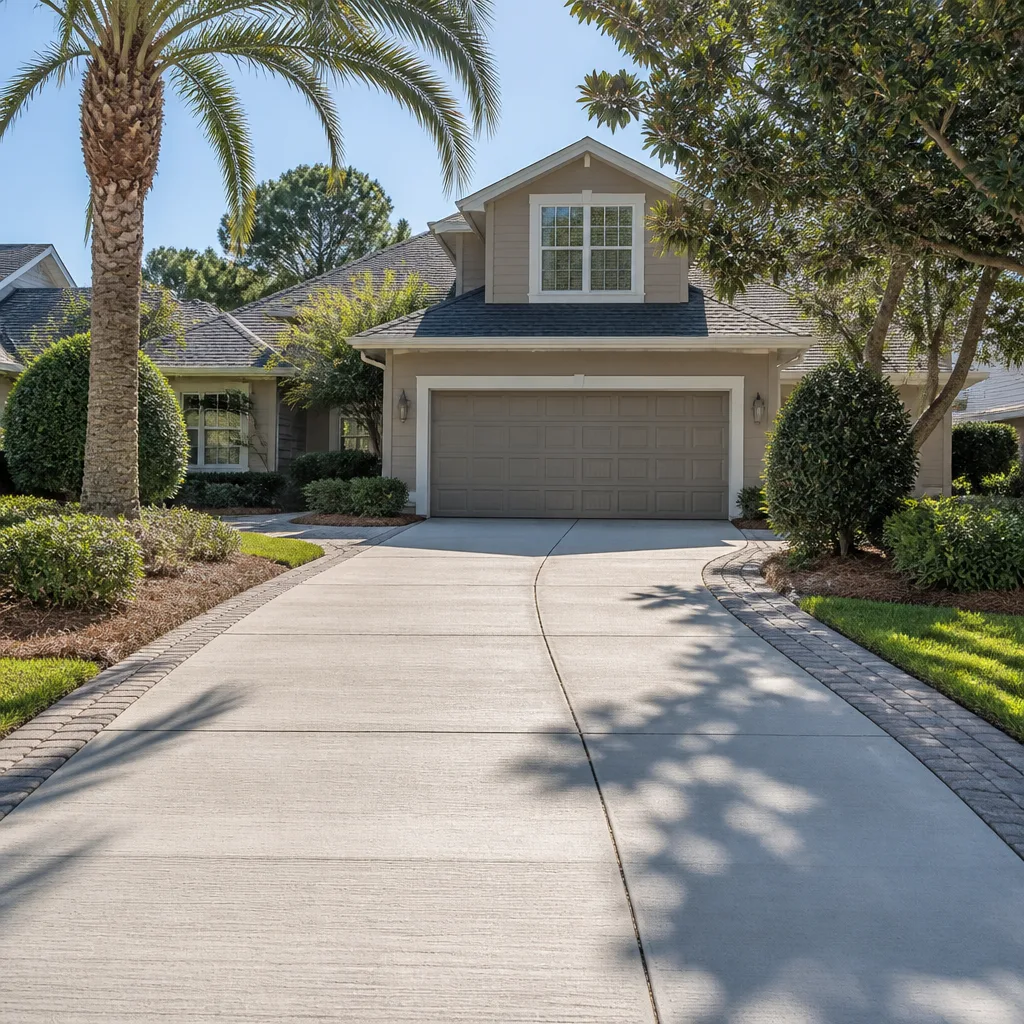
- Driveway & pavers
- Fence
Table of Contents
- Spring Inspection: The First Window That Matters
- Summer: Cleaning, Drainage, and What Not to Seal
- The Fall Sealing Window: Why October Beats July
- Joint Sand Replenishment for Interlocking Pavers
- Winter Freeze Events and Dry-Summer Recovery
- Annual Tasks You Can Do in Under Two Hours
- When the Schedule Points to Professional Repair
Spring Inspection: The First Window That Matters
The wet season in North Texas runs roughly from late February through April. That’s the stretch when heavy clay soil around Mesquite absorbs water, expands, and pushes against whatever sits on top of it. By the time the ground dries out in early May, the damage shows up as lifted paver edges, hairline cracks near the garage threshold, and joint sand that has washed down the grade toward the street. April is when you go look, before the heat locks everything into place and hides the problems.
Walk the full driveway in a straight line, then in a zigzag, then along both edges. You’re looking for three things: pavers that flex underfoot with a slight rock, sand joints that have dropped more than an eighth of an inch below the paver surface, and any depression next to the sidewalk apron or the garage slab where water pools. Note them. Photograph them with your phone and a shoe in the frame for scale.
- Walk the perimeter first. Edge restraint is the most common failure point after a wet spring. If the plastic edging has lifted or the spikes have pulled, pavers shift outward and the pattern opens up.
- Check joints by fingertip. Run two fingers along a joint line. If you can feel more than a quarter inch of gap below the chamfer, you’re due for sand.
- Test drainage with a garden hose. Run water for two minutes near the low side of the drive and watch where it travels. Standing water that doesn’t drain within twenty minutes is a sign of a graded failure, not a sanding issue.
- Look up at the garage slab. A crack line wider than a credit card along the transition from paver to concrete slab is where freeze-thaw eventually pries joints open.
Mesquite’s older residential neighborhoods – particular the streets off Pioneer Road and the established blocks south of Town East Boulevard – were built on shallow slabs with clay subgrade that moves more than most homeowners expect. Concrete driveways there show the spring effects sooner, usually as a widening crack running perpendicular to the street. Pavers hide the movement better, but they don’t eliminate it. They just spread the stress across more joints.
Summer: Cleaning, Drainage, and What Not to Seal
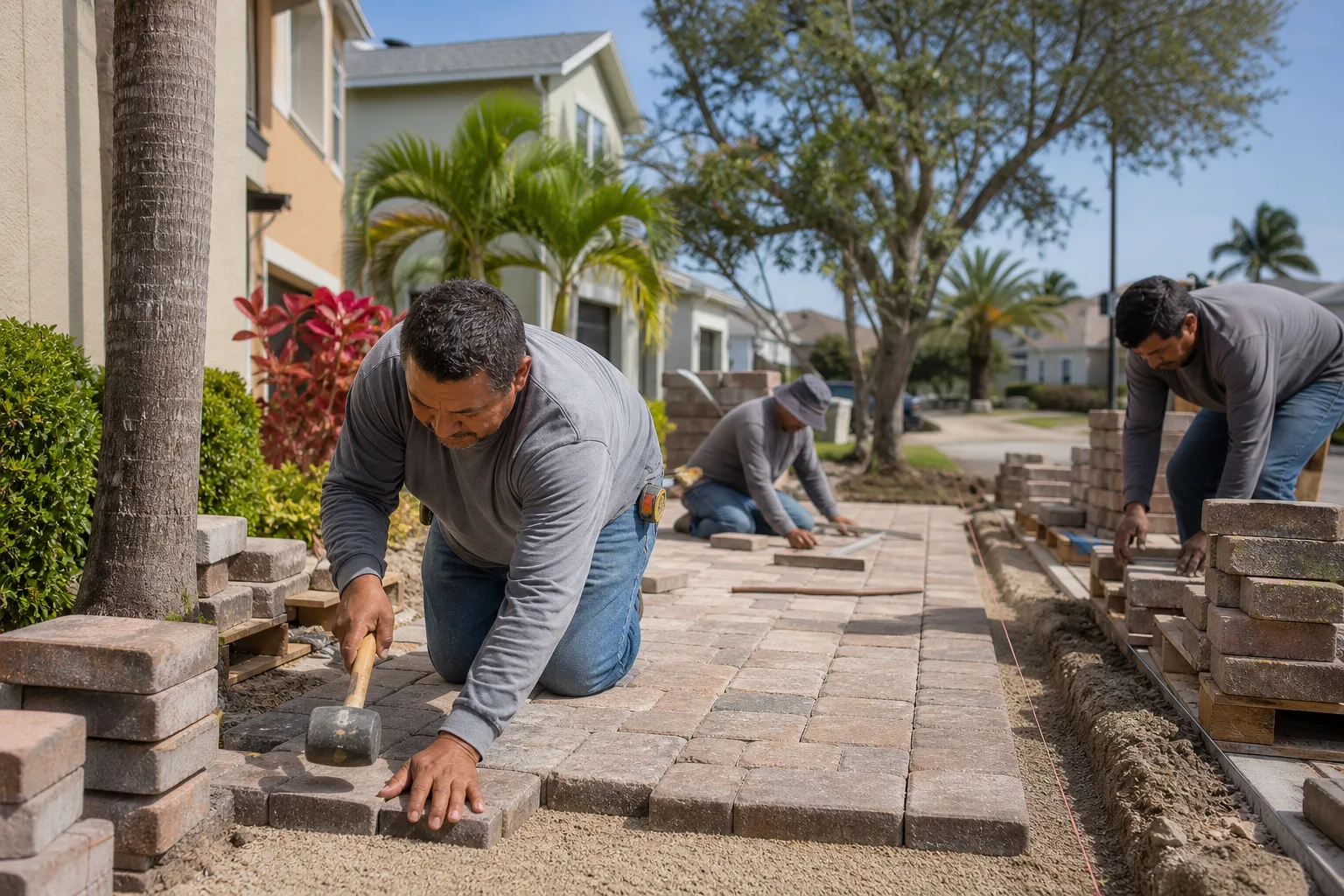
July in Mesquite is the single worst month to seal a driveway. Surface temperatures on unshaded concrete regularly pass 130 degrees by mid-afternoon, and pavement sealers – asphalt-based or acrylic – cure from the top down. When the top cures faster than the layer underneath, the film becomes brittle and hairlines within a few months. Many homeowners find this out the hard way: they pay for a seal job in July, then call back in October when the surface looks chalky and worn.
What summer is actually good for in Mesquite:
- Deep cleaning. A pressure wash in early June, before the worst of the heat, clears out the silt that accumulated over spring. Use a fan tip, not a turbo nozzle, and keep the wand moving – the goal is dislodging dirt, not stripping the surface.
- Weed removal in joints. Joint sand is the passive barrier; weeds take root when the sand thins. Pull them by hand in June and you’ll prevent seed drop that returns in September.
- Drainage correction before the fall rain. If water is pooling at the apron or along the driveway edge, the grading fix should happen in late summer, not after the first fall rain event.
- Oil and stain removal. Concrete driveways in Mesquite take a beating from vehicle fluids. A poultice on fresh oil stains works better on warm pavement than cold, so August is fine for that job.
Skip sealing entirely. Skip heavy pressure washing once temperatures stay above 95 for a full week. And if a contractor shows up in July offering a same-day seal, ask what primer or sealer they’re using – a professional in North Texas knows the summer window doesn’t exist. If you’re comparing driveway materials for a replacement or upgrade during the hot months, our Driveway & Pavers in Mesquite page walks through what performs well in this climate.
The Fall Sealing Window: Why October Beats July
The correct sealing window for a Mesquite driveway is mid-October through the first week of November. You want daytime highs consistently below 85, nighttime lows above 50, and forty-eight hours of dry weather on both sides of the application. That combination shows up most reliably in the last two weeks of October. Push it too late and you risk a cold snap interfering with cure. Push it too early and the heat does what it does in July.
Why sealing matters at all comes down to UV. The Texas sun degrades an unsealed concrete or paver surface faster than almost any other climate zone in the country. The surface paste turns chalky, aggregate starts to expose, and color fades within three to four years. A penetrating sealer on concrete buys you an extra two to three years between resurfacings; a proper paver sealer holds color and keeps joint sand from blowing out. Neither is annual maintenance for most residential driveways. Every two to three years is the right rhythm – sooner on a high-sun exposure with no tree cover, later on a shaded drive.
What professional application typically involves:
- Clean and dry the surface for 24 to 48 hours. Any moisture trapped under sealer becomes a bubble or a whitish bloom.
- Re-sand the joints if needed. Sealing over thin joints locks in a weak point that won’t self-correct.
- Apply in two thin coats, not one heavy coat. Thin coats cure evenly; thick coats trap solvent and wrinkle.
- Stay off the surface for 24 hours, and park on it after 48 to 72. This timing matters more than most product labels admit for Texas heat.
If you’re considering a seal as part of a broader exterior refresh, this is also the season to think about the perimeter. Driveway edges, landscaping borders, and Fence Installation in Mesquite work influence how water moves across the property, and it’s worth planning those improvements together so drainage is resolved once.
Joint Sand Replenishment for Interlocking Pavers
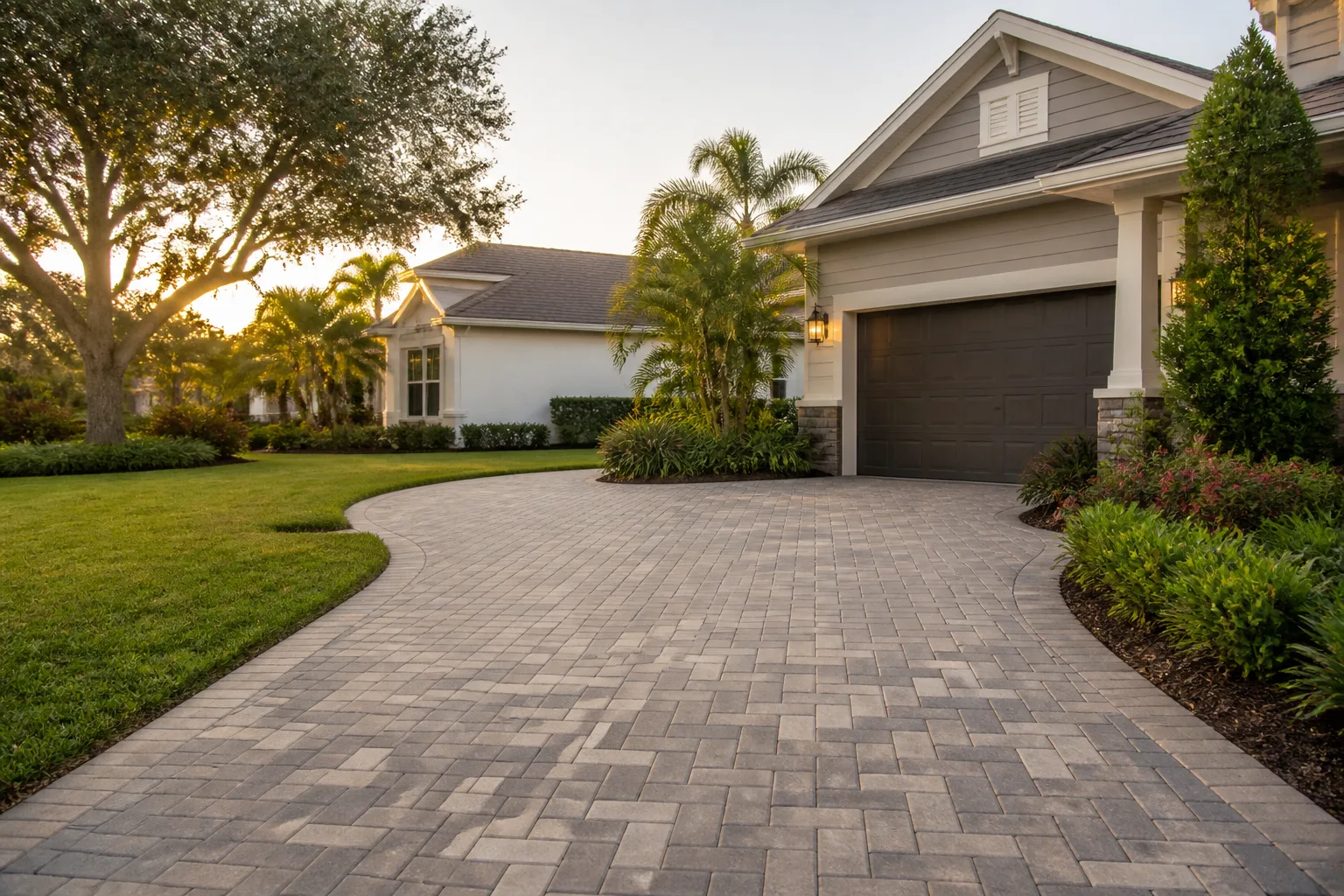
Joint sand is what holds a paver surface together. It’s the friction layer that keeps individual pavers from rocking, and it’s the first thing to go when traffic, rain, and time work on the joints. For a Mesquite residential driveway with two vehicles and normal foot traffic, joint sand typically needs a full replenishment every 18 to 24 months, with spot top-offs every 6 to 8 months – usually in April after the wet season and again in October before you seal. High-traffic entries near the garage apron and any area where tires turn (the driveway mouth, the turn into the garage) drop sand faster, closer to every 12 months for a full re-sand.
What “high-traffic” actually means for a residential driveway:
- Two or more vehicles daily with tire-turning at the top of the drive – plan on 12 to 18 months between full re-sands.
- One vehicle and foot traffic only – 18 to 24 months is a reasonable interval.
- Any driveway in direct full-day sun – UV degrades polymeric sand binder faster, so treat the interval as the shorter end of the range.
- Shaded driveways with tree cover – sand lasts longer, but moss and organic growth become the real issue; plan a spring biocide wash.
Replenishing sand is a job most homeowners can handle with a bag of polymeric joint sand, a broom, and a hose on a low setting. The work is not complicated, but the timing is everything. Sand placed in July won’t cure properly. Sand placed immediately before a rain event washes out. The April and October windows are the right calendar for Mesquite. For anyone considering a full re-leveling or re-laying of the bed, that’s a different job – one that belongs to a crew with proper plate compaction and edge restraint experience, and it’s the kind of work our team handles. Call (888) 426-8078 to schedule a free estimate if you’re unsure whether you need a top-off or a rebuild.
Winter Freeze Events and Dry-Summer Recovery
North Texas winters are mild most years, but the freezes that do arrive – the single-digit events that show up every three to five years – do more damage to driveways than the entire preceding summer. The problem isn’t the sustained cold; it’s the rapid freeze and rapid thaw. Water gets into a paver joint or a concrete micro-crack in the afternoon and freezes solid by 2 a.m. That expansion is roughly 9 percent in volume, and it pries joints open from the inside. When the thaw happens the next morning, the driveway looks fine from a standing height but the damage is already there.
What to do after a hard freeze event in Mesquite:
- Wait until the surface is fully thawed before walking it. Walking on frozen pavers stresses the joints and trap moisture, which accelerates the next freeze.
- Walk the drive within 48 hours of the thaw and photo every joint that has opened. Document before any sand trickles back in.
- Top off joint sand within the next dry window. Loose sand that has migrated should be swept back and, if needed, supplemented. Don’t wait for spring.
- Check the apron at the street. This is the first place that lift or spalling shows after a freeze cycle, and it’s where the damage propagates back toward the house.
After a dry summer stretch – July through September with less than an inch of rain in a month – the clay subgrade shrinks and hairline cracks open around paver perimeters. We see this repeatedly on driveways in the Mesquite neighborhoods east of Belt Line Road, where sun exposure is high and tree canopy is thin. The fix is usually straightforward: water the driveway perimeter lightly once a week during dry spells to slow the shrinkage and prevent cracks from widening before the fall rain returns.
Annual Tasks You Can Do in Under Two Hours
Most of what actually extends the life of a Mesquite driveway doesn’t require a contractor. It requires a Saturday morning, a broom, a hose, and the right season. Here are the annual tasks that fit in a two-hour window and measurably add years to the surface:
- April: walk the perimeter and top off joint sand. (45 minutes) This single task prevents most of the winter damage that shows up in the following January.
- May and October: clear weeds and organic growth from joints and edges. (20 minutes each) Roots break joint sand open and hold moisture against the paver edge.
- June: pressure wash the surface with a fan tip. (60 to 90 minutes) Removes spring silt before summer heat bonds it to the surface.
- September: clean out leaf litter and check the low side of the drive for any pooling. (30 minutes) Late-summer drainage checks catch grade failures before the fall rain.
- October: replace any missing edge restraint or re-seat lifted edging. (varies, typically under an hour for small areas) Edge failure is the leading cause of paver migration on the outer row.
Add up the time: roughly three hours of hands-on work across the full year, spread across five visits. That’s the discipline. Nothing on that list is complicated. What makes a difference is doing each one in the right month, which is the specific angle most driveway maintenance guides skip – the ones written for Phoenix or Atlanta don’t account for Mesquite’s clay, and the ones written for cold climates assume a winter your driveway will never see.
When the Schedule Points to Professional Repair
Not everything on a maintenance calendar is a homeowner task. Some signals mean the driveway has moved past routine care and into structural work. When you find any of the following, it’s time to bring in a crew:
- Pavers rocking by more than a quarter inch underfoot anywhere other than one isolated spot.
- A crack in the concrete slab wider than an eighth of an inch, or any step in the surface where one side sits higher than the other.
- Water pooling at the apron for more than 24 hours after rain – this points to a subgrade or grading failure, not a surface issue.
- Visible settlement under the garage slab transition, where the paver surface dips below the concrete edge.
- Repeated joint sand loss within 6 months after a proper re-sand – usually means the sand is being scoured out by water flowing underneath, not just traffic.
- Any hairline crack that has migrated into a border paver or the edge restraint. Edge failure spreads fast once it begins.
Mesquite’s clay soils make under-grade moisture a real issue, and some of the failures we see at driveways across the area are actually drainage problems that started at the roof, the fence line, or the grade around an Home Additions & ADU in Mesquite project. Getting the whole envelope right – roof drainage, grading, hardscape, and perimeter structures – is why we do these jobs as one coordinated scope rather than four separate visits.
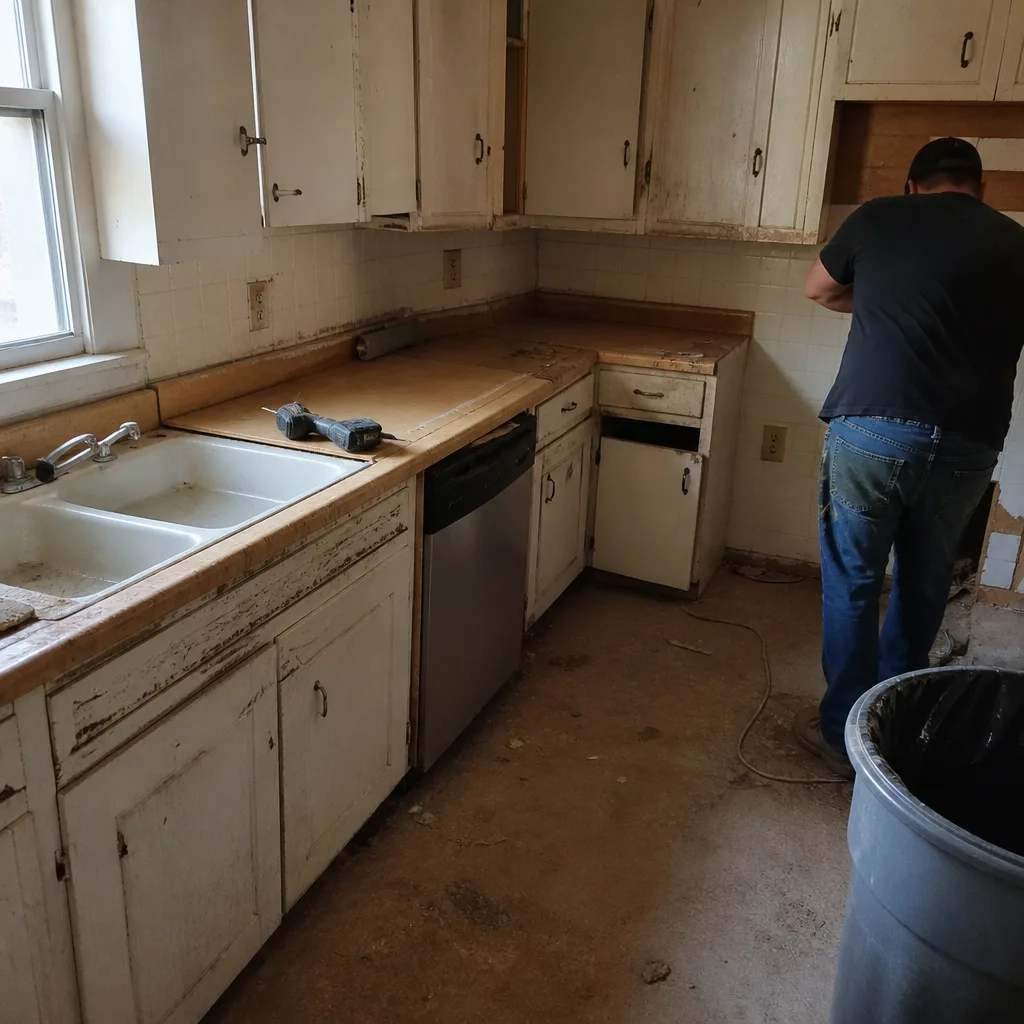
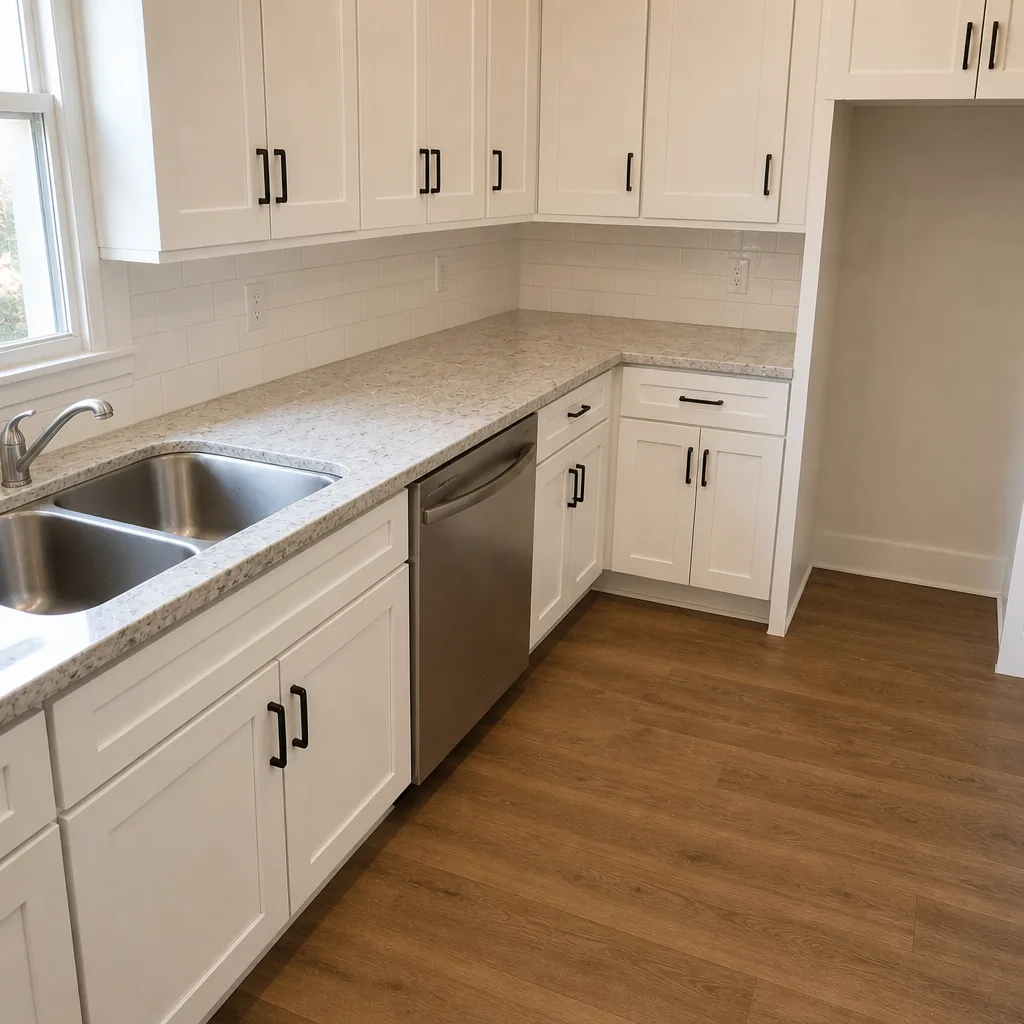
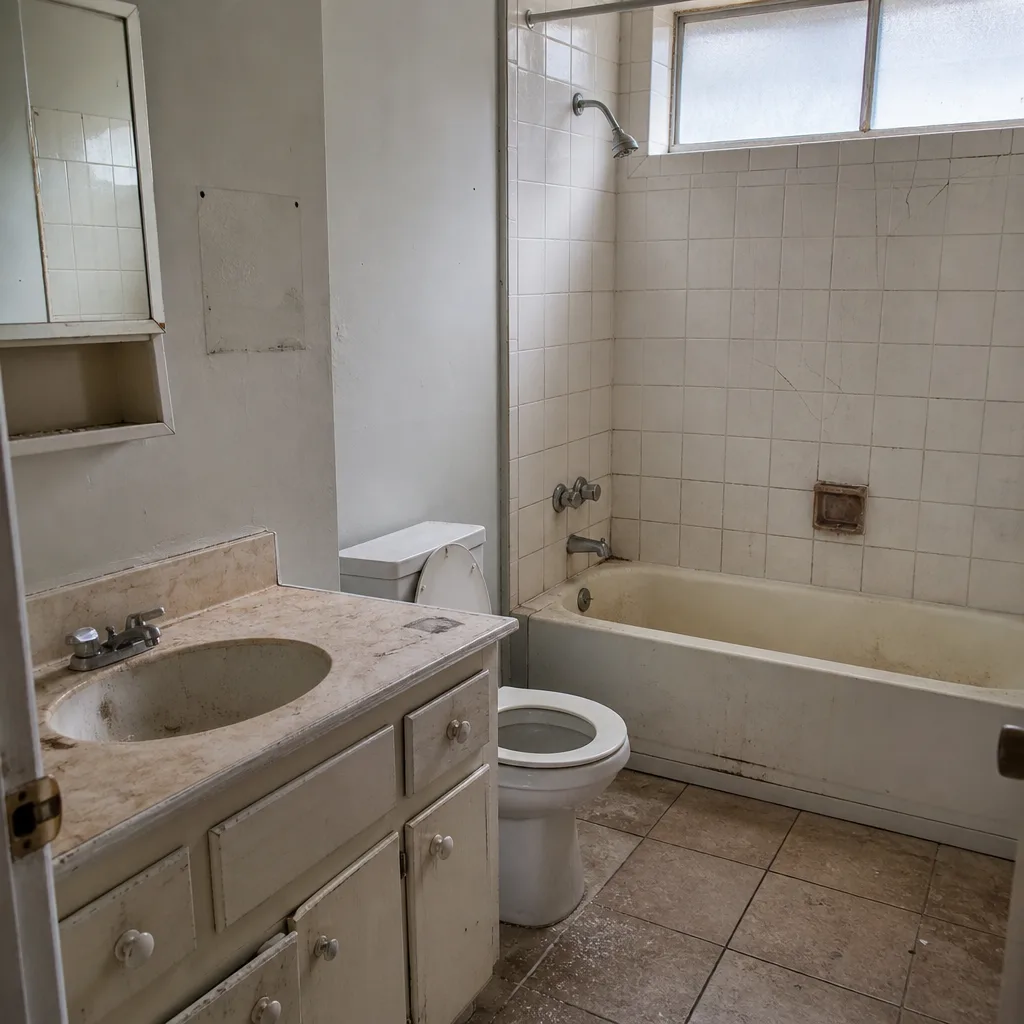
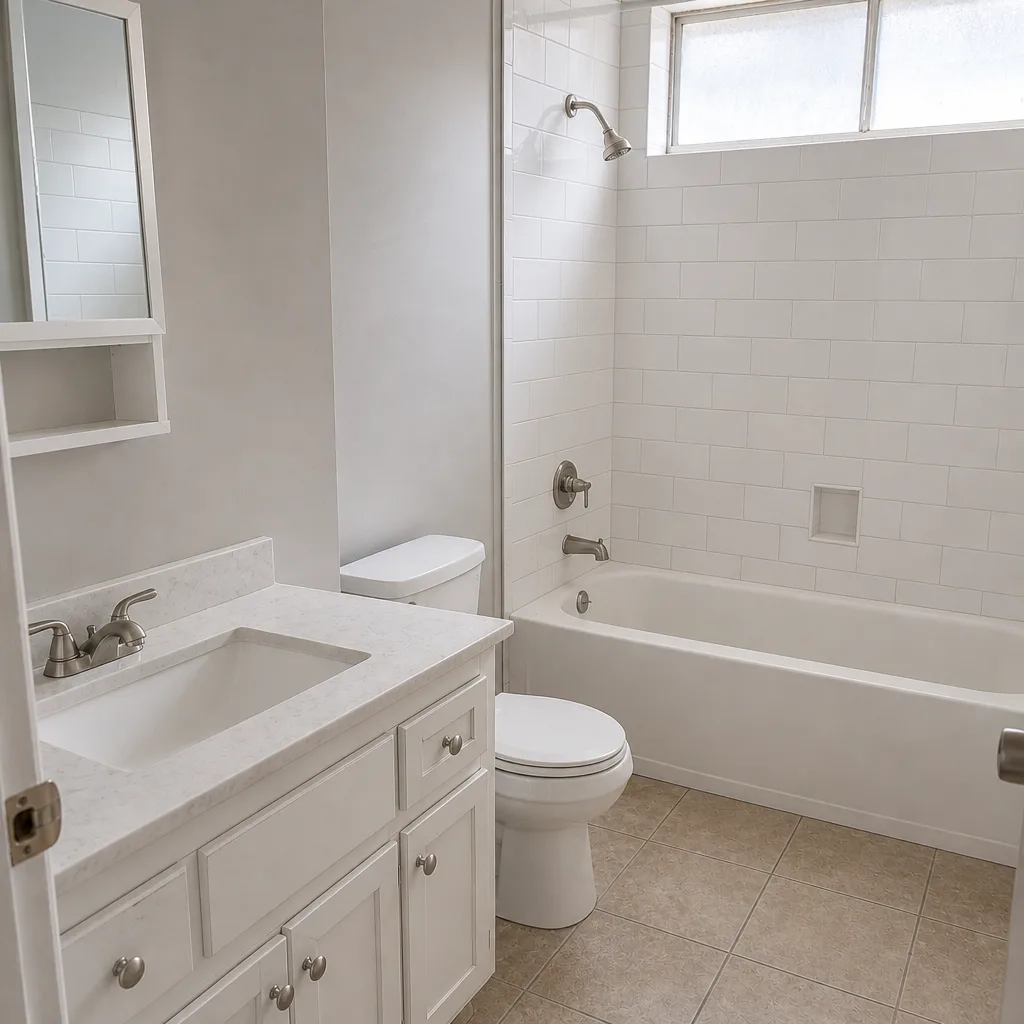
See the difference
 Before
 After
 Before
 After
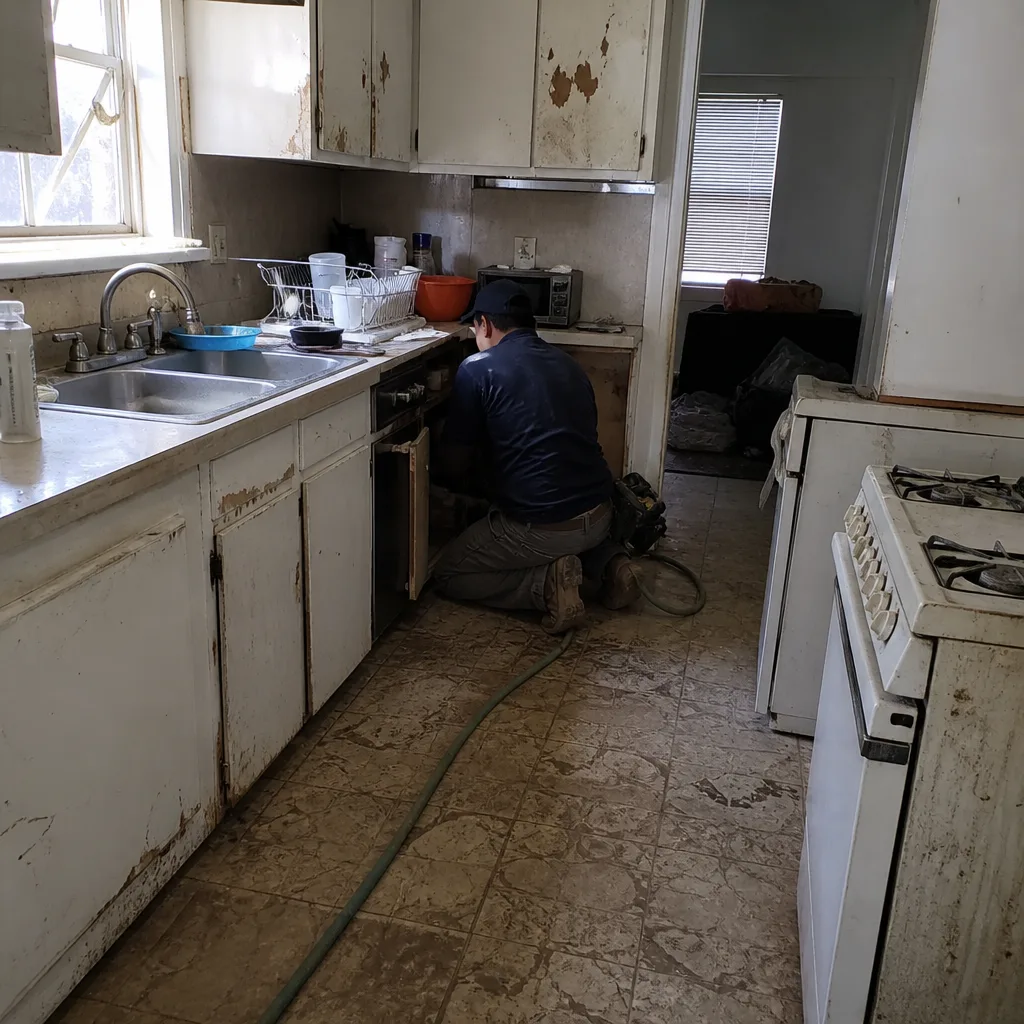 Before
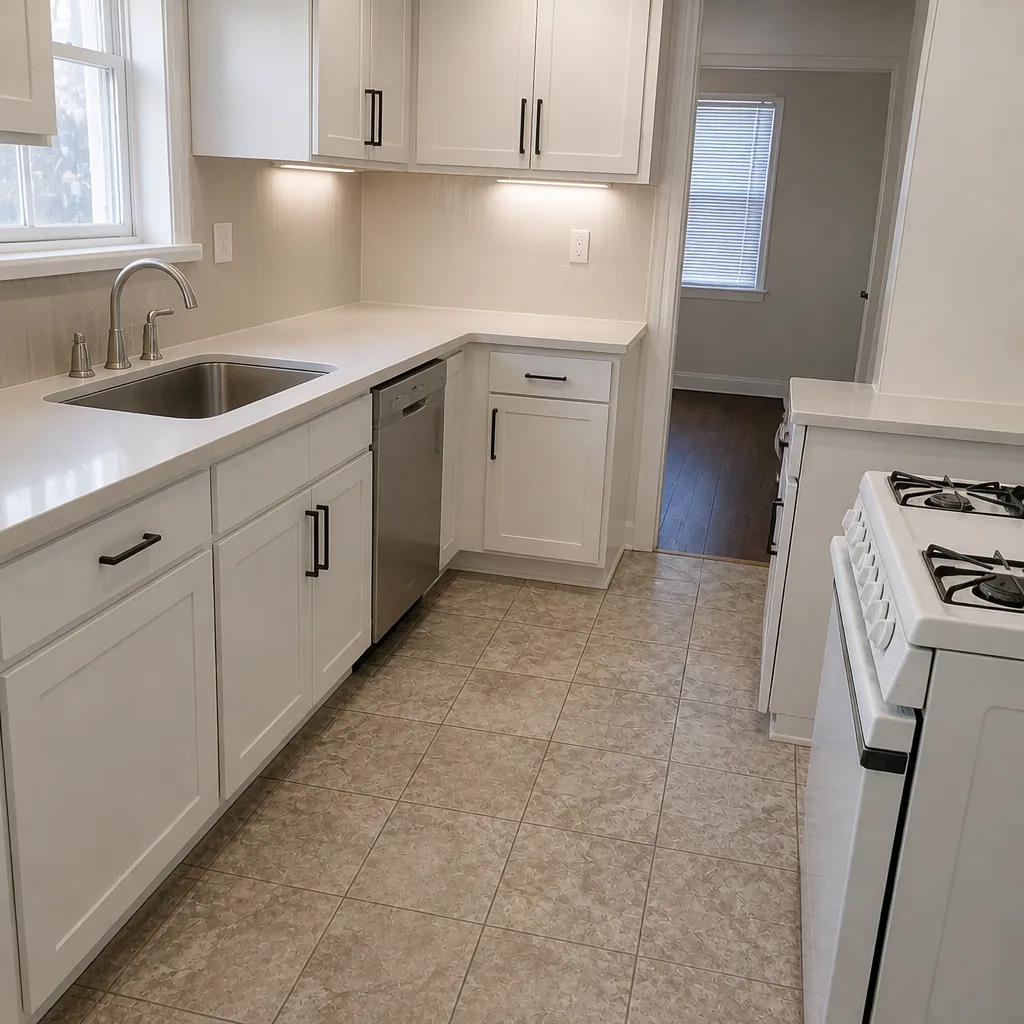 After
Common Mistakes to Avoid
- Sealing in July or August. Summer heat in Mesquite ruins most sealers before they cure. Wait for the October window, or skip the year entirely.
- Re-sanding joints without reassessing the edge restraint. New sand over a loose edge is a temporary cosmetic fix that washes out within two rain events.
- Pressure washing with a turbo nozzle. It etches concrete and blasts polymeric sand out of paver joints in seconds. Use a fan tip and keep the wand moving.
- Ignoring the first hairline crack after a freeze. Every crack propagates. A crack that gets sealed in January is a $50 fix; the same crack in the following September is a $900 grade repair.
- Letting the driveway go three or four years without a re-seal in full sun. UV damage compounds. By the time chalky surface and color fade are obvious, you’re behind by a season.
- Watering the entire driveway during dry spells. Only the perimeter needs moisture during clay shrinkage. Overwatering the paver surface pushes sand out faster.
- Skipping the April inspection because the driveway “looks fine.” Most of the damage we find in August was visible in April and ignored.
When to Call a Professional

The right line between “maintenance” and “repair” isn’t always obvious from the driveway surface. When a paver joint looks thin, it may be a bag-of-sand fix or it may be an indication that the base layer underneath has settled. When a concrete crack opens, it may be a simple seal or it may be the beginning of a slab issue. Those calls are worth a professional’s eyes, and the cost of getting it wrong is measured in thousands, not hundreds.
We take the guessing out of that. Groundwork Construction Co. of Mesquite offers free estimates across Mesquite – and we arrive with background-checked, uniformed technicians who can tell you what’s actually wrong instead of what’s nearby. Every driveway and paver job we complete is covered by our 730-Day Done Right Promise: if it’s not done right, we make it right. Calls are answered by a live person, 24/7. Call (888) 426-8078 to schedule a free estimate.
Frequently Asked Questions
Every two to three years, applied in mid-October through the first week of November. Sealing in July or August is the most common mistake we see – the surface is too hot for the sealer to cure evenly, and the result is a brittle shell that hairlines within a season. If your driveway is heavily shaded and doesn’t see full-day sun, you can stretch the interval toward three years. If it’s full exposure with no tree cover, stay closer to two.
April and October are the two right months, with April being the better window for a full re-sand. April lands right after the wet season, so you can see what the clay movement has actually done before you commit to a top-off or a rebuild. October works as a second pass and gets the sand locked in before the winter freeze events.
Yes, and more than homeowners expect, because the freezes here are short and sharp rather than sustained. The rapid thaw-freeze cycle drives water into joints and cracks, and the 9 percent expansion of that trapped water does the actual damage. After any hard freeze event, walk the drive within 48 hours of the thaw, photograph every opened joint, and top off joint sand within the next dry window rather than waiting for spring.
Yes, with the right setup. Use a fan tip, keep the wand moving, and stay under 2,500 PSI on concrete. Avoid turbo nozzles entirely – they etch the surface and blast polymeric sand out of paver joints. On pavers, work at low pressure and sweep joint sand back into place afterward. The best month for a deep wash in Mesquite is early June, before the summer heat bonds silt to the surface.
Every 18 to 24 months for a full replenishment on a typical Mesquite residential driveway, with spot top-offs at 6 to 8 months. High-traffic entries – any area with tire turning at the driveway mouth or the garage transition – need closer to every 12 months for a full re-sand. Direct-sun exposure shortens the interval because UV degrades the polymeric binder sooner.
Pavers rocking more than a quarter inch underfoot, concrete cracks wider than an eighth of an inch, water pooling at the apron for more than 24 hours after rain, and repeated sand loss within six months of a proper re-sand are all signs that the problem is below the surface. Any one of those is worth a professional assessment. Call (888) 426-8078 – Groundwork offers free estimates in Mesquite, and our technicians can say plainly whether it’s a $200 fix or a $4,000 rebuild before anything is touched.
The Bottom Line

A Mesquite driveway protected with the right maintenance in the right months will outlast one that receives the same care on a Phoenix or Atlanta calendar – usually by several years, sometimes by a decade. The schedule is simple: April inspection and joint sand, June cleaning, October sealing, and a winter walk-through within 48 hours of any hard freeze. Two to three hours of hands-on work across the year, and a professional call the moment any rocking, cracking, or pooling shows up.
When you’re ready to hand off the work that matters, our team at Groundwork Construction Co. of Mesquite has the experience to get it right the first time – backed in writing with the 730-Day Done Right Promise. Call (888) 426-8078 for a free estimate. Live person, every call.
Written by the team at Groundwork Construction Co. of Mesquite.