Last updated November 17, 2026
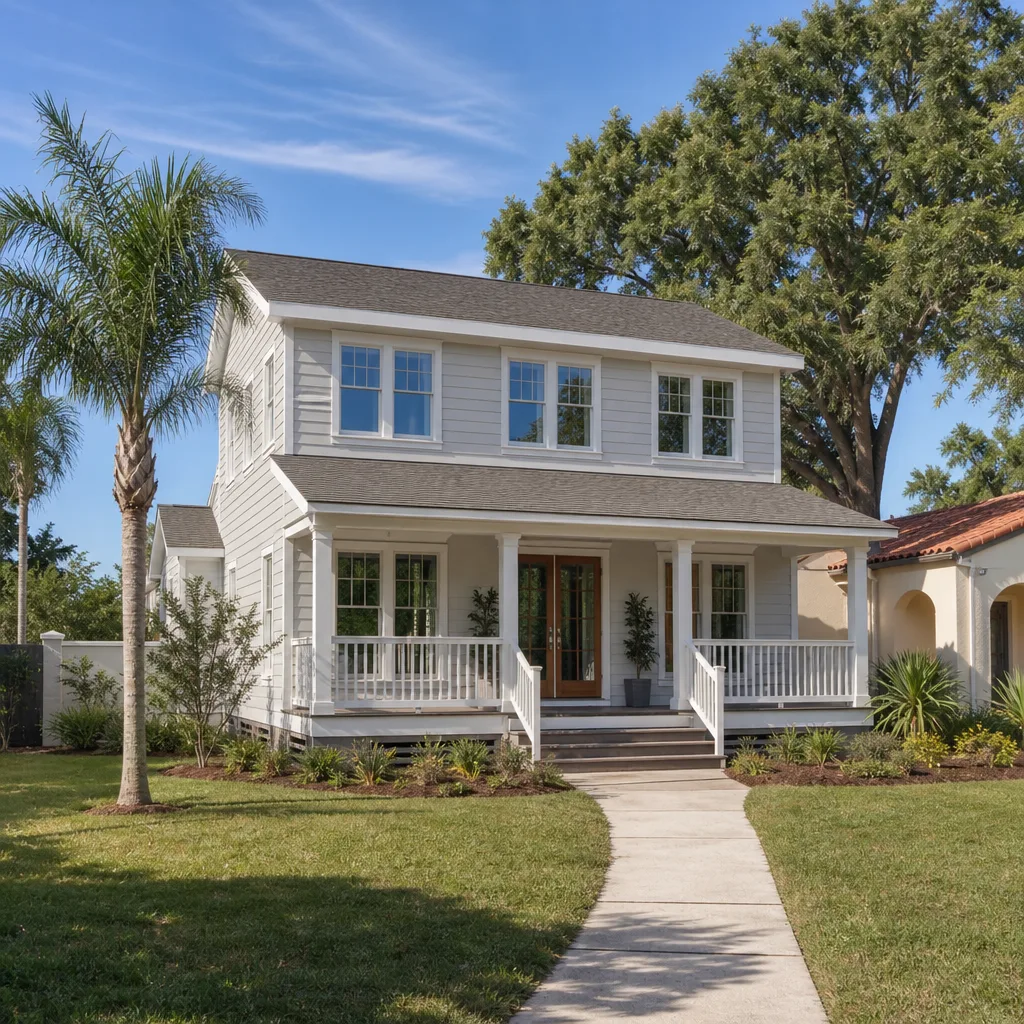

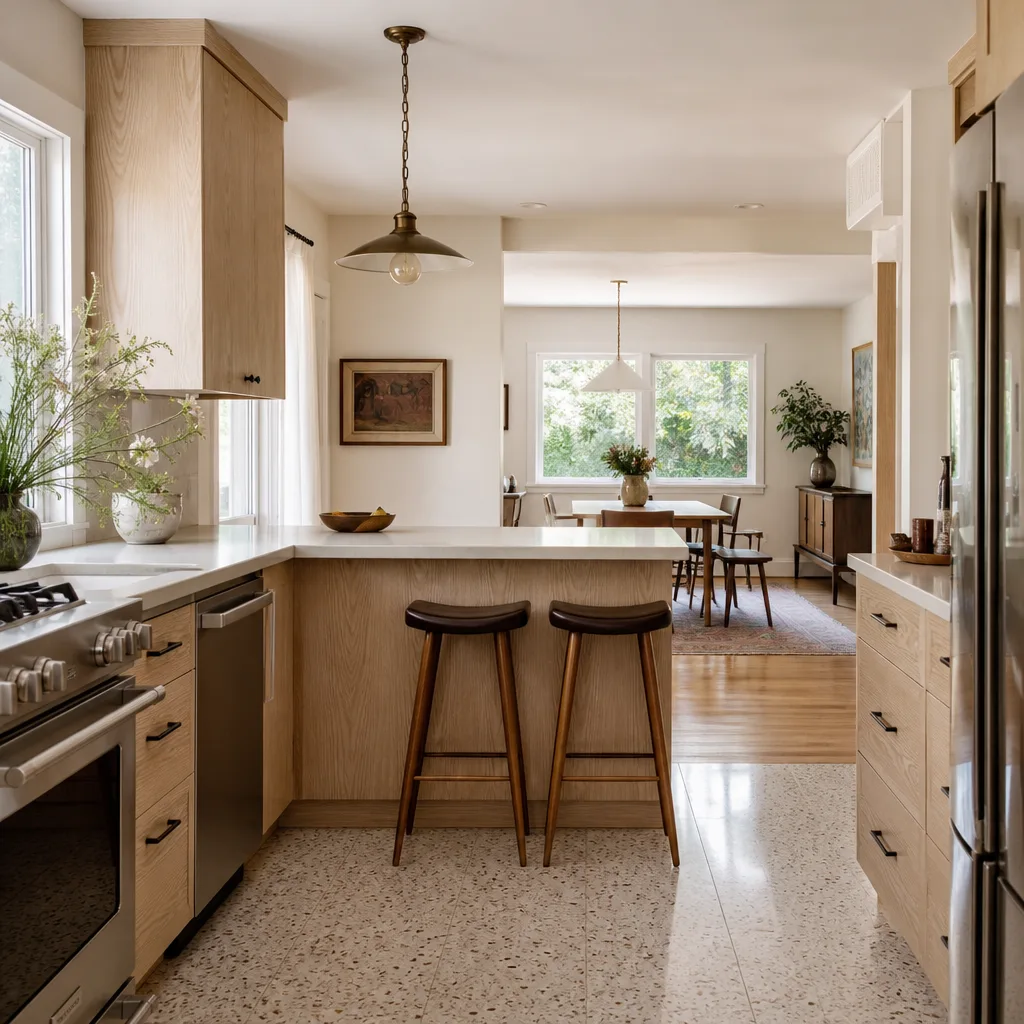
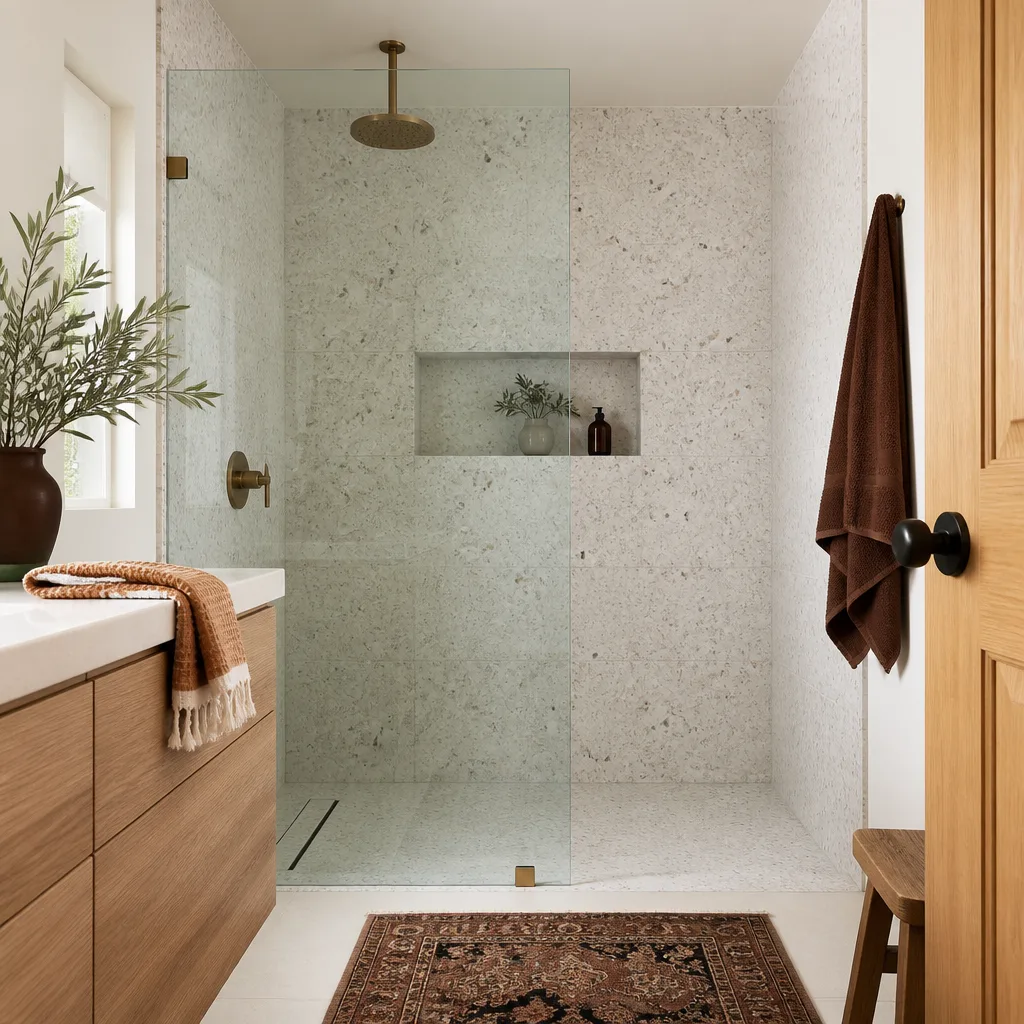


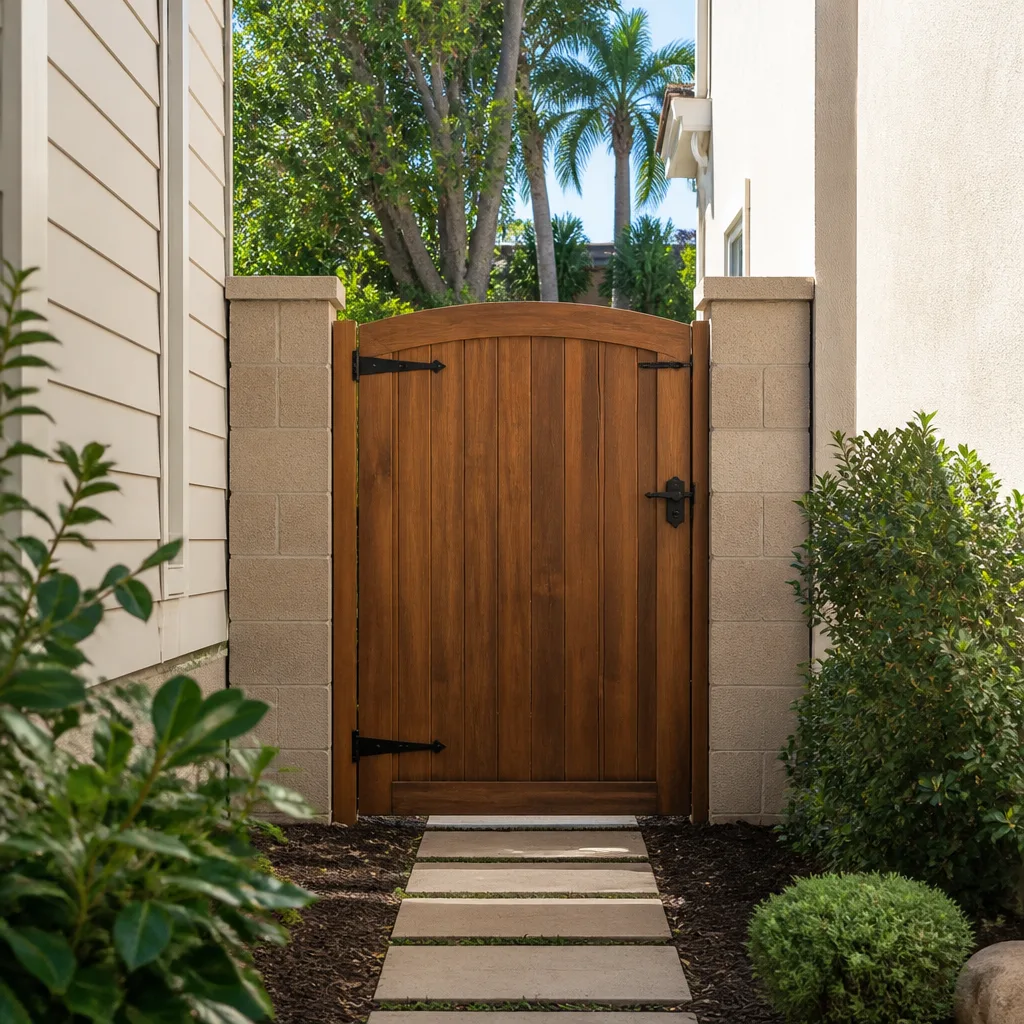
Free written scope consultation - allowances, timeline, and change-order rules on paper before a single trade is scheduled
DIY vs Professional Home Additions & ADU: What’s Safe to Do Yourself
In Texas, a homeowner can legally pull their own residential building permit. That single fact convinces a lot of people they can also build the addition themselves. Here’s the part that doesn’t make the flyer: doing the structural, electrical, or plumbing work yourself on an addition can create a disclosure obligation that follows the property forever, every time you sell. Cities like Mesquite collect permit fees and inspection results, and those records are public long after the paint dries. This guide walks through what Texas law and Mesquite code actually allow you to self-perform, where insurance and lending get involved, and how to save real money with a hybrid approach that keeps the risky work in licensed hands.
Quick Answer
You can legally pull your own residential permit in Mesquite and self-perform finish work like painting, flooring, trim, and landscaping. You cannot safely or legally self-perform structural, electrical, plumbing, or gas work on an addition or ADU, and doing so can void insurance coverage, complicate a future sale, and force costly tear-out after a failed inspection. The safe DIY line runs through cosmetic scopes, not the building’s skeleton or its mechanical systems.
Styles & brands we work with
- Kitchen remodeling
- Bathroom remodeling
- Home additions & ADU
- Roofing
- Windows & doors
- Driveway & pavers
- Fence
Table of Contents
- What Texas Law and Mesquite Code Actually Allow Homeowners to Do
- How Owner-Performed Work Affects Insurance, Lenders, and Your Future Sale
- The Genuinely DIY-Safe Scope: Tasks That Won’t Trigger Inspections
- The Real Cost of DIY Mistakes on Structural and Mechanical Work
- ADUs in Mesquite: Rules You Can’t DIY Around
- The Hybrid Approach: Hiring Out the Shell, Doing the Finish Work
- Permits and Inspections Step by Step
- Paying for It: What DIY Savings Actually Look Like
What Texas Law and Mesquite Code Actually Allow Homeowners to Do
Texas doesn’t require a general contractor license at the state level for residential construction. That lack of a statewide GC license gets misread as “anyone can build anything.” It doesn’t work that way. Trades are licensed separately, and the work itself is regulated through the city permitting process regardless of who holds a hammer.
Mesquite follows standard Texas municipal practice: a homeowner may apply for and hold a residential building permit for work on the home they occupy. The city reviews plans, inspects at defined stages, and signs off at the end. That much is homeowner-friendly. What the permit doesn’t do is exempt you from trade licensing requirements or from the technical standards the inspection will enforce.
Here’s the practical split we see in Mesquite every week:
- You can do: apply for the permit, coordinate inspections, paint, install interior trim, lay certain flooring, build non-structural shelving, do landscaping and flatwork layout planning, and handle design and product selection.
- A licensed trade must do: electrical rough-in and final, plumbing rough-in and final, gas piping, HVAC installation and ductwork, and any structural work that requires an engineer’s seal on the plans.
- Gray zone: framing. Texas doesn’t license framers as a trade, but an addition fails its framing inspection for reasons an untrained builder won’t anticipate, and structural mistakes are the costliest to reverse.
Building an ADU sharpens every one of these lines. When you’re ready to cut through the permit maze, our Home Additions & ADU in Mesquite service handles the full-scope path from drawings to final inspection.
Why the Permit Belongs to the Property, Not to You
A permit record lives with the address. The inspection history for your addition travels with the house through every title search and every buyer’s due diligence. If an inspection failed and was never corrected, or if work was done without a permit at all, that shows up on a records pull and becomes a negotiating chip against you, sometimes a five-figure one. The city doesn’t care that you were the one swinging the hammer; the next owner inherits the problem.
How Owner-Performed Work Affects Insurance, Lenders, and Your Future Sale
This is the part of the DIY conversation almost no guide addresses, and it’s the part that costs the most. Your homeowner’s policy was written based on the home as described in its underwriting file. Adding square footage doesn’t automatically extend coverage, and owner-built work raises a question the carrier will ask after a loss: was this constructed to code by a qualified party?
Two documents matter more than anything else in a dispute:
- The certificate of occupancy or final inspection sign-off. A closed permit with passed inspections is your proof the work met code at a specific moment in time.
- Receipts and contracts from licensed trades. Lenders and insurers ask for them. A paid invoice from a licensed electrician does more than any verbal assurance.
Carriers commonly exclude or limit coverage on work that was never permitted or that was self-performed outside code. Some ask specifically whether an owner did structural or mechanical work during a claim investigation, and a “yes” there starts a fight nobody wants. The lender side shows up at refinance or sale: an appraiser sees unpermitted square footage, marks it differently, and the transaction stalls until it’s permitted retroactively or priced down.
In Mesquite, where a large share of housing stock was built in the 1970s and 1980s, additions done without records are common enough that inspectors and realtors know to look. Our crews have walked into dozen-year-old unpermitted ADU conversions that were functionally well built but useless at appraisal time because the paper trail didn’t exist. If you’re remodeling or expanding and want the documentation trail to survive a claim, our Groundwork Construction Co. of Mesquite home page covers the full scope of what we handle.
What Insurers and Lenders Typically Ask For
- Permit number and final inspection date for the addition
- Signed contracts or invoices from licensed electrical, plumbing, and HVAC contractors
- Drawings stamped by a Texas-registered engineer where structural changes are involved
- An updated insurance valuation reflecting the new square footage
- For ADUs: a recorded certificate of occupancy before an appraiser will count it
Gather these before you need them. A folder of documents costs nothing and saves thousands.
The Genuinely DIY-Safe Scope: Tasks That Won’t Trigger Inspections
Here’s the good news, and it’s real: you can save meaningful money on finish work and stay entirely clear of inspection exposure. Cosmetic scope doesn’t require a permit, doesn’t require a licensed trade, and doesn’t complicate insurance. It also doesn’t live at the mercy of an inspection schedule, which matters more than most people expect: a finish job you can do on your own schedule is genuinely yours.
What actually falls in this category:
- Interior and exterior painting. The single highest ROI finish task, and one where patience beats credential.
- Interior trim, baseboards, and door casing. Cosmetic, reversible, and forgiving of first-time mistakes if you learn on a closet.
- Flooring installation where it’s not over a subfloor you have to alter. Floating floors and luxury vinyl plank go down cleanly on a sound, inspected subfloor without touching a permit.
- Cabinet hardware, light switch covers, and fixtures that plug in. Swap the vanity mirror; don’t move the vanity.
- Landscaping, sod, and planting beds. Use your materials budget where it shows. Belgard and Tremron pavers make a clean edge for a backyard patio, and good landscape lighting makes a finish too.
- Interior design and product selection. Pick the fixtures, the tile, the paint colors. This is real work and you should absolutely own it.
What doesn’t fall in this category, even though it looks easy: anything that touches a wire inside a wall, a pipe, gas, the structural frame, or the roof’s envelope. Those aren’t skill tests. They’re permit and liability areas, and they’re where the hybrid approach below does its work.
The Real Cost of DIY Mistakes on Structural and Mechanical Work
We don’t want to scare you into a contract; we want you to price the mistake before you take the risk. Here’s the honest ROI math. Most homeowner-saved-labor stories on additions go wrong in the same four places, and the correction costs are predictable enough to budget for.
- Framing that fails inspection. Getting framing to pass typically means a re-inspection cycle: demo the problem section, re-frame, reschedule at the city’s next available slot. In Mesquite that can be a two to three week derailment on top of the correction. Corrections that touch load paths commonly run $3,200 to $8,500 when you factor in design review, labor, and the inspection redo.
- Improperly blocked structural openings. Cutting a header that’s undersized or unaddressed by an engineer typically comes back as a $4,000 to $12,000 rebuild once the wall is finished. There’s no retrofit that keeps the existing finish intact.
- Electrical work that fails final inspection. Rework of an unpermitted or failed rough-in commonly lands between $2,500 and $7,000 for the electrical contractor to open, correct, and reclose the walls.
- Plumbing leaks in a finished wall. Water moves. A slow supply-line leak behind a tiled shower finds drywall, subfloor, and framing. Insurance frequently declines to cover it if the work was unpermitted, and the repair commonly lands between $6,000 and $20,000.
Compared to the labor you’d save doing any one of those trades yourself (usually $4,000 to $15,000 on a small addition), the math flips fast. In our experience the savings that hold up are in finish work, where a competent homeowner saves real money without a permit downside. Our technicians have up to 12 years of experience, and none of them will tell you the framing inspection is where you should learn.
Permitting Isn’t the Only Cost: Storm Exposure
Mesquite sits in a hail and high-wind corridor. Every year we see roof and exterior damage claims where the insurer asks specifically about the construction of the addition under inspection. Owner-built structural work that wasn’t reviewed by an engineer is the fastest way to turn a covered storm loss into a contested claim. The permanent record a closed permit leaves is what protects you when the storm comes.
ADUs in Mesquite: Rules You Can’t DIY Around
An accessory dwelling unit is the most code-sensitive project a homeowner can take on, because it changes the use of the property, not just its footprint. You can self-perform finish work on an ADU; you cannot self-perform your way past the rules that determine whether it’s legal at all.
What an ADU requires regardless of who builds it:
- Zoned and setback compliance for the lot
- A separate electrical service or properly sized subpanel, done by a licensed electrician
- Independent plumbing and, in most cases, a separate gas service, done by licensed trades
- A sealed structural design if any part of the unit is new construction
- A certificate of occupancy before anyone lives in it or rents it
The reason DIY scopes fail ADUs isn’t competence; it’s that an ADU touches every regulated system in one small footprint, with no room for a workaround. The whole point of a legally recorded certificate of occupancy is that it survives a sale and supports appraisal, which is the value of the project in the first place. If you’re considering one, that’s a conversation worth having early: our team specializes in the full-scope path for Home Additions & ADU in Mesquite and can lay out the permit sequence before you spend a dollar.
The Hybrid Approach: Hiring Out the Shell, Doing the Finish Work
This is the strategy we recommend most often, and it’s where the savings are truly yours to keep. You build the addition in two layers: the shell and the systems go to licensed trades under one accountable contractor, and the finish layer stays yours. You get the code-compliant structure with a paper trail that protects the property, and you still save money on the labor that doesn’t need a license.
Numbered, the hybrid sequence looks like this:
- Design and engineering. Have the plan drawn and any structural elements sealed by a Texas-registered engineer. This is the step that makes the rest of the inspections pass on the first try.
- Permitting. Pull the permit and pre-schedule the inspection milestones so there are no dark weeks waiting on the city.
- Shell construction. Foundation, framing, roof, and exterior envelope go to licensed, insured trades. Our 730-Day Done Right Promise covers that work so an exterior wall doesn’t become a warranty fight.
- Licensed rough-in and final. Electrical, plumbing, HVAC, and gas are done by licensed trades and inspected at rough and final stages.
- Handoff of the finish scope. The shell is closed, the systems are signed off, and the finish is yours: paint, trim, flooring, fixtures.
- Project walkthrough and close-out. Final inspection, certificate of occupancy issued, and your documentation folder is complete.
The hybrid doesn’t work if the finish scope is treated as an afterthought. Painting and flooring need a climate-controlled, dry, finished shell, and the shell needs to be done on schedule. Book them in the correct order and you’ll find finish work is the easiest labor you’ll ever save.
For finishes adjacent to the addition, the exterior edges matter too. Our Fence Installation in Mesquite and Driveway & Pavers in Mesquite crews line up the lot with the new footprint so the whole property reads as one project. Families often pair an addition with an exterior upgrade using brands like Belgard and Unilock, which carry their own warranty through the manufacturer if something goes wrong years down the road.
Permits and Inspections Step by Step
The permit process is more predictable than it feels, once you know the sequence. Here’s the typical path for a Mesquite addition, from application to certificate of occupancy.
- Assemble the submittal. Site plan, floor plan, elevations, structural drawings where applicable, and your contractor or trade licenses.
- Submit and track review. Plan reviewers may return comments; resolve them in writing with the drawings, not verbally.
- Rough-in inspection. Framing, electrical, plumbing, and mechanical rough-ins are inspected before walls close. This is the single most important inspection milestone.
- Insulation and drywall inspection. After rough-in passes, before you can move to finish work.
- Final inspections. Each trade final is inspected separately, then the building department issues its final.
- Certificate of occupancy. For an ADU, this is the document that makes the unit legal and appraisable.
In Mesquite, the biggest schedule risk isn’t the work; it’s the gap between phases while you wait for the next available inspection slot. Pre-scheduling every milestone at the start compresses the build and saves weeks. That’s a coordination job, and it’s one reason homeowners using the hybrid approach typically hand it to a contractor even when they’re doing the finish themselves.
Paying for It: What DIY Savings Actually Look Like
The honest math: DIY finish work on an addition commonly saves 10 to 25 percent of total project cost, depending on the finish level. That’s real money. It’s a figure worth knowing when you’re planning, because it tells you where to invest your own hours and where the savings are eaten by risk.
For the shell and system portions you’re not doing yourself, the financing question matters. A full-scope contractor who offers upfront pricing and 0% financing for 18 months lets you move forward without a bridge loan, and a $1,000 off projects over $10,000 promotion applies to the work you’re not doing yourself. We publish these as standing offers rather than negotiating them project by project, and a free estimate with a line-item quote is the starting point. The thing to avoid is a vague bid you can’t budget from: our pricing is fixed at contract stage so what you sign is what you pay. For driveway, paver, or fence scope that often accompanies an addition, permits and inspections are typically pulled on your behalf and drawn into the same timeline.
Book the free estimate early. The best time to find out what an addition really costs in Mesquite is before you commit a Saturday to the demo you’ll regret.
Common Mistakes to Avoid
- Assuming the Texas lack of a statewide GC license lets you do trade work. It doesn’t. The trade work is regulated through licensing, and the permit inspections enforce it regardless.
- Building the addition without permitting it, “just for now.” The records catch up at your sale, and the retroactive permit almost always runs more than the original would have.
- Calling in the insurer after the damage, without the permit record. The claim is already decided by the time you make the call.
- Treating an ADU’s separate service and certificate of occupancy as paperwork. They’re the entire legal value of the unit.
- Letting the contractor hand you a bid with no line items. You can’t compare the shell scope and the finish scope if the numbers aren’t separated.
- Ordering finish materials before the shell is dry. Mesquite’s spring humidity finds a protected slab, and flooring laid too early will telegraph every flaw.
- Doing your own electrical because a YouTube video looked easy. Rough-in failures are the most common correction we’re called in to fix, and they’re expensive because they’re behind finished walls.
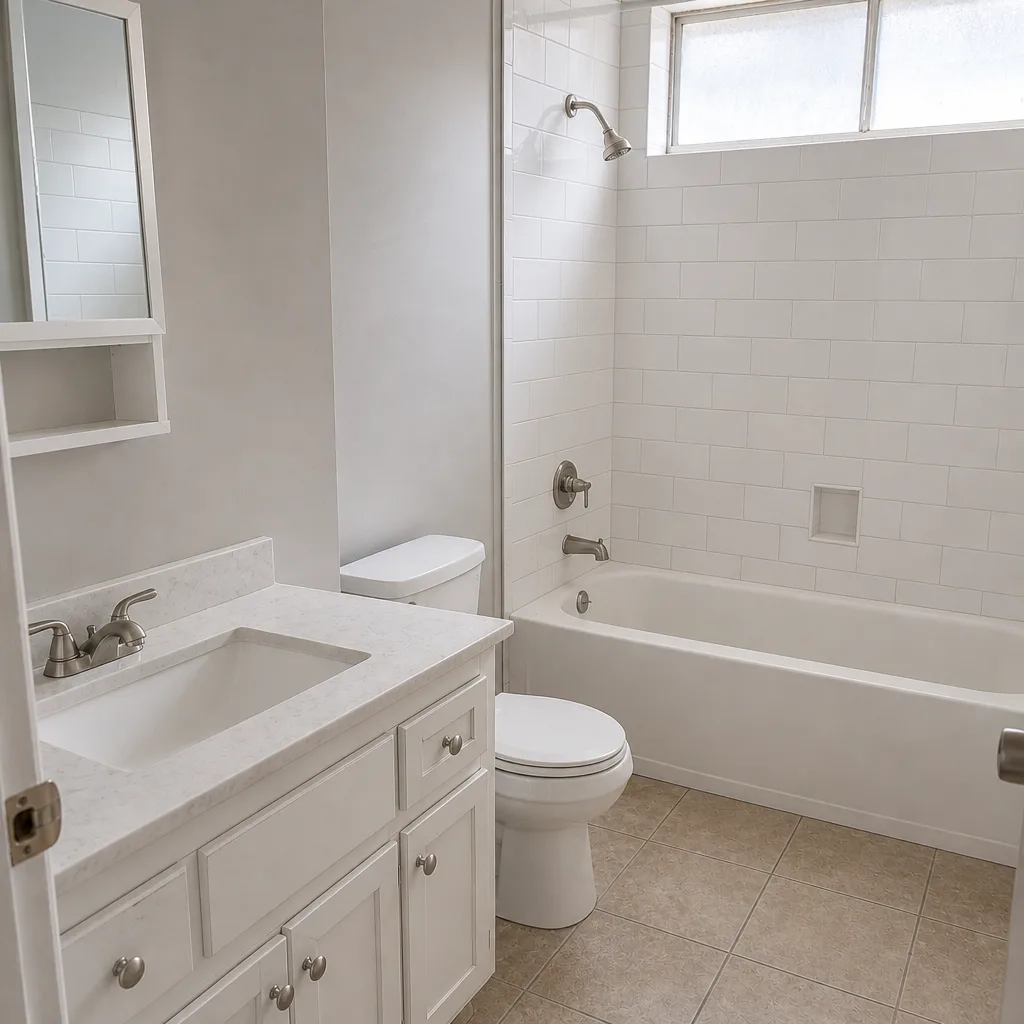
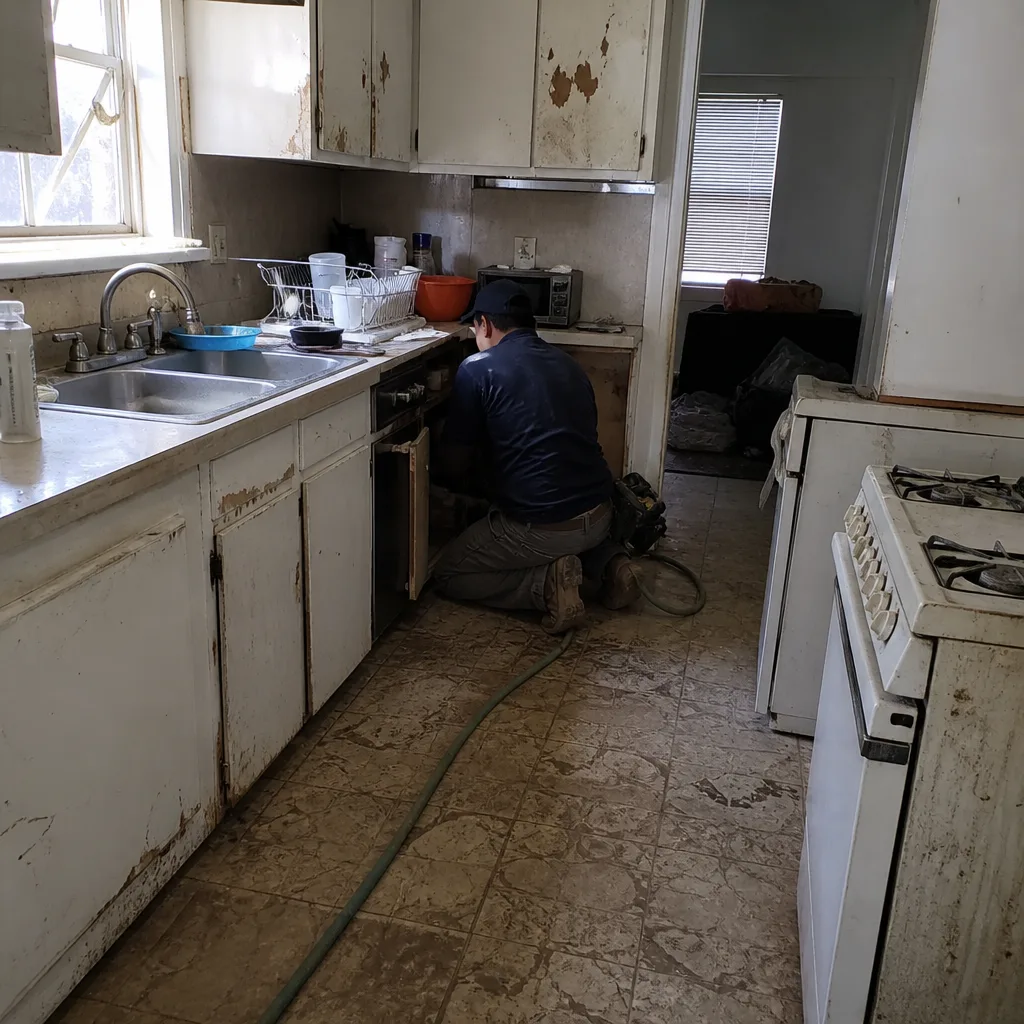
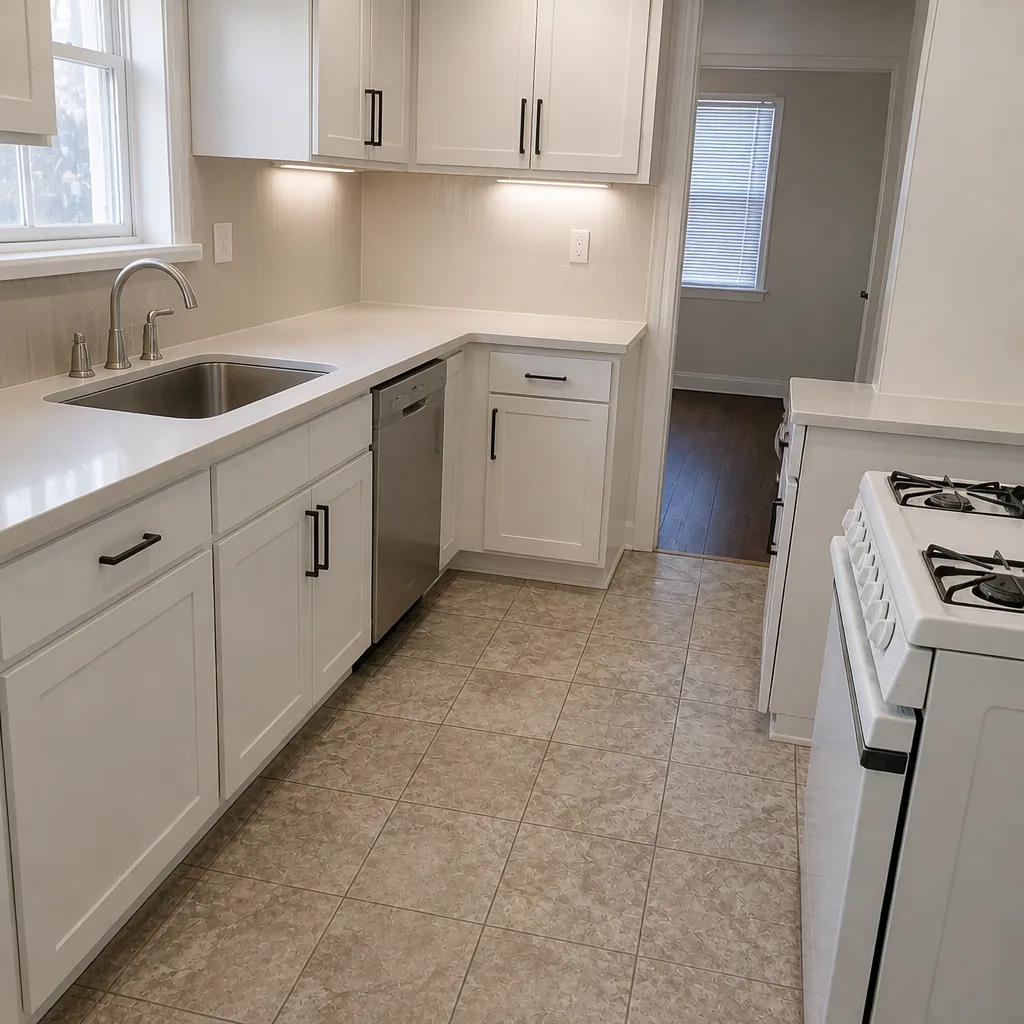
See the difference
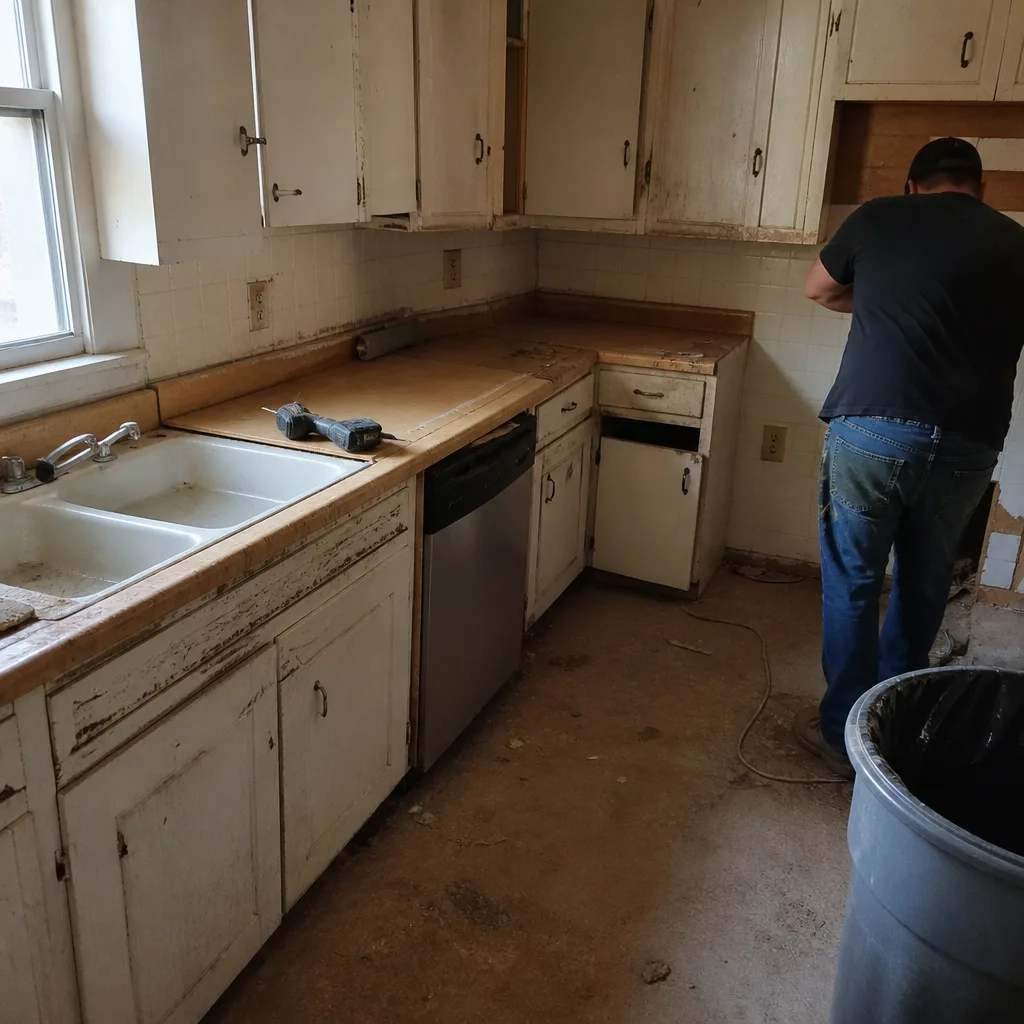 Before
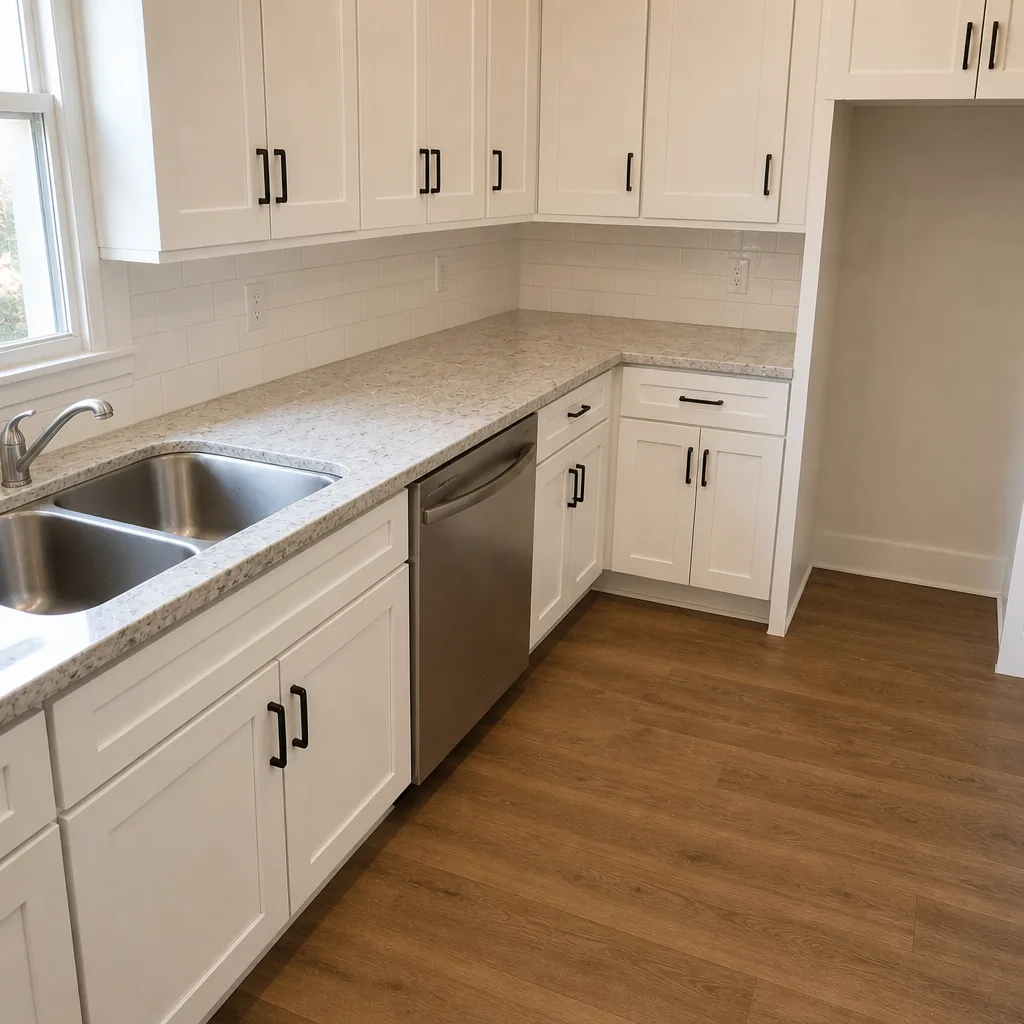 After
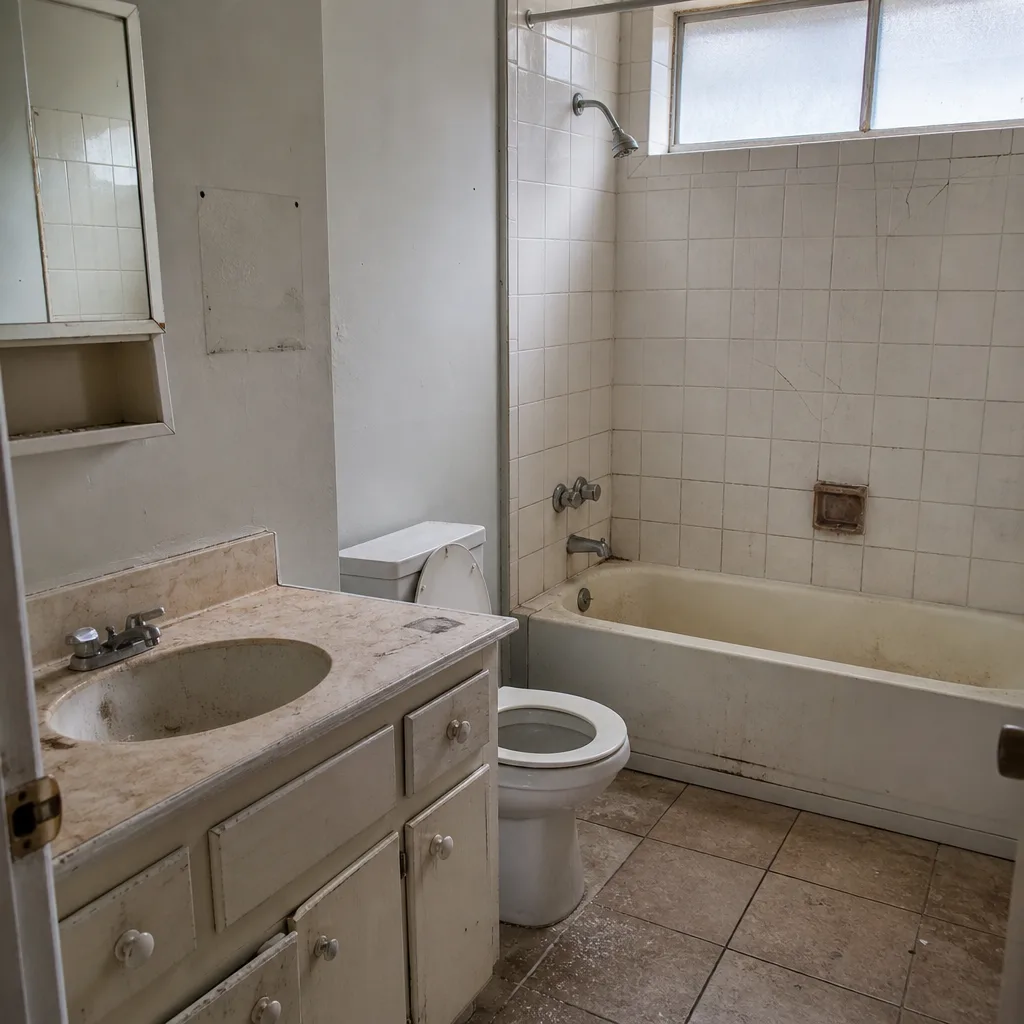 Before
 After
 Before
 After
When to Call a Professional
Call a professional the moment the work touches the building’s structure, its electrical, plumbing, gas, or HVAC systems, or its roof envelope. Call if you’re planning an ADU, since the unit needs a separate service, a sealed plan, and a certificate of occupancy. Call if your addition will change the home’s footprint or its appraisal value. Call if a previous owner left unpermitted work you’re now trying to correct. Any of those conditions pushes the project out of DIY scope and into licensed territory, and the cost of getting it wrong runs far higher than the labor you’d save.
Groundwork Construction Co. of Mesquite offers free estimates in Mesquite with line-item pricing, a 730-Day Done Right Promise on all work, and live human answers, 24/7. Call (888) 426-8078 to schedule yours, and we’ll tell you honestly which parts you can do yourself and which parts you can’t.
Frequently Asked Questions
Yes, you can legally pull and hold the residential permit yourself, but you cannot legally perform the electrical, plumbing, gas, or HVAC work; those require licensed trades, and structural work will need an engineer’s seal. The permit itself doesn’t exempt you from those requirements, and every inspection enforces them.
Not reliably. Insurers commonly exclude or limit coverage on work that wasn’t permitted and inspected to code, and a claim investigation may ask whether the owner performed structural or mechanical work. Keep the permit record, final inspection, and licensed trade invoices on the property to protect a future claim.
Yes. An ADU requires a building permit, licensed electrical and plumbing service, sealed structural drawings for new construction, and a certificate of occupancy before anyone occupies or rents it. Without those documents, an appraiser won’t count the unit at resale.
Finish scope is the honest savings: painting inside and out, interior trim and baseboards, floating floors over a sound subfloor, cabinet hardware, landscaping, and product selection. That finish work typically saves 10 to 25 percent of total project cost and stays clear of inspection exposure.
The correction has to be made, re-inspected, and inspected again before the next phase proceeds. A failed rough-in commonly means opening drywall, re-doing the trade work, and waiting for the next available inspection slot, which can add two to three weeks to the schedule and several thousand dollars to the bill.
Yes. Free project estimates come with a line-item written quote, and standing promotions include 0% financing for 18 months and $1,000 off projects over $10,000. Call (888) 426-8078 to schedule your estimate; calls are answered by a live person, 24/7.
The Bottom Line
The DIY line on a home addition isn’t about skill, it’s about permits, licensing, and what the property record carries into every future sale and insurance claim. In Mesquite, you can legally permit your own project and do the finish work yourself, and that’s the honest savings. Structure, electrical, plumbing, gas, HVAC, and ADU service need licensed hands. That’s the hybrid approach: the shell and systems go to a licensed contractor under a written guarantee, and the finish stays yours. The $1,000 you save on paint is real; the $8,000 you spend correcting a failed electrical rough-in isn’t. Get a line-item estimate before you decide which side of the line each task belongs on.
Written by the team at Groundwork Construction Co. of Mesquite.