Free written scope consultation - allowances, timeline, and change-order rules on paper before a single trade is scheduled
What a Wood Fence in Sunnyvale, TX Actually Costs and How Long It Takes
A wood fence in Sunnyvale, TX typically runs $3,500 to $9,000 for most residential lots, and a standard job is finished in two to four working days once materials are on site. You’re pricing a job here, not a product: footing depth, post spacing, board grade, gate count and the length of the run all land inside that range. Call (888) 426-8078 and we’ll walk your lot, measure the run, and put a line-item number in writing before anyone digs.
How We Build a Wood Fence Here, Stage by Stage
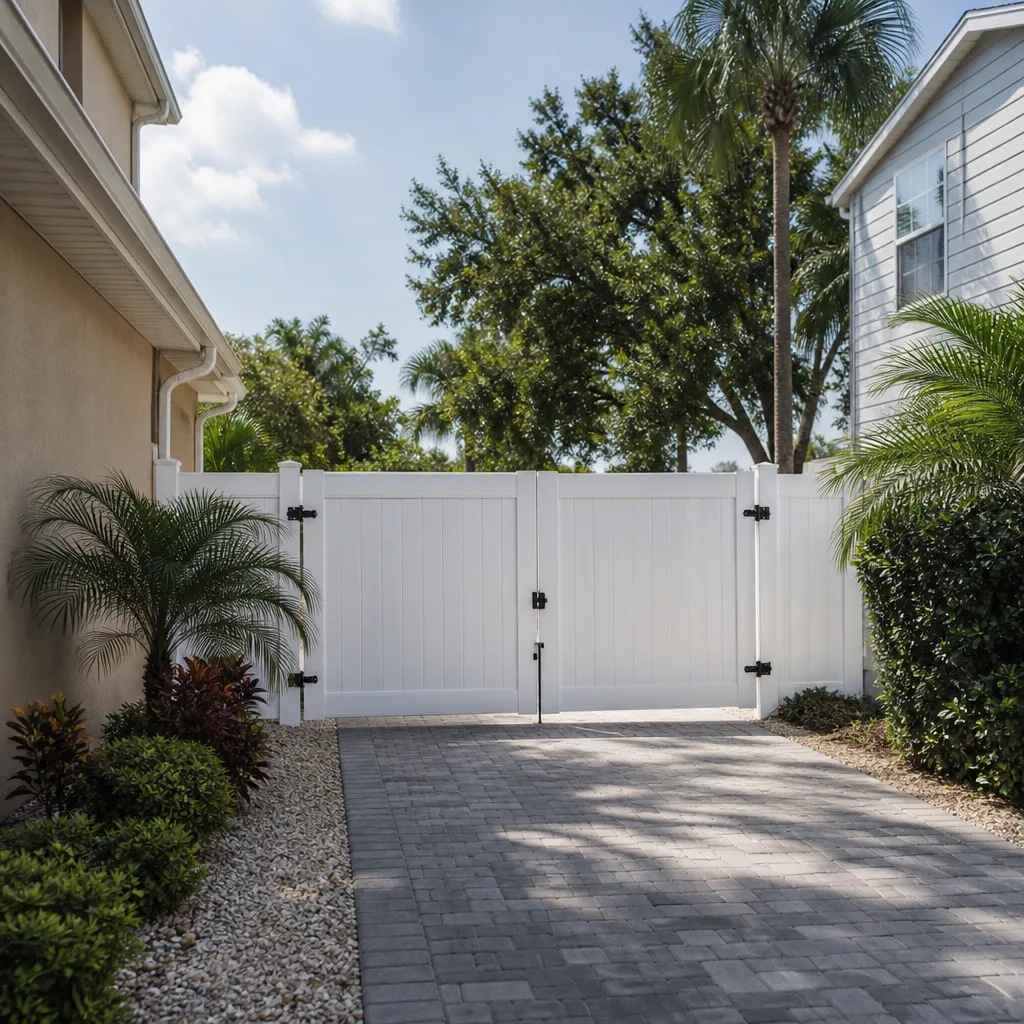
Most homeowners have never watched a fence go in, so here’s the honest sequence and where your decisions actually land.
Stage 1: Walk the line and set the layout (about an hour)
We walk the property line with you and mark posts on the ground with paint or flags. This is where you decide fence height, which side faces the neighbor, and where gates go. In Sunnyvale, acreage lots often mean the run isn’t a simple rectangle, so corners, angles and tie-ins to existing fence get measured now, not guessed later.
Stage 2: Call 811 and confirm the line (two to three business days before digging)
Every dig starts with a utility locate. It’s free, it’s required, and it’s the reason we don’t break a sprinkler main or a private line running to a shop or outbuilding. If a locate flags something in the post line, we shift posts. That costs nothing. Hitting a gas or irrigation line costs plenty.
Stage 3: Demo and set posts (day one, the long day)
Old fence comes out and hauls off the same day. Posts go in 24 to 36 inches deep depending on soil and height, set in concrete, and left to cure. On the blackland clay under most of Sunnyvale, we set deeper and wider than a tract-lot fence crew would. That clay swells when it’s wet and shrinks when it’s dry, and a shallow post works itself loose in two or three seasons.
Stage 4: Rails, boards and gates (day two and three)
Rails go on first, then pickets, then gates. You’ll pick board style, cap and trim before this stage starts, because once boards are running the decision is expensive to change. Gates get their own hardware and their own bracing; a sagging gate is almost always a bracing problem, not a hinge problem.
Stage 5: Final walk and stain decision (day three or four)
We walk the finished run with you, check every gate swing, and confirm the stain or seal timeline. Cedar and treated pine want different curing windows before a finish coat, and we’ll tell you which one your material needs. We don’t hand you a fence and disappear.
Styles & brands we work with
- Kitchen remodeling
- Bathroom remodeling
- Home additions & ADU
- Roofing
- Windows & doors
- Driveway & pavers
- Fence
The Options You’ll Actually Choose Between
Wood is a category, not one product. These are the real forks in the road, with the trade-offs that matter.
- Cedar vs. treated pine: Cedar resists rot and insects on its own, looks better longer, and costs roughly 25 to 40 percent more in material. Treated pine is the value play and holds up well when it’s sealed, but it will gray out and needs attention sooner. Cedar suits the custom homes off the rural edges; treated pine is a sensible call on a long boundary run where budget rules.
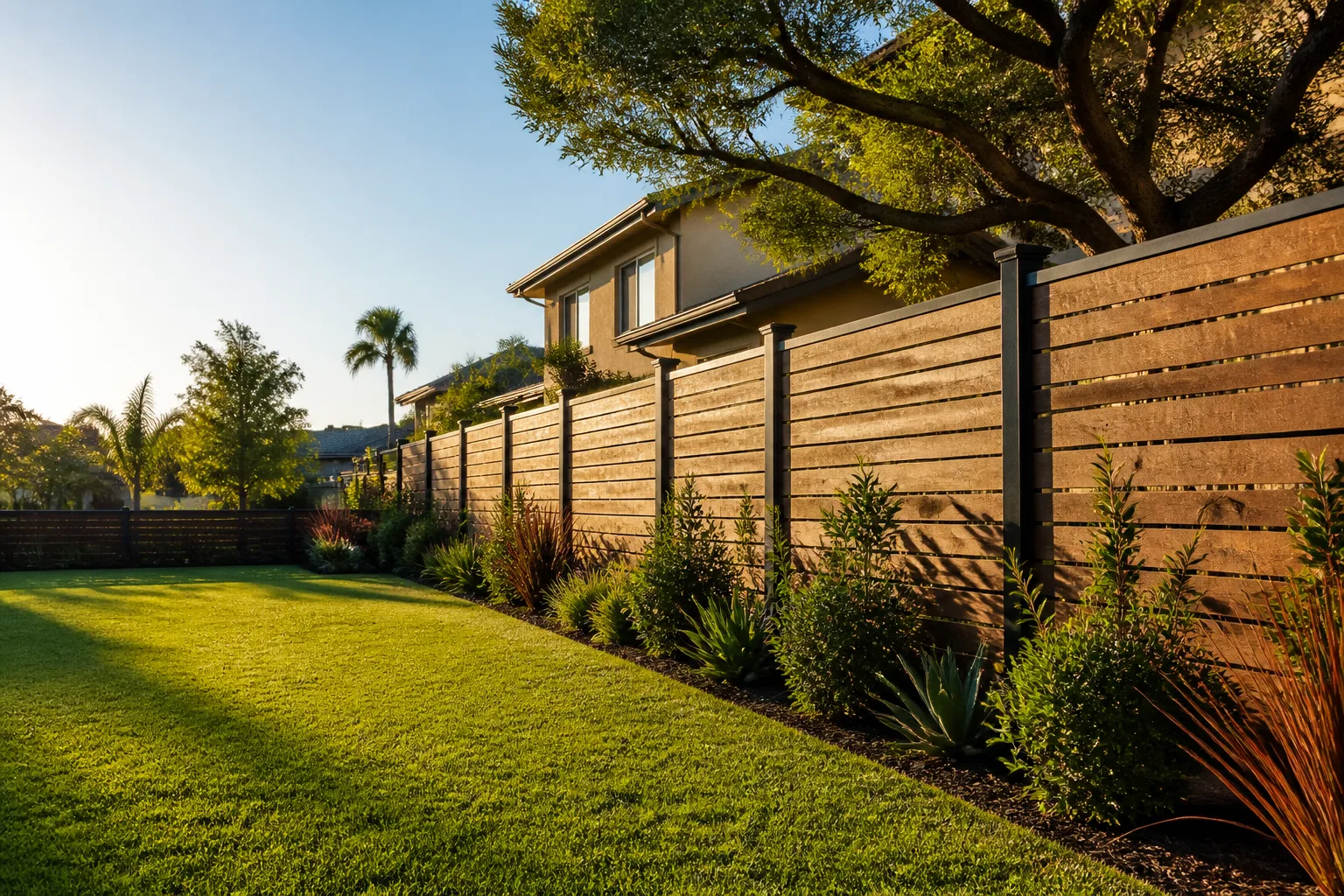
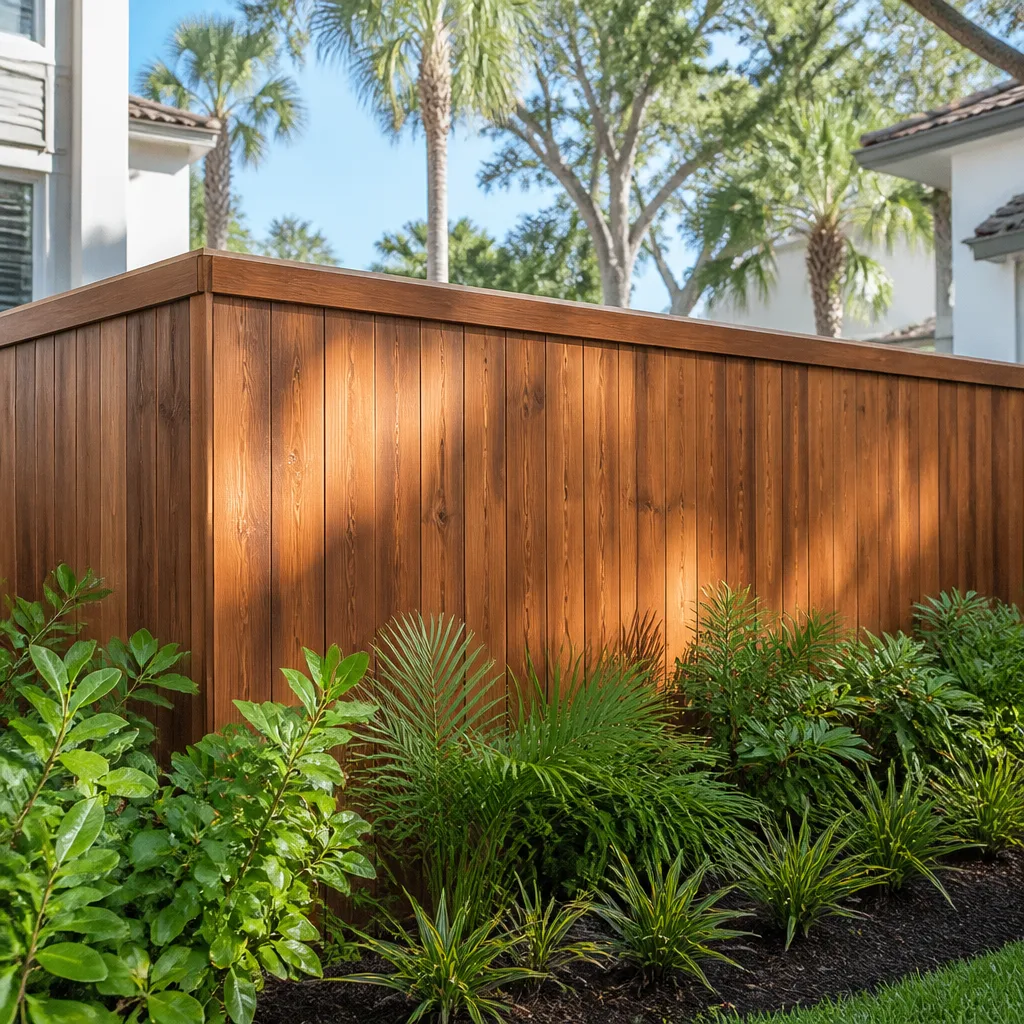
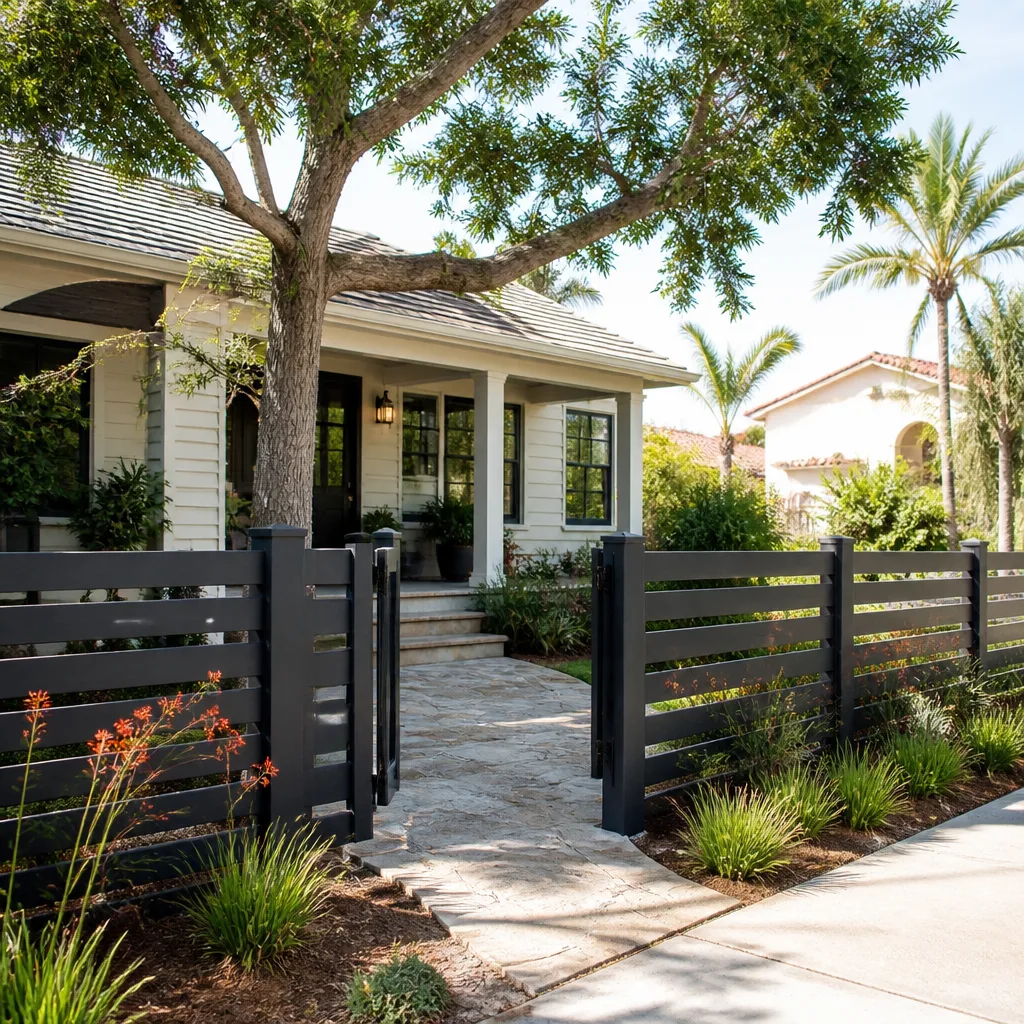
- Board style: Dog-ear, flat-top, and French gothic are the three most common profiles. Board-on-board (alternating overlap) gives full privacy with no gaps and handles slight grade changes better; side-by-side is cheaper and faster. On Sunnyvale lots with slopes, board-on-board usually wins.
- Height: Six feet is the standard privacy height. Eight feet gives more screening but adds wind load, thicker posts, and deeper footings. Check your HOA and the town before going tall.
- Post material and setting: Pressure-treated posts in concrete is the default. Steel posts cost more up front and outlast wood posts by a wide margin. On acreage runs where replacement is a hassle, steel is worth the conversation.
- Gates and hardware: A single walk gate is simple. Double drive gates, automatic openers, and gate tie-ins to a shop or barn add cost and hardware complexity.
- Finish: Clear sealer, semi-transparent stain, or solid stain. Solid stain hides grain and lasts longest; clear sealer shows the wood and needs recoating more often.
What a Wood Fence Costs in Sunnyvale, TX
Plan on $3,500 to $9,000 for a typical residential wood fence in Sunnyvale, with most jobs landing in the middle of that band. The number moves on five things: linear feet of run, fence height, material grade (cedar vs. treated pine), gate count and gate type, and site conditions like slope, rock, or an old fence that has to come out first.
A straight 150-foot, six-foot treated pine privacy run with one gate sits near the bottom of the range. Push to 250 feet, cedar, board-on-board, two gates, and a slope that needs stepped panels, and you’re at the top. Steel posts, an automatic gate, or a run that requires clearing brush and hauling off debris each add their own line.
Your written estimate should spell out linear feet, post spacing, post depth, material species, gate count, stain or seal, and debris removal. It should not bury a “miscellaneous” line. What’s typically not included: stump grinding, moving a shed or outbuilding, utility relocation, and major grading. We’ll flag any of those before work starts so there’s no surprise mid-job.
See the difference
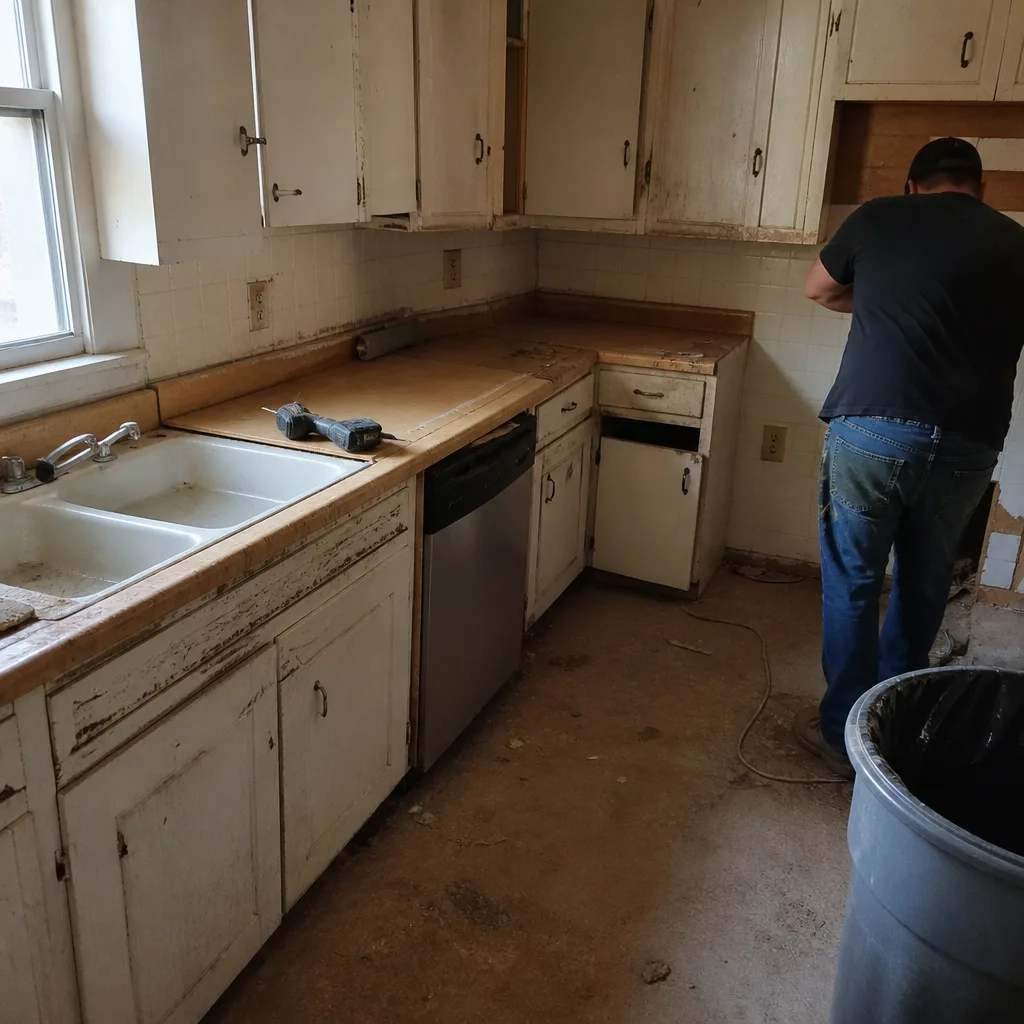 Before
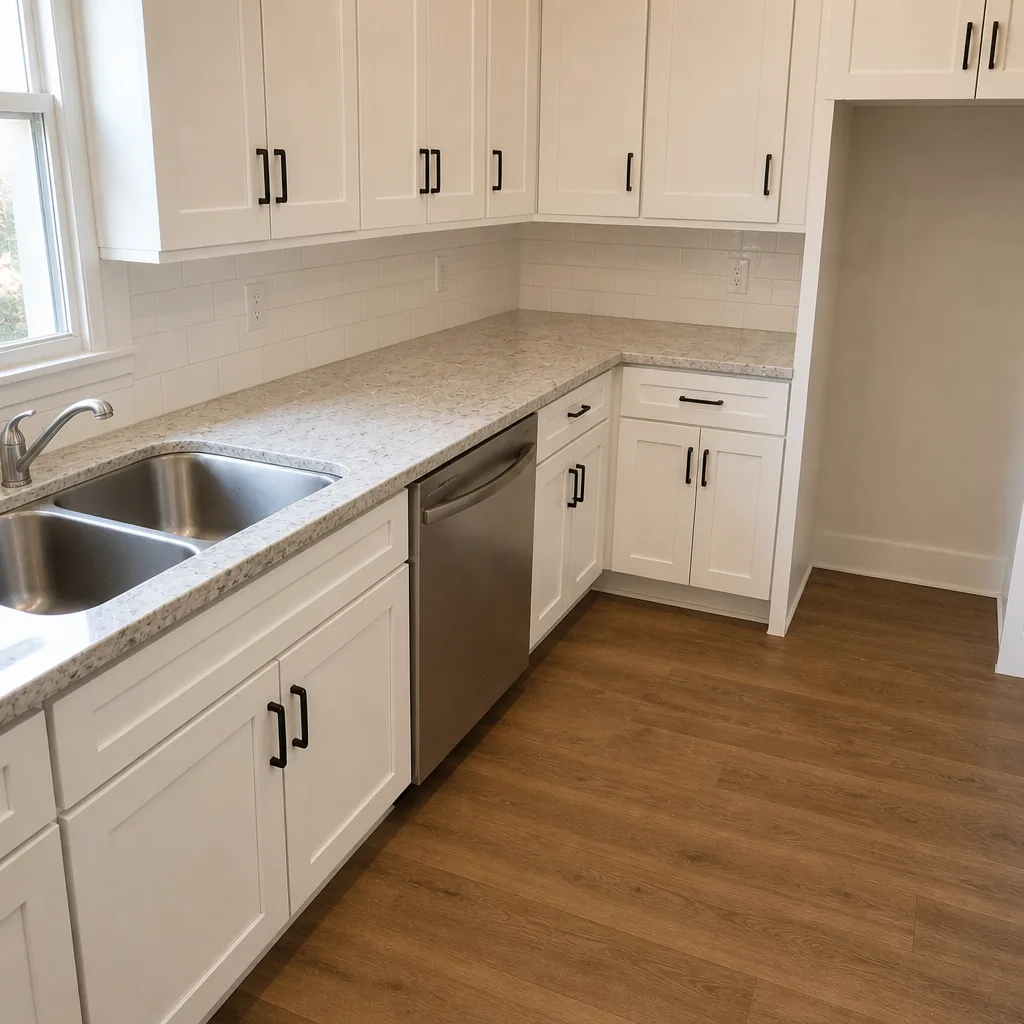 After
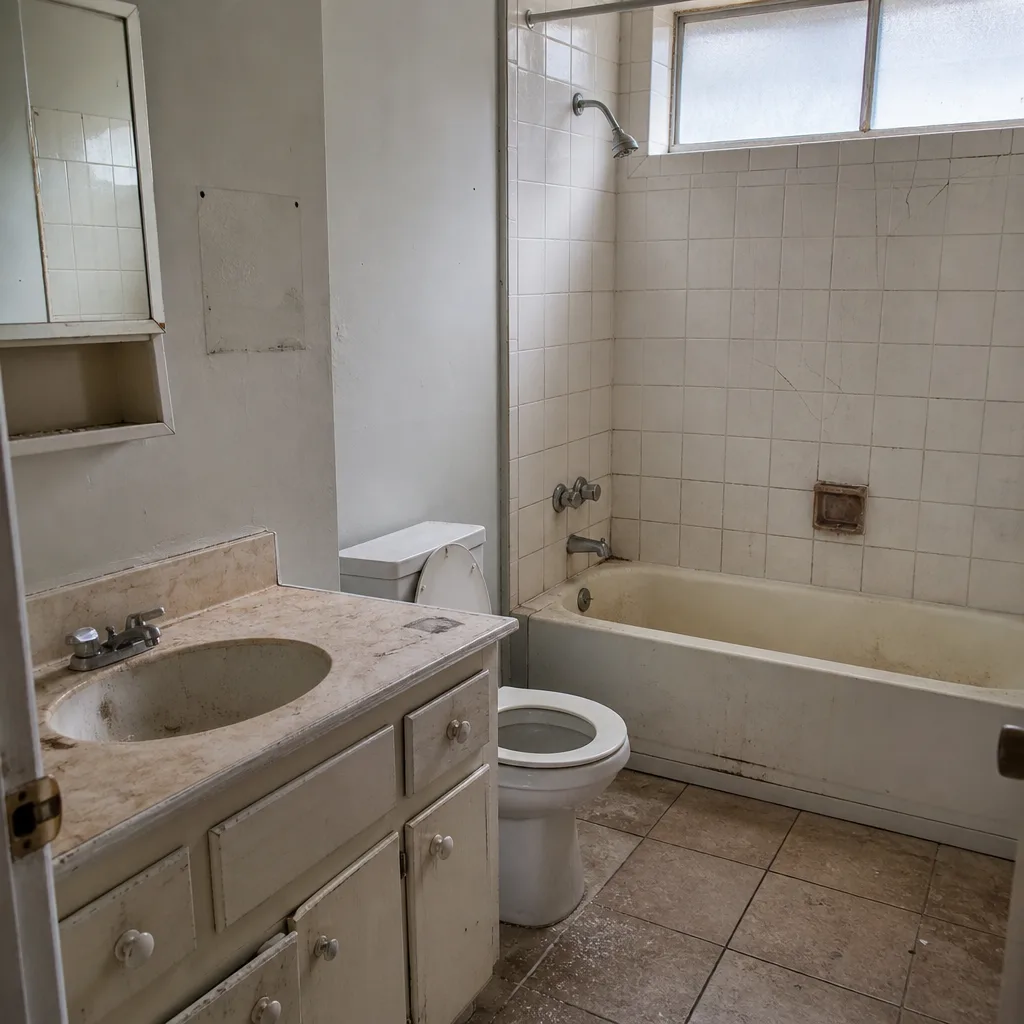 Before
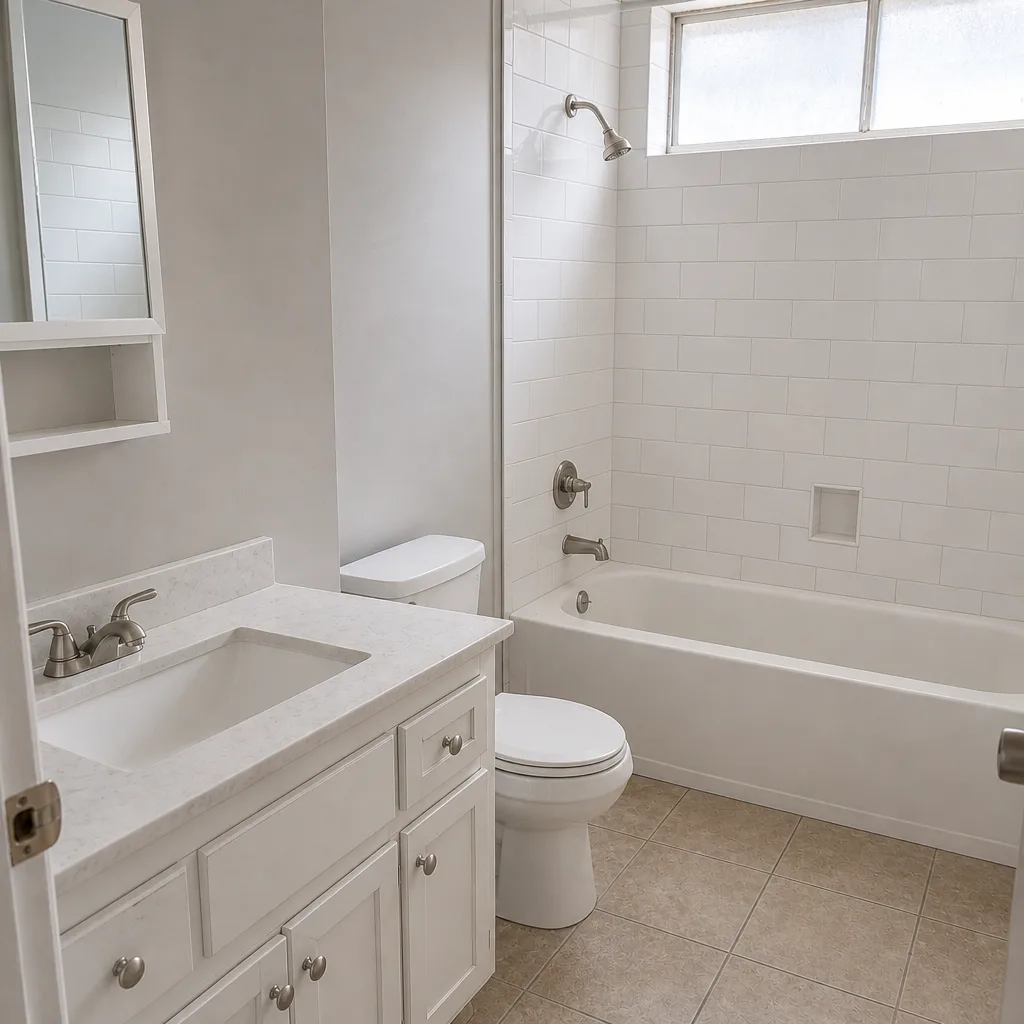 After
 Before
 After
What Sunnyvale Properties Specifically Do to This Job
Sunnyvale isn’t a tract suburb, and a fence bid written for a Garland or Mesquite lot won’t fit here. The town (ZIP 75182) runs on large-lot custom and semi-custom homes and acreage parcels, which changes the work in ways you feel on day one. Runs are longer. Property lines are less obvious. And the town’s own permitting and inspection rhythm is smaller and more relationship-driven than a big-city jurisdiction, so we confirm requirements with Sunnyvale’s municipal office directly rather than assuming a neighboring city’s rules apply.
The clay soil is the other reality. North Texas blackland clay swells with spring storms and shrinks in a dry August. On a long boundary run, that movement is what pulls posts loose and racks gates out of square. We set posts deeper and keep spacing consistent so the fence moves with the ground instead of fighting it. Hail and wind season also test fence lines here, and a well-braced gate and properly set posts are what survive it.
On the acreage properties off the rural edges, fences often have to tie in to a shop, barn or outbuilding, and those structures already have their own power and slab considerations. A fence line that crosses a buried line to a shop is a different job than one that doesn’t, and getting 811 out first is how we avoid turning a fence job into an excavation. If your project is bigger than the fence line, that’s part of a full Fence Installation in Sunnyvale scope, and we can talk through it on the walk. Homeowners here often pair a new fence with Paver Driveways in Sunnyvale or Concrete Driveways & Concrete Work in Sunnyvale, and we’re glad to price both together.
Serving Sunnyvale, TX – Our Local Coverage Area
We serve Sunnyvale and nearby communities. Use the map below to see the area we cover. If you’re nearby, we can almost certainly help.
Frequently Asked Questions About Wood Fence in Sunnyvale
Most wood fence jobs in Sunnyvale run two to four working days once materials are delivered, with the post-setting day being the longest. Add two to three business days up front for the utility locate. Weather can stretch it, since we don’t set posts in standing water or run boards in high wind. Call (888) 426-8078 for a firm timeline on your lot.
It depends on height and location, and the answer is specific to Sunnyvale’s own rules rather than the surrounding cities. Fences at or under the typical residential height often don’t need a permit, while taller runs or corner-lot sight-line issues can. We confirm the requirement with the town before we dig, so you’re not guessing. Call (888) 426-8078 and we’ll check your situation.
Usually no. Wood fence installation is a shallow-dig job and doesn’t require moving plumbing or structural elements, but it does require knowing what’s underground. That’s what the 811 locate is for. If a line sits directly in the post path, we adjust spacing rather than move the line. Call (888) 426-8078 if you’re unsure what’s buried along your line.
Wood fence in Sunnyvale runs $3,500 to $9,000 for a typical residential job, with cedar, longer runs, more gates, and slope pushing toward the top of the range. Treated pine on a shorter run lands near the bottom. Call (888) 426-8078 for an exact written quote; the estimate is free.
Every wood fence we build is covered by our 730-Day Done Right Promise: if it isn’t done right, we make it right for two full years. Gates, posts, and boards are all included. Call (888) 426-8078 to schedule your free estimate and see the promise in writing.
Get a Free Wood Fence Estimate in Sunnyvale
Tell us the run length and what you’re after, and we’ll come out, measure the lot, and hand you a line-item estimate at no cost. Calls are answered by a live person, so you’ll get a real conversation, not voicemail. Reach us at (888) 426-8078 to schedule your free estimate in Sunnyvale, and we’ll walk the property with you and talk through Fence Installation options and timing. You can also see the full range of what we cover on our Sunnyvale service-area page.
Written by the team at Groundwork Construction Co.