Last updated November 17, 2026






Free written scope consultation - allowances, timeline, and change-order rules on paper before a single trade is scheduled
Fence Installation Maintenance Schedule: What to Do and When
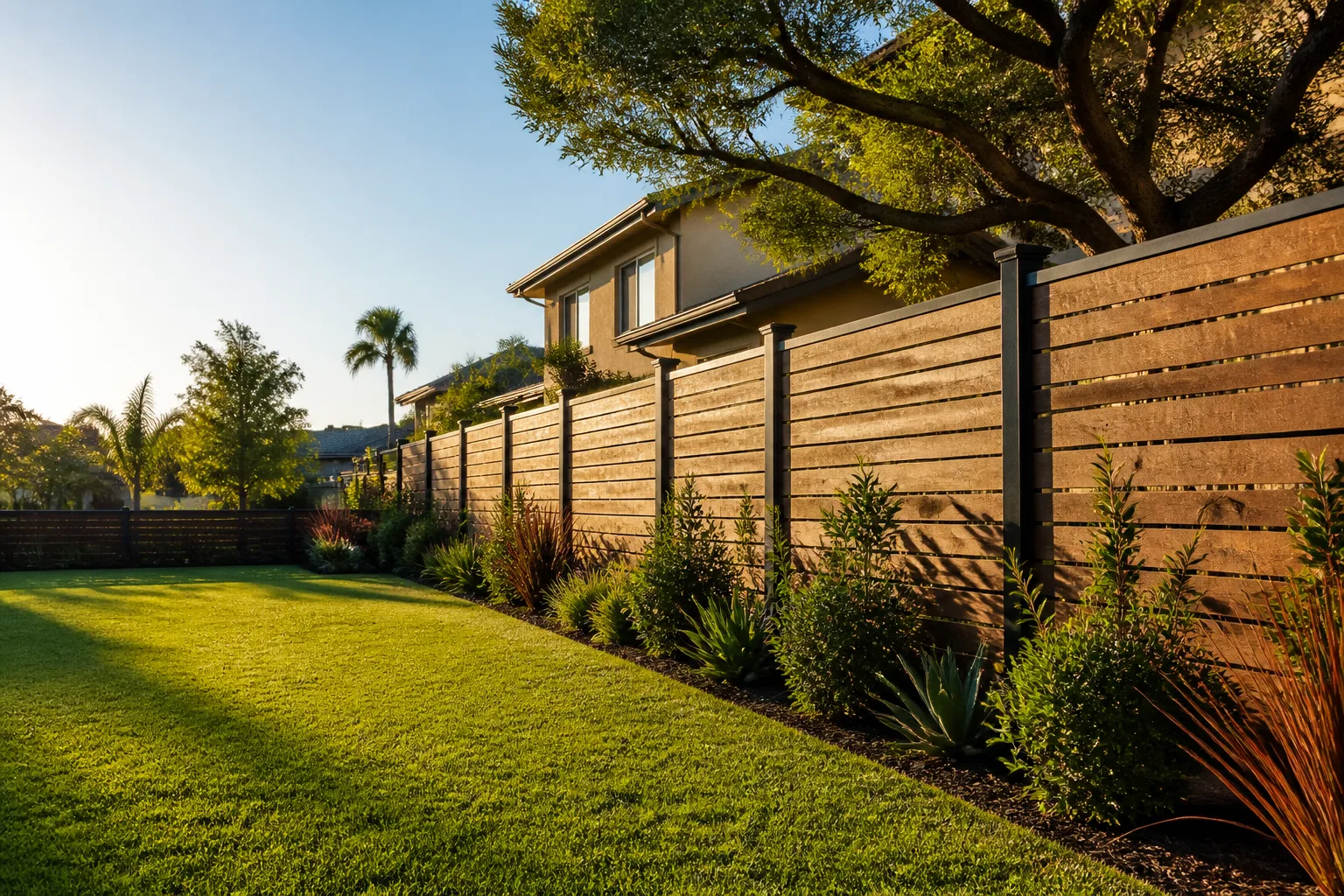
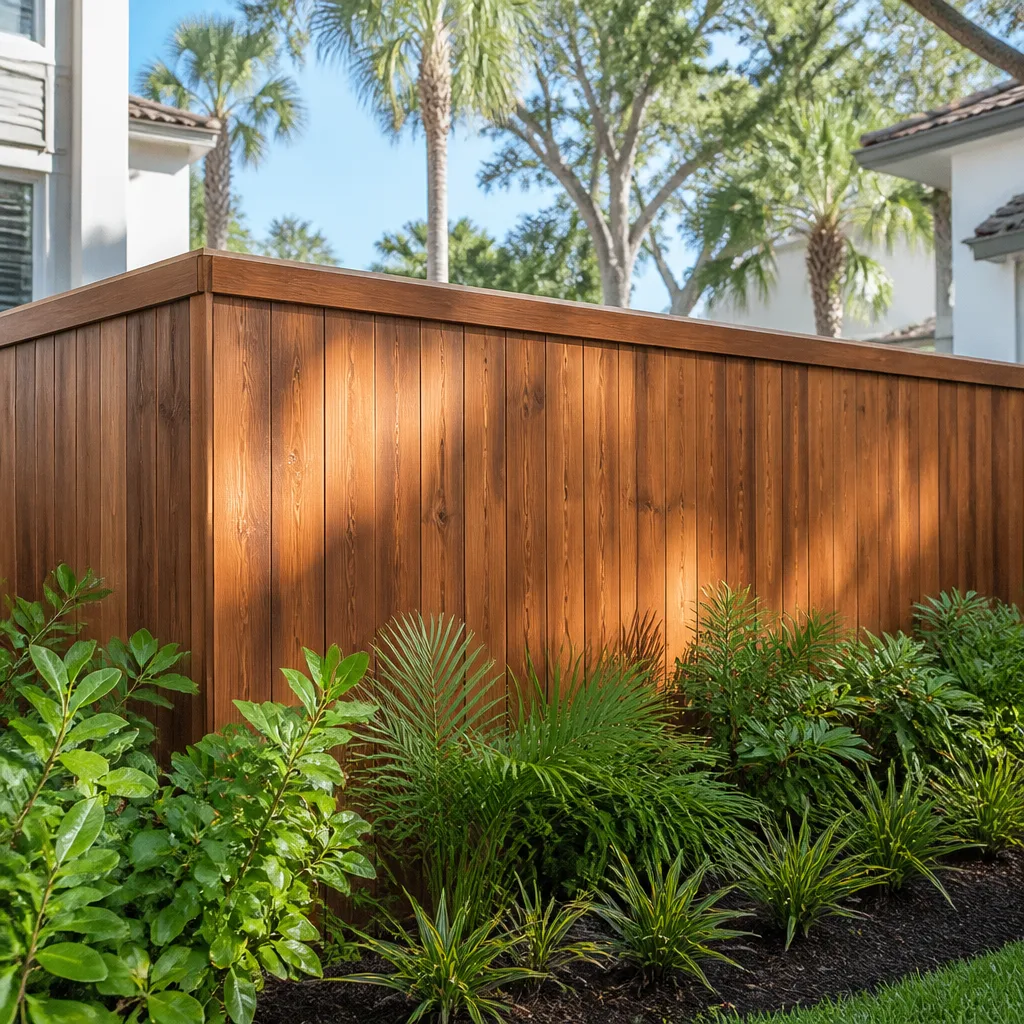
Cedar fence stain applied in August in Mesquite is money thrown away. The wood is too hot and too dry to absorb it, so most of the product sits on the surface and weathers off within a season. We’ve watched homeowners repeat that mistake every summer, then wonder why a five-year-old fence looks fifteen. Here’s the counterintuitive part: wood fence maintenance has very little to do with how hard you work and almost everything to do with timing. Mesquite’s brutal UV summers, occasional hard freezes, and expansive clay soil create a maintenance sequence that generic national guides skip entirely. Follow this calendar and a quality cedar fence can outlast the average by roughly five years.
Quick Answer
The single best window for staining and sealing a North Texas cedar fence is late September through October, when daytime highs drop into the 70s and 80s and the wood has had weeks to dry out after summer. Beyond staining, fence maintenance follows a seasonal rhythm: post-storm inspections from May through September, a ground-line rot check every fall, and vegetation clearance before spring growth takes hold. Get the sequence right and repairs stay cheap. Get it wrong and you’re replacing posts instead of boards.
Styles & brands we work with
- Kitchen remodeling
- Bathroom remodeling
- Home additions & ADU
- Roofing
- Windows & doors
- Driveway & pavers
- Fence
Table of Contents
- Why Timing Matters More Than Effort in Mesquite
- The Optimal Staining and Sealing Window
- Post-Storm Inspection Checklist (May Through September)
- Annual Ground-Line Rot Inspection
- Vegetation Clearance and the 6-Inch Rule
- Vinyl and Aluminum: What They Actually Need
- The Month-by-Month Calendar
- Common Mistakes to Avoid
Why Timing Matters More Than Effort in Mesquite
Wood fence maintenance advice is usually written as if all climates are equal. They aren’t. A cedar fence in Mesquite lives through a specific set of stresses that a fence in Portland or Minneapolis never sees: sustained summer UV that bleaches and dries wood fibers, a handful of hard freezes each winter that expand and contract moisture trapped in the grain, and expansive black clay soil that swells after rain and shrinks in drought. That combination is why the maintenance sequence matters as much as the maintenance itself.
The UV is the big one. Mesquite summers regularly push past 100 degrees for weeks at a time, and an unstained cedar board on the south or west run of a fence takes that exposure straight on. Sun damage on wood shows up as a gray, fuzzy surface and fine cracks running along the grain. Once that happens, the wood is no longer absorbing sealer well. You’ve lost a season.
The clay soil is the quiet problem. Black clay holds moisture against the base of posts and fence boards, then dries and pulls away. That cycle of wet-then-dry is what rots the bottom footer of a fence, not rain alone. In our experience, fences along the newer development edges in Mesquite, where soil was disturbed during grading, show ground-line rot earlier than fences sitting on older, settled ground.
What this means practically: the maintenance calendar has to be built around Mesquite’s seasons, not around a generic “stain once a year” rule. The rest of this guide walks through each phase. If you’d like the whole picture of what a new fence involves before you plan maintenance, start with our Fence Installation in Mesquite page.
The Optimal Staining and Sealing Window
Late September through October is the best time to stain and seal a cedar fence in North Texas. Spring applications come in second. August is the worst month to apply stain, and it’s the month we get the most calls about it.
Here’s why. Stain needs wood to be in a specific moisture range to absorb properly. In August, the surface of a cedar board can hit 140 degrees in direct sun, and the wood has dried out so completely that its grain has closed up. The stain sits on top, cures to a film, and either blisters or wears off in a matter of months. By late September, the daily highs have softened, the wood has had weeks to stabilize after the summer, and humidity levels are generally favorable for a cure. That’s the window.
The full seasonal picture for staining looks like this:
- Late September through October: Ideal. Moderate temperatures, stable humidity, wood ready to absorb.
- March through April: Good, and a solid backup if you missed fall. Wood is coming out of winter and drying cleanly.
- November through February: Poor. Temperatures may dip below the cure range, and cold nights slow drying. Occasional freezes in Mesquite make this risky.
- May through August: Avoid. Too hot, too dry, wood too stressed. Money thrown away.
Numbered steps for a well-timed stain job:
- Clean first. Wash the fence with a low-pressure application of a wood-safe cleaner to remove dirt, pollen, and mildew. Let it dry completely, usually three to five days depending on weather.
- Check for moisture. Press the back of your hand against the wood in shade. It should feel dry, not cool and damp. If it feels cool, wait another few days.
- Test on a hidden board. Apply stain to a short section on the back side or a fence run away from the street. Watch how it absorbs before committing.
- Apply in the right conditions. Aim for a day with moderate temperatures, no rain forecast for 24 to 48 hours, and no direct sun baking the boards when you apply.
- Give it a full cure. Don’t hose down or pressure-wash the fence for at least a week.
One more note on materials. Cedar needs a penetrating oil-based or water-based stain, not a thick film-forming exterior paint. Film coatings crack and peel under Mesquite’s UV, and once that happens you’re looking at sanding or board replacement. If you’re weighing wood against the alternatives, our guide to Groundwork Construction Co. of Mesquite home lays out the material options we install.
Why Fall Beats Spring for Mesquite
Both fall and spring are workable, but fall has an edge in Mesquite for three reasons. First, the wood has just come through peak sun and has fully dried, so it absorbs stain more evenly. Second, fall application means the fresh sealer is protecting the fence through winter, when occasional hard freezes and moisture swings do damage. Third, spring in North Texas brings pollen and unpredictable storms; you’re more likely to get a rainy stretch that ruins a fresh stain job. Fall is the lower-risk window.
Post-Storm Inspection Checklist (May Through September)
Mesquite’s thunderstorm and microburst season runs May through September, and a summer derecho can do more fence damage in ten minutes than a whole year of normal wear. Microburst winds, in particular, slam a fence broadside. After any significant storm, run this checklist before you assume everything is fine.
What to check after a storm:
- Walk the full line from both sides. Look for leaning posts, popped nails, cracked pickets, and gaps that weren’t there before.
- Push on corners and end posts. A corner post that shifts under moderate pressure was loosened. Get it checked before it takes a section down.
- Check the gate. If it drags or binds differently, the posts may have shifted.
- Inspect the base along the ground line. Look for boards that have separated from the rail, especially near the bottom.
- Look up at the rails. A rail that took a blow but hasn’t given way yet will fail later. Look for cracking near the fasteners.
- Check for water pooling. If soil has settled and created a low spot along the fence line, water will pool against the footer and accelerate rot.
Surface fixes go a long way, but some damage is a post replacement, not a repair. If a post is rocking at its base, if the wood around the footer feels soft, or if the footer has heaved out of the ground, the honest answer is to replace the post. A patched post is a fence waiting to fall over on the next storm. We’ve handled enough storm damage across Mesquite to know that the difference between a fix and a replacement usually shows up at the base of the post, not up top.
Annual Ground-Line Rot Inspection
Ground-line rot is the leading cause of fence failure in North Texas, and it starts where homeowners never look: at the bottom of the board, where the wood meets damp soil. Do this inspection every fall, ideally before the rainy season. Plan on an hour with a screwdriver for the whole line.
Here’s how to inspect for rot:
- Walk the fence and look at the bottom edge of every board and the bottom of every post, at the ground line.
- Use a screwdriver as a probe. Press the tip into the wood at the ground line, along the bottom of the post, and where the board meets the rail. Sound wood will resist firm pressure.
- Watch for soft or spongy feel. If the screwdriver sinks in with light pressure, that wood is rotted. If it pulls out a wet, dark, crumbling chunk, you have significant rot.
- Look for discoloration. Dark, blotchy, or blackened wood at the ground line is a sign of moisture damage, even if it’s not yet soft.
- Check the base of each post for movement. Push each post. A stable post doesn’t move.
When a surface fix is enough: minor surface rot on a few boards can be replaced individually if the rail and post are sound. When a post replacement is needed: any soft wood at the post footer, rocking posts, or posts where the footer has pulled free of the soil. In our experience, fences along the clay-heavy newer subdivisions in Mesquite need ground-line inspections yearly, and post replacement is a routine, expected part of fence ownership.
Vegetation Clearance and the 6-Inch Rule
Grass and shrubs touching the base of a fence accelerate rot faster than almost anything else. They trap moisture against the wood, block airflow, and create a dark, damp microclimate right where rot begins. The 6-inch rule exists for a reason: keep all vegetation, including lawn grass, at least six inches back from the fence on both sides. That sounds small. It’s not.
What a real 6-inch clearance requires:
- Ground-level lawn: trim grass so the mower doesn’t scalp the fence line and push trimmed grass into the gap.
- Shrubs and hedges: prune so that no foliage is closer than six inches to the fence at any point, including overhead growth.
- Vines and groundcovers: remove climbing vines from the fence entirely. Vines hold moisture and damage the wood surface as they root onto it.
- Mulch and soil: don’t pile mulch or soil above the bottom of the lowest rail. Keep it below the ground line of the board work.
Vegetation clearance timing: late winter, before spring growth takes off. A cleanup in February or early March keeps the fence clear through the growing season. A second pass in late August handles the summer growth spurt. If you want to consider a fence installed with better clearance and airflow baked into the design, our Driveway & Pavers in Mesquite team often coordinates fence and hardscape projects in one plan.
Vinyl and Aluminum: What They Actually Need
Vinyl and aluminum fences are low-maintenance, but they aren’t no-maintenance. The biggest mistake we see is homeowners treating a vinyl or aluminum fence like wood: applying stain, paint, or wood sealers. Don’t. These materials need a different, simpler calendar.
Vinyl fence maintenance:
- Wash twice a year with a garden hose and a mild soap solution. That’s usually enough to keep it looking new.
- Inspect for loose posts and panels after every storm season. Vinyl panels can pop out of rails under high wind.
- Check the ground line for soil pressure and settle. Keep soil and mulch below the bottom rail.
- Never use solvent-based cleaners or harsh chemicals. They dull or discolor the vinyl.
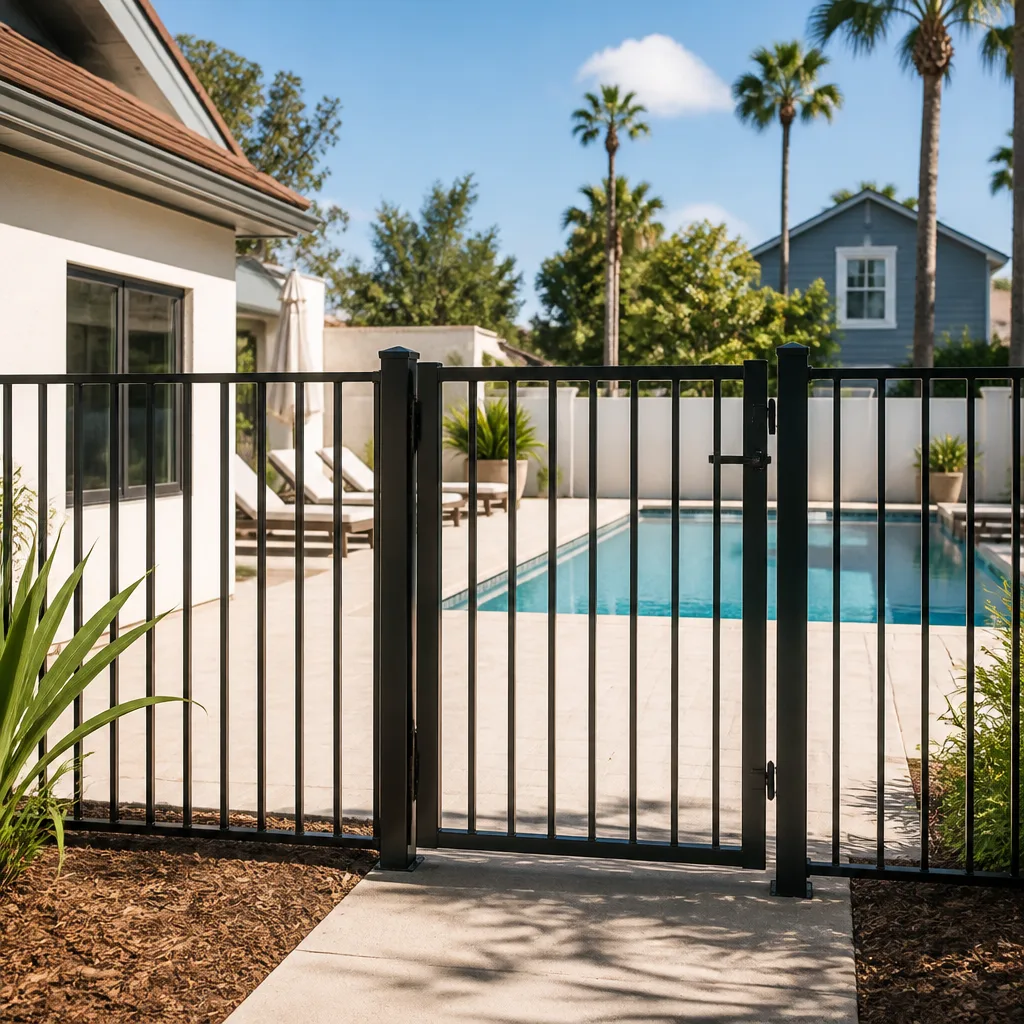
Aluminum fence maintenance:
- Wipe or hose down twice a year, especially along the bottom rail where dirt collects.
- Inspect the finish for scratches and touch up with manufacturer-matched paint before rust can start.
- Check fasteners and caps during the fall inspection. Loose caps and post caps can vibrate off over the season.
What to never do to a vinyl or aluminum fence: stain it, paint it, apply a wood sealer, pressure-wash at high pressure, or use an abrasive pad. The whole point of these materials is to eliminate the staining and sealing cycle wood requires. Treat them accordingly, and they’ll hold up well through Mesquite summers and winters without much intervention. If you’re still deciding between materials, our Fence Installation in Mesquite page covers the tradeoffs honestly.
The Month-by-Month Calendar
Here’s what the full maintenance year looks like in Mesquite. Print it, tape it inside a cabinet, and check it each season.
January through February
- Late-winter vegetation cleanup: prune back growth, clear the ground line of debris, and pull vines.
- Check any winter storm damage on posts and rails. Freeze expansion can crack wood at the base, especially on older fences.
March through April
- Backup staining window if you missed fall. March and April are generally workable for a stain touch-up, though fall is preferred.
- Inspect for overwintering rot at the ground line.
- Re-seat any rails that shifted during freeze and thaw.
May through September
- Post-storm inspection after any significant thunderstorm or high-wind event. This window is Mesquite’s peak storm season.
- Late-August vegetation pass to keep the fence cleared of summer growth.
- Don’t stain during these months. Wood is under too much stress.
October through December
- Primary stain and seal application for cedar. Get this done in October if possible.
- Annual ground-line rot inspection. Probe the base of every post and the bottom of every board.
- Final fall vegetation clearance before winter.
This is the sequence we recommend to Mesquite homeowners and it’s the sequence our technicians follow on our own projects. If you’re planning a larger scope of work, our team can usually coordinate fence maintenance with related improvements in a single visit. Homeowners planning a broader property upgrade may also want to look at a Home Additions & ADU in Mesquite plan, since site work and fence lines often intersect with additions.
Common Mistakes to Avoid
- Staining in August. The wood is too hot and dry to absorb stain. Apply in fall or spring, not summer. This is the single most common waste-of-money mistake in North Texas.
- Pressure-washing at high pressure on cedar. High pressure gouges soft wood and leaves the surface fuzzy, making stain absorb unevenly. Use low pressure and a wood-safe cleaner.
- Stacking mulch against the fence base. In Mesquite’s clay soil, piled mulch and soil hold moisture against the boards and accelerate rot. Keep mulch below the ground line of the boards.
- Patching a rotted post with a wrap or a surface treatment. If the wood at the footer is soft, the post is done. A patched post fails on the next storm, usually taking a whole fence section with it.
- Treating vinyl or aluminum with a wood stain or sealer. These materials don’t absorb anything, and applying stain or sealer is a slow, messy waste of a Saturday.
- Skipping the post-storm inspection. A small crack near a fastener becomes a full rail failure after the next microburst. Ten minutes after each storm prevents a much larger repair.
- Ignoring the fence during the driest months. Wood fence boards in Mesquite can lose moisture quickly in a summer drought and crack. If the wood starts to look gray and dry, plan stain application as early as the fall window allows.
See the difference
 Before
 After
 Before
 After
 Before
 After
When to Call a Professional
Some fence work is a homeowner’s weekend project. Some is not. Call a professional when a post has rotted at the footer and needs replacement, when a storm has heaved a post out of the ground or cracked a rail near the fastener, when a gate is dragging because the frame has shifted, or when more than a few boards need replacement in a single run. Also call when the wood itself is at the end of its service life and patching stops making sense. Rot spreads along the bottom footer and into the rails, and once it does, every repair you do is temporary.
Groundwork Construction Co. of Mesquite offers free estimates in Mesquite. Call (888) 426-8078 to schedule an assessment. Our technicians use background-checked crews and arrive on every job in uniform, and every project we complete is covered by the 730-Day Done Right Promise: if it’s not done right, we make it right. Pricing is upfront, the number you see is the number you pay, and we don’t hand over an estimate and disappear. A live person answers the phone, 24/7.
Frequently Asked Questions
Late September through October is the best window for staining a cedar fence in Mesquite. The wood has dried out fully after summer, daytime highs are moderate enough for proper absorption, and there’s less risk of a rain shower ruining the job. Spring (March and April) is a solid backup, but August and the rest of summer are the worst time to stain because the wood is too hot and too dry to absorb the product.
Inspect for rot at the ground line once a year, ideally in the fall before the rainy season. North Texas clay soil holds moisture against the base of the fence, so rot often starts at the bottom of a post or board before anything else shows signs of trouble. Use a screwdriver to probe the wood at the ground line; if it sinks in with light pressure, that section is rotted and needs replacement.
Vinyl fence maintenance in Mesquite is minimal: wash it twice a year with a garden hose and mild soap, inspect for loose panels after the storm season, and keep soil and mulch below the bottom rail. Never apply stain, paint, or a wood sealer to a vinyl fence, and don’t pressure-wash it at high pressure. The material is designed to skip the staining cycle entirely.
A well-maintained cedar fence in Mesquite typically lasts significantly longer than an unmaintained fence, often around five years longer, depending on the original installation quality and the care it receives. The two biggest factors are timely staining in the right season and annual ground-line rot checks. Fences left unstained in full sun and stacked with vegetation against the base can fail years ahead of schedule.
After a thunderstorm in Mesquite, walk the full fence line and check for leaning posts, popped nails, cracked pickets, gaps at the corners, and any change in how the gate opens and closes. Push on each corner post and end post to check for looseness. Check the ground line for newly exposed rot and for water pooling against the fence base. Any post that rocks at the footer should be inspected by a professional before the next storm.
Replace a post if the wood at the footer is soft, if it rocks when you push on it, or if the footer has heaved out of the ground. Patching a rotted post is temporary at best and usually leads to a full fence section failure within a season or two. A professional can tell you in a five-minute inspection whether the post is a patch job or a replacement. Groundwork Construction Co. of Mesquite offers free estimates; call (888) 426-8078 for an assessment.
The Bottom Line
Maintenance timing carries as much weight as maintenance effort, especially in Mesquite. The three anchors of a fence that lasts are: stain cedar in late September through October, not summer; inspect the full line after every storm from May through September and probe the ground line for rot every fall; and keep all vegetation six inches back from the fence at all times. Vinyl and aluminum fences need a much simpler calendar, mostly washing and storm inspection, and never stain or paint. Get these fundamentals in place and a quality fence will last years longer than a neglected one. Groundwork Construction Co. offers free estimates in Mesquite. Call (888) 426-8078 to schedule yours. Our technicians bring up to 12 years of experience to every job, pricing is upfront with no surprises, and our 730-Day Done Right Promise backs every project from foundation to finish line.
Written by the team at Groundwork Construction Co. of Mesquite.